Table of Contents
Open Table of Contents
- Overview
- The battery you actually get
- What the lab data says
- So what does 5G actually change?
- Charging is the other half of the answer
- Small habits that stretch the battery
- How it sits against other big-battery phones
- FAQ
- How long does the Xiaomi 17 battery last with 5G on?
- Is the global Xiaomi 17 battery smaller than the China version?
- How fast does the Xiaomi 17 charge?
- Does the Xiaomi 17 come with a charger?
- Is the Xiaomi 17 battery better than the Xiaomi 15’s?
- How long will the Xiaomi 17 battery stay healthy?
- Is the Xiaomi 17 a Redmi or a POCO?
Overview
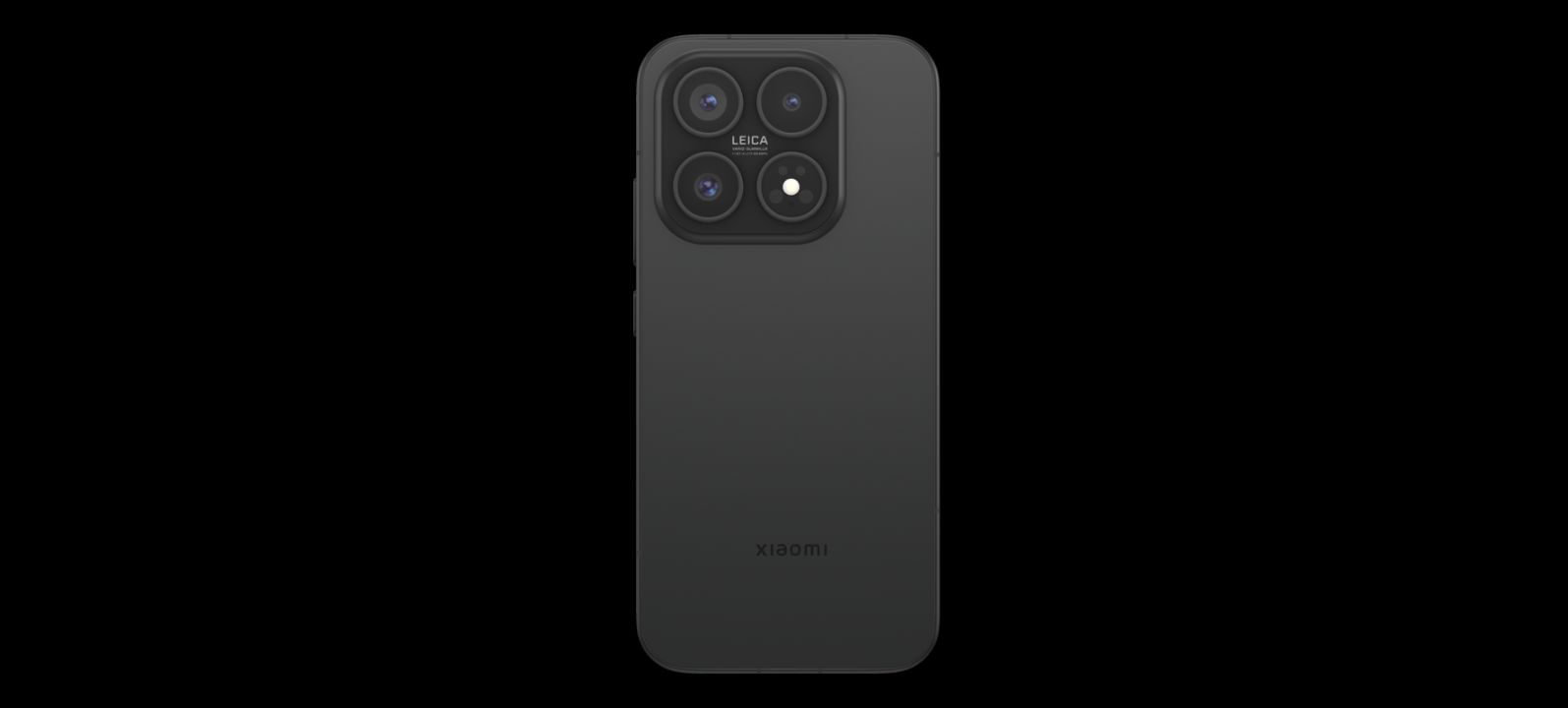
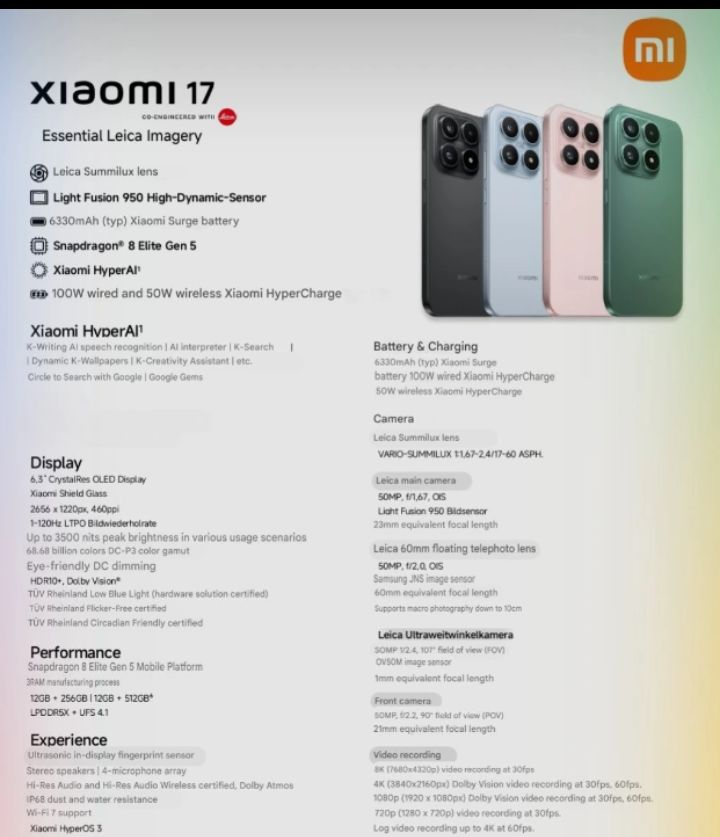
Xiaomi’s small flagship keeps finding ways to embarrass bigger phones on battery, and the global Xiaomi 17 is the clearest example yet. It fits 6,330mAh into a body that is 8.06mm thick and weighs 191g, according to Xiaomi’s global specifications. Buyers in China get a 7,000mAh cell in the same phone, so the number on your box is roughly 9.5% lower than the one in the launch headlines.
One thing before the numbers. I couldn’t find a single published test that locks the Xiaomi 17 to 5G and times it. What exists are lab runs from GSMArena and other reviewers. These measure a mixture of activities, including calls, web browsing, video streaming and gaming, rather than isolating 5G battery consumption. This post works from that data and tells you where the 5G part is reasoning rather than measurement.
The battery you actually get
| Global Xiaomi 17 | China Xiaomi 17 | Global Xiaomi 15 | |
|---|---|---|---|
| Battery | 6,330mAh | 7,000mAh | 5,240mAh |
| Wired charging | 100W | 100W | 90W |
| Wireless charging | 50W | 50W | not covered here |
The gap to China, which Notebookcheck puts at 9.5%, is a letdown on paper, but the comparison that matters if you’re upgrading is the older global model. Against the Xiaomi 15’s 5,240mAh, the 17 is about 21% bigger, and GSMArena points out that the outer dimensions barely moved. Xiaomi says the global 17 uses a silicon-carbon battery with 16% silicon content, which is how it fits that capacity into a 191g phone.
What the lab data says
In its lab tests, GSMArena gave the Xiaomi 17 an Active Use Score of 21 hours 15 minutes. That is a combined score built from four tests: calls, web browsing, video streaming and gaming, weighted with a slight emphasis on web and video. It is not 21 hours of continuous screen-on time, and it leaves out standby. GSMArena’s methodology page describes the call test as running over 4G with VoLTE and the three screen-on tests as running on Wi-Fi with airplane mode switched on. So none of the score comes from a 5G connection, and 21:15 should not be read as a 5G result. It’s a general-use baseline, best used to compare phones that went through the same test. The compact 17 finished ahead of the Xiaomi 17 Ultra and the Xiaomi 17 Pro Max in the same test, even though both of those are bigger phones. GSMArena credits the efficient LTPO display for part of that result.
A Malaysian review site, Pokde, ran PCMark’s endurance test and recorded 18 hours 7 minutes. Different test, different settings, so don’t expect the two figures to line up. I’d treat it as a second opinion that points the same direction, and nothing more.
| Claim | Where it comes from | How much to trust it |
|---|---|---|
| 6,330mAh capacity | GSMArena spec sheet | Confirmed |
| 21:15h Active Use Score | GSMArena lab test | Lab-measured on 4G calls and Wi-Fi, not a 5G figure |
| 18h 7min endurance | Pokde, PCMark | Secondary, different method |
| 29.2h video playback | Xiaomi’s own lab | Manufacturer claim, conditions not published |
| A full day on 5G is realistic with decent signal | Reasoning, see below | Expectation, not measured |
So what does 5G actually change?
A stable 5G connection can be less demanding than a weak connection that forces the phone to work harder to stay online, for example when it keeps switching between 4G and 5G at the edge of coverage. Actual consumption still varies with network conditions, modem activity and how you use the phone, and I haven’t found a published Xiaomi 17 test that pins down how much battery 5G uses.
My reasonable expectation, and it is only an expectation, is that a full day on 5G is comfortable if your signal is decent, with a clear dip if you spend the day in marginal coverage. The general-use baseline above suggests there is headroom, but it was run on Wi-Fi and 4G calls, so a day spent mostly on mobile data may not match it, and that headroom is an assumption on my part. If you want to see how other phones with big batteries handle the same question, I covered the OnePlus Nord 5 with 5G on, and the Samsung Galaxy S26 with 5G on, which is the rival GSMArena itself names for the compact Xiaomi.
Charging is the other half of the answer
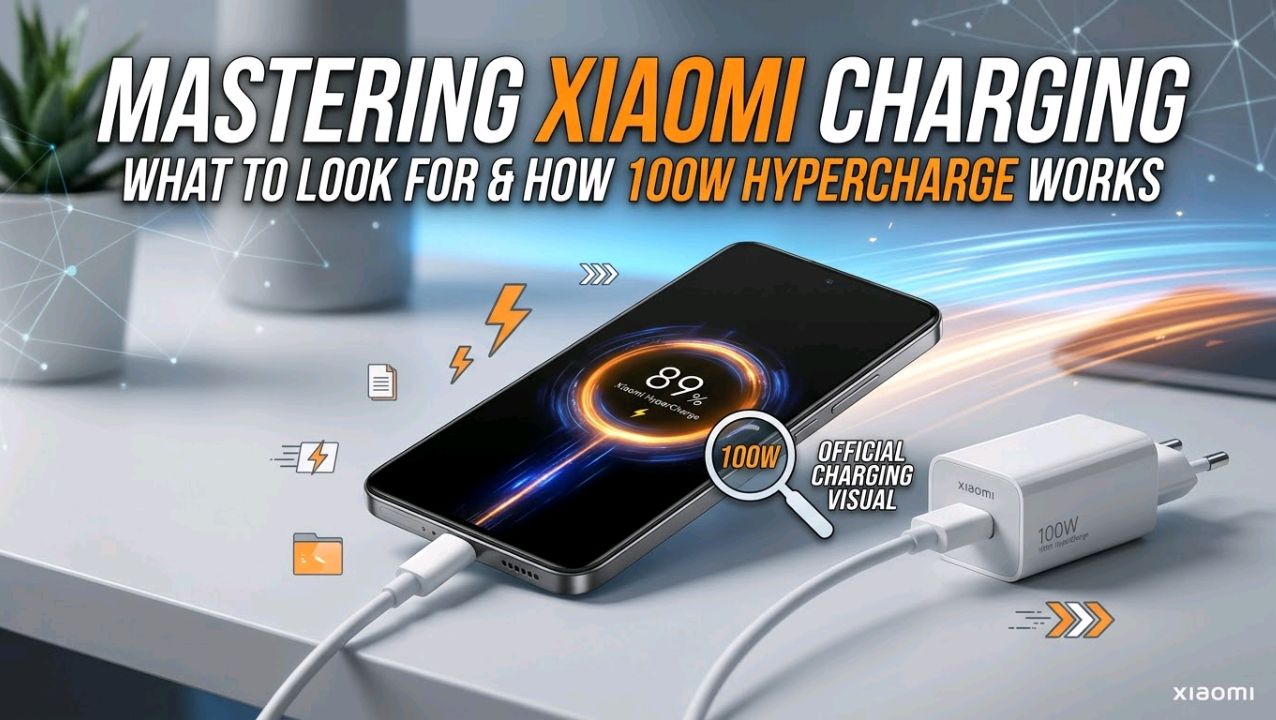
With Xiaomi’s 100W charger, GSMArena measured 40% in 15 minutes, 71% in 30 minutes, and a full charge from near-empty in 46 minutes.
| Phone | Battery | 15 min | 30 min | Full charge |
|---|---|---|---|---|
| Xiaomi 17 | 6,330mAh, 100W | 40% | 71% | 0:46h |
| Xiaomi 17 Ultra (global) | 6,000mAh, 90W | 42% | 72% | 0:43h |
| vivo X300 | 6,040mAh, 90W | 37% | 67% | 0:48h |
| Galaxy S25 | 4,000mAh, 25W | 28% | 56% | 1:17h |
| Pixel 10 Pro | 4,870mAh, 30W | 29% | 54% | 1:28h |
There is a catch worth checking before you buy. GSMArena’s European retail unit did not include the 100W charger, only a cable, and Xiaomi sells the charger separately. Xiaomi’s own product page tells buyers to consult the local seller about whether the power adapter is in the box, so confirm it instead of assuming. Xiaomi says the phone supports up to 100W charging with PPS-compatible adapters. GSMArena used Xiaomi’s own HyperCharge charger for its test, so charging results with third-party adapters will depend on their supported charging protocols and power output.
Small habits that stretch the battery
- Switch on Adaptive refresh rate Pro. GSMArena found this toggle is what unlocks the full 1 to 120Hz range. Without it you’re stuck choosing between 60Hz and 120Hz.
- Mind the brightness. The screen climbs past 1,000 nits in auto mode, while manual mode tops out at 627 nits. Auto brightness outdoors costs more than most people realise. If display brightness is something you weigh when choosing a phone, the HONOR 600 Lite vs Galaxy A56 brightness comparison shows how far apart phones can be.
- Use the 80% charge limit if the phone lives on your desk or charger overnight. It’s built into the battery settings.
- Drop to 4G in weak 5G areas instead of letting the phone bounce between networks.
How it sits against other big-battery phones
6,330mAh is large for a phone this size, but it isn’t alone. If capacity is your main filter, the list of vivo phones with 6,000mAh batteries or larger gives you the wider field, and Xiaomi phones with long battery life in 2026 puts the 17 beside the rest of the brand’s lineup. Anyone cross-shopping Apple should read what changed from the iPhone 17 to the iPhone 18 Pro before deciding.
FAQ
How long does the Xiaomi 17 battery last with 5G on?
No test I found isolates 5G, so there is no measured 5G figure to quote. GSMArena’s general lab score is 21 hours 15 minutes of active use, but its tests ran on Wi-Fi and 4G calls, not 5G. My expectation, not a measurement, is that a full day is realistic with decent signal. Weak coverage will shorten that, and I can’t give you an honest number for it.
Is the global Xiaomi 17 battery smaller than the China version?
Yes. The global model has 6,330mAh, while the China model has 7,000mAh. That is a reduction of about 9.5%. Charging speed stays at 100W wired and 50W wireless.
How fast does the Xiaomi 17 charge?
With Xiaomi’s 100W charger, GSMArena measured 71% in 30 minutes and a full charge in 46 minutes.
Does the Xiaomi 17 come with a charger?
It depends on the region. The European retail package GSMArena received had no 100W charger, only a USB-C to USB-A cable. Xiaomi’s global page also advises checking adapter availability with the local seller, so ask what’s included before you pay.
Is the Xiaomi 17 battery better than the Xiaomi 15’s?
On capacity, yes. The global Xiaomi 17 has 6,330mAh against 5,240mAh, about 21% more, in a body of nearly the same size.
How long will the Xiaomi 17 battery stay healthy?
Xiaomi claims the battery keeps at least 80% of its capacity after 1,600 charge cycles. That figure comes from Xiaomi’s own lab, so treat it as a manufacturer claim and not independent proof. The phone also offers an 80% charge limit and smart charging in its battery settings, per GSMArena.
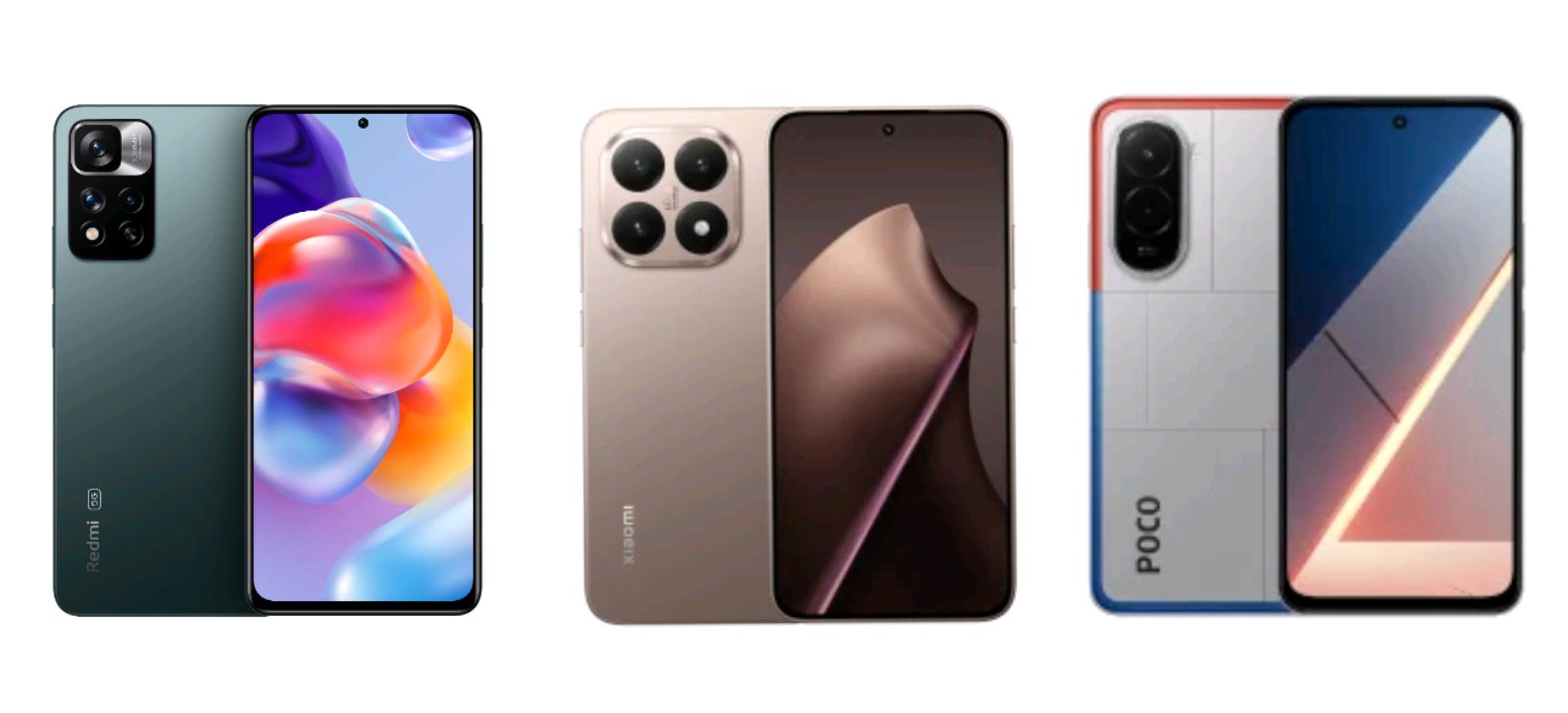
Is the Xiaomi 17 a Redmi or a POCO?
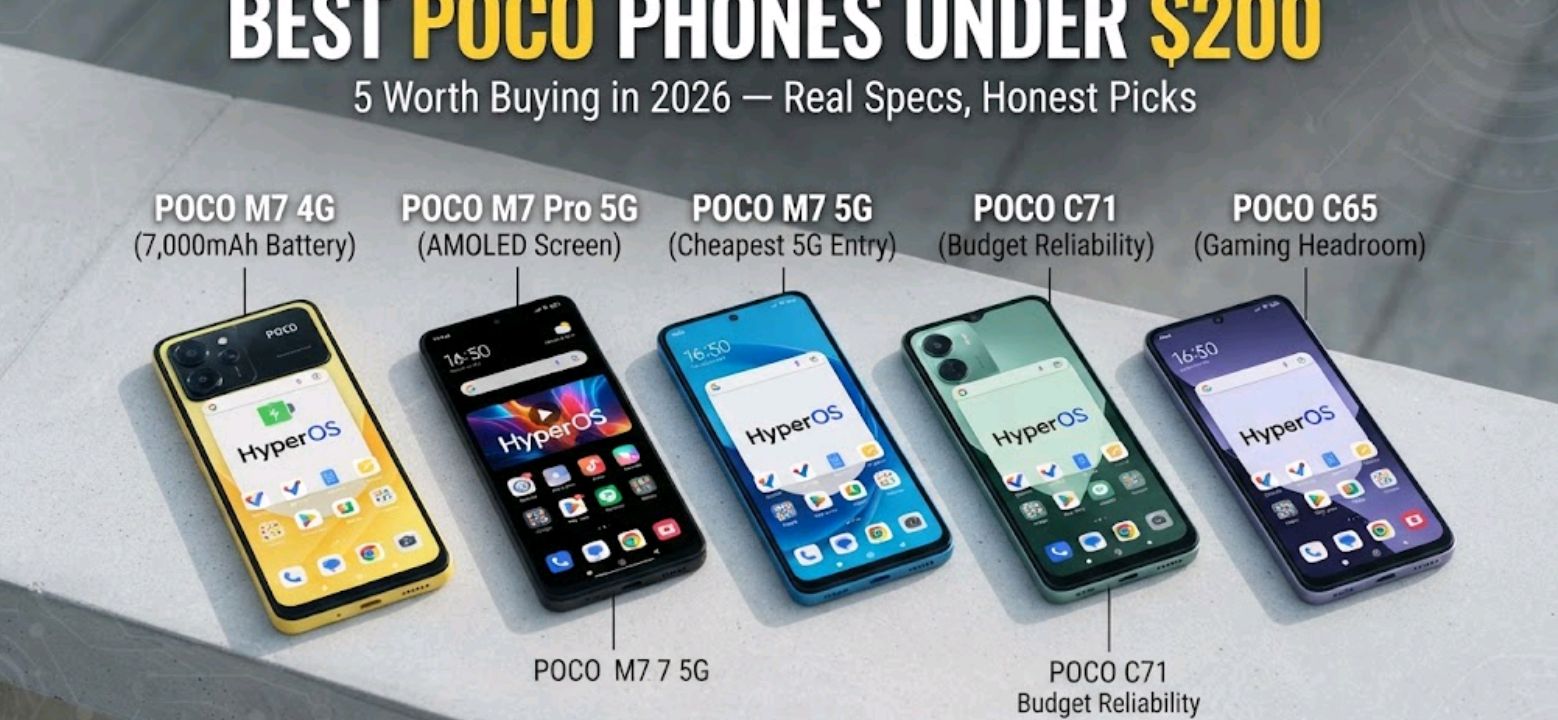
Neither. It’s a flagship from the main Xiaomi line. The differences between the brands are explained in Redmi vs Xiaomi, and if budget is tighter, the best POCO phones under $200 and the best POCO camera phones for 2026 are worth a look.


Comments 0
Leave a comment