Table of Contents
Open Table of Contents
- Overview
- How we ranked these
- 1. Poco F8 Ultra — the only Poco with a real zoom lens
- 2. Poco F8 Pro — most of the Ultra’s camera for less
- 3. Poco X8 Pro Max — OIS on a mid-range budget
- 4. Poco X8 Pro — nearly identical camera, smaller battery
- 5. Poco M8 Pro — budget pick with real OIS
- Comparison table
- Nigeria buying cautions
- FAQ
Overview
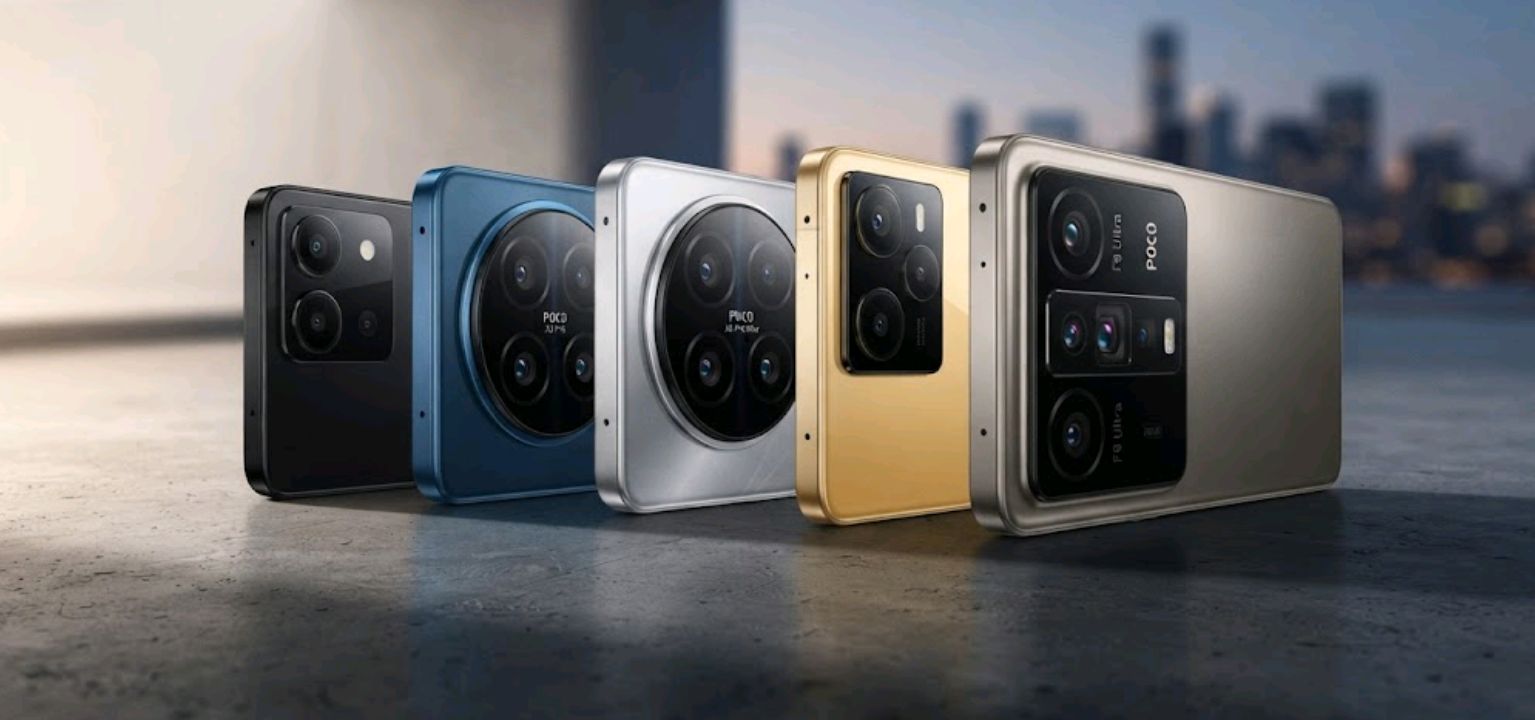
Poco built its name on cheap flagship-tier chipsets, not cameras. For years that was a fair trade — you got Snapdragon speed and gave up sensor quality to get there. That’s changed with the 2026 lineup. The F8 Ultra ships an actual periscope telephoto, the X-series finally has OIS on its main sensor at a genuinely affordable price, and even the M8 Pro carries the same main sensor found in Poco’s own F-series a couple of years back. None of these will out-shoot a Xiaomi 17 Ultra or a Pixel, and Poco is still not “the camera brand.” But for what you pay, a few of these models are difficult to argue with.
This list covers the five current Poco phones actually worth buying if photos and video matter to you. Hardware — sensor size, aperture, OIS, telephoto design — is the starting point, since it sets the ceiling on what a camera can do. But hardware alone doesn’t decide photo quality: processing, HDR handling, autofocus, and how a phone renders skin tones and night scenes matter just as much, and where independent camera reviews exist for these phones, we’ve leaned on them rather than spec sheets alone.
How we ranked these
We started with sensor size and aperture rather than megapixel counts alone, since a 50MP sensor with a small optical format loses in low light to a smaller-count sensor with bigger pixels. We also weighted whether the ultrawide and telephoto units are functional extras or checkbox hardware — a fixed-focus 8MP ultrawide does a very different job than an OIS-stabilized 50MP one. Where GSMArena or another outlet had actually shot real photos and video with a given model, we used that testing to check whether the hardware translated into real-world results, rather than assuming better specs always mean better output. Pricing reflects Nigerian import/grey-market listings as of late August 2026, since Poco does not run full official retail in Nigeria for every model; treat these as approximate and always confirm with the seller before paying.
1. Poco F8 Ultra — the only Poco with a real zoom lens
The F8 Ultra is the first Poco F-series phone with a genuine periscope telephoto, and it’s the reason this device tops the list. The 50MP main sensor uses a 1/1.31” optical format with an f/1.67 lens and OIS, which is a meaningfully larger sensor than anything else in Poco’s lineup. Alongside it sits a 50MP periscope camera with 5x optical zoom and its own OIS, plus a 50MP ultrawide — all three modules share the same 50MP resolution, which is unusual even outside the budget-flagship space.
Video maxes out at 8K/30fps, and the main sensor supports a claimed 13.5EV dynamic range figure from Poco’s own marketing material, which should be read as a manufacturer claim rather than an independently verified figure until third-party testing confirms it. Under the hood it runs a Snapdragon 8 Elite Gen 5 with a 6,500mAh silicon-carbon battery, 100W wired and 50W wireless charging, and an IP68 rating.
Nigerian import listings currently sit around ₦1.1 million to ₦1.3 million depending on the 12/256GB or 16/512GB configuration and the retailer.
2. Poco F8 Pro — most of the Ultra’s camera for less
The F8 Pro keeps the F8 Ultra’s 50MP main-camera concept (Poco’s Light Fusion 800, 1/1.55”, f/1.88, OIS) and adds a 50MP telephoto lens at a 60mm equivalent focal length, f/2.2, but the telephoto itself lacks OIS. This is a fixed telephoto, not a periscope design like the Ultra’s — the focal length and lack of stabilization put it in a lower tier of hardware than the 5x unit above it. The ultrawide is a basic 8MP fixed-focus unit, and the selfie camera is a more modest 20MP versus the Ultra’s 32MP. It runs the standard Snapdragon 8 Elite (not the Gen 5), with a 6,210mAh battery and the same 100W wired charging as its sibling.
Real-world testing suggests the 60mm telephoto doesn’t deliver the same level of separation and detail as a flagship telephoto, particularly in difficult lighting. It’s still a useful second focal length, but expectations should be tempered compared with the F8 Ultra’s 5x periscope.
Nigerian pricing runs from roughly ₦800,000 to ₦976,000 depending on RAM/storage configuration.
If camera hardware from other brands interests you too, these related picks are worth a look:
- Best Honor Phones for Battery Life (2026)
- Best Honor Phones for Fast Charging (2026)
- Best Honor Phones Under $200 (2026)
- Best Honor Foldable Phones (2026)
- Best Huawei Camera Phones (2026)
3. Poco X8 Pro Max — OIS on a mid-range budget
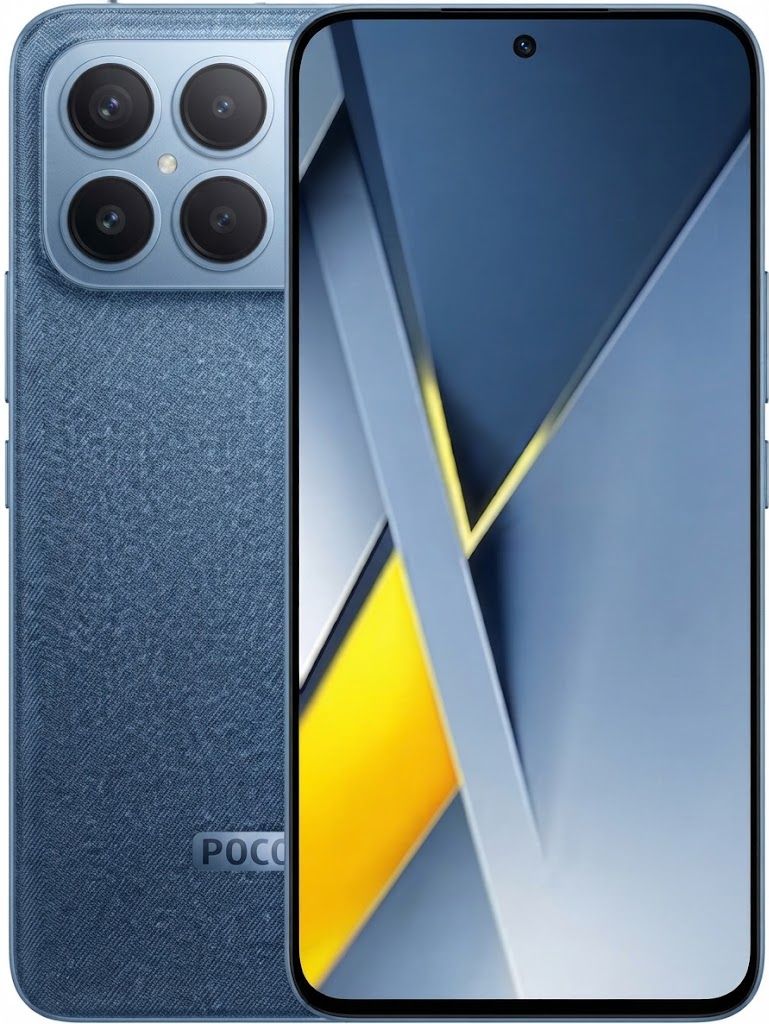
This is the value pick on this list. The X8 Pro Max carries a 50MP Light Fusion 600 main sensor with a 1/1.95” optical format, f/1.5 aperture, and OIS — genuinely good hardware for the price tier. The catch is the ultrawide: it’s an 8MP fixed-focus unit shared with the rest of the X-series, so don’t expect it to hold up next to the main camera. It also gets a 20MP selfie camera.
There’s no dedicated telephoto here — Poco’s own specifications confirm only 1x is a true optical position, with 2x and beyond handled as a sensor crop. That crop still performs well: independent testing found the 2x result holds real detail and avoids the smeared, over-processed look that spoils digital zoom on cheaper phones, so it’s a usable stand-in for a second lens even if it isn’t one.
Nigerian listings put this model around ₦611,000 to ₦755,000.
4. Poco X8 Pro — nearly identical camera, smaller battery
The non-Max X8 Pro shares essentially the same rear camera setup as the Pro Max — a 50MP Sony IMX882 main sensor with OIS and an 8MP fixed-focus ultrawide. The main practical differences versus the Pro Max are a smaller battery and body, and the officially confirmed MediaTek Dimensity 8500 Ultra chipset.
If the Pro Max’s larger size isn’t appealing, this is the same core camera experience in a more compact phone, usually for less money.
Nigerian pricing runs approximately ₦419,000 to ₦530,000+, with used/import listings starting closer to ₦530,000 on marketplaces like Jiji.
5. Poco M8 Pro — budget pick with real OIS
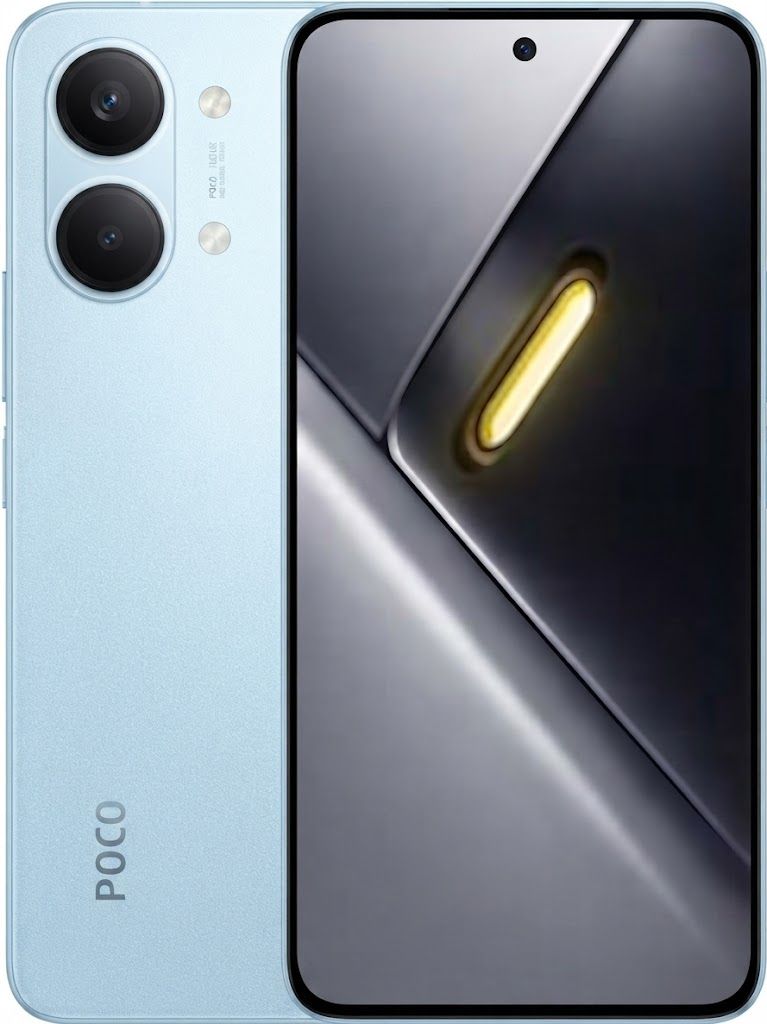
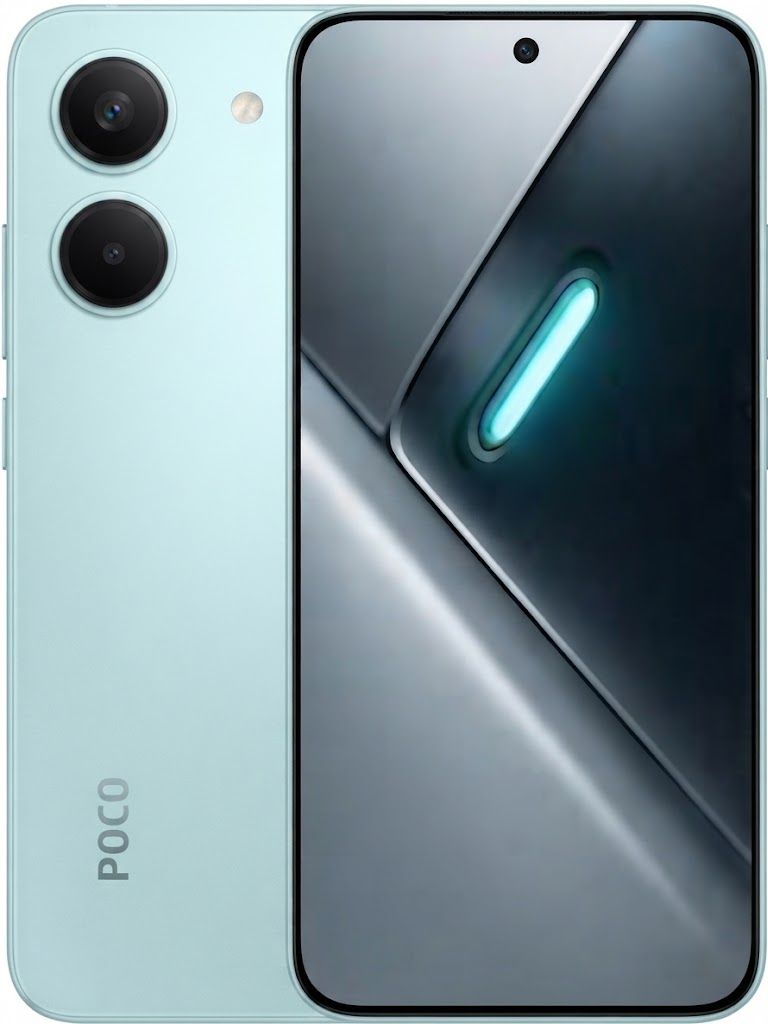
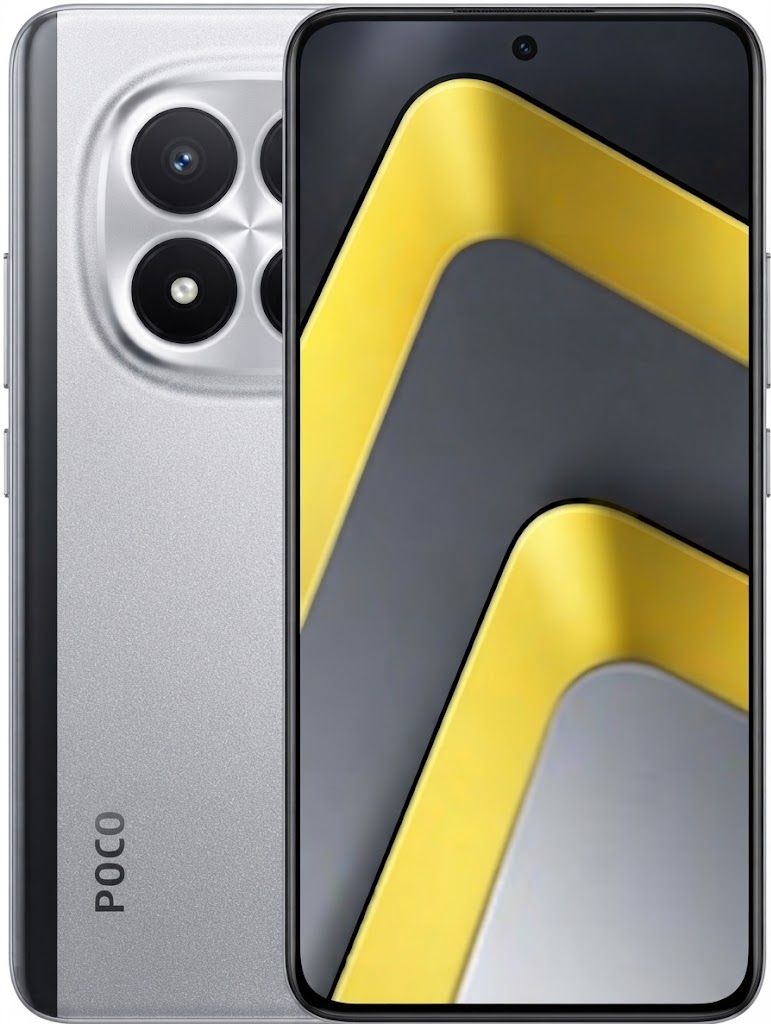
The M8 Pro is the cheapest phone on this list, and it’s here because its main camera hardware is a step up from what budget Pocos usually get. Poco’s own spec sheet confirms a 50MP Light Fusion 800 main sensor (1/1.55”, f/1.6) with OIS, paired with an 8MP fixed-focus ultrawide and a 32MP selfie camera. Reviewers have noted this main sensor is the same one Poco has used in prior F-series phones, repurposed here for a budget model — genuinely unusual hardware at this price point. The ultrawide and selfie camera are ordinary and won’t impress, but the main shooter is legitimately above its class; GadgetMatch’s testing found the main camera performs well for everyday shots and holds up reasonably at 2x digital crop.
It’s worth noting Poco doesn’t yet have a confirmed official Nigeria launch price for the M8 series, so current listings are import-sourced. Expect to pay somewhere in the ₦540,000 to ₦740,000 range depending on the retailer and configuration, and confirm warranty terms before buying.
Comparison table
| Model | Main camera | Telephoto | Ultrawide | Selfie | Chipset | Nigeria price (approx.) |
|---|---|---|---|---|---|---|
| Poco F8 Ultra | 50MP, f/1.67, 1/1.31”, OIS | 50MP periscope, 5x optical, OIS | 50MP, f/2.4 | 32MP | Snapdragon 8 Elite Gen 5 | ₦1.1M–₦1.3M |
| Poco F8 Pro | 50MP, f/1.88, 1/1.55”, OIS | 50MP, 60mm, f/2.2, no OIS | 8MP, fixed focus | 20MP | Snapdragon 8 Elite | ₦800K–₦976K |
| Poco X8 Pro Max | 50MP, f/1.5, 1/1.95”, OIS | None | 8MP, fixed focus | 20MP | Dimensity (X-series) | ₦611K–₦755K |
| Poco X8 Pro | 50MP, f/1.5, Sony IMX882, OIS | None | 8MP, fixed focus | 20MP | Dimensity 8500 Ultra | ₦419K–₦530K+ |
| Poco M8 Pro | 50MP, f/1.6, 1/1.55”, OIS | None | 8MP, fixed focus | 32MP, fixed focus | Snapdragon 7s Gen 4 | ₦540K–₦740K |
Nigeria buying cautions
Poco does not maintain full official retail coverage across every model in Nigeria, which means most of the phones on this list are sold through grey-market importers rather than an authorized local channel. Before buying any of them: check the IMEI against the box and settings menu, confirm the warranty is honored locally rather than only in the country of purchase, and verify 5G band compatibility (particularly B28 and B3) with your network — MTN, Airtel, and Glo — since import variants occasionally differ by region. Naira pricing above assumes an exchange rate near ₦1,400–₦1,430/$1 as of late August 2026 and will drift with the market.
FAQ
Does any Poco phone have a real optical zoom camera? Yes — the F8 Ultra (a true 5x periscope telephoto) and F8 Pro (a fixed 60mm telephoto, not a periscope design) are, among the current POCO models covered here, the only two with a dedicated second lens for zoom. The X8 Pro Max, X8 Pro, and M8 Pro all rely on a crop of the main sensor for anything past 1x — Poco’s own specs confirm there’s no true optical zoom step beyond 1x on those models — and even the F8 Pro’s telephoto tests closer to a good crop than a true optical advantage.
Is the Poco X8 Pro Max’s camera actually better than the X8 Pro’s? The hardware is effectively the same 50MP OIS main sensor and 8MP ultrawide on both. The Pro Max’s advantage is a larger battery and body, not meaningfully different photo quality.
Why doesn’t Poco put OIS on its ultrawide cameras? Cost. OIS modules add meaningfully to a phone’s bill of materials, and Poco reserves that spend for the main sensor (and telephoto, on the F8 series) where it has the biggest visible impact on photo quality. This isn’t unique to Poco — most phones in this price range make the same trade-off.
Are these Poco phones sold officially in Nigeria? Coverage is inconsistent. Some models have listed official Nigeria pricing; others, like the M8 series, currently have no confirmed official local launch price, meaning most units in the market are grey-market imports. Confirm warranty terms before buying any of them.
Which Poco camera phone is the best value for the money? The X8 Pro Max, for most buyers — it’s the cheapest phone on this list with a genuinely OIS-stabilized main sensor. OIS isn’t the only thing that determines photo quality (processing, HDR, and lens quality all matter too), but it’s a meaningful advantage for handheld low-light shots and video that’s hard to find below this price point.


Comments 0
Leave a comment