iPhone 18 Pro vs iPhone 17: What’s Actually Changed?
Wondering whether the iPhone 18 Pro is worth choosing over the iPhone 17? The differences that matter are the camera system, battery life, processing power and price.
One thing to clear up first. This is not a like-for-like comparison. Apple announced the iPhone 18 Pro and Pro Max in September 2026, but no standard iPhone 18. That model is reportedly not coming until spring 2027, and Apple hasn’t confirmed it. Until then the iPhone 17 is the standard iPhone on sale, sitting in the same lineup as the 18 Pro and priced $300 lower in the US.
This guide compares the two using Apple’s announcement and independent reporting. It covers which upgrades you would notice in daily use, where the iPhone 17 holds up, and who should spend more on the Pro.
The short version
The iPhone 18 Pro wins on cameras, battery, power and RAM. The iPhone 17 wins on price and weight. On paper the screens are very similar, and neither phone looks radically different from the one before it.
If your iPhone 17 is the phone you already own, there is very little reason to move. If you are buying today and choosing between the two, the answer depends on whether you will use the telephoto lens and the longer battery life. The rest of this post helps you work that out.
iPhone 18 Pro vs iPhone 17 at a glance
| Spec | iPhone 18 Pro | iPhone 17 | Source |
|---|---|---|---|
| Display | 6.3” OLED, 1–120Hz | 6.3” OLED, 1–120Hz | Reported |
| Peak brightness | 3,000 nits | 3,000 nits | Reported |
| Chip | A20 Pro | A19 | Apple (18 Pro); reported (17) |
| RAM | 12GB | 8GB | Reported |
| Main camera | 48MP, variable aperture (ƒ/1.48 to ƒ/4) | 48MP, fixed aperture | Apple (18 Pro); reported (17) |
| Ultra-wide | 48MP | 48MP | Apple (18 Pro); reported (17) |
| Telephoto | 48MP, 4x optical (ƒ/2.8) | None | Apple (18 Pro); reported (17) |
| Front camera | 18MP | 18MP | Reported |
| Video playback (Apple-rated) | Up to 36 hours (US eSIM-only) / up to 34 hours (physical SIM) | Up to 30 hours | Apple |
| Battery capacity (unofficial) | 4,288mAh (eSIM-only) / 4,056mAh (physical SIM) | 3,692mAh | Reported |
| Weight | 211g | 177g | Reported |
| Storage | 256GB to 2TB | 256GB or 512GB | Reported |
“Reported” means the figure comes from independent coverage, not an Apple announcement. Apple doesn’t publish battery capacity in mAh or RAM, so treat those rows as estimates. Displays that match on size and refresh rate can still differ in other ways, so this table can’t tell you the panels are identical.
Design and display: barely different
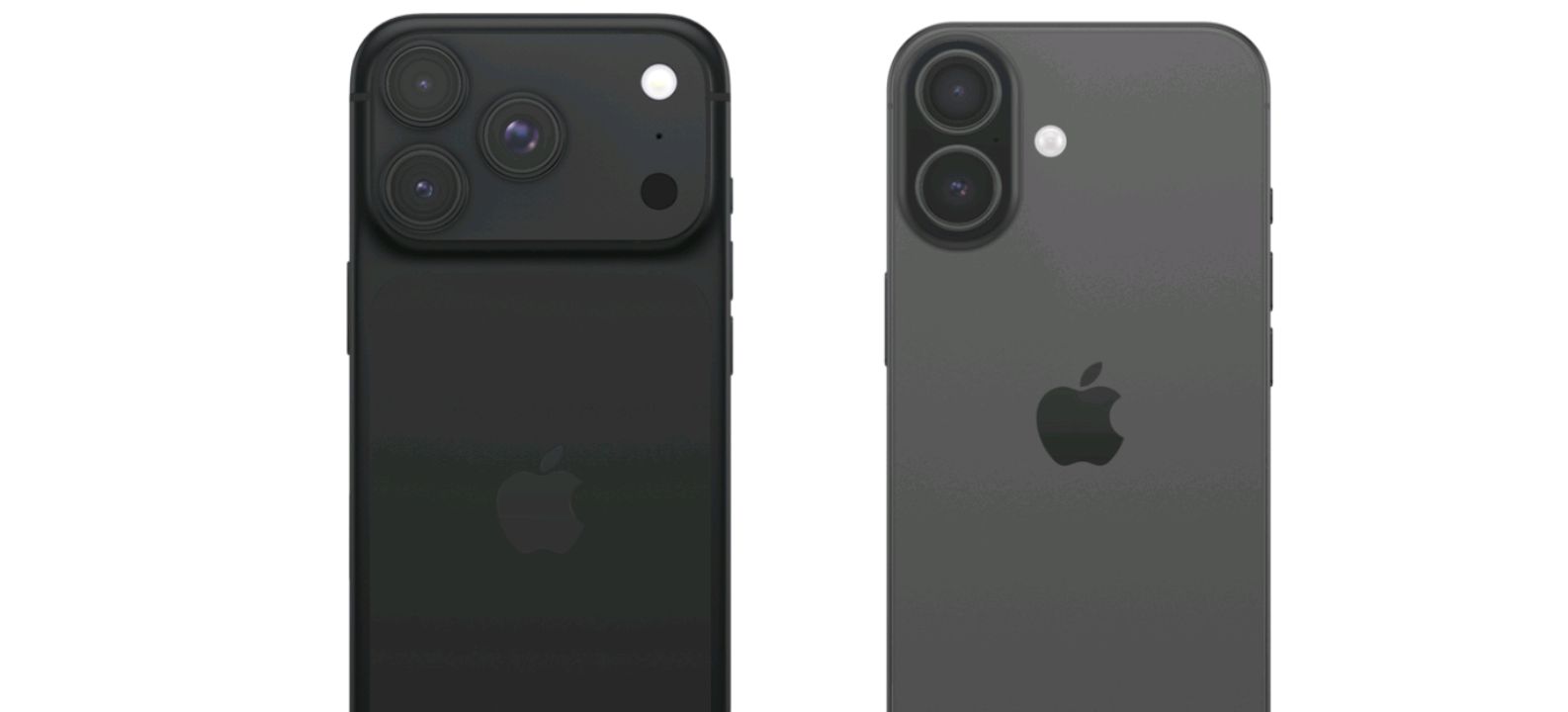
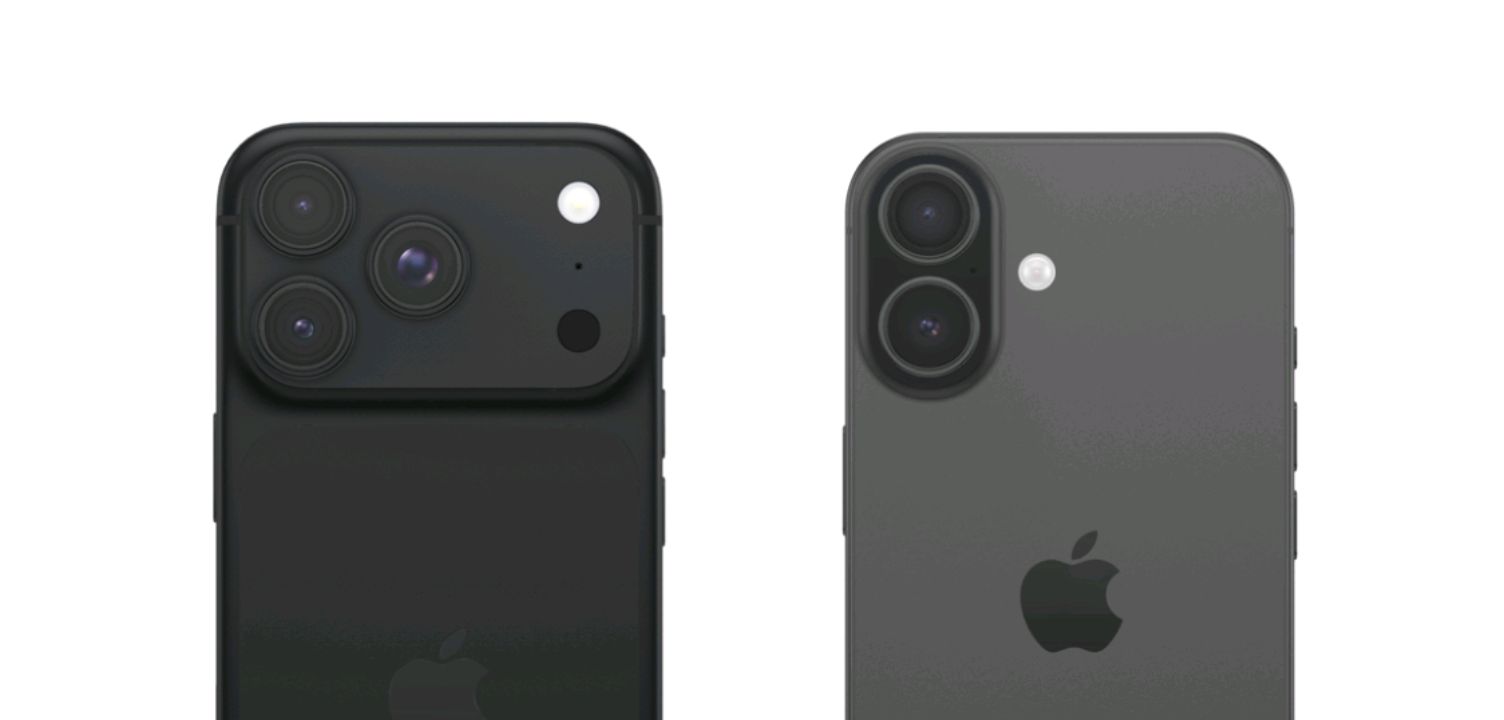
Put them next to each other and you will notice the back first. The iPhone 18 Pro has a wide horizontal camera block, while the iPhone 17 keeps a smaller vertical one. The Pro is also heavier, around 211g against 177g, which you feel in the hand after a long scroll.
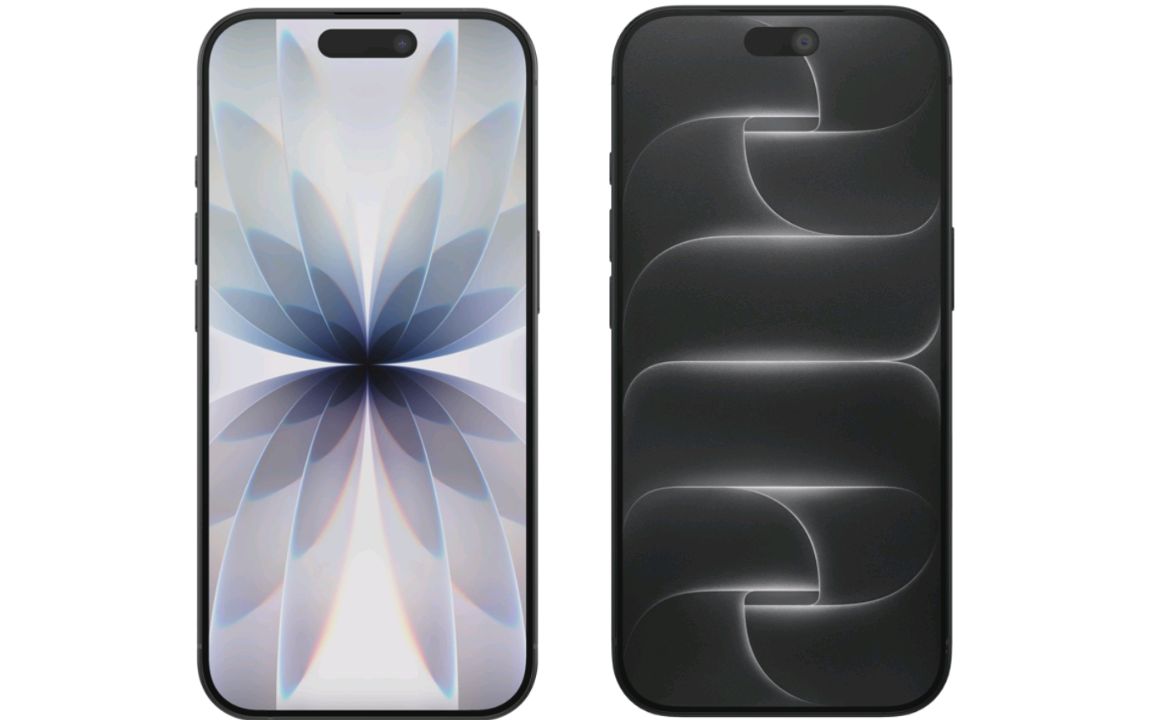
The display tells a quieter story. Both are listed as 6.3-inch OLED panels with a 120Hz ceiling, and reviews point to a smaller Dynamic Island on the Pro as the one visible change. We haven’t compared panel quality ourselves, but nothing in the published specs gives you a screen reason to upgrade.
Cameras: the real reason the Pro costs more
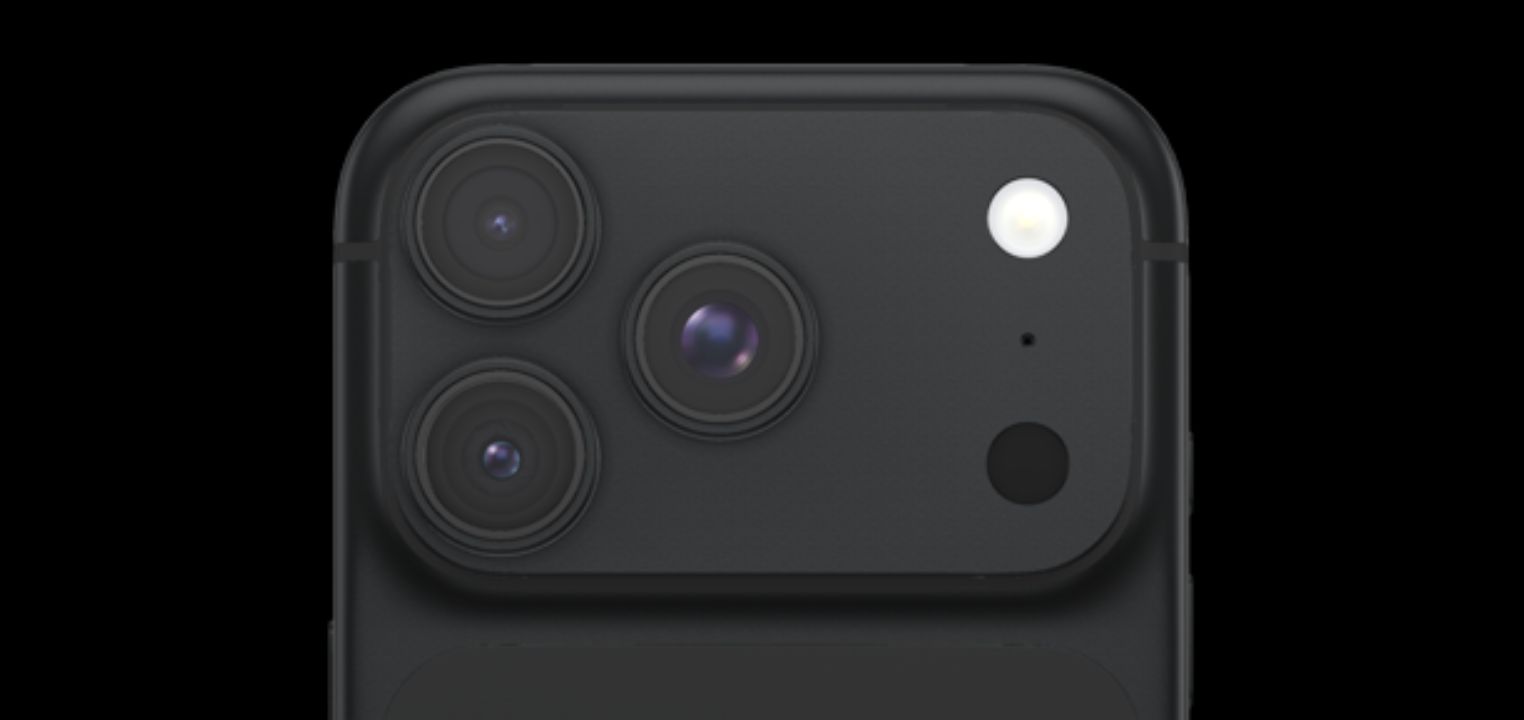
This is where the gap opens up. Apple’s headline feature is the 48MP main camera with variable aperture, the first time an iPhone has let the lens physically change how much light it takes in. Apple says it can open to ƒ/1.48 for low light and close down to ƒ/4 for more depth of field, with four aperture settings you can pick manually. In plain terms, you get more control over how blurry the background looks and how the camera copes in dim rooms.
The Pro also adds a 48MP telephoto with 4x optical zoom (Apple’s tech specs list it at 100mm, ƒ/2.8). Apple lists an 8x setting too, but it calls that “optical-quality” zoom, not optical zoom: it is a separate 12MP option, and 4x is the telephoto’s true optical reach. Inside the Camera app, the new Pro controls cover aperture, shutter speed, white balance and a histogram. The iPhone 17 has a good 48MP main and a 48MP ultra-wide, but no telephoto at all. If you shoot people, events or anything you can’t walk closer to, that missing lens matters more than any spec on the table above.
We went deeper on the aperture system in our iPhone 18 Pro variable aperture camera review, so start there if the camera is your deciding factor.
Both phones share the same 18MP front camera, so selfies won’t change.
Performance: more headroom than most people need
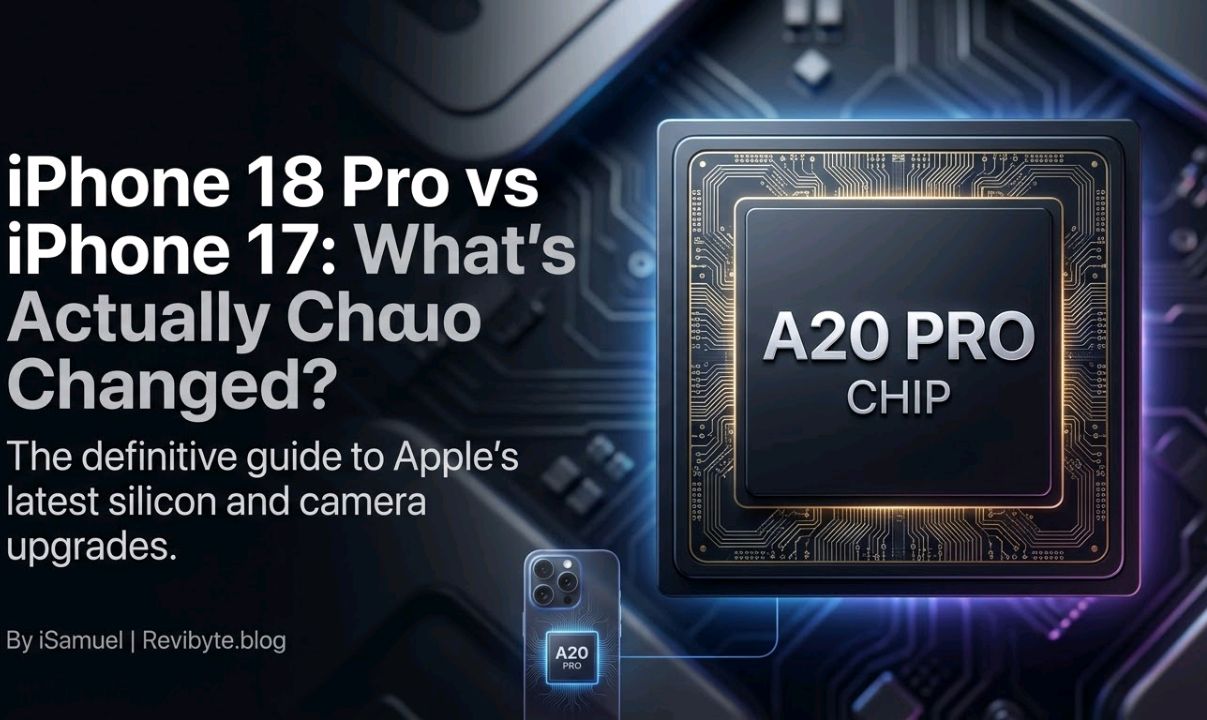
The iPhone 18 Pro runs the A20 Pro with 12GB of RAM. The iPhone 17 has the standard A19 and 8GB. Apple claims clear CPU and GPU gains for the new chip, and it also introduced its own C2 modem in the 18 Pro line.
More RAM and a faster chip don’t translate into a proportionately faster phone for everyday use, and the same goes for a bigger battery. Day to day, the iPhone 17 is not slow. Browsing, messaging, social apps and casual games will feel fine on either. The extra power shows up in heavy 3D gaming, long video exports and newer AI features. Software is mostly shared: both phones run iOS 27 and Siri AI. However, customizable expressive voices and more advanced dictation require a supported device with at least 12GB of unified memory, which the iPhone 17’s reported 8GB doesn’t provide.
Battery and charging
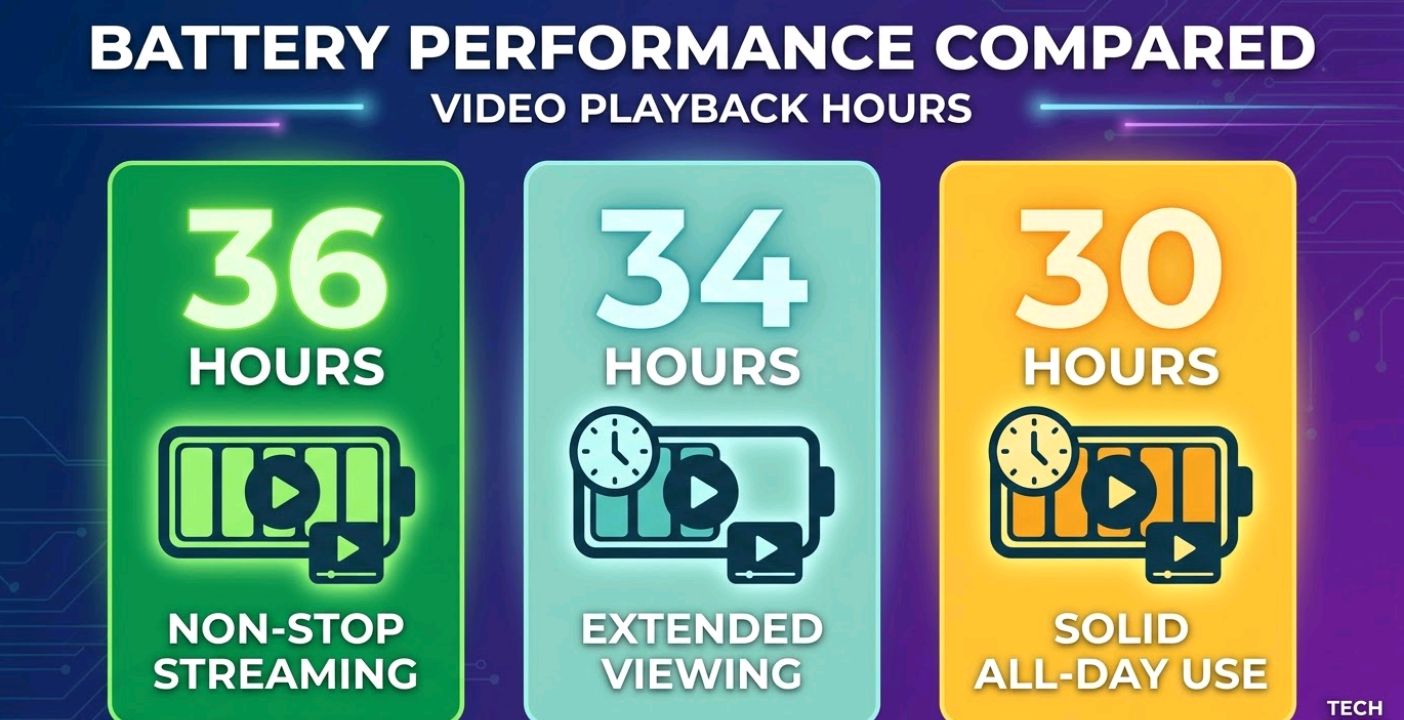
Apple rates the iPhone 18 Pro for up to 36 hours of video playback in the eSIM-only configuration sold in the US, and up to 34 hours on the physical-SIM models sold in most other markets. Nigeria isn’t on Apple’s eSIM-only list, so check Apple’s page for your country. Apple says the eSIM-only models have an even larger battery that uses the space formerly occupied by the physical SIM, which accounts for the two extra hours. Apple rates the iPhone 17 at up to 30 hours, so the gap is four to six hours depending on which Pro you buy. These are Apple’s rated video-playback figures, not guarantees of everyday battery life. The difference may not be dramatic in daily use, and a bigger battery doesn’t guarantee proportionally longer runtime. Still, it makes the Pro more likely to reach the next morning without a top-up.
Charging also improved. Apple says the iPhone 18 Pro reaches 50% in about 15 minutes with a suitable charger, against roughly 20 minutes for the iPhone 17. If long battery life is your main priority and you are open to Android, our best battery life phones for 2026–2027 guide shows what else is competing.
Price: the gap is $300
| Storage | iPhone 18 Pro (US) | iPhone 17 (US) |
|---|---|---|
| 256GB | $1,199 | $899 |
| 512GB | $1,399 | $1,099 |
| 1TB | $1,799 | Not offered |
| 2TB | $2,399 | Not offered |
Apple’s announcement confirms the iPhone 18 Pro’s $1,199 starting price and its four storage sizes. The higher-tier prices and the iPhone 17 prices come from independent coverage, so check Apple’s US store before you buy.
One detail worth knowing: the iPhone 17 launched at $799. Apple raised it to $899 on its US online store on September 9, the day the iPhone 18 Pro was announced, a $100 rise that MacRumors and other outlets reported across several older models. Apple hasn’t given a reason; rising memory chip costs are the widely suggested cause.
These are US list prices. Nigerian retail prices can differ because of exchange rates, import costs, seller margins and local availability, so check with your seller before budgeting.
Which one should you buy?
Choose the iPhone 18 Pro if you take a lot of photos, want a telephoto lens, play demanding games, or keep phones for four or five years and want the most headroom.
Choose the iPhone 17 if you want a premium iPhone without paying Pro money, mostly take everyday photos, and prefer a lighter phone.
Wait if you specifically want the standard iPhone 18. It is reportedly due in spring 2027, but that is still a report and not an announcement.
Still undecided between models? Our US iPhone buying guide covers the wider lineup, though it was written on 6 September, before the iPhone 18 Pro launch and Apple’s price changes. If you are cross-shopping Android cameras and battery life, the Pixel 10 vs Pixel 10 Pro comparison is a useful reference point.
FAQ
Is there an iPhone 18 yet?
Not a standard one. Apple announced the iPhone 18 Pro and iPhone 18 Pro Max in September 2026. The base iPhone 18 is reportedly planned for spring 2027, but Apple hasn’t confirmed it.
Is the iPhone 18 Pro worth upgrading to from the iPhone 17?
For most iPhone 17 owners, not really. The screen and design are close, and the main gains are the telephoto lens, variable aperture and longer battery life. Upgrade only if one of those fixes a real frustration.
Does the iPhone 17 have a telephoto lens?
No. It has a 48MP main camera and a 48MP ultra-wide. The 4x optical telephoto is exclusive to the Pro models.
How much better is the iPhone 18 Pro battery?
Apple rates the iPhone 18 Pro for up to 36 hours of video playback in the US eSIM-only configuration and up to 34 hours on physical-SIM models, versus up to 30 hours for the iPhone 17. These are manufacturer-rated video playback figures, and real-world results depend on your usage, network and settings.
Do both phones run iOS 27?
Yes, iOS 27 supports both phones, and Siri AI works on the iPhone 17 as well. However, customizable expressive voices and more advanced dictation require a supported device with at least 12GB of unified memory, which the iPhone 17’s reported 8GB doesn’t provide. The iPhone 18 Pro’s 12GB does.
Which is better for gaming?
The iPhone 18 Pro, thanks to the A20 Pro and 12GB of RAM. The iPhone 17 still handles popular mobile games well.
Related reading
- iPhone 18 Pro variable aperture camera review: a closer look at the new main camera and what the aperture control does in practice.
- Which iPhone is worth buying in the US in 2026: a model-by-model buying guide to the iPhone range as it stood on 6 September 2026, before the iPhone 18 Pro launch.

Comments 0
Leave a comment