Table of Contents
Open Table of Contents
- Overview
- The current vivo lineup, by battery size
- Why capacity alone doesn’t decide screen-on time
- Battery health over time, not just on day one
- Software support affects how long a battery-heavy phone stays worth using
- Battery life in Nigeria: what changes in everyday use
- What independent testing actually shows
- Which vivo phone actually lasts, in practical terms
- FAQ
Overview
If you’ve shopped for a vivo phone in Nigeria this year, you’ve probably noticed the battery numbers have gotten a little absurd. Figures like 6,500mAh and 7,200mAh show up on budget phones that used to ship with 4,000mAh cells three years ago. Much of this recent increase is enabled by higher energy-density battery technology, including silicon-carbon anodes used in some newer vivo models — though not every large-battery model uses the exact same generation of that tech, so it’s worth checking the specific chemistry claimed for a given phone rather than assuming it’s identical across the lineup. Either way, a bigger number on a spec sheet doesn’t automatically mean a phone that survives your actual day, and that gap between “rated capacity” and “what you feel in your pocket” is where most buyers get misled.
This guide looks at which current vivo models have the strongest battery hardware on paper, what their chipsets and displays mean for real-world endurance, and what Nigerian buyers should expect when using them on local networks.
Join ReviByte Community
Get instant alerts on new posts, phone deals, and mobile gaming updates.
Join WhatsApp Channel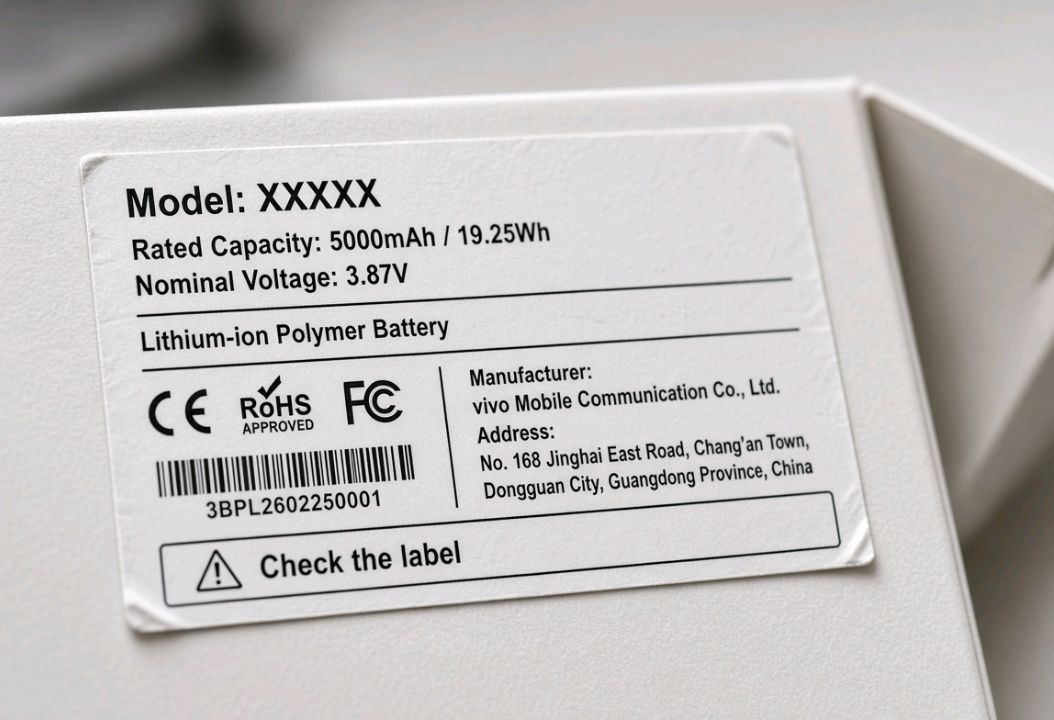
The current vivo lineup, by battery size
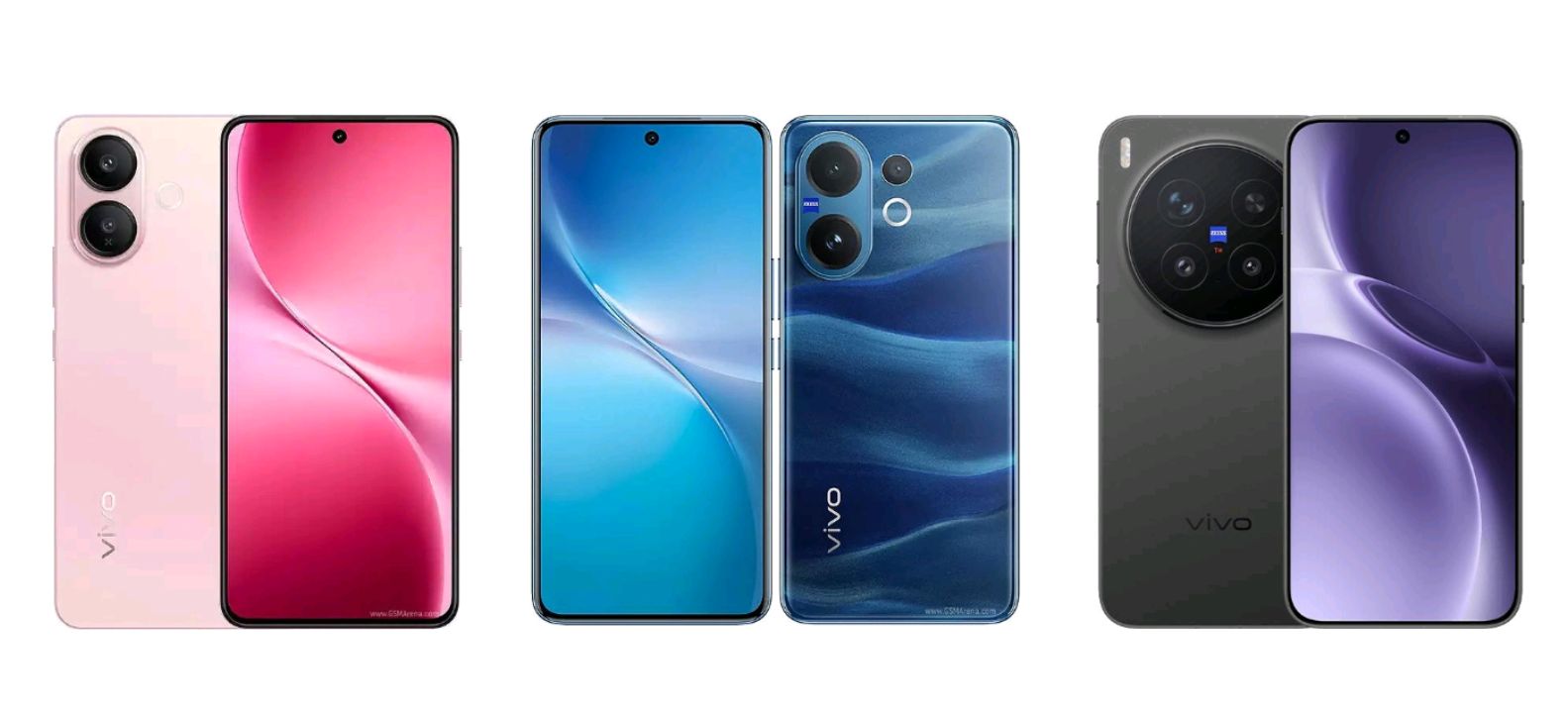
Here’s how vivo’s 2026 phones stack up on paper. Treat the “typical capacity” column as the manufacturer’s lab figure, not a guarantee — real-world numbers below explain why that distinction matters.
| Model | Series | Battery (typical) | Charging | Notes |
|---|---|---|---|---|
| vivo Y31d | Y-series | 7,200mAh | Wired fast charging | Manufacturer-stated capacity; independent endurance testing was not available at the time of writing |
| vivo V60 Lite | V-series | 6,500mAh (6,380mAh rated) | 90W FlashCharge | Slimmer than you’d expect for the cell size; IP65 rated |
| vivo X300 Pro | X-series | 6,510mAh | FlashCharge | Flagship chipset efficiency helps stretch the larger cell further |
| vivo V50 | V-series | 6,000mAh (5,870mAh rated) | 90W FlashCharge | Predecessor to the V60 line, still sold through some Nigerian retailers |
| vivo Y300 | Y-series | 5,000mAh | Fast charging | Solid but no longer class-leading now that 6,000mAh+ is common in the same price bracket |
A pattern worth noticing: the Y-series and V-series aren’t that far apart in raw capacity anymore. What separates them is chipset efficiency and display type, which is the part most spec-sheet comparisons skip.
A regional caveat worth taking seriously: vivo doesn’t always ship the same battery in every market, even within one model family. Regional battery differences have been documented within the X300 family specifically — reported capacities have varied by market, and independent reviewers have flagged inconsistencies in the endurance results published for different regional variants. The specs in the table above reflect the global/international configuration typically referenced in specs databases and vivo’s own regional product pages, which is the variant Nigerian retailers most commonly source through grey-market and Gulf-region imports — but it is not a guarantee that every unit sold locally matches those numbers exactly. If battery capacity is the reason you’re buying a specific model, verify the exact model and market variant, and check the rated capacity printed on the retail box or in the phone’s own battery settings, before you commit.
Why capacity alone doesn’t decide screen-on time
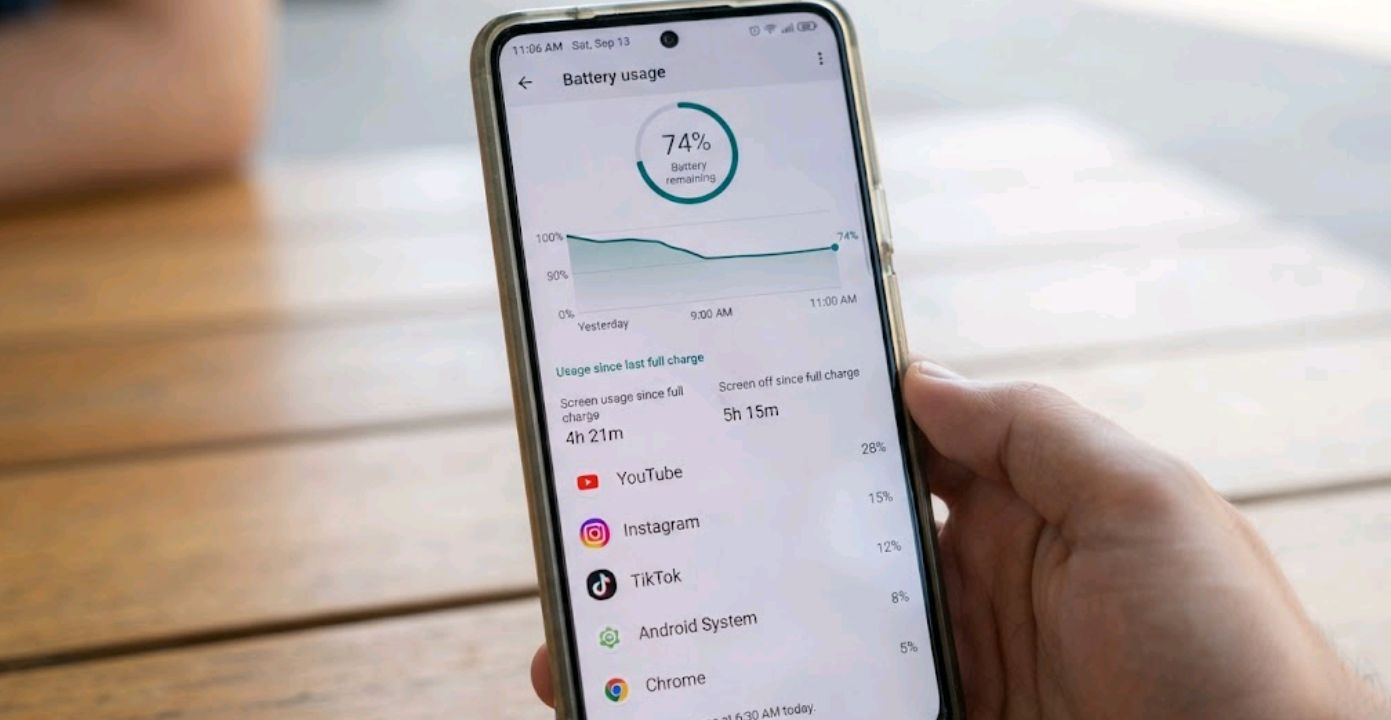
A 7,200mAh cell paired with an older, less efficient chipset can lose to a 6,000mAh cell paired with a newer, more power-efficient one. This is the same reason two phones with identical battery capacities routinely report very different screen-on time in user reviews. Three things do more work than the mAh number:
- Chipset and display efficiency. An AMOLED panel with a lower refresh rate at rest sips less power than one locked to 120Hz constantly. Vivo’s mid-range Snapdragon and Dimensity chips vary meaningfully in efficiency between generations.
- Software optimization. Funtouch OS’s background app management has improved across recent updates, but it’s still worth checking whether a specific model has received its latest software patch before assuming lab-tested battery figures will hold.
- Network conditions. In areas with inconsistent 5G coverage, a phone’s radio will burn extra power constantly searching for signal, which lab tests conducted on stable networks don’t fully capture.
If cameras matter as much as endurance to you, it’s worth checking how Xiaomi’s Redmi, POCO, and Xiaomi-branded cameras compare at similar price points, since vivo’s battery-focused models don’t always lead on imaging.
Battery health over time, not just on day one
vivo’s own lab data for the V60 Lite states that after 1,700 charge cycles, the battery should retain no less than 80% of its original capacity. That cycle figure corresponds roughly to five years at one full equivalent cycle every 1.2 days, but real-world charging patterns and heat exposure can produce different results. It comes from vivo’s own testing under controlled lab conditions (fixed temperature, fixed charge patterns), so treat it as a best-case reference point rather than a promise for how your specific unit will age.
Two habits matter more than any spec for keeping that health rating intact:
- Avoid letting the phone sit at 0% or 100% for long stretches. Charging between roughly 20% and 80% most days is gentler on the cell than constant full cycles.
- Keep it out of direct heat. Nigerian afternoon temperatures plus a phone left on a car dashboard or in direct sun is a faster way to degrade any lithium battery than normal daily use ever is.
Software support affects how long a battery-heavy phone stays worth using
A phone that lasts all day is only a good long-term buy if it also keeps getting security patches. This is where vivo’s tiering shows up again: the V-series and X-series have had clearer, longer update commitments than the Y-series in recent cycles. If long-term software support is a bigger priority for you than battery specs alone, it’s worth reading how long Samsung phones get software updates as a benchmark, since Samsung’s update policy is currently one of the more transparent in the Android space and gives useful context for judging vivo’s own commitments.
Battery life in Nigeria: what changes in everyday use
Lab figures and even independent test scores are usually measured under conditions that don’t match how most Nigerian users actually run their phones. A few things specifically worth factoring in:
- Dual-SIM usage. Running two active SIMs can increase network-related power consumption, particularly when either connection has weak or unstable coverage.
- Weak or inconsistent 4G/5G signal. In areas with inconsistent 4G/5G coverage, network handoffs between the two — or a phone constantly hunting for a stronger signal — burn noticeably more battery than a stable connection does.
- Hotspot usage. Using a phone as a mobile router for a laptop or a second device is one of the fastest ways to drain any battery, regardless of capacity, and it’s a common use case here that manufacturer test suites don’t usually simulate.
- 120Hz displays. A high refresh rate looks great scrolling through social apps, but it’s one of the larger drains on any of these batteries; dropping to 60Hz or an adaptive refresh setting (where the phone supports it) meaningfully extends a day’s use.
- Outdoor brightness. Screens pushed to maximum brightness to stay visible in direct sun consume considerably more power than typical indoor use, which is closer to how lab tests are conducted.
- Gaming. Sustained gaming sessions are one of the more demanding battery tests any phone faces, and it’s an area where chipset efficiency (not just battery size) makes the biggest visible difference.
- Heat. High ambient temperatures — a phone left in direct sun, on a car dashboard, or run hard while charging — reduce both immediate battery performance and long-term battery health.
- Charging habits. Frequent partial top-ups during the day are generally gentler on long-term battery health than always waiting for a near-empty battery and charging fully overnight.
None of this means the specs above are meaningless — a 6,500mAh battery still has more to work with than a 5,000mAh one under identical conditions. It just means the “hours of use” numbers you’ll see quoted anywhere, including in this guide, assume conditions that may not match daily use in much of Nigeria.
What independent testing actually shows
Manufacturer specs are a starting point, not proof. Here’s what third-party testing shows for the models above, where it exists — and where it doesn’t, rather than guessing:
| Model | Battery (typical) | Charging | Independent endurance testing | Takeaway |
|---|---|---|---|---|
| vivo Y31d | 7,200mAh | Wired fast charging | Not independently tested at time of writing | Manufacturer-stated capacity; independent endurance testing was not available at the time of writing |
| vivo V60 Lite | 6,500mAh | 90W FlashCharge | No controlled third-party endurance result found at time of writing | No lab number to cite yet |
| vivo V60 | 6,500mAh | 90W FlashCharge | PhoneArena rated it “top-tier endurance” among its price class in a scored review, without publishing an exact hours figure | The closest thing to independent confirmation among the models here |
| vivo X300 Pro | 6,510mAh (global) | FlashCharge | GSMArena’s own review text cited a 12:45h Active Use Score, but the review’s comparison chart listed 7:56h for the same phone — a discrepancy readers flagged in the comments, and one GSMArena itself never resolved in the visible review | The underlying test exists, but the published number is internally inconsistent; don’t treat either figure as a confirmed result |
| vivo V50 | 6,000mAh | 90W FlashCharge | Not independently tested at time of writing | Predecessor model; largely superseded by V60 in current reviews |
| vivo Y300 | 5,000mAh | Fast charging | Not independently tested at time of writing | Included for capacity comparison only |
Where a model shows “not independently tested,” that’s a gap in available third-party data, not a claim that the phone performs poorly — it just means the only battery-life information available is vivo’s own lab testing, which should be weighted accordingly.
Which vivo phone actually lasts, in practical terms
Going purely by capacity-to-price, the available independent testing, and the models with the clearest software support behind them:
- Longest stated battery capacity: Y31d — 7,200mAh, manufacturer-stated only.
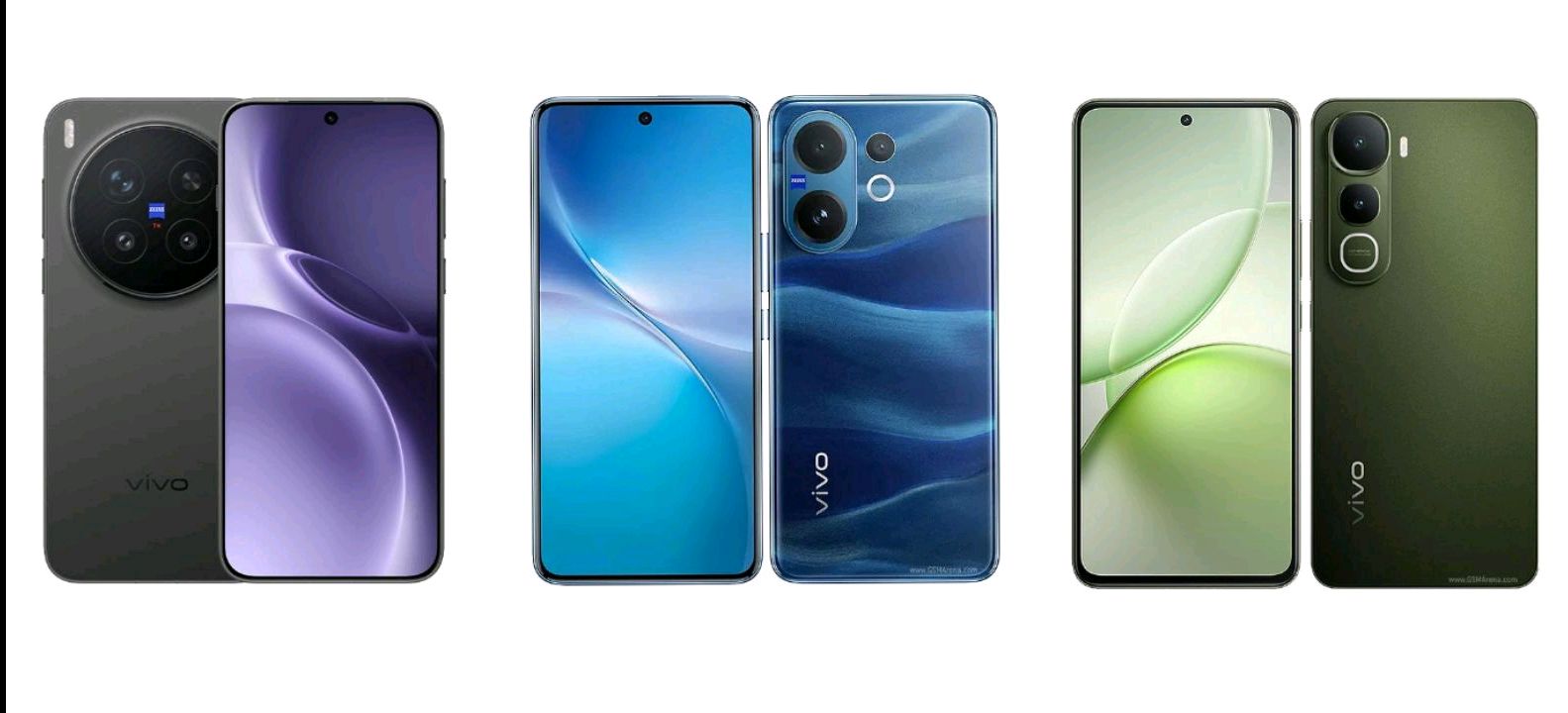
- Best all-round battery package: V60 Lite — 6,500mAh, 90W charging, and IP65-rated design, a combination most phones in its price range don’t offer together.
- Strongest option when battery and flagship photography both matter: X300 Pro — but verify the regional battery configuration before buying, given the variance documented across the X300 family above.
None of these are absolute “best battery life” claims — independent, side-by-side screen-on-time testing across all five models wasn’t available at the time of writing, so treat the ranking above as a reasonable starting point rather than a lab-verified result.
FAQ
Does a bigger mAh number always mean longer battery life? Not reliably. Chipset efficiency, display technology, and software optimization all affect real-world screen-on time, sometimes by a wider margin than the capacity difference between two phones.
What is vivo’s silicon-carbon battery technology? It’s an anode material that allows more energy density in the same physical space, which is how vivo and other brands have pushed battery capacity past 6,000mAh without making phones noticeably thicker.
Do vivo phones lose battery health quickly? Based on vivo’s own published lab data for recent models, batteries are rated to retain a large share of their original capacity after roughly 1,700 charge cycles under controlled conditions. Actual results will vary with usage habits, heat exposure, and charging patterns.
Is the Y-series or V-series better for battery life? They’re closer than they used to be. Some Y-series models now carry larger raw battery figures, but V-series phones generally pair their batteries with more efficient chipsets and longer software support windows.
Should I buy a vivo phone in Nigeria for battery life alone? It depends on what else you need. If battery life is the single deciding factor, several current vivo models are genuinely strong options. If camera quality, software longevity, or compact size matter just as much, it’s worth comparing against the alternatives linked above before deciding.
For a broader look at vivo’s current lineup across all price tiers, see our vivo phone series guide.

Comments 0
Leave a comment