
Table of Contents
Open Table of Contents
- Overview
- Which vivo specifications should you expect around $200–$300?
- Start with the chipset, not the camera megapixels
- What actually matters in this price bracket
- Battery life deserves more weight than most buyers give it
- Don’t skip the software update policy
- How the segment compares across brands
- A simple pre-purchase checklist
- If vivo’s whole current lineup feels overwhelming
- FAQ
Overview
Two hundred to three hundred dollars is an odd little pocket of the phone market. It’s not “cheap phone, cheap everything” territory anymore, but it’s also nowhere near flagship money. In many markets, vivo’s Y-series is the lineup most commonly found in this price range, although the exact models, configurations, and pricing vary considerably by region — so treat any specific model mentioned here as an example of a pattern, not a universal recommendation.
I’m not going to hand you a single “buy this one” answer, because the right pick depends heavily on which corners a specific model cuts, and that changes with every refresh. What I can do is walk through the things that actually predict whether you’ll be happy with the phone in six months, versus the specs that just look good on a poster in a phone shop window.
Join ReviByte Community
Get instant alerts on new posts, phone deals, and mobile gaming updates.
Join WhatsApp Channel
Which vivo specifications should you expect around $200–$300?
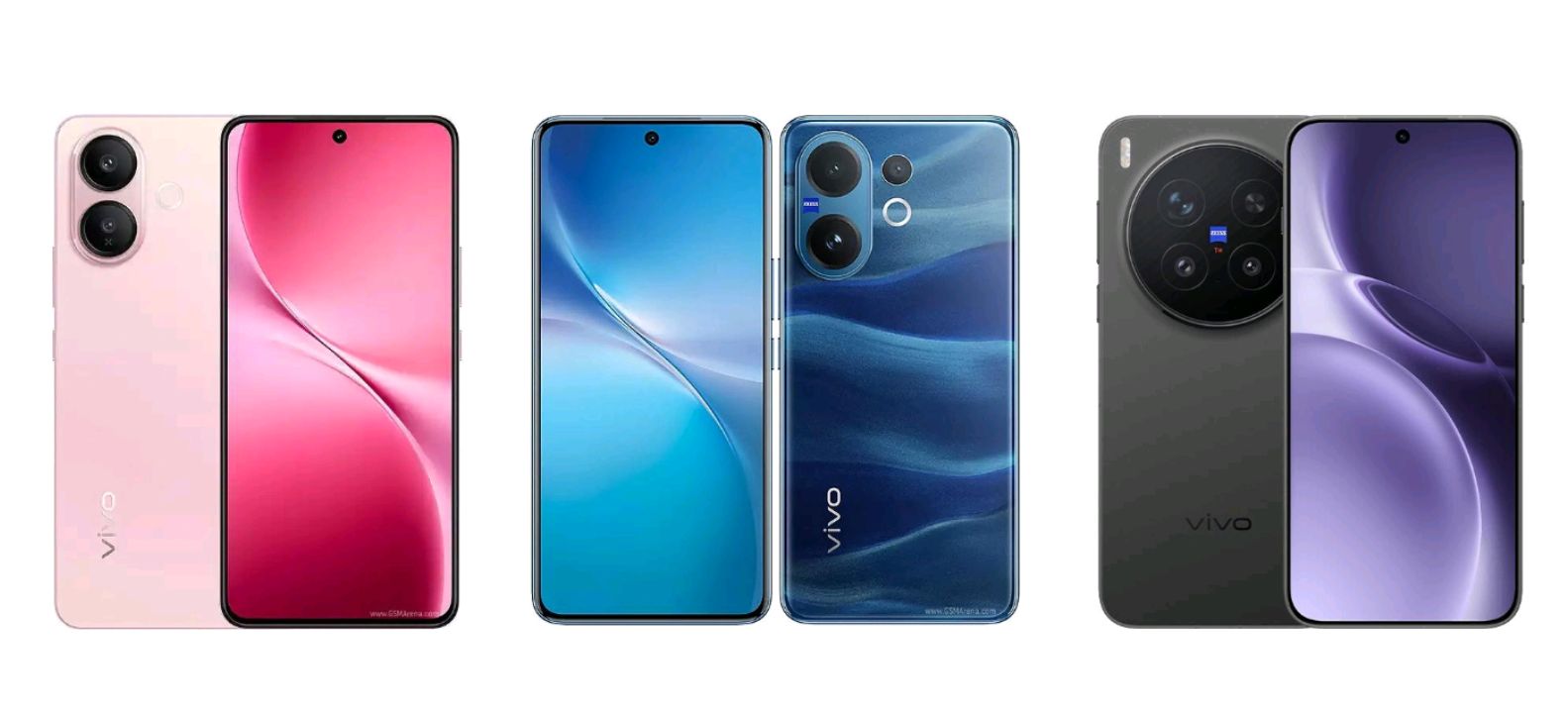
Rather than talk in the abstract, it helps to see what vivo has actually shipped in or near this bracket. The four models below are real, currently or recently sold vivo devices with publicly listed specs — not composites or estimates. Regional pricing and configuration availability differ, so treat the prices as reference points from their respective launch markets rather than what you’ll necessarily pay locally.
| Model | Chipset | RAM / Storage | Display | Battery / Charging | Connectivity | Launch price (approx.) | Main compromise |
|---|---|---|---|---|---|---|---|
| vivo Y400 Pro 5G — near the top of/above this bracket | MediaTek Dimensity 7300 | 8GB (+8GB extended) / 128–256GB UFS 3.1 | 6.77” AMOLED, 120Hz | 5,500mAh, 90W wired | 5G, IP65 | ₹31,999 (India, 8GB/256GB launch/list price) | No microSD expansion |
| vivo Y300 5G (India) | Snapdragon 4 Gen 2 | 8GB / 128–256GB UFS 2.2 | 6.67” AMOLED, FHD+, 120Hz | 5,000mAh, 80W wired | 5G, IP64 | ₹21,999–₹23,999 (India launch) | Lower performance tier than the Y400 Pro despite its AMOLED display and 80W charging |
| vivo Y300 (China variant) | MediaTek Dimensity 6300 | 8–12GB / 128–512GB | 6.77” AMOLED, up to 120Hz | 6,500mAh, 44W wired | 5G | ~$192–275 (China launch, varies by config) | China-market unit; not the same hardware as same-named models sold elsewhere |
| vivo Y29 5G | MediaTek Dimensity 6300 | Up to 8GB / up to 256GB | 6.68” LCD, HD+, 120Hz | 5,500mAh, 44W wired | 5G, IP64 | ~$165–225 (India, across configs) | LCD panel at HD+ resolution rather than AMOLED/FHD+ |
A few patterns worth noticing: AMOLED displays and faster charging tend to show up on the higher end of this range rather than the lower end, and “same model name, different market” is common enough with vivo that a spec sheet from one country’s listing doesn’t always match what’s sold under that name elsewhere — which is exactly why checking the specific regional listing matters more than trusting the model name alone. The Y400 Pro is included here as a useful reference point just above the bracket, since seeing how specs shift as price climbs helps calibrate what you’re actually giving up by staying under $300.
The figures above are drawn from vivo’s own regional product pages and launch coverage from established phone-spec outlets, but vivo’s spec sheets and pricing do shift by region and over time. Before you buy, it’s worth cross-checking the current listing for your specific market rather than treating any table, including this one, as the final word.
Start with the chipset, not the camera megapixels
It’s tempting to shop by camera megapixel count, but at this price point, the chipset is one of the biggest factors affecting how smoothly the phone handles apps and updates over time. Budget vivo phones use a wide range of Snapdragon and MediaTek chips, and the difference between them can become noticeable when you’re multitasking, gaming, or keeping several apps active in the background. If a listing doesn’t clearly state the chipset model, that’s usually worth asking about directly before buying — vague terms like “octa-core processor” without a model number are a soft warning sign, not a dealbreaker on their own.
What actually matters in this price bracket
| What to check | Why it matters | Red flag to watch for |
|---|---|---|
| Chipset (named model, not just “octa-core”) | Determines long-term smoothness, not just launch-day speed | No specific chip name listed in specs |
| RAM (physical, not “extended/virtual”) | Affects multitasking and app reload frequency | Only virtual RAM mentioned, no base RAM figure |
| Battery capacity + charging speed | Daily usability, especially with patchy power access | Battery under 5,000mAh with no fast-charge spec |
| Display refresh rate | Smoothness of scrolling and everyday feel | Panel type (LCD vs AMOLED) not disclosed |
| Software update commitment | How long the phone stays secure and current | No stated OS/security update window |
| Storage type (UFS vs eMMC) | Affects how fast apps open and files transfer | Storage type omitted entirely |
None of these need to be flagship-level to be “good enough” — the point is that each one should be clearly stated, not vague. In independent reviews of budget Android phones, a common source of buyer’s remorse isn’t necessarily a weak spec, but a spec that was hidden or implied rather than clearly confirmed.
If camera performance across vivo’s lineup specifically is your main concern, that’s really a separate conversation worth its own deep dive — see our breakdown of what vivo camera phones actually deliver in 2026 for a closer look at sensor quality versus marketing megapixels.
Battery life deserves more weight than most buyers give it
At this price tier, screen-on time varies more between models than almost anything else, largely because manufacturers make different trade-offs between battery capacity, display efficiency, and how aggressively the software manages background apps. A phone with a smaller battery but a more efficient display and lighter software skin can genuinely outlast one with a bigger cell and a heavier interface. If long battery life is your top priority rather than a nice-to-have, it’s worth comparing actual reported screen-on times rather than mAh numbers alone — we’ve gone deeper on this specifically for vivo in our guide to vivo phones with genuinely long battery life.

Don’t skip the software update policy
This is the one buyers overlook most often, and it’s arguably the most important line item for anyone planning to keep a phone for more than a year or two. Some budget vivo models ship with a clearly stated multi-year update commitment; others simply don’t mention it in retail listings. If a listing doesn’t state an update commitment, don’t assume that means it’s short — check vivo’s own official product or support page for that specific model and market before drawing a conclusion either way.
How the segment compares across brands
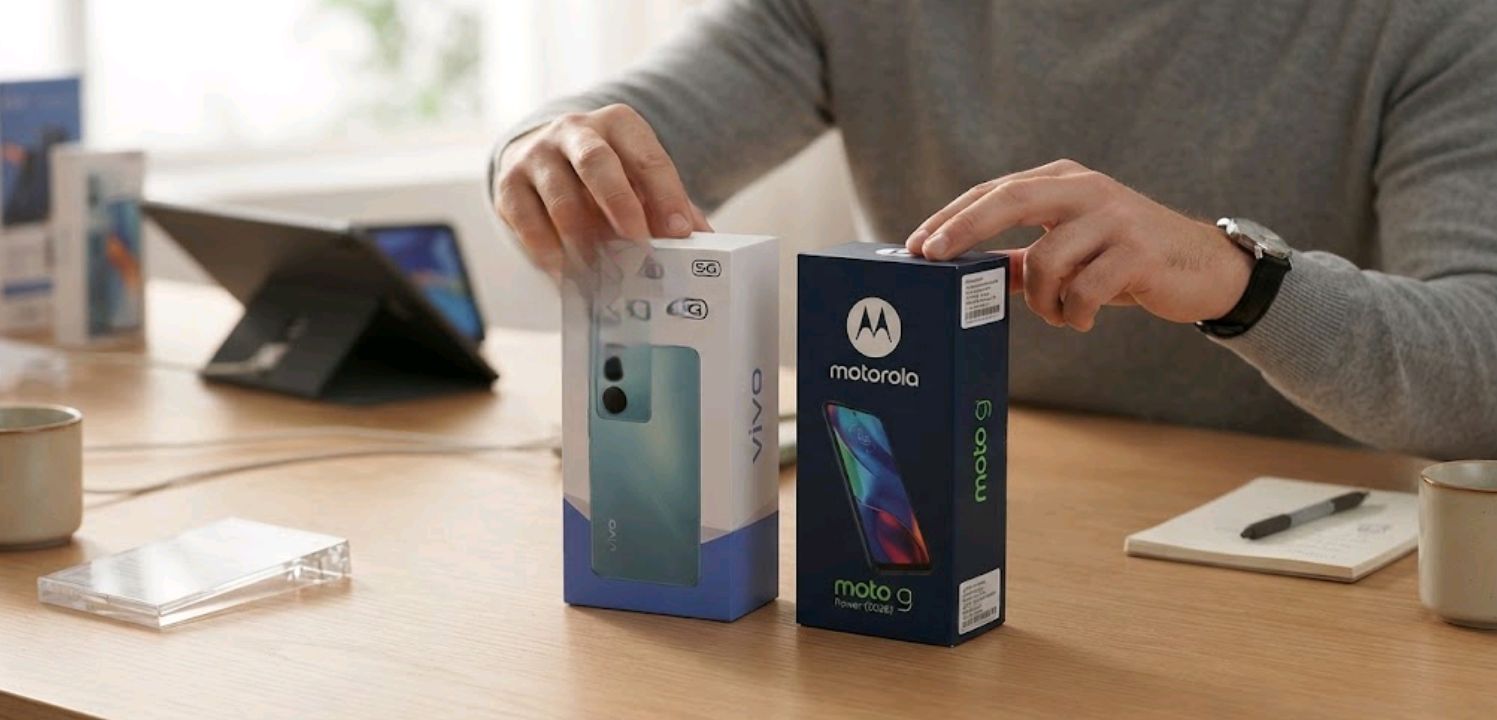
If you’re cross-shopping — which is smart at this price — it helps to see how vivo’s approach compares to competitors covering the same bracket. Oppo’s lineup in this range takes a fairly similar approach with some notable camera differences, which we cover in our look at Oppo phones between $200 and $300. Motorola tends to prioritize a cleaner software experience over raw spec numbers, discussed in what actually makes sense among Motorola’s $200–$300 phones. And if battery efficiency is genuinely your deciding factor above everything else, it’s worth reading how Xiaomi’s long-battery-life models stack up in this comparison of Xiaomi phones with long battery life before settling on a brand.
A simple pre-purchase checklist
| Step | What to do |
|---|---|
| 1 | Confirm the exact chipset model, not just “octa-core” |
| 2 | Check physical RAM separately from any advertised “extended RAM” |
| 3 | If storage type is disclosed, note that UFS is generally preferable to older eMMC storage, since it typically allows faster app and file operations — though many budget listings don’t specify this at all |
| 4 | Compare battery capacity alongside real screen-on-time reviews, not mAh alone |
| 5 | Check the stated software/security update window |
| 6 | Read at least one independent, non-sponsored review before buying |
If vivo’s whole current lineup feels overwhelming
The Y-series naming can shift between regions and refreshes, so if you’re trying to figure out where a specific $200–$300 model fits against vivo’s broader 2026 catalogue, our wider overview — vivo’s 2026 lineup and which phone actually suits you — is a better starting point than trying to memorize every model number. And if your budget has any flexibility at all, it’s worth glancing at what a well-regarded phone outside the vivo ecosystem offers at a similar price, like our take on the best Google Pixel phone for most people, just to calibrate expectations before you commit.

FAQ
Is a $200–$300 vivo phone good enough for gaming? Many phones in this price range can handle casual and lighter competitive games comfortably, but performance varies substantially by chipset. For demanding games, check independent gaming tests rather than assuming a phone will perform well from its RAM or 5G label alone.
Should I prioritize RAM or storage if I have to choose? If the phone supports storage expansion via microSD, storage is easier to work around later. RAM generally isn’t upgradeable, so err toward more physical RAM when the two trade off directly against each other.
Does 5G matter at this price point? It depends heavily on your local network rollout and whether you’re likely to keep the phone long enough for 5G to become mainstream in your area. For Nigerian buyers specifically, it’s worth checking whether the exact model and unit you’re buying supports the 5G bands used by your network — don’t assume every “5G” import is configured for the same bands as units sold locally, since some grey-market and regional variants are tuned for a different market’s frequencies. Where that’s uncertain, treat 5G as a nice-to-have rather than the deciding factor.
Are vivo’s budget phones reliable long-term? Reliability varies more by specific model and software update support than by brand alone. The update policy line item above matters more here than general brand reputation.
Is it worth buying last year’s vivo model instead of the newest one at this price? Often yes, if the older model has a stronger chipset or better camera hardware for the same money — price drops on outgoing models can outweigh the appeal of “newer.” Just confirm remaining update support before deciding.


Comments 0
Leave a comment