Table of Contents
Open Table of Contents
Overview
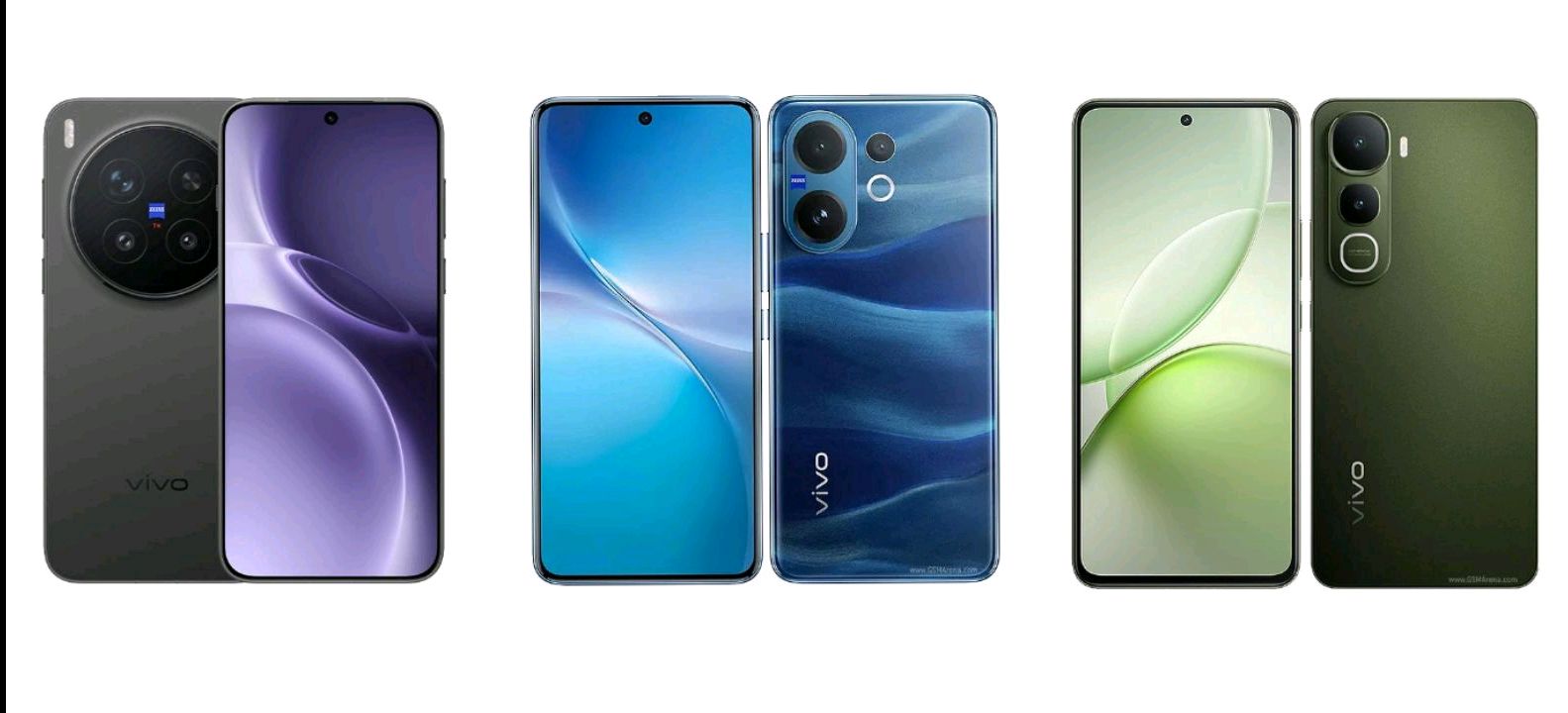
vivo doesn’t sell one type of phone. For buyers looking at vivo’s main X, V, Y, and T families in 2026, the biggest difference isn’t the logo — it’s what each series prioritizes. Walk into any gadget store in Lagos or Abuja and you’ll see X-series flagships sitting a few shelves above Y-series phones that cost a third of the price, and unless you know what separates them, the naming alone won’t help you.
This guide breaks down what each vivo series is actually built for in 2026, based on confirmed specifications from vivo’s launches through the year, not marketing copy.
Join ReviByte Community
Get instant alerts on new posts, phone deals, and mobile gaming updates.
Join WhatsApp Channel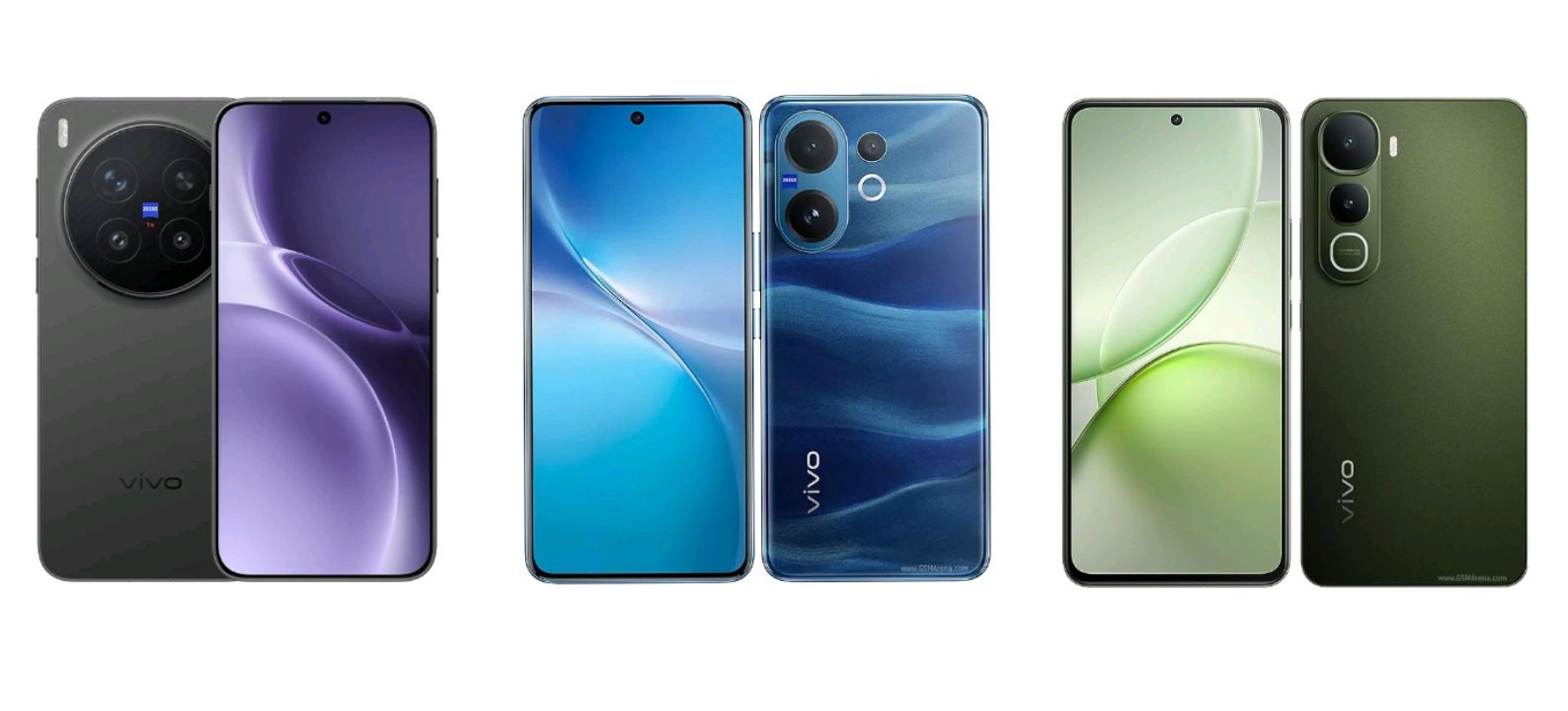
The four vivo series, in one table
| Series | Main focus | Typical positioning | What stands out |
|---|---|---|---|
| X series | Flagship cameras & performance | Premium | ZEISS cameras, flagship chips, long-range telephoto |
| V series | Portraits, selfies & design | Upper mid-range | ZEISS-tuned cameras, slim builds, large batteries |
| Y series | Battery & everyday value | Budget/mid-range | Large batteries, practical everyday features |
| T series | Performance, battery & durability | Budget/mid-range | Efficient chipsets, big batteries, rugged certifications |
Actual street prices vary a lot by market and configuration, so specific figures are discussed inside each model’s section below rather than in this table.
X series: the camera-first flagship
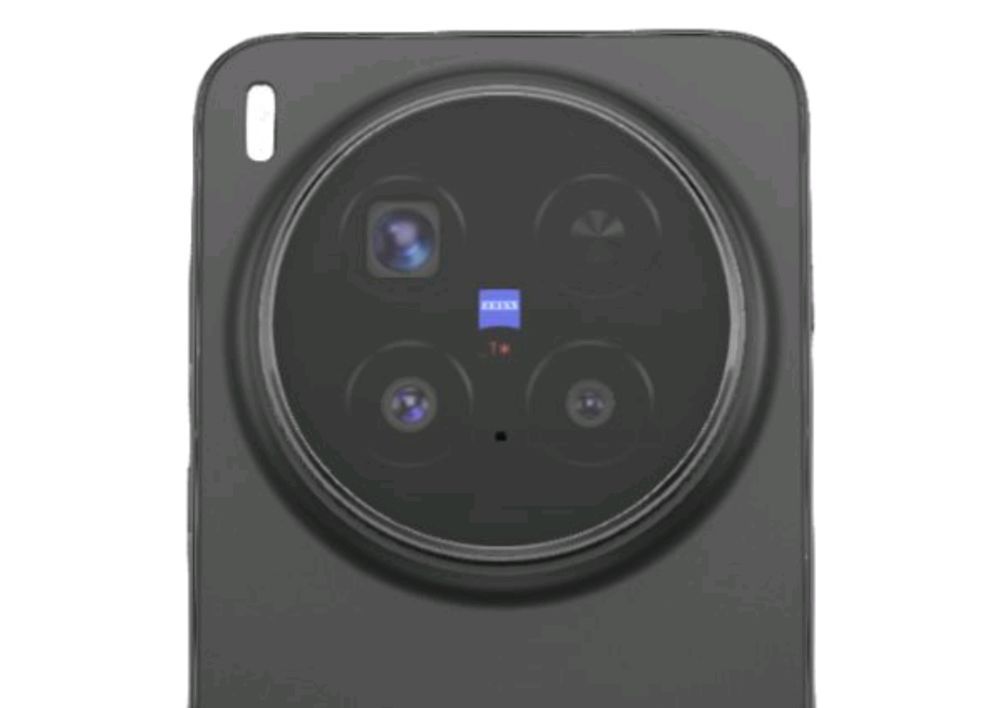
The X series is where vivo typically puts its most advanced sensors, flagship chipsets, and its ZEISS partnership to full use. The X300 Pro, announced in October 2025, pairs a 50MP Sony LYT-828 main sensor (f/1.57, gimbal OIS) with a 200MP Samsung HPB telephoto and a 50MP ultrawide, all tuned with ZEISS optics. It runs on MediaTek’s Dimensity 9500 chipset, ships with up to 16GB of RAM, and packs a 6,510mAh battery with 90W wired and 40W wireless charging — a genuinely large cell for a phone this size, at 7.99mm thick.
The standard X300 trims the camera hardware slightly but keeps the same chipset and adds a smaller 6,040mAh battery in a lighter, more compact 190g body. If you want flagship performance without the bulk of the Pro, it’s the more sensible pick of the two — the X300 Pro’s main advantages are its more advanced telephoto system, larger battery, and additional flagship camera hardware.
Who this is for: people who genuinely shoot a lot — travel, events, food content — and want optical zoom and low-light performance that a mid-ranger can’t match. If you’re comparing camera-first flagships across brands, our breakdown of Huawei’s Pura, Mate, and Nova series covers a similar tier from a different angle, and how Pixel 10 and 10 Pro split their camera priorities is worth reading if computational photography matters more to you than optical zoom.
V series: the mid-range built around portraits
The V series is generally aimed at people who care about how their photos look on social media more than raw spec sheets, and the V60 keeps that focus. It runs a Snapdragon 7 Gen 4 chipset, a 6.77-inch 120Hz AMOLED display, and a 6,500mAh silicon-carbon battery in a body just 7.53mm thick — genuinely slim for a phone carrying that much battery. The camera setup borrows from vivo’s X-series playbook at a smaller scale: a 50MP OIS main sensor, an 8MP ultrawide, a 50MP 3x periscope telephoto, and a 50MP selfie camera, all ZEISS co-developed.
The V60e variant pushes the rear resolution up to 200MP on the main sensor while keeping the same 6,500mAh battery and 90W charging, running on a MediaTek Dimensity 7360 Turbo chipset instead. The V60 Lite drops to a more efficiency-focused build with a 6,500mAh battery and MIL-STD-810H compliance, aimed at buyers who want the V-series look without the full price.

Who this is for: content creators and social-media-first users who want a strong selfie and portrait camera without flagship pricing. If you’re weighing camera-focused mid-rangers from other brands, Oppo’s camera-first phones sit in a comparable bracket and are worth cross-referencing before you decide.
Y series: where battery size does the talking
The Y series is vivo’s more value-focused family, and in 2026 it puts considerable emphasis on battery life and everyday usability rather than camera specs. The Y400 ships with a 6,000mAh battery, a 6.67-inch 120Hz AMOLED display, and a Snapdragon 4 Gen 2 chipset — modest processing power, but IP68/IP69 water and dust resistance and MIL-STD-810H compliance that’s unusual at this price point. The Y400 Pro trades some of that battery capacity (5,500mAh) for a slightly larger 6.77-inch display and a MediaTek Dimensity 7300 chipset, plus a dual rear camera setup with a 50MP main sensor.
Local Nigerian retail listings put the Y400 Pro somewhere in the ₦300,000–₦450,000 range depending on the vendor and RAM/storage configuration — treat these as community-observed estimates rather than official vivo Nigeria pricing, since they shift with both stock and the exchange rate.

Who this is for: buyers who want reliable all-day battery life and a large, smooth display without paying mid-range prices. If long battery life is your main filter, it’s worth comparing this tier against Xiaomi’s long-battery-life lineup, since both brands are chasing the same buyer with different trade-offs.
T series: built to survive daily wear
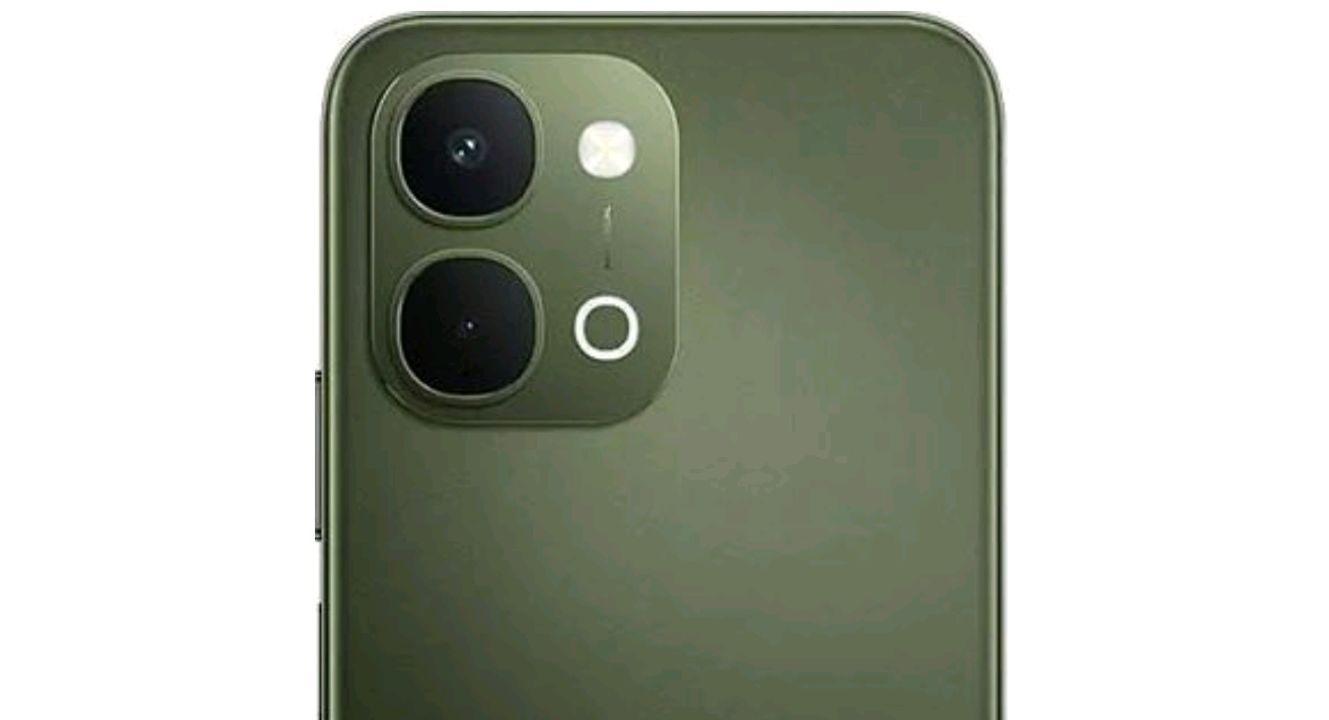
The T series overlaps with the Y series on price but leans further into durability and raw performance-per-naira rather than display size or camera resolution. The T5x, launched in March 2026, is the clearest example: a 7,200mAh battery, MediaTek’s Dimensity 7400 Turbo chipset (vivo cites AnTuTu scores above 1 million on it), and MIL-STD-810H compliance alongside IP68/IP69 water and dust resistance. The T5x is positioned as a performance-and-endurance-focused model in vivo’s T lineup. The base T5 trades the 5G modem and Turbo chipset for a Snapdragon 6s Gen 2 and 4G connectivity but keeps a similarly oversized 7,200mAh battery and the same IP68/IP69 rating, positioning it as the more budget-focused entry point in the line.
The T5x and T5 show how the T series can emphasize bigger batteries and durability features, sometimes at the expense of camera or display priorities. If your phone regularly ends up in dusty environments, gets dropped, or needs to survive a generator-powered charging routine, the T series is worth checking before the Y series.
Who this is for: buyers who prioritize toughness and predictable battery behavior over camera quality or display sharpness. Motorola runs a similar strategy in this bracket, and our look at what actually matters in the $200–$300 Motorola range is a useful parallel if you’re cross-shopping budget brands rather than committing to vivo specifically.
Which series should you actually buy?
If you photograph or film often and the price doesn’t scare you, the X series is worth it — the X300 Pro’s telephoto reach and battery capacity sit at the top of what vivo currently offers for camera-first flagship use. If you want a phone that looks and shoots well for social media without flagship pricing, the V60 or V60e cover that gap convincingly. If your priority is simply a phone that lasts all day and survives rough handling, both the Y series and models such as the T5x put considerable emphasis on battery capacity and durability, but they approach the budget segment differently — the Y series leans toward a bigger screen and camera, while the T5x leans toward a bigger battery and MIL-STD-810H compliance.
FAQ
Is the vivo X series overkill for casual users? For most people, yes. The camera improvements between an X300 Pro and a V60 are real but incremental for everyday shooting — group photos, food pics, quick video clips. The X series earns its price mainly for periscope zoom range and low-light consistency, which matter more to people shooting regularly in varied conditions than to casual users.
Does the V series really compete with the X series on cameras? Not entirely, but it’s closer than the price gap suggests. The V60 uses a scaled-down version of vivo’s ZEISS camera tuning with a genuine 3x periscope telephoto, which is still uncommon in this price bracket. You lose some low-light performance and the top-tier telephoto reach, but daylight and portrait shots hold up well.
Are Y-series and T-series phones good enough for gaming? They’re built for efficiency and battery life first, not sustained gaming performance. The Snapdragon 4 Gen 2 and Dimensity 7300 chipsets used in current Y-series models handle casual and mid-tier mobile games fine, but expect frame drops in graphically demanding titles at high settings.
Does vivo sell these phones officially in Nigeria? vivo maintains an official Nigerian storefront and works with authorized retailers, but availability varies by model and configuration. Newer variants like the V60e and T-series releases sometimes reach Nigerian markets through grey-market importers before an official listing appears, so it’s worth confirming warranty coverage before buying.
How many years of software updates do these phones get? Software support varies considerably by series, model, and market, so this isn’t something to generalize — check vivo’s official support commitment for the exact phone and region before buying, since a global listing and a Nigeria-specific unit can carry different update policies.
Specifications in this piece come from vivo’s own regional product pages and GSMArena’s launch and spec coverage. Nigerian pricing mentioned above is a community-observed estimate from local retailer listings, not an official vivo Nigeria price, and Naira-to-USD conversions are approximate and will drift with the exchange rate. Confirm current pricing and availability directly with vivo Nigeria or an authorized retailer before purchasing.

Comments 0
Leave a comment