Table of Contents
Open Table of Contents
Overview
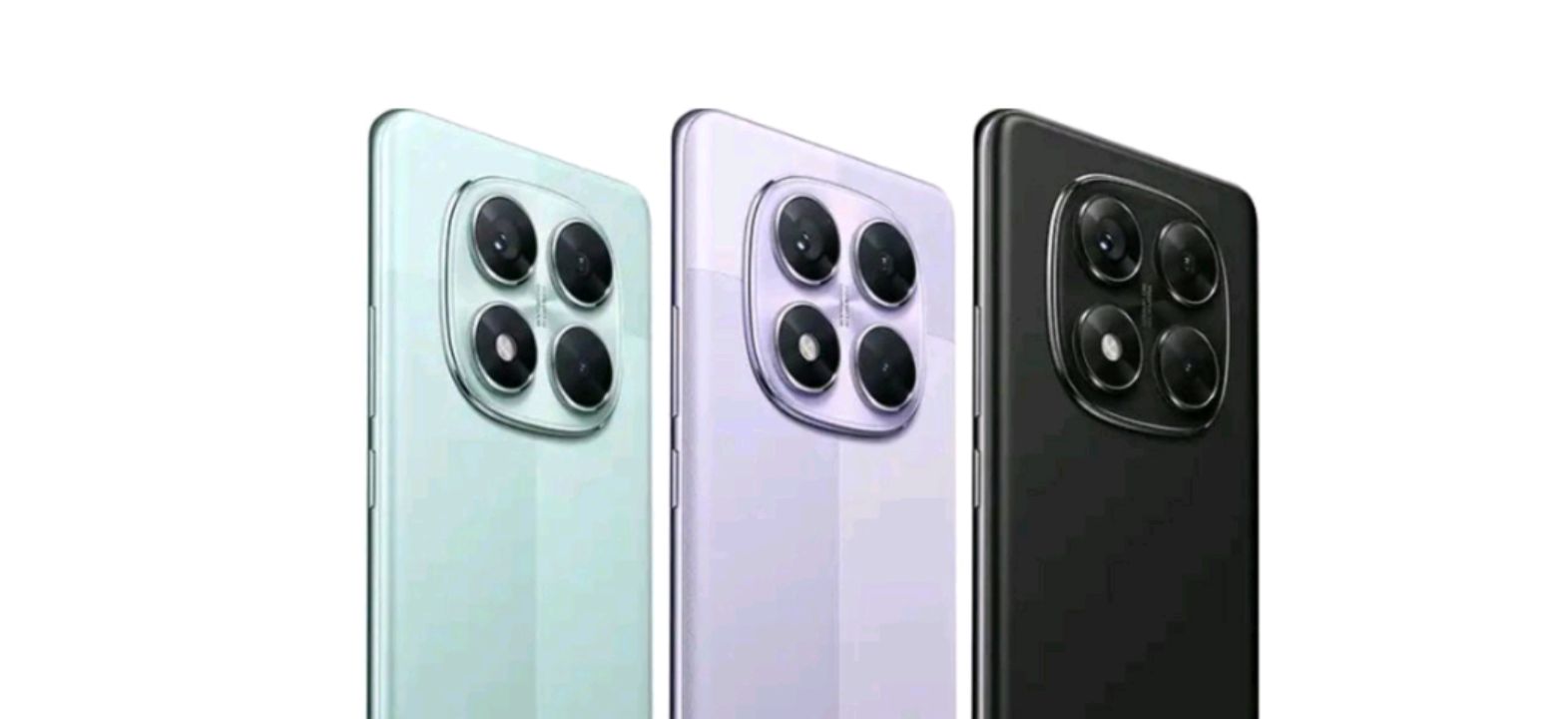
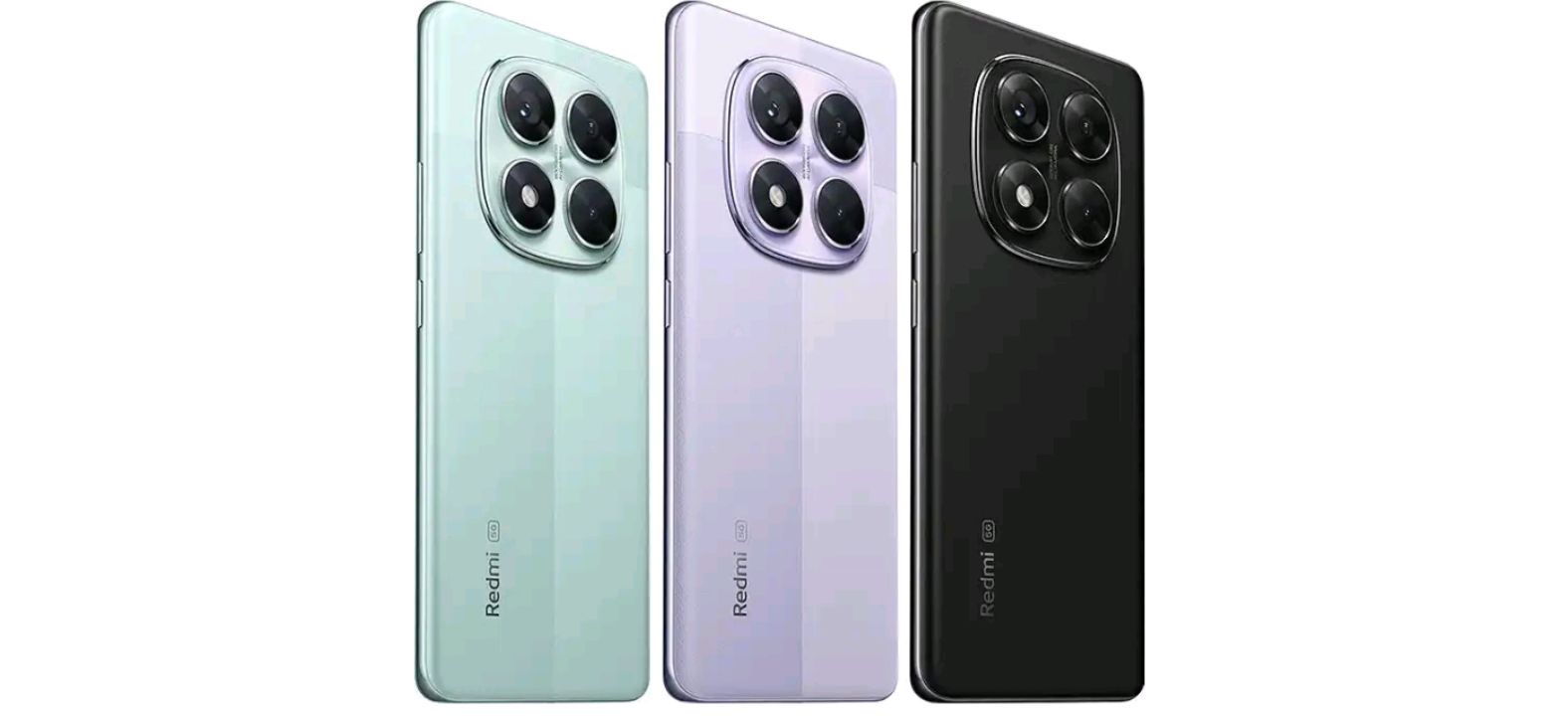
Redmi, POCO, and Xiaomi aren’t designed to compete on camera quality in exactly the same way. Redmi usually aims for balanced value, POCO puts more emphasis on performance, while Xiaomi’s higher-end models generally put more money into camera hardware and processing. None of that is a fixed rule — it shifts by generation and by model — but it’s the pattern that holds up most consistently across recent lineups.
A common mistake is choosing whichever model happens to be cheaper that week without considering what each lineup actually prioritizes. Once you know what trade-off each brand is built around, picking between them gets a lot easier.
Why these three brands take different photos
Redmi, POCO, and Xiaomi all pull from the same manufacturing pool, but resources get allocated differently depending on what each brand is trying to sell you.
- Redmi generally leans toward balance. It’s often a sensible default if photography matters but isn’t the only thing that matters — you’re usually not giving up much on the camera side to get a phone that’s still affordable.
Join ReviByte Community
Get instant alerts on new posts, phone deals, and mobile gaming updates.
Join WhatsApp Channel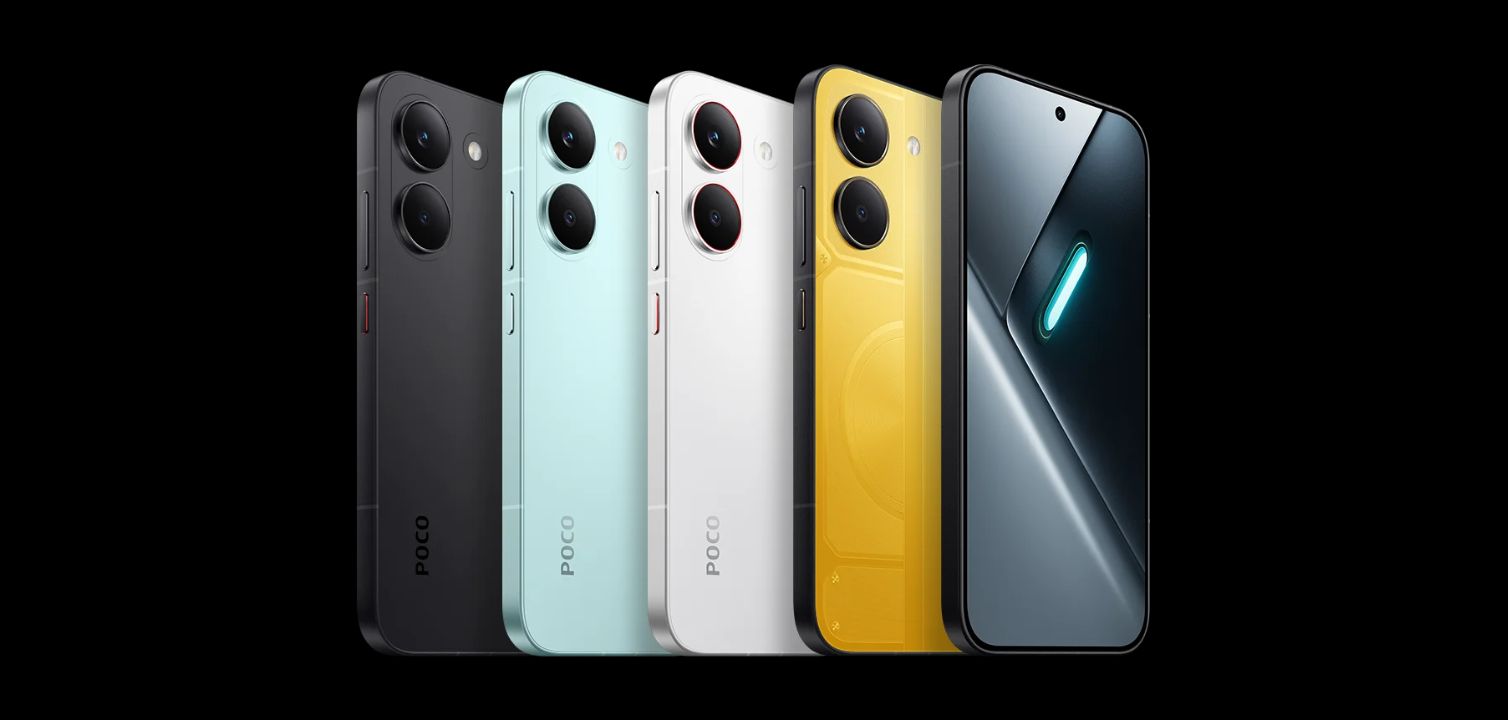
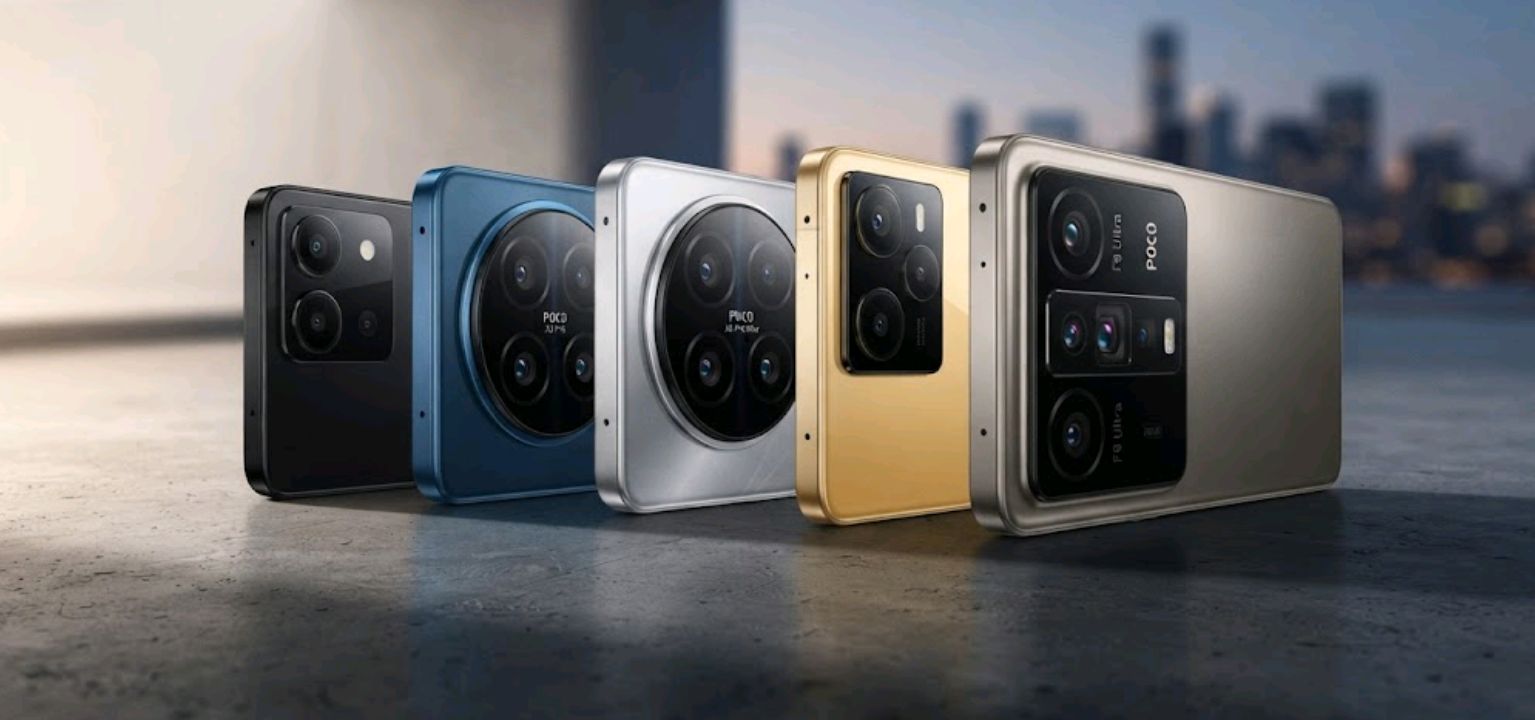
- Xiaomi’s main-numbered series, and increasingly some higher T-series models, is where camera hardware and processing investment tends to be strongest — better sensors, more refined image processing, and on select top-tier models, Leica-tuned color science.

None of this is absolute across every single model in every generation. A particular Redmi Note Pro variant can outshoot a base POCO phone in daylight, and a POCO model marketed around its camera can surprise you. Treat this as a general pattern rather than a rule for any one specific phone.
Feature-by-feature comparison
| Category | Redmi | POCO | Xiaomi (main series) |
|---|---|---|---|
| Typical camera priority | Balanced value | Performance first | Camera and flagship experience |
| Daylight | Often very good for the price | Often good, model-dependent | Generally strongest at higher tiers |
| Low light | Varies significantly by model | Often not the main strength | Generally stronger on higher-end models |
| Video | Model-dependent | Model-dependent | Usually stronger on higher-end models |
| Telephoto | Mostly higher-end models | Limited to select models | More common on higher-end models |
| Processing | Generally balanced | Often tuned around value/performance | More advanced on higher-end models |
| Best suited for | Balanced buyers | Performance-focused buyers | Camera-focused buyers |
If you’re shopping specifically for camera-forward POCO models, our breakdown of the best POCO camera phones for 2026 narrows the lineup down to the units that buck the usual “performance over photos” trend.
Which Xiaomi brand should you choose for camera quality?
This is really the question that matters, since you’re ultimately buying a specific phone rather than a brand philosophy. As a starting point based on how the current 2026 lineups are generally positioned:
Choose Redmi if: you want a reasonably priced phone where camera quality matters alongside battery life, display, and everyday performance. Recent Redmi Note Pro models are usually worth comparing here, although the exact camera hardware varies significantly by generation and region.
Choose POCO if: gaming and chipset performance come first, and you’re comfortable with a less camera-focused setup in exchange for that. POCO’s X and F-series models are the ones worth comparing, with higher-tier models generally narrowing the camera gap somewhat, though rarely leading the pack outright.
Choose Xiaomi if: photography, zoom, video, and flagship-grade camera hardware are genuinely among your top priorities. Xiaomi’s main-numbered series is generally where the strongest camera hardware and processing are found, particularly on higher-tier models with Leica-tuned optics.
Model availability and exact specs vary by market — a Redmi, POCO, or Xiaomi model sold in Nigeria may differ from the same name sold elsewhere, and camera hardware can change significantly between generations. Always confirm the exact camera specs, sensor size, and current price for the specific model and region you’re buying in before deciding.
What actually matters more than the spec sheet
A recurring mistake is assuming a higher megapixel count automatically means better photos. It doesn’t — pixel-binning quality, sensor size, and image processing usually matter more than the raw number printed on the spec sheet. A well-tuned 50MP sensor can outperform a poorly processed 200MP one, particularly indoors or at night.
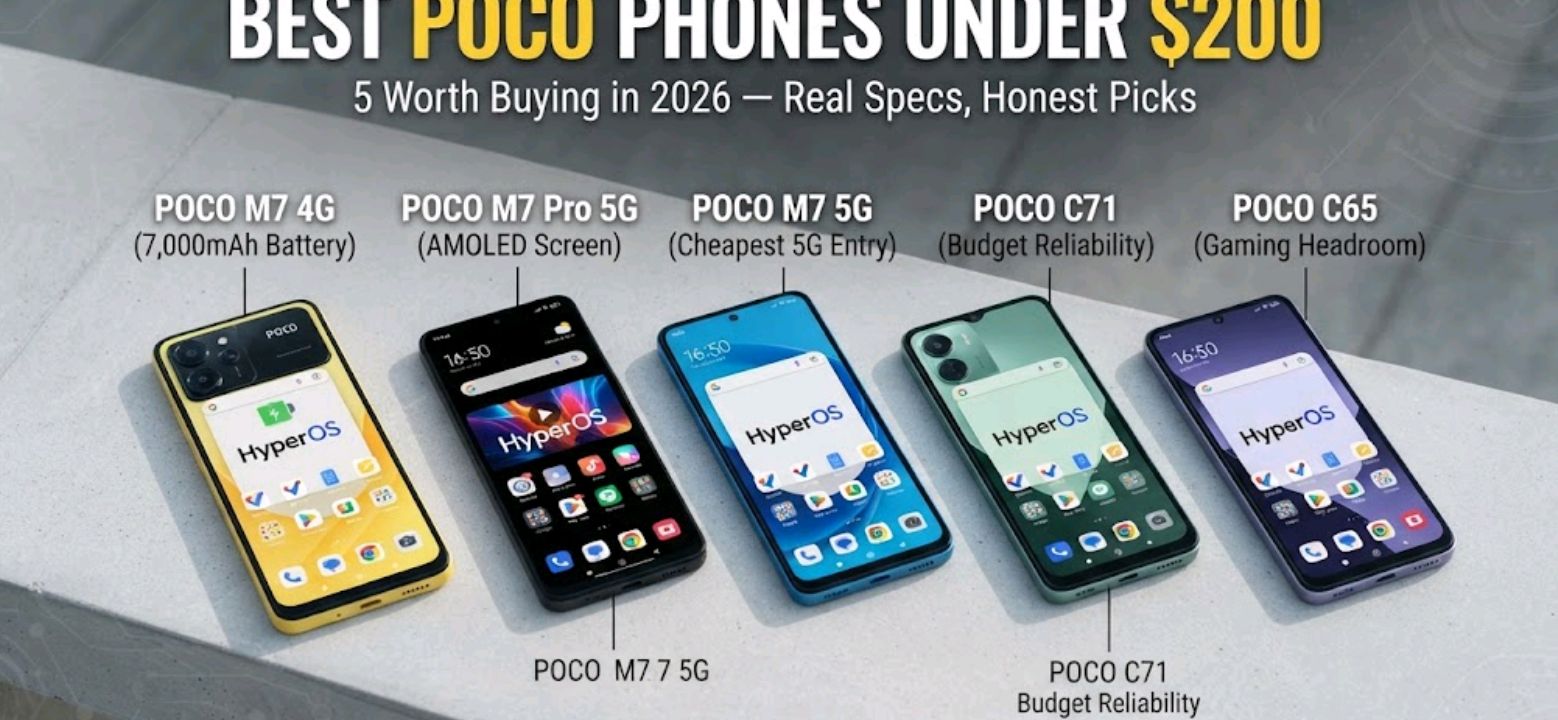
If budget is tight and you’re weighing entry-level POCO options, it’s worth checking our guide to POCO phones under $200 before assuming camera quality alone should decide the purchase — at that price point, battery and performance trade-offs often matter just as much.
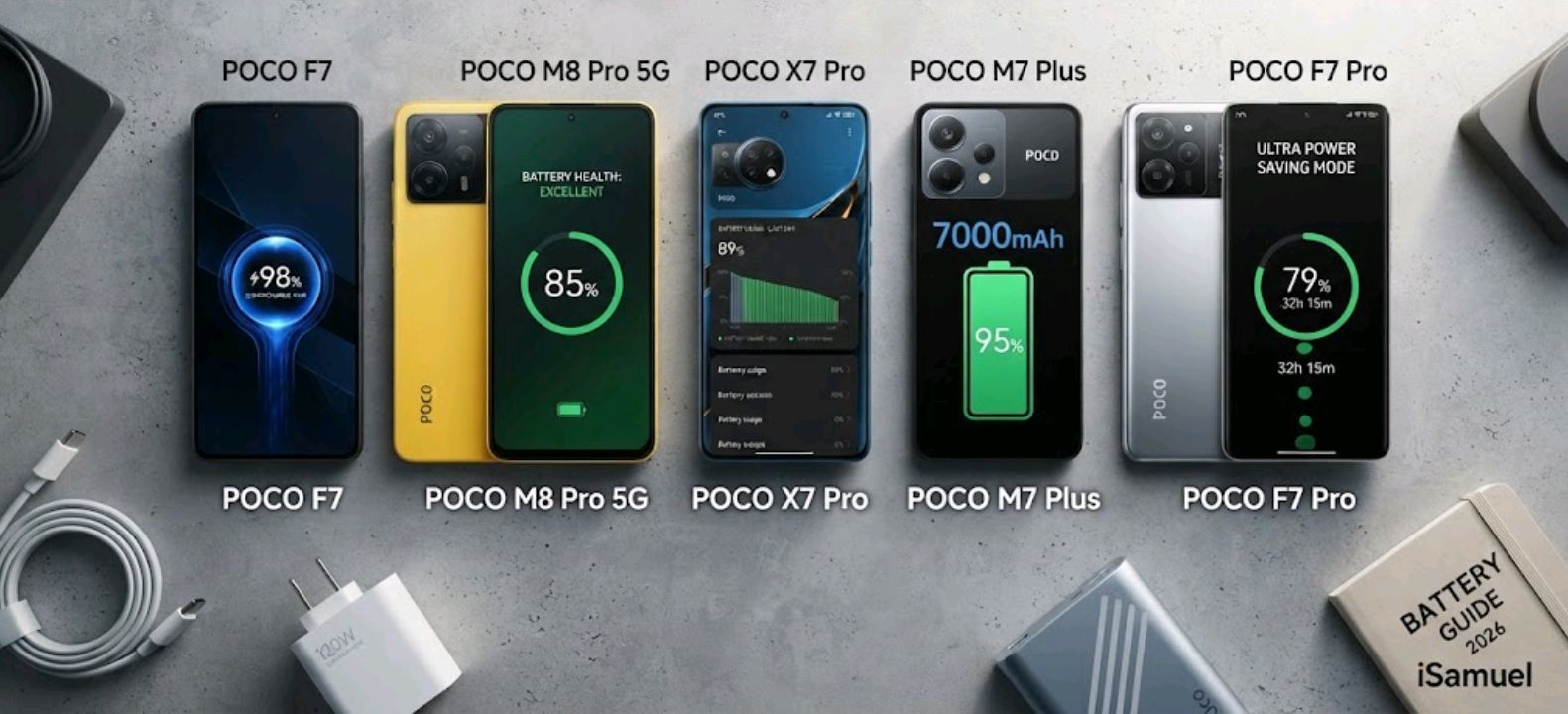
Speaking of trade-offs: camera use can also affect battery life, particularly when you’re recording long videos, using computational photography heavily, or shooting at high resolutions. The chipset, display, image processor, and camera processing pipeline all contribute to the power consumed during photography and video — which is part of why our POCO battery life comparison for 2026 is worth reading alongside this one if you’re trying to balance photo quality against how long the phone lasts on a charge.
How this compares to other brands
If you’re comparing Xiaomi against another Android brand, our OPPO phone buying guide covers how OPPO’s lineup approaches a similar balance between price, cameras, battery life, and performance.
Frequently Asked Questions
Does POCO always have a worse camera than Redmi? Not always — it’s a general pattern rather than a rule. Some POCO models, particularly ones marketed with camera upgrades, hold their own against equivalent Redmi units. But across most of the lineup, POCO’s camera hardware tends to take a back seat to performance specs.
Is it worth paying extra for a Xiaomi flagship just for the camera? It depends on how much you actually use the camera. If you shoot regularly — for content, work, or just because photography matters to you — the jump in low-light performance and video quality on Xiaomi’s higher-end models is often noticeable. If photos are an occasional thing, a well-reviewed Redmi will likely cover your needs for less money.
Do Redmi, POCO, and Xiaomi use the same camera software? They share Xiaomi’s HyperOS ecosystem, and the camera app interface can look similar across models, but the available camera features and processing aren’t identical. Hardware, chipset, ISP capabilities, and model-specific software tuning can all affect the final result.
Can I trust megapixel count alone to judge camera quality? Not really. Sensor size, pixel-binning, and software processing generally have a bigger impact on real-world photo quality than the megapixel number on the spec sheet.
Which line is best for Nigerian buyers on a tight budget? For most Nigerian buyers prioritizing photos without overspending, a mid-range Redmi Note model tends to offer a solid balance of price and camera reliability, though this depends on the specific model. If gaming performance matters more than photography, a budget POCO model paired with realistic expectations for its camera is usually the more sensible pick.


Comments 0
Leave a comment