Table of Contents
Open Table of Contents
Overview
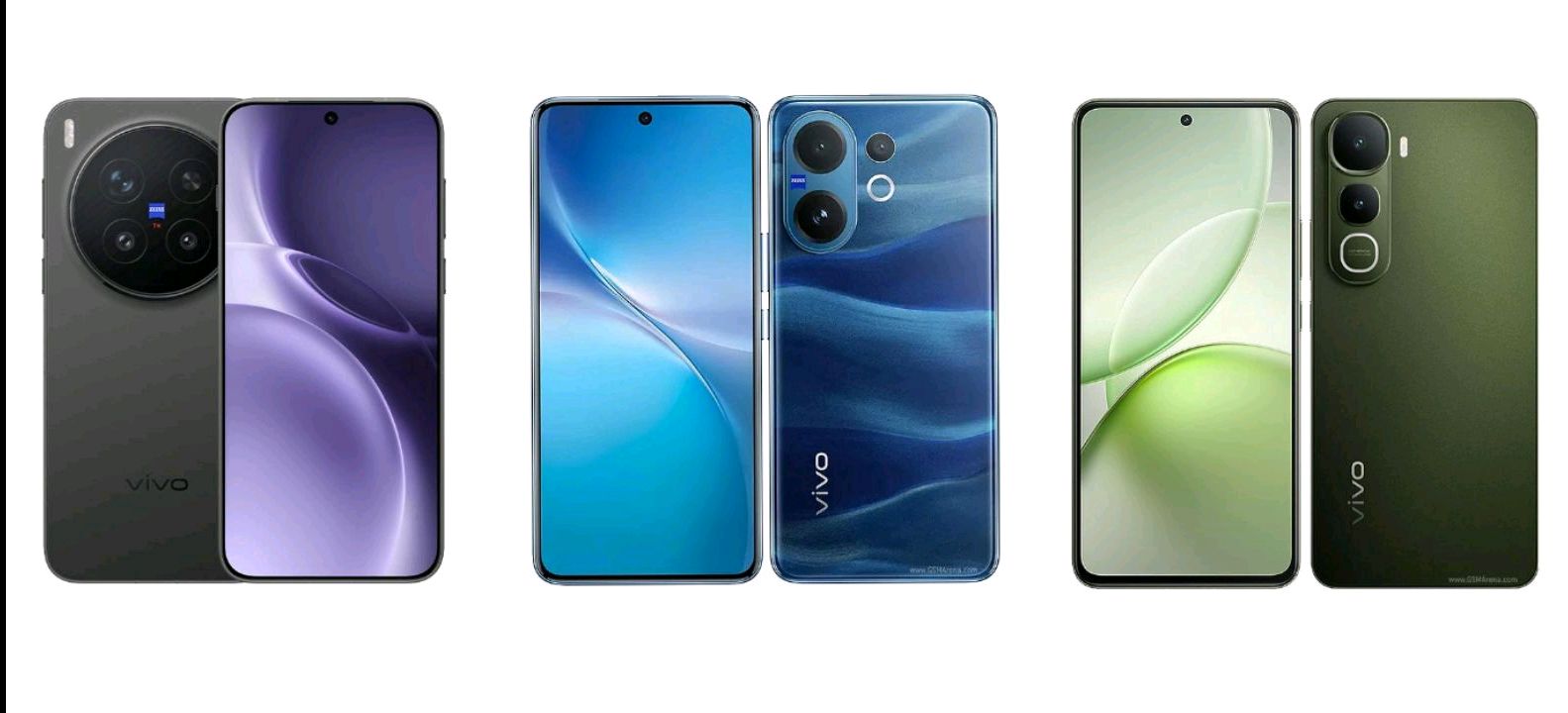
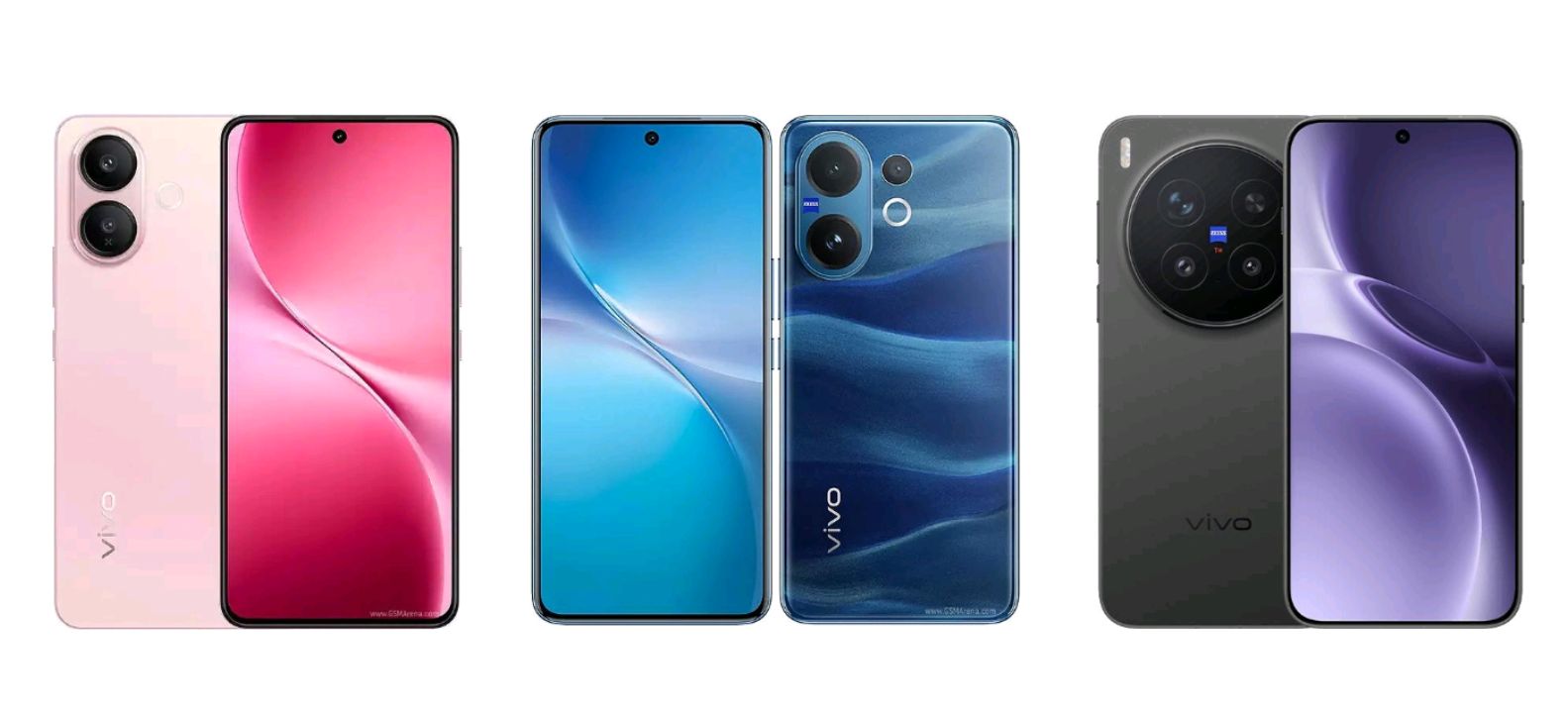
vivo uses ZEISS branding heavily across its higher-end camera phones, but that label covers very different depths of engineering depending on where a phone sits in the lineup. A ZEISS badge on a flagship and a ZEISS badge on a mid-range phone are not describing the same collaboration, and the gap between them matters more than most spec sheets let on.
This is a breakdown of what each vivo tier actually puts behind the lens in 2026 — not the marketing copy, the hardware.
Join ReviByte Community
Get instant alerts on new posts, phone deals, and mobile gaming updates.
Join WhatsApp Channel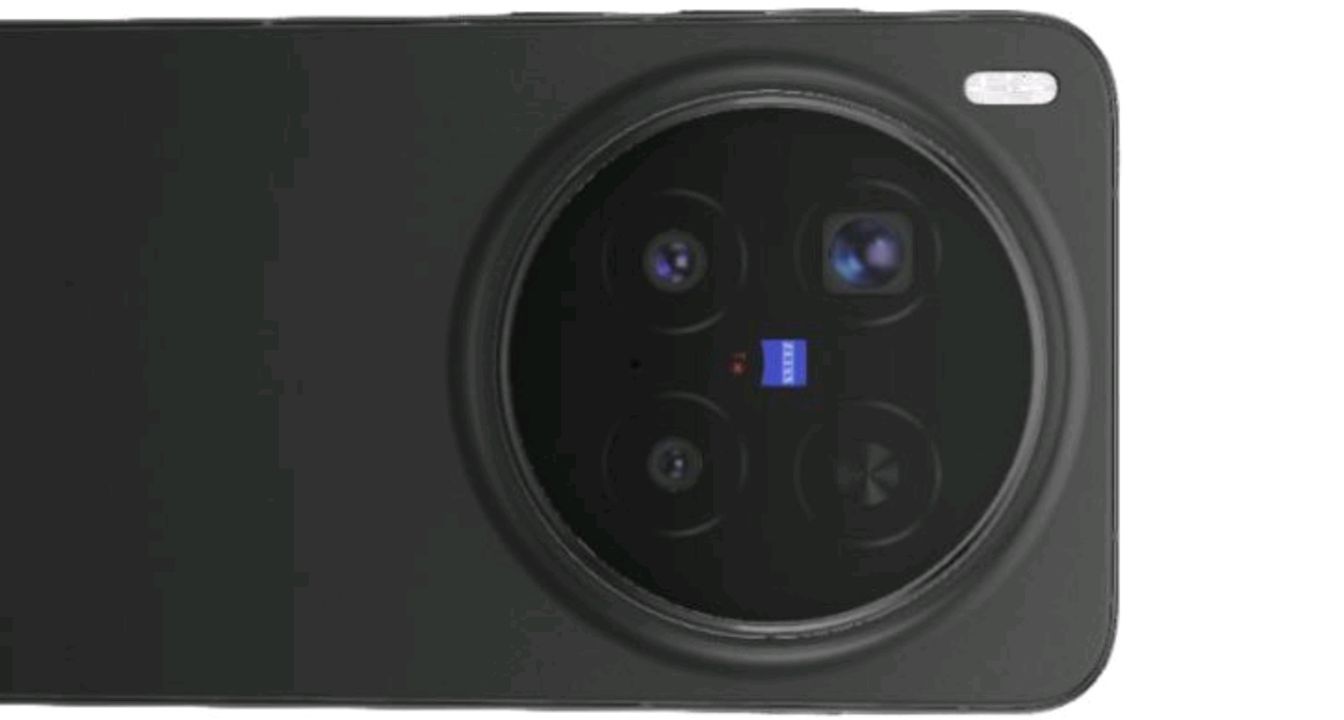
The flagship tier: vivo X300 series
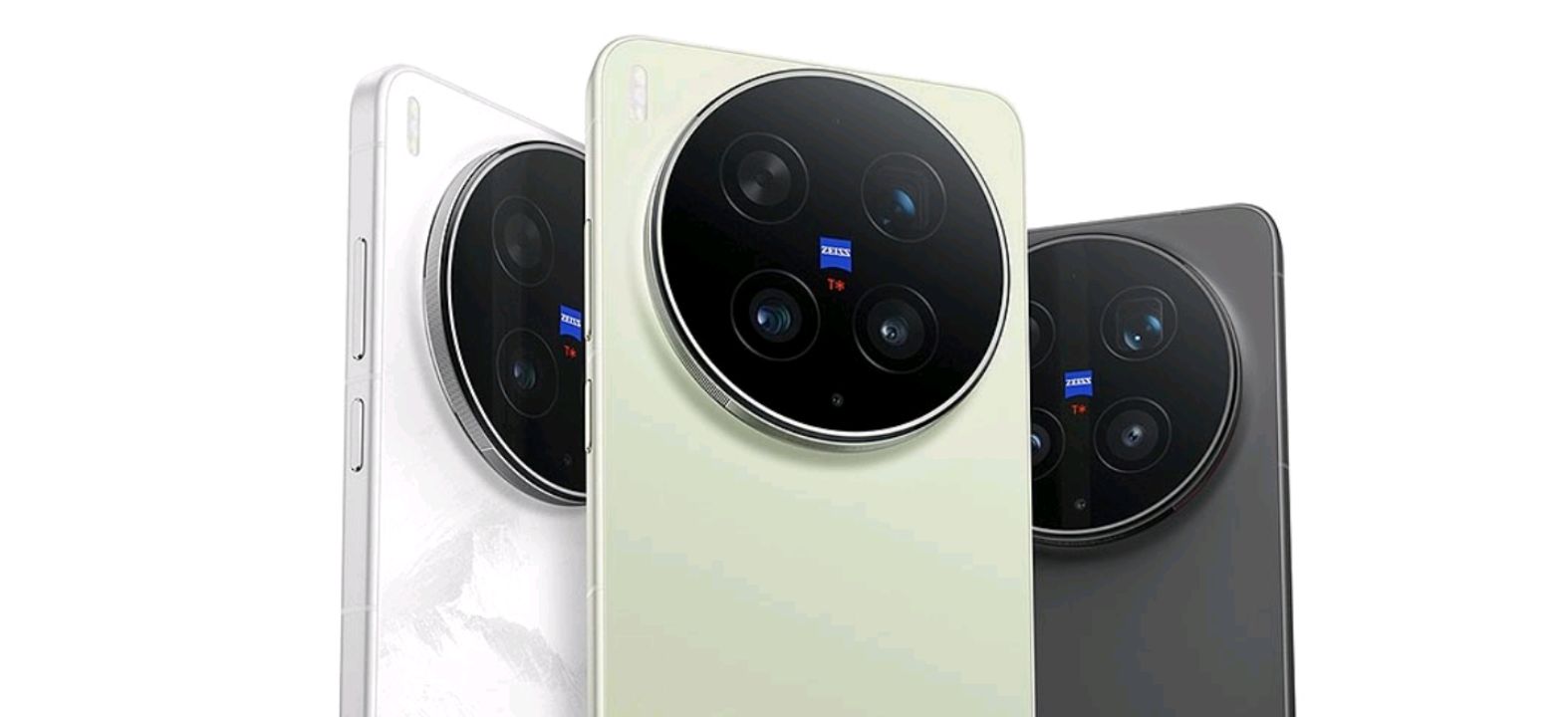
The X300 Pro is vivo’s main camera-focused flagship in 2026. It pairs a 50MP Sony LYT-828 main sensor (1/1.28-inch, f/1.57, 24mm) with a 200MP Samsung ISOCELL HPB periscope telephoto at 85mm and a 50MP ultrawide, all carrying ZEISS T* coating. Its main camera’s optical stabilization is rated at 5.5 stops (CIPA), which is a meaningful jump for handheld low-light shots rather than just a marketing line.
The standard X300 flips the arrangement: it puts a 200MP Samsung HPB-based sensor behind the main wide camera instead of the telephoto, and drops in a smaller 50MP 1/1.95-inch zoom sensor at 70mm. Both phones use sensors from the same HPB family, but GSMArena’s coverage doesn’t confirm they’re identical implementations, so treat them as related rather than interchangeable hardware. It gives the standard X300 a different camera setup from the Pro — with its 200MP main camera better suited to high-resolution cropping, while the shorter 70mm telephoto gives it less native reach than the Pro’s 85mm periscope.
Sitting above both is the X300 Ultra, vivo’s most camera-focused model in the series. Its full rear array is a 200MP Sony LYT-901 main sensor at 35mm, a 200MP Samsung HP0 periscope telephoto at 85mm (f/2.67, 3.7x optical), and a 50MP Sony LYT-818 ultrawide at 14mm (f/2.0), carried over from the X200 Ultra. The front camera is a 50MP Samsung JN5 unit.
| Model | Main camera | Telephoto | Ultrawide | Optical zoom |
|---|---|---|---|---|
| X300 Pro | 50MP Sony LYT-828, f/1.57, 24mm | 200MP Samsung HPB, 85mm | 50MP Samsung JN1 | 3.5x |
| X300 | 200MP Samsung HPB-based, f/1.68 | 50MP Sony LYT-602, 70mm | 50MP Samsung JN1 | 2.8x |
| X300 Ultra | 200MP Sony LYT-901, 35mm | 200MP Samsung HP0, 85mm | 50MP Sony LYT-818, 14mm | 3.7x |
If you’re cross-shopping against other flagship camera systems this generation, our Pixel 10 vs 10 Pro vs 10a comparison covers how Google’s computational approach stacks up against vivo’s hardware-first one, and the OPPO camera guide is useful if you’re deciding between the two Chinese brands specifically, since they chase similar sensor partners.
The mid-range tier: vivo V series
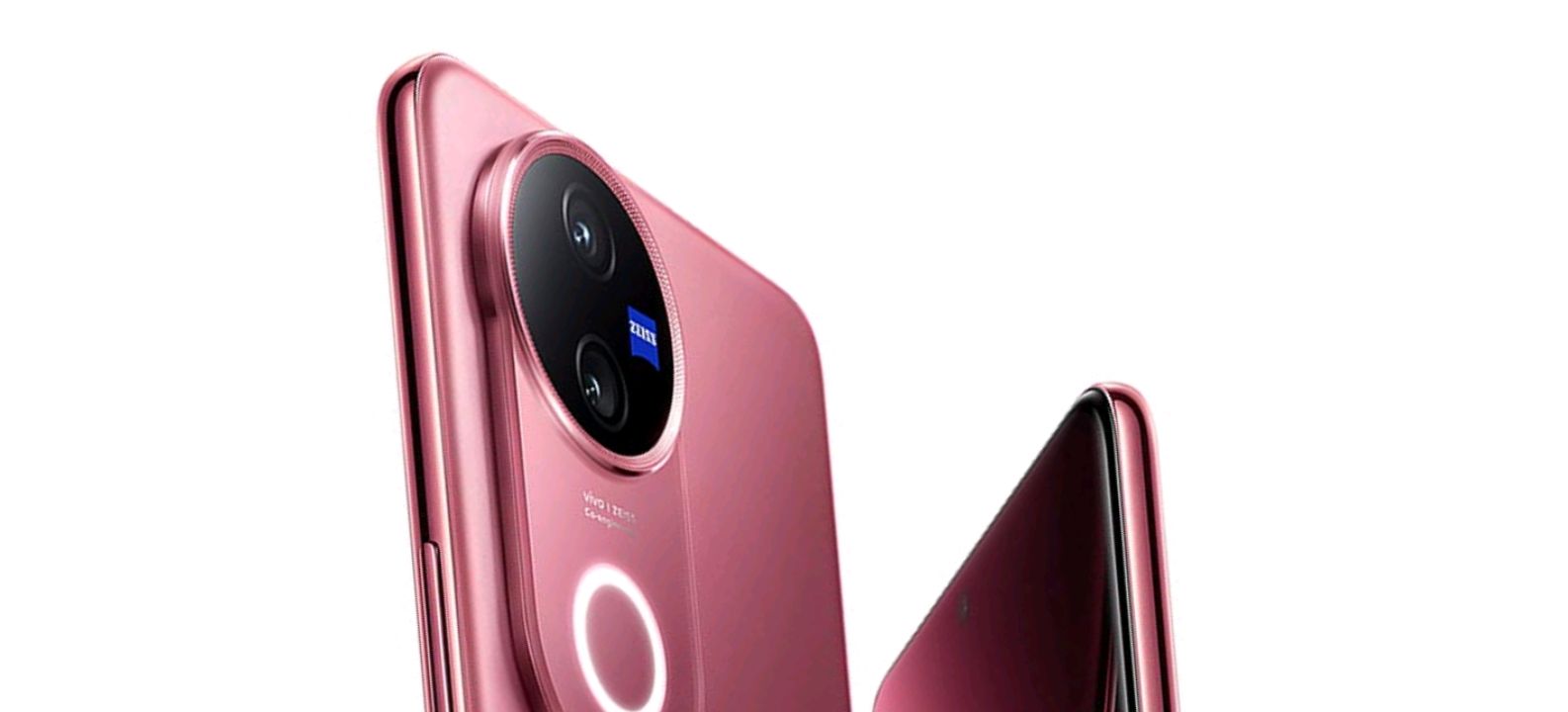
This is the tier most buyers in Nigeria actually land on. The V50 carries a 50MP ZEISS OIS main camera plus a 50MP ZEISS ultrawide — no telephoto lens at all, just digital crop from the main sensor. It’s solid for daylight and portrait shots, helped by vivo’s Aura Light 2.0 fill-light system for selfies, but it won’t hold up on 5x+ zoom the way the X300 Pro does. Nigerian tech press listed it around ₦799,800 at launch; that figure isn’t pulled directly from vivo’s own Nigerian pricing page, so check current listings before treating it as current.
The step-down V50 Lite trims this further to a 50MP dual-camera setup and a 32MP selfie camera, dropping the ZEISS ultrawide entirely. It’s a battery-and-price play more than a camera one.
The budget tier: vivo Y series
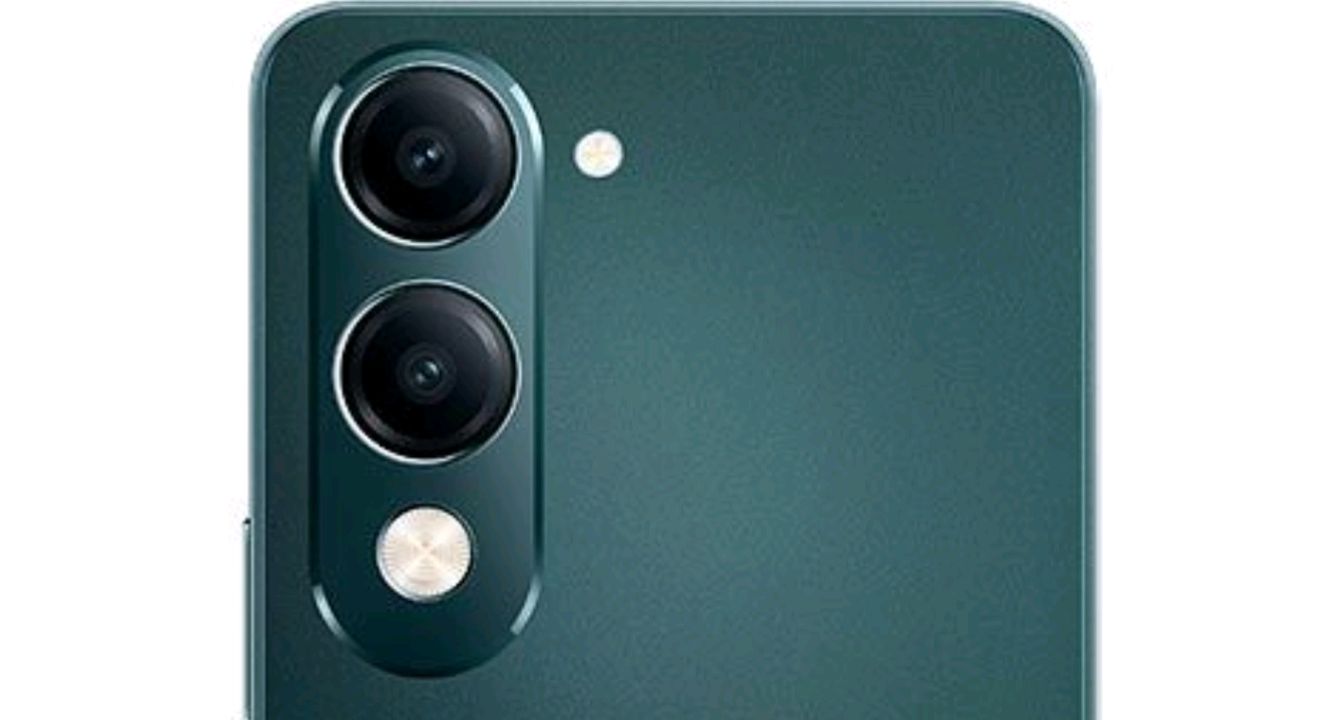
Below the V series, the camera story gets a lot simpler, and vivo doesn’t pretend otherwise — you won’t see ZEISS branding here. The Y04, one of the current entry-level models sold in Nigeria, uses a single 13MP rear camera with no ultrawide or depth sensor, paired with a 5MP front camera. It’s fine for WhatsApp and social posting in good light, and it struggles the moment light drops or you want to crop in. Other Y-series models vary in exact sensor count and resolution, so check the specific model rather than assuming the Y04’s setup applies across the whole line. If a big battery matters more to you than the camera at this price point, our Xiaomi long battery life guide is a useful comparison point, since Xiaomi’s budget tier makes a similar trade-off.
| Tier | Representative model | Rear camera | Selfie camera | Typical NG price |
|---|---|---|---|---|
| Flagship | X300 Pro | 50MP + 200MP + 50MP, ZEISS | 50MP | Not officially listed in Nigeria; ~$900+ in import/international markets |
| Mid-range | V50 | 50MP + 50MP, ZEISS | Not disclosed¹ | ~₦799,800 (verify before relying on this) |
| Budget | Y04 | 13MP single | 5MP | ~₦127,700–150,200 |
¹ vivo’s Nigerian product page doesn’t list a selfie sensor spec for the V50 at time of writing; treat this as unconfirmed until a GSMArena full-spec page is live.
Should the camera decide which vivo you buy?
For most buyers, no — battery and price will decide it, and the camera just needs to clear a “good enough” bar. Where the camera genuinely should be the deciding factor is if you’re choosing between the X300 and X300 Pro specifically, since that’s the one gap in this lineup where you’re paying a real premium for a real hardware difference (telephoto reach) rather than for a badge. If a folding form factor is also on your shortlist, our Honor foldables guide is worth a look before you commit, since camera hardware on folding phones usually sits a generation behind the maker’s flat flagships.
FAQ
Does every vivo phone with a ZEISS logo have the same camera quality? No. ZEISS branding spans much of vivo’s higher-end lineup, but the depth of that collaboration — lens coatings, optical tuning, bokeh profiles — is most fully documented on the X series, where vivo and GSMArena both detail specific co-engineered elements. On V-series phones, vivo’s own product pages describe ZEISS-style bokeh presets and portrait tuning without laying out the same lens-level detail it publishes for X-series hardware. That’s a difference in how much vivo discloses, not confirmation of exactly what changes internally on each model — worth treating as a documented gap rather than a settled “software only” claim.
Is the vivo X300 Pro’s 200MP telephoto actually usable at full resolution? Yes, for stills in good light. The 200MP mode gives the phone considerably more source resolution for cropping at lower zoom levels while still reserving true optical reach for the far end. Most day-to-day shots default to a pixel-binned output rather than the full 200MP file.
Can I buy the X300 series officially in Nigeria? Not through vivo’s official Nigerian retail channel as of this writing — the X300 Pro and X300 Ultra are import/grey-market devices in the Nigerian market, while the V and Y series have official local availability. Confirm warranty terms before buying an imported unit.
Does the V50’s lack of a telephoto lens matter in practice? It matters mainly past 2x zoom, where you’re relying on digital crop from the 50MP main sensor instead of a dedicated lens. For portraits and everyday shooting at 1x, the gap to the X series is much smaller than the price gap suggests.
Which vivo camera phone gets the longest software support? vivo hasn’t published a uniform policy across every tier, and support windows differ by model and region. Treat any specific figure as needing confirmation on vivo’s own model page rather than assuming it carries across the lineup.

Comments 0
Leave a comment