
Table of Contents
Open Table of Contents
- Overview
- The quick answer
- vivo X300 Pro — the camera-first flagship
- vivo X300 — flagship optics, smaller footprint
- vivo V70 Elite — the near-flagship middle ground
- vivo V70 — the balanced default
- vivo V50 — the older, battery-focused value option
- Full spec comparison
- How to actually choose
- FAQ
- Related reading
Overview
Vivo doesn’t make one phone a year anymore — it makes a portfolio. By late 2026, the brand is running three parallel lines at once: the X-series for people who care about optics first, the V-series for buyers who want a flagship-adjacent experience without flagship pricing, and budget-leaning models built almost entirely around battery size. That’s good for choice and bad for decision paralysis, especially once you’re staring at five phones that all claim “flagship camera” or “all-day battery” on the box.
This guide breaks down five vivo models actually worth comparing in 2026 — what each one gets right, where it compromises, and which buyer it fits. If you’re specifically shopping by camera quality or battery life rather than the whole lineup, our deeper dives on vivo’s camera phones and which vivo phones actually last on battery cover those angles in more depth than we can here.
Join ReviByte Community
Get instant alerts on new posts, phone deals, and mobile gaming updates.
Join WhatsApp ChannelThe quick answer
| If you want… | Get this |
|---|---|
| The most camera-focused option in this lineup | vivo X300 Pro |
| Flagship cameras in a smaller body | vivo X300 |
| A near-flagship experience for less | vivo V70 Elite |
| Balanced performance at a fair price | vivo V70 |
| Large battery without moving into flagship pricing | vivo V50 |
vivo X300 Pro — the camera-first flagship
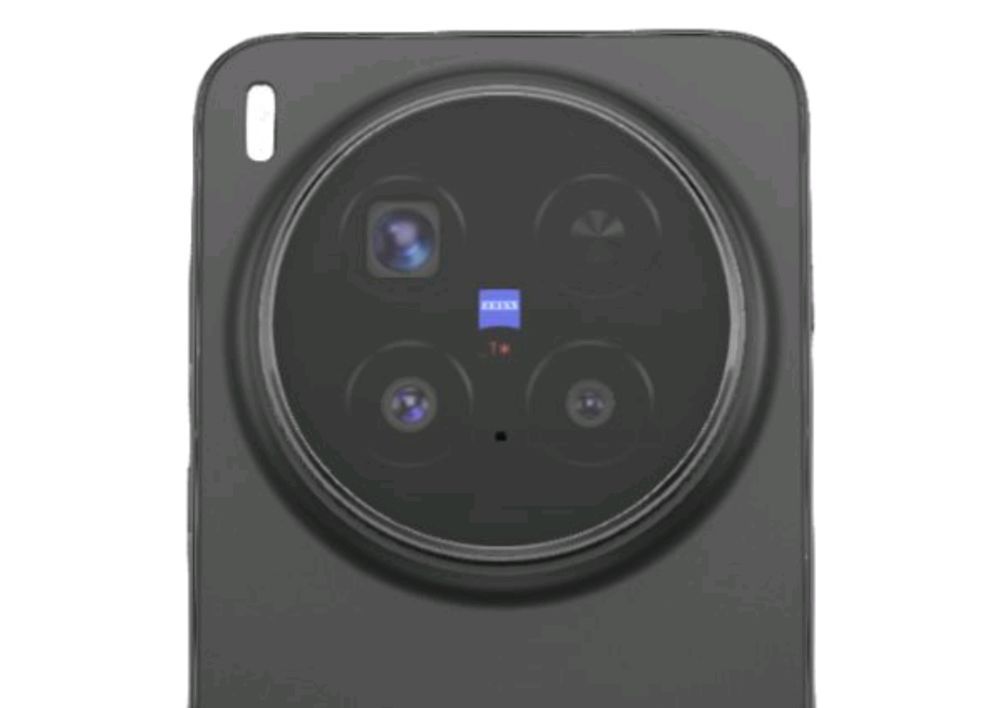
The X300 Pro sits at the top of vivo’s X-series lineup, and it’s built around one idea: the camera system is clearly the centerpiece of the phone. The main sensor is a 50MP Sony Lytia LYT-828, paired with a 200MP periscope telephoto capable of 3.5x optical zoom, plus a 50MP ultrawide and a 50MP autofocus selfie camera — all Zeiss-tuned. It runs MediaTek’s Dimensity 9500 chipset, a genuine performance jump over last year’s Dimensity 9400, and pairs it with a 6.78-inch LTPO AMOLED display that hits 4,500 nits peak brightness.
Battery capacity depends on region: global units ship with a 6,510mAh cell, while EU models are capped at 5,440mAh due to regulatory limits. Either way, it’s paired with fast wired charging and IP68/IP69 durability. GSMArena lists the 256GB/12GB configuration at roughly $830, though regional retail listings elsewhere have put it closer to $899–$949 depending on market and storage tier — worth confirming locally rather than treating either figure as fixed.
Best for: buyers who shoot a lot of photos and video and want the telephoto range and low-light performance to actually hold up, not just look good in a spec sheet.
vivo X300 — flagship optics, smaller footprint
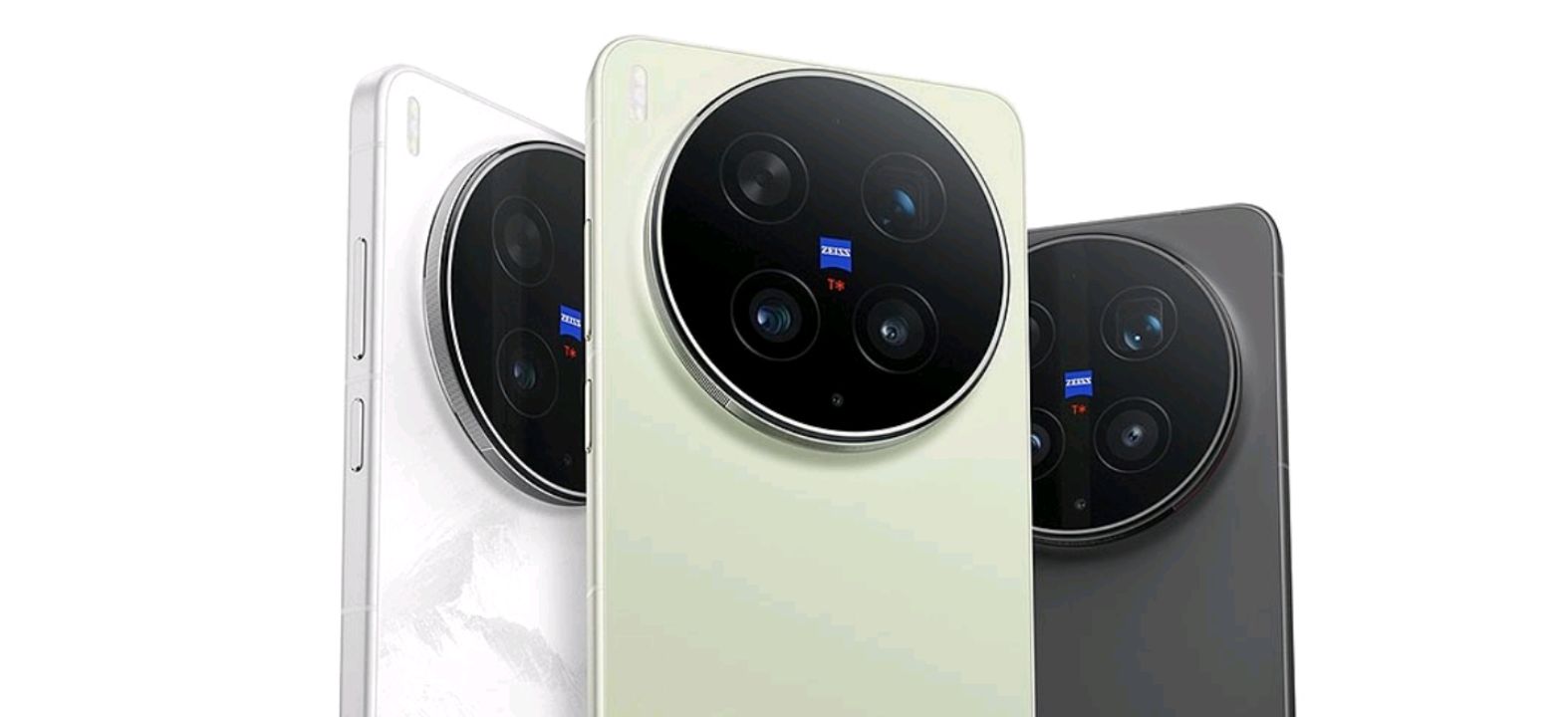
The X300 is the smaller sibling to the Pro, but it isn’t simply a scaled-down version. It shares the Dimensity 9500 chipset and much of the Pro’s display technology. Its main camera uses the same 200MP Samsung ISOCELL HPB sensor used for the Pro’s telephoto, while the X300 adds its own 50MP 3x telephoto camera carrying the same Zeiss APO certification as the Pro’s tele — confirmed against GSMArena’s spec comparison and review of both phones. It also fits into a noticeably smaller 151mm frame that suits one-handed use far better than the Pro. The selfie camera is a genuine upgrade over the previous generation too, moving from a 32MP fixed-focus unit to a 50MP autofocus sensor, while the 50MP ultrawide is unchanged from the X300 Pro’s own ultrawide hardware.
Battery sits at 6,040mAh, which is respectable for a compact flagship and doesn’t force the usual trade-off between small body and long runtime. Official global pricing hadn’t been confirmed across every market at the time of writing, but based on how vivo has historically priced its compact-flagship variant against the Pro, expect it to land meaningfully below the X300 Pro’s price point rather than close to it.
Best for: anyone who wants X-series camera quality but finds the Pro too large or too expensive to justify.
vivo V70 Elite — the near-flagship middle ground

This is where vivo’s 2026 lineup gets genuinely interesting. The V70 Elite runs a Snapdragon 8s Gen 3 chipset — a proper upper-mid-range processor, not a cut-down budget chip — alongside a 6.59-inch 1.5K OLED display rated for 5,000 nits peak brightness and Schott Xensation Core glass protection. It shares the V70 pair’s 6,500mAh battery with 90W charging and multi-scenario bypass charging, plus IP68/IP69 durability and a metal frame with an X-Axis linear motor exclusive to the Elite trim.
vivo confirmed the V70 lineup ships on Android 16 with OriginOS 6, backed by four major OS upgrades and six years of security updates — a relatively long support window for this price tier. Indian pricing reports place the V70 Elite under ₹50,000, but vivo hasn’t published a firm global USD price as of this writing, so treat any dollar figure you see elsewhere as an estimate until your local retailer confirms it.
Best for: buyers who want flagship-adjacent performance and display quality without paying X-series money, and who value long software support over having the absolute newest camera hardware.
vivo V70 — the balanced default
Think of the V70 as the V70 Elite with a more conservative chipset. It swaps the Snapdragon 8s Gen 3 for a Snapdragon 7 Gen 4, but keeps the same 6.59-inch 120Hz AMOLED panel, the same 6,500mAh battery with 90W charging, and the same IP68/IP69 rating. The camera setup is a 50MP main with OIS paired with a 50MP periscope telephoto offering 3x optical zoom — an unusual amount of zoom range for this segment — plus an 8MP ultrawide.
If you’re weighing this against other mid-rangers in the same bracket, it’s worth comparing against options like the best Samsung 5G phones under $300 or Xiaomi’s long-battery-life lineup before deciding — vivo’s telephoto lens is a genuine differentiator here, but not every buyer needs it.
Best for: buyers who want the V70 Elite’s display and battery without paying for the Elite’s extra chipset headroom.
vivo V50 — the older, battery-focused value option
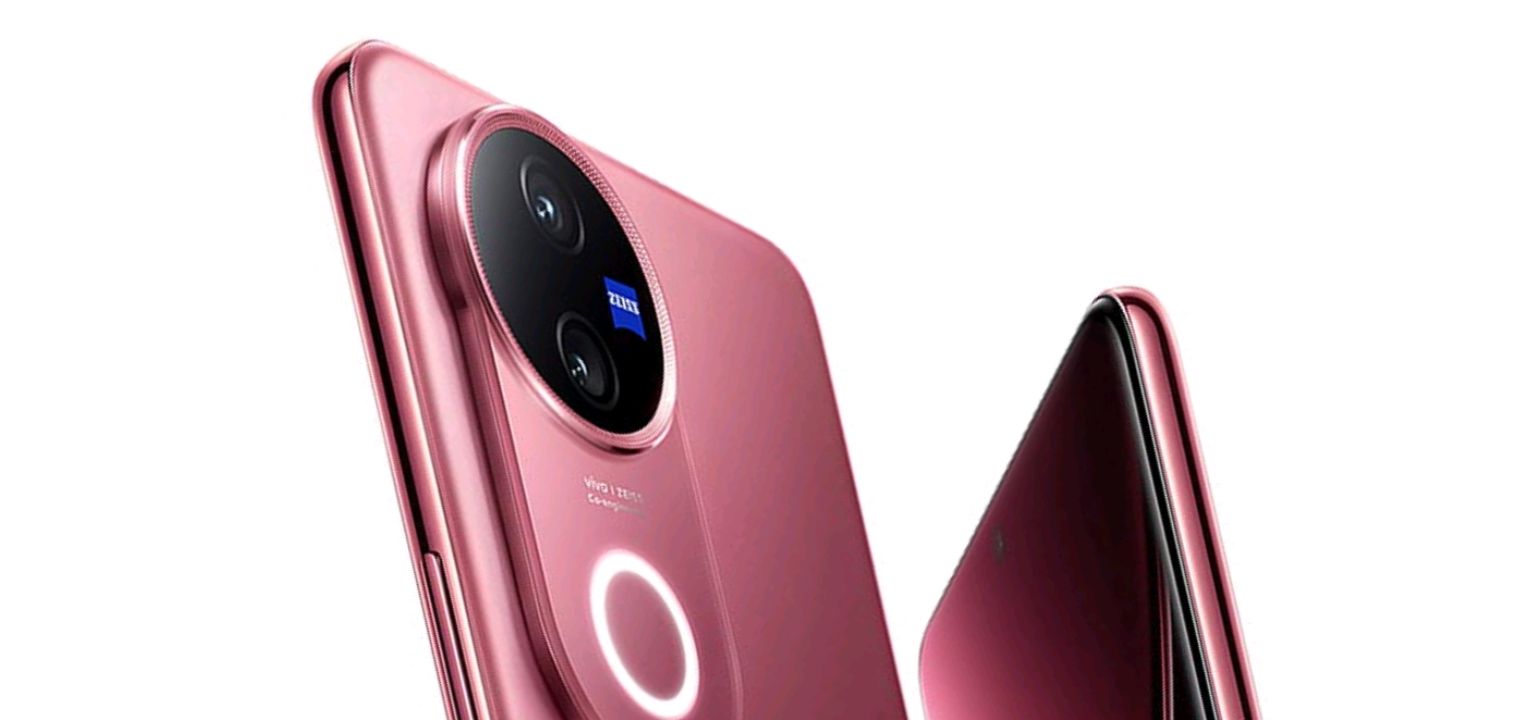
The V50 is the outlier on this list — older chipset, no telephoto, and a shorter software support window — but it earns its spot for one reason: a 6,000mAh battery in a genuinely slim 7.39mm body, something most large-battery phones still can’t manage. It runs a Snapdragon 7 Gen 3, which is two generations behind the current V70 pair, paired with a 6.77-inch AMOLED display at 4,500 nits peak brightness. The camera setup is a 50MP main with OIS and a 50MP ultrawide with autofocus, plus vivo’s Aura Light Portrait ring-flash system for low-light portraits — a feature that, according to hands-on reporting, makes a visible difference rather than existing as a marketing checkbox.
The trade-off to know about upfront: vivo has confirmed only three Android version upgrades and four years of security patches for the V50, noticeably less than the V70 pair’s four-upgrade, six-year commitment. Regional pricing guides put it under $400, with some markets seeing it closer to $350.
If long battery life specifically is your priority rather than the V50 by name, it’s worth glancing at how competing brands’ battery-focused phones stack up — our rundowns on Nothing’s longest-battery phones and Tecno’s camera phones for the Nigerian market cover ground the V50 doesn’t.
Best for: buyers prioritizing battery size and slim design over the newest chipset, and who are comfortable with a shorter upgrade runway.
Full spec comparison
| Model | Chipset | Display | Battery | Main camera | Software support |
|---|---|---|---|---|---|
| X300 Pro | Dimensity 9500 | 6.78” LTPO AMOLED, 4,500 nits | 6,510mAh (5,440mAh EU) | 50MP + 200MP 3.5x tele + 50MP UW | Not fully confirmed at writing |
| X300 | Dimensity 9500 | 6.31” AMOLED | 6,040mAh | 200MP main + 50MP 3x tele + 50MP UW | Not fully confirmed at writing |
| V70 Elite | Snapdragon 8s Gen 3 | 6.59” 1.5K OLED, 5,000 nits | 6,500mAh, 90W | 50MP + 50MP 3x tele + 8MP UW | 4 OS upgrades, 6 years security |
| V70 | Snapdragon 7 Gen 4 | 6.59” AMOLED, 5,000 nits | 6,500mAh, 90W | 50MP + 50MP 3x tele + 8MP UW | 4 OS upgrades, 6 years security |
| V50 | Snapdragon 7 Gen 3 | 6.77” AMOLED, 4,500 nits | 6,000mAh, 90W | 50MP + 50MP UW (no tele) | 3 OS upgrades, 4 years security |
How to actually choose
Don’t default to the highest number on the spec sheet. Three questions narrow this down faster than any spec comparison:
Do you actually use zoom? If you regularly photograph anything more than a few meters away — kids at a school event, wildlife, stage performances — the periscope telephoto on the X300 Pro, X300, V70, and V70 Elite matters. The V50 skips it entirely, and no amount of software processing fully replaces missing optical zoom.
How long do you keep a phone? The V70 pair’s six-year security-update commitment is longer than what many phones in this price bracket offer, and it changes the phone’s real cost per year of ownership. The V50’s shorter three-year, four-year window is fine if you upgrade often, less fine if you plan to hold onto the phone for four-plus years.
What’s your actual budget ceiling? The jump from V50 to V70 to V70 Elite to X300 buys you real chipset and camera improvements at each step, but it’s not always proportional to the price increase. If your budget tops out around $400, the V50’s battery-to-price ratio is hard to beat; if you can stretch toward $600–$700, the V70 Elite closes most of the gap to the X-series at a noticeably lower cost.
FAQ
Is the vivo X300 Pro worth it over the X300? Only if you regularly rely on the telephoto lens. The X300 shares the Pro’s chipset and main sensor, so daytime photo quality is close; the Pro’s real advantage is the 3.5x periscope zoom and slightly larger battery, not raw processing power.
Which vivo phone has the best battery life in 2026? By raw capacity, the X300 Pro’s global 6,510mAh unit is the largest on this list, and the V50 and V70 pair also carry large batteries (6,000–6,500mAh) at a fraction of the price. But capacity alone doesn’t settle real-world endurance, which varies with chipset efficiency, display settings, network conditions, and software — treat these as similarly well-equipped rather than directly interchangeable without independent testing.
Does vivo officially sell phones in Nigeria? Yes — vivo runs an official Nigeria storefront (vivo.com/ng) with a retail-store locator by state and city, plus toll-free and WhatsApp support lines. That said, not every global model launches locally on the same timeline, and newer X-series and V-series phones may arrive later than their India or China release dates. Confirm current availability and warranty terms with an authorized seller before buying.
Is the V70 Elite better than the V70? The V70 Elite has the stronger chipset — Snapdragon 8s Gen 3 versus the V70’s Snapdragon 7 Gen 4 — plus an exclusive haptic motor, while the display, battery, and listed camera hardware are otherwise similar. That makes the Elite’s additional performance most relevant to buyers who game or multitask heavily; buyers who don’t will likely find the V70 delivers most of the same day-to-day experience for less.
Do vivo phones support long-term software updates? It varies sharply by series. The V70 pair’s four-OS-upgrade, six-year security commitment is among the longer windows vivo has offered at this price point; the V50, by contrast, gets three upgrades and four years — check this per model rather than assuming it’s consistent across the lineup.
Related reading
- vivo camera phones: what you actually get in 2026 — a closer look at how the X-series camera systems perform in practice
- vivo phones with long battery life: what actually lasts — battery capacity versus real-world endurance across the lineup
- vivo phone series guide 2026 — how the X, V, Y, and T series differ as a whole



Comments 0
Leave a comment