Table of Contents
Open Table of Contents
Overview
Every year, Google splits its Pixel lineup into three distinct personalities, and every year, people end up buying the wrong one. Someone who just wants a reliable phone for texting and Instagram overpays for a Pro model loaded with a telephoto lens they’ll never touch. Someone who actually edits photos for a living settles for the A-series and wonders why their zoom shots look mushy. The differences aren’t cosmetic — they show up in daily use, and they’re worth understanding before you hand over your card.
This isn’t a spec-sheet dump. It’s a breakdown of what actually changes between the standard Pixel 10, the Pixel 10 Pro, and the Pixel 10a, and which one fits your habits rather than your wish list.
The Core Trade-Off
Think of the three phones as answers to three different questions. The Pixel 10a answers “how cheap can this get while still feeling like a Pixel?” The standard Pixel 10 answers “what’s the best all-rounder without paying flagship prices?” And the Pixel 10 Pro answers “what happens when Google stops holding back?”
That framing matters more than any individual spec, because it tells you where each phone was designed to compromise.
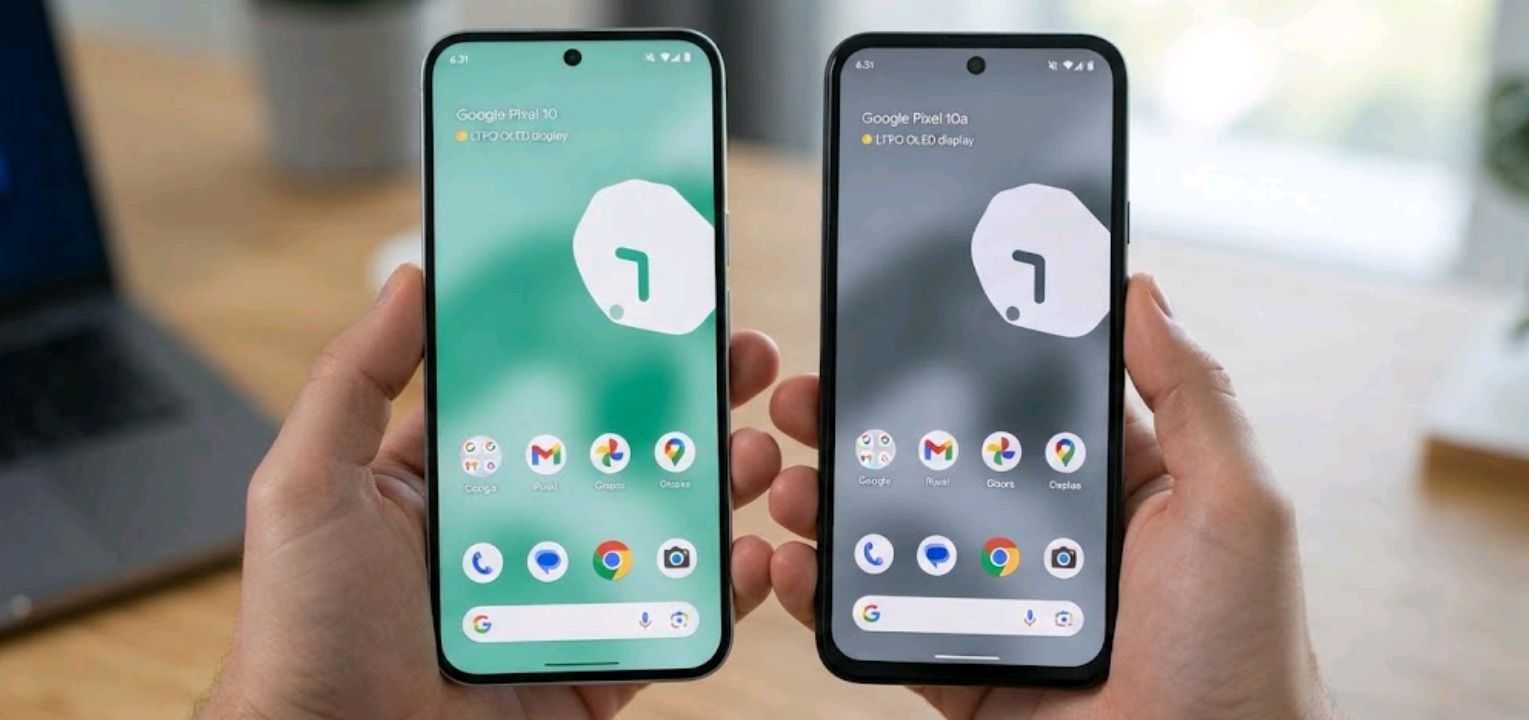 Pixel 10 (left) next to the Pixel 10a (right) — same 6.3” screen size, different materials and camera hardware.
Specs Side-by-Side
| Feature | Pixel 10a | Pixel 10 | Pixel 10 Pro |
|---|---|---|---|
| Starting price | $499 | $799 | $999 |
| Chip | Tensor G4 | Tensor G5 | Tensor G5 |
| RAM | 8GB | 12GB | 16GB |
| Display | 6.3” P-OLED, up to 3,000 nits | 6.3” OLED, up to 3,000 nits | 6.3” LTPO OLED, up to 3,300 nits |
| Rear cameras | 48MP wide + 13MP ultrawide | 48MP wide + 13MP ultrawide + 10.8MP 5x telephoto | 50MP wide + 48MP ultrawide + 48MP 5x telephoto |
| Battery | 5,100 mAh | 4,970 mAh | 4,870 mAh |
| Charging | 45W wired, Qi wireless | 30W wired, 15W Qi2 (Pixelsnap) | 30W wired, 15W Qi2 (Pixelsnap) |
| Build | Composite matte back, aluminum frame | Glass back, aluminum frame | Glass back, aluminum frame, ultrasonic fingerprint sensor |
| OS support | 7 years | 7 years | 7 years |
A few things jump out once the numbers are side by side. The 10a actually squeezes in a bigger battery than either pricier model, while still offering the same 3,000-nit peak brightness as the standard Pixel 10. The Pro’s edge isn’t really about raw specs so much as capability — a higher-resolution ultrawide camera, a dedicated 5x telephoto, a more advanced LTPO display, and more RAM.
Where Each Phone Actually Wins
The Pixel 10a makes sense if your phone is a tool, not a hobby. It handles calls, maps, banking apps, and casual photos without complaint, and Google’s computational photography still does a lot of heavy lifting even on cheaper hardware. If you’re coming from a budget Android and want something that feels noticeably more polished without breaking $500, this is the pick. It’s a similar value proposition to what shows up in the best budget picks from other brands, just with Google’s software layered on top.
The standard Pixel 10 is the one most people should actually buy. It gives you the same Tensor G5 chip as the Pro, a dedicated 5x telephoto camera, 12GB of RAM, and a 120Hz display. Unless you specifically need the extra RAM, more capable camera hardware, or the Pro display, the standard Pixel 10 gives you most of the experience for $200 less.
The Pixel 10 Pro earns its price if you shoot a lot of low-light photography, want the sharpest possible display for HDR video, or just prefer having more RAM as a buffer for the phone’s AI features, which lean hard on local processing. It’s a smaller gap over the standard 10 than in past years, but it’s still there.
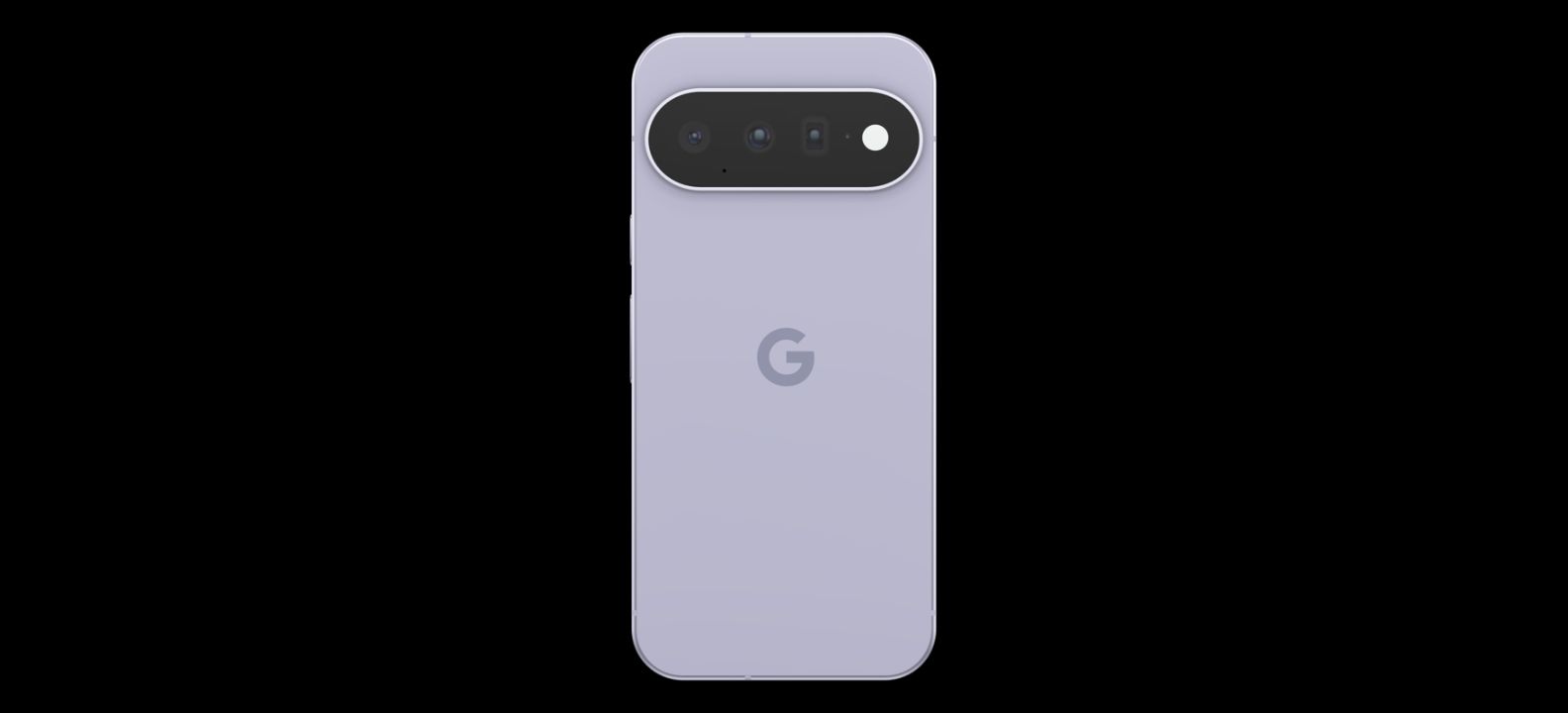
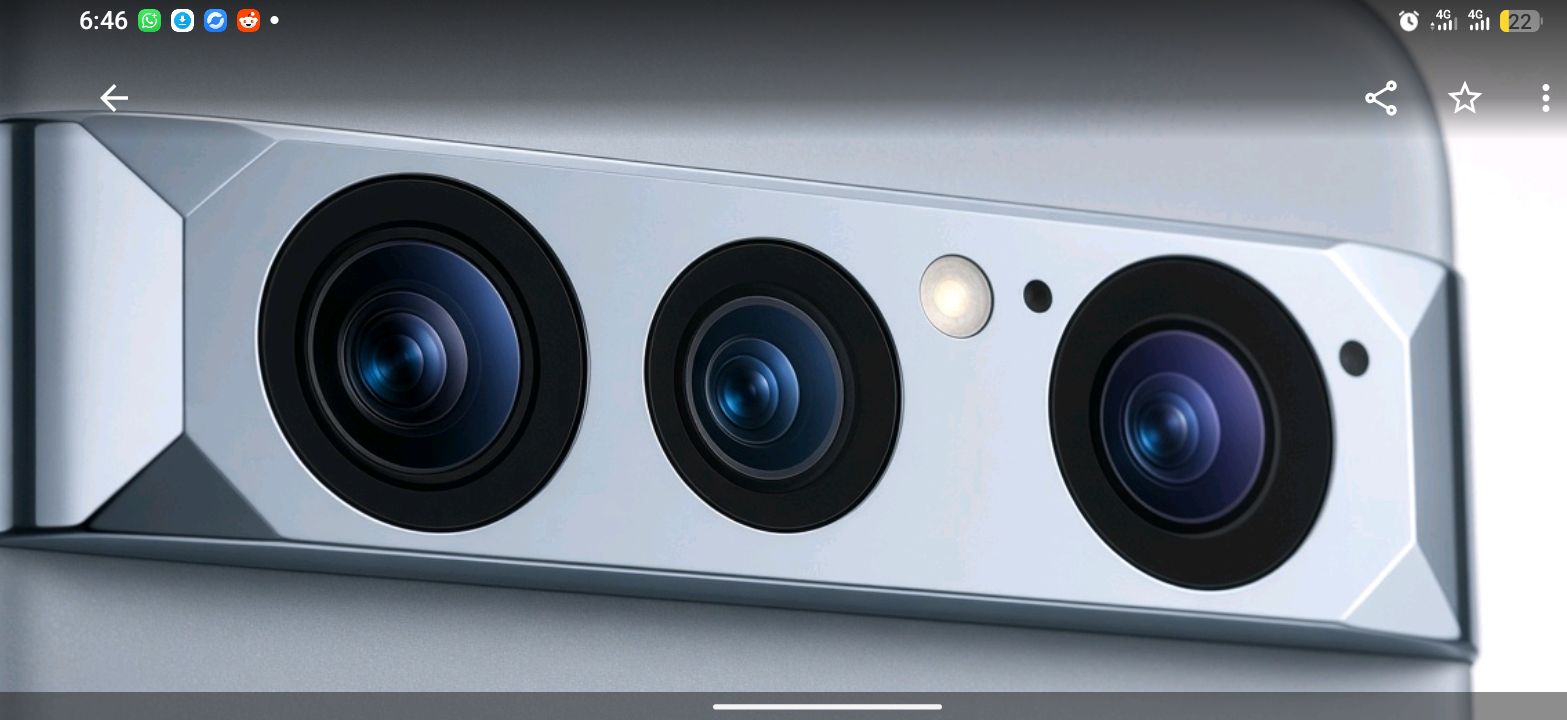 The Pixel 10 Pro’s camera bar houses the biggest hardware upgrade over the standard Pixel 10: a 48MP ultrawide and 48MP telephoto, versus 13MP and 10.8MP.
Camera reliability and long-term software support tend to matter more than raw benchmarks for most buyers — the same logic applies across brands, as this look at phones with the strongest battery longevity or this breakdown of how long different manufacturers actually support their phones both show.
A Quick Gut-Check Table
| If you mostly… | Go with |
|---|---|
| Text, browse, and take casual photos | Pixel 10a |
| Want the best value with no real compromises | Pixel 10 |
| Shoot in low light or edit photos on your phone | Pixel 10 Pro |
Frequently Asked Questions
Is the Pixel 10a worth it in 2026, or should I stretch for the Pixel 10? If $300 makes a real difference to your budget, the 10a is genuinely good and won’t feel like a downgrade in everyday use. The telephoto lens and extra RAM on the standard 10 are nice, but they’re not essential for most people.
Does the Pixel 10 Pro’s camera actually outperform the standard Pixel 10? In good lighting, the difference is subtle. In low light, the Pro’s larger ultrawide sensor and extra processing headroom pull noticeably ahead — that’s where the price gap earns its keep.
Do all three phones get the same software updates? Yes. Google gives all three seven years of OS, security, and Pixel Drop feature updates, so none of them fall behind on that front.
Which phone has better battery life day-to-day? The Pixel 10a has the largest battery at 5,100mAh and Google rates it for 30+ hours. The Pixel 10 and 10 Pro have smaller batteries and are rated for 24+ hours. Actual endurance will vary with brightness, network use, camera use, and other workloads.
Is it worth waiting for a foldable instead, like a Razr or Galaxy Z Flip competitor? Only if the form factor itself matters to you. Foldables trade battery life and durability for portability — worth reading up on if you’re torn, like in this Razr vs Galaxy Z Flip comparison, but they’re a different category of decision than picking between Pixel tiers.
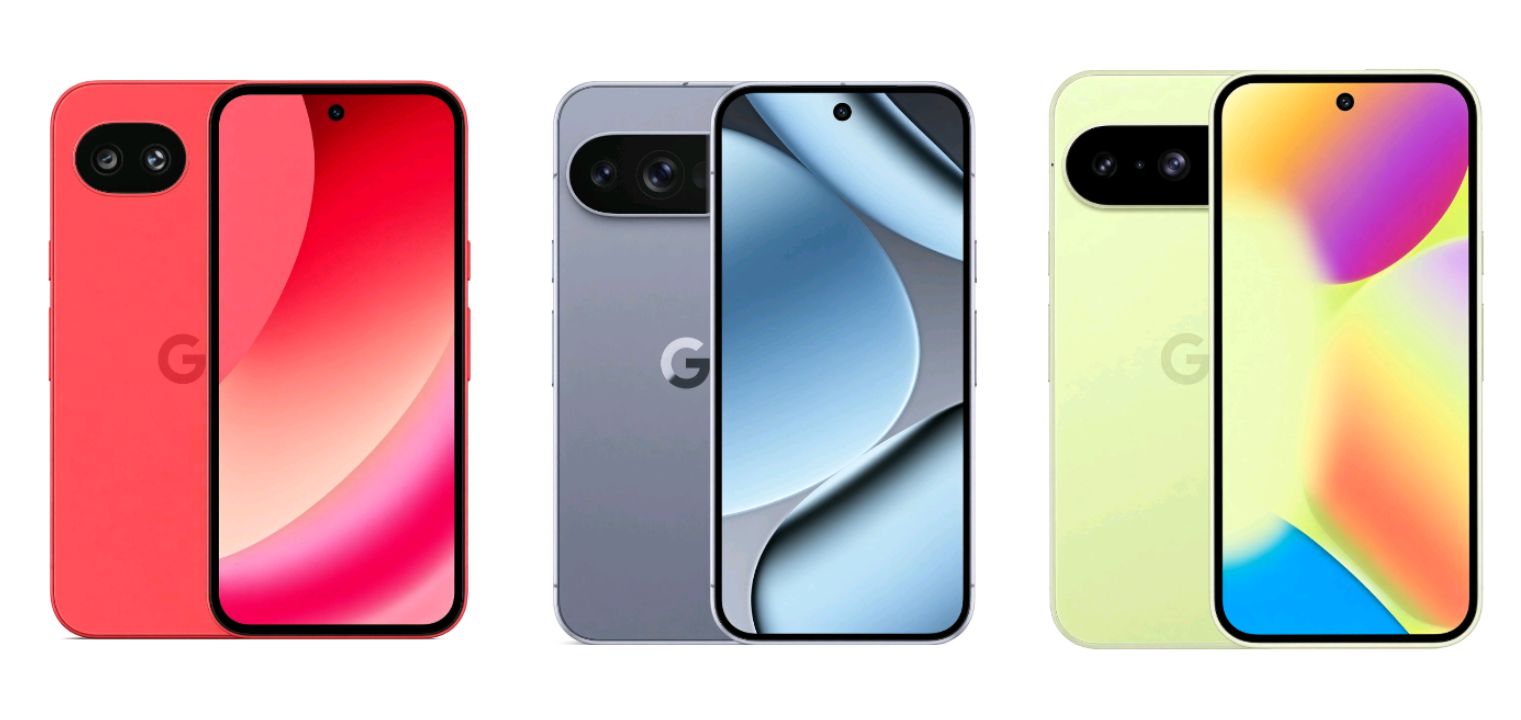
The Pixel 10, Pixel 10 Pro, and Pixel 10a each ship in their own distinct color lineup.
Whichever tier you land on, the real decision point isn’t the spec sheet — it’s whether you actually use the features you’re paying extra for. For most buyers, the standard Pixel 10 is the sweet spot: you get the newer Tensor G5 chip, a telephoto camera, and most of Google’s flagship experience without paying Pro money.


Comments 0
Leave a comment