Table of Contents
Open Table of Contents
- Rundown
- The First Slap: You’re Not as Good as You Think
- The Grind Doesn’t Lie
- Streaks, Slumps, and the Myth of Consistency
- What Ranked Mode Actually Teaches You About Pressure
- The Discipline of Knowing When to Stop
- Solo vs. Squad: The Dynamics That Mirror Real Teams
- The Mental Reps You Don’t Count
- An Honest Caveat
- The Summary Table That Pulls It Together
- FAQ
Rundown
Today after texting ads on my site because i just got Adsense approver about three days ago then sat down to refresh myself as usual and i quickly remember Why i can’t stop playing Call of Duty Mobile that was my last update about CODM … now after ending today’s game i brought you new story.
So Let me be honest with you upfront — I never downloaded COD Mobile thinking it would change how I approach my work, my mornings, or the way I handle failure. I downloaded it because I was bored and it was free. That’s the whole story.
But here I am, a couple hundred hours of ranked matches later, sitting across from a blank document trying to explain why a mobile shooting game gave me more practical lessons in discipline than any self-help book I’ve ever cracked open.
This isn’t a “gaming is secretly productive” cope post. I lost real sleep over this game. I missed workouts. I ate cold food because I was mid-match. I’m not here to romanticize it. But in between the chaos, the toxic teammates, and the 4 AM ranked sessions, something shifted. Something I didn’t expect.
The First Slap: You’re Not as Good as You Think
When I first started playing, I genuinely believed I’d climb ranked fast. I’d played FPS games before. I knew how to aim. I had a decent phone. I figured Legendary rank was maybe a month away.
I was in Bronze for three weeks.
Not because the game was unfair. Because I was genuinely bad — and more importantly, I refused to accept it. I’d blame lag. Blame teammates. Blame the spawn system. I had an excuse for every single loss. It took a friend watching me play and saying “bro, you keep running into open fields with no cover” for me to finally sit with the uncomfortable truth: I had no fundamentals.
That’s the first discipline lesson right there. You can’t improve what you won’t acknowledge. In real life, I was doing the same thing — blaming circumstances for stagnant progress at work, blaming timing for missed opportunities, blaming “the system” for things that were, at least partially, on me. COD forced me to see the pattern because in a game, the evidence is right there on the kill feed.
The Grind Doesn’t Lie
Once I accepted I needed to improve, I started doing something I’d never done in gaming before: I studied.
I watched my death replays. I looked up gunsmith builds. I practiced hip-fire drills in the training range. I adjusted my sensitivity settings six or seven times before landing on something that felt natural. None of this was exciting. It was methodical, boring, and slow — and it worked.
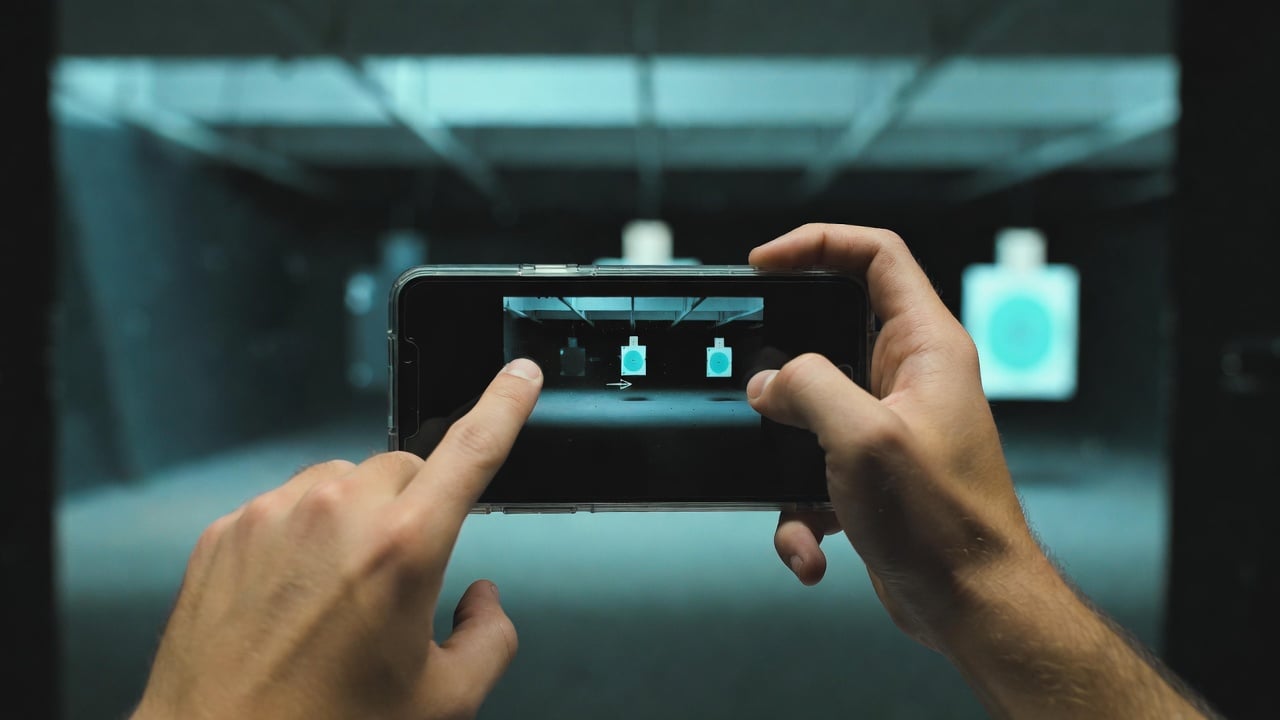
The moment I started climbing wasn’t when I got better aim. It was when I stopped playing to have fun and started playing to learn. Those are two different headspaces. Fun mode means you’re reactive. Learn mode means you’re intentional.
I carry this into real work now. When I’m reading something, am I reading to finish it or reading to understand it? When I’m in a meeting, am I there to be present or just to check a box? The game broke my habit of performing effort without actually investing it.
| Mindset | In-Game Result | Real-Life Equivalent |
|---|---|---|
| Blame-focused | Stuck in low rank, repeat losses | Stagnant career, same mistakes |
| Fun-only | Short highs, no real progress | Comfort without growth |
| Learning-focused | Slow but consistent rank climb | Compounding improvement over time |
| Ego-driven | Overconfident plays, easy deaths | Missing feedback, blind spots |
Streaks, Slumps, and the Myth of Consistency
There were weeks in COD Mobile where I went on crazy win streaks — eight, nine, ten games in a row. I felt untouchable. And then there were weeks where I couldn’t buy a win. Same player, same settings, just different results.
What I learned is that consistency isn’t about performing the same every single day. It’s about showing up the same way every day, even when the results don’t reflect your effort.
This wrecked my previous understanding of discipline. I used to think discipline meant hitting my targets every single day without fail. If I missed a day at the gym, I’d spiral. If a project wasn’t going well, I’d start questioning everything. COD broke that fragility.
In ranked, you’re going to have bad games. The metric isn’t whether you won — it’s whether you played your game. Did you hold your lanes? Did you communicate (or at least not feed)? Did you use your loadout smartly? If yes, you did your job. The outcome doesn’t always follow immediately.
I started applying this to writing. Some days I produce 2,000 words that feel like gold. Other days I write 400 words that read like furniture assembly instructions. The discipline is in sitting down both days.
What Ranked Mode Actually Teaches You About Pressure
Ranked mode in COD Mobile is designed to stress you out. The matchmaking, the points system, the demotion matches — all of it is calibrated to create pressure. And pressure, I found out, reveals character.
I played a guy once who was carrying our team. Top frags, smart rotations, clean callouts. We were losing, and in the final circle, instead of panicking or going rogue, he played the same steady game he’d been playing all match. We lost by one kill. He didn’t rage. He just left the lobby and, presumably, queued again.
That image stuck with me. The external result was a loss. His internal performance was consistent. He wasn’t playing for the outcome — he was playing his game.

Pressure in real life works the same way. Job interviews, difficult conversations, high-stakes presentations — the outcome isn’t fully in your control, but your preparation and your composure absolutely are. COD turned pressure from a threat into a familiar training ground.
The Discipline of Knowing When to Stop
This one took longer to learn, and I’m not sure I’ve fully nailed it yet.
There’s a state in COD Mobile — and probably every competitive game — where you’re tilted. You’ve lost two or three in a row, you’re frustrated, and your decision-making starts to degrade. You rush when you should hold. You push when you should rotate. You’re not playing the game anymore; you’re playing your emotions.
The disciplined move is to close the app and walk away. Every time I didn’t, I lost another two or three matches before rage-quitting anyway. Every time I did, I’d come back the next session sharper.
Recognizing tilt and stopping anyway is genuinely hard. Your ego wants to recoup the losses right now. Discipline says: tomorrow. The best players I encountered weren’t the ones who played 12 hours straight — they were the ones who could reset quickly and come back clean.
| Tilt Signal | In-Game Behavior | Real-Life Behavior |
|---|---|---|
| Consecutive losses | Rushing, ignoring cover | Hasty decisions under stress |
| Blaming others | Toxic chat, poor team play | Shifting responsibility |
| Urgency override | Chasing kills over objectives | Short-term thinking |
| Ignoring feedback | Repeating same mistakes | Defensive to criticism |
| Recovery response | Log off, come back fresh | Sleep on it, revisit with distance |
Solo vs. Squad: The Dynamics That Mirror Real Teams
I spent a lot of time in solo queue, which means I was being dropped into squads with random strangers every match. No communication history, no trust built, no guarantee anyone would play their role.
Some squads self-organized naturally — someone took point, someone covered flanks, someone held back and provided cover. No one had to say anything. They just read the situation and filled the gap. Those squads almost always won.
Other squads were four individuals doing their own thing, each playing hero, each hoping the others would back them up. Those squads almost always lost.
What I noticed is that the best solo-queue players weren’t necessarily the best fraggers. They were the best adapters. They’d see what the squad needed and become that. If everyone was rushing, they’d slow down and hold an angle. If everyone was passive, they’d push and create space. They were team players even with strangers because they understood that their personal stats meant nothing if the squad lost.
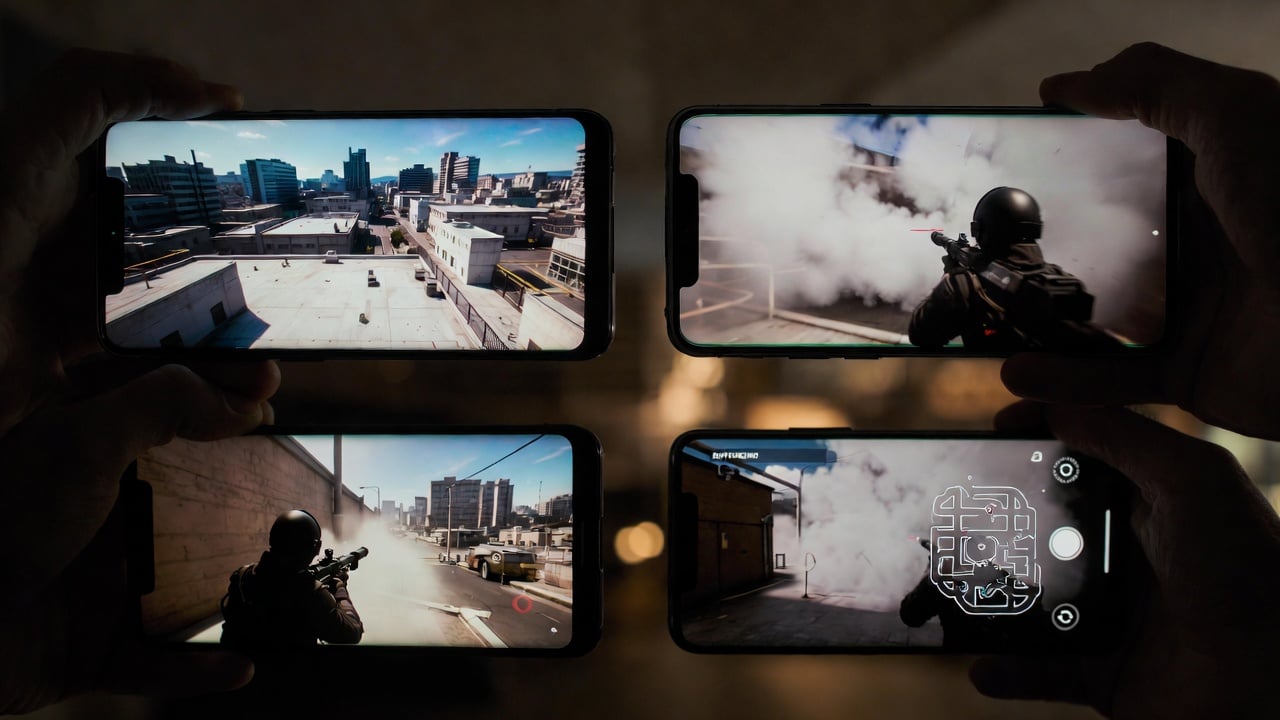
I’ve thought about this a lot in group settings since. Being the smartest or most skilled person in a team meeting doesn’t make you valuable if you’re not filling the actual gap. Sometimes the team needs someone to push. Sometimes they need someone to hold. Discipline is reading which one you need to be.
Personally i added this at the middle so that you can easily navigate to read about Smartphones Vs Laptops and My Tecno Camon 30 overheating when playing games.
The Mental Reps You Don’t Count
Here’s something the self-improvement industry doesn’t talk about enough: discipline builds in the invisible moments. Not the workouts you log. Not the journal entries with timestamps. The moments no one’s watching.
In COD, no one is watching you run through your training routine before ranked. No one sees you adjusting your loadout at 11 PM, experimenting with different optics, testing shotgun spread patterns. No one cares that you rewatched your worst death of the week to figure out where your positioning broke down.
But those invisible reps compound. Six months into taking the game seriously, I noticed my hands were steadier, my decisions were faster, and I stopped second-guessing my reads under pressure. I hadn’t tracked any of it. It just happened because I kept doing the work in private.
Discipline in real life is the same. The emails you draft and then rewrite until they’re actually clear. The extra ten minutes you spend understanding something you could have nodded through. The work you redo not because anyone will notice but because you know it’s not right yet.
The game doesn’t hand you character. But it does give you thousands of small opportunities to practice it or skip it. Over time, those choices become who you are.
An Honest Caveat
I should say this clearly: COD Mobile also taught me bad habits. The dopamine loop is real. There were nights I played until 2 AM knowing I had an early morning and did it anyway. The game is designed to keep you in it, and it’s good at its job.
The lessons I described above didn’t come automatically from playing. They came from playing and reflecting on it. Plenty of people play thousands of hours and never clock any of this because they’re not looking for it.
The game is a mirror. What you walk in with is what gets reflected back at you — amplified. If you walk in undisciplined and frustrated, you’ll become more of that. If you walk in genuinely trying to understand your failures, you’ll find that it’s actually pretty generous with feedback.
Please read alao about how i build my personal blog with Astro Paper, and even i have been reading alot of people post about or talk about how Ai remixing human work or are they generating there own now you can read my Content
The Summary Table That Pulls It Together
| Life Skill | How COD Mobile Surfaces It | How I Applied It Offline |
|---|---|---|
| Honest self-assessment | Kill feed, death replays | Tracking where I actually lose time |
| Deliberate practice | Sensitivity testing, training mode | Rewriting work, not just reviewing it |
| Handling pressure | Demotion matches, clutch rounds | Staying process-focused in interviews |
| Recognizing tilt | Loss streaks, bad reads | Stepping back when emotional |
| Team adaptability | Solo queue role-filling | Reading what a team needs vs. what I want to do |
| Private effort | Loadout testing no one sees | Invisible reps in writing, thinking, preparation |
| Knowing when to stop | Walking away when tilted | Protecting sleep, protecting output quality |
I still play. Maybe not as much, and definitely with clearer boundaries now. But I don’t feel weird about the time I put into it anymore, because I know what I took out.
The game didn’t make me disciplined. But it gave me a clear enough testing ground to see where my discipline broke down — and that, honestly, was the whole thing. You can’t fix what you can’t see. COD Mobile made sure I couldn’t look away.
FAQ
Can a mobile game actually teach you real discipline, or is this just cope?
Honestly, both are possible. The game itself doesn’t teach you anything — it just creates situations where your habits get tested repeatedly. If you’re paying attention, those situations become feedback. If you’re not, it’s just entertainment. The difference is whether you’re playing mindlessly or intentionally. Neither is wrong, but only one compounds.
I play COD Mobile a lot and I’m not getting any of these lessons. What am I missing?
Probably the reflection part. Playing alone doesn’t do it. What changed things for me was rewatching deaths, asking why I made specific calls, and treating losses as data rather than bad luck. You don’t need a journal or a system. You just need to pause after a rough session and ask one honest question: what did I keep doing wrong? The answer usually shows up pretty fast.
Isn’t this just glorifying screen time and unhealthy gaming habits?
I tried to be upfront about this in the caveat section — COD Mobile absolutely has a dark side. The 2 AM sessions, the one-more-game loop, the emotional toll of a bad ranked streak. None of that is healthy. What I’m saying is that inside all of that, there were real lessons if I was willing to look. That’s not the same as saying the game is good for you without conditions.
How long did it take before you started seeing real improvement in ranked?
About three months of actually trying. The first month I was in denial about how bad I was. The second month I started learning fundamentals — positioning, loadouts, sensitivity. By the third month things started clicking. Slow by any measure, but the improvements were real and they stuck because I’d actually earned them.
Do these lessons only apply to COD Mobile or any competitive game?
Any competitive game where you get clear feedback on your performance will surface this stuff. Chess, Valorant, even high-level Tetris. The key ingredients are: repeated attempts, visible outcomes, and enough failure to force you to adjust. COD Mobile just happened to be the one that got me. The vehicle matters less than the willingness to learn from it.
What’s the single most transferable thing you took from the game?
Tilt recognition. Knowing when I’m making decisions from frustration versus from clarity — and having the discipline to stop when it’s the former. That one thing has saved me from more bad calls in real life than I can count. Reactive decisions made under emotional pressure almost never hold up. The game drilled that into me the hard way.
Would you recommend COD Mobile specifically for someone trying to build discipline?
No, not specifically. Don’t pick up a game as a discipline-building exercise — that’s backwards and you’ll probably hate it. Pick up whatever you’re genuinely drawn to, get competitive about it, and then pay attention to what your habits look like under pressure. The lessons are in there. COD Mobile just happened to be honest enough with me that I couldn’t ignore them.
If you’re a gamer who’s ever felt defensive about your hobby — don’t. The discipline is in how you engage, not what you engage with. That said, maybe watch one or two of your death replays. You’ll learn something.




Comments 0
Leave a comment