Table of Contents
Open Table of Contents
- Intro
- The Price Point Nobody Talks About
- Simplicity Isn’t a Compromise—It’s a Feature
- The Camera Question: Good Enough Is Actually Good Enough
- Durability That Matches Real-World Use
- Storage Solutions for People Who Don’t Know What Cloud Means
- The Overlooked Advantage: Minimal Commitment
- Social Connectivity Without Social Pressure
- Real-World Performance for Real-World Tasks
- The Support Ecosystem Nobody Considers
- Why the Industry Misses This Market
- The Bottom Line
- Frequently Asked Questions
- Continue reading
Intro
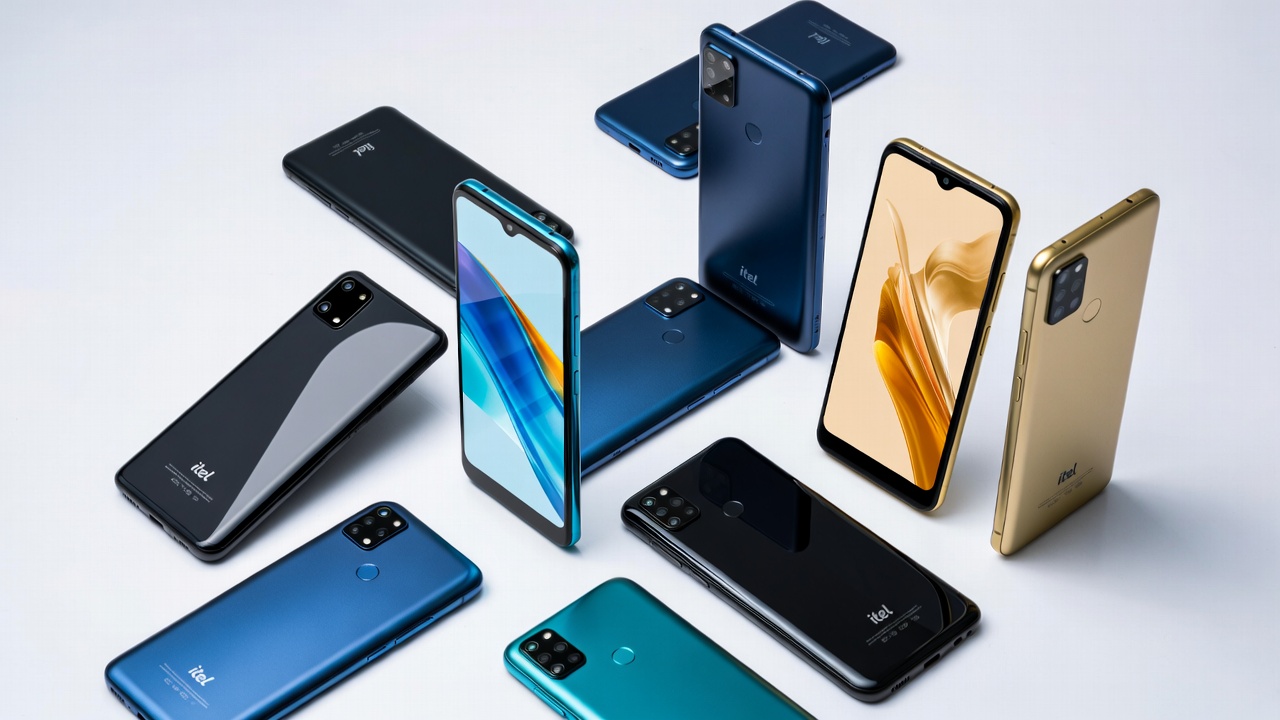
There’s something refreshing about honesty in the smartphone market. While most brands throw around buzzwords like “flagship killer” and “revolutionary,” itel takes a different approach. They make phones for people who just need a phone that works. And honestly? That’s exactly what millions of first-time smartphone users need.
I’ve watched my relatives, neighbors, and friends make the jump from feature phones to smartphones. The struggle is real. They don’t need a phone that can shoot 8K video or process AI algorithms. They need something that won’t confuse them, won’t break the bank, and won’t die halfway through the day. That’s where itel quietly excels.
The Price Point Nobody Talks About
Let’s address the elephant in the room: itel phones are cheap. But here’s what matters—they’re cheap in the right way. When you’re buying your first smartphone, spending $700 on a device you might drop, lose, or struggle to use makes zero sense. It’s like learning to drive in a Ferrari.
itel devices typically range from $50 to $150. That’s not just affordable; it’s risk-free. If someone’s transitioning from a basic phone they bought for $20, asking them to spend hundreds feels like a massive leap. With itel, the financial commitment matches their experience level. You’re not gambling your month’s salary on technology you’re still learning to navigate.
The beauty of this pricing becomes clear when you consider the learning curve. First-time users will make mistakes. They’ll accidentally buy apps they didn’t mean to purchase. They’ll drop their phones while figuring out the touchscreen. They’ll fill up storage with duplicate photos. Having an affordable device during this learning phase removes the anxiety that comes with expensive mistakes.
Simplicity Isn’t a Compromise—It’s a Feature
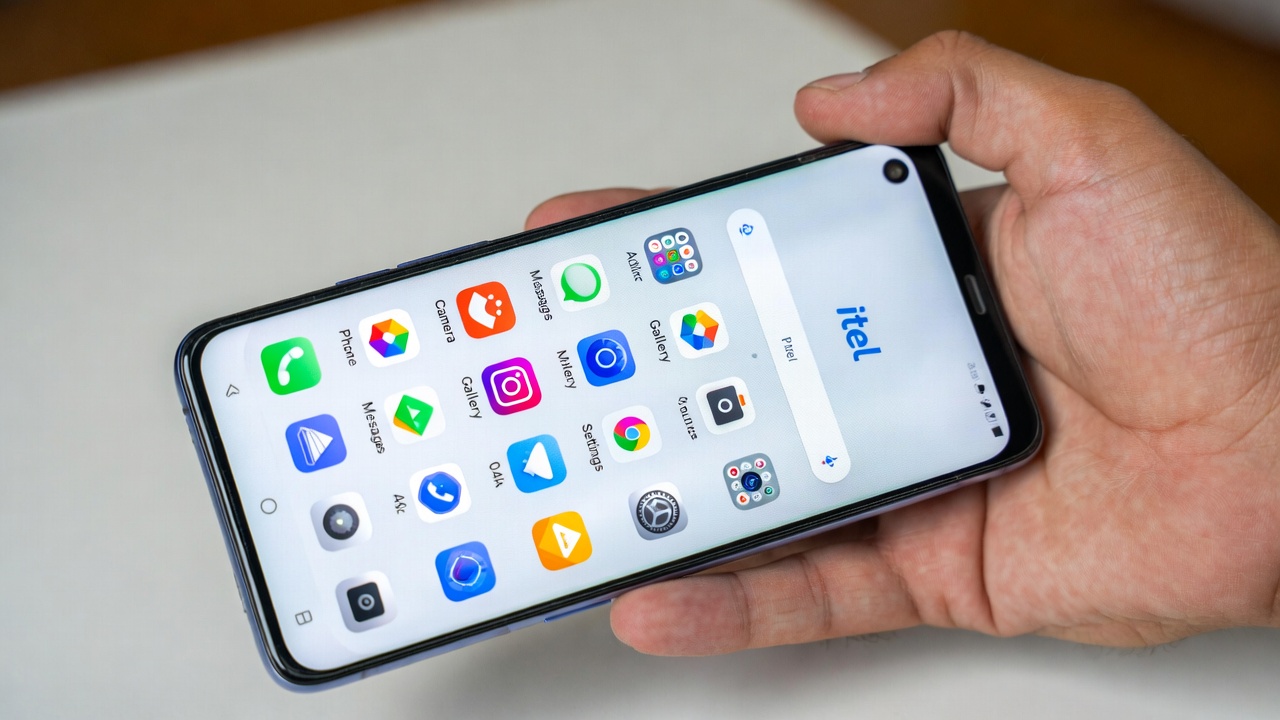
Here’s what the tech industry often forgets: complexity isn’t impressive to everyone. My aunt doesn’t care about refresh rates, processor cores, or camera apertures. She wants to video call her grandchildren, check WhatsApp, and maybe watch some YouTube videos. itel phones deliver exactly that without burying these functions under seventeen menus and settings.
The interface on itel devices runs on Android Go or lightweight versions of Android. This isn’t a stripped-down, frustrating experience. It’s Android without the bloat. Apps open reasonably fast. Navigation makes sense. The settings menu doesn’t require a computer science degree to understand. For someone who’s spent years pressing physical buttons, this gentle introduction to touchscreen interfaces matters enormously.
Battery life deserves its own paragraph because it’s genuinely impressive. While flagship phones might boast fast charging, they often need it because they’re dead by dinner time. itel phones regularly pack 4000mAh to 5000mAh batteries into budget-friendly devices. Combined with less power-hungry processors and optimized software, these phones can genuinely last a full day—sometimes two—with regular use. For a first-time user who might forget to charge their phone every night, this reliability becomes a lifeline.
The Camera Question: Good Enough Is Actually Good Enough
Photography snobs will scoff at itel’s cameras, and that’s fine. They’re not the target audience. But let’s talk about what these cameras actually do well: they capture memories in decent quality during good lighting. That’s literally all most first-time smartphone users need.
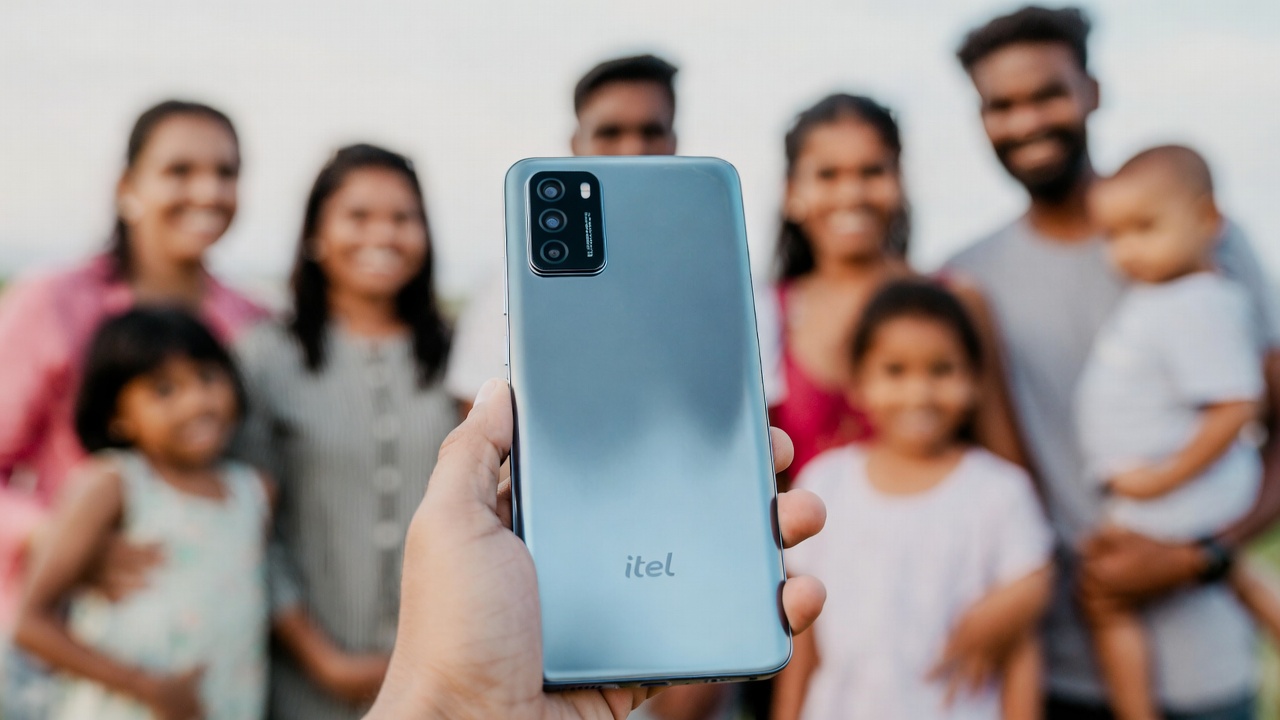
The 8MP or 13MP cameras you’ll find on itel devices won’t win awards, but they’ll preserve birthday parties, family gatherings, and vacation snapshots. The photos look fine on phone screens and social media. They’re not grainy messes from 2010. They’re just… normal photos. And normal is perfect when you’re learning what autofocus means.
What I appreciate is that itel doesn’t pretend their cameras are something they’re not. There’s no marketing claiming “professional photography in your pocket.” It’s honest capability: point, tap, and you’ve got a shareable picture. The learning curve is minimal, which matters when someone’s first smartphone photography lesson shouldn’t involve RAW files and manual exposure controls.
Durability That Matches Real-World Use
First-time smartphone users aren’t buying cases before they buy phones. They’re not immediately purchasing screen protectors or thinking about drop protection. They’re adapting to a new technology, and accidents happen constantly during that adaptation period.
itel phones generally come with basic but functional build quality. The plastic backs that critics dismiss as “cheap feeling” actually serve a purpose—they don’t shatter when dropped. They might scratch, sure, but they survive the inevitable tumbles that come with learning to handle a smooth, flat glass device. This isn’t premium aluminum and glass construction, but it’s practical protection for people who are still getting used to one-handed smartphone use.
The screens, while not Gorilla Glass, are often adequate for everyday durability. Yes, they’ll scratch if you keep keys in the same pocket, but they won’t spiderweb from a waist-high drop onto tile. For first-time users who might take a few months to develop the muscle memory of careful phone handling, this durability difference matters more than specs sheets suggest.
Storage Solutions for People Who Don’t Know What Cloud Means
Here’s a scenario that happens constantly: someone gets their first smartphone, starts taking photos, downloads WhatsApp, and suddenly receives messages saying “Storage Full.” On many modern phones, fixing this requires understanding cloud storage, app caches, and file management—concepts that are completely foreign to feature phone users.
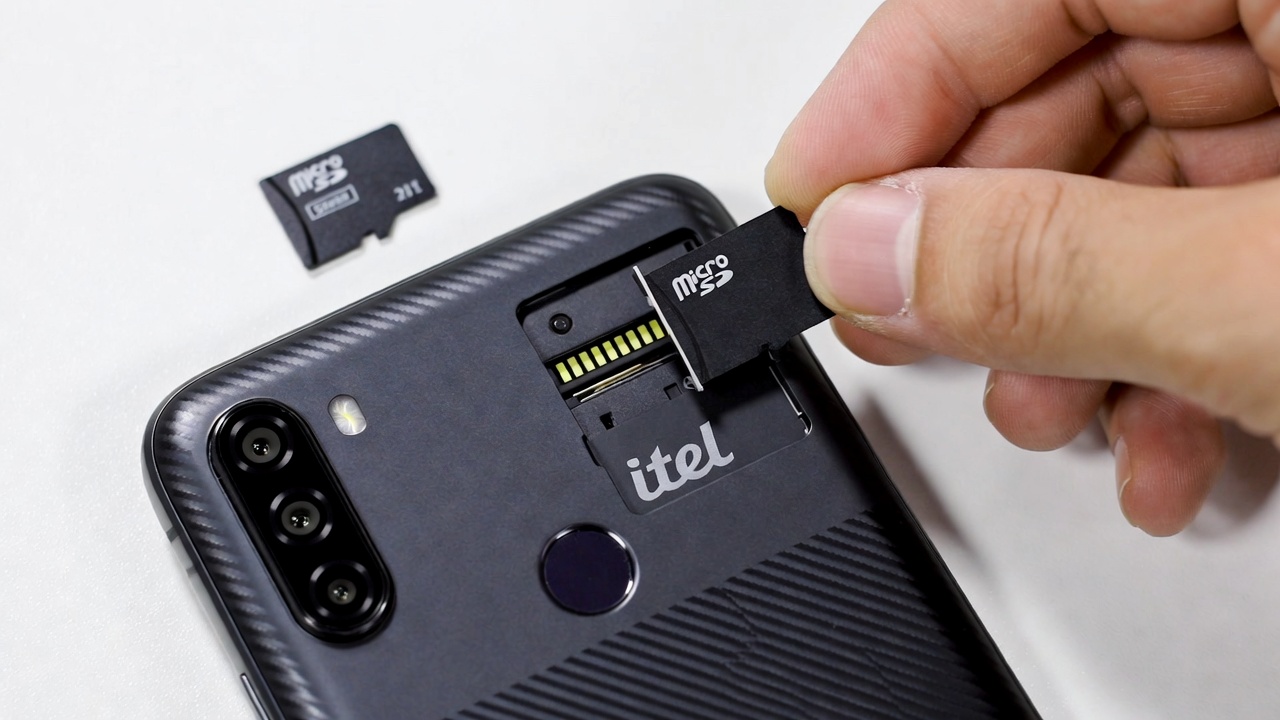
itel phones typically include expandable storage via microSD cards. This is old-school technology that the industry has been phasing out, but for first-time users, it’s brilliant. You can physically hand someone a 32GB or 64GB card, show them where it goes, and explain that this gives them more space for photos and videos. It’s tangible and understandable in a way that “sign up for iCloud” or “enable Google Photos backup” simply isn’t.
The Overlooked Advantage: Minimal Commitment
Let’s talk about something rarely discussed in phone reviews: fear of commitment. When someone’s first smartphone costs $50, they’re willing to experiment. They’ll try different apps, explore settings, and learn through trial and error. The psychological freedom this creates is massive.
Compare this to someone who just spent $800 on a device. They’re terrified of doing something wrong. They won’t explore settings because they might “break something.” They’ll stick to the bare minimum functionality because anything else feels risky. This fear actively prevents learning and exploration.
With an itel phone, that fear evaporates. If something goes wrong, it’s fixable, replaceable, or at worst, a learning experience that didn’t cost a fortune. This freedom to explore, make mistakes, and learn without financial anxiety is perhaps itel’s greatest asset for first-time users.
Social Connectivity Without Social Pressure
The smartphone market has created weird social hierarchies around devices. People judge you for green bubbles, for using certain brands, for not having the latest model. First-time smartphone users are walking into this environment completely unprepared, and it can be genuinely stressful.
itel phones sidestep this entirely. They’re not trying to compete in the status game. They’re transparent about being budget devices, which removes the pressure. A first-time user with an itel phone isn’t worried about keeping up with technology trends or proving anything to anyone. They’re just getting connected, learning to communicate digitally, and joining the smartphone world on their own terms.
This matters more than it seems. The transition to smartphones should be about empowerment and connection, not about social anxiety and comparison. itel’s positioning outside the flagship race creates space for users to focus on what matters: learning to use their device effectively.
Real-World Performance for Real-World Tasks
Tech reviewers benchmark phones running intensive games and processing 4K video. That’s interesting content, but it’s completely irrelevant to first-time users. What matters is whether the phone can handle WhatsApp conversations, Facebook browsing, YouTube videos, and the occasional Google search without freezing or crashing.
itel phones, even with their modest 2GB or 3GB of RAM and entry-level processors, handle these tasks adequately. Apps might take an extra second to load compared to flagships, but they load. Videos play smoothly at reasonable resolutions. Messages send reliably. The phone does what it’s supposed to do without constant frustration.
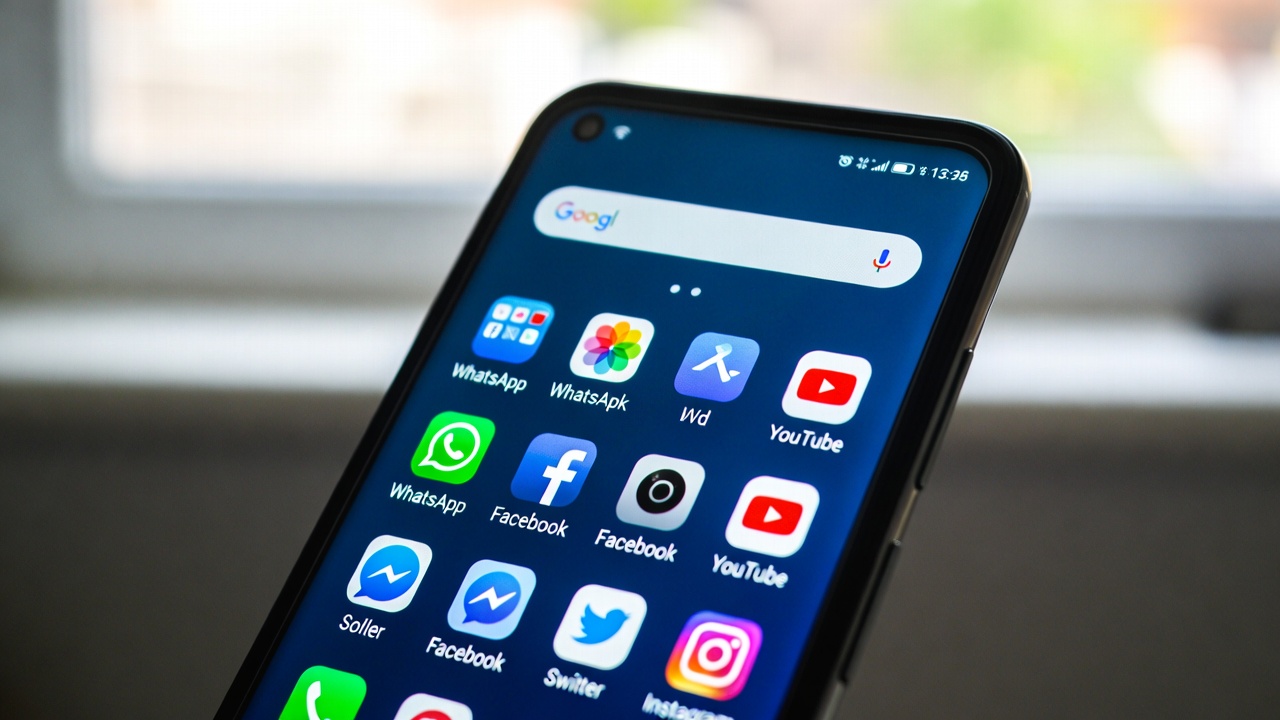
This “good enough” performance is actually ideal for learning. Users develop realistic expectations about what smartphones do and how they work. They’re not spoiled by flagship speed, which means they’re not disappointed by normal phone behavior. They’re building a foundation of understanding that matches the technology they’re using.
The Support Ecosystem Nobody Considers
When something goes wrong with a smartphone, first-time users panic. They don’t know how to troubleshoot, Google the error, or navigate settings to fix problems. They need help, and they need it to be accessible.
itel’s market presence in developing regions means there’s usually a local shop, kiosk, or service center nearby. These aren’t Apple Store experiences with Genius Bars, but they’re accessible support from people who speak the local language and understand the local context. For someone who’s never owned a smartphone, being able to walk to a nearby shop and get help in person is infinitely more valuable than calling a 1-800 number or navigating an online support portal.
The availability of accessories also matters. Cases, screen protectors, and chargers for itel phones are readily available at local markets and shops. They’re affordable and easy to find. This ecosystem of support and accessories creates a safety net for first-time users who need reassurance that help and resources are available when needed.
Why the Industry Misses This Market
The tech industry obsesses over innovation, specs, and features. Reviews compare camera systems, benchmark processors, and debate display technologies. This entire conversation happens in a bubble that ignores billions of people who just need a functional smartphone.
itel succeeds because they’re focused on a different conversation. They’re asking “What does a first-time smartphone user actually need?” and then building devices that answer that question honestly. It’s not exciting. It won’t generate viral reviews or YouTube hype. But it’s serving a massive, underserved market with dignity and practicality.
The industry calls these phones “budget” or “entry-level” with a dismissive tone, as if they’re somehow less important than flagships. But for millions of people making their first steps into the digital world, these phones are life-changing. They’re the gateway to video calls with distant family, access to information, connection to global communities, and participation in the modern economy.
The Bottom Line
itel phones aren’t perfect. They won’t impress tech enthusiasts, win awards, or top any “best of” lists. But for first-time smartphone users—people transitioning from feature phones, older adults learning new technology, budget-conscious buyers, or anyone who just needs reliable basic functionality—they’re actually brilliant.
They remove barriers: financial barriers, complexity barriers, social pressure barriers, and fear barriers. They provide exactly what’s needed without pretending to be something they’re not. In a market full of exaggeration and hype, that honesty is genuinely refreshing.
If you’re helping someone choose their first smartphone, consider itel. Not because it’s the best phone available, but because it might be the best phone for them. Sometimes the most underrated choice is simply the most appropriate one.
Frequently Asked Questions
How much does an itel smartphone typically cost?
Most itel phones fall between $50 and $150, depending on the model and specifications. This pricing makes them accessible for people who are making their first smartphone purchase or working with a tight budget. You’re looking at roughly the cost of a nice dinner out rather than a month’s rent, which takes a lot of pressure off the buying decision.
Are itel phones durable enough for everyday use?
They’re surprisingly tough for their price point. The plastic construction actually works in their favor—it absorbs impacts better than glass backs. You won’t get military-grade protection, but they handle the typical bumps, drops, and daily wear that come with regular use. Think of them as practical rather than premium, which is exactly what new smartphone users need while they’re still developing careful handling habits.
Can itel phones run popular apps like WhatsApp, Facebook, and YouTube?
Absolutely. These are exactly the apps itel phones are designed to handle well. You’ll be able to message friends, scroll through social media, watch videos, and browse the internet without major issues. The experience won’t be flagship-fast, but it’s smooth enough that you won’t feel frustrated. Apps might take a second longer to open, but once they’re running, they work just fine for everyday tasks.
How long does the battery last on an itel phone?
This is actually one of itel’s strong points. Most models pack batteries between 4000mAh and 5000mAh, which translates to a full day of regular use—sometimes stretching into a second day if you’re not constantly streaming video. For someone new to smartphones who might forget to charge every night, this extended battery life provides a comfortable buffer. You’re not going to be hunting for chargers by mid-afternoon.
Do itel phones have good cameras?
The cameras are adequate for everyday photography. We’re talking 8MP to 13MP sensors that capture decent photos in good lighting conditions. They’re perfect for family gatherings, vacation snapshots, and social media posts. Won’t compete with flagship phones in low light or for professional-looking shots, but that’s not really the point. They capture memories clearly enough that you’ll be happy looking back at photos months or years later.
Can I add more storage to an itel phone?
Yes, and this is actually a huge advantage. Most itel phones include microSD card slots, letting you expand storage with inexpensive memory cards. You can add 32GB, 64GB, or even 128GB for just a few dollars. This physical, tangible solution is way easier for first-time users to understand than explaining cloud storage or managing app data. Just pop in a card, and you’ve got more space for photos and apps.
Is itel a reliable brand?
itel is part of Transsion Holdings, which is one of the largest mobile phone manufacturers in the world, particularly dominant in Africa and other developing markets. They’ve been making phones for years and have built a solid reputation for delivering functional devices at accessible prices. You won’t find them in flashy advertisements or tech blogs, but millions of people use itel phones daily without issues.
Will an itel phone work with my carrier?
Most itel phones support standard GSM networks and 4G LTE, which means they’ll work with major carriers in most countries. However, it’s worth checking the specific model’s bands against your carrier’s requirements before buying. If you’re purchasing locally, the versions sold in your region should already be compatible with local networks. When in doubt, ask at the point of sale—they’ll know which models work with which carriers.
Are itel phones good for older adults learning to use smartphones?
They’re actually excellent for this purpose. The simplified Android interface, large battery life, and straightforward functionality make them ideal for seniors transitioning from feature phones. There’s no overwhelming array of features to confuse them, and the low price point means family members can help someone make the switch without a significant financial investment. The learning curve is gentle, which matters enormously when building confidence with new technology.
Can I use an itel phone for mobile banking and other secure apps?
Yes, itel phones run standard Android operating systems and can handle banking apps, payment systems, and other secure applications just like any other Android device. They have the necessary security features like screen locks, passwords, and encrypted storage. Just make sure to keep the operating system updated when updates are available and follow normal security practices like using strong passwords.
What’s the biggest downside to choosing an itel phone?
Let’s be honest: you’re trading peak performance for affordability and simplicity. These phones won’t handle heavy gaming, won’t take magazine-quality photos, and won’t impress your tech-savvy friends. If you’re someone who wants to explore mobile photography seriously, play graphics-intensive games, or needs the fastest possible performance, an itel probably isn’t your best choice. But if you’re just getting started with smartphones and need something reliable for communication and basic tasks, those tradeoffs won’t really affect your daily experience.
How long will an itel phone last before needing replacement?
With reasonable care, you can expect two to three years of solid use from an itel phone. The battery might degrade somewhat over time, and newer apps might eventually push the limits of the hardware, but for basic smartphone tasks, they hold up well. Since they’re so affordable, replacing them doesn’t feel like a major financial burden when the time comes. Many users end up upgrading because they want more features rather than because the phone stopped working.
Continue reading
Why 8gb Ram is the real minimum for smartphones in 2026

Comments 0
Leave a comment