Table of Contents
Open Table of Contents
- Smartphones Are Replacing Computers — Do We Still Need Laptops?
- The Smartphone Revolution Nobody Saw Coming
- What Smartphones Do Better (And It’s More Than You Think)
- But Then Came The Seminar Paper
- The Laptop’s Stubborn Advantages
- The Middle Ground: Tablets and Hybrids
- Who Actually Needs a Laptop Anymore?
- The Future: Convergence or Coexistence?
- What I’ve Learned (And Where I’ve Landed)
- The Honest Answer
- Frequently Asked Questions
Smartphones Are Replacing Computers — Do We Still Need Laptops?
Before we dive in, do you know that there are some special places that Ai is smart/best on majorly.
Last semester, I had a seminar write-up due. The kind that required proper formatting, citations, and at least fifteen pages of academic rigor. I remember sitting on my bed, phone in hand, thinking: “Can I just do this on my phone?” I’d written tweets, emails, even grocery lists that somehow turned into philosophical manifestations on my iPhone. But a full seminar paper?
I caved. Downloaded Microsoft Word on my laptop—the laptop that had been gathering dust under my bed for weeks. The irony wasn’t lost on me. Here I was, someone who literally does everything on their phone, forced to resurrect a machine I’d barely touched since buying it. That moment sparked something in me. A question that probably crosses the minds of millions of people every day: Do we actually still need laptops, or are we just holding onto them out of habit?
Check my post on Building lightning fast blog with Astro complete setup that I’m still using till date
The Smartphone Revolution Nobody Saw Coming
Ten years ago, if someone told me I’d be managing my bank accounts, editing videos, and running a side hustle entirely from a device that fits in my pocket, I would’ve laughed. Not because it seemed impossible—technology always marches forward—but because the idea of choosing a small screen over a proper computer felt absurd.
Yet here we are. My phone has become my default device for almost everything. News? Phone. Social media? Obviously phone. Shopping, booking appointments, checking the weather, navigating across town, even controlling my home’s thermostat—all phone. The shift happened gradually, then suddenly. One day I looked up and realized I’d gone three weeks without opening my laptop except to charge it.
The numbers back this up. Recent studies show that the average person spends over four hours daily on their smartphone, while laptop usage has steadily declined, especially among younger demographics. We’re not just using phones more; we’re actively choosing them over traditional computers for tasks we used to consider “computer work.”
What Smartphones Do Better (And It’s More Than You Think)
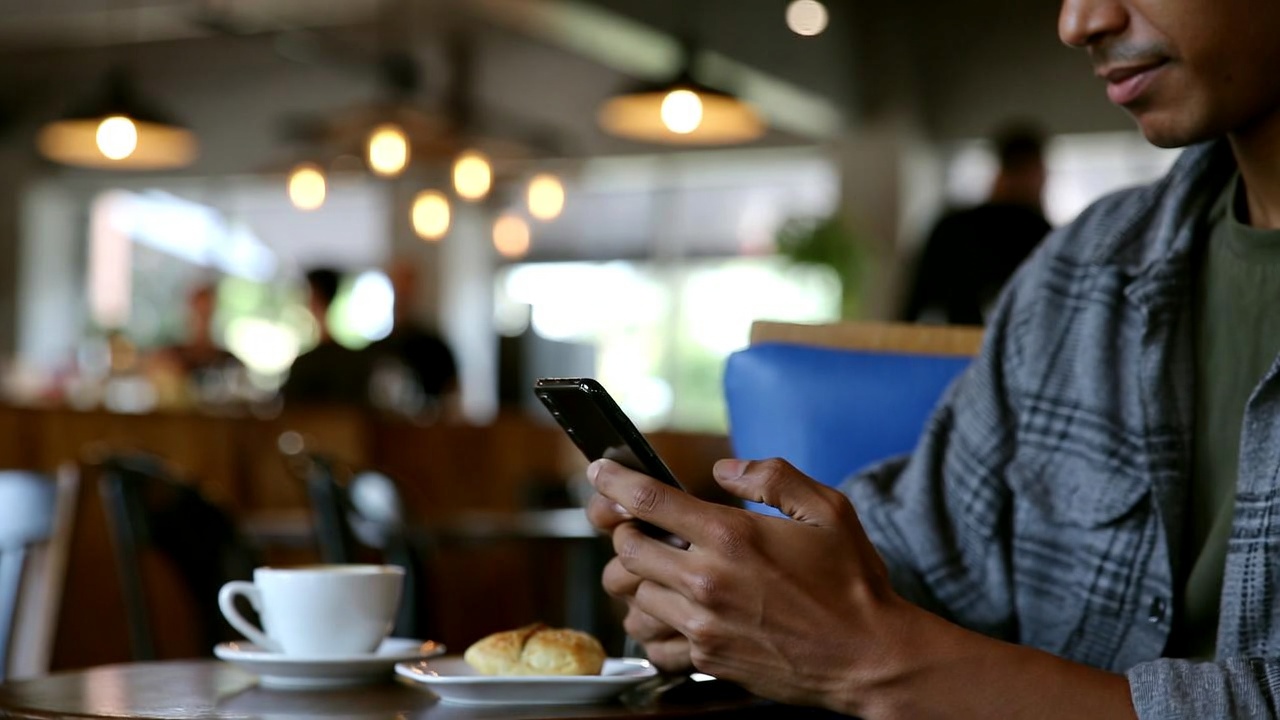
Let’s be honest about where phones absolutely dominate. Communication, first and foremost. I can’t remember the last time I sent an email from my laptop that wasn’t for work or school. Everything else happens on my phone—texts, voice messages, video calls with my family across the country. The seamlessness of it matters more than I realized.
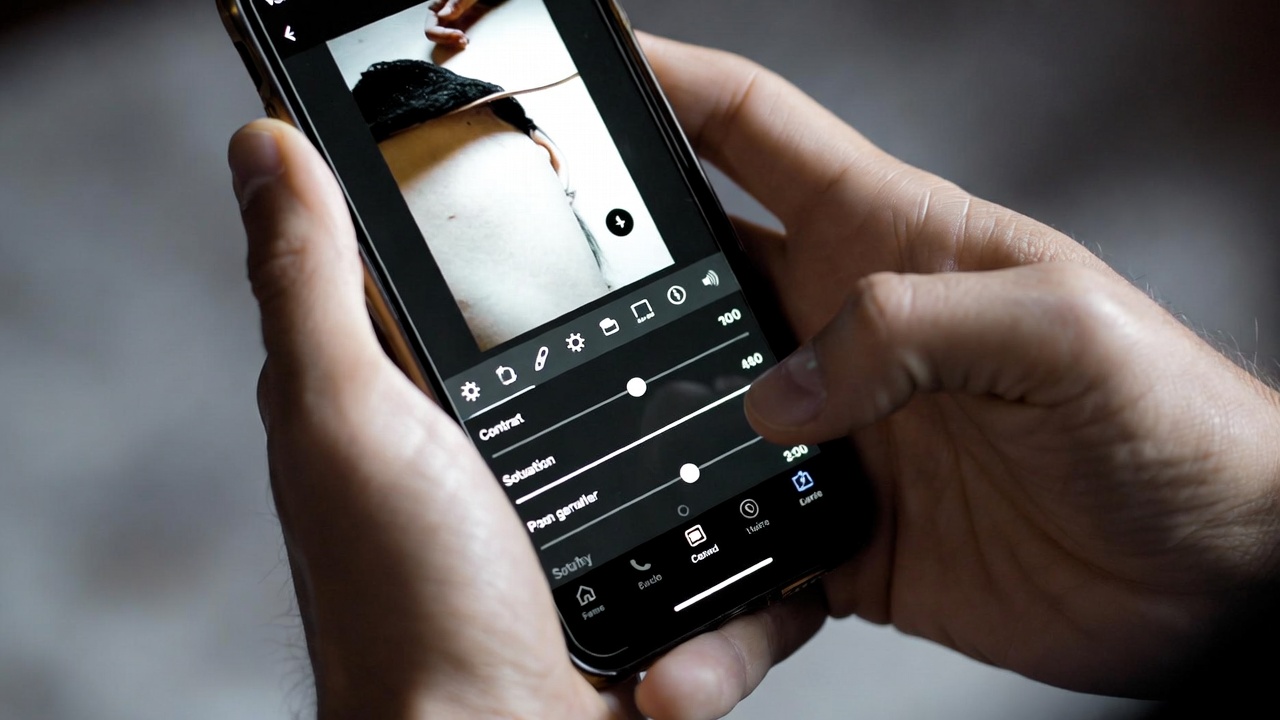
Then there’s the camera situation. My phone has replaced my old point-and-shoot camera, my video recorder, and honestly, my motivation to remember moments without documenting them. I shoot, edit, and share photos without ever transferring files or opening desktop software. Apps like VSCO and Lightroom Mobile have gotten scary good. I’ve seen people create portfolio-worthy content entirely on their phones.
Social media management? Forget about it. Instagram, TikTok, Twitter—these platforms were built mobile-first. Sure, you can use them on a computer, but it feels like using a smartphone with oven mitts on. Clunky. Unnatural. The creative tools, the trends, the whole ecosystem exists in the palm of your hand.
Banking and shopping have become phone-native experiences too. I pay for coffee with Apple Pay, split dinner bills through Venmo, and track my spending with apps that send me mildly judgmental notifications when I’ve bought too much takeout. Amazon’s app knows my sizes, my preferences, and my weak moments better than I know myself.
Even entertainment has shifted. I watch Netflix on my phone more than my TV. YouTube, podcasts, audiobooks, music—all accessed through the device that’s always within arm’s reach. My attention span has adapted accordingly, for better or worse.
But Then Came The Seminar Paper
Back to that Microsoft Word download. I tried, I really tried to write my seminar paper on my phone first. Opened Google Docs, started typing with my thumbs. Got through maybe two paragraphs before the frustration set in.
The keyboard took up half the screen. Switching between my research tabs and the document meant closing one to see the other. Formatting was a nightmare—forget about trying to adjust margins or insert page numbers with any precision. Citations? I wanted to throw my phone across the room.
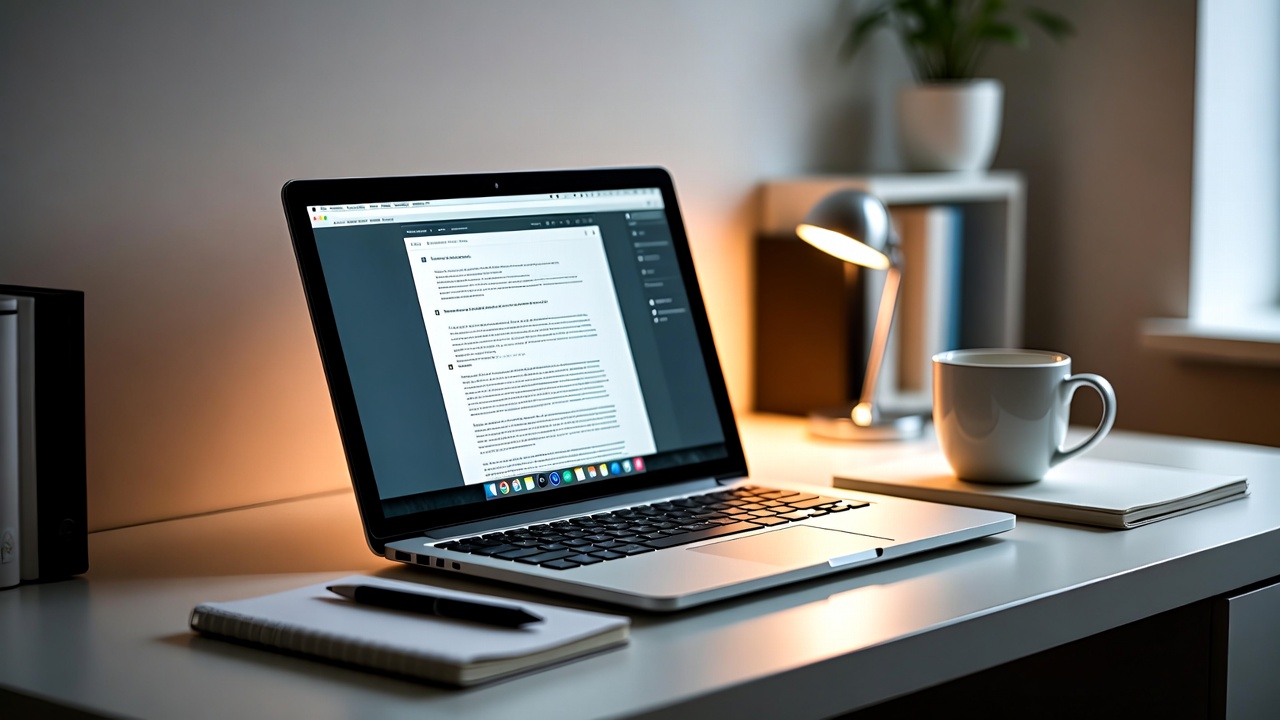
After an hour of accomplishing what should’ve taken fifteen minutes, I admitted defeat. Dug out my laptop, blew off the dust (metaphorically, mostly), and downloaded Word properly. The difference was immediate and humbling. Full keyboard, multiple windows open side-by-side, proper formatting tools, a screen big enough to actually see what I was doing.
I finished that paper in an afternoon. On my phone, it would’ve taken days and probably several years off my life from stress.
This experience crystallized something important: phones are incredible, but they’re not universal replacements for computers. Not yet, anyway. Maybe not ever.
I’m going to include this before the end of the topic itel phones first time users
The Laptop’s Stubborn Advantages
Screen real estate matters. When you’re working with spreadsheets, writing long documents, editing videos seriously, or designing anything, you need space. Physical, visual space. My 6.1-inch phone screen is fantastic for scrolling and tapping, but terrible for seeing the big picture.
Multitasking on a laptop remains unmatched. I can have my research paper open, three browser tabs with sources, a PDF viewer, and Spotify going simultaneously. All visible, all accessible with a simple glance or click. Phone multitasking, even with split-screen features, feels like trying to juggle while standing on one foot. Technically possible, but why would you choose that?
The keyboard experience alone justifies laptops for anyone who writes regularly. I type at maybe 40 words per minute on my phone, 80+ on a proper keyboard. That’s not just faster—it’s a different quality of thought. When writing flows naturally under your fingers, ideas develop differently. The friction of thumb-typing disrupts the creative process in ways I didn’t appreciate until I experienced both.
Professional software still lives primarily on computers. Adobe Creative Suite, Final Cut Pro, serious coding environments, CAD programs—these aren’t phone experiences. Mobile versions exist, sure, but they’re simplified shadows of their desktop counterparts. If your work involves any of these tools, you need a computer. Period.
Battery life and sustained work sessions favor laptops too. My phone might get me through a day of casual use, but try running intensive apps for eight hours and watch it beg for mercy. Laptops, especially modern ones, can handle full workdays without breaking a sweat.
The Middle Ground: Tablets and Hybrids
Some people have found their answer in tablets, particularly iPads with keyboard attachments. My cousin swears by her iPad Pro setup—says it’s replaced her laptop completely. She’s a graphic designer who does everything in Procreate and Affinity Designer’s mobile versions.
I tried this route briefly. Bought a Bluetooth keyboard for my old iPad, thought I’d discovered the perfect compromise. It worked better than my phone for writing, that’s for sure. But something about the experience felt… incomplete. Not quite a phone, not quite a laptop. The awkward middle child of devices.
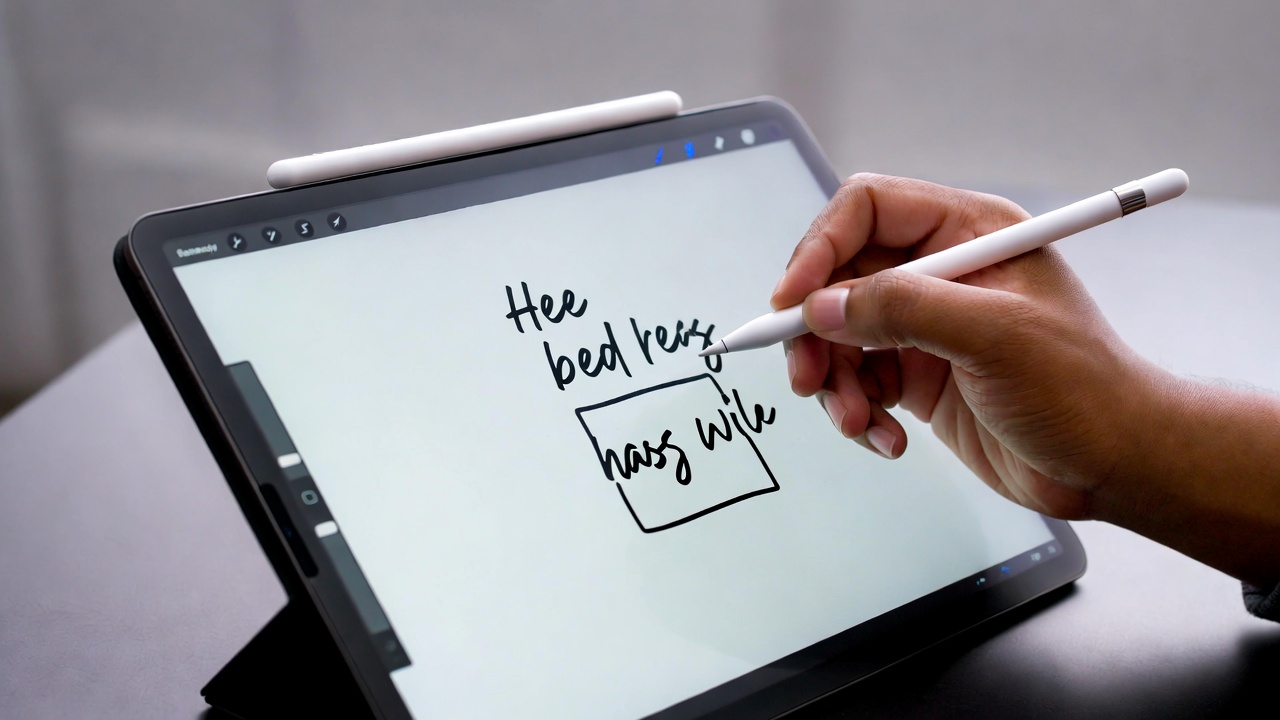
For some workflows, though, tablets genuinely shine. Note-taking with an Apple Pencil beats anything I’ve experienced on a laptop. Drawing, annotating PDFs, casual browsing—tablets excel here. They’re portable like phones but capable like computers. Almost.
The problem is commitment. Tablets require you to adapt to their way of working rather than them adapting to you. Laptops feel universal. Tabs let require buy-in.
Who Actually Needs a Laptop Anymore?
The answer depends entirely on what you do and how you work. Students writing papers? Yeah, you need a laptop. I learned this the hard way. Programmers, video editors, graphic designers, writers, data analysts—if your work involves content creation rather than content consumption, you probably need a computer.
But casual users? People who primarily browse, stream, shop, and communicate? They might genuinely be fine with just a smartphone. My mom hasn’t touched her laptop in months. She video calls, shops online, watches YouTube cooking videos, and manages her entire life from her iPhone. When I ask if she needs help with her computer, she looks confused, like I’m asking about a rotary phone.
The generational divide is real. Younger users who grew up with smartphones default to them for everything. My teenage sister writes entire essays on her phone, switching to her laptop only when forced by school requirements. She’s faster typing on her phone than I am on a keyboard, which makes me feel ancient.
Remote workers and digital nomads have different calculations. A laptop remains essential, but it’s paired with a phone that handles everything else. The laptop is the work tool, the phone is the life tool.
The Future: Convergence or Coexistence?
Technology companies are betting big on different futures. Apple seems committed to keeping phones and computers separate but complementary—your devices talk to each other, but they maintain distinct identities. Samsung’s DeX mode tries to turn your phone into a desktop computer when docked. Microsoft is pushing cloud computing where the device matters less than the connection.
I suspect the truth lands somewhere in the middle. Phones will keep getting more capable, eating into laptop territory. But certain tasks—anything requiring sustained focus, complex multitasking, or professional-grade software—will keep computers relevant.
Maybe the question isn’t whether we need laptops, but how often. My laptop usage has dropped from daily to weekly, but those weekly sessions remain crucial. It’s no longer my primary device, but it’s not obsolete either.
My opinions you can see here before the end of this topic Is ai creative or remixing human work
What I’ve Learned (And Where I’ve Landed)
After my Microsoft Word wake-up call, I’ve made peace with being a two-device person. My phone handles 90% of my digital life, but that last 10% requires a real computer. I don’t fight it anymore.
I’ve stopped feeling guilty about the laptop sitting closed for days at a time. It’s a tool, not a relationship. When I need it, it’s there. When I don’t, my phone does the job beautifully.
The real revelation has been recognizing what each device does best and leaning into those strengths. Photos and quick communication? Phone. Long writing sessions and complex work? Laptop. I’m not trying to force my phone to be something it’s not, and I’m not hauling out my laptop for tasks my phone handles better.
The Honest Answer
So do we still need laptops? The frustrating, unsatisfying, absolutely truthful answer is: it depends.
For many people, smartphones have genuinely replaced the need for traditional computers. They’re living full digital lives on devices that would’ve seemed impossibly limited a decade ago. For them, laptops are relics, expensive dust-collectors, things they keep around “just in case” but rarely use.
For others—students, professionals, creators—laptops remain essential. Not out of nostalgia or resistance to change, but because certain tasks genuinely work better on larger screens with real keyboards and proper software.
The smartphone revolution hasn’t killed the computer. It’s redefined what we need computers for. We’ve outsourced so much to our phones that laptops have become specialized tools rather than general-purpose devices. That’s not obsolescence; it’s evolution.
Me? I’m keeping both. My phone is my companion, my laptop is my workstation. And when the next seminar paper comes due, I know exactly which device I’m reaching for—even if it takes me a few minutes to remember where I left it.
The future isn’t phones replacing computers. It’s phones handling everything they can, and computers handling everything they should. That balance looks different for everyone, and that’s exactly how it should be.
Overall When i talk about Astro vs WordPress, do you know that i use My Mobile phone to do some work.
Frequently Asked Questions
Can I really do everything on my smartphone that I do on a laptop?
Honestly? No, not everything. If you’re mostly browsing, shopping, using social media, and staying in touch with people, then yes—your phone can absolutely handle all of that. But the moment you need to write something longer than a few paragraphs, work with spreadsheets, edit videos seriously, or use professional software, you’re going to miss having a real computer. I learned this the hard way trying to write my seminar paper on my phone.
What tasks are still better on a laptop?
Anything involving serious typing, multiple windows open at once, or professional creative work. Writing long documents, coding, video editing, graphic design, working with large spreadsheets, managing complex projects—these all work way better on a laptop. Also, anything where you need to see a lot of information at once. That tiny phone screen just doesn’t cut it for everything.
Are tablets a good middle ground between phones and laptops?
They can be, depending on what you need. Tablets are fantastic for note-taking, drawing, reading, and casual browsing. Some people swear by them with keyboard attachments as laptop replacements. But in my experience, they feel like a compromise rather than the best of both worlds. Great for some things, awkward for others. If you’re considering one, really think about your specific workflow first.
How do I know if I actually need a laptop anymore?
Ask yourself: When was the last time I used it, and what for? If you haven’t opened your laptop in months and don’t miss it, you probably don’t need one. But if you’re a student, work from home, create content, or do anything that requires sustained focus and typing, you definitely still need it. There’s no shame in being a one-device person or a two-device person—it just depends on your life.
Why can’t I type as fast on my phone?
Because you’re using your thumbs on a tiny virtual keyboard instead of all your fingers on physical keys. Some people get incredibly fast at phone typing, especially younger folks who grew up with smartphones. But most of us will never match our laptop typing speed on a phone. It’s just physics and muscle memory. Plus, the autocorrect can be both a blessing and a curse.
Is it worth buying an expensive laptop if I barely use it?
Probably not. If you only need a laptop occasionally, consider a budget-friendly option or even a decent used one. Save your money for the device you actually use every day—your phone. But if you’re a student or professional who needs it regularly, investing in a good laptop pays off. Mine sat unused for weeks, but when I needed it for that seminar paper, I was grateful it was reliable.
Will smartphones eventually replace laptops completely?
I doubt it, at least not in our lifetime. They’ll keep getting more capable, sure, and they’ll replace laptops for more people. But certain tasks just work better with a big screen, real keyboard, and desktop-grade software. What’s happening is more interesting than replacement—it’s specialization. Phones are becoming our default devices, and laptops are becoming specialized work tools. Both can coexist.
Can I write a school paper on my phone?
Technically yes, but I really don’t recommend it unless it’s super short. I tried this and wanted to pull my hair out. The tiny keyboard, constant app switching, formatting nightmares, difficulty with citations—it’s just painful for anything longer than a page or two. Short assignments? Maybe. Full research papers? Do yourself a favor and use a laptop. Your sanity will thank you.
What about for gaming?
Mobile gaming is huge and keeps getting better, but it’s a completely different experience from PC or console gaming. If you’re into casual games, puzzle games, or mobile-first titles, your phone is perfect. But for serious gaming—AAA titles, competitive multiplayer, anything requiring precision controls—you want a proper gaming PC or console. They’re different ecosystems entirely.
Should I buy a laptop or spend that money upgrading my phone?
This totally depends on what you need. If you never use a computer and do everything on your phone, upgrade your phone. But if you’re heading to college, starting a job that requires computer work, or doing any kind of content creation, invest in a decent laptop. You can get by with a mid-range phone, but trying to do serious work on one is frustrating. Think about which device you’ll actually need for your goals, not which one seems cooler.

Comments 0
Leave a comment