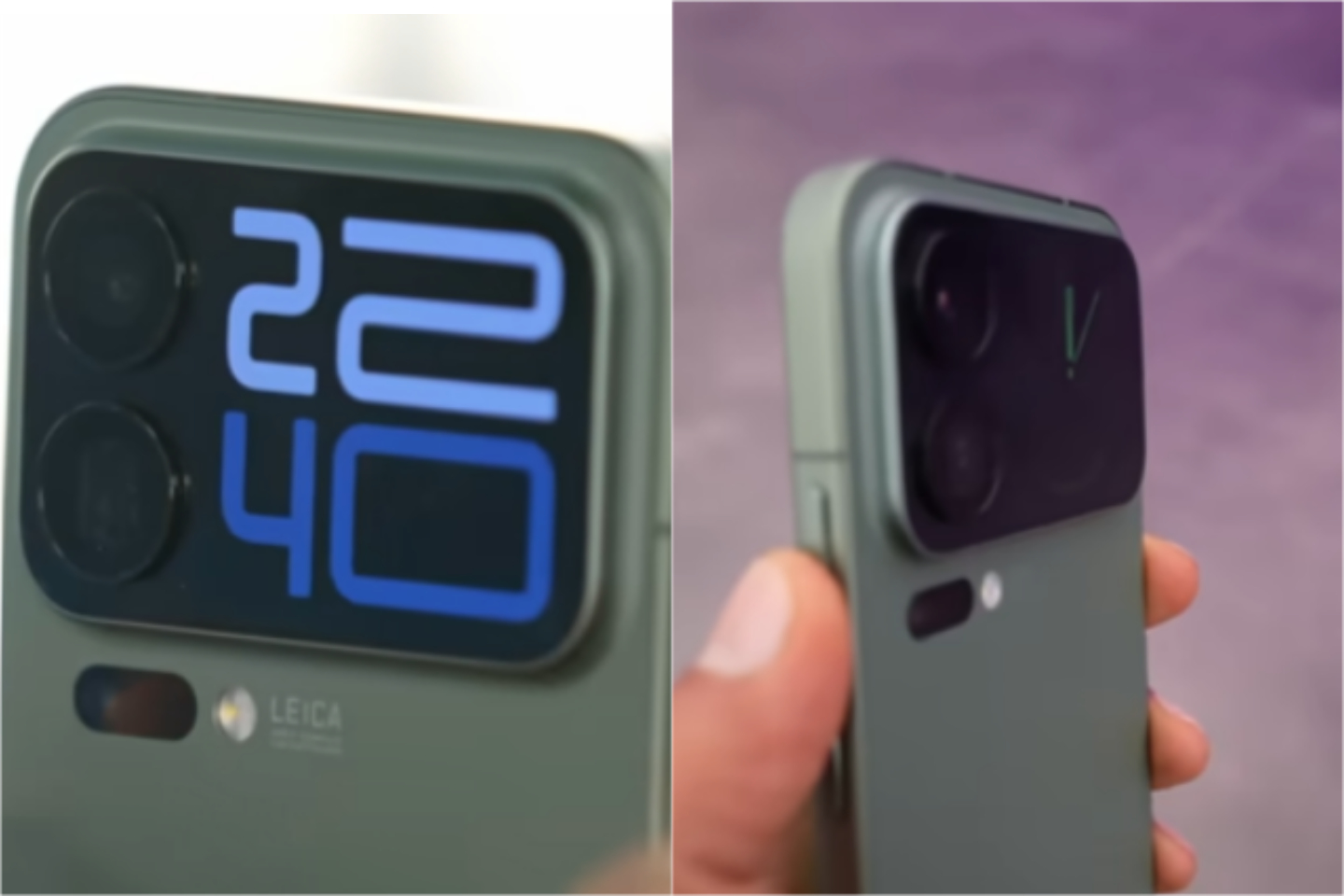
Xiaomi’s Pro Max lineup traditionally focuses on maximum performance, premium materials, and camera-first design.
I’ve been testing and using flagship smartphones for years now, and I’ve learned something important: spec sheets don’t tell the full story. They don’t exactly lie—but they rarely explain how a phone actually feels to live with.
If you’re considering spending serious money on a flagship like the Xiaomi 17 Pro Max, what really matters isn’t the headline numbers. It’s how those features translate into daily use—multitasking, photography, battery anxiety, and long-term reliability.
So grab a coffee, and let’s walk through what actually matters: the RAM choices, the camera system, the display, performance behavior, and the small details that decide whether this phone feels exceptional or just expensive.
The RAM Situation: It’s Complicated (But I’ll Make It Simple)
Modern flagship phones have reached a strange point where more RAM doesn’t always mean a better experience. Based on Xiaomi’s recent Pro and Ultra models, the Xiaomi 17 Pro Max is expected to ship with 12GB and 16GB RAM options, paired with LPDDR5X memory.
LPDDR5X is currently the fastest mobile RAM standard, offering extremely high bandwidth and better power efficiency. What matters here isn’t just the gigabyte number—it’s how fast and efficiently that memory is used.
In real life, this affects:
- App reloads
- Multitasking smoothness
- Background app retention
- Long-term performance consistency
 Well-optimized RAM keeps heavy apps alive instead of constantly reloading.
Xiaomi also includes virtual RAM expansion, which uses a portion of storage as additional memory. This feature can help in some scenarios, but its effectiveness depends heavily on software optimization and storage speed.
A simple real-world test:
- Open 8–10 heavy apps (camera, browser, social media, maps)
- Switch between them repeatedly
- Watch for reloads or stutters
My honest take? 12GB of well-managed LPDDR5X RAM beats 16GB of poorly optimized memory every time. The real question isn’t how much RAM you have—it’s whether Xiaomi’s software manages it intelligently over time.
That Camera System: Let’s Get Real About Mobile Photography
This is where Xiaomi’s Pro Max phones usually stand out.
Based on Xiaomi’s recent flagship strategy, the Xiaomi 17 Pro Max is expected to feature a large primary sensor, potentially close to the 1-inch class that Xiaomi has already used in earlier Ultra and Pro-tier models.
Sensor size matters more than megapixels:
- Larger sensors capture more light
- Better low-light performance
- Improved natural background separation
- More flexible dynamic range
 Large sensors and quality optics matter more than headline megapixel numbers.
A 50MP sensor with large pixels can outperform a 200MP sensor with aggressive processing. Lens quality, sensor size, and computational photography all matter more than raw resolution.
Xiaomi’s continued collaboration with Leica (assuming it carries forward) typically improves:
- Color accuracy
- Contrast control
- Natural-looking bokeh
- More realistic skin tones
When evaluating the camera, don’t just look at daylight shots. Check:
- Mixed lighting scenes (bright windows + dark interiors)
- Night photos without Night Mode
- Skin tones under artificial lighting
The ultra-wide camera is often where phones quietly cut corners. Look for consistent color science between lenses—if switching cameras dramatically changes colors, that’s a red flag.
The telephoto lens—whether 3x, 5x, or periscope zoom—should be tested on real subjects:
- Distant text
- Building details
- Faces at medium zoom
Good optical zoom looks natural. Bad zoom looks like watercolor art.
Display Quality: The Window to Everything Else
You interact with the display more than any other component, and Xiaomi usually delivers strong panels in its Pro Max devices.
Expect a high-resolution LTPO AMOLED display with:
- Adaptive refresh rates (1–120Hz)
- Deep blacks
- High contrast
- Excellent viewing angles
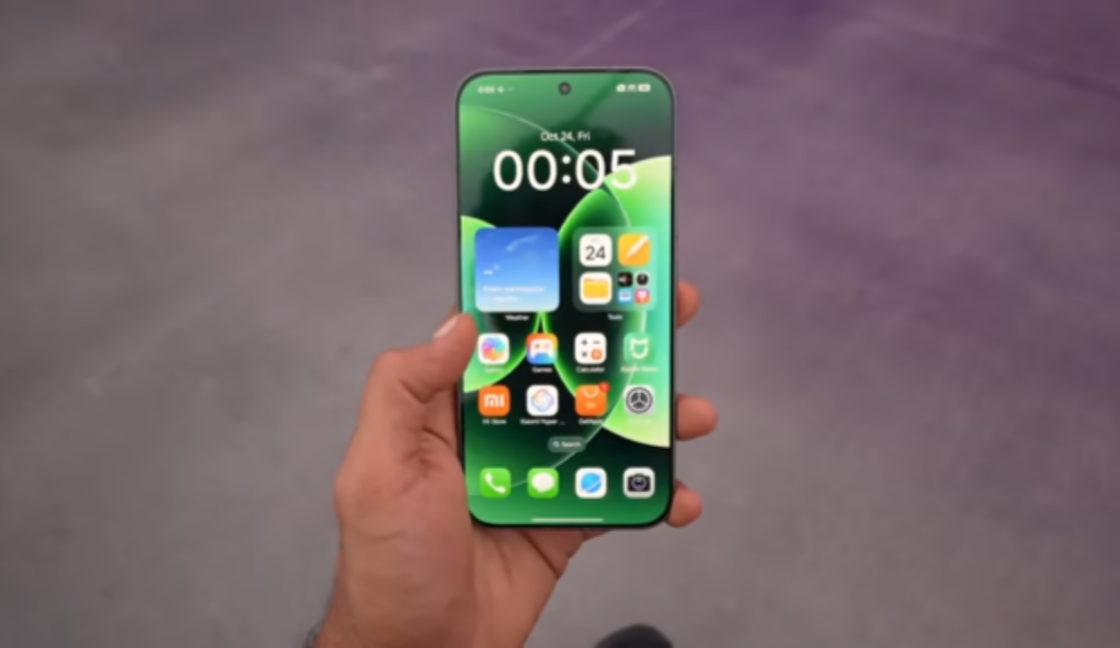 LTPO displays dynamically adjust refresh rate to save battery without sacrificing smoothness.
Peak brightness is more important than most people realize. Recent Xiaomi flagships have exceeded 2000 nits, which directly impacts outdoor usability.
Color accuracy matters too. Xiaomi typically offers multiple color profiles:
- Vivid
- Saturated
- Natural / Accurate
A good test: switch to the most “accurate” mode. If colors look slightly muted, that’s actually a sign of proper calibration—you can always increase saturation later.
In a dark room, test a dark-themed UI:
- Blacks should be completely black
- No gray glow
- No uneven lighting
AMOLED displays should disappear into darkness.
Processing Power: The Brain Behind the Beauty
The Xiaomi 17 Pro Max will almost certainly use Qualcomm’s latest Snapdragon flagship chipset, following Xiaomi’s long-standing pattern with Pro and Ultra models.
But raw benchmark scores don’t matter nearly as much as sustained performance.
What actually matters:
- Does the phone throttle after 15–20 minutes of gaming?
- Does it heat up during 4K video recording?
- Can it maintain performance without becoming uncomfortable to hold?
Thermal management is critical here. Xiaomi uses:
- Vapor chambers
- Graphite layers
- Multi-layer heat dissipation systems
These aren’t buzzwords—they directly affect long-term performance stability.
The AI processing unit (NPU) also plays a growing role:
- Faster photo processing
- Real-time HDR
- On-device AI features
- Lower battery drain for smart features
Battery Life: The Make-or-Break Feature
No flagship experience matters if the phone can’t last a full day.
Based on Xiaomi’s recent designs, expect a battery around or above 5000mAh, paired with aggressive power optimization and LTPO efficiency.
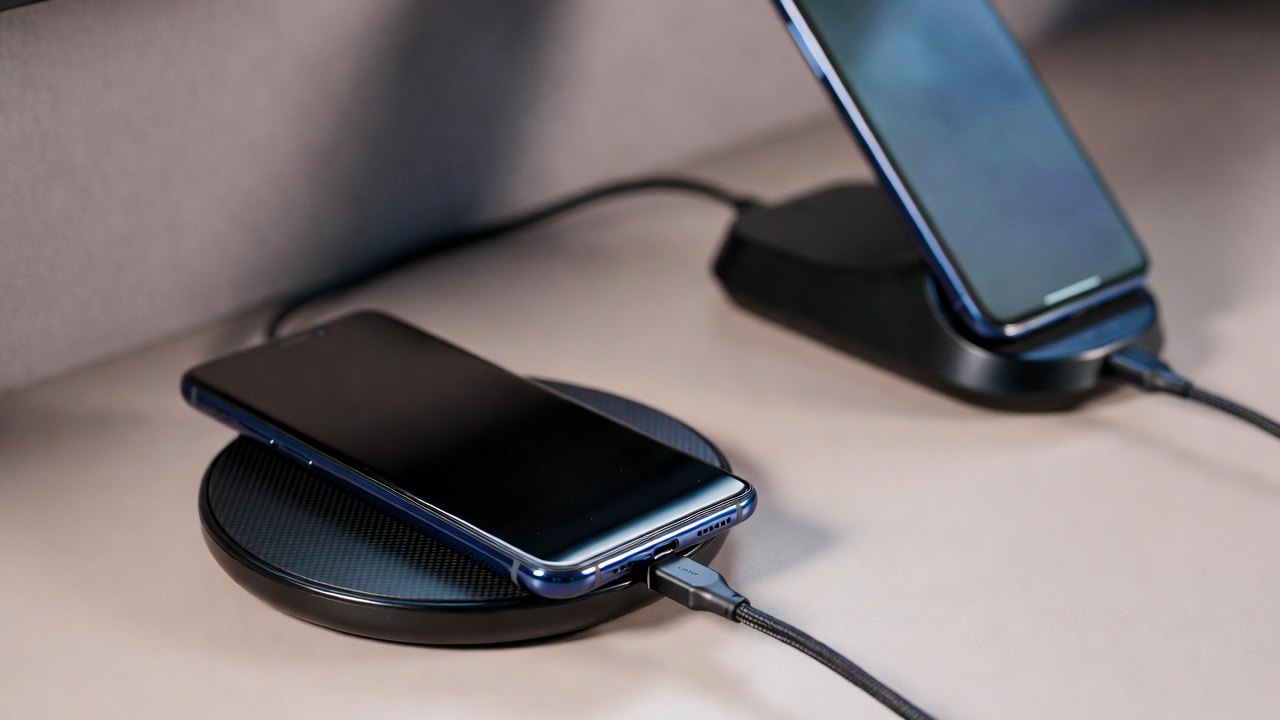 Fast charging is convenient, but battery health management matters long-term.
Xiaomi leads the industry in fast wired charging, often reaching 120W on Pro models. That can mean a full charge in under 20 minutes—but fast charging also generates heat.
What to look for:
- Optimized overnight charging
- Temperature-based charging control
- Optional charge limits (e.g., 80%)
Wireless charging and reverse wireless charging are practical extras that become surprisingly useful when traveling or using accessories.
Build Quality and Design: The First Impression That Lasts
A Pro Max phone should feel premium.
Pay attention to:
- Glass quality and fingerprint resistance
- Frame material and rigidity
- Weight balance
- Button tactility
IP68 water and dust resistance should be standard at this level. It’s not just about accidents—it’s peace of mind over years of use.
Haptics matter more than people admit. A precise vibration motor makes:
- Typing more satisfying
- Notifications less annoying
- The entire device feel more refined
The Software Experience: Where Hardware Meets Reality
Xiaomi’s Android skin (formerly MIUI, now HyperOS) has improved significantly in recent generations.
Things to evaluate:
- Amount of pre-installed apps
- Ability to uninstall bloatware
- Notification behavior
- Background app management
Update commitment matters long-term. Xiaomi’s recent flagships have offered multiple Android version updates and extended security patches, which is essential for a device at this price.
Customization is a strength:
- Themes
- Always-on display options
- Icon packs
- Lock screen personalization
The key is balance—customization shouldn’t come at the cost of smoothness or battery life.
The Verdict: Who Should Actually Buy the Xiaomi 17 Pro Max?
Don’t buy this phone based on specs alone.
If possible, spend at least 30 minutes with it:
- Take photos indoors and outdoors
- Test brightness in sunlight
- Switch between apps
- Feel the heat under load
This phone makes the most sense if you:
- Care deeply about mobile photography
- Want top-tier display quality
- Use your phone heavily throughout the day
- Value fast charging and premium build quality
You might want to look elsewhere if you:
- Prefer compact phones
- Want stock Android with minimal customization
- Rarely use advanced camera features
The Xiaomi 17 Pro Max doesn’t need to be perfect—it needs to be right for you. And figuring that out means looking past marketing slides and understanding how these features actually behave in daily life.
That’s the real evaluation this phone deserves.
Frequently Asked Questions
How much RAM do I actually need in the Xiaomi 17 Pro Max?
For most users, 12GB is more than sufficient for smooth multitasking and demanding apps. The quality of RAM management matters more than raw capacity. If you’re a power user who regularly runs heavy games, video editing apps, and dozens of browser tabs simultaneously, then 16GB provides extra headroom. But honestly? The average person won’t notice a meaningful difference between 12GB and 16GB in daily use—it’s Xiaomi’s software optimization that’ll make or break your experience.
Is the camera system really as good as flagship phones from Samsung or Apple?
The Xiaomi 17 Pro Max’s camera system can absolutely compete with top-tier flagships, especially in well-lit conditions. The large primary sensor captures stunning detail and handles low-light situations impressively. However, consistency matters—while Xiaomi has made huge strides in computational photography, Apple and Samsung still edge ahead in video stabilization and cross-camera color consistency. If photography is your top priority, test all three brands side-by-side with your typical shooting scenarios before deciding.
How long will the battery actually last with normal use?
With moderate use—social media browsing, messaging, occasional photos, and streaming—you’re looking at a full day with 20-30% remaining by bedtime. Heavy users who game, shoot lots of video, or stream content constantly might need a top-up by evening. The LTPO display’s adaptive refresh rate helps significantly. What really impresses is the charging speed: even if you do run low, 15-20 minutes on the charger gets you through the rest of your day.
Does the phone get hot during gaming or video recording?
Some heat is normal with intensive tasks, but excessive heating is a red flag. The Xiaomi 17 Pro Max likely includes vapor chamber cooling, which helps manage thermals during extended gaming sessions or 4K video recording. Most users report warmth but not uncomfortable heat. If you’re planning marathon gaming sessions, test the device with your favorite games for at least 30 minutes to see how it handles sustained performance before buying.
Is MIUI difficult to use if I’m coming from stock Android or iOS?
MIUI has a learning curve, especially if you’re switching from iOS or clean Android. The interface is heavily customized with additional features, gesture controls, and settings menus organized differently. The upside? Once you learn it, MIUI offers incredible customization options. The downside? It can feel bloated initially, and you’ll need to disable some pre-installed apps. Give yourself a week to adjust—most people either love the flexibility or find it unnecessarily complex.
How durable is the phone? Should I use a case?
With glass front and back, the Xiaomi 17 Pro Max is beautiful but fragile. IP68 water resistance protects against accidental spills and rain, but drop protection is another story. The glass can crack from waist-height drops onto hard surfaces. I always recommend a slim case—it preserves the phone’s aesthetics while adding crucial protection. A screen protector is wise too, especially if you keep your phone in pockets with keys or coins.
Will I receive regular software updates?
Xiaomi has improved their update commitment, typically promising 3-4 years of major Android updates and 4-5 years of security patches for flagship models. However, updates often roll out later than Google Pixels or Samsung flagships. If having the absolute latest Android version immediately is crucial to you, this might be frustrating. For most users, the delay is manageable, and you’ll still receive important security updates promptly.
Is the fast charging safe for long-term battery health?
Ultra-fast charging (120W+) generates more heat, which can theoretically degrade battery health faster than slower charging. However, Xiaomi implements smart charging features—temperature monitoring, overnight slow charging, and battery health optimization. Using these features and occasionally charging at slower speeds (even just using a standard 20W charger overnight) can help extend your battery’s lifespan. Most users won’t notice significant degradation within the first 2-3 years.
Can the camera really replace a dedicated camera for photography enthusiasts?
For casual photography and even serious hobbyists, absolutely. The large sensor, computational photography, and versatile lens setup handle most situations beautifully. You’ll get Instagram-worthy shots and prints up to medium sizes without issue. However, professional photographers will still want dedicated cameras for maximum control, RAW processing flexibility, interchangeable lenses, and superior low-light performance. Think of it this way: it’s the best camera you’ll always have with you.
Is the Xiaomi 17 Pro Max worth the flagship price?
This depends entirely on your priorities and budget. The Xiaomi 17 Pro Max typically costs less than equivalent Samsung or Apple flagships while offering comparable (sometimes superior) specs. You’re getting excellent hardware, a versatile camera system, and flagship performance. The trade-offs? MIUI isn’t for everyone, resale value tends to be lower than Apple, and you might wait longer for software updates. If you value specs-per-dollar and don’t mind MIUI’s quirks, it’s absolutely worth considering. If ecosystem integration (iCloud, iMessage, etc.) matters more, stick with your current platform.
Opinions Topics you can dive into:
Balatro Vs Luck be a Landlord 2026 Offline Showdown


Comments 0
Leave a comment