Table of Contents
Open Table of Contents
- Overview
- Quick comparison
- 1. Huawei nova 15 Max — the battery-first outlier
- 2. Huawei nova 15 Ultra — silicon-carbon in a near-flagship shell
- 3. Huawei Mate 80 Pro — the flagship that won’t quit
- 4. Huawei Pura 80 Pro / Ultra — camera-first, battery-solid
- 5. Huawei Mate 70 Pro — last-gen flagship, still holding up
- FAQ
Overview
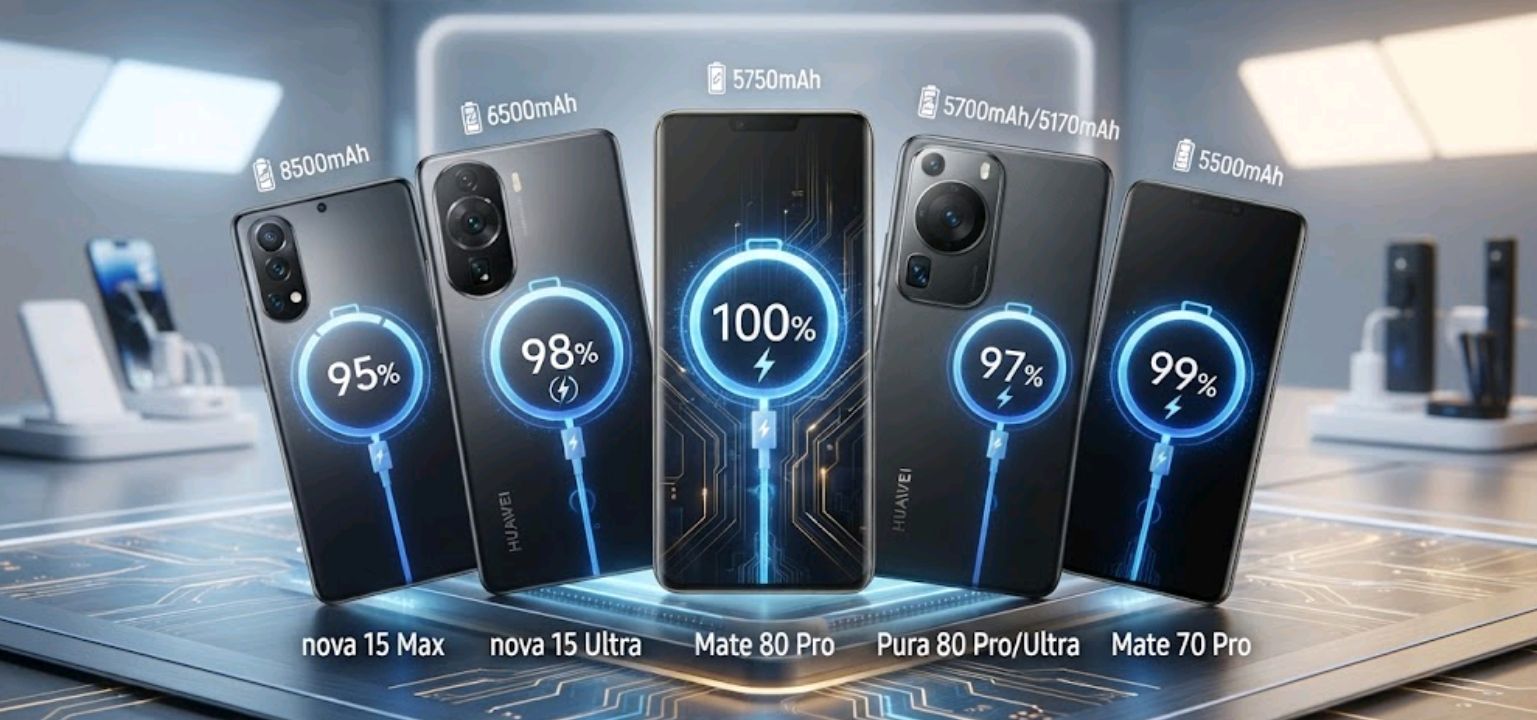
If your phone dies before your workday does, the culprit usually isn’t the chip — it’s the cell sitting under the glass. Huawei has increasingly adopted higher-density battery technology in recent generations, allowing some of its newer phones to carry substantially larger cells without a corresponding increase in thickness.
That matters more in Nigeria than in most markets. Between load-shedding, generator hours, and long commutes without a wall socket nearby, a phone that can stretch a charge from breakfast to the next morning isn’t a nice-to-have — it’s the actual selling point. Below are five Huawei phones, ranked primarily by battery capacity and charging capability, with chipset and display efficiency considered where reliable testing is available — a genuine screen-on-time ranking would need consistent third-party benchmarking across all five, which isn’t available yet. The usual caveat still applies: real-world runway depends heavily on brightness, network conditions, and what you’re actually doing on the phone.
Quick comparison
| Phone | Battery | Charging | Chipset | Best for |
|---|---|---|---|---|
| nova 15 Max | 8,500 mAh | 40W wired | Unconfirmed at time of writing | Buyers who want maximum runway over anything else |
| nova 15 Ultra | 6,500 mAh | 100W wired / 50W wireless | Kirin 9010S | Camera-plus-battery in one mid-range body |
| Mate 80 Pro | 5,750 mAh | 100W wired / 80W wireless | Kirin 9030 | All-round flagship durability and endurance |
| Pura 80 Pro / Ultra | 5,170 mAh rated (global) / 5,700 mAh typical (China) | 100W wired / 80W wireless | Kirin 9020 | Photography-first buyers who still want a full day-plus |
| Mate 70 Pro | 5,500 mAh | 100W wired | Kirin 9010 | Last-gen flagship battery life at a lower entry price |
Battery and charging figures are confirmed against Huawei’s own regional spec pages and GSMArena except where marked otherwise. The Pura 80 Pro and Ultra ship with different rated capacities depending on region — see the Pura 80 section below for why that matters for import buyers. Screen-on time claims in the sections below are limited to what’s independently confirmed; where no reliable test source exists, that’s stated explicitly instead of a specific number.
1. Huawei nova 15 Max — the battery-first outlier
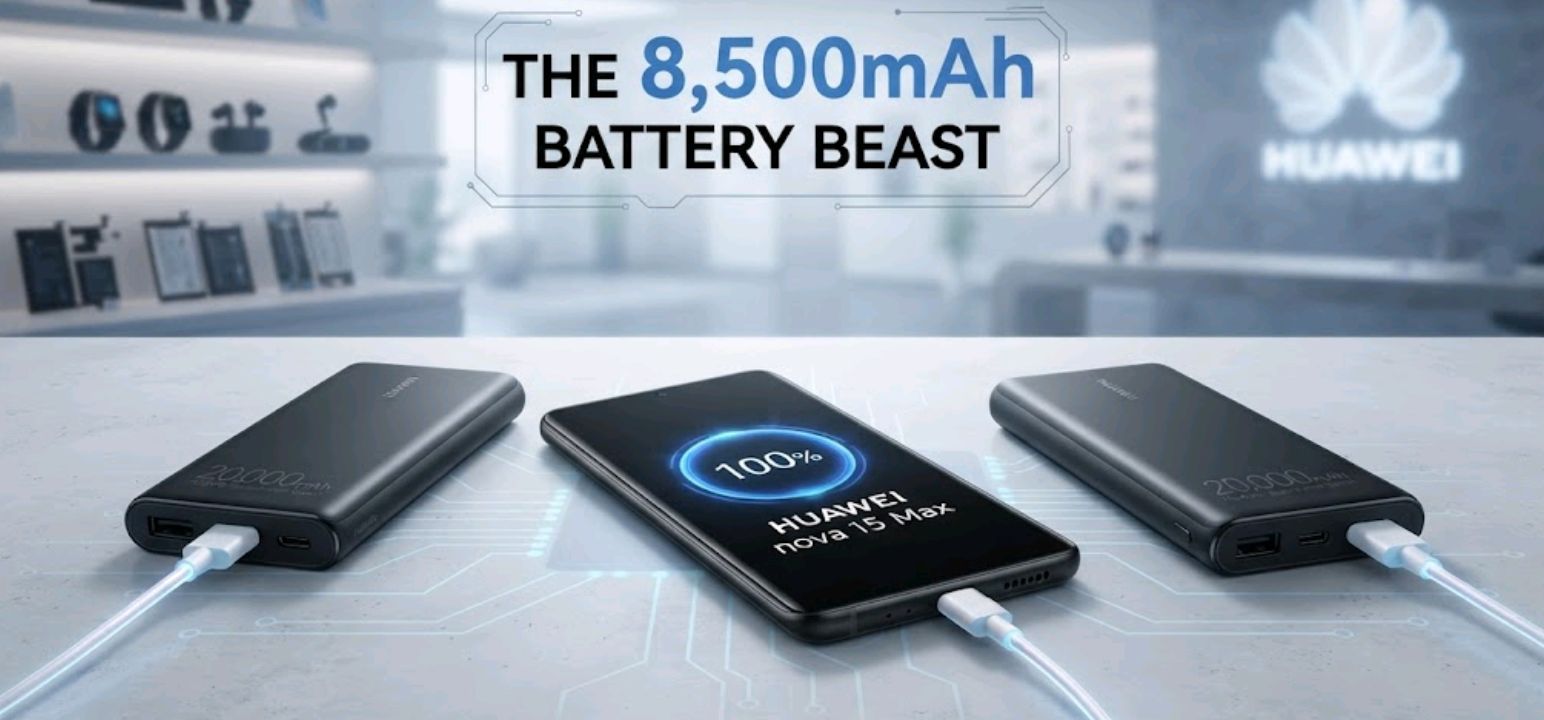
The nova 15 Max doesn’t try to be a flagship. Its defining feature is simple: an 8,500 mAh battery in a mainstream nova-series phone — roughly 30–40% larger than most Android flagships on the market, Huawei’s own included — paired with a fairly modest 8GB of RAM and a 256GB storage ceiling.
Huawei’s own listing claims up to 27 hours of local video playback and up to 48 hours of continuous calling on a single charge, though those are controlled manufacturer figures rather than independent battery tests, so treat them as a ceiling rather than a typical-day estimate.
Confidence note: the 8,500 mAh capacity and 40W wired charging are confirmed on Huawei’s own product listing. Chipset details weren’t fully locked down at the time of writing, since the model is still rolling out regionally — treat that specific spec as provisional until it’s confirmed.
If your priority is a similar oversized cell but you’d rather shop outside Huawei, Honor’s battery-life lineup plays in the same space and is worth cross-checking before you commit.
2. Huawei nova 15 Ultra — silicon-carbon in a near-flagship shell
This is the pick for people who want battery life without giving up a genuinely good camera. The 6,500 mAh cell — reported by some reviewers as silicon-carbon, though Huawei’s own spec page doesn’t confirm the chemistry — sits behind a 6.84-inch LTPO OLED panel and is paired with the Kirin 9010S chipset. Its large capacity gives it unusually strong endurance on paper, although real-world screen-on time varies considerably with brightness, network conditions, and workload — we haven’t run our own tests on this unit, so treat any specific hour figures you see elsewhere as reported, not verified.
It also supports 100W wired charging and 50W wireless charging, giving it plenty of charging headroom when you do need to top up. If 100W charging speed specifically is what you’re shopping for, it’s also worth comparing against Honor’s fast-charging phones, since that’s Honor’s more direct specialty.
3. Huawei Mate 80 Pro — the flagship that won’t quit
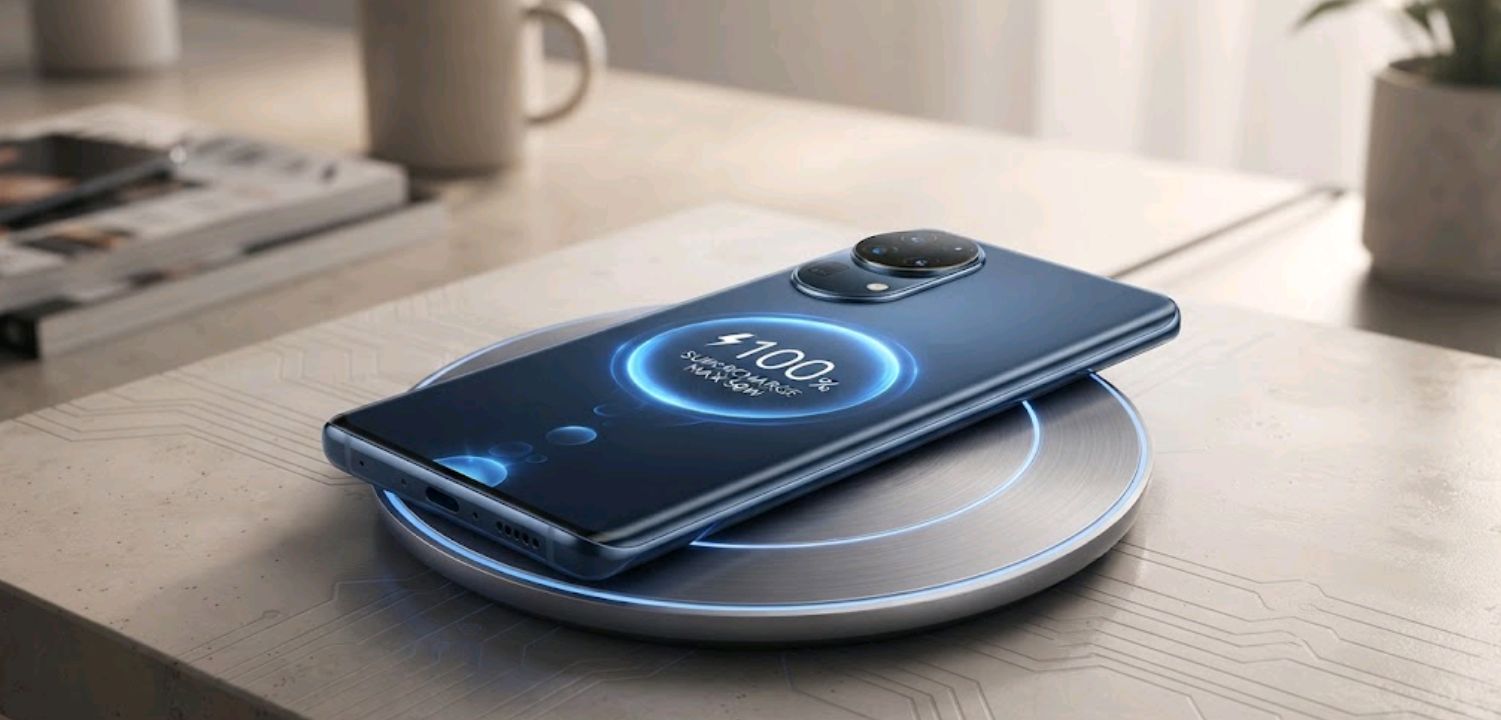
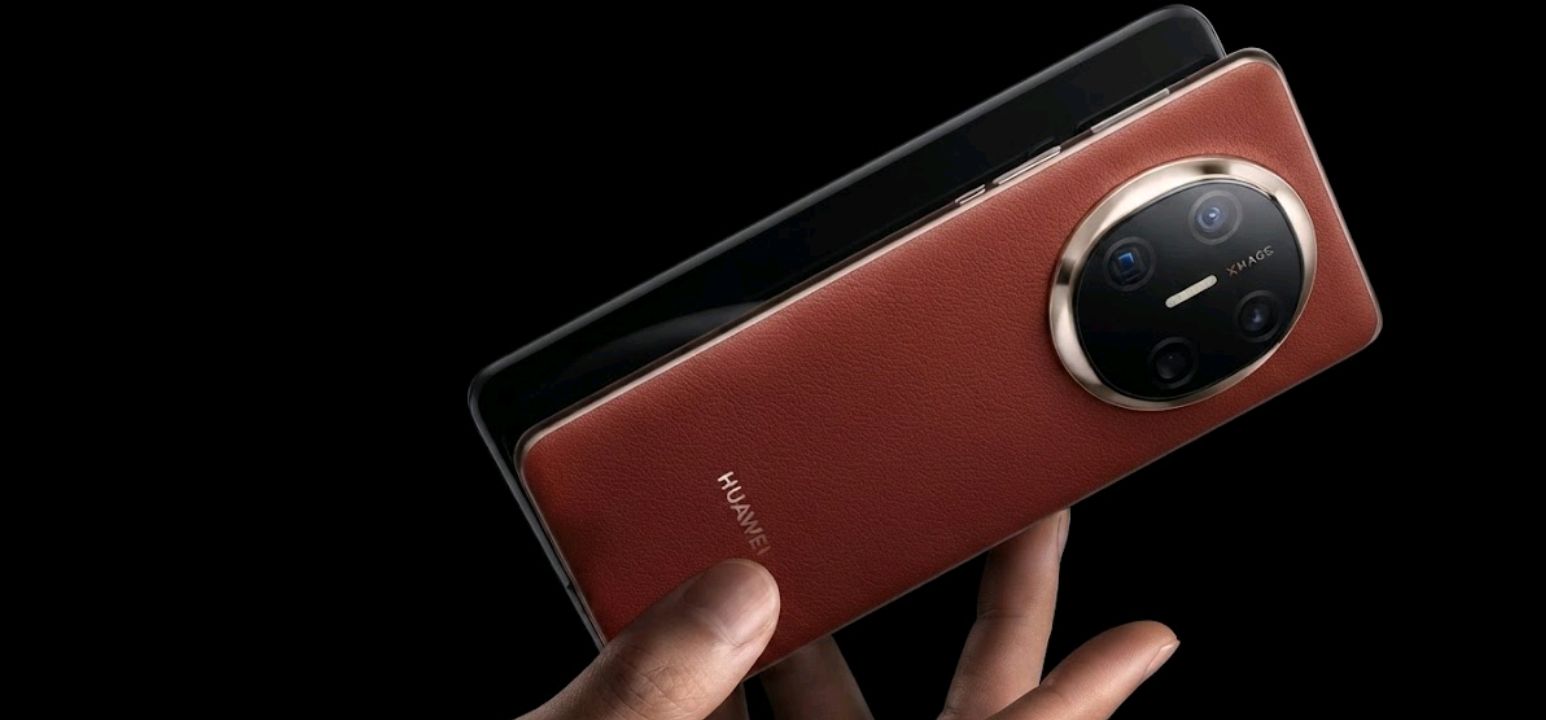
The Mate 80 Pro carries a 5,750 mAh cell — smaller on paper than the two phones above it, but paired with the newer Kirin 9030 chipset and a 120Hz LTPO OLED panel that scales refresh rate aggressively to save power. It’s rated for both 100W wired and 80W wireless charging, and ships with IP68/IP69 durability, which matters if “battery life” for you also means “survives being dropped in a puddle on the way to charge it.”
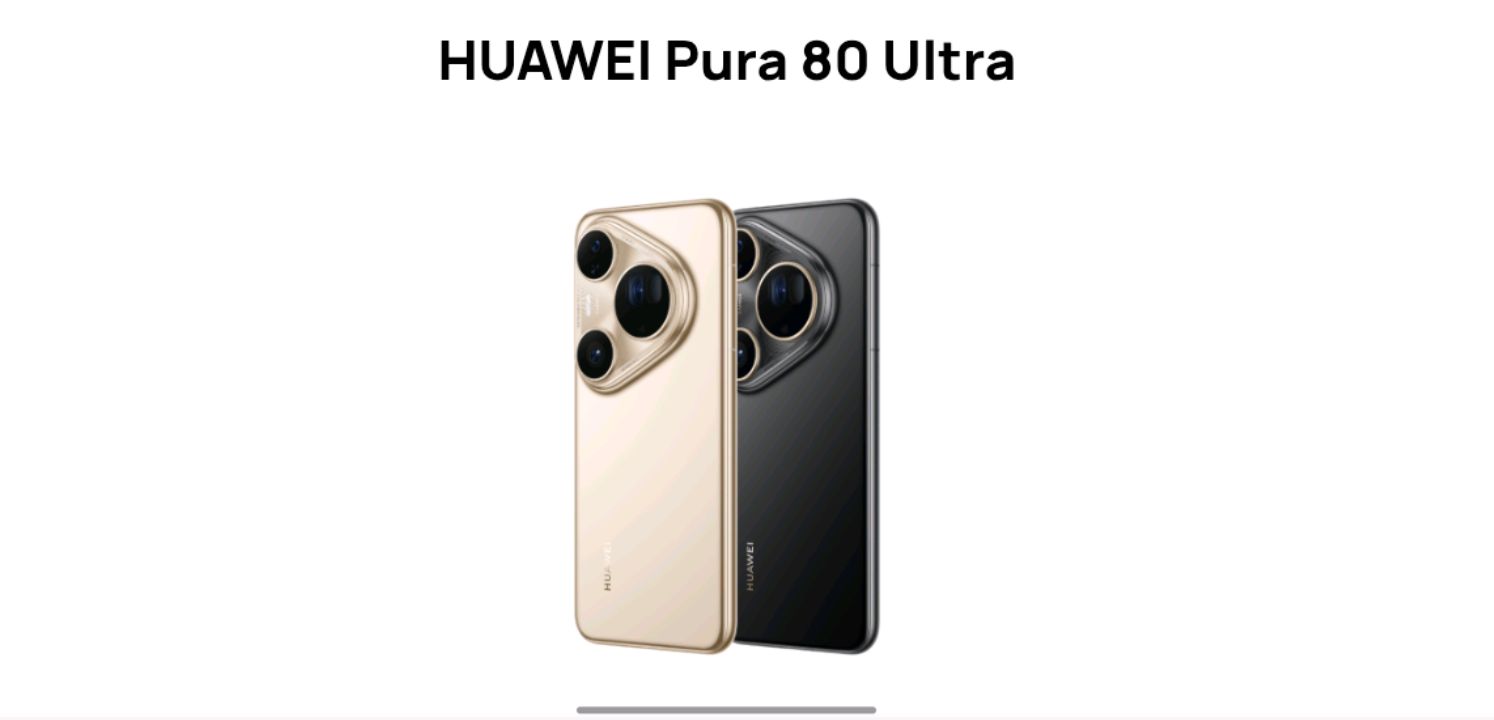
4. Huawei Pura 80 Pro / Ultra — camera-first, battery-solid
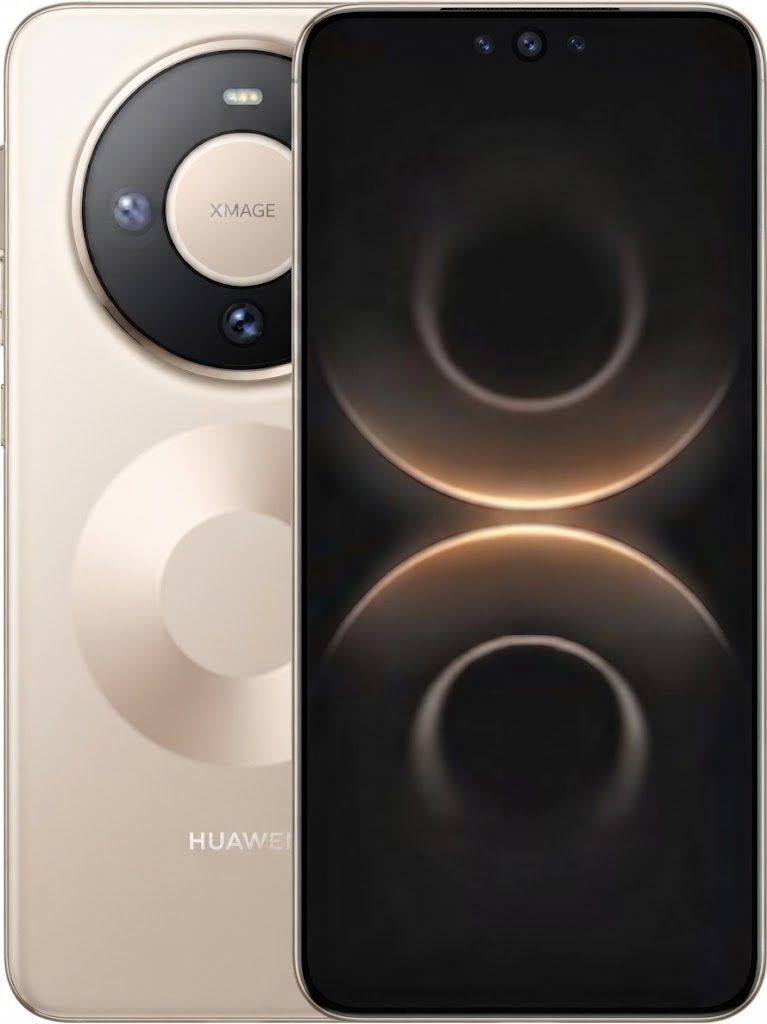
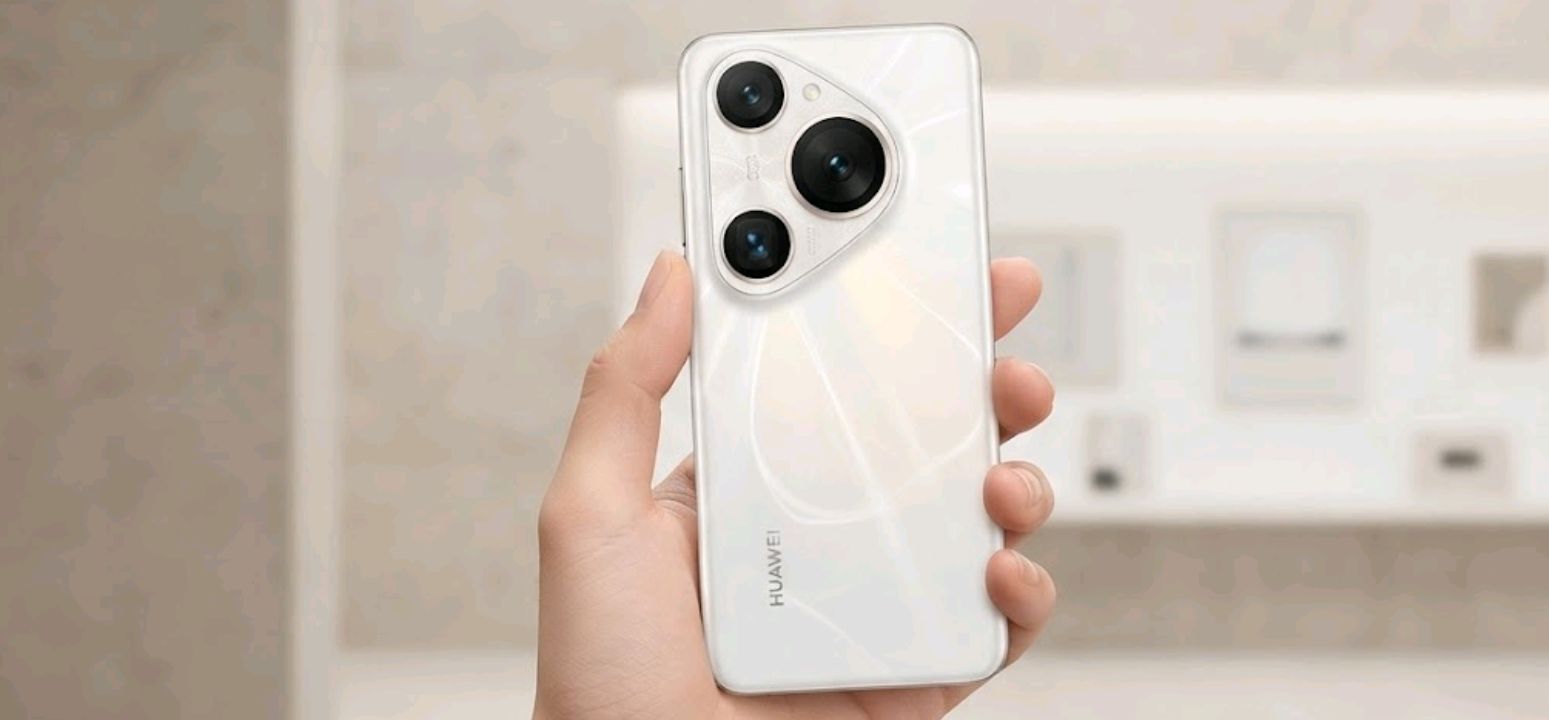
The Pura series exists primarily to sell Huawei’s camera hardware — a 1-inch retractable main sensor on the Ultra is the headline feature — but the battery underneath it is no afterthought, with one important wrinkle for import buyers: capacity differs by region. Huawei’s global spec sheets list a 5,170 mAh rated capacity for both the Pura 80 Pro and Ultra, while the China-market versions carry a larger 5,700 mAh typical (5,580 mAh rated) cell. Since Pura 80 units sold to Nigerian buyers may come through grey-market import channels, it’s worth confirming with the seller which regional variant you’re actually getting before assuming the larger figure applies.
Either version pairs the battery with 100W wired and 80W wireless charging, and gives it a strong chance of lasting through a full day of heavy camera use, depending on brightness, network conditions, and recording time — which is the actual stress test for a phone this photography-focused. If cameras are your main draw rather than pure endurance, our Huawei camera phone guide covers the Pura line in more depth.
For comparison shopping outside Huawei’s ecosystem, POCO’s camera-focused phones sit at a very different price point but are a reasonable check against value.
5. Huawei Mate 70 Pro — last-gen flagship, still holding up
At 5,500 mAh with 100W wired charging, the Mate 70 Pro is now a generation behind the Mate 80 Pro, and it shows in a few areas — an older Kirin 9010 chip, no 80W wireless charging. But the battery capacity itself hasn’t aged, and with prices having dropped since the Mate 80 series launched, it’s arguably the best-value entry point on this list for someone who wants Mate-series build quality and endurance without flagship-launch pricing.
FAQ
Does a bigger mAh number always mean better battery life? Not automatically. Battery testing can show meaningful differences between Huawei phones with similar battery capacities because display technology, chipset efficiency, and software optimization all affect endurance.
What is silicon-carbon battery technology, and does it actually matter? It’s a battery chemistry that replaces some of the graphite in a traditional lithium-ion cell with silicon-carbon composite, which lets manufacturers fit more capacity into the same physical volume. In practice, it’s why recent Huawei and Honor phones can pack 6,000mAh-plus cells into bodies that aren’t noticeably thicker than last year’s 5,000mAh models.
Can I buy these Huawei phones officially in Nigeria? Not through an official Huawei Nigeria retail channel at the time of writing. All five models here are typically sourced through grey-market importers, so pricing and warranty terms vary significantly between sellers — treat any Naira price you see as a starting point for negotiation, not a fixed figure.
Do these phones support Google apps and services? No. Huawei phones released from 2020 onward run without Google Mobile Services, relying instead on HarmonyOS and Huawei’s own AppGallery. Some Google apps are accessible through workarounds or web versions, but this is worth weighing before you buy if you depend heavily on Gmail, Maps, or the Play Store.
Which of these five should most people actually buy? For buyers who want the best balance of battery capacity, charging speed, camera capability, and display quality, the nova 15 Ultra is the strongest all-rounder on this list. Go for the nova 15 Max only if raw battery size is genuinely your only priority.

Comments 0
Leave a comment