Table of Contents
Open Table of Contents
- Overview
- The short answer
- Where each current Pixel model fits
- Why the base Pixel 11 beats the Pro models for typical use
- When the Pixel 10a makes more sense
- Don’t overlook a discounted Pixel 10
- Comparison table: Pixel 11 vs. Pixel 11 Pro
- What about the Pixel 11 Pro Fold?
- Battery life: a common concern across the lineup
- What about buying a Pixel in Nigeria?
- Our Pixel picks at a glance
- Frequently asked questions
Overview
Last updated: August 29, 2026
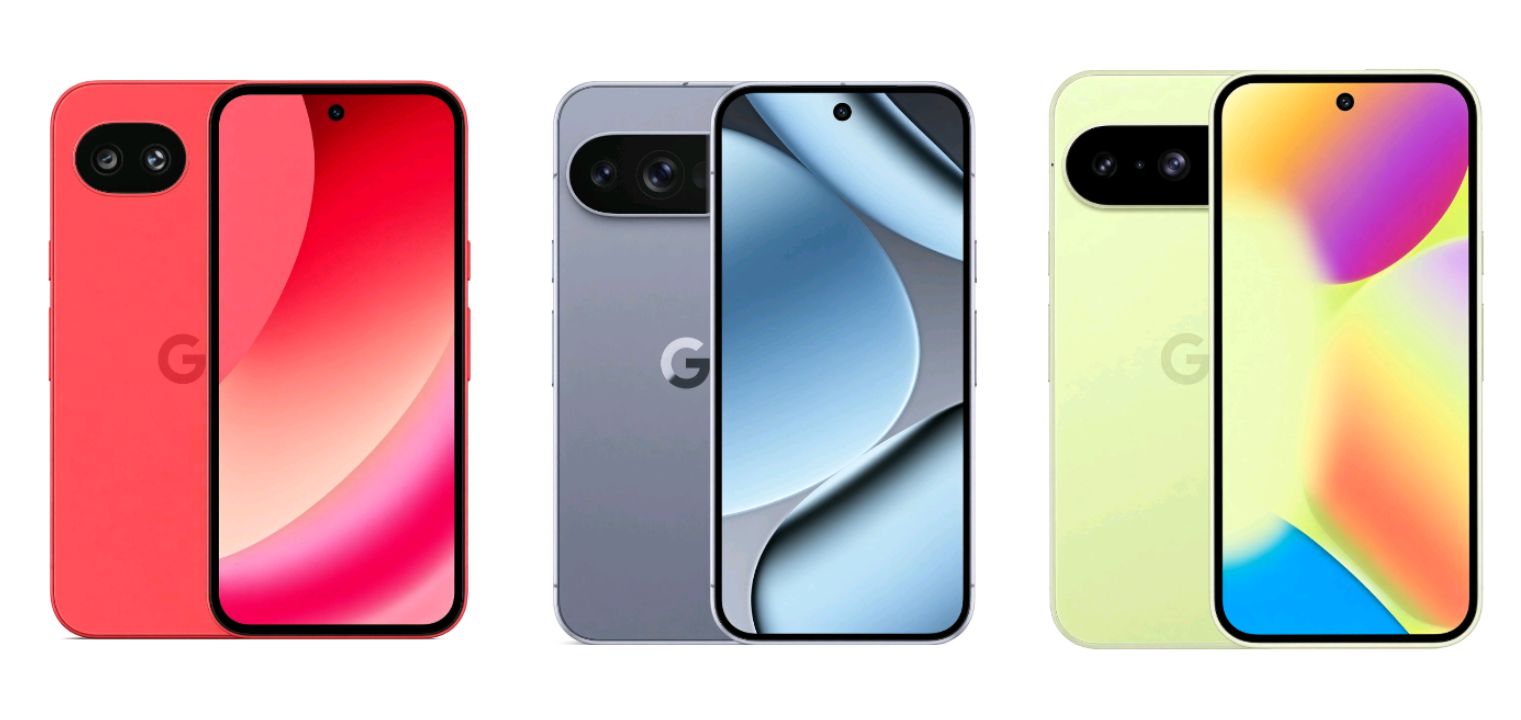
Google’s Pixel lineup used to be simple: one phone, maybe two if you counted the XL. That’s no longer true. As of August 2026, Google’s current phone lineup includes the Pixel 10a, Pixel 10, Pixel 11, Pixel 11 Pro, Pixel 11 Pro XL, and Pixel 11 Pro Fold. The Fold sits in its own category — a folding-screen phone at a steep premium — while the other five are conventional slab phones aimed at different budgets. Picking the “right” one isn’t obvious anymore, and most buying guides just list specs without saying who each phone is actually for.
This guide skips the spec-sheet dump and answers the practical question: if you’re an ordinary buyer who wants a Pixel without overthinking it, which one should you get?
The short answer
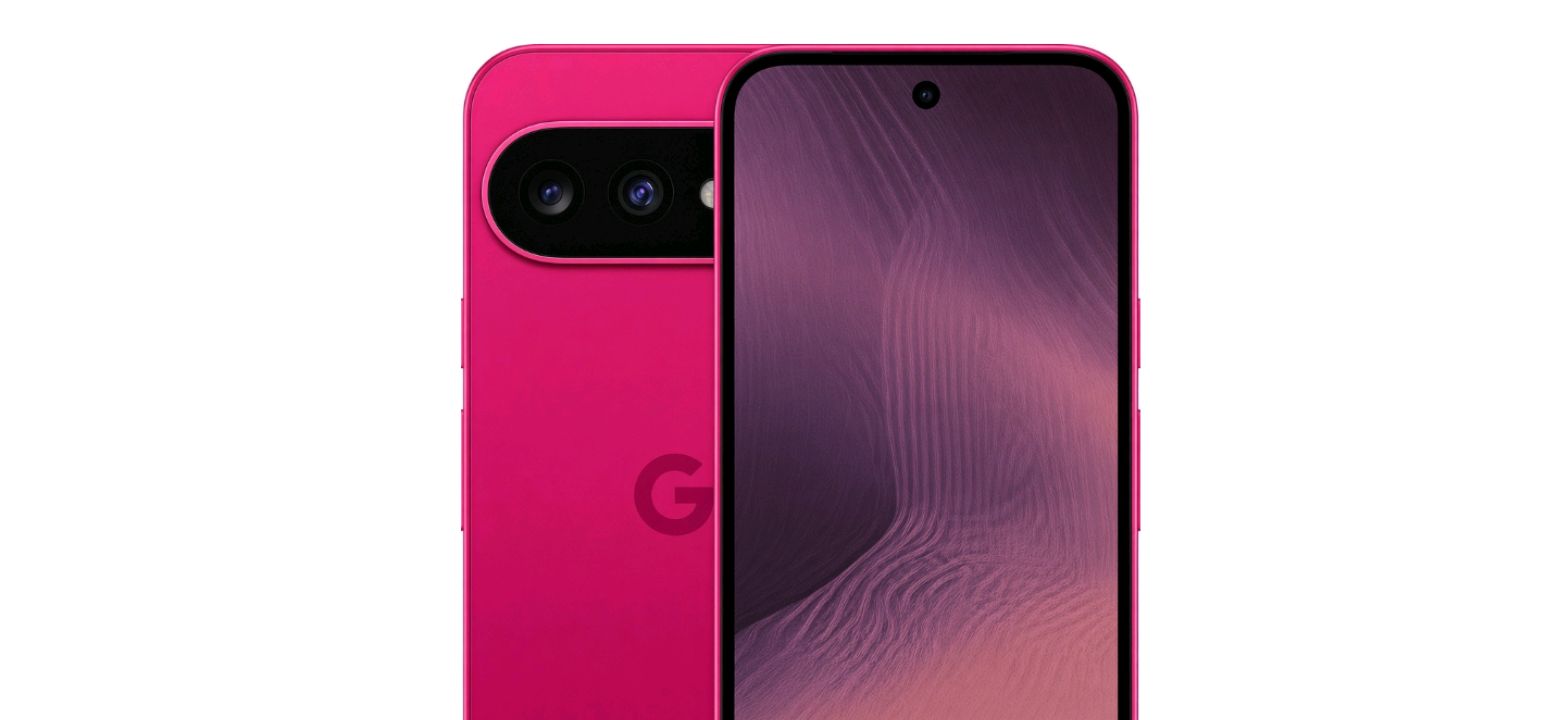
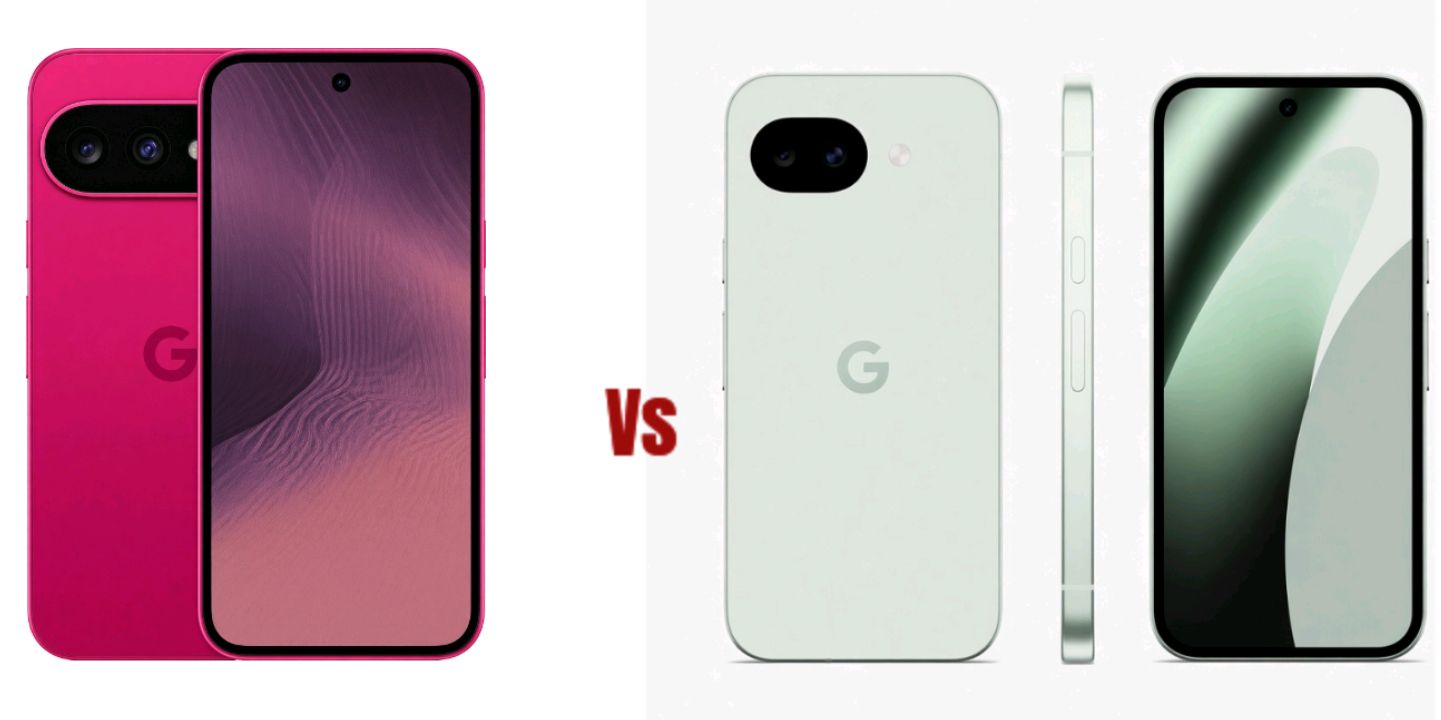
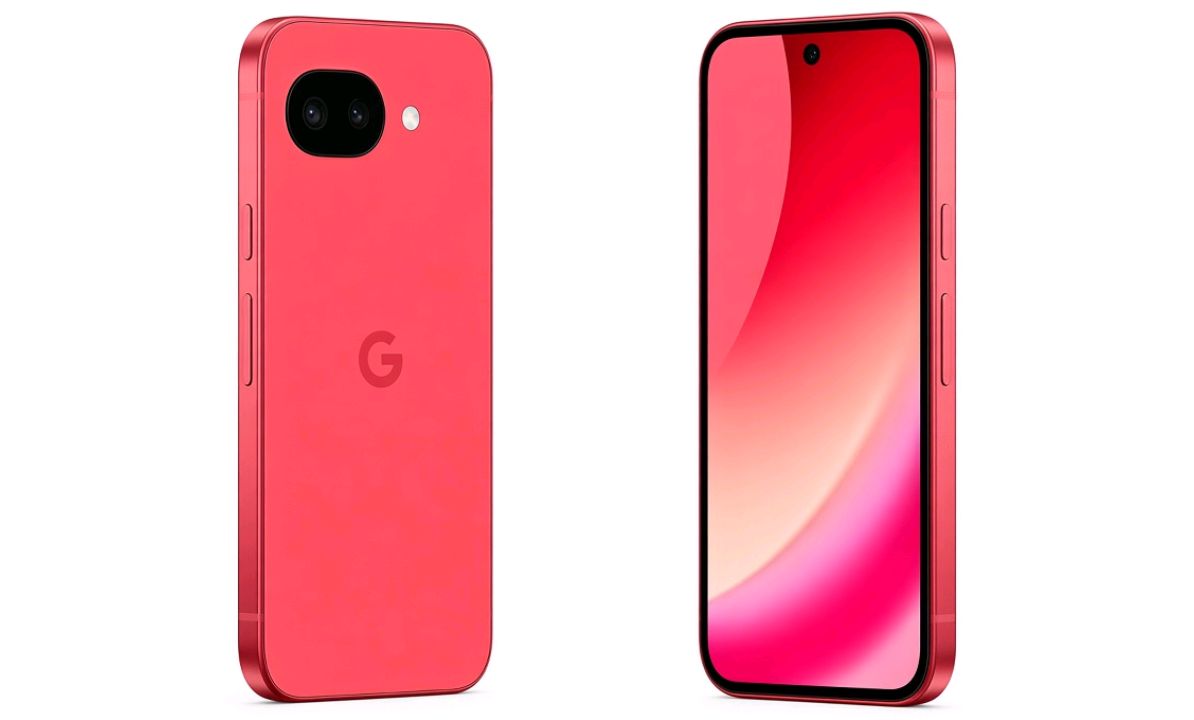
For most people, the standard Pixel 11 is the sensible pick. It carries the new Tensor G6 chip, doubled base storage (256GB instead of 128GB), Gemini-powered camera features like Magic Capture, and Google’s full seven-year update promise, all starting at $899. That’s a real price jump from the Pixel 10’s $799 launch price, but the storage bump and camera improvements make the increase easier to justify than it looks at first glance.
That said, “best for most people” isn’t the same as “best value,” and the two Pixels worth cross-checking before you buy are the Pixel 10a and the outgoing Pixel 10.
Where each current Pixel model fits
| Model | Starting price (US) | Chip | Base storage | Who it suits |
|---|---|---|---|---|
| Pixel 10a | $499 | Tensor G4 | 128GB | Buyers who want core Pixel software and camera behavior on a tight budget |
| Pixel 10 | ~$799 (falling as stock clears) | Tensor G5 | 128GB | Buyers who don’t need this year’s camera zoom or storage bump and can find it discounted |
| Pixel 11 | $899 | Tensor G6 | 256GB | Most buyers — the default recommendation |
| Pixel 11 Pro | $1,099 | Tensor G6 | 256GB | Buyers who want a smaller flagship body with the best cameras |
| Pixel 11 Pro XL | $1,299 | Tensor G6 | 256GB | Buyers who want the largest screen and longest battery life |
Pricing reflects US unlocked list prices reported at launch as of August 2026 and is subject to change with retailer promotions.
Why the base Pixel 11 beats the Pro models for typical use
The gap between the standard Pixel 11 and the Pro tier has widened this generation. The Pro models step up to noticeably larger camera sensors, a brighter LTPO display, 16GB of RAM on the 512GB and 1TB storage tiers (the 256GB entry model matches the base Pixel 11 at 12GB), and Google’s new “HiLight” notification LED. Those are meaningful upgrades for people who photograph distant subjects often or who care about display specs closely — but they aren’t things a typical user notices day to day.
What a typical user does notice is the everyday Pixel experience: clean Android software, Gemini built into the camera and assistant, a capable triple-camera system that Google’s computational photography handles well in most lighting, and long-term update support. The standard Pixel 11 delivers all of that at $200–$400 less than the Pro models.
The real camera gap between the tiers comes down to hardware, not lens count — the Pixel 11 already ships with a telephoto lens, so it isn’t a Pro-only feature this generation:
| Camera | Pixel 11 | Pixel 11 Pro |
|---|---|---|
| Main | 48MP wide | 50MP wide |
| Ultrawide | 13MP | 48MP with Macro Focus |
| Telephoto | 10.8MP, 5x optical | 48MP, 5x optical |
| Max zoom | 30x Super Zoom | 120x Pro Zoom |
| Selfie | 10.5MP | 42MP |
The hardware gap is particularly significant in the main and ultrawide cameras: the Pro uses substantially larger sensors, while both phones retain a 5x telephoto.
If your budget realistically caps around $900, this is the phone to buy without a second thought.
When the Pixel 10a makes more sense
Not everyone needs this year’s chip. The Pixel 10a, launched in March 2026 at $499, runs the previous-generation Tensor G4 — the same chip found in the Pixel 9a — but keeps the same 6.3-inch OLED display, IP68 rating, and core camera software as the flagship line. If Gemini’s newest camera tricks and top-tier zoom aren’t priorities, the 10a covers the essentials at close to half the Pixel 11’s price.
The trade-off is real: slower AI processing than the newer Tensor G6, no dedicated 5x telephoto lens, and older-generation hardware. For a first Android phone, a hand-me-down replacement, or a strict budget, it’s still a defensible choice.
Don’t overlook a discounted Pixel 10
With the Pixel 11 now available, Pixel 10 discounts can make the previous-generation model unusually attractive — though pricing varies by retailer, and the Google Store has shown the Pixel 10 at both its original $799 list price and temporary discounts, so don’t assume a markdown is guaranteed. The Pixel 10 already uses the same basic triple-camera arrangement as the Pixel 11 — wide, ultrawide, and 5x telephoto — although the Pixel 11 gets newer camera hardware. Both phones carry Google’s seven-year update commitment from their respective launch dates, and the Pixel 10 supports up to 55% charging in 30 minutes.
What you’re really paying the extra $100 for with the Pixel 11 is 256GB of base storage instead of 128GB, the newer Tensor G6, a larger and more light-sensitive main camera sensor, and Qi2.2 wireless charging instead of the Pixel 10’s slower wireless spec. If the Pixel 10 drops to somewhere around $599–$699, it becomes a genuinely strong alternative to the $899 Pixel 11 for anyone who doesn’t need the extra storage. At $799 or close to it, the Pixel 11’s newer hardware and additional storage make the $100 gap easier to justify.
For phones outside Google’s lineup at a similar budget tier, our breakdown of OnePlus phones with the best battery life in 2026 is worth a look if all-day battery matters more to you than computational photography.
Comparison table: Pixel 11 vs. Pixel 11 Pro
| Spec | Pixel 11 | Pixel 11 Pro |
|---|---|---|
| Display | 6.3” OLED, 1–120Hz | 6.3” LTPO OLED, 1–120Hz, up to 3,600 nits peak |
| Chip | Tensor G6 | Tensor G6 |
| RAM | 12GB | 12GB (256GB tier); 16GB on 512GB/1TB |
| Rear cameras | 48MP main, 13MP ultrawide, 10.8MP 5x telephoto | 50MP main, 48MP ultrawide, 48MP 5x telephoto |
| Max zoom | 30x Super Zoom | 120x Pro Zoom |
| Selfie camera | 10.5MP | 42MP |
| Wired charging | Up to 55% in 30 min (30W PPS) | Up to 55% in 30 min (30W PPS) |
| Wireless charging | Qi2.2, up to 25W | Qi2.2, up to 25W |
| Starting price | $899 | $1,099 |
Specs sourced from Google’s official Pixel 11 and Pixel 11 Pro spec pages, current as of August 2026.
What about the Pixel 11 Pro Fold?
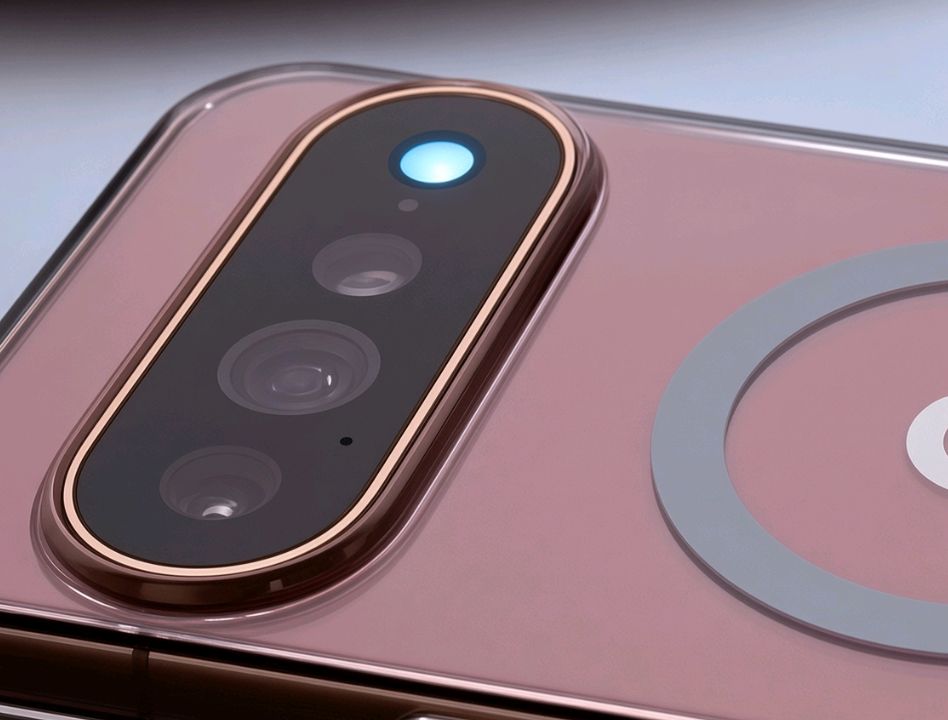
The Pixel 11 Pro Fold, starting at $1,899, is a different category of purchase entirely — it’s for buyers who specifically want a folding screen and are willing to pay a substantial premium and accept a smaller external battery than the non-folding Pro models. It’s not a “most people” recommendation, but it’s worth flagging one practical difference: the Pixel 11, Pixel 11 Pro, and Pixel 11 Pro XL are eSIM-only in the US, while the Pixel 11 Pro Fold keeps a physical Nano SIM slot alongside eSIM. That matters specifically for buyers who travel often and prefer swapping a physical local SIM over juggling eSIM profiles.
If your interest in a larger, more versatile screen is really about multitasking and media rather than the folding form factor, it’s worth comparing against which OnePlus phone you should buy in 2026 before committing to fold pricing.
Battery life: a common concern across the lineup
Battery anxiety is one of the most repeated complaints about Pixel phones historically. Google rates all three non-folding Pixel 11 models for 30-plus hours of battery life, up from the Pixel 10’s 24-plus hour claim. On wired charging, the Pixel 11 and Pixel 11 Pro can reach up to 55% in about 30 minutes with a 30W PPS charger, while the larger-battery Pixel 11 Pro XL reaches up to 75% in the same window with a 45W charger — the Pro XL genuinely charges faster despite holding more total capacity. Whether Google’s 30-hour claim holds up in daily mixed use is something only sustained independent testing over the coming months will confirm; treat it as an optimistic ceiling rather than a guaranteed result.
If battery longevity is your main deciding factor between brands, our comparison of POCO phones with strong battery life in 2026 shows how a budget-focused Android brand approaches the same problem differently — often with simply bigger cells rather than smarter charging.
What about buying a Pixel in Nigeria?
Everything above reflects US Google Store pricing, and that’s worth flagging directly: Pixel phones aren’t sold through an official Google Store in Nigeria, so local pricing runs through importers and third-party retailers rather than Google-set MSRP. A few things to weigh before importing or buying a Pixel locally:
- Expect a markup over US pricing. Import duties, shipping, and retailer margins typically push Nigerian street prices well above the US dollar figures quoted in this guide — get a current local quote before assuming the US price applies.
- eSIM-only models need checking against local carrier support. The Pixel 11, Pixel 11 Pro, and Pixel 11 Pro XL don’t have a physical SIM tray in their US configuration, so confirm eSIM provisioning with your Nigerian carrier before buying one of these three models specifically.
- Warranty coverage can be region-dependent. Before importing a US Pixel, check Google’s current warranty and repair coverage for that specific model and country rather than assuming local service will be available.
- Software and update support should be unaffected. Pixel’s seven-year OS and security update commitment isn’t tied to country of purchase, so an imported unit keeps the same update timeline as one bought domestically in the US.
If physical SIM flexibility is a dealbreaker locally, the Pixel 11 Pro Fold is the only Pixel 11-series model that keeps one — worth confirming against current local listings before ruling out the rest of the lineup on SIM grounds alone.
Our Pixel picks at a glance
| Category | Pick |
|---|---|
| 🏆 Best for most people | Pixel 11 |
| 💰 Best value | Pixel 10, if discounted to roughly $599–$699 |
| 💵 Best budget | Pixel 10a |
| 📸 Best camera | Pixel 11 Pro |
| 🔋 Best battery / largest screen | Pixel 11 Pro XL |
| 📖 Best foldable | Pixel 11 Pro Fold |
Frequently asked questions
Is the Pixel 11 worth the $100 price increase over the Pixel 10? Mostly yes, because the increase comes with double the base storage (256GB vs. 128GB) and a newer chip, not just a price hike for the same hardware. Buyers who don’t need the storage bump can still find value in a discounted Pixel 10.
Should I wait for a Pixel 11a? Google hasn’t announced a Pixel 11a as of this guide’s publication. Based on the Pixel 10a’s March 2026 launch, an equivalent 2027 model is a reasonable expectation but not a confirmed date.
Is the camera difference between the Pixel 11 and Pixel 11 Pro noticeable in everyday photos? Less than the spec sheet suggests for typical daylight and social-media shots, but it’s a real gap — the Pro’s sensors are larger across all three rear lenses. The difference shows up most in low light, tight zoom, and selfies, where the Pro’s 42MP camera outclasses the base model’s 10.5MP.
Do older Pixel phones like the Pixel 9 still get updates? Google’s update commitments are tied to each phone’s release date rather than the current lineup, so older Pixels remain supported on their own schedule — check Google’s official support page for a specific model’s end date rather than assuming.
Is the Pixel 10a a downgrade from the Pixel 9a? No — the Pixel 10a keeps the same display size and adds IP68 water resistance and a brighter panel, though the core chip generation is unchanged from the 9a.
Buying a budget Android phone instead? Our guide to POCO phones under $200 covers the equivalent value tier on the Xiaomi side.

Comments 0
Leave a comment