Table of Contents
Open Table of Contents
Overview
Google didn’t increase the resolution of the base Pixel 11’s main camera this year — it’s still 48 MP, same as the Pixel 10. What changed is the sensor sitting behind that lens: it grew from 1/2” to 1/1.56”, a jump that can matter more for low-light performance and image quality than simply increasing the megapixel count. That’s the pattern across the whole 2026 lineup — Google spent this generation on sensor size, zoom range, and on-device AI rather than headline numbers, and the upgrades aren’t identical across the base Pixel 11, the Pro, and the Pro XL.
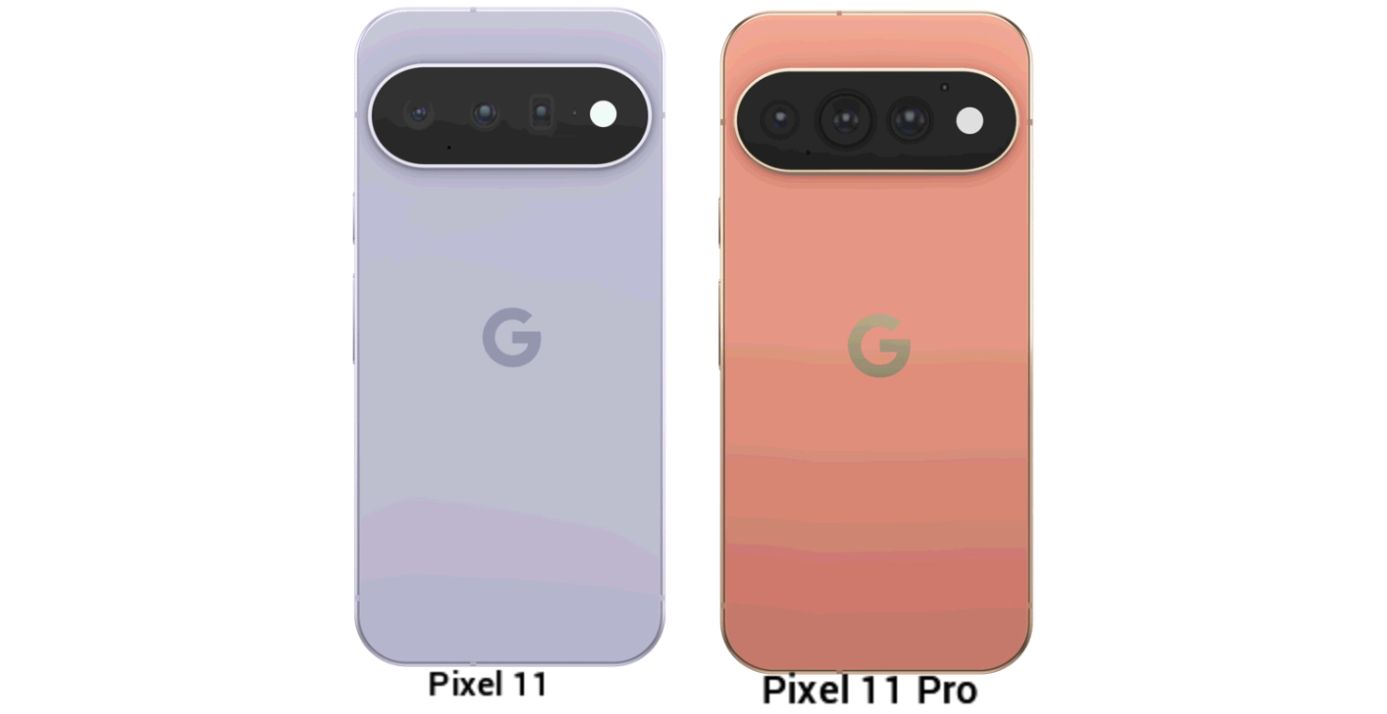
Here’s what actually changed, with the hardware specifications checked against Google’s published specifications rather than early leaks, and whether it’s worth caring about if you’re buying in Nigeria’s grey-market Pixel scene.
Pixel 11 vs Pixel 11 Pro / Pro XL: the camera hardware
The Pro and Pro XL share identical camera hardware — the only differences between those two are screen size and battery capacity, not the cameras. The base Pixel 11 is the one that diverges, and it diverges less than the marketing suggests once you look at the actual numbers.
| Camera | Pixel 11 | Pixel 11 Pro / Pro XL |
|---|---|---|
| Main sensor | 48 MP, f/1.70, 85° FOV, 1/1.56” | 50 MP, f/1.68, 82° FOV, 1/1.3” |
| Ultrawide | 13 MP, f/2.2, 120° FOV, 1/3.1” | 48 MP, f/1.7, 123° FOV, 1/2.51” |
| Telephoto | 10.8 MP, f/3.1, 23° FOV, 5x optical, 1/3.2” | 48 MP, f/2.8, 23° FOV, 5x optical, 1/1.95” |
| Zoom ceiling | Super Zoom to 30x | Pro Zoom to 120x |
| Front camera | 10.5 MP, f/2.2, 95° FOV, autofocus | 42 MP, f/2.2, 103° FOV, autofocus |
The biggest hardware differences are the main and telephoto cameras: the Pro models use a 50 MP, 1/1.3” main sensor and a 48 MP, 1/1.95” telephoto, while the base Pixel 11 keeps its 13 MP ultrawide and 10.8 MP telephoto carried over from last year. The Pro’s ultrawide is also 48 MP with a 1/2.51” sensor and autofocus, but reviewers describe that module as essentially unchanged from the previous generation — the real upgrade sits in the main and telephoto lenses. Google says the Pro’s telephoto sensor is substantially larger than the previous generation’s — that can improve fine detail and noise performance at 5x, particularly in lower light, though a 5x lens also amplifies handshake more than a 1x lens does, so a steady hand or a small grip matters more here than the sensor size alone.
If you’re deciding between generations rather than tiers, our Pixel 10 vs 10 Pro vs 10a comparison is still the more useful read for that decision — see the table below for how the base Pixel 11 actually compares to last year’s Pixel 10.
Pixel 11 vs Pixel 10: what actually changed
| Camera area | Pixel 10 | Pixel 11 | What it means |
|---|---|---|---|
| Main sensor | 48 MP, f/1.70, 82° FOV, 1/2” | 48 MP, f/1.70, 85° FOV, 1/1.56” | Same resolution, meaningfully larger sensor — better low light and detail |
| Ultrawide | 13 MP, f/2.2, 120° FOV, 1/3.1” | 13 MP, f/2.2, 120° FOV, 1/3.1” | Unchanged |
| Telephoto | 10.8 MP, f/3.1, 5x optical, 1/3.2” | 10.8 MP, f/3.1, 5x optical, 1/3.2” | Unchanged |
| Zoom ceiling | Super Res Zoom to 20x | Super Zoom to 30x | Wider digital zoom range on the same optical hardware |
| Chipset | Tensor G5 | Tensor G6 | Faster on-device processing for Magic Capture and Gemini editing |
That table is the honest version of “what’s new” for anyone on a base Pixel 10 deciding whether to upgrade: the main sensor is genuinely bigger, but the ultrawide and telephoto are carried over untouched. If your Pixel 10 photos already look good to you, the Pixel 11 isn’t going to feel like a different camera — it’ll feel like the same camera with slightly better low light.
The AI features doing the actual work
Hardware aside, a lot of what people notice day to day comes from software:
- Instant Night Sight (Pro and Pro XL): Google says the new telephoto sensor has 30% more light sensitivity, helping the Pro models capture better-looking zoomed shots in low light.
- Add Me: merges two shots so the person taking the photo can be dropped into the group frame — a feature Pixel has carried for a few generations, refined further here.
- Pro Zoom / Super Zoom: 120x on the Pro and Pro XL, 30x on the base Pixel 11. Treat anything past 10x as a “confirm it’s there” tool rather than something you’d keep as a photo — that’s true of every phone with zoom this aggressive, not just Google’s.
- Gemini-powered editing: natural-language edit requests, asking for a change instead of dragging sliders, are built into the Pixel Camera and gallery apps across the whole line, not gated to Pro.
How it actually performs
DXOMARK’s published Pixel 11 camera test found fast, reliable autofocus, good detail in bright outdoor and indoor conditions, and effective subject isolation. However, it also noted visible noise in low light, occasional color casts and inaccurate skin tones, along with lower detail from the ultrawide and at close range — showing that the larger main sensor hasn’t eliminated the Pixel 11’s remaining low-light limitations.
GSMArena’s hands-on Pixel 11 review found the base Pixel 11 produces strong daylight results, with good color, contrast and dynamic range, while the limitations become more apparent when pushing the telephoto beyond its native 5x range.
Price and buying it in Nigeria
Google has no official retail presence in Nigeria, so — as with the Pixel 10 series — anything sold locally comes through grey-market importers or platforms like Jiji.ng rather than an authorized Google Store. Google’s own US list price is $899 for the base Pixel 11 and $1,099 for the Pixel 11 Pro; local Naira pricing typically lands well above a straight currency conversion once import costs, exchange-rate movement, and dealer margin are factored in. Rather than judging a listing purely by how close it sits to a dollar conversion, the more useful checks are seller reputation, the phone’s actual condition, and whether there’s a real return window — there’s no local Google support line to fall back on if a unit arrives faulty.
If camera performance matters more to you than brand, it’s worth cross-shopping. Tecno’s 2026 lineup covers a lot of the same buyers at a fraction of the price, and if all-day battery matters as much as the camera does, Vivo’s battery-focused phones are worth a look before you commit to importing a Pixel. On the other end of the price spectrum, our iPhone 18 Pro camera review covers how Apple’s variable-aperture system stacks up against what Google’s doing here, for anyone genuinely torn between ecosystems. And if storage rather than camera is your deciding factor, our Motorola 128GB vs 256GB breakdown and our Redmi vs Xiaomi explainer are useful if you’re weighing a Pixel against a much cheaper Android alternative.
For a full picture of where the Pixel 11 fits against the rest of the current lineup, see our guide to the best Google Pixel phone for most people.
FAQ
Does the base Pixel 11 have the same camera as the Pro? No. The base Pixel 11 and the Pro models use different camera hardware. The base model gets a larger 48 MP main sensor while retaining its 13 MP ultrawide and 10.8 MP telephoto. The Pro and Pro XL get a 50 MP main camera and a new 48 MP, 5x telephoto with a 1/1.95” sensor, alongside a 120x zoom ceiling versus 30x on the base model.
Is the Pixel 11’s zoom actually usable at 120x? Mostly for identifying something at a distance, not for a photo you’d want to keep. Optical quality holds up through the native 5x range on the Pro; everything past that is increasingly digital and increasingly soft.
Is the Pixel 11 camera a big upgrade from the Pixel 10? It’s real but incremental on the base model — mainly the larger main sensor, since the ultrawide and telephoto carry over unchanged. The larger difference this generation comes from the Pro models’ more advanced camera hardware.
Can I buy a Pixel 11 officially in Nigeria? No — Google has no official retail presence in Nigeria, so all Pixel 11 units sold locally are grey-market imports, and pricing and warranty support vary by seller.
Do I need the Pro model for good low-light photos? Not necessarily. The base Pixel 11 still has a larger 1/1.56” main sensor, and DXOMARK found generally accurate exposure and wide dynamic range in low-light scenes, although noise, color casts and skin-tone inaccuracies can appear as lighting gets more difficult. The Pro models have a larger 1/1.3” main sensor and a much larger 1/1.95”, 5x telephoto, giving them more hardware headroom for demanding shots and zoom.

Comments 0
Leave a comment