Table of Contents
Open Table of Contents
- Overview
- Camera differences
- Which camera upgrades matter in everyday use?
- Battery and charging differences
- Which one should you buy?
- Frequently asked questions
- Does the Pixel 10 Pro have a better camera than the Pixel 10?
- Which phone has better battery life, Pixel 10 or Pixel 10 Pro?
- Do both phones charge at the same speed?
- Is the Pixel 10 Pro’s 100x zoom usable?
- Is the Pro worth the extra money for the camera alone?
- Is the Pixel 10 Pro’s front camera better for selfies?
- Related reading
Overview
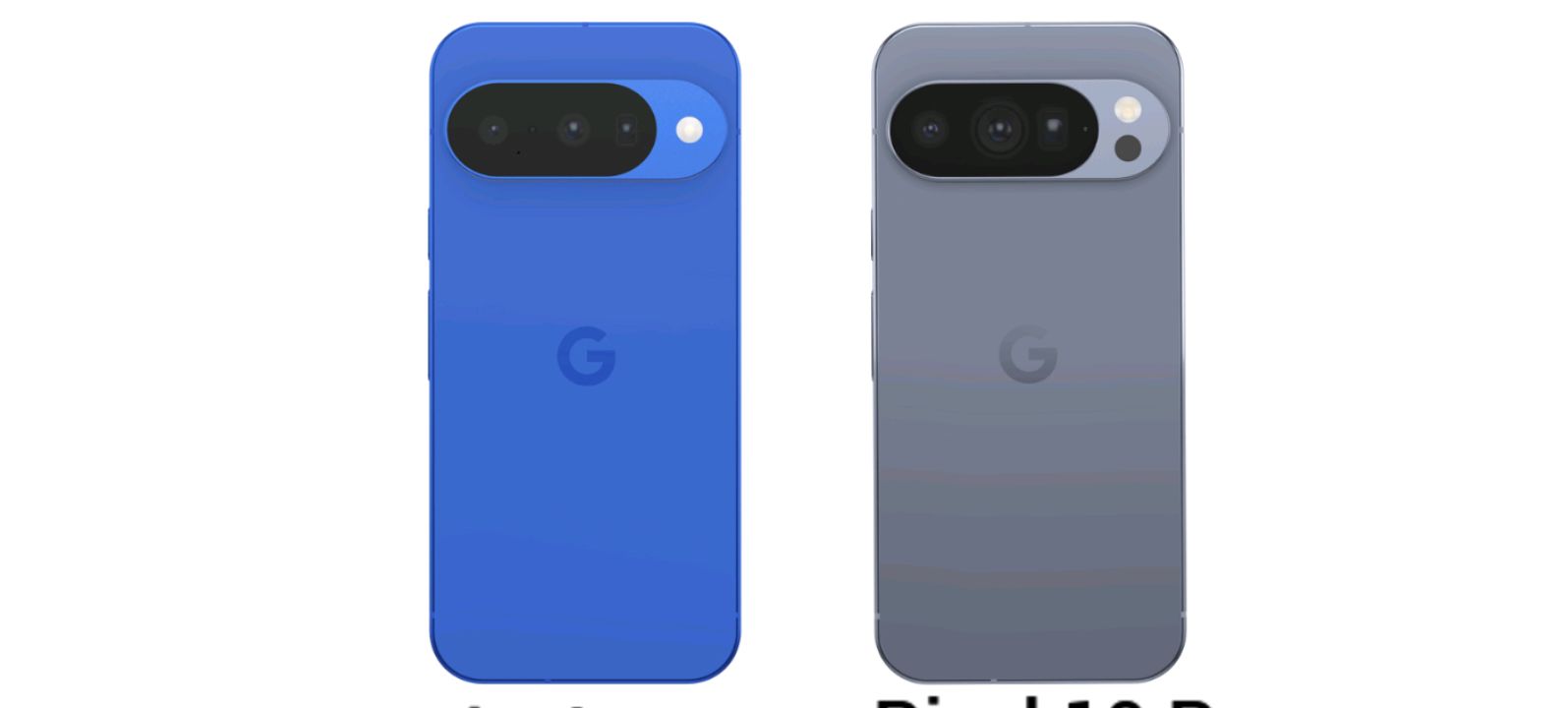
The Google Pixel 10 Pro has better camera hardware than the standard Pixel 10, but it also has a slightly smaller battery. That makes this comparison more interesting than a simple Pro-versus-standard matchup.
The Pro offers a higher-resolution ultrawide camera, a higher-resolution telephoto camera, and a higher-resolution front camera. The standard Pixel 10, meanwhile, has the larger battery. Neither advantage automatically decides which phone is right for you.
This guide compares the camera hardware, Google’s published battery and charging claims, and independent test results to help you decide whether the Pixel 10 Pro’s camera upgrades justify its higher price. For the wider lineup, including the cheaper model, see our Pixel 10 vs 10 Pro vs 10a comparison.
Camera differences
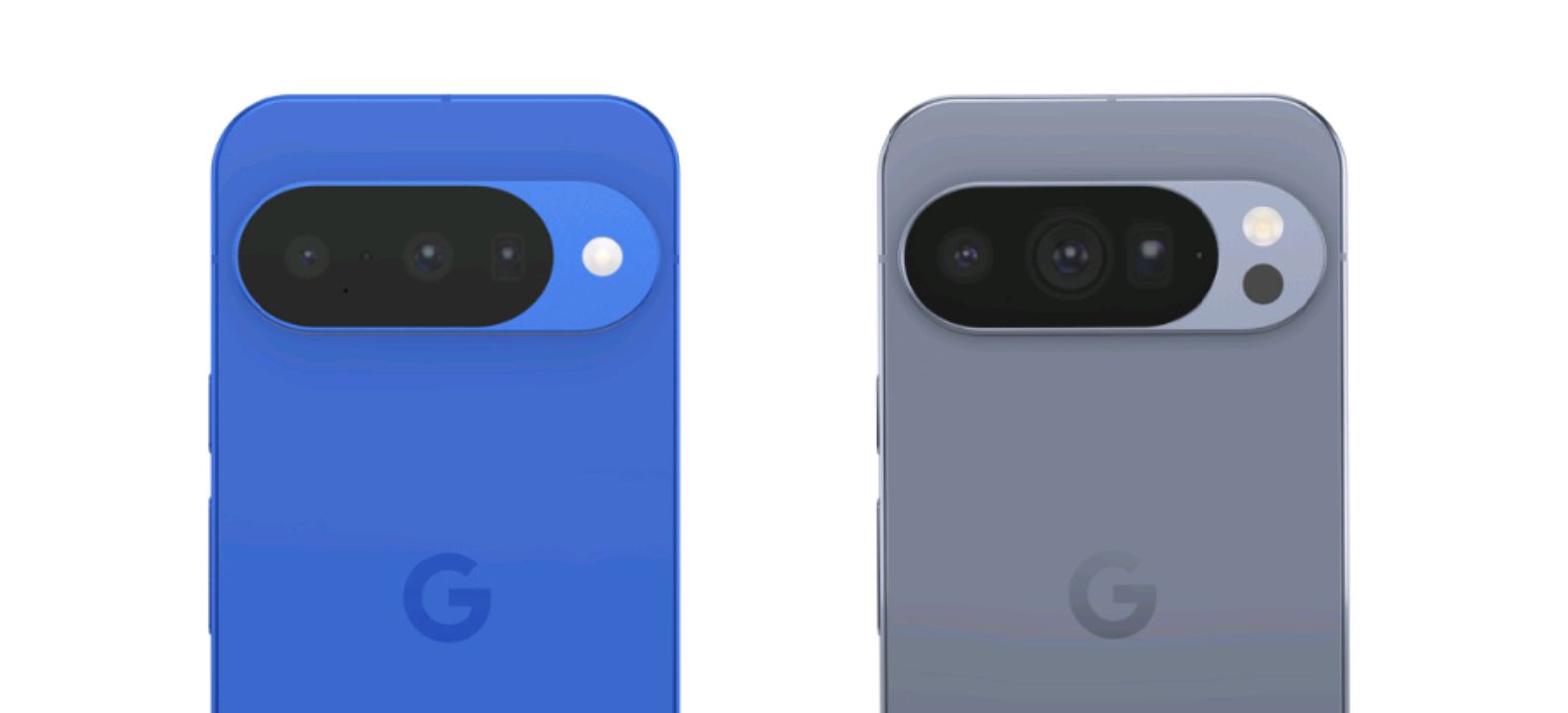
Both phones use a triple rear setup: main, ultrawide, telephoto. The gap sits in the second and third lenses.
| Camera | Pixel 10 | Pixel 10 Pro |
|---|---|---|
| Main | 48 MP, f/1.70, 82° field of view | 50 MP, f/1.68, 82° field of view |
| Ultrawide | 13 MP, f/2.2, 120° field of view | 48 MP, f/1.7, 123° field of view |
| Telephoto (5x optical) | 10.8 MP, f/3.1, 23° field of view | 48 MP, f/2.8, 22° field of view |
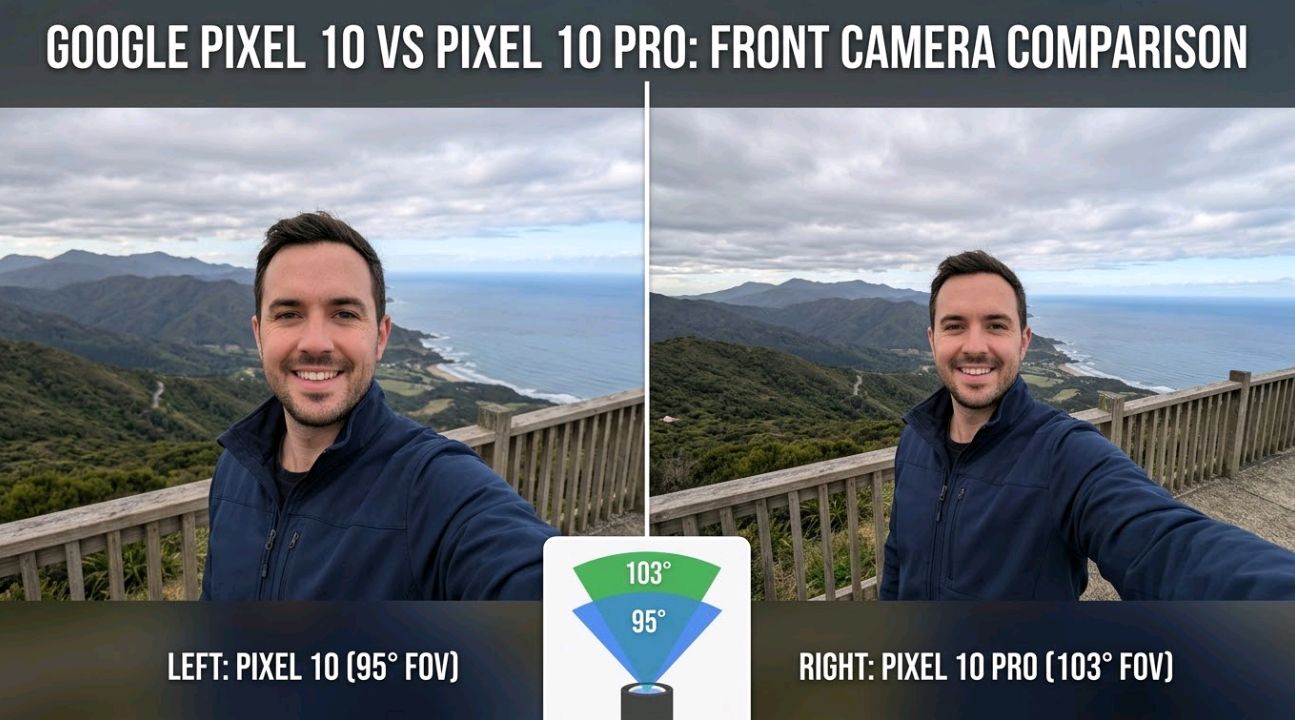
| Front | 10.5 MP, f/2.2, 95° field of view | 42 MP, f/2.2, 103° field of view |
| Zoom (Google’s claim) | Super Res Zoom up to 20x | Pro Zoom up to 100x |
Sources: Google’s Pixel 10 and Pixel 10 Pro spec pages.
Main camera: similar on paper, a small edge for the Pro in tests
The main cameras have broadly similar headline specifications. Google’s image processing also plays a major role in the final result, so the main camera alone may not justify paying more for the Pro. Consider the ultrawide, telephoto, front camera, and additional features when deciding whether the upgrade is worthwhile.
That said, GSMArena’s side-by-side shots gave the Pro a modest advantage here: similar colors, contrast and dynamic range, but better sharpness on distant objects, and a gap that grew in harder lighting such as indoors.
Ultrawide and telephoto: the real hardware gap
The Pixel 10 Pro’s 48 MP ultrawide has a higher-resolution sensor and a wider f/1.7 aperture than the Pixel 10’s 13 MP, f/2.2 camera. That gives the Pro more hardware headroom for capturing detail and working in difficult light. Actual results still depend on processing, focus, exposure, and shooting conditions.
GSMArena’s testing fits that picture. In good light it saw little difference between the two ultrawides, though the Pro focused closer and showed less distortion. In low light the Pro’s ultrawide shots were cleaner and sharper.
The telephoto follows the same pattern. Both reach 5x optical zoom, but the Pro’s sensor has far more resolution and a wider aperture. GSMArena found the Pro’s 5x photos more detailed, sharper and cleaner, and its 2x crops a little better too. Google markets the Pro’s reach as Pro Zoom up to 100x (some earlier launch materials used the name Pro Res Zoom). Treat 100x as a ceiling, because at extreme zoom the phone is reconstructing detail rather than capturing it. Moderate zoom is where the hardware advantage is easiest to justify.
Resolution on paper and results in practice do not always line up. Our Honor 400 camera breakdown is a good example of how a big megapixel number tells only part of the story.
Front camera: wider framing, not a guaranteed quality jump
The Pixel 10 Pro’s 42 MP front camera offers a wider field of view than the Pixel 10’s 10.5 MP camera: 103° against 95° on Google’s spec pages. GSMArena measured the selfie lenses at 18 mm and 21 mm equivalent respectively, and could not spot a difference in selfie quality, even zoomed in. What it did note was that the Pro keeps its sharpness with the wider view. That is useful for group selfies and for keeping yourself in frame while recording, but the megapixel difference alone does not guarantee better-looking selfies.
Extra tools on the Pro
Only the Pro has the Pro shooting mode, which lets you adjust ISO, exposure, shutter speed and similar settings. GSMArena also lists Video Boost and Night Sight video as Pro features, along with 8K recording, which it describes as a bit of a gimmick because it relies on cloud-based upscaling after you shoot. In video generally, it found the Pro a little sharper in daylight and cleaner at night. If you shoot and post straight from the camera app, you may never touch most of this.
Which camera upgrades matter in everyday use?
| Your main use | What to consider |
|---|---|
| Everyday photos and WhatsApp status | The standard Pixel 10 may be sufficient. |
| Distant subjects and 5x zoom | The Pro’s higher-resolution telephoto is worth considering. |
| Group selfies and wider framing | The Pro’s wider front camera is an advantage. |
| Indoor and low-light photography | The Pro showed cleaner results in GSMArena’s low-light ultrawide and telephoto shots. |
| Manual controls and heavier video work | The Pro offers Pro controls and Video Boost. |
| Battery life | Compare measured endurance, not just mAh figures. |
Battery and charging differences
| Battery | Pixel 10 | Pixel 10 Pro |
|---|---|---|
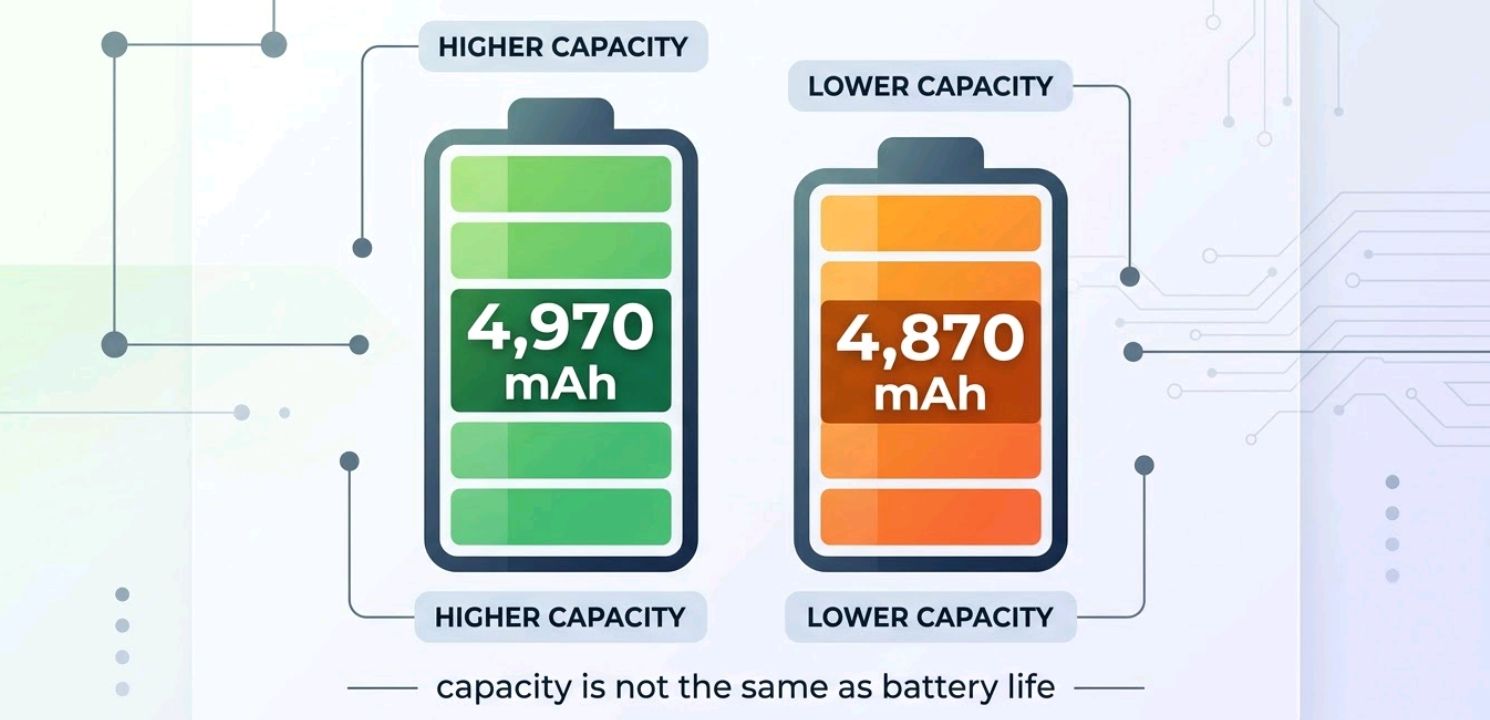
| Capacity (typical) | 4,970 mAh | 4,870 mAh |
| Wired charging (Google’s claim) | Up to 55% in about 30 minutes with a 30W USB-C PPS charger or higher | Up to 55% in about 30 minutes with a 30W USB-C PPS charger or higher |
| Wireless charging | Qi2 (Pixelsnap), up to 15 W | Qi2 (Pixelsnap), up to 15 W |
| Display | 6.3-inch OLED | 6.3-inch LTPO OLED, 1–120 Hz |
Sources: Google’s Pixel 10 Pro spec page, 9to5Google, and GSMArena.
The Pro gives up about 100 mAh of capacity. Google states its wired charging figure as a percentage over 30 minutes with a compatible charger, not as a single wattage rating, and real speeds vary with temperature, battery level, and charger compatibility.
What the independent testing says
GSMArena’s direct comparison concluded that battery life on the two phones is similar. Its Active Use Scores, which estimate how long a phone lasts across a mix of calling, web browsing, video and gaming, came out just a few minutes apart, with the Pro slightly ahead in the video and call tests. GSMArena called the difference negligible and described neither phone’s battery life as great, though okay.
Two caveats matter if you compare sources. GSMArena’s original Pixel 10 Pro results were lower than usual because of excessive location polling by its test automation software. It fixed this, retested, and updated its battery tests, so results quoted from before that update are out of date. And this post does not quote exact hours, since a clean hour-by-hour comparison isn’t something the available figures support, only the conclusion that the two are close.
Charging tells a similar story. GSMArena measured the Pixel 10 at 53% after 30 minutes and about 1 hour 32 minutes to full, against 54% and about 1 hour 28 minutes for the Pro. On the Pro, it could not reach Google’s 55% claim with Google’s 30W charger, but got close using Google’s 67W dual-port charger. Its verdict on charging speed was that it is quite slow and indistinguishable between the two.
In daily use, brightness, mobile signal strength, camera use, and gaming will move your results more than a 100 mAh difference. If endurance is your top priority, our list of the best battery life phones for 2026–2027 covers phones built around it.
Which one should you buy?
GSMArena puts the Pro’s price premium at about $200 or €200 and its overall verdict is that the two offer a largely similar experience, with camera gains that are real but smaller than it expected. That matches the picture above.
Choose the Pixel 10 if you want the better value, shoot mostly with the main camera, and prefer the slightly larger battery. Choose the Pixel 10 Pro if you use 5x zoom often, shoot in low light, like wider selfie framing, or want the manual controls and extra video features.
If you are still weighing the whole range, our guide to the best Google Pixel phone for most people puts both in context. And if you are considering a newer generation, the Pixel 11 camera breakdown covers what has changed.
Frequently asked questions
Does the Pixel 10 Pro have a better camera than the Pixel 10?
On hardware, yes, mainly through the higher-resolution ultrawide and telephoto cameras and the wider front camera. In GSMArena’s tests the Pro was modestly better overall, especially at 5x zoom and in low light, but the main cameras are close and better specs do not guarantee better photos in every situation.
Which phone has better battery life, Pixel 10 or Pixel 10 Pro?
GSMArena found them similar, with scores only minutes apart. The Pixel 10 has the larger battery by about 100 mAh, while the Pro’s LTPO display is more efficient on paper. Treat it as roughly a tie.
Do both phones charge at the same speed?
Google gives the same claim for both: up to 55% in about 30 minutes with a 30W USB-C PPS charger or higher. In GSMArena’s tests they were within a point or two of each other at 30 minutes. Actual speeds vary with temperature, battery level, and charger.
Is the Pixel 10 Pro’s 100x zoom usable?
Moderate zoom is where the Pro’s hardware helps most. At 100x the result relies heavily on processing, so treat it as a bonus rather than a feature to build your photography around.
Is the Pro worth the extra money for the camera alone?
Only if you will use the zoom, the low-light performance, the wider selfie framing, or the manual controls often enough to feel the difference. If you mostly shoot with the main camera, the standard Pixel 10 covers most of what you need for less.
Is the Pixel 10 Pro’s front camera better for selfies?
It has a higher resolution and a wider field of view. GSMArena could not see a difference in selfie quality, so the wider framing is the clearest advantage, mainly for group shots.
Related reading
- Best Google Pixel phone for most people: a plain recommendation across the whole Pixel range.
- Google Pixel 10 vs 10 Pro vs 10a: the three-way comparison with the cheaper model included.
- Google Pixel 11 camera: everything new in 2026: what the next generation changes for photography.

Comments 0
Leave a comment