Table of Contents
Open Table of Contents
- Overview
- Quick comparison: battery specs at a glance
- 1. POCO F7 — a high-capacity flagship, with a regional catch
- 2. POCO M8 Pro 5G — the efficiency-focused midrange option
- 3. POCO X7 Pro — a real, tested battery score, but not class-leading
- 4. POCO M7 Plus — the largest single battery here, but charging is slow
- 5. POCO F7 Pro — a documented 6,000 mAh cell with flagship-tier hardware
- What actually determines battery life (beyond mAh)
- FAQ
Overview
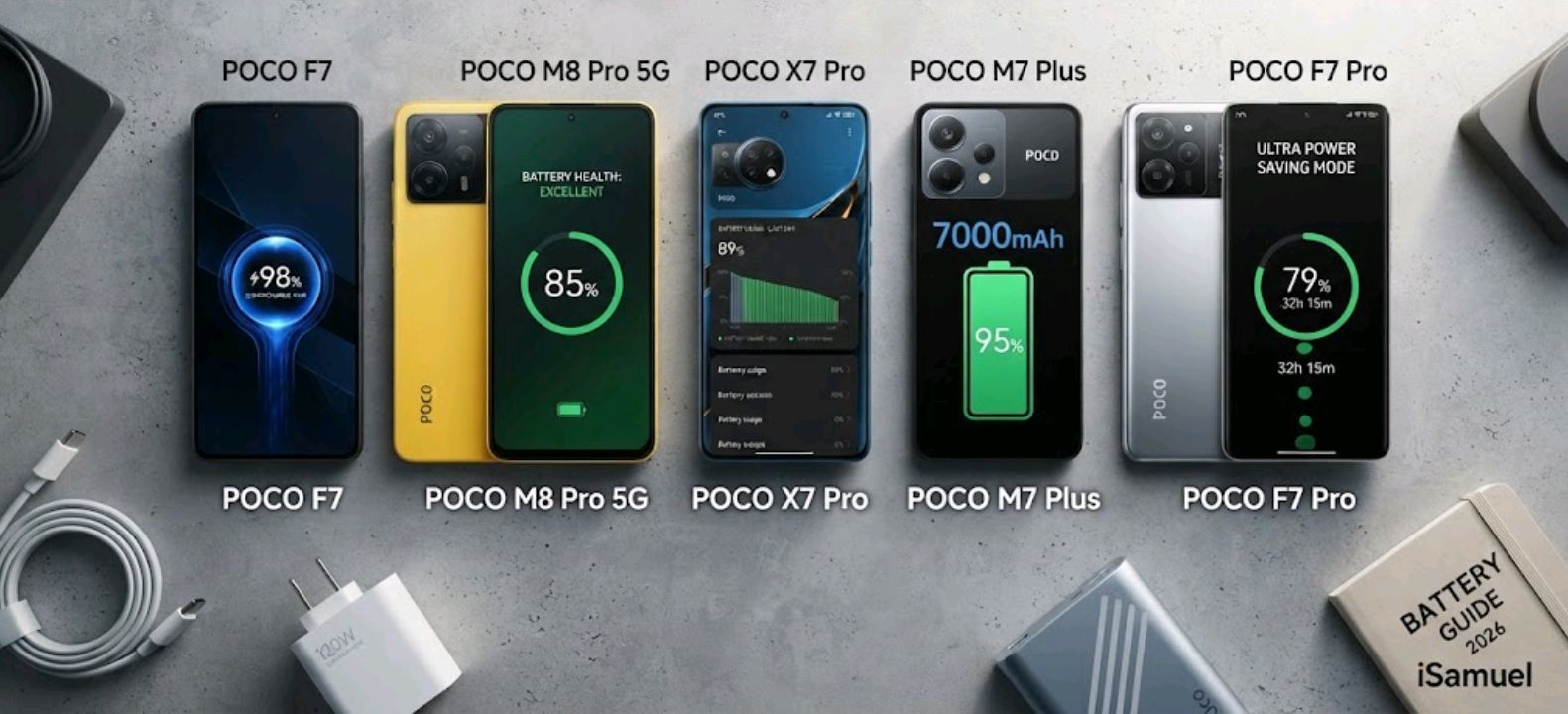
If your phone dies before your workday does, you’re not alone. It’s a familiar scene at bus stops and market stalls everywhere — someone digging through their bag for a power bank cable while their screen sits at 3%. POCO built much of its reputation on giving you more phone for less money, and lately that’s meant genuinely huge batteries, not just decent ones.
I built this list from official POCO/Xiaomi specifications and announcements, plus independent lab results where they exist. Two important caveats up front, because they shape everything below:
- A big mAh number doesn’t guarantee more hours of use. Chipset efficiency and software power management matter just as much as cell size, so where an independent battery test exists (like GSMArena’s Active Use Score), I’ve named it and quoted the actual figure instead of just repeating the battery capacity.
- This list is ranked by expected real-world endurance, combining published test results where they exist with battery capacity, chipset efficiency class, charging behavior, and other hardware factors. Because independent battery testing isn’t yet available for every 2026 model covered here, this is not a pure measured-endurance ranking — it’s the best synthesis of verified data currently available. That’s also why the phone with the single biggest cell (the M7 Plus) isn’t necessarily first.
Quick comparison: battery specs at a glance
| Phone | Battery (global spec) | Charging | Chipset | Independent test result |
|---|---|---|---|---|
| POCO F7 | 6,500 mAh (7,550 mAh, India-only) | 90W wired | Snapdragon 8s Gen 4 | Not yet published |
| POCO M8 Pro 5G | 6,500 mAh | 100W wired | Snapdragon 7s Gen 4 | Not yet published |
| POCO X7 Pro | 6,000 mAh (6,550 mAh, India/China) | 90W wired | Dimensity 8400 Ultra | GSMArena Active Use Score: 12h 43m |
| POCO M7 Plus | 7,000 mAh | 33W wired | Snapdragon 6s Gen 3 | Not yet published |
| POCO F7 Pro | 6,000 mAh | 90W wired | Snapdragon 8 Gen 3 | Not yet published |
Nigerian retail prices below are rough estimates, converted from official/global launch prices at an approximate ₦1,450–₦1,500/USD rate and adjusted upward for typical grey-market import markup (POCO has no official retail presence in Nigeria as of writing). Treat these as a starting point for negotiation, not a fixed price — always compare against current Jiji.ng and Slot listings before buying.
1. POCO F7 — a high-capacity flagship, with a regional catch
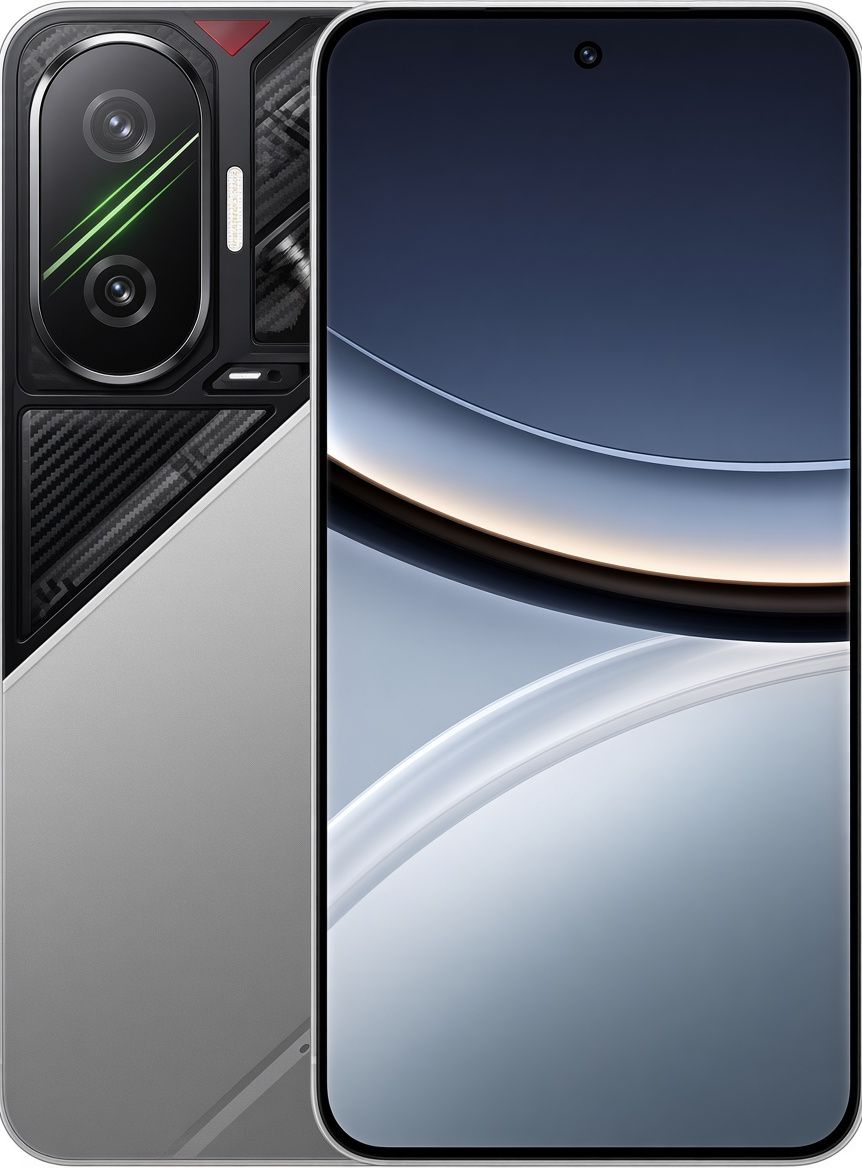
POCO officially confirmed two different battery capacities for the F7: a 6,500 mAh cell for the global variant, and a larger 7,550 mAh cell exclusive to the Indian market. If you’re buying through a grey-market importer, it’s worth asking explicitly which variant you’re getting, since a 7,550 mAh Indian-spec unit and a 6,500 mAh global unit are genuinely different phones despite sharing a name. Both charge at 90W wired, and POCO added 22.5W reverse charging so the phone can top up accessories.
At the time of writing, an independent Active Use Score battery test for the global F7 hadn’t been published yet, so treat “all-day battery” as POCO’s own claim rather than a verified lab result until reviews catch up. Global-variant units (256GB/12GB configurations) have launched around $356–$510 depending on storage, which converts to roughly ₦520,000–₦780,000 before import markup.
2. POCO M8 Pro 5G — the efficiency-focused midrange option
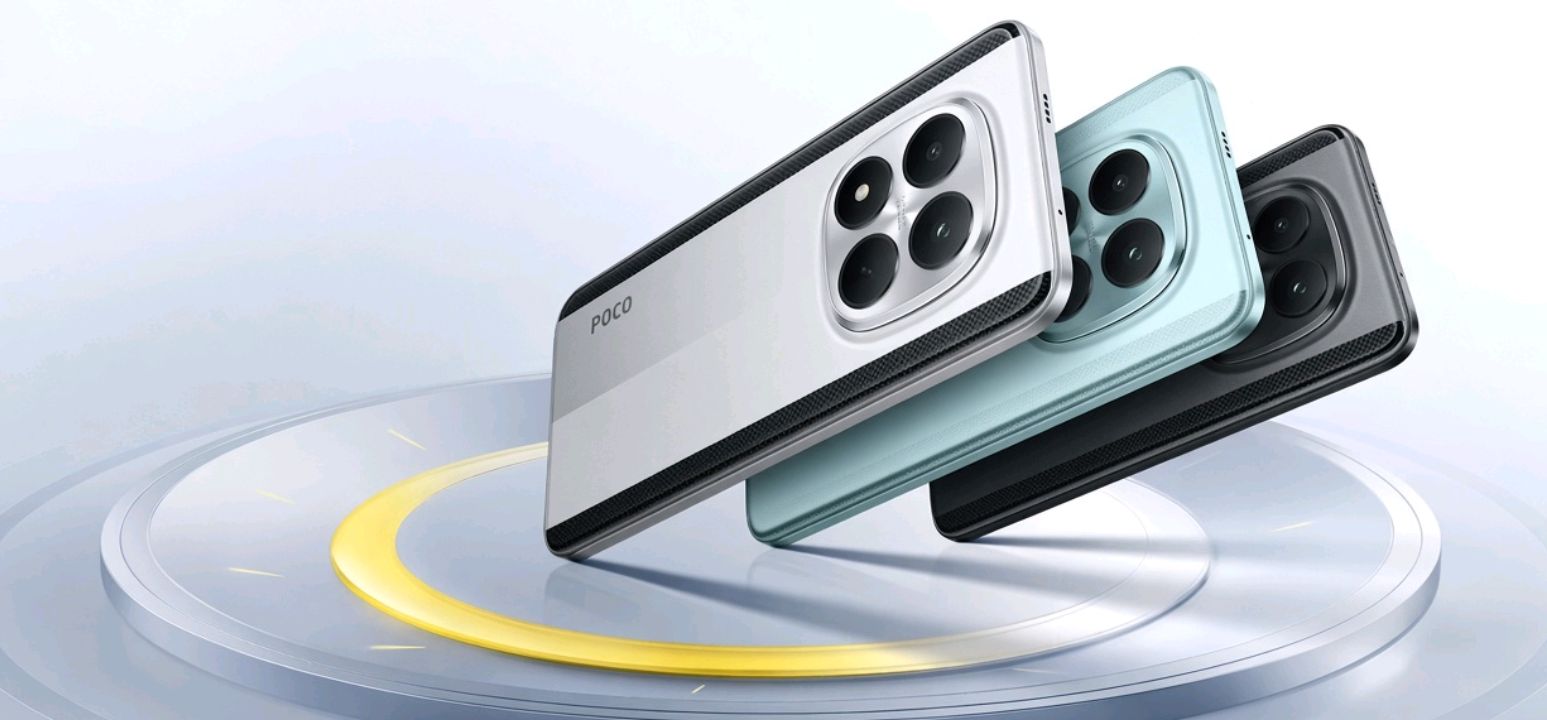
The M8 Pro 5G pairs a 6,500 mAh battery with the Snapdragon 7s Gen 4 and 100W wired charging, a chipset built for efficiency rather than peak performance. On paper, that combination is a promising efficiency-focused pairing, since a midrange chip generally draws less power than a flagship one under normal load — but no independent battery endurance test had been published for this specific model at the time of writing, so this is an expectation based on the hardware class, not a measured result. This section will be updated once GSMArena or a similar outlet runs its battery test. Official global pricing starts at $299 for the 8GB/256GB model and $359 for 12GB/512GB, which works out to roughly ₦435,000–₦520,000 before markup.
3. POCO X7 Pro — a real, tested battery score, but not class-leading
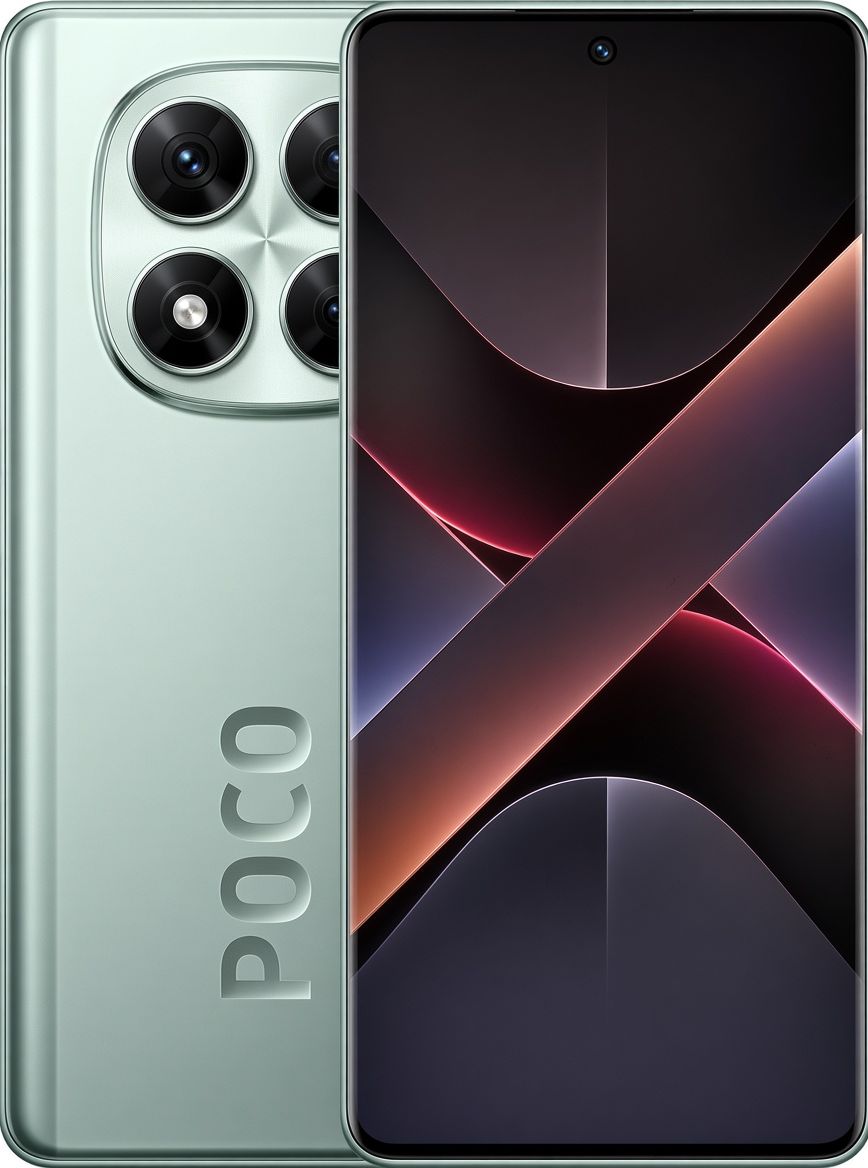
The X7 Pro carries a 6,000 mAh battery globally (6,550 mAh in the India/China variant), and this is the one phone on this list with a published independent result: GSMArena’s battery lab recorded an Active Use Score of 12 hours 43 minutes for the global model. That’s a genuine, sourced number rather than a marketing claim — and it’s about average for its battery size and class, meaning the larger cell doesn’t translate into a class-leading result. If display quality and camera performance matter to you as much as battery life, it’s still a solid all-rounder; just don’t expect it to top pure endurance rankings.
4. POCO M7 Plus — the largest single battery here, but charging is slow
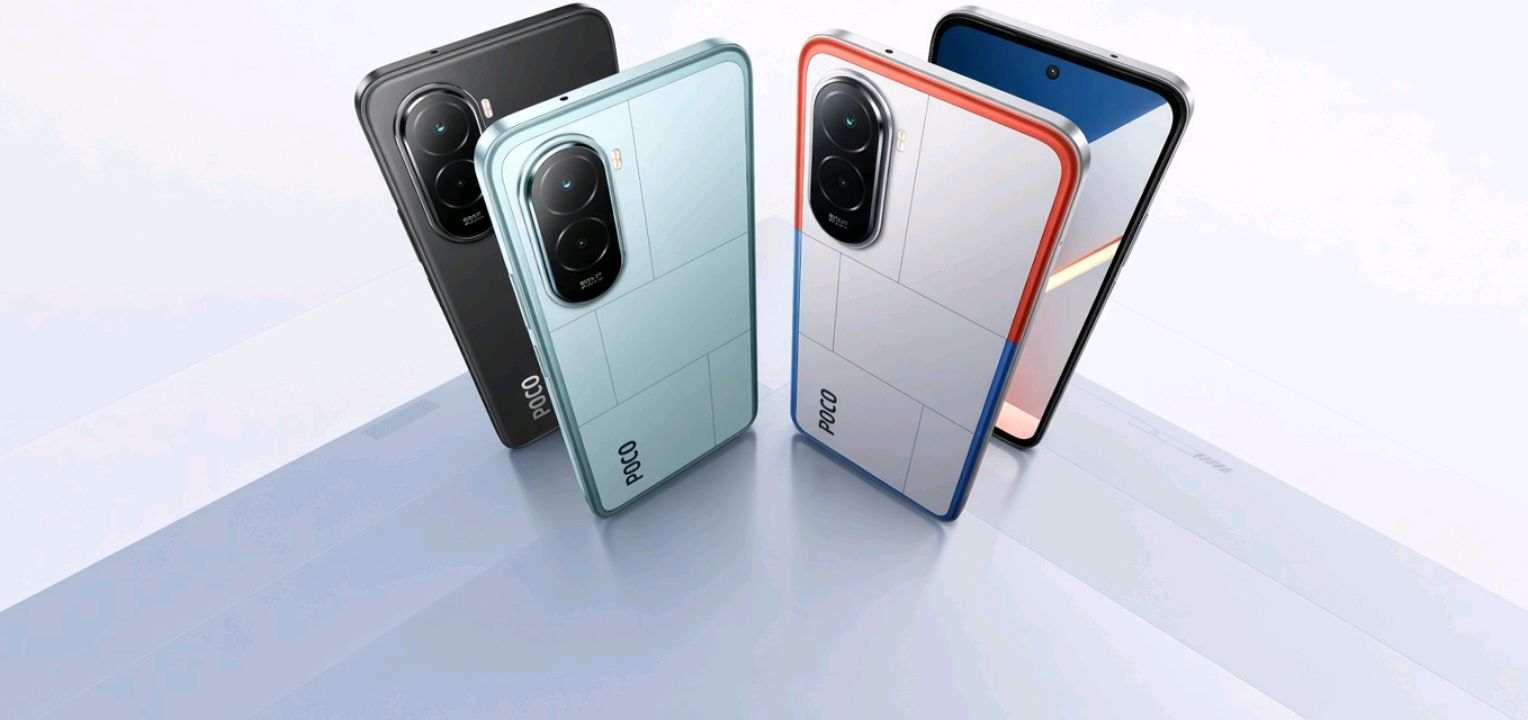
If raw capacity is the only thing you care about, the M7 Plus wins outright with a 7,000 mAh silicon-carbon battery — the biggest cell on this list by a clear margin. It ranks below the X7 Pro and F7 Pro on this list because we don’t yet have an independent endurance result for it, and its Snapdragon 6s Gen 3 platform gives us less evidence of flagship-level efficiency under heavier workloads than the chips in those two phones. The 33W wired charging is a separate trade-off worth flagging on its own terms: it’s noticeably slower than the 90–100W supported elsewhere here, so it affects how quickly you can recover battery, not how long the phone actually lasts on a charge. For someone who charges overnight and rarely needs a fast top-up mid-day, that trade-off is easy to accept — especially at its budget price point, officially listed from ₹13,999 (~$160) in India, which typically lands around ₦230,000–₦280,000 through Nigerian import channels.
5. POCO F7 Pro — a documented 6,000 mAh cell with flagship-tier hardware
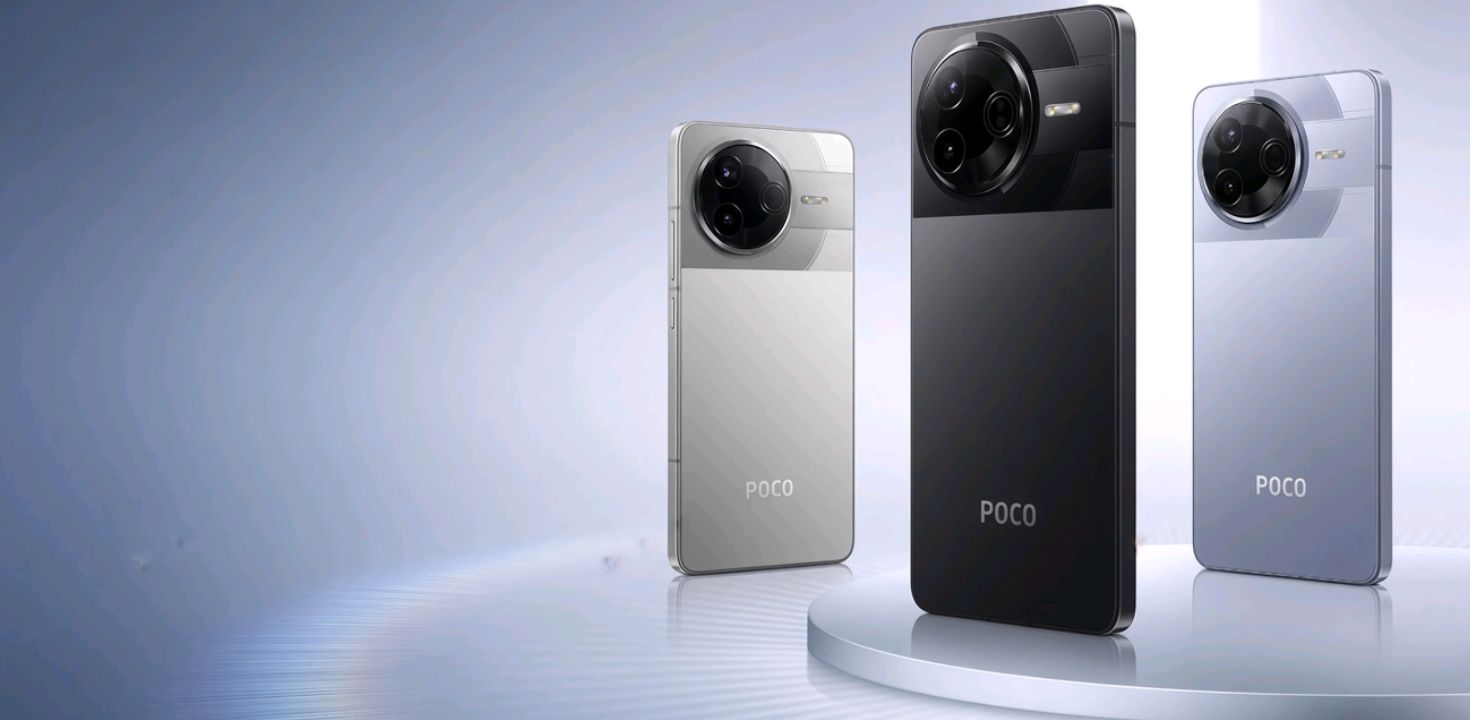
The F7 Pro’s 6,000 mAh battery is officially confirmed at launch — not a rumor or leak — alongside the Snapdragon 8 Gen 3 chipset. It’s the smallest capacity on this list, which is why it sits last here despite the more powerful processor. What it offers instead is a dedicated battery-management chip (POCO’s Surge G1) and 90W wired charging, so what it gives up in raw capacity it partly claws back in charging speed and, per POCO’s own claims, more efficient power delivery under load. Global launch pricing started at $499 for 12GB/256GB, which converts to roughly ₦725,000 before import markup — treat this as a starting reference point, not a fixed Nigerian street price.
Related read: Huawei has also been pushing hard on battery-focused midrangers — see our roundup of the best Huawei phones for battery life in 2026. If cameras matter more to you than battery, our best Huawei camera phones in 2026 guide is worth a look, along with our picks for Huawei phones under $200 and the full best Huawei phones of 2026 guide.
What actually determines battery life (beyond mAh)
A bigger number on the spec sheet is only part of the story. Screen resolution and refresh rate, chipset efficiency (MediaTek and Qualcomm’s midrange chips draw power very differently depending on generation), and how aggressively HyperOS manages background apps all play a role. The X7 Pro’s tested 12:43h Active Use Score against its 6,000 mAh cell is a good example — a phone with the same battery size and a more efficient chip could plausibly post a higher number. Where a named, sourced test result exists, it tells you more than the mAh figure alone; where it doesn’t yet exist (as with the F7, M8 Pro, and M7 Plus at the time of writing), that’s worth keeping in mind before assuming class-leading endurance from capacity alone.
FAQ
Which POCO phone has the biggest battery in 2026? The POCO M7 Plus has the largest capacity at 7,000 mAh, though the India-market POCO F7 variant goes even higher at 7,550 mAh — that’s a regional variant, not the global unit most grey-market buyers will encounter.
Does a bigger battery always mean better battery life? Not necessarily. Chipset efficiency and software optimization matter a lot. GSMArena’s tested Active Use Score for the 6,000 mAh POCO X7 Pro came in at 12h 43m — an average result for its class, showing that a large cell doesn’t automatically guarantee a class-leading score once independent tests are run.
Are these POCO phones officially available in Nigeria? POCO doesn’t have a strong official retail presence in Nigeria yet, so most units come in through grey-market importers and Jiji.ng listings. Always confirm IMEI and warranty terms before buying.
Is 90W or 100W charging actually necessary? It’s a convenience feature more than a necessity — it just means less time tethered to a wall socket. If you charge overnight, the difference between 45W and 100W barely matters day-to-day.
Should I wait for the next POCO series if I care about battery life? If your current phone still gets you through the day, waiting rarely hurts. But if you’re already struggling to reach bedtime on a charge, any phone on this list is a meaningful upgrade.
Battery capacities and charging speeds referenced here reflect official POCO/Xiaomi announcements. Where an independent battery test result exists (GSMArena’s Active Use Score, cited for the X7 Pro), it’s named and quoted directly; where no such test had been published at the time of writing, that’s noted rather than assumed. Naira pricing is estimated from official launch prices at an approximate exchange rate plus typical import markup — confirm current listings with your vendor before buying.


Comments 0
Leave a comment