Table of Contents
Open Table of Contents
- Overview
- 1. Huawei Mate 80 Pro Max — Best Overall
- 2. Huawei Pura 90 Pro Max — Best Camera Phone
- 3. Huawei Mate 80 Pro — Best All-Rounder
- 4. Huawei Nova 16 Pro — Best Upper-Mid-Range Pick
- 5. Huawei Pura 80 Pro+ — Best Value Flagship
- Comparison Table
- Buying Huawei Phones in Nigeria: What to Know
- Frequently Asked Questions
Overview
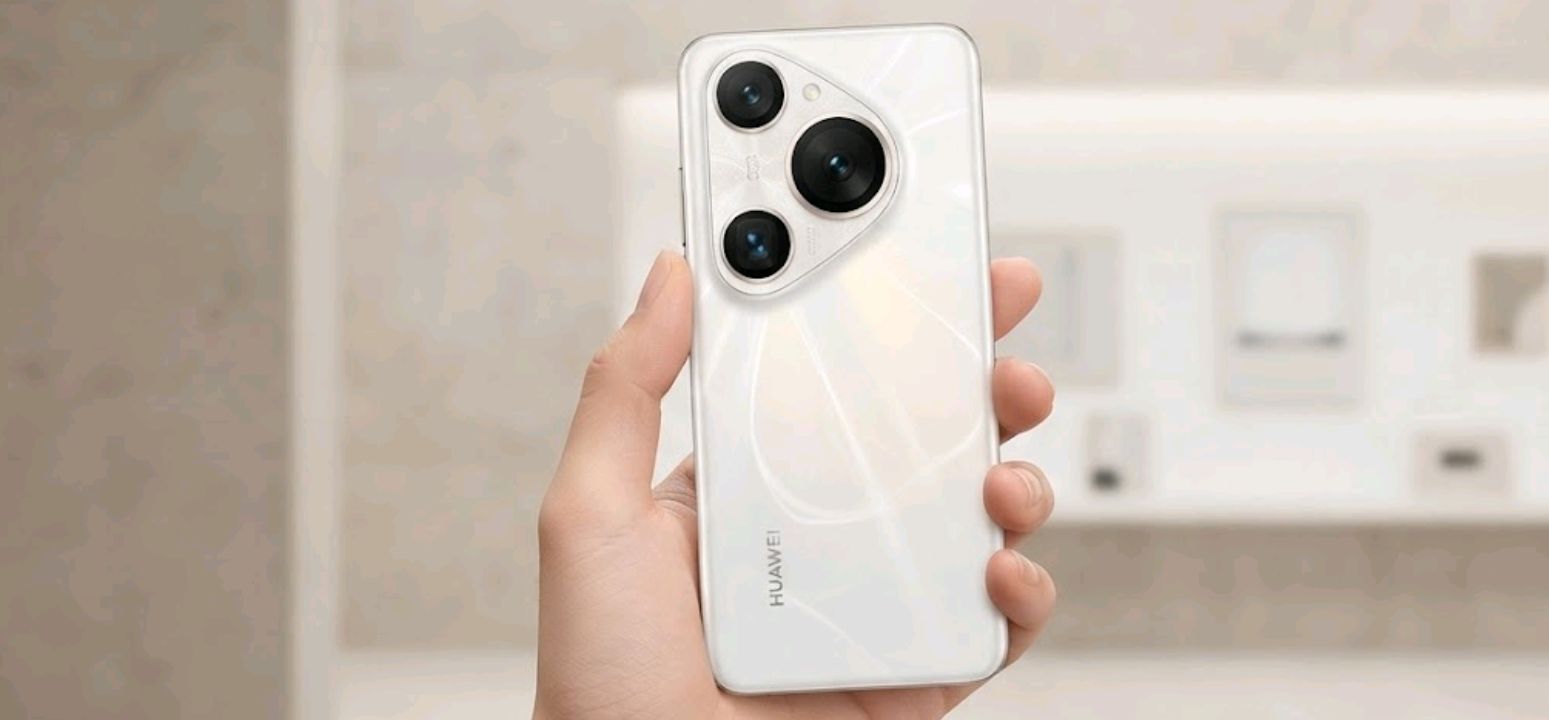
Should you buy a Huawei phone in 2026? If camera quality and battery life matter more to you than Google apps out of the box, the answer is increasingly yes. Locked out of Google’s ecosystem since 2019, Huawei doubled down on its own chips, its own operating system, and — somewhat unexpectedly — some of the best camera hardware on the market. By 2026, that bet has paid off in the flagship and upper-mid tiers.
Here are five models worth your attention, from the camera-first Pura series to the battery-and-durability-focused Mate line, with approximate Nigerian pricing for each.
1. Huawei Mate 80 Pro Max — Best Overall
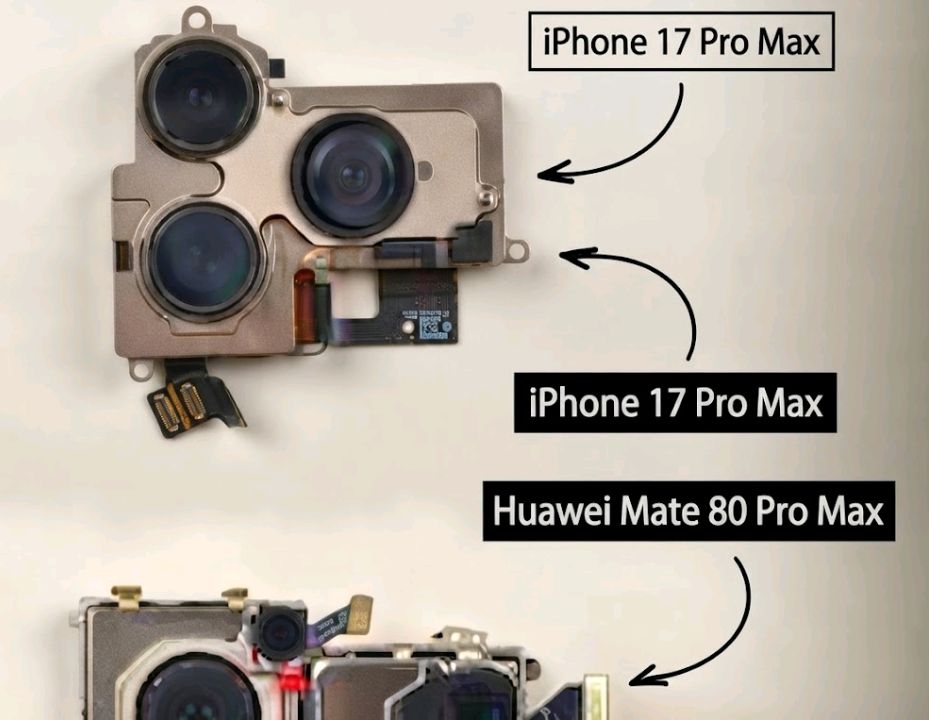
The Mate 80 Pro Max is Huawei’s flagship statement piece for 2026, and it’s built for buyers who want everything at once. It runs on the in-house Kirin 9030 Pro chipset, paired with up to 16GB of RAM and a 1TB storage ceiling (GSMArena spec sheet). Huawei rates the 6.9-inch dual-layer LTPO OLED panel at up to 8,000 nits of peak brightness under lab conditions — its brightest phone display to date — and it’s protected by second-generation Kunlun Glass (GSMArena launch coverage).
Camera-wise, this is a quad-sensor setup: a 50MP OIS main shooter, a 40MP ultrawide, a 50MP macro telephoto with 4x optical zoom, and a 50MP super telephoto with 6.2x optical zoom (GSMArena spec sheet). That dual-telephoto combination is rare even among flagships and gives genuinely useful reach for portraits and travel shots. A 6,000mAh battery with 100W wired and 80W wireless charging rounds out the package, alongside IP68/IP69 durability and satellite messaging support.
Approx. Nigeria price: from ~₦508,500 (roughly $377), grey-market import (Mobile57)
2. Huawei Pura 90 Pro Max — Best Camera Phone
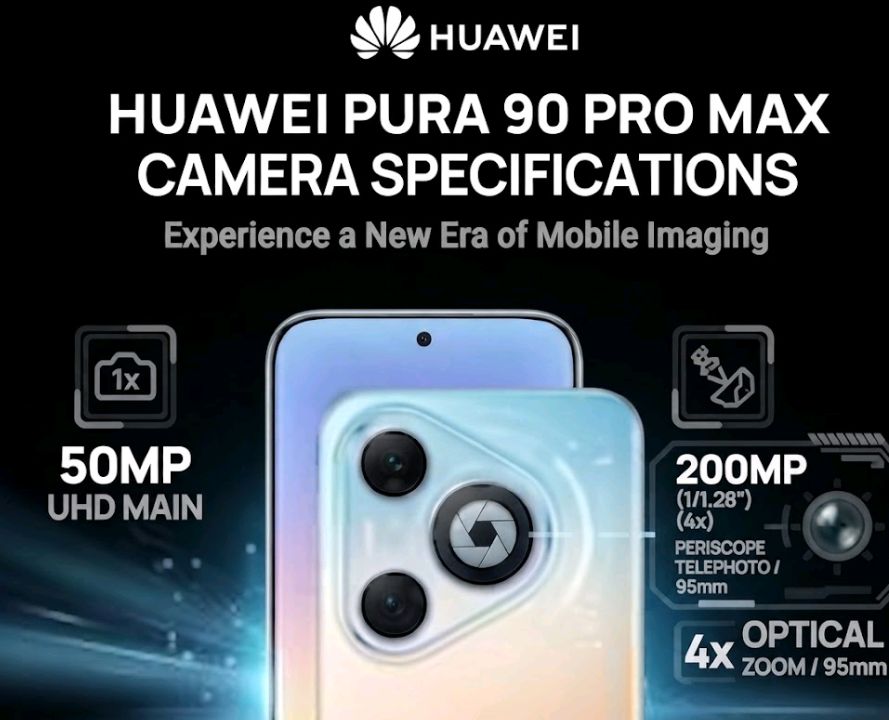
If photography is the deciding factor, the Pura 90 Pro Max is the one to shortlist. Huawei built the phone around a 200MP periscope telephoto sensor — a 1/1.28-inch module with optical image stabilization and 4x optical zoom — that the company says holds detail even in difficult light (GSMArena launch coverage). It’s paired with a 50MP RYYB main camera using Huawei’s Lateral Overflow Integration Capacitor (LOFIC) sensor tech, a first for the brand, designed to widen dynamic range without blowing out highlights (same source).
The rest of the spec sheet is properly flagship: Kirin 9030S chipset, a 6.9-inch LTPO OLED display, and a 6,000mAh battery with 100W wired and 80W wireless charging (GSMArena spec sheet). It ships on HarmonyOS 6.1 with an on-device AI assistant and built-in object-removal editing tools. The smaller Pura 90 Pro (6.6-inch, same core camera DNA, slightly trimmed telephoto) is worth a look too if you want the same photography chops in a more compact body.
Approx. Nigeria price: from ~₦1,280,000 (roughly $950 at a rounded reference rate), grey-market import (Tilifony) — treat this as a rough guide, as import stock on this model is limited and prices vary widely between sellers.
3. Huawei Mate 80 Pro — Best All-Rounder
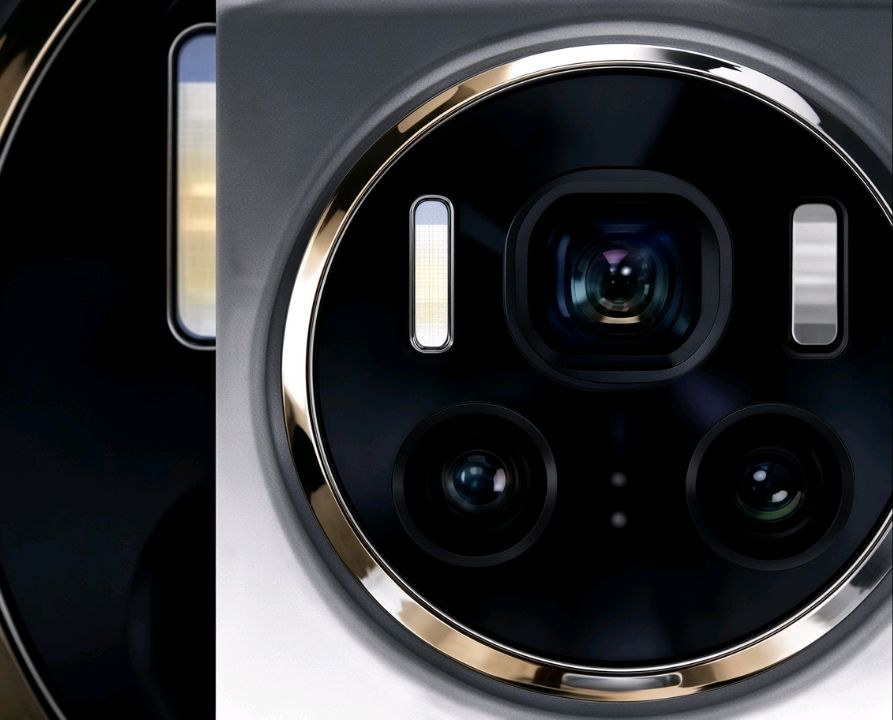
The standard Mate 80 Pro trims a few things from the Pro Max — a triple rather than quad camera, a 6.75-inch display instead of 6.9 inches, and Huawei’s own lab figures put its peak brightness at 3,000 nits rather than the Pro Max’s 8,000 (Huawei official specs) — but it’s the more sensible buy for most people. Chipset varies by configuration: the 12GB RAM variant runs the Kirin 9030, while the 16GB variant steps up to the Kirin 9030 Pro (source).
You still get a 5,750mAh battery, 100W wired and 80W wireless SuperCharge, a 50MP variable-aperture main camera, and IP68/IP69 protection (Huawei official specs; GSMArena spec sheet). Reviewers have noted the battery bump over its predecessor is modest, and the charging speeds haven’t changed year-on-year, but performance and camera output remain a clear step up.
Approx. Nigeria price: from ~₦378,000–₦382,000 (roughly $280–$283), grey-market import (Mobile57, Hi94)
4. Huawei Nova 16 Pro — Best Upper-Mid-Range Pick
Not everyone needs — or wants to pay for — flagship silicon, and Huawei’s nova line has closed a lot of the gap. The Nova 16 Pro, announced mid-2026, runs the Kirin 9010S chipset with 12GB of RAM and packs a camera system that punches well above its price bracket: a 200MP RYYB main sensor (1/1.28-inch) with OIS, a 50MP RYYB periscope telephoto with 3.7x optical zoom, and a 50MP ultrawide with macro support (GSMArena spec sheet). The 6.84-inch LTPO OLED display is rated at 6,000 nits peak brightness, and a 7,000mAh battery with 100W wired charging (no wireless charging on this model) gives it genuinely flagship-rivalling endurance.
This is the model to consider if you want Huawei’s camera tuning and design language without stretching into Mate or Pura pricing territory. It carries an IP65 rating rather than the IP68/IP69 of the flagships above, and skips wireless charging, so it’s worth deciding whether those trade-offs matter before you commit.
Approx. Nigeria price: from ~₦261,000 (roughly $193) (Mobile57)

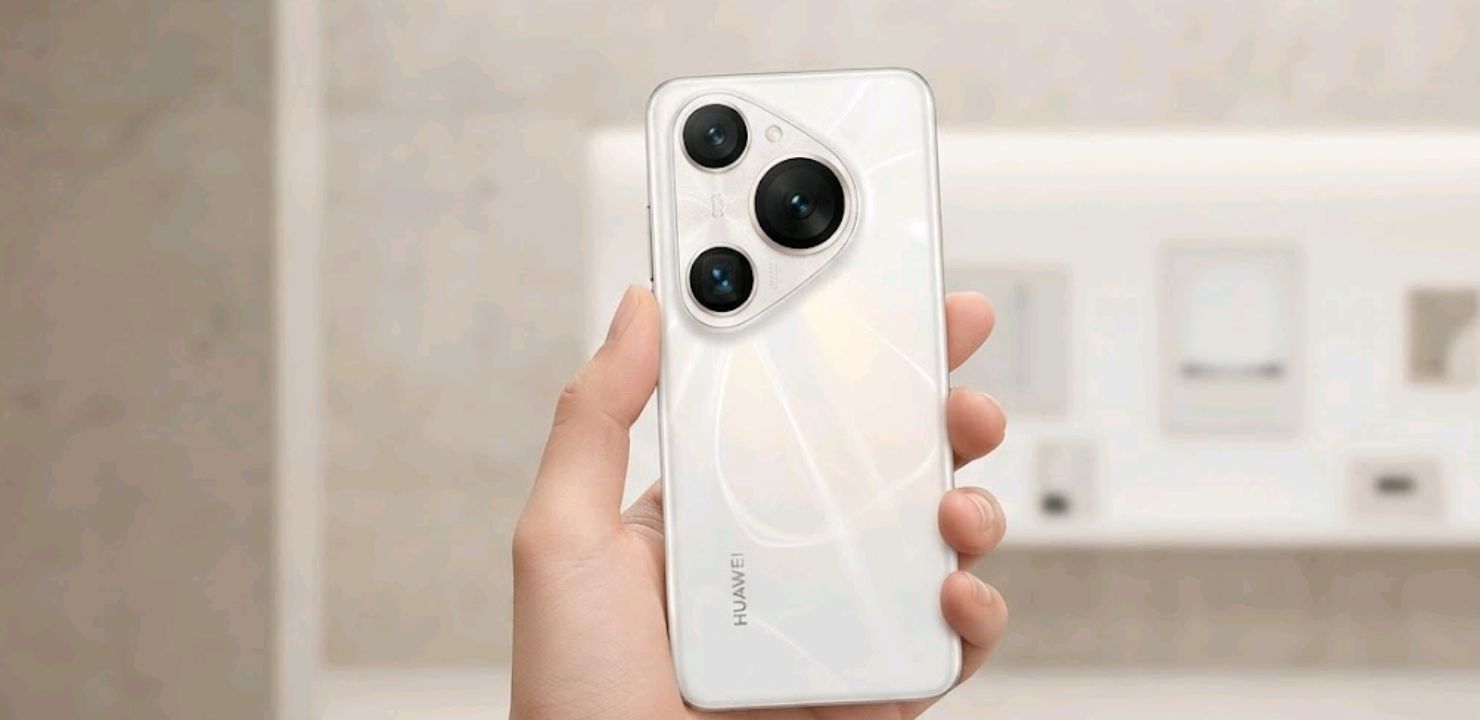
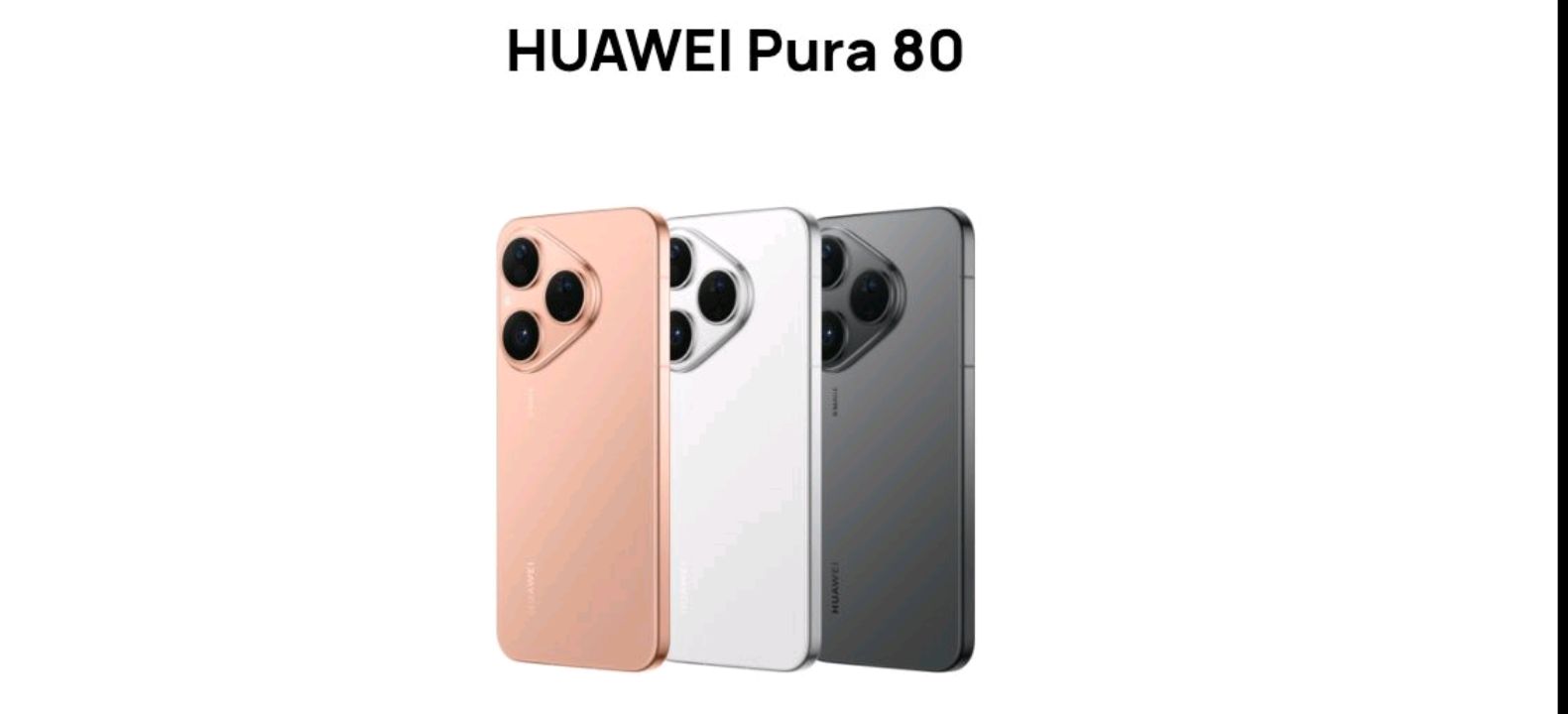
5. Huawei Pura 80 Pro+ — Best Value Flagship
Now over a year old, the Pura 80 Pro+ has aged well and typically sells at a discount to its original launch price, making it a smart pick if you want Pura-series camera performance without paying current-generation prices. It features a 1-inch main sensor at 50MP with a variable f/1.6-4.0 aperture, a 48MP periscope telephoto with 4x optical zoom, and a 40MP ultrawide — a genuinely strong triple-camera setup even by 2026 standards (GSMArena/MobGadgets spec listing).
Power comes from the Kirin 9020 chipset with up to 16GB of RAM, a 5,700mAh battery, and 100W wired/80W wireless charging. The 6.8-inch LTPO OLED display hits 3,000 nits peak brightness. Globally, this is the phone that gets you closest to Pura-series photography for meaningfully less money than the current Pura 90 lineup — though as the buying-cautions note below explains, that discount doesn’t always show up in Nigerian grey-market listings, where older flagships can be scarcer (and pricier) than newer ones.
Approx. Nigeria price: from ~₦1,527,400 (roughly $1,132), grey-market import (MobGadgets)
Comparison Table
| Model | Best For | Approx. Nigeria Price | Approx. USD | Chipset | Display | Battery & Charging |
|---|---|---|---|---|---|---|
| Mate 80 Pro Max | Overall flagship | ~₦508,500 | ~$377 | Kirin 9030 Pro | 6.9” LTPO OLED, 8,000 nits (lab) | 6,000mAh, 100W wired / 80W wireless |
| Pura 90 Pro Max | Camera performance | ~₦1,280,000 | ~$950 | Kirin 9030S | 6.9” LTPO OLED | 6,000mAh, 100W wired / 80W wireless |
| Mate 80 Pro | All-round daily driver | ~₦378,000–₦382,000 | ~$280–$283 | Kirin 9030 (12GB) / 9030 Pro (16GB) | 6.75” LTPO OLED, 3,000 nits (lab) | 5,750mAh, 100W wired / 80W wireless |
| Nova 16 Pro | Upper-mid-range value | ~₦261,000 | ~$193 | Kirin 9010S | 6.84” LTPO OLED, 6,000 nits | 7,000mAh, 100W wired only |
| Pura 80 Pro+ | Discounted-flagship camera | ~₦1,527,400 | ~$1,132 | Kirin 9020 | 6.8” LTPO OLED, 3,000 nits | 5,700mAh, 100W wired / 80W wireless |
Nigeria prices are grey-market import estimates gathered from local retail listings in August 2026 and fluctuate by seller and stock batch — confirm with the retailer before buying. USD equivalents use a rounded official-market reference rate of ~₦1,350/$1 for August 20, 2026 (NgnRates.com) and are for reference only; actual bank and FX rates can vary. Parallel-market rates were higher. Source links are provided inline above.
Buying Huawei Phones in Nigeria: What to Know
Huawei does not run the same scale of official retail presence in Nigeria that Samsung or Tecno do, so most Mate and Pura-series units sold locally come in through grey-market importers or online marketplaces rather than a carrier or authorized Huawei store. A few things worth checking before you buy:
- Confirm the ROM. Global-firmware units (EMUI-based, with HMS/AppGallery) behave very differently from China-only HarmonyOS units, which lack Google services entirely and are harder to set up outside China.
- Ask about warranty coverage. Grey-market imports often carry a seller’s warranty rather than Huawei’s, so clarify what’s covered before paying.
- Expect price swings — and don’t assume newer means cheaper. Because so much stock moves through resellers, listed naira prices for the same model can vary by a wide margin depending on the source and shipment batch. It’s also worth noting that older or lower-volume imports (like the Pura 80 Pro+ in this guide) can list higher than newer flagships simply because fewer units are in the country — treat any single listed price as a starting point, not a fixed figure.
- Google services aren’t officially supported out of the box. Every model here runs HarmonyOS or EMUI with Huawei Mobile Services rather than Google’s suite, so Gmail, Google Maps, and other Google-dependent apps may need a workaround to install and run — the exact experience depends on the specific ROM, region, and software version, so don’t assume it’ll work the same way on every unit.
Frequently Asked Questions
Do Huawei phones run Google apps in 2026?
No, not out of the box. Since the 2019 US trade restrictions, new Huawei phones ship with HarmonyOS (in China) or EMUI (internationally) and rely on Huawei Mobile Services instead of Google Mobile Services. Google apps can sometimes be added through workarounds, but they aren’t officially supported.
What’s the difference between HarmonyOS and EMUI on these phones?
HarmonyOS is Huawei’s own independent operating system used on phones sold in China, with its own microkernel and app format. EMUI, used on international models, is still Android-based underneath, which makes it more compatible with existing Android apps.
Which Huawei phone has the best camera in 2026?
The Pura 90 Pro Max, largely thanks to its 200MP periscope telephoto sensor and Huawei’s newer LOFIC sensor tech on the main camera, which the company says improves dynamic range in tough lighting.
Are Huawei phones a good buy if I rely on Google apps daily?
Only if you’re comfortable with some extra setup, and even then results can vary by model and region. If Gmail, Google Maps, and the Play Store are non-negotiable for you, factor in that step before buying — or consider a Huawei phone only as a secondary or camera-focused device rather than your primary daily driver.
Is it safe to buy a Huawei phone from a Nigerian reseller?
It can be, but do your homework first: confirm whether the unit is Global ROM or China ROM, ask what warranty (if any) applies, and buy from a seller with a track record and a return policy. Because Huawei’s official retail footprint in Nigeria is limited, due diligence on the seller matters more than it would with a brand sold through official carrier stores.
Specifications in this guide are compiled from GSMArena and Huawei’s official product/spec pages; Nigeria pricing is compiled from Mobile57, Hi94, Tilifony, and MobGadgets listings current as of August 2026. Naira prices for grey-market imports fluctuate and should be confirmed with the seller at time of purchase.

Comments 0
Leave a comment