Table of Contents
Open Table of Contents
- Overview
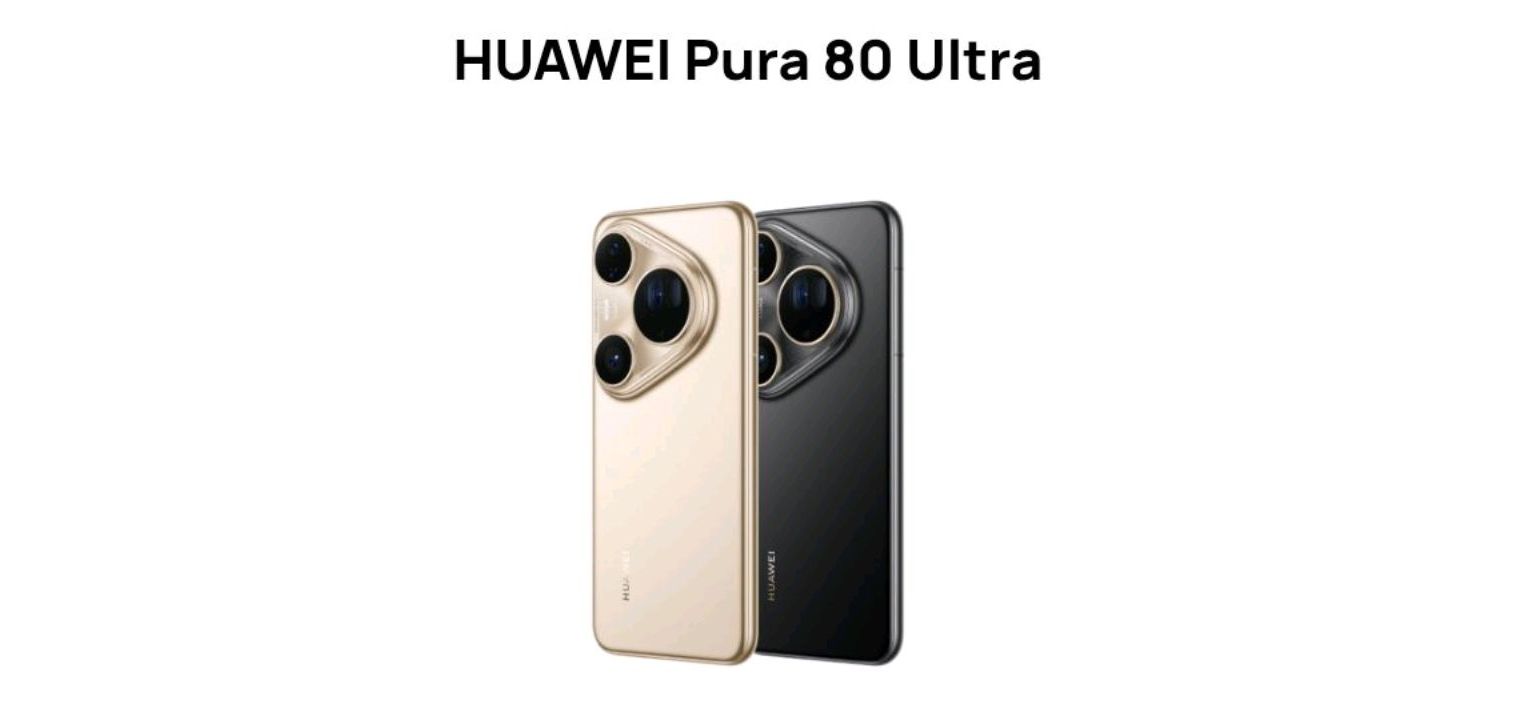
- 1. Huawei Pura 80 Ultra — the one built purely for the camera
- 2. Huawei Mate 80 Pro Max — two telephotos, less flash, same ambition
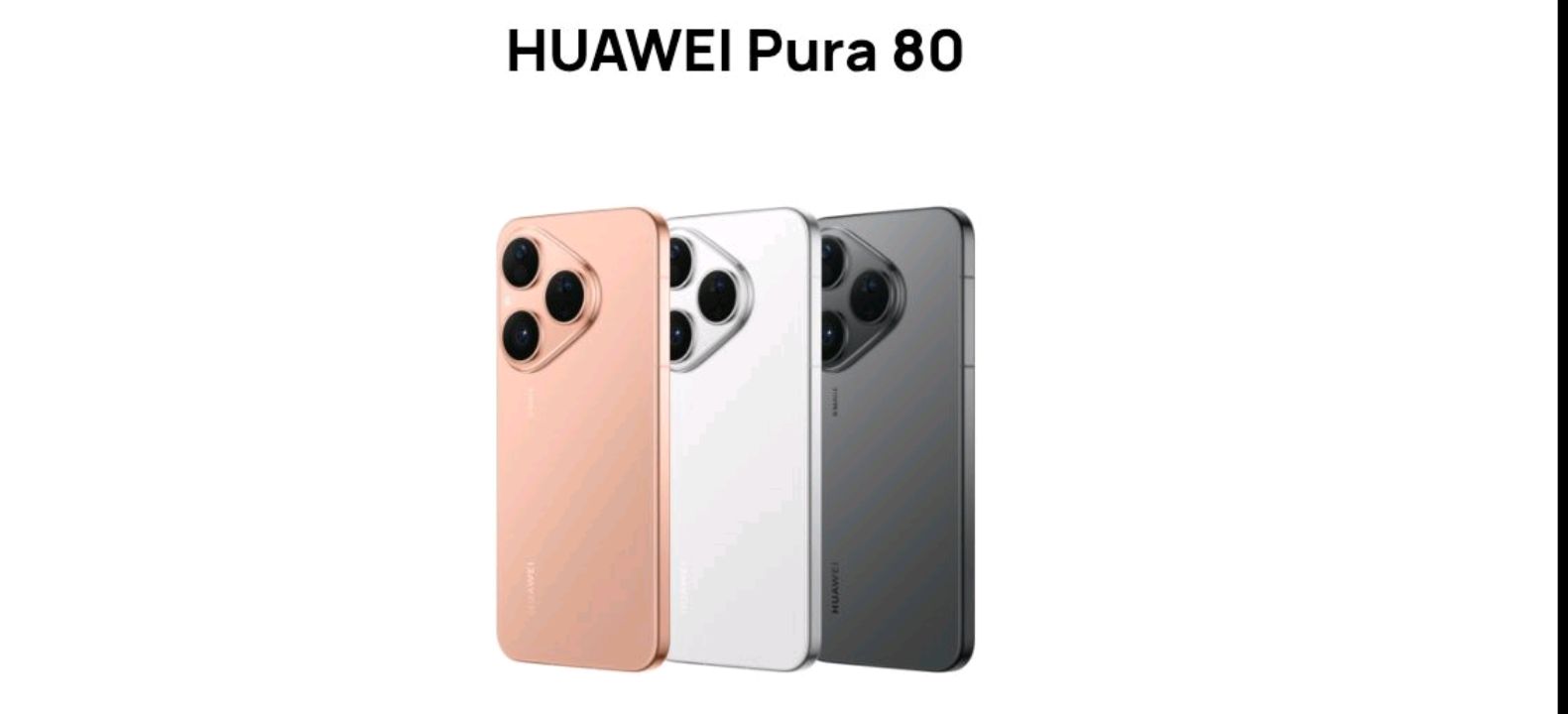
- 3. Huawei Pura 80 Pro — most of the Ultra’s camera for noticeably less
- 4. Huawei Nova 14 Pro — the camera-first flagship’s mid-range cousin
- Related Posts
- 5. Huawei Nova 14 — the accessible entry point
- Quick comparison
- Frequently asked questions
Overview
Huawei’s camera department stopped playing it safe a while ago. The Pura 80 Ultra in particular went after a physically larger main sensor and a switchable telephoto system that remains unusual in the smartphone market — the kind of hardware bet that’s harder to fake with software processing alone. The result is a lineup where the “camera phone” label actually means something instead of being marketing filler.
This list narrows that lineup down to five phones worth your money in 2026, ranked from the no-compromise flagship down to the phone most Nigerian buyers will actually be able to import and use day to day. A quick caveat before you get attached to any of these: the specific models reviewed here — the Pura 80 series and Nova 14 series — ship with HarmonyOS and no Google Mobile Services. That means no Play Store or Google Maps out of the box; you’re working with Huawei AppGallery and, if you need specific Google apps, third-party sideloading tools such as Petal Search or GBox. Worth being clear-eyed about this: those workarounds get you access to individual APKs, not a like-for-like Google ecosystem, and some apps (particularly banking and identity-verification apps) may not function reliably through them. If that’s a dealbreaker for your workflow, factor it in before you fall for the camera specs below.
1. Huawei Pura 80 Ultra — the one built purely for the camera
There’s no polite way to undersell this phone’s intent. The Pura 80 Ultra’s main sensor is a 50MP, 1-inch RYYB unit behind a variable f/1.6–f/4.0 aperture lens, and Huawei’s own figures put its dynamic range at 16 stops — a jump the company says is roughly 15 times over the Pura 70 Ultra. Whether that exact multiplier holds up outside a lab is hard to independently verify, but reviewers who’ve handled the retail unit describe genuinely dramatic gains in backlit and low-light scenes.
The part that actually makes this phone unusual is the telephoto system. Huawei calls it a Switchable Dual Telephoto Camera, and it’s one of the most unusual telephoto systems currently available on a phone: a single 1/1.28-inch sensor sits behind two lenses — an 83mm equivalent (3.7x) and a 212mm equivalent (roughly 9.4x, sometimes listed as 10x) — with a tiny internal motor physically swapping which lens is active. A 40MP ultrawide with autofocus rounds out the rear array, and the front camera is a 13MP autofocus unit capable of 4K video.
| Spec | Detail |
|---|---|
| Main camera | 50MP, 1-inch RYYB sensor, f/1.6–f/4.0, OIS |
| Telephoto | 50MP 3.7x + 12.5MP 9.4x switchable dual-lens system |
| Ultrawide | 40MP, f/2.2, autofocus |
| Front camera | 13MP, f/2.0, autofocus, 4K video |
| Chipset | Kirin 9020 (7nm) |
| Battery | 5,170mAh (global), 100W wired / 80W wireless |
| Display | 6.8” LTPO OLED, 120Hz, 1276p resolution |
| Global launch price | €1,500 at launch (512GB/16GB, only configuration) |
Who it’s for: buyers who treat the camera as the entire reason for owning the phone and won’t blink at flagship pricing or the GMS-free software situation.
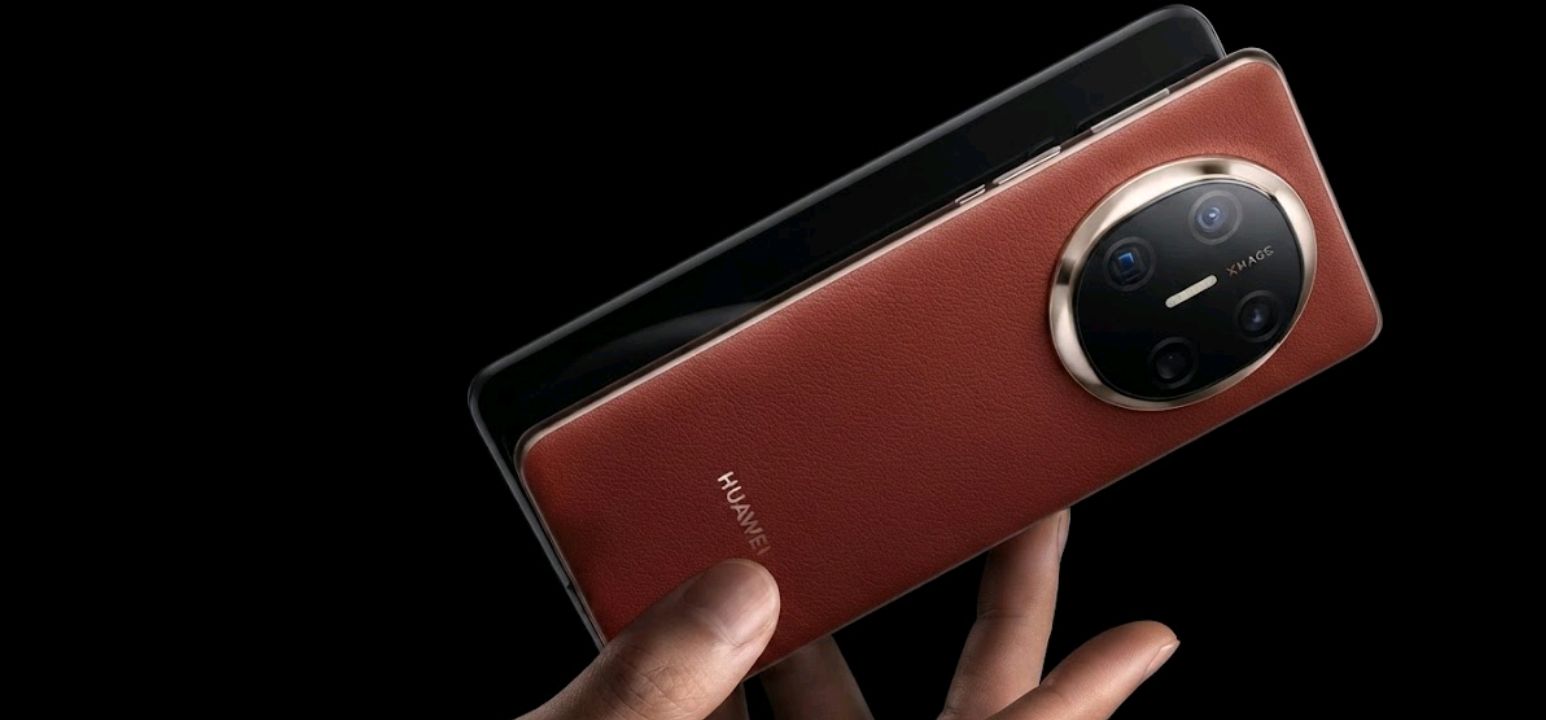
2. Huawei Mate 80 Pro Max — two telephotos, less flash, same ambition
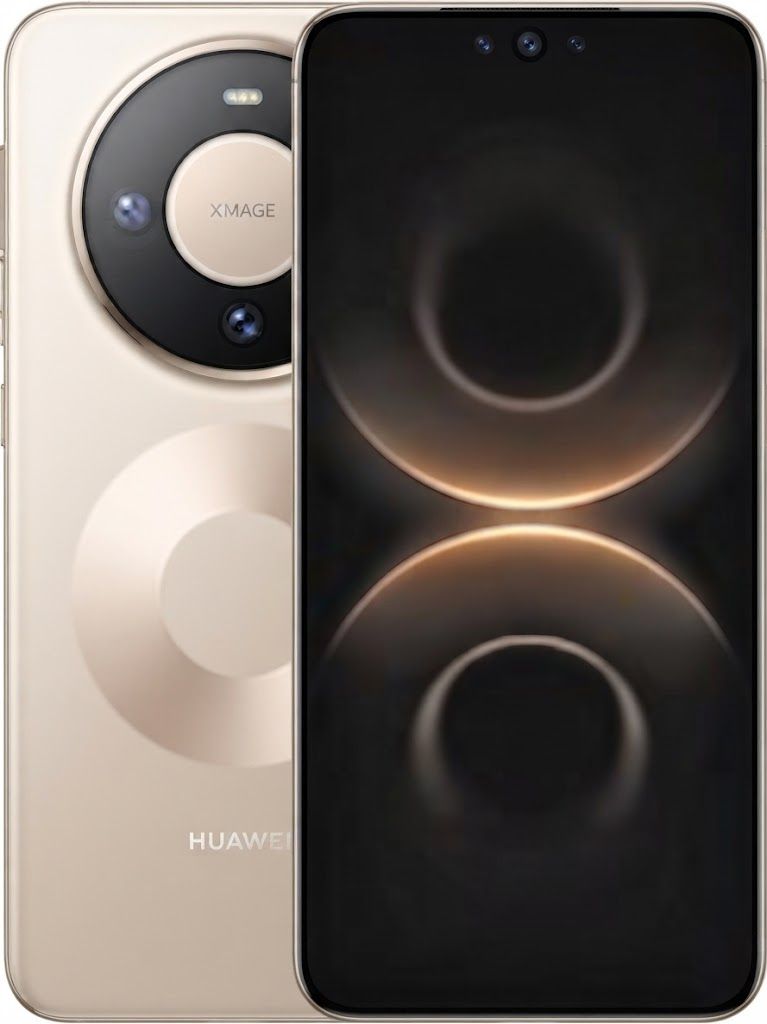
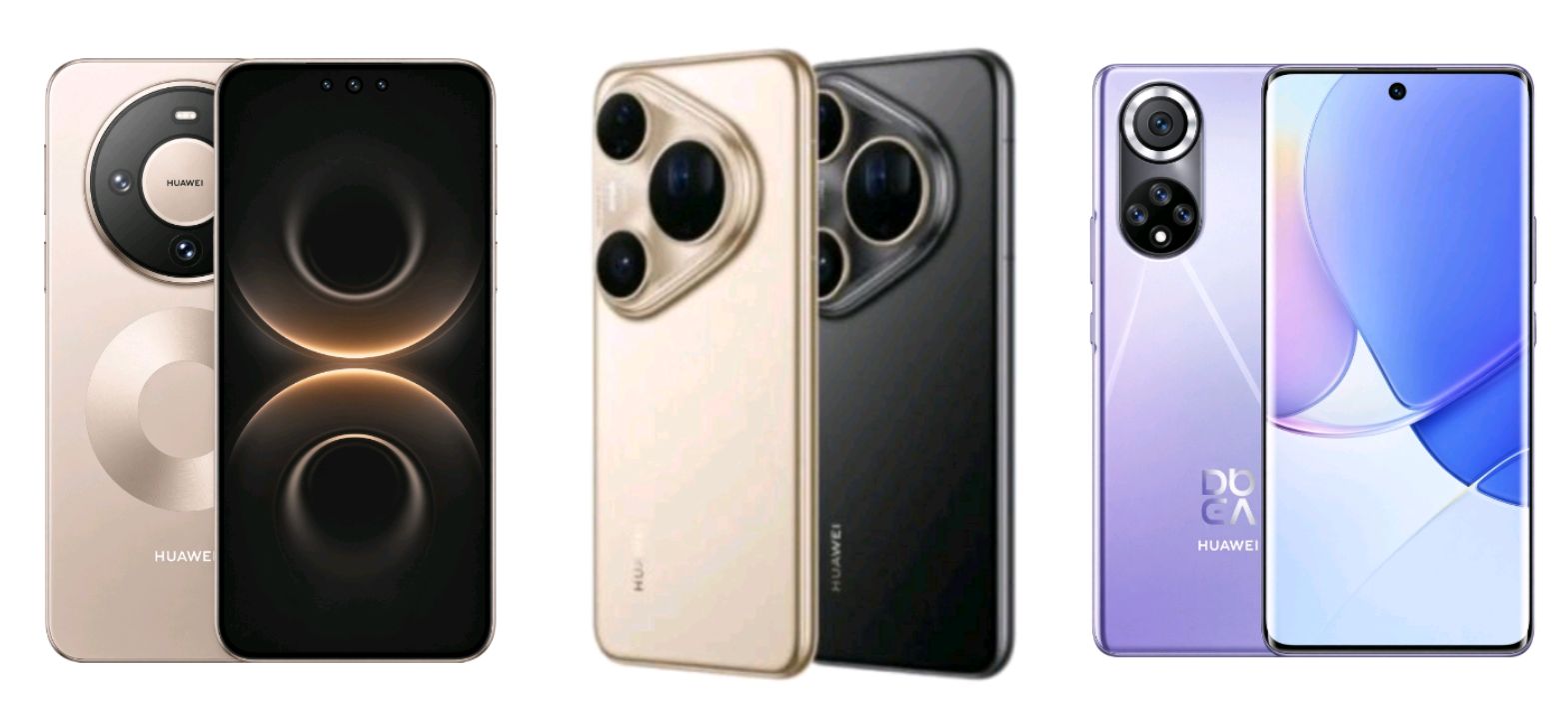
If the Pura 80 Ultra is Huawei showing off, the Mate 80 Pro Max is Huawei being practical about it. It launched in China in November 2025 and takes a different approach to zoom than the Ultra: instead of one switchable telephoto module, it uses two separate periscope cameras — a 50MP lens at 4x (91mm) and a 50MP lens at 6.2x (140mm) — alongside a 50MP variable-aperture main sensor (f/1.4–f/4.0, 24mm) and a 40MP ultrawide.
That’s four 50MP-class sensors working together, backed by what Huawei brands its 2nd-generation Red Maple imaging chipset. In practice this trades the Ultra’s single largest-in-class telephoto sensor for two dedicated zoom ranges, which tends to matter more if you shoot a lot of mid-to-long-distance telephoto shots rather than macro-adjacent close-ups.
One important caveat: as of this writing, the Mate 80 Pro Max itself has not received a confirmed international release. Huawei took the standard Mate 80 Pro global in early 2026, starting with Malaysia, but the Pro Max — the model with this exact quad-camera setup — has so far stayed China-only, with international buyers relying on import channels.
| Spec | Detail |
|---|---|
| Main camera | 50MP, f/1.4–f/4.0, 24mm, OIS |
| Telephoto 1 | 50MP, f/2.1, 91mm, 4x optical, OIS |
| Telephoto 2 | 50MP, f/3.2, 140mm, 6.2x optical, OIS |
| Ultrawide | 40MP, f/2.2, 13mm, 120° |
| Front camera | 13MP ultrawide + TOF 3D sensor |
| Chipset | Kirin 9030 Pro (6nm) |
| Battery | 6,000mAh, 100W wired / 80W wireless |
| Display | 6.9” LTPO OLED, 120Hz, up to 8,000 nits peak |
| Price | China-only; around $1,499 (512GB) via import resellers — not an official global price |
| Availability | Confirmed for China only; no announced global release for the Pro Max specifically |
Who it’s for: people who want serious reach at two distinct zoom lengths and don’t mind the bigger, heavier Mate body over the Pura’s more photography-first design.
Related reading: if foldables interest you more than a slab flagship, our best Huawei foldable phones guide covers how Huawei’s camera tech carries over to the Mate X-series.
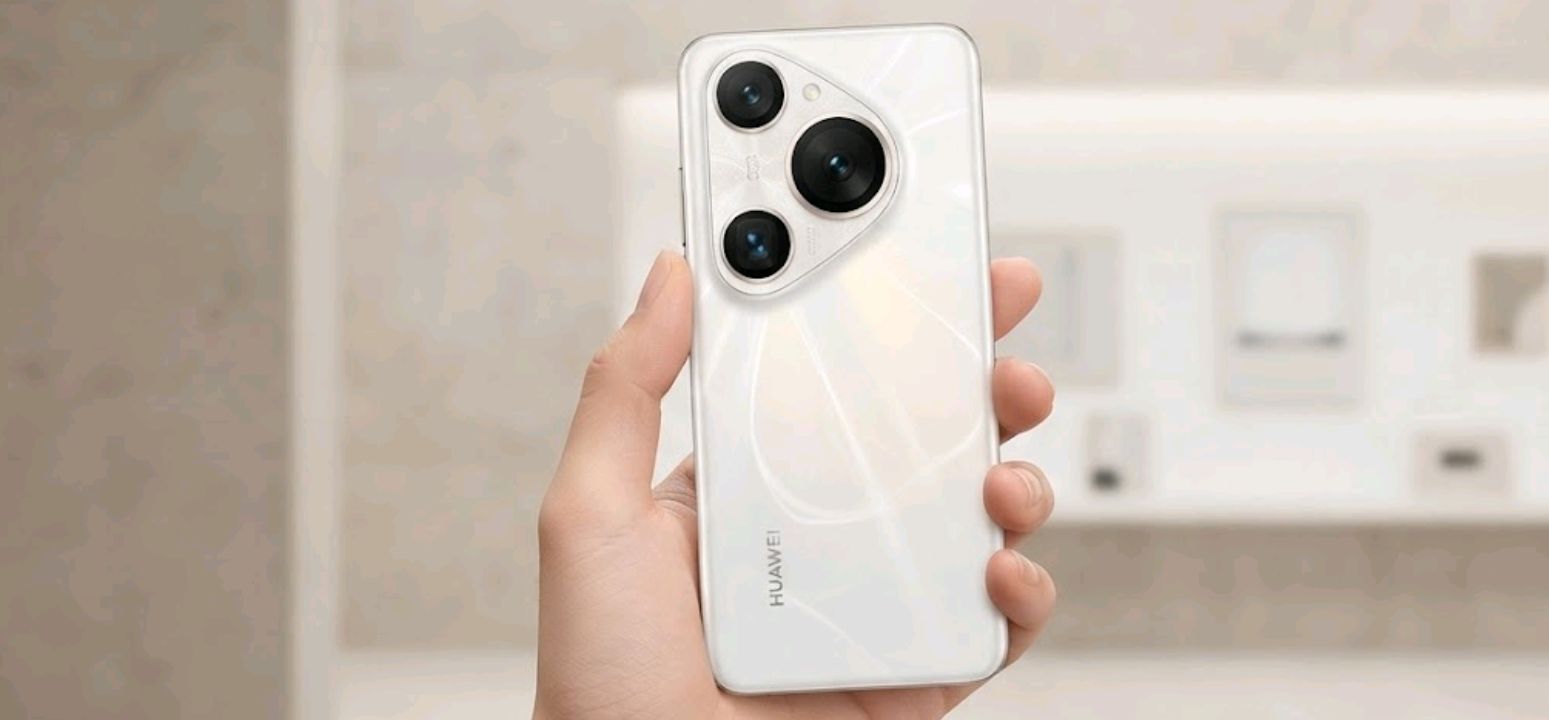
3. Huawei Pura 80 Pro — most of the Ultra’s camera for noticeably less
The Pura 80 Pro is where Huawei’s camera engineering starts to feel less like a flex and more like genuinely good value. It shares the same 1-inch, 50MP main-sensor class as the Ultra (f/1.6–f/4.0, OIS) — matching resolution, sensor size, and aperture range at launch, though Huawei hasn’t stated whether it’s the literal same sensor part as the Ultra’s — and pairs it with a 48MP macro telephoto offering 4x optical zoom, a 40MP ultrawide, and the same 1.5M Spectral Channels Ultra Chroma Camera used for colour accuracy across the Pura 80 lineup. You lose the Ultra’s switchable dual-telephoto trick, but you keep the main sensor size that does most of the heavy lifting for image quality.
At its European launch price of around €1,099 versus €1,500 for the Ultra, the Pro is the more sensible buy for anyone who wants “the good Huawei sensor” without paying for the zoom party trick on top.
| Spec | Detail |
|---|---|
| Main camera | 50MP, 1-inch sensor, f/1.6–f/4.0, OIS |
| Telephoto | 48MP macro telephoto, f/2.1, 4x optical, OIS |
| Ultrawide | 40MP, 13mm |
| Extra sensor | 1.5M Spectral Channels Ultra Chroma Camera |
| Battery | 5,170mAh, 100W wired / 80W wireless |
| Display | 6.8” LTPO OLED, 120Hz |
| Global launch price | €1,099 (256GB/12GB) |
Who it’s for: buyers who want Ultra-tier photo quality on the main lens without the switchable telephoto premium.
4. Huawei Nova 14 Pro — the camera-first flagship’s mid-range cousin
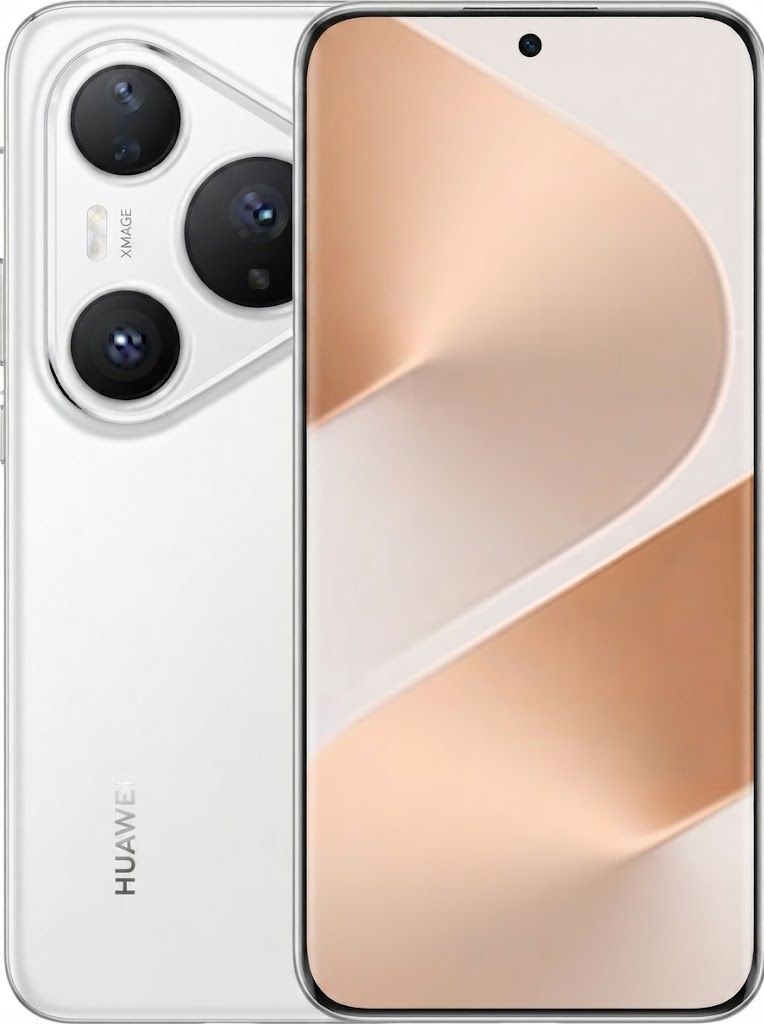
The Nova series has quietly become Huawei’s best value-for-camera play, and the Nova 14 Pro is the clearest example. It runs a 50MP RYYB main sensor with a variable f/1.4–f/4.0 aperture, a 12MP 3x optical telephoto with OIS, and an 8MP ultrawide — a genuinely capable triple setup for a phone that sits well below flagship pricing. The party trick is on the front: a dual selfie camera pairing an 8MP 2x telephoto with a 50MP ultrawide, aimed squarely at buyers who care as much about group selfies and portrait selfies as the rear camera.
Notebookcheck’s 2026 mid-range camera rankings put the Nova 14 Pro at the top of its photography-focused test group with a score of 81.1%, ahead of several better-known mid-rangers in that comparison — worth noting as an independent outlet’s testing result rather than Huawei’s own marketing claim, and specific to Notebookcheck’s own scoring methodology.
| Spec | Detail |
|---|---|
| Main camera | 50MP RYYB, f/1.4–f/4.0, 24mm, OIS |
| Telephoto | 12MP, f/2.4, 69mm, 3x optical, OIS |
| Ultrawide | 8MP, f/2.2, 16mm, 112° |
| Front camera | Dual: 8MP 2x telephoto + 50MP ultrawide |
| Chipset | Kirin 8020 |
| Battery | 5,500mAh, 100W wired |
| Display | 6.78” LTPO OLED, 120Hz |
| Launch price | Sub-flagship, meaningfully cheaper than the Pura line |
Who it’s for: buyers who want most of Huawei’s computational photography strength without flagship pricing, and who value selfie camera versatility.
Compare it against the competition in our best Honor camera phones roundup — Honor’s mid-range imaging has closed the gap on Huawei faster than most other rivals.

Related Posts
- Best Honor Camera Phones (2026)
- Best Honor Phones for Battery Life (2026)
- Best Honor Phones for Fast Charging (2026)
- Best Honor Phones Under $200 (2026)
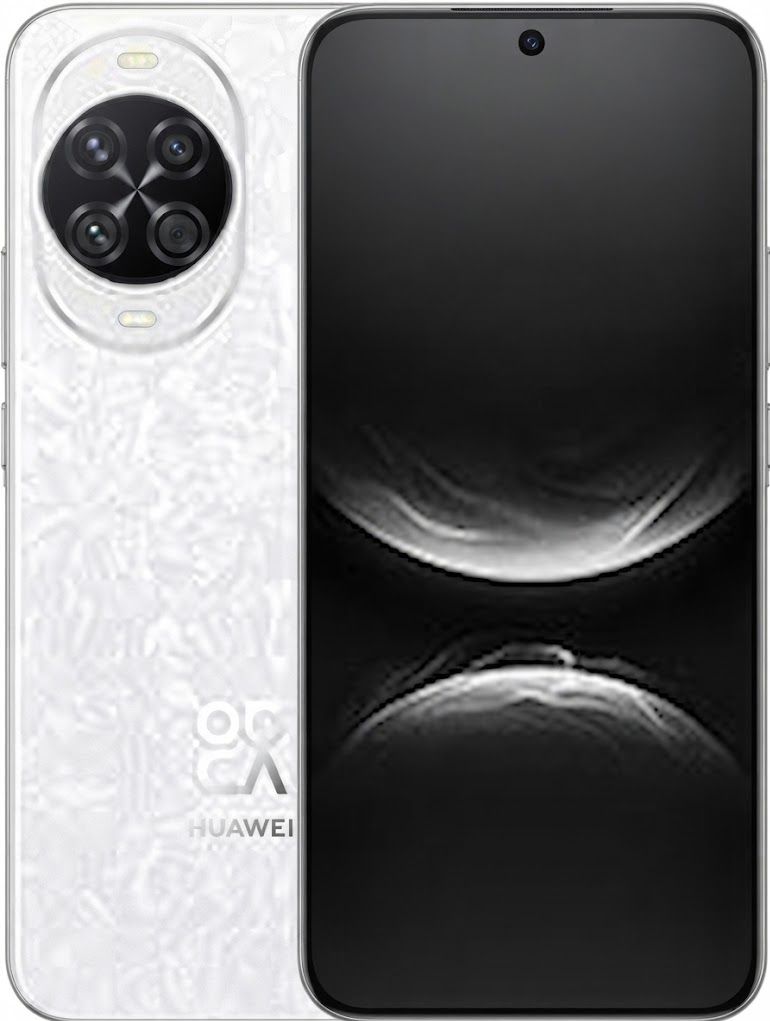
5. Huawei Nova 14 — the accessible entry point
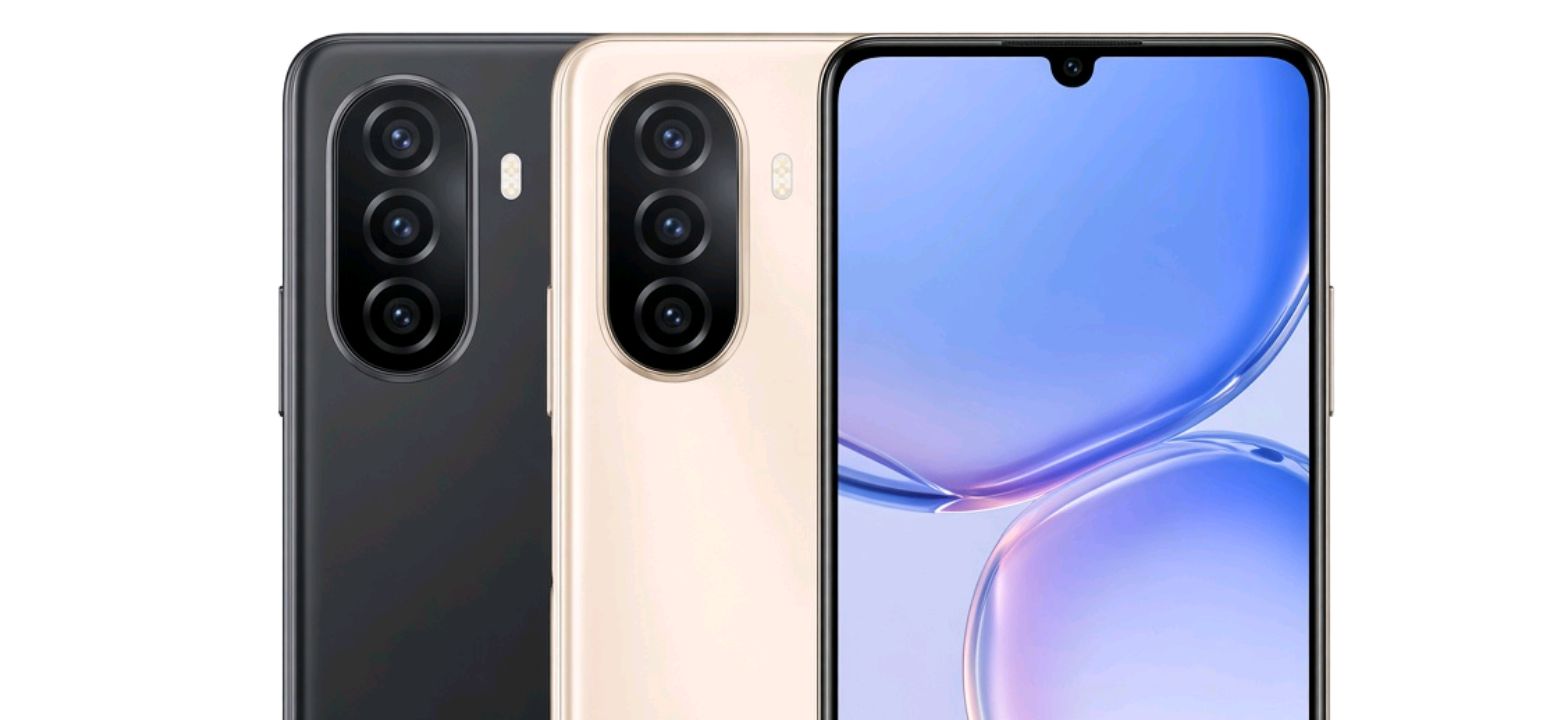
Not everyone needs a 1-inch sensor or a periscope lens, and the standard Nova 14 is Huawei’s answer for that buyer. It keeps the RYYB main sensor formula but scales it down to 50MP at f/1.9, still pairs it with a 12MP 3x telephoto (f/2.4, OIS) and an 8MP ultrawide, and swaps the dual selfie setup for a single but strong 50MP front camera. It’s the phone on this list most likely to show up at a price Nigerian buyers can actually justify for a camera-focused daily driver, especially once import retailers discount it below launch pricing.
It won’t match the Pro’s telephoto reach or its dual selfie flexibility, but the core photography experience — RYYB colour handling, Huawei’s AI scene processing, and OIS on the main and tele lenses — carries over.
| Spec | Detail |
|---|---|
| Main camera | 50MP RYYB, f/1.9, OIS |
| Telephoto | 12MP, f/2.4, 3x optical, OIS |
| Ultrawide | 8MP, f/2.2 |
| Front camera | 50MP, f/2.4 |
| Chipset | Kirin 8000 |
| Battery | 5,500mAh, 100W wired |
| Display | 6.7” OLED, 120Hz, 1084×2412 resolution |
Who it’s for: buyers who want Huawei’s camera DNA at the most attainable price point on this list.
For more budget-conscious picks outside the camera-first category, see our best Huawei phones under $200 guide — camera performance drops off sharply below the Nova 14, so it’s worth knowing where that line sits.
Quick comparison
The order above isn’t a lab-tested ranking of image quality — it’s a buying recommendation weighing camera hardware against price, availability, and who each phone actually suits. The table below is for a fast spec comparison, not a ranking.
| Phone | Main sensor | Telephoto | Best for |
|---|---|---|---|
| Pura 80 Ultra | 50MP, 1-inch | Switchable dual, up to ~9.4x | Absolute best camera, no budget limit |
| Mate 80 Pro Max | 50MP, f/1.4–f/4.0 | Dual periscope, 4x + 6.2x | Long-range zoom shooters |
| Pura 80 Pro | 50MP, 1-inch | 48MP, ~4x | Ultra-level main sensor, lower price |
| Nova 14 Pro | 50MP RYYB | 12MP, 3x | Mid-range value, selfie versatility |
| Nova 14 | 50MP RYYB | 12MP, 3x | Most accessible entry point |
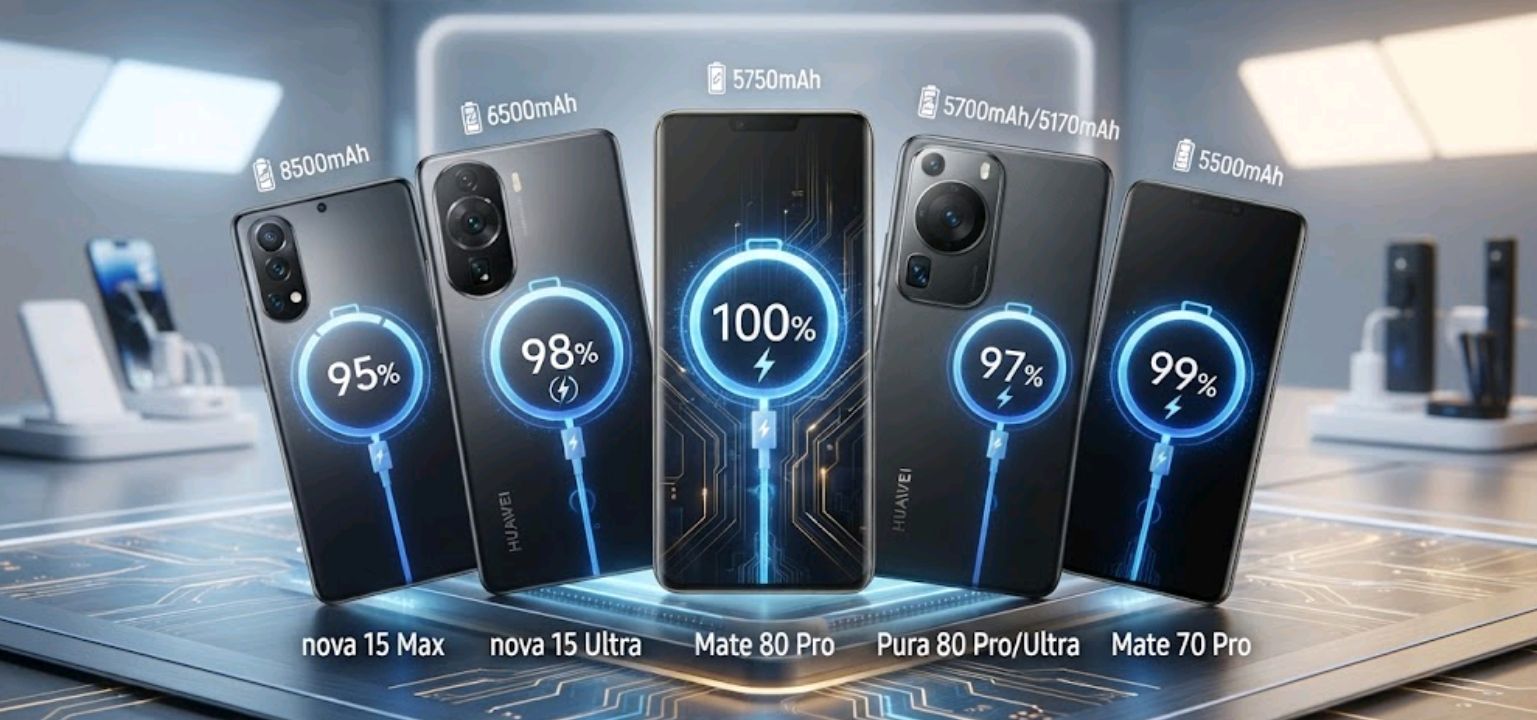
If battery life matters as much as the camera to you, it’s worth cross-checking against Honor’s side of the market in our best Honor phones for battery life piece, and if fast charging is a bigger priority than optics, the best Honor phones for fast charging list is a useful comparison point too.
Frequently asked questions
Do any of these phones have Google Play Store support? No — the Pura 80 series and Nova 14 series covered here all run HarmonyOS without Google Mobile Services out of the box. You’ll be working with Huawei AppGallery, and third-party tools like Petal Search or GBox to sideload specific Google apps if needed. That’s the single biggest adjustment for anyone switching from a Google-based Android phone, and it’s worth testing whether your must-have apps (banking apps especially) work reliably before committing.
Which Huawei phone has the best zoom, not just the best main camera? The Mate 80 Pro Max, because it runs two separate periscope telephoto lenses (4x and 6.2x) instead of one switchable module. The Pura 80 Ultra’s telephoto sensor is larger and arguably sharper at its two fixed ranges, but the Mate covers a wider practical zoom spread.
Is the Nova 14 Pro’s camera actually close to the Pura series, or is that overselling it? It’s genuinely competitive on the main sensor’s RYYB colour science and low-light AI processing, which is where Huawei’s software strength shows regardless of price tier. It falls behind on sensor size, telephoto range, and video dynamic range — the physical hardware advantages the Pura and Mate lines pay a premium for.
Should I buy the Pura 80 Ultra or wait for the Pura 90 series? Huawei’s Pura line has typically brought meaningful camera hardware changes each generation — the jump from the Pura 70 Ultra to the Pura 80 Ultra’s dynamic-range gains is one example — so if a Pura 90 launch is confirmed for your region soon, it’s reasonable to wait and compare specs when they’re official. If you need a phone now, the 80 Ultra’s camera hardware is recent enough that it won’t feel dated within a normal upgrade cycle.
Are these prices realistic for Nigerian buyers, or is that European/Chinese pricing? The figures above reflect European and Chinese launch pricing, since Huawei doesn’t sell these models through official Nigerian retail channels. Expect import markups, and always confirm current landed cost with a specific vendor before treating any of these numbers as final.

Comments 0
Leave a comment