Table of Contents
Open Table of Contents
- Overview
- 1. Honor Magic7 Pro — the flagship benchmark
- 2. Honor 400 Pro — near-flagship speed at a mid-range price
- 3. Honor Magic V6 — best upcoming/China-market fast-charging foldable
- 4. Honor Power2 — 10,080mAh with 80W SuperCharge
- 5. Honor 400 — the budget-friendly 66W option
- How the five compare
- Why 100W doesn’t always mean dramatically faster charging
- FAQ
Overview
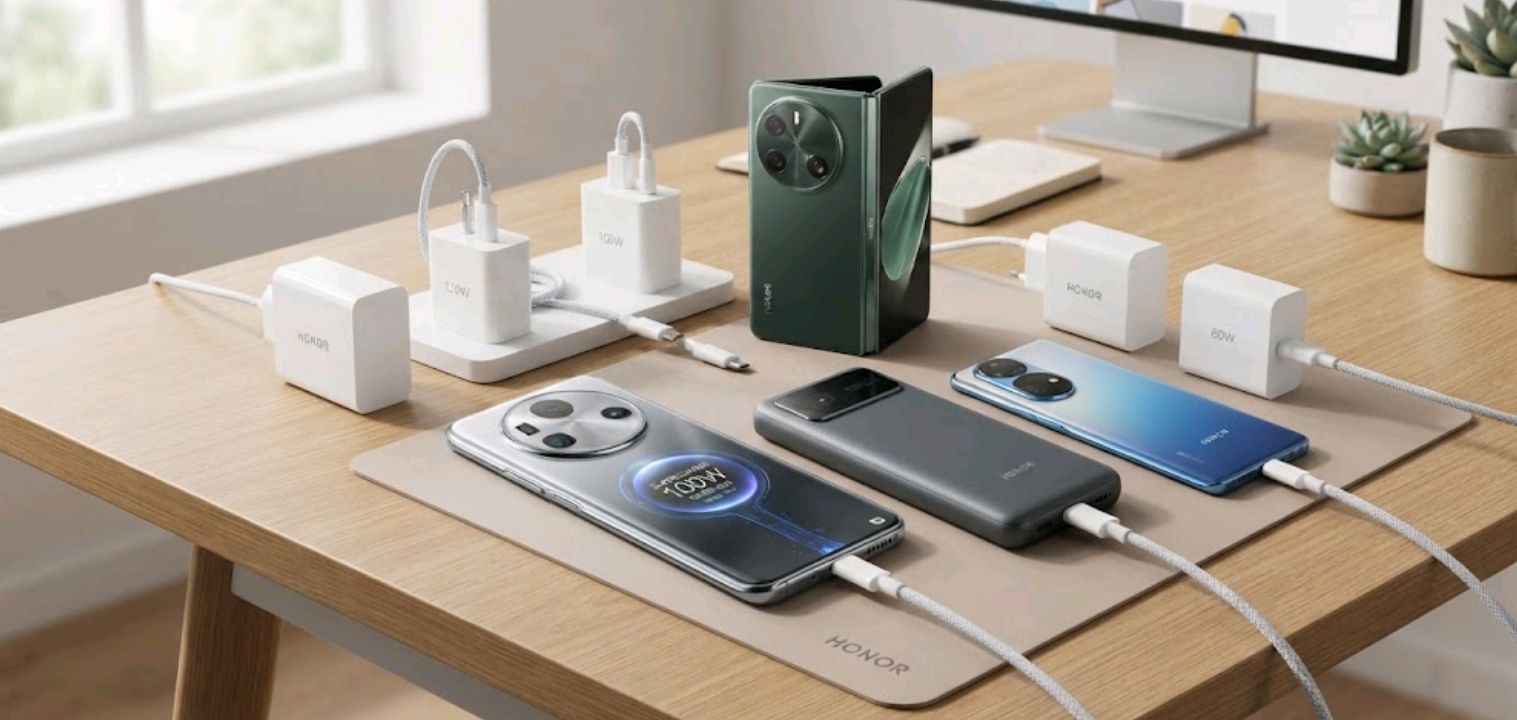
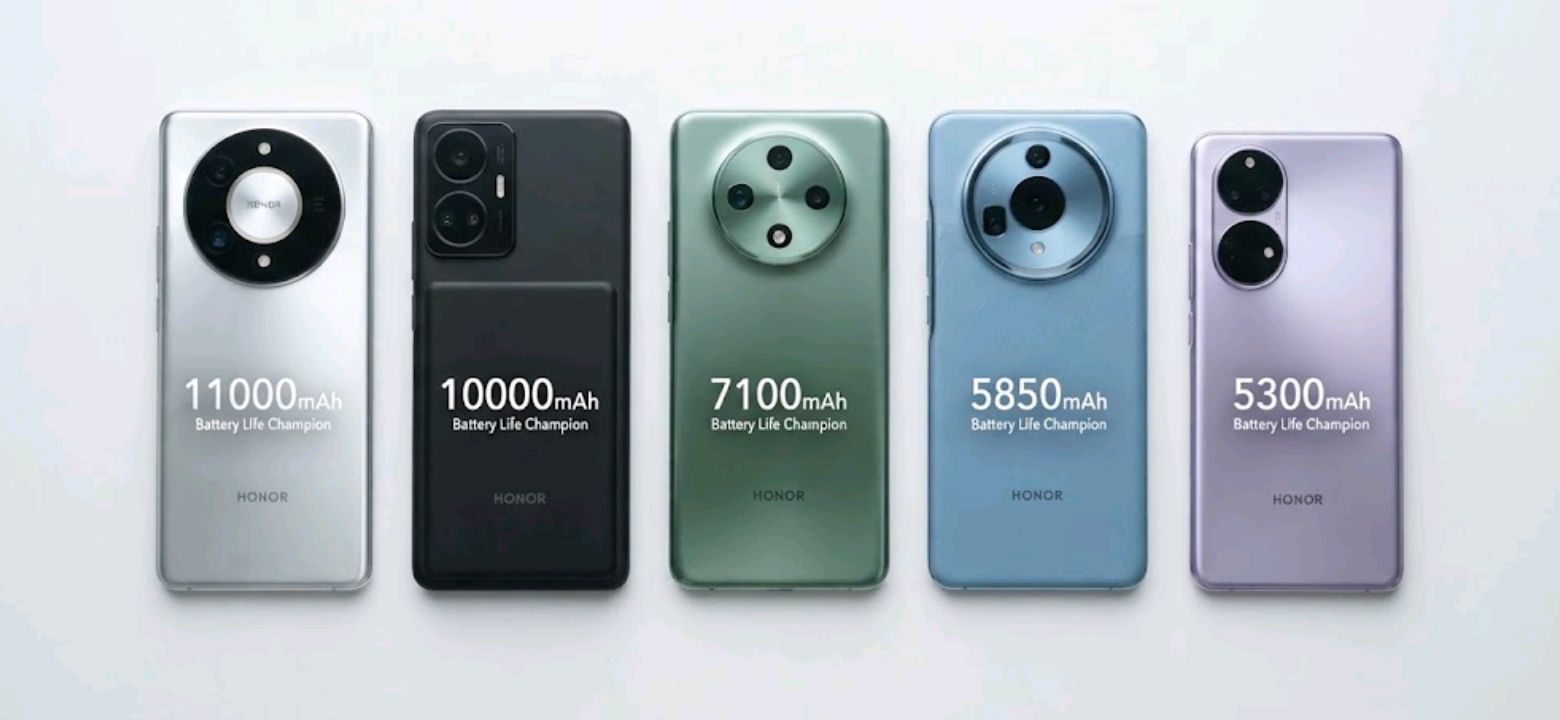
Honor built its reputation on two things most rivals treat as an either/or choice: big batteries and quick top-ups. In most of the industry, cramming in more mAh usually means a slower recharge, since bigger cells take longer to fill at the same wattage. Honor’s 2026 lineup pushes back on that trade-off in both directions at once — a 10,080mAh battery phone and a 120W foldable now sit in the same catalog as more affordable models that still hit triple-digit wired speeds.
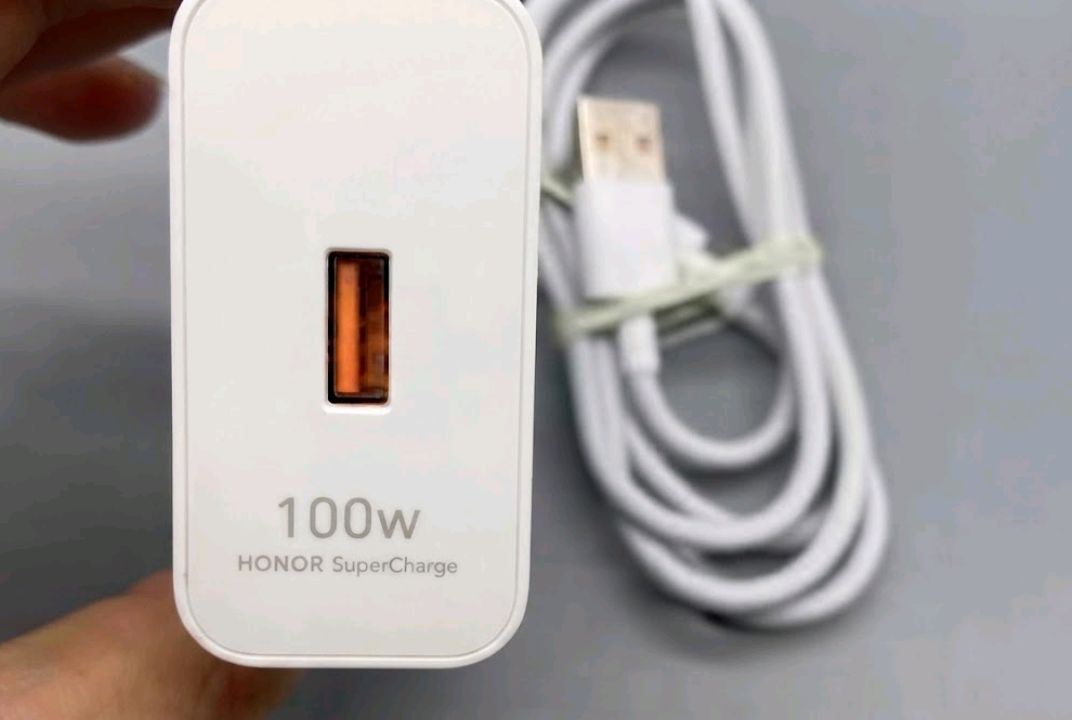
Honor’s highest SuperCharge speeds rely on Honor’s own proprietary charging system, so a generic USB-PD charger typically won’t deliver the maximum advertised wattage — you’ll still get a charge, just at a slower universal rate. Pairing the phone with Honor’s original brick and cable (or one explicitly certified for SuperCharge) is what unlocks the number on the spec sheet. Keep that in mind as you read the picks below.
How these were ranked: phones here are ordered by a mix of charging speed, measured charge time where independent lab testing exists, battery capacity, charger requirements, and overall value for money. Peak wattage alone doesn’t tell the full story — real-world charging curves taper well before 100%, which is why a 66W phone can sometimes finish only minutes behind a 100W one. More on that below.
1. Honor Magic7 Pro — the flagship benchmark
The Magic7 Pro is Honor’s charging flagship as of this writing, pairing 100W wired SuperCharge with 80W wireless charging — a wireless figure that’s still rare outside Xiaomi’s top-tier phones. Independently researched lab data from PhoneArena’s charging speed testing has the Magic7 Pro reaching a near-full charge in around 30 minutes on the wired brick, with the wireless pad landing a full charge in roughly 47 minutes using Honor’s proprietary stand.
Under the 5,850mAh silicon-carbon cell sits a Snapdragon 8 Elite chipset and a 200MP periscope telephoto camera, which is worth knowing if photography weighs into your decision as much as charging does — we go deeper on Honor’s camera performance in our Honor camera phone roundup.
| Spec | Honor Magic7 Pro |
|---|---|
| Battery | 5,850mAh silicon-carbon |
| Wired charging | 100W SuperCharge |
| Wireless charging | 80W SuperCharge |
| Reverse wireless | 5W |
| Chipset | Snapdragon 8 Elite |
| Charge time (wired, est.) | ~30 minutes to near-full |
2. Honor 400 Pro — near-flagship speed at a mid-range price
The 400 Pro undercuts the Magic7 Pro on price while staying close on charging math. GSMArena’s lab testing recorded 53% in 15 minutes, 93% at the half-hour mark, and a full charge in 38 minutes on the bundled 100W adapter — figures that placed it second only to a Xiaomi model running 120W HyperCharge in that same comparison.
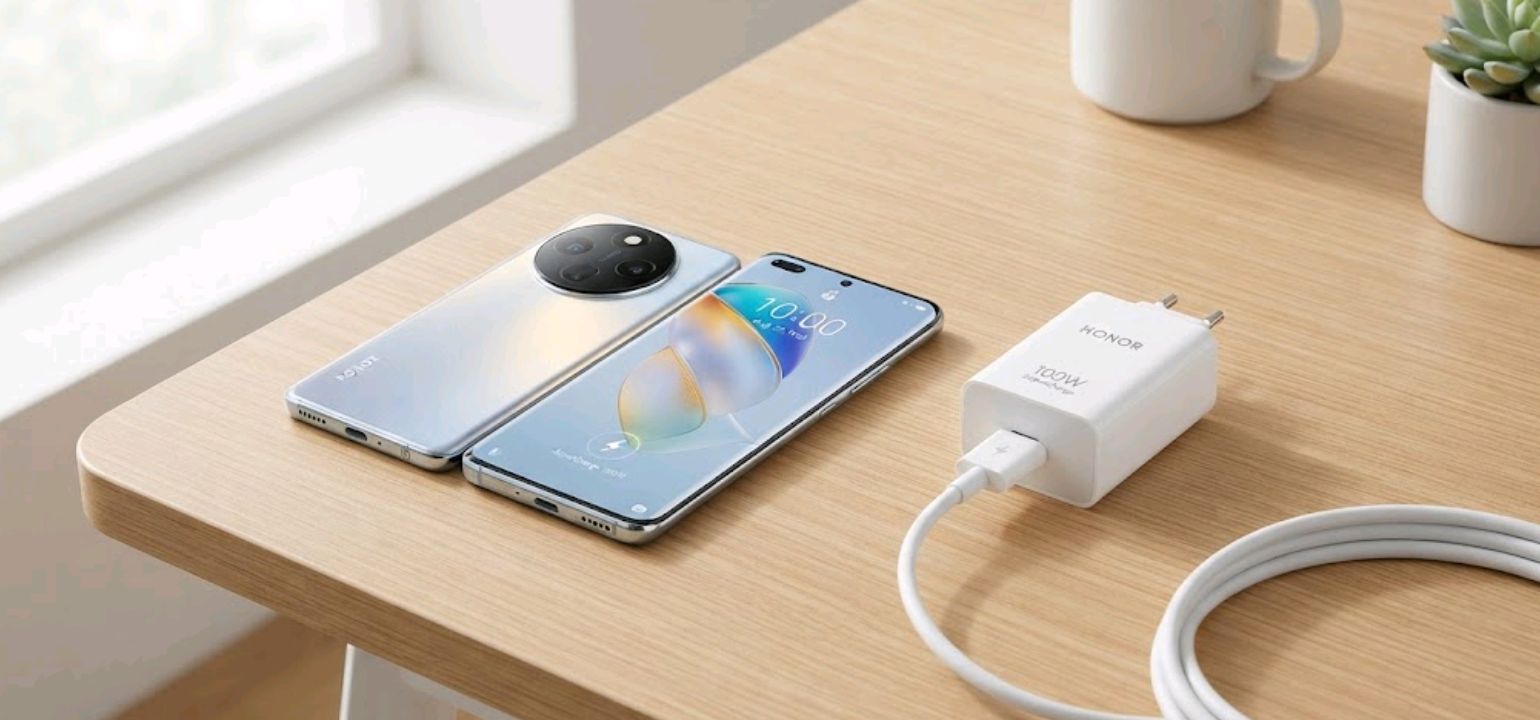
Wireless charging tops out at 50W rather than the Magic7 Pro’s 80W, and battery capacity depends on region — European units ship with a 5,300mAh cell, while some other markets get a larger 6,000mAh version. Either way, the Snapdragon 8 Gen 3 chipset and IP68/IP69 rating make it a sensible step-down pick for buyers who don’t need the periscope camera.
| Spec | Honor 400 Pro |
|---|---|
| Battery | 5,300mAh (6,000mAh in select regions) |
| Wired charging | 100W SuperCharge |
| Wireless charging | 50W |
| Charge time (wired, tested) | 38 minutes to 100% |
| Chipset | Snapdragon 8 Gen 3 |
3. Honor Magic V6 — best upcoming/China-market fast-charging foldable
Foldables are usually the slowest-charging phones in any given lineup, since the split battery and hinge components limit how much heat the chassis can safely dissipate. The Magic V6 is set to break that pattern: a China 3C certification confirms 120W wired charging paired with a 7,150mAh combined battery — a meaningful jump from the Magic V5’s 66W ceiling and its smaller 5,820mAh (global) or 6,100mAh (China) cells.
Community-observed leaks point to a Snapdragon 8 Elite Gen 5 chipset, but pricing and a confirmed global launch window hadn’t landed as of this writing — the phone has only cleared Chinese certification so far. That’s why it’s included here as a forward-looking pick rather than a direct buy-now recommendation alongside the Magic7 Pro, 400 Pro, or Honor 400: treat the specs as provisional until Honor’s official listing goes live in your market, and check availability before adding it to a shortlist. If foldable durability and long-term battery health matter more to you than raw charging numbers, our Honor battery life guide covers how these bigger cells hold up over a typical two-year ownership window.
If you’re cross-shopping foldables against other brands before committing, a few other roundups on the site are worth a look:
- Best Motorola Phones 2026: Top Picks
- Best Huawei Phones Under $200 in 2026
- Best Huawei Phones in 2026
- Does Fast Charging Damage Phone Battery?
- Best Huawei Foldable Phones in 2026
4. Honor Power2 — 10,080mAh with 80W SuperCharge
The Power2 trades flagship wattage for flagship battery capacity. Its 10,080mAh silicon-carbon cell is, at the time of writing, the largest battery Honor has fitted into a phone-shaped device, yet the chassis stays under 8mm thick at 216 grams thanks to that same silicon-carbon chemistry. Wired charging caps at 80W — noticeably below the Magic7 Pro or 400 Pro — but that’s a reasonable trade-off given how much energy the phone actually needs to replenish.
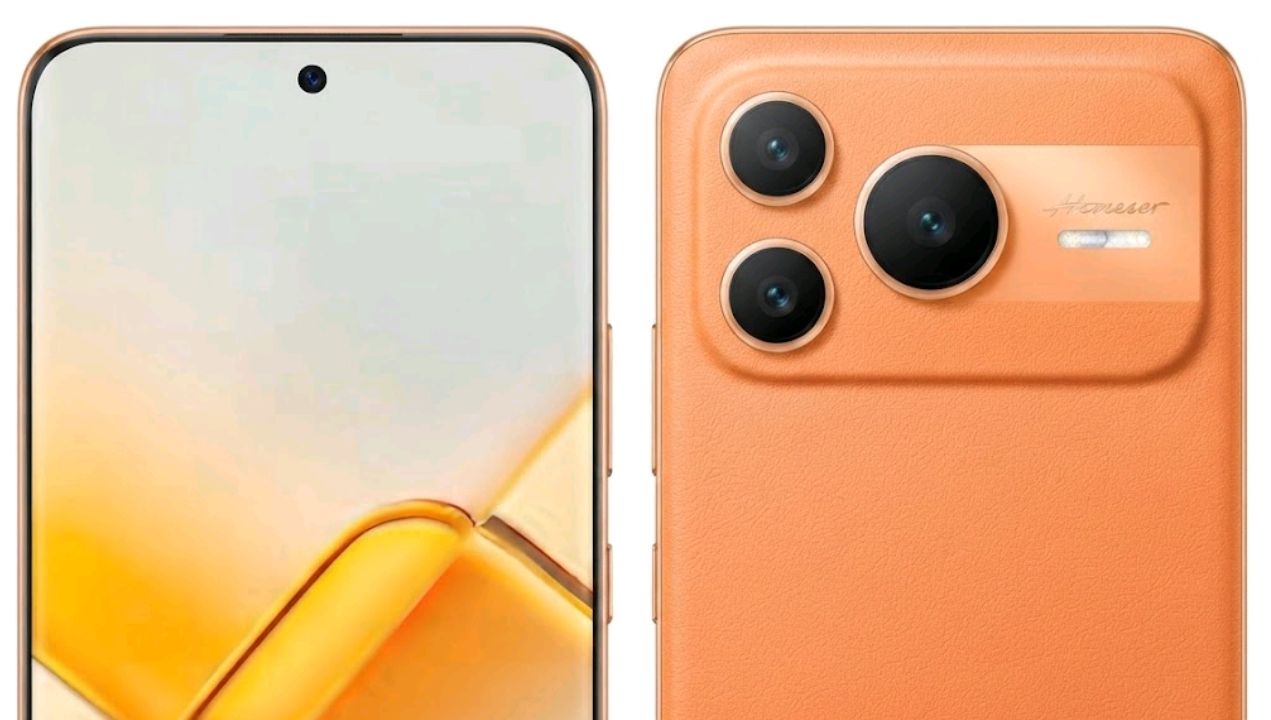
Honor’s own claims put the Power2 at over 20 hours of continuous use and roughly 14 hours of gaming per charge, though those are manufacturer figures rather than independently verified benchmarks, and third-party charge-time testing for this specific model hasn’t surfaced yet. A MediaTek Dimensity 8500 Elite chipset and 12GB of RAM round out a spec sheet aimed squarely at buyers who’d rather charge once a day (or less) than chase the fastest possible top-up.
| Spec | Honor Power2 |
|---|---|
| Battery | 10,080mAh silicon-carbon |
| Wired charging | 80W SuperCharge |
| Reverse wired charging | 27W |
| Chipset | MediaTek Dimensity 8500 Elite |
| Charge time | Not independently tested as of writing |
5. Honor 400 — the budget-friendly 66W option
Not everyone needs 100W. The standard Honor 400 supports 66W wired SuperCharge, which independent reviews clock at recharging the phone in under an hour — just a few minutes slower than the 400 Pro despite the lower peak wattage, since both phones taper their charging curve well before the 100W ceiling matters. It carries the same 5,300mAh silicon-carbon cell family (6,000mAh in some markets) and drops to a Snapdragon 7 Gen 3 chipset, which keeps the price down without gutting battery life.
| Spec | Honor 400 |
|---|---|
| Battery | 5,300mAh (6,000mAh in select regions) |
| Wired charging | 66W SuperCharge |
| Wireless charging | Not supported |
| Chipset | Snapdragon 7 Gen 3 |
| Charge time (est.) | Under 60 minutes to full |
How the five compare
| Phone | Wired charging | Wireless charging | Battery | Best for | Availability |
|---|---|---|---|---|---|
| Magic7 Pro | 100W | 80W | 5,850mAh | Flagship speed + camera | Shipping |
| 400 Pro | 100W | 50W | 5,300–6,000mAh | Near-flagship value | Shipping |
| Magic V6 | 120W | Unconfirmed | 7,150mAh | Fastest-charging foldable (upcoming) | China-certified only, unconfirmed global |
| Power2 | 80W | None confirmed | 10,080mAh | Maximum battery stamina | Shipping (region-dependent) |
| Honor 400 | 66W | None | 5,300–6,000mAh | Budget fast charging | Shipping |
Why 100W doesn’t always mean dramatically faster charging
Peak charging wattage only describes the maximum input during part of the charging cycle. As the battery fills, the phone’s charging controller progressively tapers charging power to manage heat, battery stress, and the final stages of charging. That’s why a 100W phone isn’t automatically twice as fast as a 50W phone from 0% to 100%. Battery size, cell chemistry, charging curves, and thermal management all affect the final result — which is also why the 400 Pro’s tested 38-minute full charge on 100W isn’t dramatically ahead of the standard Honor 400’s sub-60-minute charge on 66W: both phones reduce charging power substantially during the latter part of the cycle.
FAQ
Does a higher-wattage charger always mean a faster full charge?
Not necessarily. Peak wattage only applies to the early, low-percentage part of the charge curve. The 400 Pro and standard Honor 400 finish within a few minutes of each other despite a 34W gap in rated speed, because both phones throttle down well before reaching 100%.
Do I need Honor’s own charger to hit the advertised speeds?
Yes, in most cases. SuperCharge isn’t a standard USB-PD protocol, so third-party chargers typically fall back to a lower universal speed. Pair the phone with Honor’s original brick and cable, or a charger explicitly certified for SuperCharge, if you want the number on the box.
Is 80W wireless charging on the Magic7 Pro actually usable day to day?
It’s fast for wireless, but it requires Honor’s matching wireless stand to hit that ceiling — a generic Qi pad will charge noticeably slower. Wired charging is still the more practical option if speed is the priority.
Which of these five has the best battery life rather than the fastest charging?
The Power2’s 10,080mAh cell is built for endurance over speed, and Honor’s own figures claim over 20 hours of continuous use. Independent testing for that exact claim hadn’t been published as of this writing, so treat it as a manufacturer estimate for now.
Are these charging speeds available on Honor phones sold in Nigeria?
Wattage support is tied to the phone model rather than the region, so the wired and wireless figures above should carry over to Nigerian retail units. Confirm the in-box charger before buying, though, since some regional units ship without the full-speed adapter included.


Comments 0
Leave a comment