Table of Contents
Open Table of Contents
Overview
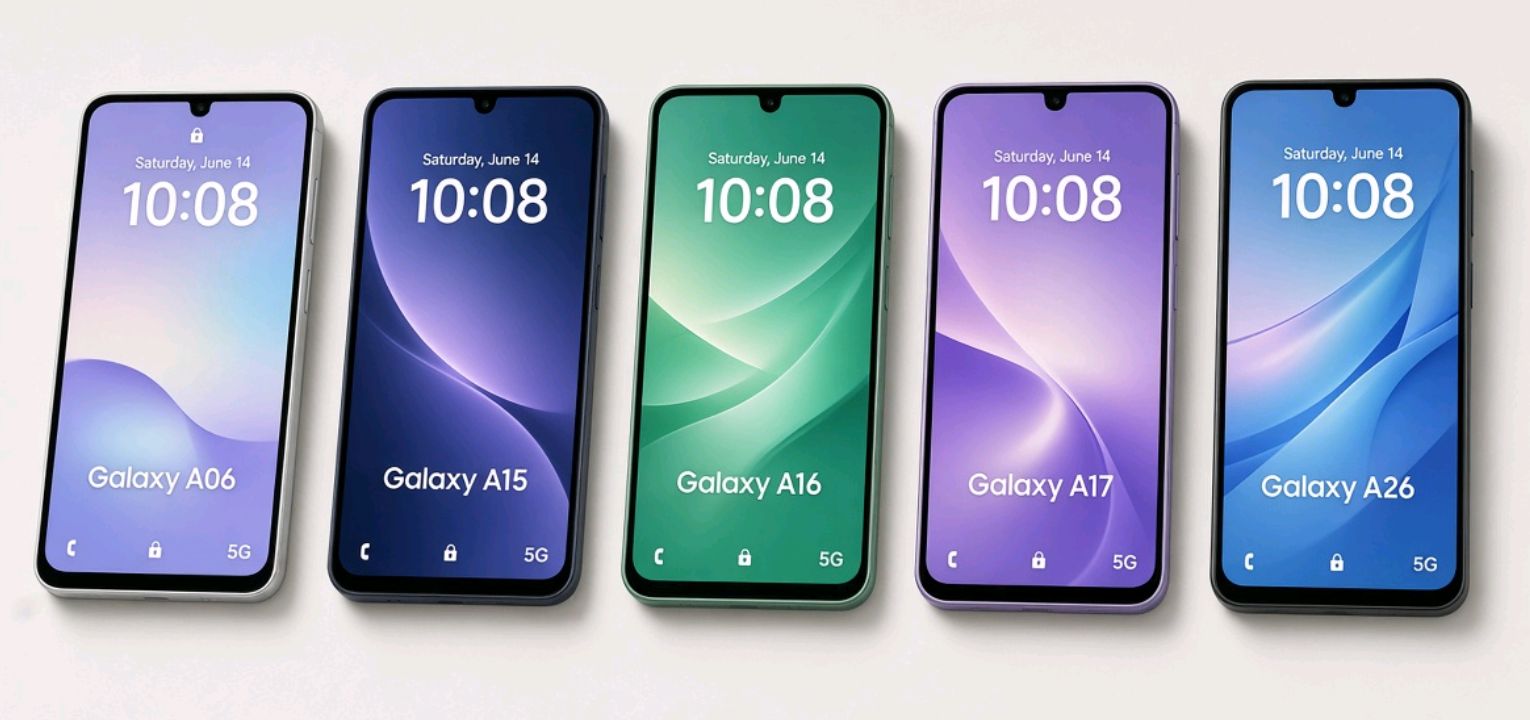
Samsung’s A-series has quietly become the default answer for “what 5G phone should I buy on a tight budget.” You don’t get flagship cameras or stock Android speed, but you do get AMOLED screens, decent battery life, and — this is the part people underrate — some of the longest software support you’ll find below $300. A $250 Galaxy A-series phone from Samsung can outlive a $400 phone from a brand that stops updating after two years.
This list sticks to models that are realistically available new or barely-used for under $300, not phones that only hit that price during a flash sale. Pricing moves around depending on region, carrier bundling, and whether you’re buying locally or importing, so treat the figures below as a starting point rather than gospel — always check current listings before you buy.
Quick picks
- Best overall value: Galaxy A17 5G — six years of OS updates on a sub-$200 phone
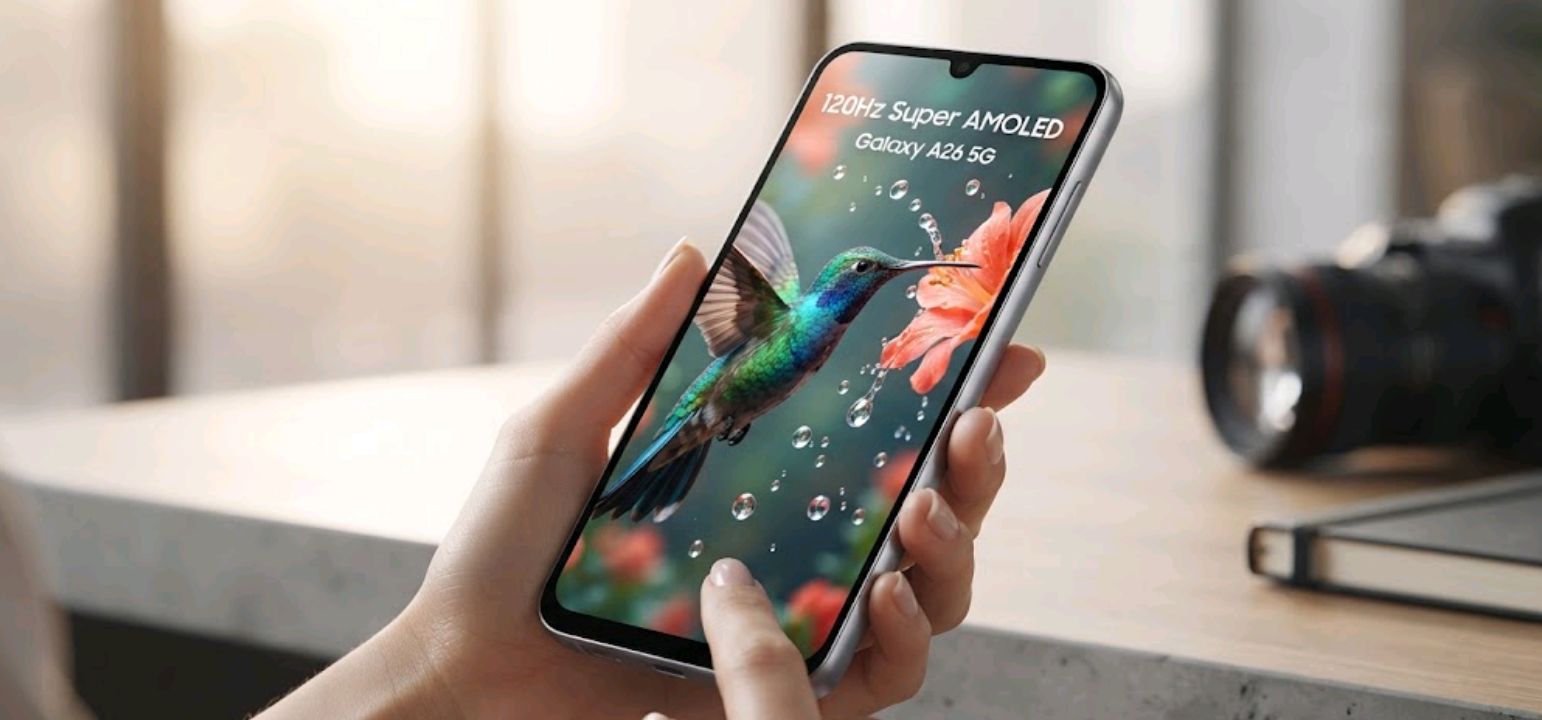
- Best display: Galaxy A26 5G — 120Hz AMOLED, a step up from the 90Hz panels below it
- Cheapest 5G option on this list: Galaxy A06 5G — the lowest entry point into Samsung 5G
- Best for heavy media use: Galaxy A15 5G — AMOLED panel at an unusually low price
- Safe all-rounder: Galaxy A16 5G — a high-volume seller with a strong update commitment
Price check: August 2026. Prices below are approximate U.S. retail prices for base-storage configurations and can vary by retailer, carrier promotions, and storage tier — always confirm current listings before buying.
The comparison
| Phone | Display | Chipset | Battery | Main Camera | OS Upgrades / Security Updates | Typical U.S. Price* |
|---|---|---|---|---|---|---|
| Galaxy A06 5G | 6.7” PLS LCD, 90Hz | Dimensity 6300 | 5,000mAh, 25W | 50MP | 4 OS / 4 years | ~$150–195 |
| Galaxy A15 5G | 6.5” Super AMOLED, 90Hz | Dimensity 6100+ | 5,000mAh, 25W | 50MP (VDIS, no OIS) | 4 OS / 5 years | ~$170–200 |
| Galaxy A16 5G | 6.7” Super AMOLED, 90Hz | Exynos 1330 | 5,000mAh, 25W | 50MP | 6 OS / 6 years | ~$140–200 |
| Galaxy A17 5G | 6.7” Super AMOLED, 90Hz | Exynos 1330 | 5,000mAh, 25W | 50MP OIS | 6 OS / 6 years | ~$170–200 |
| Galaxy A26 5G | 6.7” Super AMOLED, 120Hz | Exynos 1380 | 5,000mAh, 25W | 50MP OIS | 6 OS / 6 years | ~$230–300 |
Prices are for base storage configurations; see the pricing note under Quick Picks above.
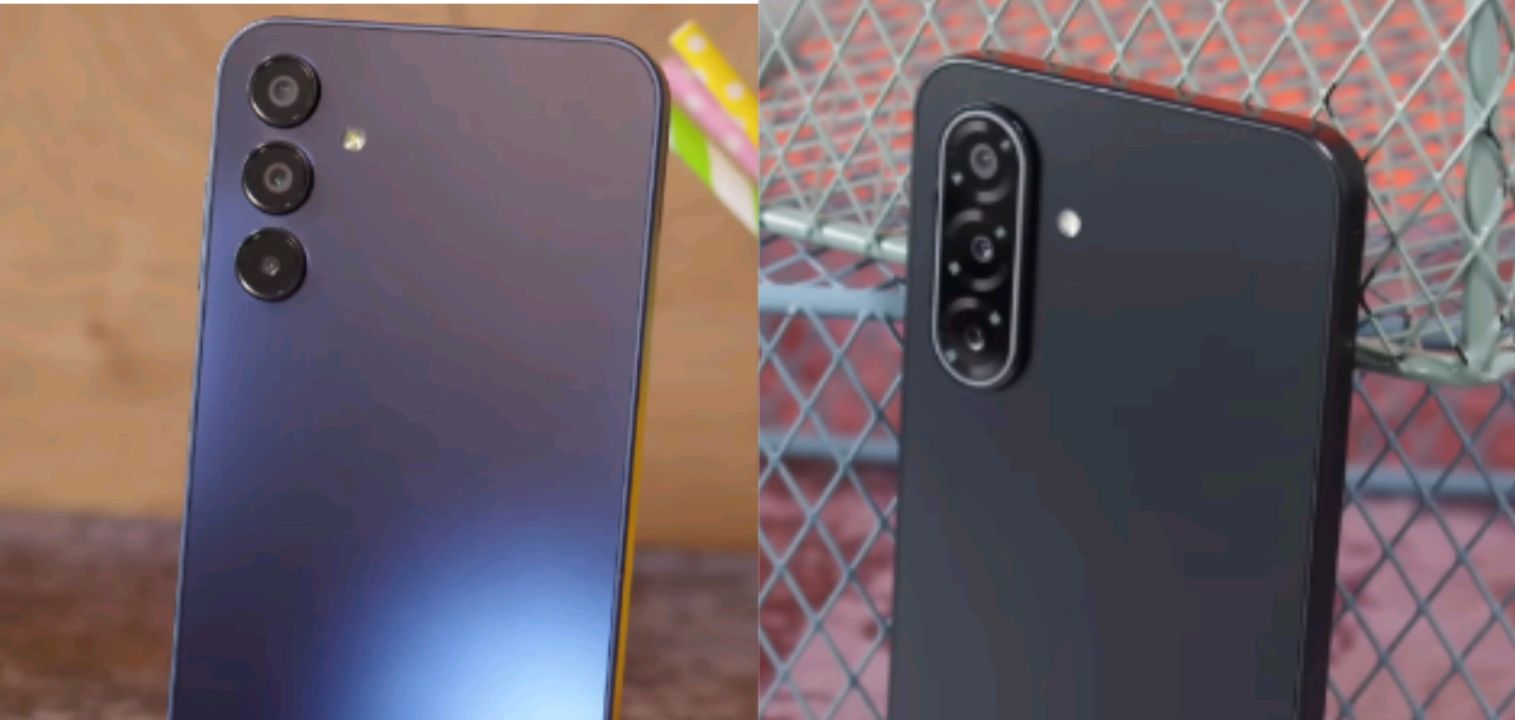
A note on that camera column: OIS matters more than the megapixel count. A 50MP sensor without optical stabilization will still smear low-light and handheld video shots, which is exactly the situation most people are filming in — a birthday party indoors, a night market, a kid who won’t hold still. The A15 5G’s main camera uses VDIS (digital, software-based stabilization) rather than OIS, so it’s a step behind the A17 and A26 here despite the similar spec sheet. If you shoot a lot of video, the A17 or A26 will serve you noticeably better than the A06 or A15.
Where each phone actually fits
The Galaxy A06 5G is for one job: getting 5G onto a phone as cheaply as Samsung sells it. The LCD panel and older Dimensity chip mean you’re trading some picture quality and speed for the lowest possible price. It’s a fine option for a backup phone or a first phone for a younger family member, not something you’d choose if better options are within reach.
The Galaxy A15 5G punches above its price mainly because of that AMOLED screen — a feature Samsung usually reserves for pricier models. RAM is the constraint here; if you’re the type to leave a dozen apps open, expect occasional reloading.
The A16 5G is easy to recommend because it pairs a bigger AMOLED panel than the A15 with the same battery and Samsung’s six-year update commitment, often at a price that dips under $150. For most people asking “just tell me which one to buy,” this is the answer.
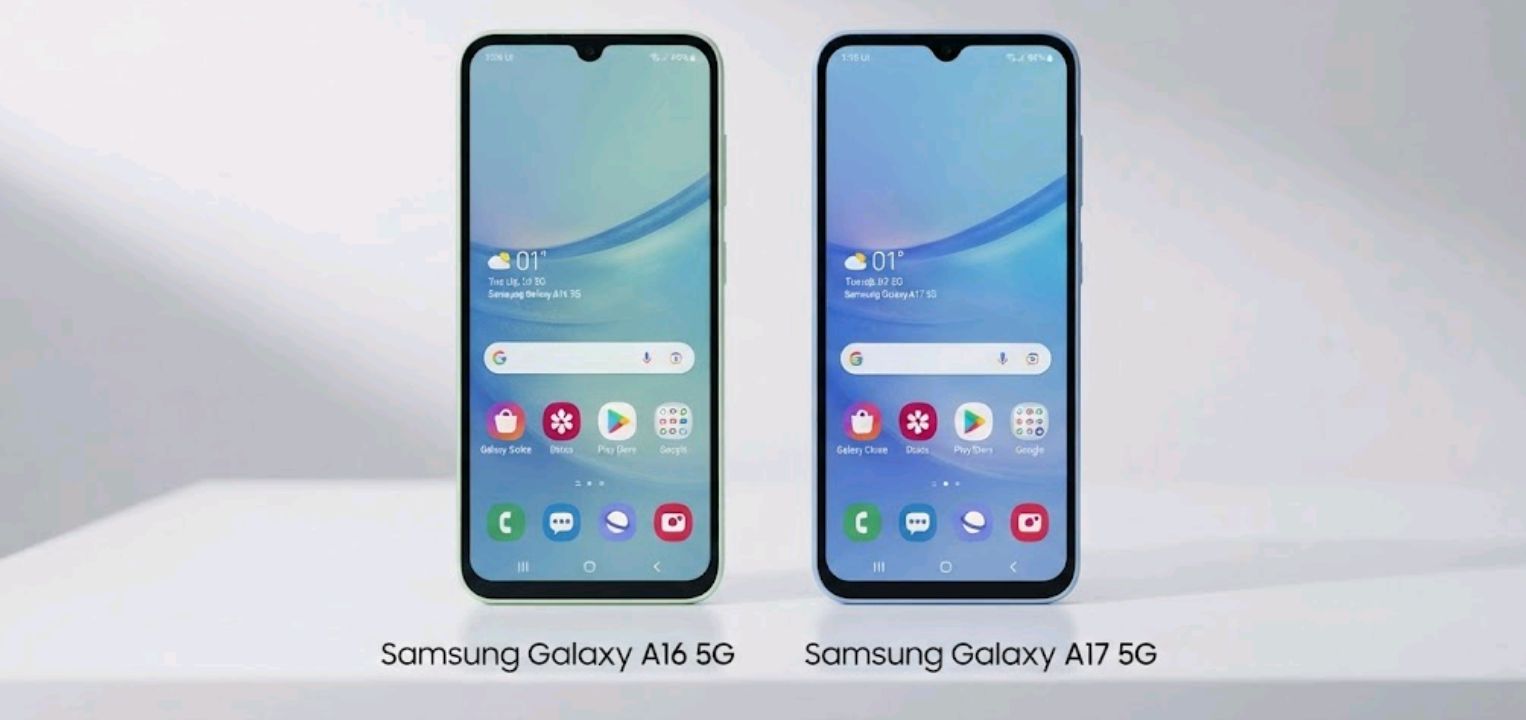
The Galaxy A17 5G builds on the A16 with a stabilized (OIS) main camera, which is the single upgrade worth paying for if it’s within your budget. It skips Galaxy AI features, but at this price that’s an easy trade.
The Galaxy A26 5G is the outlier on this list — IP67 water resistance instead of splash-only IP54, a 120Hz screen, and the newer Exynos 1380 chip. It sits closer to $300 than $200, but it’s the closest thing to a “small flagship feel” you’ll get from Samsung under that ceiling. If gaming or general responsiveness matters to you, this is where the money should go — see our phones that don’t lag breakdown for more on how these chipsets actually perform under load.
None of these five phones support wireless charging, and only the A26 5G is rated for anything beyond light splashes. If either of those matters to you, factor it in before you buy.
Battery and camera, in short
All five phones share the same 5,000mAh cell and 25W wired charging, so day-to-day battery life comes down more to screen brightness habits and background app usage than which model you pick — we go deeper on this in our Samsung battery life guide. For photography, none of these will compete with a $600+ phone, but the OIS-equipped models (A17 and A26) hold up reasonably well for everyday shots; if camera quality is your main priority even at a higher budget, check our best Samsung phones for camera roundup.
Students weighing which of these fits a tight semester budget can also compare against our dedicated Samsung phones for students guide, and if you’re open to other brands in this range, our best TECNO camera phones in Nigeria piece covers a different set of trade-offs at similar pricing.
A buying note for Nigeria and other import-heavy markets: prices above reflect US/global retail listings. Locally, naira pricing will run higher due to import duties and currency conversion, and grey-market units are common — confirm the warranty status and full network band support (especially for 5G) before paying full price.
FAQ
Is a Samsung 5G phone under $300 actually worth it over a 4G phone at the same price?
If your carrier has active 5G coverage where you live and work, yes — you’ll get it “for free” in terms of everyday performance, since these chipsets aren’t meaningfully slower than their 4G counterparts. If 5G coverage in your area is patchy, prioritize the display and camera specs instead and don’t pay extra purely for the 5G label.
Which of these has the best resale value?
Hard to say with certainty this early in each phone’s life cycle, but the A16 5G and A17 5G are reasonable bets — high sales volume tends to mean more buyer demand and easier-to-find parts on the used market down the line.
Do any of these support wireless charging?
No. All five charge via USB-C wired charging only, capped at 25W.
Is the Galaxy A26 5G worth stretching the budget for?
If you’re already near $250–$270, yes — the 120Hz screen and IP67 rating are real upgrades, not marketing fluff. If you’re trying to stay closer to $150, the A16 5G remains the better value.
How many years of updates should I actually expect?
It varies by model, so check the table above rather than assuming one policy applies across the board. Per Samsung’s official published policy: the A16, A17, and A26 5G get 6 major OS upgrades and 6 years of security updates; the A15 5G gets 4 OS upgrades and 5 years of security updates; the A06 5G gets 4 OS upgrades and 4 years of security updates. Samsung has a solid track record of meeting these stated commitments compared to most budget Android brands, but the policies themselves are stated by Samsung as subject to change.

Comments 0
Leave a comment