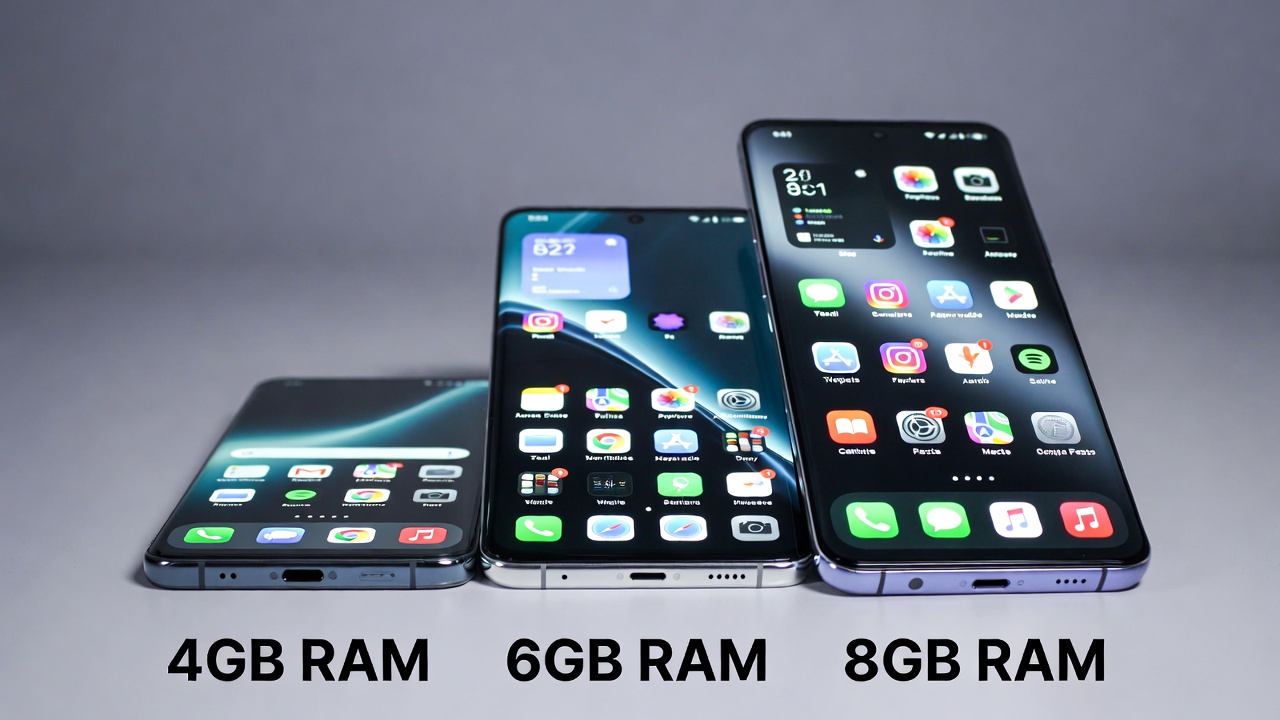
Introduction: The 4GB Illusion Is Finally Dead
For years, smartphone buyers have been sold a comforting lie: “4GB of RAM is enough for everyday use.”
In 2026, that lie finally collapsed.
I’m not talking about heavy gaming or extreme multitasking. I’m talking about normal phone usage—WhatsApp, Instagram, Facebook, Chrome, YouTube, Google Maps, taking photos, and switching between apps without everything reloading.
Over the last year, I’ve used multiple brand-new budget Android phones that still ship with 4GB RAM. These phones weren’t old, damaged, or neglected. They were fresh out of the box—and yet they struggled with basic tasks from day one.
This article is my personal opinion, based on real-world use and current software trends. And the conclusion is simple:
In 2026, 8GB of RAM is no longer optional. It is the real minimum for a smooth smartphone experience.
Android 16 Changed the Rules (Even If Google Didn’t Shout About It)
Android used to scale gracefully. Older versions could still function reasonably well on low-RAM devices if you were patient. That era is over.
With Android 16, Google has quietly but firmly shifted expectations. System behavior, background task management, and feature availability all point in one direction: low-RAM phones are no longer first-class devices.
6GB Is the Floor, Not the Goal
Many phones shipping with Android 16 now treat 6GB RAM as the functional minimum. Devices below that threshold are often pushed toward Android Go editions or heavily restricted builds.
Android Go exists for a reason, but let’s be honest—it’s a compromise OS. Features users expect today, like smooth multitasking, advanced theming, and persistent background apps, are limited or missing.
In daily use, 6GB phones survive. 8GB phones breathe.
The Apple Intelligence Effect: RAM Became Non-Negotiable
Apple rarely talks about RAM numbers, but their actions speak louder than spec sheets.
With the introduction of Apple Intelligence, Apple made it clear that modern on-device AI requires significantly more memory than older phones can provide.
Older iPhones with 4GB or 6GB RAM may still receive updates, but many AI-driven features are unavailable—not because Apple wants to punish users, but because the hardware simply can’t support them reliably.
This move sent a signal across the entire industry:
If you want on-device AI, you need real RAM.
Android developers noticed. App developers noticed. And low-RAM devices were left behind.
On-Device AI Is the Silent RAM Killer
In 2026, your phone isn’t just running apps. It’s running AI systems in the background.

Features like live translation, photo enhancement, voice recognition, smart summaries, and contextual suggestions don’t live in the cloud alone anymore. They sit in memory—constantly.
On several 4GB phones I tested, system monitoring tools showed something alarming:
- Android + system services consumed most of the RAM
- AI services reserved memory in the background
- Less than 1GB was left for actual apps
The result? Apps reload constantly. Switching tasks feels slow. Notifications arrive late. The phone never feels settled.
App Bloat Isn’t Going Away (And RAM Pays the Price)
Modern apps are heavier. Not because developers are lazy, but because expectations have changed.
Higher-resolution images, advanced animations, complex frameworks, and cross-platform engines all demand more memory.
Android 16’s shift toward larger memory page sizes improves performance on high-RAM devices—but it also increases the baseline memory footprint of even simple apps.
On 4GB phones, this creates a vicious cycle:
- Apps are killed aggressively
- Switching apps forces reloads
- User experience feels broken
This isn’t lag. It’s memory starvation.
The Virtual RAM Marketing Scam
One of the most frustrating trends I’ve seen is the rise of “virtual RAM” marketing.
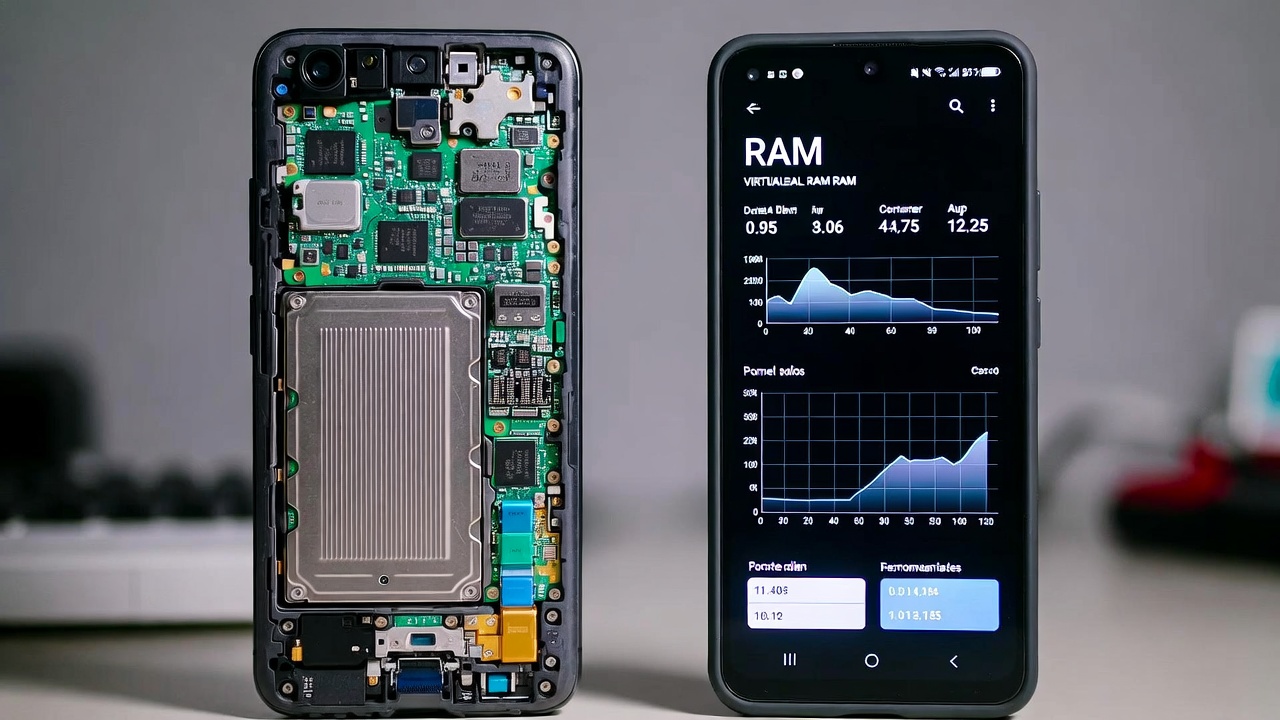 Manufacturers proudly advertise:
“12GB RAM (4GB + 8GB Virtual)” @ Let’s be clear: virtual RAM is not real RAM.
Virtual RAM uses internal storage as overflow memory. Storage is dramatically slower than physical RAM. Using it may prevent crashes, but it also introduces stutters, delays, and long load times.
Virtual RAM is a band-aid. It cannot replace physical memory.
The Real Cost: Shorter Device Lifespan
A 4GB phone in 2026 isn’t just slow—it’s short-lived.
From my experience, most 4GB devices begin showing serious usability issues within six to twelve months, as apps update and system services grow heavier.
That makes these phones effectively disposable.
Spending slightly more upfront for 8GB RAM often results in:
- Longer usable lifespan
- Better resale value
- Fewer frustrations over time
The 2026 RAM Reality Check
Here’s how RAM tiers realistically stack up in 2026:
- 4GB RAM: Obsolete. Basic calls, SMS, emergency use only.
- 6GB RAM: Bare minimum. Functional but limited.
- 8GB RAM: The new baseline. Smooth, reliable, future-proof.
- 12GB+ RAM: Ideal for gamers, creators, and heavy multitaskers.
Final Thoughts: Buy for the Software, Not the Price Tag
Smartphones are no longer just hardware. They are long-term software platforms.
When you buy a phone in 2026, you’re buying into future updates, AI features, and increasingly demanding apps. RAM is the foundation that determines whether your phone ages gracefully—or painfully.
My advice is simple:
If a phone ships with less than 8GB RAM in 2026, walk away.
Your future self will thank you.
Frequently Asked Questions (FAQ)
Is 4GB RAM really unusable in 2026?
For most users, yes. While a 4GB RAM phone can still make calls and send messages, modern apps, background services, and system processes overwhelm the available memory. In real-world use, this leads to constant app reloads, delayed notifications, and an overall frustrating experience.
Can Android Go make 4GB RAM phones usable?
Android Go helps low-end devices survive, but it doesn’t offer the full Android experience. Many features are limited or missing, multitasking is restricted, and long-term app support is weaker. It’s a compromise—not a solution.
Is 6GB RAM enough for normal smartphone users?
6GB RAM is the bare minimum in 2026. It works for light users, but struggles with multitasking, heavy apps, and AI-driven features. If you want a phone that still feels smooth after a year or two, 8GB is the safer choice.
Why do phones with the same RAM perform differently?
RAM size is only part of the story. Software optimization, processor efficiency, storage speed, and background task management all matter. However, when RAM is too low, even the best optimization can’t prevent slowdowns.
Does virtual RAM actually help performance?
Virtual RAM can prevent crashes, but it does not improve speed. Because it uses internal storage—which is much slower than physical RAM—it often introduces stutters and delays. Virtual RAM is a fallback mechanism, not a replacement for real memory.
How much RAM do AI features actually use?
On-device AI systems often reserve memory in the background for tasks like voice recognition, photo processing, and live translation. On low-RAM devices, this leaves very little memory available for apps, causing aggressive background app killing.
Is 8GB RAM future-proof?
No phone is truly future-proof, but 8GB RAM offers the best balance in 2026. It allows smooth multitasking, supports modern AI features, and provides enough headroom for future app updates without becoming sluggish too quickly.
Should I choose 12GB RAM instead of 8GB?
If you game heavily, edit photos or videos, or keep many apps running simultaneously, 12GB RAM is worth considering. For most users, however, 8GB RAM delivers a smooth experience without unnecessary cost.
Is this advice relevant for budget phones?
Yes—especially for budget phones. Low-cost devices already use slower processors and storage. Pairing those limitations with low RAM makes performance problems far more noticeable over time.
What matters more: RAM or processor?
Both matter, but insufficient RAM can cripple even a good processor. A balanced phone with a decent chip and at least 8GB RAM will feel faster in daily use than a powerful processor paired with only 4GB RAM.
Check last update:
Balatro Vs Luck Be a Landlord 2026 Offline Showdown 2026 Definitive Guide Top Offline Mobile Games Ultimate 2026 Mobile Gaming Guide Tecno, infinix Redmi


Comments 0
Leave a comment