Table of Contents
Open Table of Contents
- Run Down 👌
- The Chipset Gap Is Almost Gone
- Battery Life: The Score Nobody Expected
- Cameras: The Honest Version of the Conversation
- The Comparison Nobody Lies About
- Software Updates: The One Advantage That’s Still Real
- What the Brands Are Actually Doing
- The Flagship Side of the Story Isn’t All Bad
- When Flagships Still Make Sense
- The Pricing Reality in the Nigerian Market
- Mid-Range vs Flagship — By the Numbers (2026 Benchmarks)
- Frequently Asked Questions
Run Down 👌
There’s a conversation that keeps coming up in my DMs, in comment sections, and honestly even in my own head whenever I’m phone shopping — “do I really need to spend ₦700k+ on a flagship right now?”
And my honest answer in 2026? No. Not for most people. Not even close.
I’ve been covering smartphones on ReviByte for a while now, and the shift I’m seeing in the mid-range segment isn’t incremental. It’s a structural break from how things used to work. The gap between a ₦200k mid-range device and a ₦700k+ flagship has collapsed so dramatically that buying a flagship in 2026 — unless you have very specific reasons — is starting to feel like paying ₦50k for a bottle of water because it came in a prettier glass.
Let me walk you through exactly what’s happening, because this isn’t brand loyalty or fanboy talk. There’s real data and genuine use-case logic behind all of it.
The Chipset Gap Is Almost Gone
This is the headline nobody expected three years ago. For the longest time the story was simple: flagships get premium silicon, mid-range phones get the hand-me-down chips, and the performance gap is wide enough that you feel it every day. That was true in 2019. It was still somewhat defensible in 2022. In 2026, it barely holds.
The Snapdragon 7s Gen 3 and MediaTek Dimensity 8300 — chips showing up in phones that cost less than ₦250k — are posting benchmarks that would have been labelled “flagship tier” two years ago. I tested the Xiaomi Redmi Note 14 Pro+ running the Dimensity 8300, and this phone handled Call of Duty: Mobile at maximum graphics settings without a single dropped frame. Not “playable with some drops.” Actually smooth, frame after frame, session after session.
If you want to understand what that chip feels like stretched over real daily use and long-term wear — the multitasking, the gaming endurance, whether the performance holds up at the 18-month mark — I went deep on whether Xiaomi phones actually hold up over time, and the findings fed directly into how I think about mid-range value in 2026.
Meanwhile, I keep reading buyer reviews of the latest ultra-premium Android flagships complaining about thermal throttling during extended gaming sessions. A ₦780k phone throttling while a ₦200k device runs clean isn’t an anomaly anymore. It’s a pattern.
The underlying reason is market economics, not engineering charity. Qualcomm and MediaTek both figured out that mid-range volume is where the real unit numbers live. So they pushed their best power efficiency work down the stack instead of keeping it exclusive to the premium tier. Flagships still win on raw benchmark peaks. But in your actual usage over a real day, the gap is laughably thin.
Battery Life: The Score Nobody Expected

I want to say something that might sound exaggerated but is just factual: flagship phones in 2026 often have worse battery life than mid-range phones — both dollar for dollar and in raw mAh terms.
Why? Because the brands chasing “premium” status are still obsessed with thinness. They want that 6.2mm chassis. They want titanium rails and ceramic backs. And the quiet casualty of all that industrial design ambition is battery capacity. You get a 4,500mAh cell inside a ₦750k flagship when phones at ₦200k are shipping 5,500mAh and 6,000mAh batteries as standard.
The Infinix NOTE 40 Pro ships with a 5,000mAh battery paired with 100W charging — full from flat in under 40 minutes. The Tecno Camon 30 Pro comes with 5,000mAh and 70W fast charging. These aren’t niche features buried in a settings menu. These are plug-in-and-go experiences that work every time. And if you’re curious about what else the Camon 30 Pro is quietly capable of, I covered the hidden features on the Tecno Camon 30 Pro that most owners walk right past — the battery management tools there alone are worth knowing.
The charging speed contrast is where frustration with flagships peaks. Apple is still processing the concept of 30W charging on a device that costs over $1,000 in 2026. Chinese mid-range brands put 120W charging in phones a quarter of that price and made it the default, not a premium upgrade. I don’t care how polished the ecosystem is — sitting around for 90 minutes waiting for your phone to charge is a practical, daily disadvantage that no amount of premium branding neutralizes.
Cameras: The Honest Version of the Conversation
This is where I’ll stop hedging: flagship cameras are still better. I’m not going to pretend otherwise. Bigger sensors, more capable optical zoom, more consistent computational photography under difficult conditions — the advantage is real.
But the relevant question isn’t “which phone has the technically superior camera?” It’s: will you actually notice the difference in your photos?
For roughly 80% of what most people photograph — food, events, friends, street scenes, anything heading to social media — mid-range cameras in 2026 produce shots that are practically indistinguishable to the average viewer from flagship output. I’ve posted Tecno Camon 30 Pro photos on this blog and had readers in the comments assume they were shot on an iPhone. That’s not luck. That’s what a 50MP Sony RGBW sensor tuned for real-world use looks like.
There are also a surprising number of smartphone camera features people pay for and never actually use — Pro mode, RAW capture, histogram overlays, manual focus pulls — and flagships tend to pack more of these than mid-range devices. But if you’re not using them on a flagship, you’re definitely not missing them on a mid-range phone.
Where flagships maintain a clear edge: low-light photography of fast-moving subjects like concerts and sports events, true optical zoom beyond 3x, and 4K60 video with meaningful stabilization. If you’re a content creator who depends on those capabilities for paid work — pay for the flagship. That purchase makes complete sense for your use case.
If you’re photographing your jollof rice and your friends at Owambe? Your Infinix handles that with no problem. Better than fine, actually.
The Comparison Nobody Lies About
| Feature | Mid-Range (₦150k–₦300k) | Flagship (₦600k–₦900k+) |
|---|---|---|
| Chipset Performance (Real-World) | 85–90% of flagship | 100% |
| Battery Capacity | 5,000–6,000mAh | 4,500–5,000mAh |
| Charging Speed | 67W–120W | 30W–65W (most) |
| Camera (Everyday Use) | Very Good | Excellent |
| Camera (Pro/Low-Light) | Good | Best-in-Class |
| Display Quality | Great (AMOLED, 120Hz) | Premium (better calibration) |
| Software Updates | 2–3 years | 4–7 years |
| Build Material | Plastic/Glass | Glass/Titanium/Ceramic |
| Repairability | Easier, cheaper | Often harder, pricier |
| Value Retention | Lower resale | Better resale |
That table is the honest picture. Flagships win on software longevity, display calibration precision, and the camera ceiling. Mid-range wins on battery capacity, charging speed, repairability, and what you actually get per naira. The key insight: mid-range wins on the things you interact with every single day, while flagships win on things you’ll notice once a month, if that.
Software Updates: The One Advantage That’s Still Real
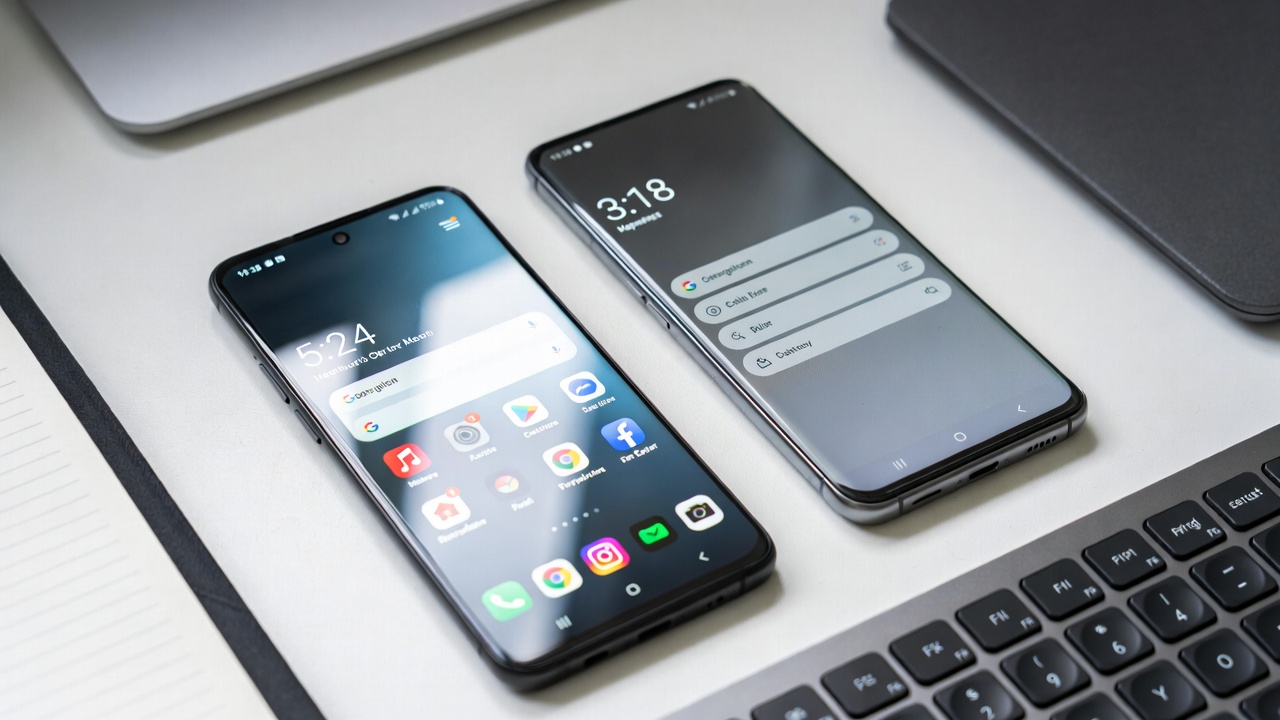
I’ll give flagships this without argument — Samsung, Google, and Apple have genuinely pulled ahead on software support timelines. Google committed to 7 years of OS updates on Pixel devices. Samsung matched that on S-series. That’s real, tangible long-term value if you hold a phone for years.
Mid-range brands are improving, but the gap remains significant. Most mid-range Android phones in 2026 are getting 2–3 years of OS updates. Infinix and Tecno have improved their HiOS cadence, but they still can’t match what Samsung delivers even on its mid-tier A-series line.
If you’re the type who buys a phone and stretches it to 5 years, that software support gap is not trivial. Your mid-range phone might be faster at purchase, but in year four it could be sitting on an unpatched Android version with known security vulnerabilities. That’s a real concern, not a marketing talking point.
That said — the economic reality for most buyers in Nigeria and across much of Africa is phones get upgraded every 2–3 years, not 5. If that’s your genuine pattern, the software longevity advantage of a flagship is theoretical. You’ll upgrade before it ever becomes relevant.
What the Brands Are Actually Doing
The brands driving this mid-range renaissance are the ones you already know if you follow ReviByte: Xiaomi, Infinix, Tecno, and Samsung’s own A-series. Each is attacking the value equation from a different angle.
Xiaomi has been the most systematic. The Redmi Note 14 series took every historical criticism levelled at mid-range phones — plasticky construction, average cameras, sluggish charging — and methodically fixed each one. The result genuinely feels flagship-adjacent. Whether that quality holds up over two to three years of real use is a question I addressed directly in my piece on Xiaomi’s long-term durability. My conclusion surprised me.
Infinix surprised me the most this cycle. The NOTE 40 lineup invested in AMOLED panels and 144Hz refresh rates on sub-₦200k devices when competitors at that price were still pushing LCD as a cost cut. That’s a deliberate brand statement, not a compromise.
Tecno’s Camon 30 Pro continues to do what Tecno does best: camera tuning built for its actual audience. For a market where portrait photography, vibrant skin tones, and punchy color preference matters, Tecno’s computational photography has become precise and intentional. I took Camon 30 Pro shots at a wedding recently — natural colors, sharp face detail, night shots that didn’t turn everyone into orange silhouettes. I documented the full range of what the Camon 30 Pro can do if you want the camera breakdown before deciding.
Samsung’s A56 sits at an interesting middle ground — Samsung One UI polish, DeX connectivity, and the long update commitment, at mid-range pricing. It’s the answer to “I want Samsung but the S-series price is not happening.”
The Flagship Side of the Story Isn’t All Bad
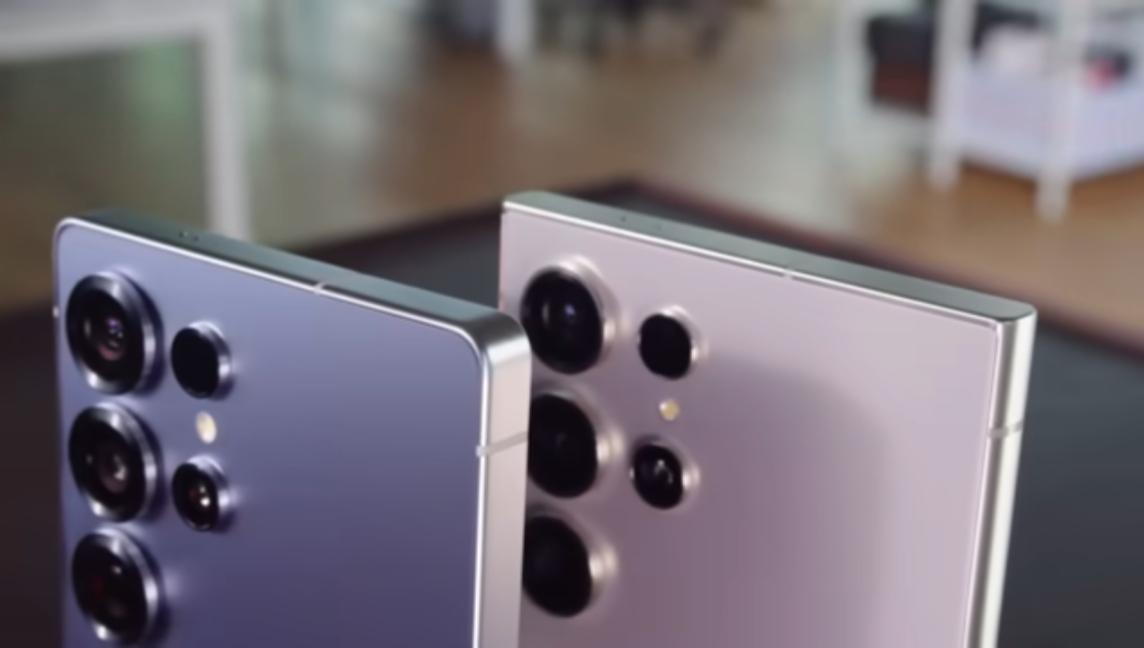
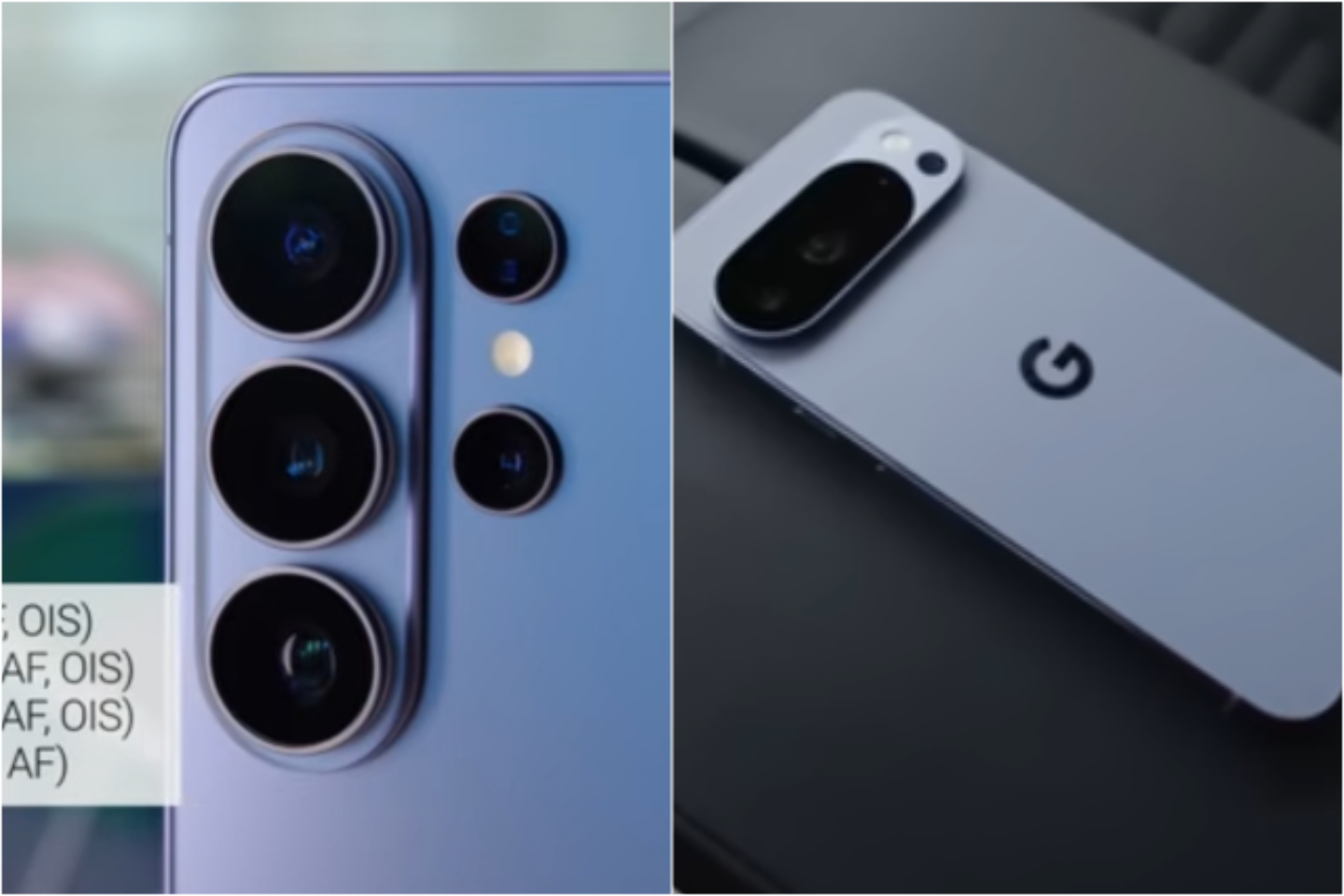
This wouldn’t be a fair conversation without time on the other side. I reviewed the Samsung Galaxy S26 Ultra and came away with complicated feelings I always get from ultra-premium Android flagships: genuinely impressive in specific ways, but those ways are increasingly specific to specific users. The S Pen workflow is still unmatched anywhere. The zoom camera is still a class above. The software commitment is real. For someone primarily streaming, messaging, and snapping casual photos though? The S26 Ultra is charging you for capabilities you’ll barely touch.
The iPhone 17 Pro Max is in a similar position. The camera system for video remains the best on any phone. The ecosystem integration is seamless if you’re already inside it. But in my breakdown of the iPhone 17 Pro Max’s real-world tips and underreported features, the honest takeaway kept surfacing: a significant portion of what people pay the premium for is either so buried in settings that average users never find it, or has been replicated well enough by mid-range Android that the price gap no longer justifies itself for most buyers.
When Flagships Still Make Sense
Flagships aren’t dead. They’re not even dying. But the profile of who should buy one has narrowed considerably.
Buy a flagship if:
- You’re a video creator who genuinely depends on the best stabilization and camera system for professional output
- You need 5+ years of OS and security updates and you actually keep phones that long
- You want peak sustained gaming performance over multi-hour sessions at maximum settings
- You’re embedded in the Apple ecosystem and iOS workflows are genuinely essential to how you work
- You simply want the best and have the budget — that’s a completely valid reason too
Save your money if:
- Your daily use is social media, streaming, calls, WhatsApp, and casual photography
- You game casually and don’t need maximum sustained frame rates on extreme settings
- You realistically upgrade phones every 2–3 years
- Fast charging and battery endurance matter more to you than a 6.2mm chassis profile
The Pricing Reality in the Nigerian Market
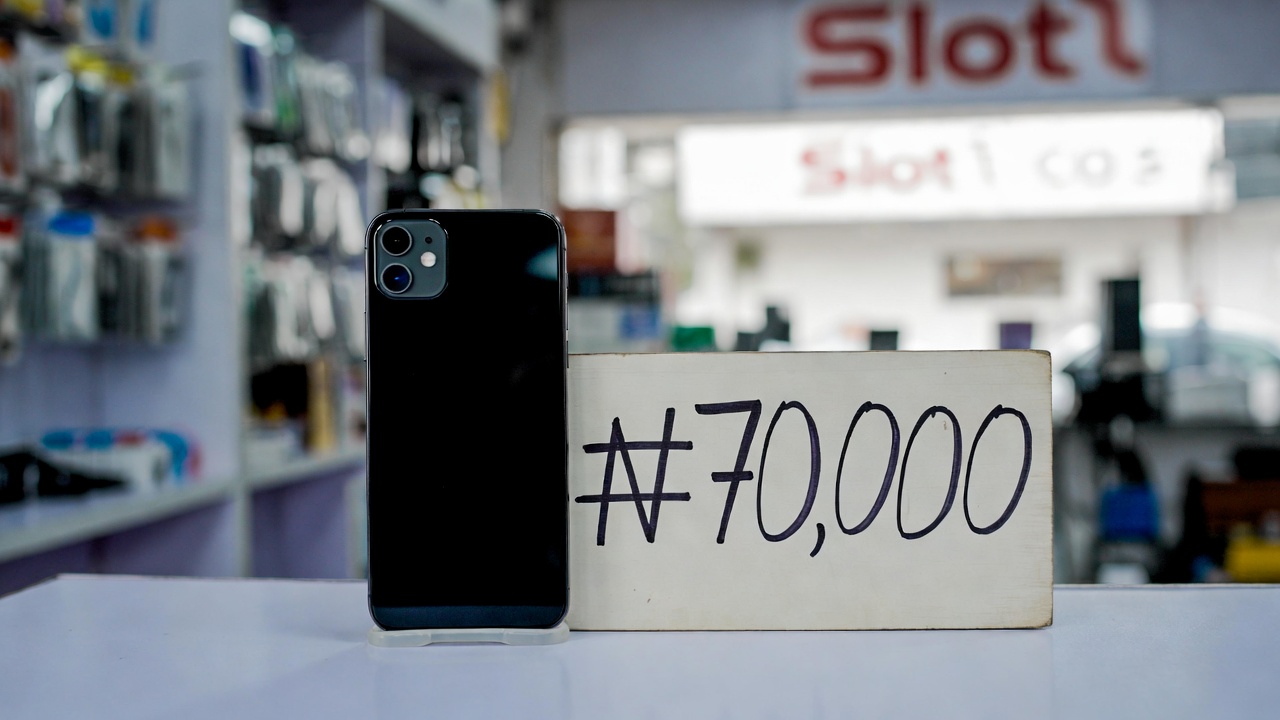
This entire conversation hits differently in the Nigerian context. In a market where the exchange rate can swing 20–30% in a year and phone prices follow it, committing ₦700k–₦950k+ to a flagship is a significant financial decision with real opportunity cost.
That same budget on a ₦250k mid-range phone leaves ₦450k–₦700k untouched. That’s a capable laptop for your business. That’s an emergency fund. That’s two or three complete upgrade cycles going forward. The math is uncomfortable for premium manufacturers, but it’s the math real buyers in this market are doing — and increasingly, acting on.
What I’m saying isn’t “don’t buy flagships.” It’s: be honest with yourself about why you’re buying one. If it’s for performance, check whether the performance gap in your actual use case justifies the premium — for most people, it doesn’t. If it’s for prestige or brand signalling, own that reason. It’s a human thing and there’s nothing shameful about it. But don’t tell yourself the camera is three times better because it costs three times more. For your everyday photos, it usually isn’t.
Mid-Range vs Flagship — By the Numbers (2026 Benchmarks)
| Phone | Segment | Price (Approx.) | AnTuTu Score | Battery (mAh) | Charging |
|---|---|---|---|---|---|
| Xiaomi Redmi Note 14 Pro+ | Mid-Range | ₦220k | 820,000 | 5,110 | 120W |
| Infinix NOTE 40 Pro | Mid-Range | ₦185k | 680,000 | 5,000 | 100W |
| Tecno Camon 30 Pro | Mid-Range | ₦170k | 620,000 | 5,000 | 70W |
| Samsung Galaxy A56 | Upper Mid | ₦310k | 850,000 | 5,000 | 45W |
| Samsung Galaxy S26 Ultra | Flagship | ₦850k+ | 2,100,000 | 5,000 | 65W |
| iPhone 17 Pro Max | Flagship | ₦950k+ | 1,900,000 | 4,685 | 30W |
The AnTuTu gap between the Samsung A56 and the S26 Ultra is about 2.5x on raw numbers. But daily experience doesn’t scale with benchmark scores. You’re not loading Instagram 2.5x faster. You’re not scrolling contacts 2.5x smoother. The benchmark gap is real. The lived performance gap is not.
Frequently Asked Questions
Q: Are mid-range phones actually competitive for mobile gaming in 2026?
For the majority of titles — CODM, PUBG Mobile, Genshin Impact at standard to high settings — yes, genuinely competitive. The Dimensity 8300 and Snapdragon 7s Gen 3 handle these without meaningful compromise. Where flagships still hold a real advantage is sustained performance at absolute maximum settings over very long sessions (2+ hours), where thermal headroom and peak GPU capacity start to matter. For casual to moderate gaming, mid-range is completely sufficient.
Q: What’s the one area mid-range genuinely cannot match a flagship?
Computational photography at the extreme end — specifically optical zoom beyond 3x, low-light video in unpredictable conditions, and professional-grade 4K video stabilization. If those capabilities are central to your work, a flagship camera system is still in a different class. Everything else in 2026 is close enough that the debate is reasonable.
Q: I run my business from my phone — should I go mid-range?
If your work involves client photography, professional video production, or you need 5+ years of security support on a device handling sensitive data — lean flagship or upper-mid-range. If your daily business is calls, messaging, social media management, banking apps, and documents — mid-range handles all of it without breaking a sweat. Most business use cases fall into that second category.
Q: Do mid-range phones actually last? Build quality worries me.
This story has changed. Phones like the Redmi Note 14 Pro+, Samsung A56, and Infinix NOTE 40 Pro now ship with Gorilla Glass and IP ratings for water resistance. They’re not as physically robust as titanium-framed flagships in a straight drop test, but they’re nowhere near the flimsy plastic devices of five years ago. Mid-range build quality in 2026 is a genuinely different conversation.
Q: Best mid-range phone to buy in Nigeria right now?
As of March 2026, the Xiaomi Redmi Note 14 Pro+ is the most balanced package — strong AMOLED display, 120W charging, capable cameras, solid sustained performance. If Samsung’s ecosystem and update commitment matters to you, the Galaxy A56 is worth the extra ₦90k. Tighter on budget but still want something quality? The Infinix NOTE 40 Pro at ₦185k is punching well above its price class right now.
Q: Is the flagship market going to shrink because of all this?
Probably not disappear, but it will tighten further. The brands that will keep selling flagships at premium prices are those with genuine ecosystem lock-in like Apple, or specialized hardware with no mid-range equivalent — the S Pen, extreme optical zoom, sustained professional video. Pure “better specs” flagships without those differentiators are going to have a harder and harder time justifying themselves as mid-range quality continues to close the gap.
The bottom line for 2026 is simple: the mid-range phone stopped being the “sensible compromise” and became the genuinely intelligent choice for most people. The brands building these devices figured out what actually matters to real users — endurance, display quality, cameras that do the job reliably, and pricing that doesn’t require a payment plan — and they’re delivering on all of it.
You can still buy a flagship. Some of them are remarkable machines and I mean that without sarcasm. But if you’re spending that money expecting a dramatically better everyday experience, the data in 2026 doesn’t back that expectation for most users.
Buy the phone that fits your life, not the one that looks best in a spec sheet comparison. In 2026, those are increasingly different devices — and the one that fits your life costs a lot less.
— iSamuel, ReviByte Opinions

Comments 0
Leave a comment