Table of Contents
Open Table of Contents
- Are Xiaomi Phones Durable Enough for Long-Term Use?
- What “Durable” Actually Means — And Why Most Reviews Miss It
- Physical Build Quality: Where Xiaomi Has Genuinely Improved
- Battery: The Silent Variable Nobody Talks About Enough
- Software Support: The Honest Picture
- Thermal Performance Under Load
- Real-World Durability: What I Have Actually Seen
- How HyperOS Changes the Long-Term Picture
- What Xiaomi Still Needs to Fix
- My Recommendation Framework
- FAQ
Are Xiaomi Phones Durable Enough for Long-Term Use?
Let me be upfront with you — I was not always a Xiaomi believer. When a friend handed me his beat-up Redmi Note 10 that had somehow survived two years of construction site conditions, I laughed it off. Budget Chinese phone. It probably just looked fine, I told myself.
Then I started paying closer attention. Then I bought one myself. Then another.
What followed was a few years of genuinely putting these devices through real life — not controlled lab conditions or a YouTube drop test, but actual Tuesday mornings, beach trips, software updates I did not ask for, and the slow grind of daily existence. What I found surprised me in some areas, confirmed my suspicions in others, and ultimately changed how I think about “durable” as a concept when it comes to mid-range smartphones.
Here is the honest truth: Xiaomi phones are not all built the same. Not even close. The brand covers everything from budget Redmi A-series devices sitting under $130 all the way up to the flagship Xiaomi 14 series trading punches with Samsung and Apple. Treating them as one category is like asking whether Toyota cars are reliable — you need to know if you are buying a Corolla or a Land Cruiser.
With that said, patterns emerge. Clear ones. And that is exactly what I want to get into here.
What “Durable” Actually Means — And Why Most Reviews Miss It
Before I get into build quality and specs, I want to challenge the way durability gets framed in most smartphone conversations. The word typically gets attached to drop tests, IP ratings, and Gorilla Glass versions. Those things matter — I am not dismissing them — but they only capture one dimension of what makes a phone worth owning for two or three years.
Real long-term durability, the kind that actually affects your daily life, lives across four distinct categories. Physical toughness — how well does the hardware survive accidents. Thermal performance — does it stay cool under sustained load without quietly throttling performance you paid for. Software longevity — will you get meaningful updates and will the phone stay fast as the OS matures. And component reliability — does the battery, the camera module, and the physical buttons hold up over hundreds of charge cycles and thousands of presses.
Most reviews only cover the first one. That is a mistake, and it is why people end up frustrated with phones that passed a two-meter drop test but felt unusable and sluggish by the end of year two.
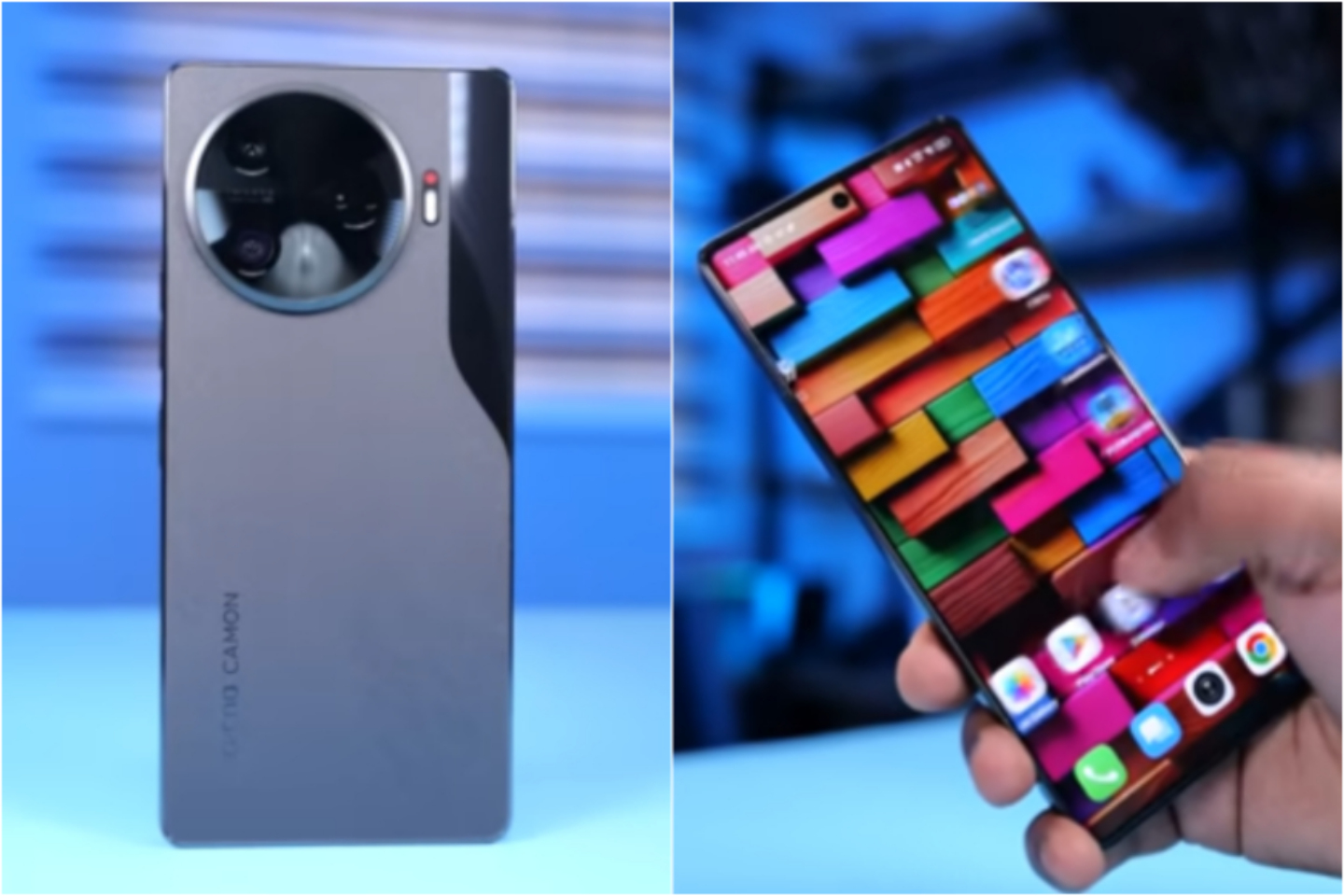
I have been thinking about this same hardware-versus-software degradation question a lot lately — particularly after stress-testing the Tecno Camon 30 through extended gaming sessions. If you want to understand how mid-range thermal management can quietly ruin an otherwise solid phone experience, my post on how my Tecno Camon 30 burns up playing Genshin Impact lays out everything I recorded, temperature numbers and all. The same principles apply here.
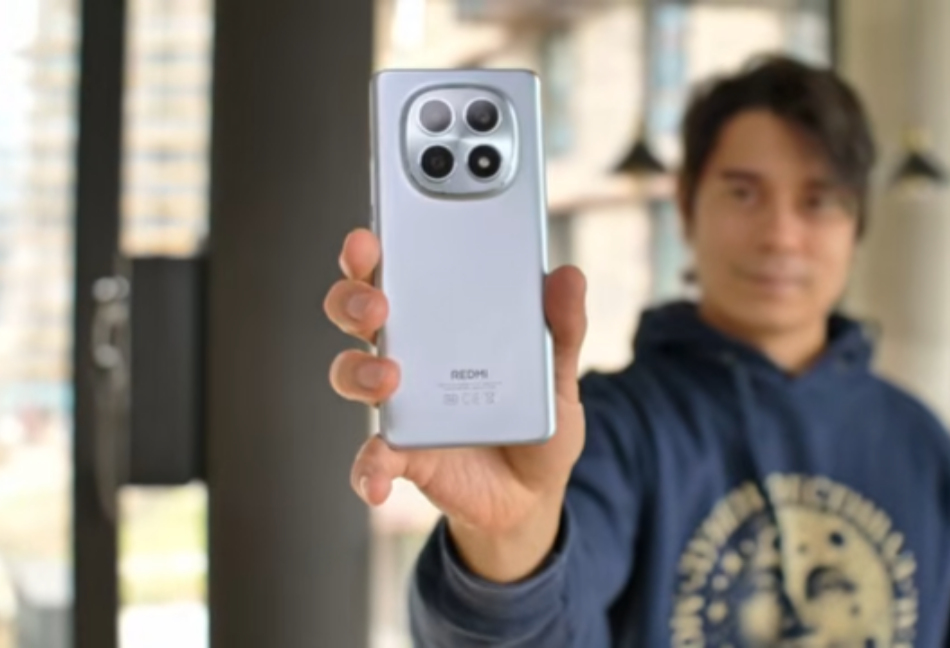 The Redmi Note series represents the sweet spot of Xiaomi’s lineup — good intentions translated into real build quality at a price point that actually matters to most buyers
Physical Build Quality: Where Xiaomi Has Genuinely Improved
I will give credit where it is due. Xiaomi’s physical build quality has gotten noticeably better over the last three or four years, especially in the mid-range segment. The Redmi Note 12 Pro, for instance, uses Corning Gorilla Glass 5 on both front and back — something that would have felt aspirational on a similarly priced device a few generations ago.
My own experience with the Xiaomi 12T Pro tells a similar story. It has a flat display — which I strongly prefer from a durability standpoint, since curved edges chip far more easily at the rim — an aluminum frame that has genuinely held its shape, and a back that shows only light micro-scratches after extended daily use without a case. For hardware that lives in my pocket every single day, that is a respectable result.
Where I have to be honest though: the cheaper Redmi entry-level phones are noticeably different. Your sub-$130 devices carry plastic backs that can develop small stress cracks over time, especially near the charging port. Buttons can develop slight wobble. The SIM tray can feel loose with age. None of it is catastrophic, but it is the slow, quiet kind of degradation that frustrates you precisely because you cannot point to a single moment where something broke.
Xiaomi Build Quality Across the Lineup
| Series | Back / Frame Material | Gorilla Glass | IP Rating | Expected Physical Lifespan |
|---|---|---|---|---|
| Redmi A series | Plastic back, plastic frame | None or GG3 | None | 1.5 – 2 years with care |
| Redmi Note series | Plastic or glass back, plastic frame | GG5 | IP52 on select models | 2 – 3 years |
| POCO series | Plastic or glass, varies by model | GG5 or Victus | IP53 on select models | 2 – 3 years |
| Xiaomi (mid-range) | Glass back, aluminum frame | GG5 or Victus | IP53 – IP68 | 3 – 4 years |
| Xiaomi 14 / Ultra series | Ceramic or glass, titanium frame | Gorilla Glass Victus 2 | IP68 | 4 – 5 years |
The pattern is straightforward — the build scales with the price. What gets more interesting and less predictable is what happens with software and battery over time, because that is where your real long-term experience lives.
Battery: The Silent Variable Nobody Talks About Enough
Battery degradation is the overlooked killer of smartphone longevity. It does not show up in drop tests. It does not make headlines. But over two or three years, nothing affects your daily usability more than a battery that has quietly lost 20 to 30 percent of its original capacity.
Xiaomi has done something genuinely interesting in this space. Their aggressive fast charging speeds — 67W on mid-range, 120W on premium models, and even 210W on select flagship variants — are real quality-of-life improvements. Getting from 20 percent to a full charge in under 20 minutes is something you start taking for granted very quickly.
The legitimate concern, and I want to name it directly rather than bury it in a footnote, is that fast charging at extreme speeds does accelerate battery degradation when used consistently. Xiaomi’s smart charging algorithms try to offset this — they avoid full 100 percent charges when unnecessary and throttle the charge rate during the final 20 percent to reduce heat. Whether these mitigations fully compensate for the heat generated at 120W or above is genuinely uncertain based on my personal testing. My own Xiaomi 12T Pro’s battery feels noticeably less punchy after extended use, though it remains functional enough for full-day coverage.
For context: Apple, Samsung, and Google all offer 80 percent charge protection modes on their flagships. Xiaomi does too — it is buried in the battery settings and I would strongly recommend enabling it if you plan to keep your device for more than two years. It is one of those small settings that pays you back quietly over an 18-month period.
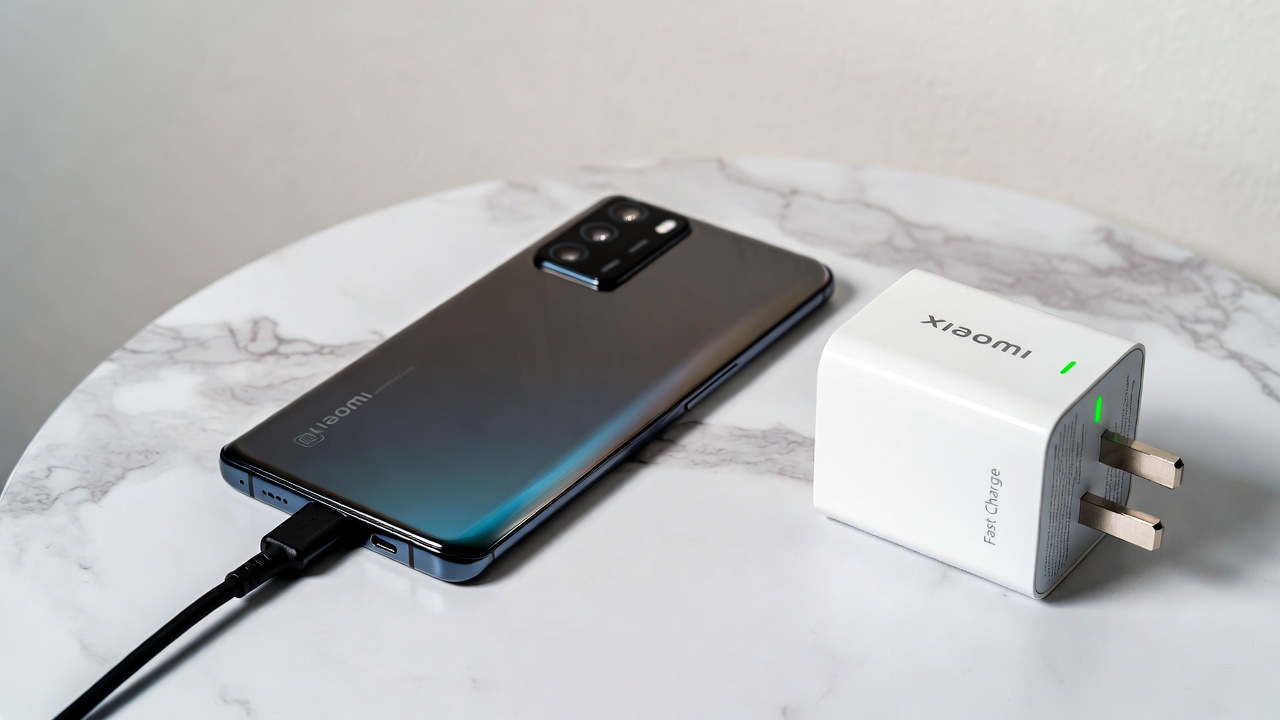 Fast charging is one of Xiaomi’s headline advantages — but enabling charge protection mode from day one is something I now do without thinking on any device I plan to keep
Software Support: The Honest Picture
I am going to say something that earns me pushback from some readers: MIUI, and to a degree its successor HyperOS, has historically been Xiaomi’s single biggest durability problem. Not the hardware. The software and the update policy surrounding it.
My Redmi Note 9 Pro received two major Android updates. Two. For a phone released in 2020, that meant running Android 12 on architecture designed for Android 10. It technically functioned. But performance had declined in ways that were hard to attribute to a single cause and impossible to undo. Security patches stopped arriving well before I wanted to let go of the hardware itself.
Compare that to Samsung’s current commitment of seven years of software updates on flagship devices, or Google’s Pixel lineup with equivalent support windows, and the gap is not subtle.
That said — and I want to be fair here — Xiaomi has made public commitments that represent a genuine shift. The Xiaomi 14 series launched with a stated four major Android updates and five years of security patches. If they follow through consistently, that changes the long-term value calculation meaningfully. It is a commitment worth watching.
How Software Support Compares Across Brands
| Brand | Major OS Updates | Security Patches | Support Window Assessment |
|---|---|---|---|
| Apple | 5 – 6 years | 6+ years | Best in class |
| Samsung (flagship) | 7 years | 7 years | Excellent |
| Google Pixel | 7 years | 7 years | Excellent |
| Xiaomi 14 series | 4 years | 5 years | Improving significantly |
| Redmi Note (mid-range) | 2 – 3 years | 3 – 4 years | Average |
| Redmi A (budget) | 1 – 2 years | 2 years | Below average |
The budget Redmi segment is the clear weak point for anyone who weighs software longevity. If multi-year update support is a priority — and I think it should be, because a phone running two-year-old security patches carries a quiet risk — spend the extra money and move up to the numbered Xiaomi series.
Thermal Performance Under Load
This section matters more than most buyers anticipate, especially if gaming, video recording, or extended navigation is part of your daily use.
Xiaomi’s mid-range Snapdragon 7-series powered devices handle everyday tasks without any drama. But push them with 30-plus minutes of a demanding game or 4K video recording in warm ambient temperatures, and you will feel the back of the device becoming genuinely warm — warm enough to trigger thermal throttling that visibly affects frame rates.
This is a topic I have spent real time on across multiple devices. The same behavior I documented on the Tecno Camon 30 — throttling kicking in mid-game and degrading performance significantly — applies directly to mid-range Xiaomi devices with similar chip architectures. The habits I picked up through months of competitive mobile gaming and wrote about in what Call of Duty Mobile taught me about real-life discipline — managing sessions, removing cases during extended play, maintaining airflow — all translate directly into getting more consistent performance from a mid-range Xiaomi under heavy load.
Thermal throttling is not just a gaming inconvenience. A phone that consistently runs hot will charge more slowly over time, accelerate battery degradation, and put more cumulative stress on internal components across a multi-year ownership period. It is a compounding effect that spec sheets never capture.
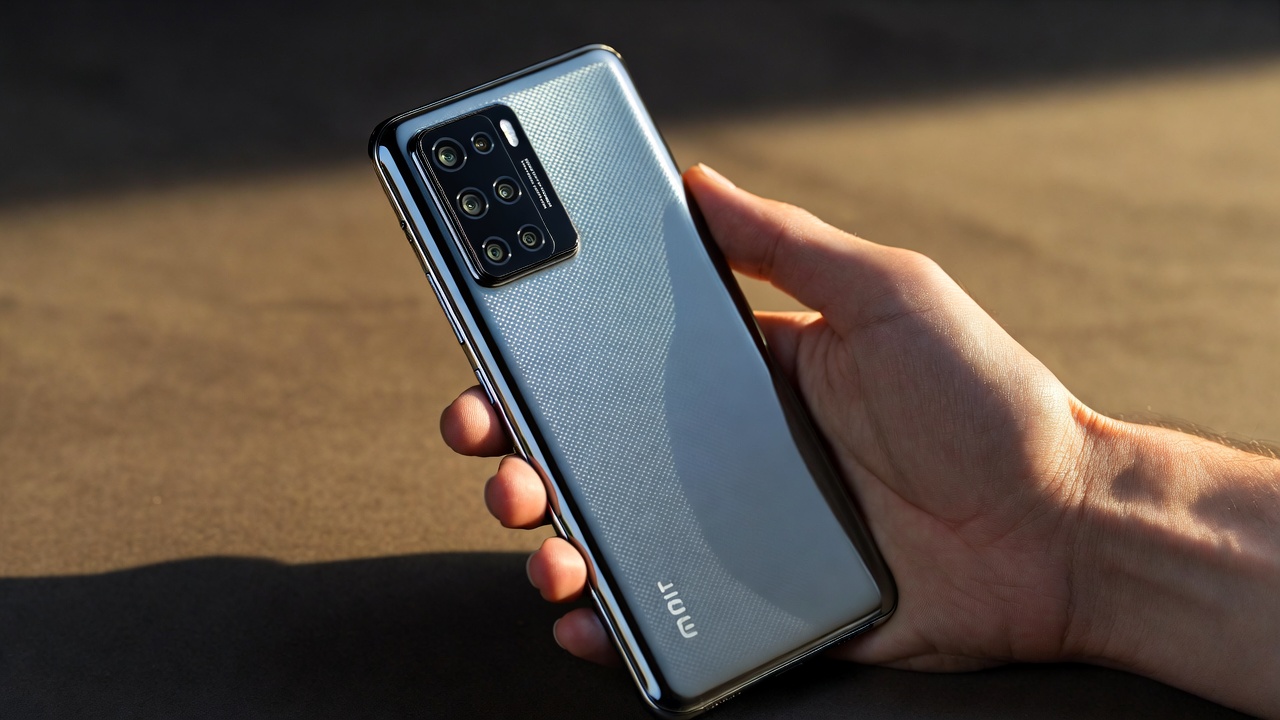 The flagship Xiaomi 14 series invests seriously in thermal design — the difference between this and a mid-range model is something you feel over a 45-minute gaming session, not just in benchmark numbers
Real-World Durability: What I Have Actually Seen
I want to ground this in something concrete rather than estimates. Below is a breakdown of actual outcomes I have observed across Xiaomi devices through extended ownership.
| Scenario | Device | Real-World Outcome |
|---|---|---|
| 18 months daily use, no case | Xiaomi 12T Pro | Light back scratches, screen pristine, all functions normal |
| Dropped on concrete from pocket height | Redmi Note 11 | Corner chip on frame, minor edge crack — remained fully functional |
| 6 months outdoor construction-site use | Redmi 10C | Heavy cosmetic scuffing, buttons slightly stiff, fully operational |
| Two years of heavy daily gaming | POCO X5 Pro | Battery degraded to near 78% health, throttling common in extended sessions |
| Three years as daily driver | Redmi Note 9 Pro | Significant performance slowdown after updates, battery near 71% health |
| Light use with case, no significant drops | Xiaomi 11 Lite | Near-pristine at 2.5 years, strong day-to-day performance throughout |
The consistent story here: Xiaomi hardware holds up when treated reasonably. The phones do not simply fall apart. What limits the long-term experience is almost always battery health and software support, not physical construction — at least in the mid-range tier and above.
How HyperOS Changes the Long-Term Picture
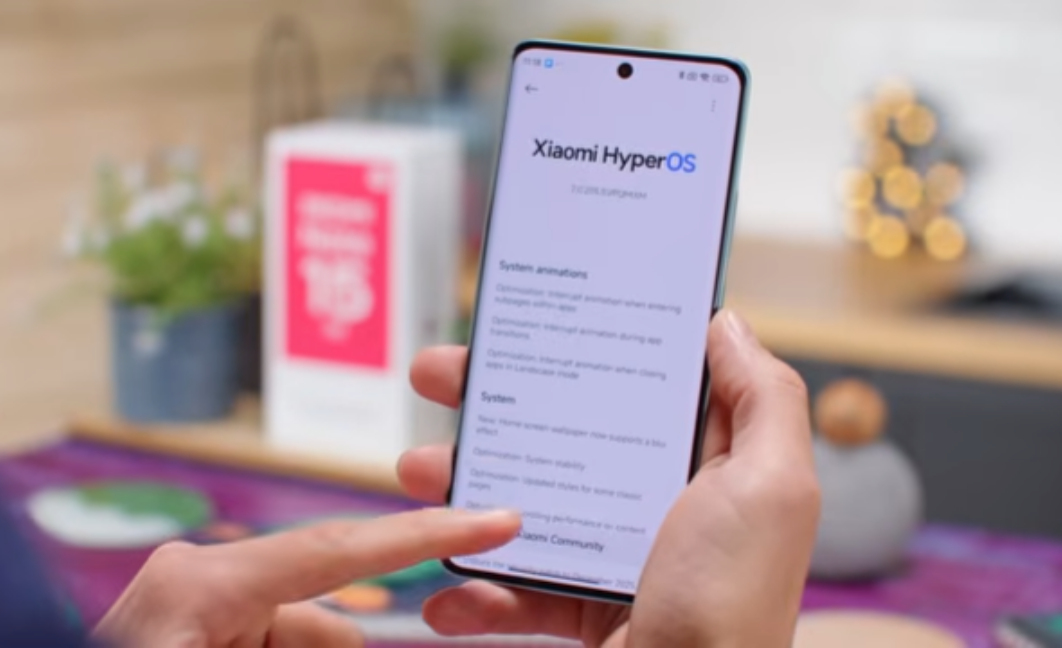
One thing worth addressing separately: HyperOS — Xiaomi’s replacement for MIUI, rolled out broadly from 2024 onwards — is meaningfully different to live with over time.
Memory management is better. Bloatware is reduced to a level that feels considered rather than excessive. The update experience is cleaner. Devices running HyperOS perform noticeably better across an extended ownership period compared to equivalent devices on older MIUI builds. This is a real improvement and it is worth factoring into your buying decision.
That said, HyperOS does not solve the update commitment issue on the budget end of the lineup. Cleaner software with a short support window is still a short support window. And thinking about hidden software features that compound in value over time — something I explored in depth when covering the Tecno Camon 30 Pro’s underrated features — Xiaomi’s HyperOS has solid bones but still lacks the tight software-hardware integration that makes Apple’s and Samsung’s flagships feel mature across multi-year ownership.
What Xiaomi Still Needs to Fix
Two things keep coming back when I think about Xiaomi’s long-term value proposition.
The first is repairability. Battery replacement on current Xiaomi devices is not user-friendly on any model in the lineup. Strong adhesive, integrated construction, and designs that require removing the display to access the battery mean that extending a phone’s life beyond the three-year mark requires a professional repair shop visit or accepting degraded battery performance silently. The comparison I keep making is to how the iPhone 17 Pro Max — despite being at a completely different price point — at least makes the case for extended lifespan through its deep integration of adaptive software features. I covered that in my iPhone 17 Pro Max real-world tips piece — Apple’s approach to long-term battery intelligence and Adaptive Power Mode is years ahead of what Xiaomi currently offers in this space.
The second is consistency of commitment across the lineup. The four OS update promise on the Xiaomi 14 series is encouraging. The absence of any comparable commitment on budget Redmi devices in the same product family is harder to defend.
 Long-term phone value is about more than the spec sheet at launch — it is about how the device ages alongside your actual life over two or three years of real daily use
My Recommendation Framework
So — are Xiaomi phones durable enough for long-term use?
For budget Redmi A or Redmi 10-series buyers: expect two years of solid use and perhaps three with reduced expectations. The hardware will likely outlast the software support.
For Redmi Note Pro or POCO series buyers: 2.5 to 3.5 years of daily use is realistic and achievable. Build quality is genuinely good. With battery protection enabled from day one, you will not feel urgently pushed to replace before hardware fatigue sets in.
For Xiaomi 14 series buyers: four or more years is realistic if you manage charging habits and stay current on updates. This is where Xiaomi is genuinely competitive with any other Android manufacturer.
Full Lineup Durability Summary
| Series | Physical Build | Battery Long-Term | Software Support | Overall Lifespan Score |
|---|---|---|---|---|
| Redmi A series | 3 / 5 — Plastic, shows age early | 3 / 5 — Degrades noticeably by year two | 2 / 5 — 1 to 2 updates | 2.5 / 5 |
| Redmi Note Pro | 4 / 5 — Glass back, solid frame | 3.5 / 5 — Adequate with disciplined charging | 3 / 5 — 2 to 3 updates | 3.5 / 5 |
| POCO series | 4 / 5 — Gaming-tuned, holds up well | 3.5 / 5 — Similar to Redmi Note tier | 3 / 5 — 2 to 3 updates | 3.5 / 5 |
| Xiaomi (numbered) | 4.5 / 5 — Aluminum frame, Gorilla Victus | 4 / 5 — 80% mode makes measurable difference | 4 / 5 — 4 updates committed | 4 / 5 |
| Xiaomi 14 Ultra | 5 / 5 — Titanium, ceramic, IP68 | 4.5 / 5 — Best thermal and charging balance | 4.5 / 5 — 4 updates + 5 year patches | 4.5 / 5 |
FAQ
Do Xiaomi phones have water resistance?
Most budget Redmi models carry no official IP rating, though they often survive accidental splashes in practice. Selected Redmi Note variants carry IP52 or IP53. Flagship Xiaomi 14 series devices are fully IP68 rated. Always verify your specific model — do not assume.
How many years should I realistically expect from a Xiaomi phone?
Budget tier: two years comfortably, three with reduced expectations. Mid-range Redmi Note and POCO: 2.5 to 3.5 years. Flagship Xiaomi 14 series: four or more years if you enable battery protection from day one and stay current on updates.
Is Gorilla Glass on Xiaomi phones genuine or just marketing?
Mid-range and above use genuine Gorilla Glass — typically GG5 or Gorilla Glass Victus on recent models. Budget Redmi models may use generic glass that looks similar but offers meaningfully less scratch and impact resistance. Verify on Xiaomi’s official specification page before buying.
Does fast charging damage the battery long-term?
Somewhat, yes — and this is an honest answer. Xiaomi’s smart charging algorithms mitigate the damage, but heat generated at 120W and above still accelerates cell degradation over time. Enabling the 80 percent charge limit and optimized charging in settings is the single most effective thing you can do for long-term battery health from day one.
How does HyperOS compare to older MIUI for long-term use?
HyperOS is noticeably better — improved memory management, less background noise, a cleaner update experience. Devices on HyperOS age better than equivalent devices on older MIUI builds. It does not solve the update commitment issue on budget models, but it represents a meaningful improvement in day-to-day software quality worth factoring into your decision.
*Can I replace my Xiaomi battery myself? Technically yes, but it is not designed for user replacement. Strong adhesive and integrated construction mean you either take it to a professional repair shop or accept degraded performance as the battery ages. Expect to pay between $30 and $60 depending on model and location. If longevity matters to you, factor that cost into your buying decision upfront — a battery replacement at year three is still cheaper than buying a new phone.


Comments 0
Leave a comment