Table of Contents
Open Table of Contents
- The Moment I Realised I Was Being Played
- The Spec Sheet Reads Like a Flagship
- The Camera Story Nobody Tells You
- MIUI Is Carrying More Baggage Than You Think
- The Battery Number vs. The Battery Life
- Who It Actually Competes Against — And Often Loses To
- Where the Illusion Lives
- Where It Actually Has a Real Advantage
- The Storage and Long-Term Value Question
- So Should You Buy It?
- Quick Specs Summary
- Frequently Asked Questions
The Moment I Realised I Was Being Played
I’m iSamuel, and I need to be honest about something.
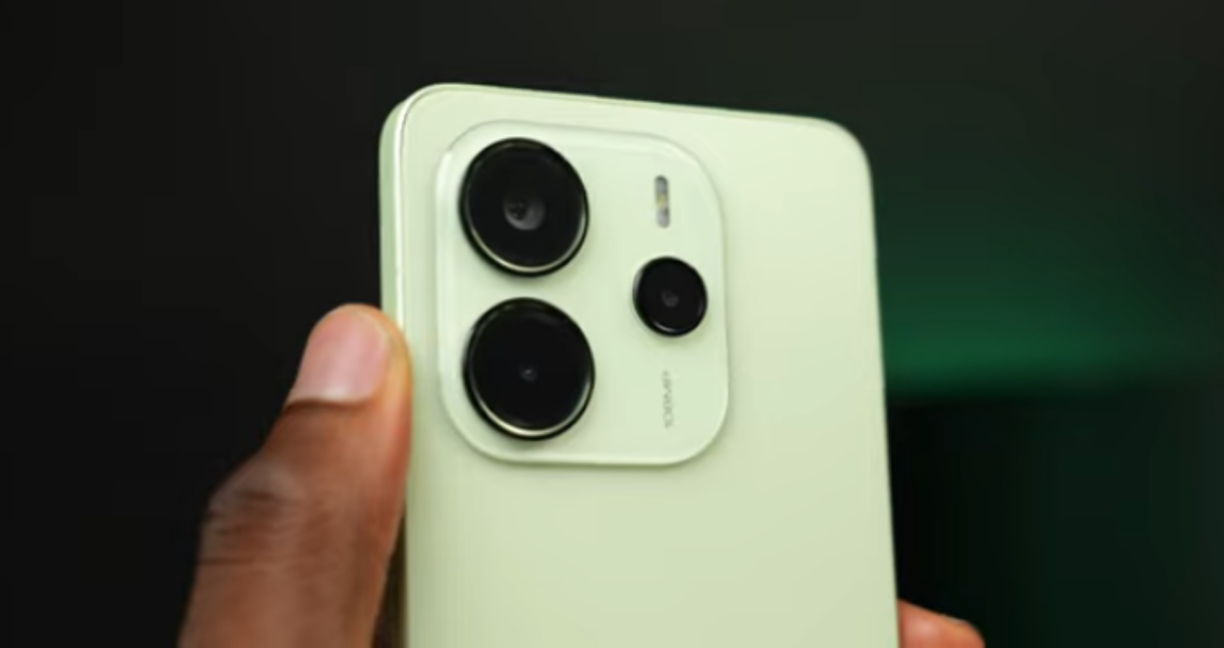
A few months ago, someone slid their Redmi Note 14 across the table at me and said “Bro, this phone is too fine.” I picked it up. Turned it in my hands. The matte glass back, the slim waist, the camera island sitting flush like it was poured into the frame rather than bolted on. The AMOLED screen lit up and I genuinely paused. It looked like a phone that cost twice what it sells for.
About three weeks later, that same person was back, frustrated. Battery wasn’t making it through his afternoon. The camera that looked so clean in the store was delivering washed-out videos. Notifications from some apps were arriving noticeably late — in ways he couldn’t pin down to a settings issue. The phone still looked premium. It just wasn’t feeling premium in the day-to-day anymore.
That gap is what this post is about.
The Spec Sheet Reads Like a Flagship
Let’s be fair first. On paper, Xiaomi gave buyers a lot to be excited about.
You get a 6.67-inch AMOLED display with 120Hz refresh rate. The camera stack leads with a 108MP main sensor — a number that still sounds impressive even after years of megapixel inflation. There’s a 5030mAh battery. A slim chassis. A polished finish. The whole thing starts somewhere in the ₦180,000–₦230,000 range depending on where you buy it in Nigeria, which is firmly mid-range territory.
At that price, those specs hit different. You’re looking at a phone that would have been considered genuinely ambitious just two years ago.
But the devil is in the details that don’t make the spec sheet.
The Camera Story Nobody Tells You
That 108MP headline is doing more marketing work than photographic work.
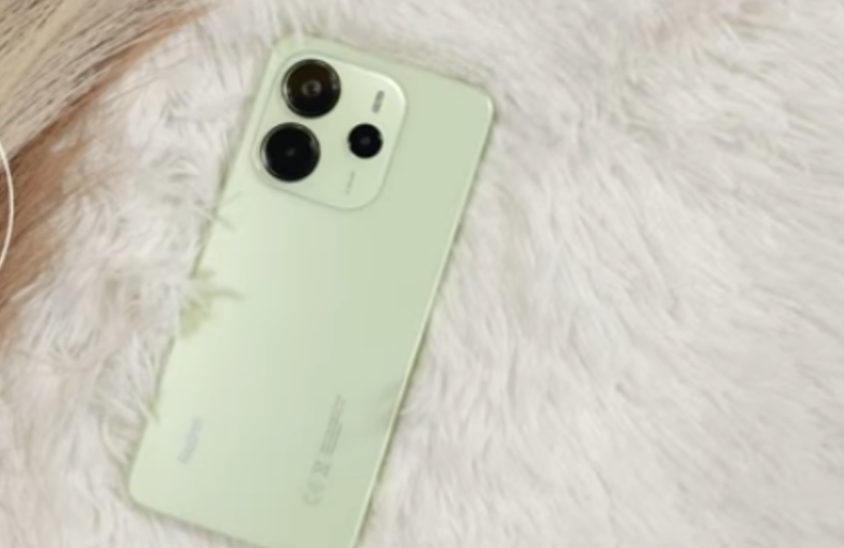
Here’s what actually happens: the camera bins those 108 megapixels down to 12MP by default using pixel binning. Every standard photo you take is a 12MP image. The 108MP mode exists, but you’ll rarely use it because the files are massive and the real-world improvement in most lighting conditions is marginal. What Xiaomi is selling you is the idea of 108 megapixels, not 108 megapixels in practice.
And the 12MP output? It’s capable in good daylight. Decent. The photos are sharp enough to look fine on a screen, fine for Instagram, fine for WhatsApp. But “fine” is doing serious heavy lifting there.
The moment the lighting shifts, the limitations tend to show. Indoor shots can lose detail and take on a softness that sharpening in Google Photos won’t fully recover. Night mode works, but in many cases it produces an over-processed result — the kind where the algorithm interprets what a scene should look like rather than capturing exactly what’s in front of you. This varies by scene and by what you’re comparing against, but it’s a pattern worth knowing.
Video is where the gap gets most visible. The 108MP badge doesn’t do anything for video quality. Stabilisation in motion-heavy scenarios can be inconsistent, and colour grading tends to look flat compared to what the same processor delivers in competing devices that have invested more in video tuning.
It’s not a bad camera. But it’s not what the marketing implies it is. That distinction matters.
MIUI Is Carrying More Baggage Than You Think
I’ve written about Xiaomi before — specifically whether their phones are actually durable long-term — and the software story always comes up. It came up again here.
MIUI on the Redmi Note 14 is a layered experience. On a clean boot, it feels quick, polished, and feature-rich. The customisation options are deep. The UI is slick. You understand immediately why a lot of people like it.
But MIUI can be aggressive about memory management depending on settings and usage patterns, and that creates a frustration cycle that often takes a few weeks to reveal itself. In many cases, apps don’t stay in memory the way they do on stock Android or One UI. Switch away from WhatsApp to answer a call, come back, and there’s a noticeable reload. Background processes for frequently-used apps can get killed silently, which sometimes causes notifications to arrive later than expected.
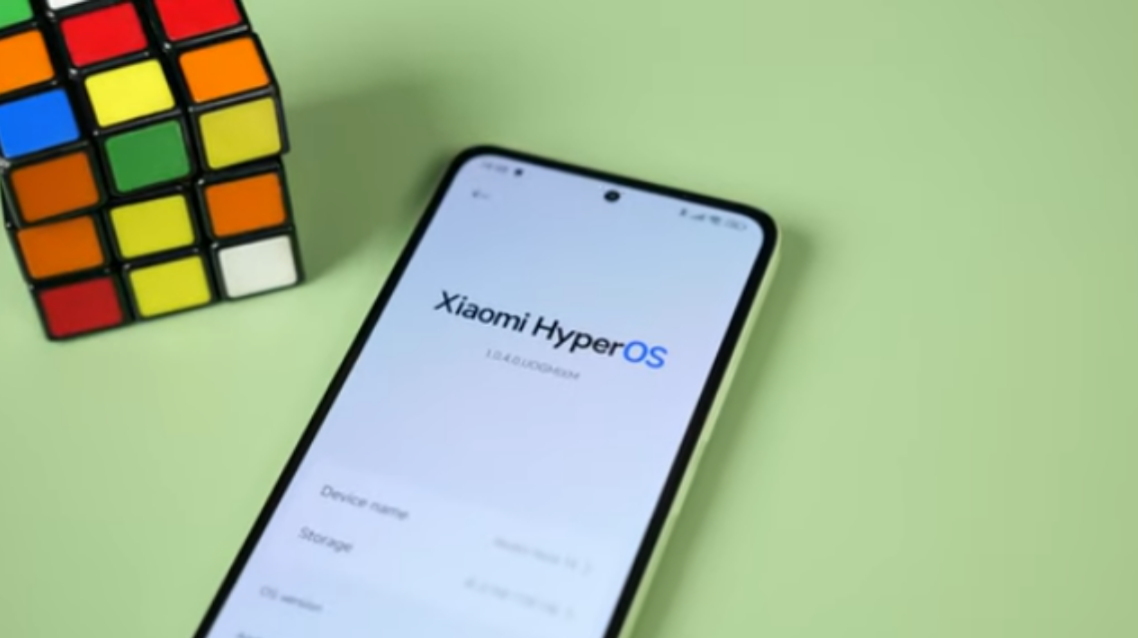
The notification delay issue isn’t unique to Xiaomi, but HyperOS on Redmi devices has historically sat on the more aggressive end of this spectrum — particularly on the Note line where battery optimisation defaults are conservative. If you depend on timely alerts for work or coordination, it’s worth knowing this going in, and worth visiting your battery optimisation settings early.
There’s also the bloatware situation. Out of the box, the Redmi Note 14 ships with a number of pre-installed apps you didn’t ask for and can’t easily remove. Some of them push their own notifications. Some of them run background processes. This isn’t the end of the world, but it’s a layer of noise on a phone that’s already working within tight processing and RAM constraints. Making Android feel fast again is genuinely possible on this device, but you have to actively work for it in a way you shouldn’t have to on a clean build.
The Battery Number vs. The Battery Life
5030mAh. That’s a number that commands respect. Most people look at that and assume they’re getting a two-day device.
In practice, the Redmi Note 14 is a strong one-day phone. Sometimes a marginal stretch into the next morning. That’s not bad — but it’s not what the capacity figure suggests, and here’s why: the 120Hz AMOLED display is a power draw that the 5030mAh is constantly fighting against.
120Hz refresh rate makes scrolling feel fluid and smooth. It’s a genuine quality-of-life upgrade over 60Hz. But it comes at a cost, and when you pair it with a mid-range processor and a MIUI software layer that doesn’t always handle power management gracefully, the battery life ends up being solidly average rather than exceptional.
Real-world numbers from the person I mentioned earlier: 6 to 7 hours of screen-on time on a mixed day of social media, YouTube, WhatsApp, and a bit of gaming. That’s normal for this category. It’s not going to leave you stranded unless you’re away from a charger for a full day, but if you were expecting two-day mileage from that 5030mAh badge, you’ll feel like something didn’t add up.
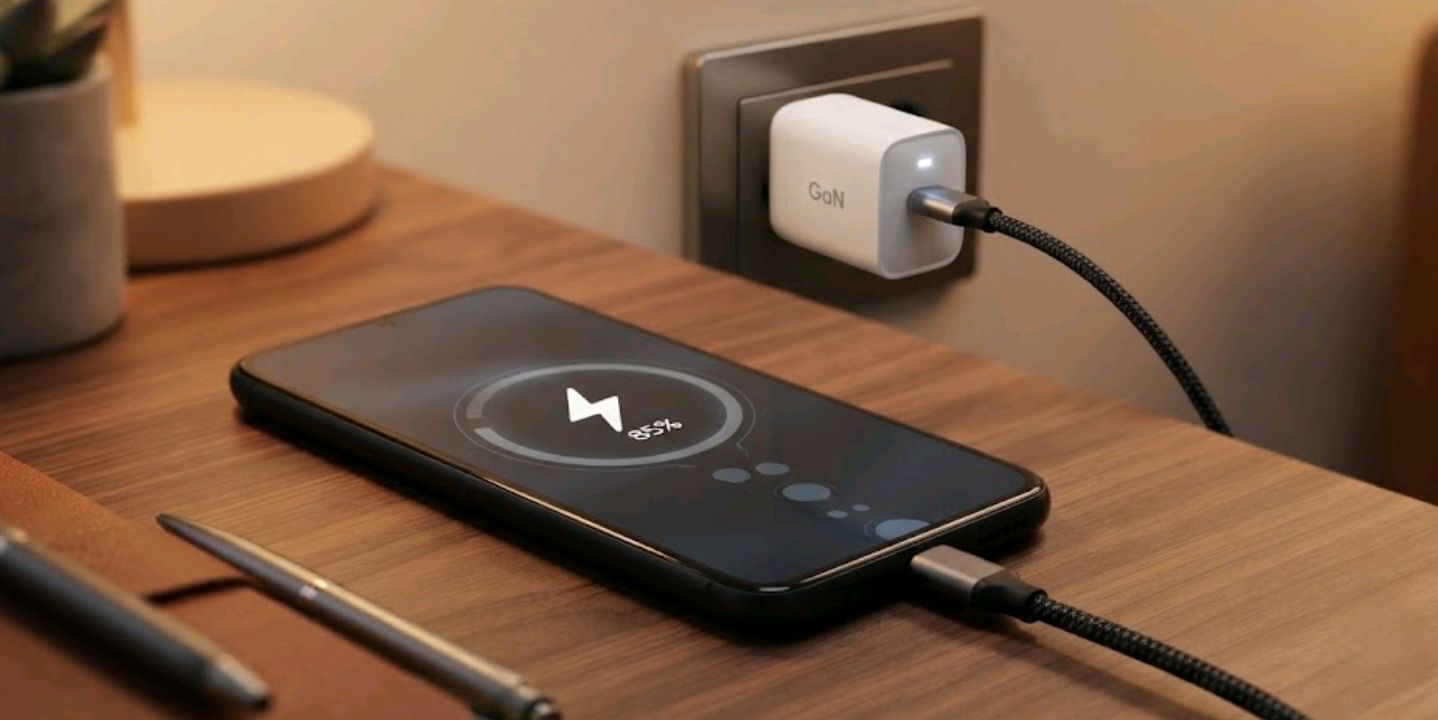
Charging speed is adequate. Not fast by 2026 standards where flagships are well past the 65W mark, but not painfully slow either. It gets the job done.
Who It Actually Competes Against — And Often Loses To
This is the part that stings.
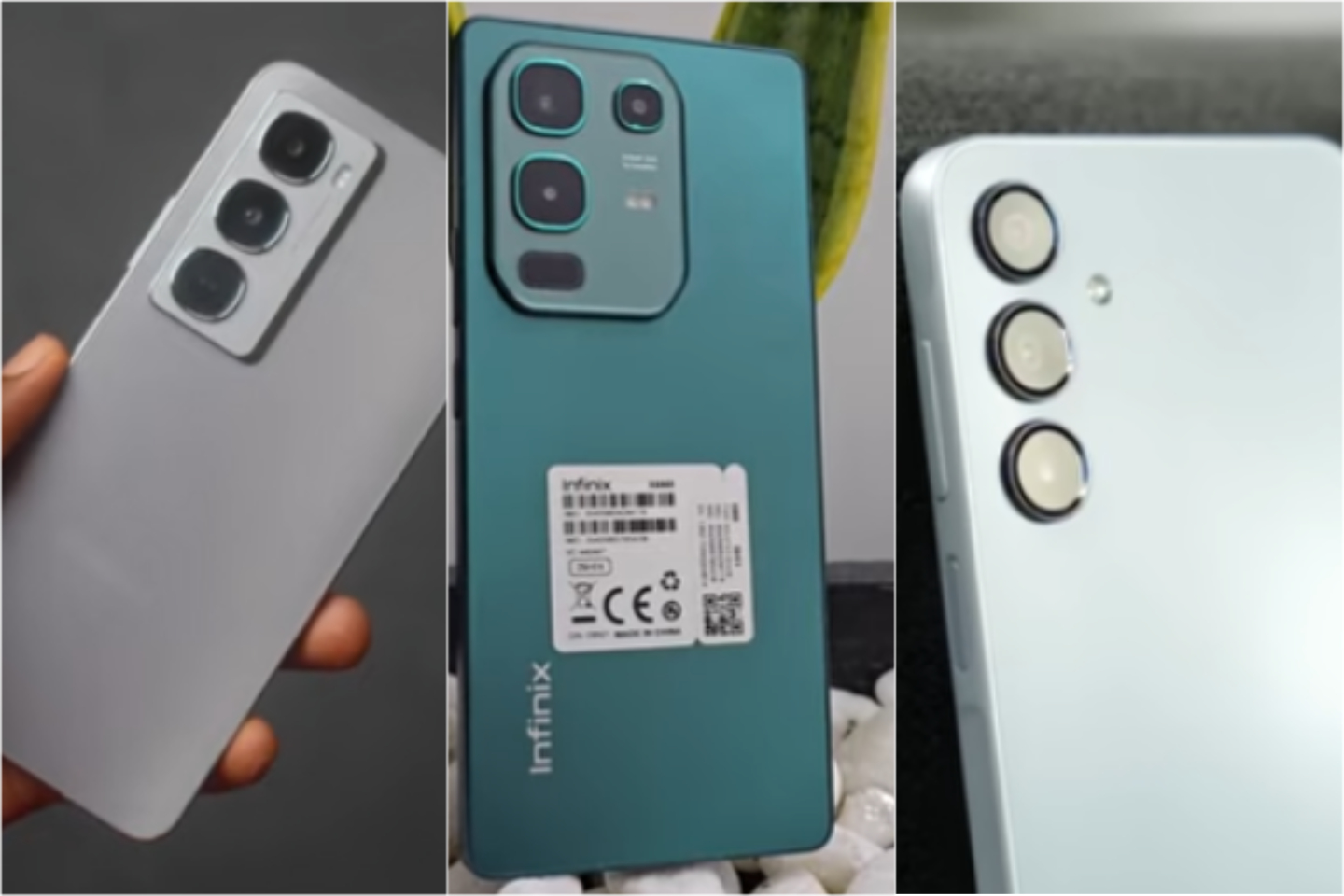
At the ₦180,000–₦230,000 price point the Redmi Note 14 occupies, the competition isn’t politely standing aside. The Infinix Note 40 Pro and the Tecno Camon 30 series are both in this conversation, and they make compelling cases.
Let me put the comparison in one place:
| Feature | Redmi Note 14 | Infinix Note 40 Pro | Tecno Camon 30 |
|---|---|---|---|
| Display | 6.67” AMOLED, 120Hz | 6.78” AMOLED, 120Hz | 6.78” AMOLED, 144Hz |
| Processor | Helio G99 Ultra | Helio G99 Ultra | Helio G99 |
| Main Camera | 108MP (12MP effective) | 108MP | 50MP |
| Battery | 5030mAh | 5000mAh | 5000mAh |
| Charging Speed | 33W | 45W fast + wireless | 45W |
| Software | MIUI / HyperOS | XOS 14 | HiOS 14 |
| Estimated Price (NG) | ₦180k–₦230k | ₦190k–₦240k | ₦175k–₦210k |
| Bloatware Level | Heavy | Moderate | Moderate |
| Notification Reliability | Inconsistent | Better | Better |
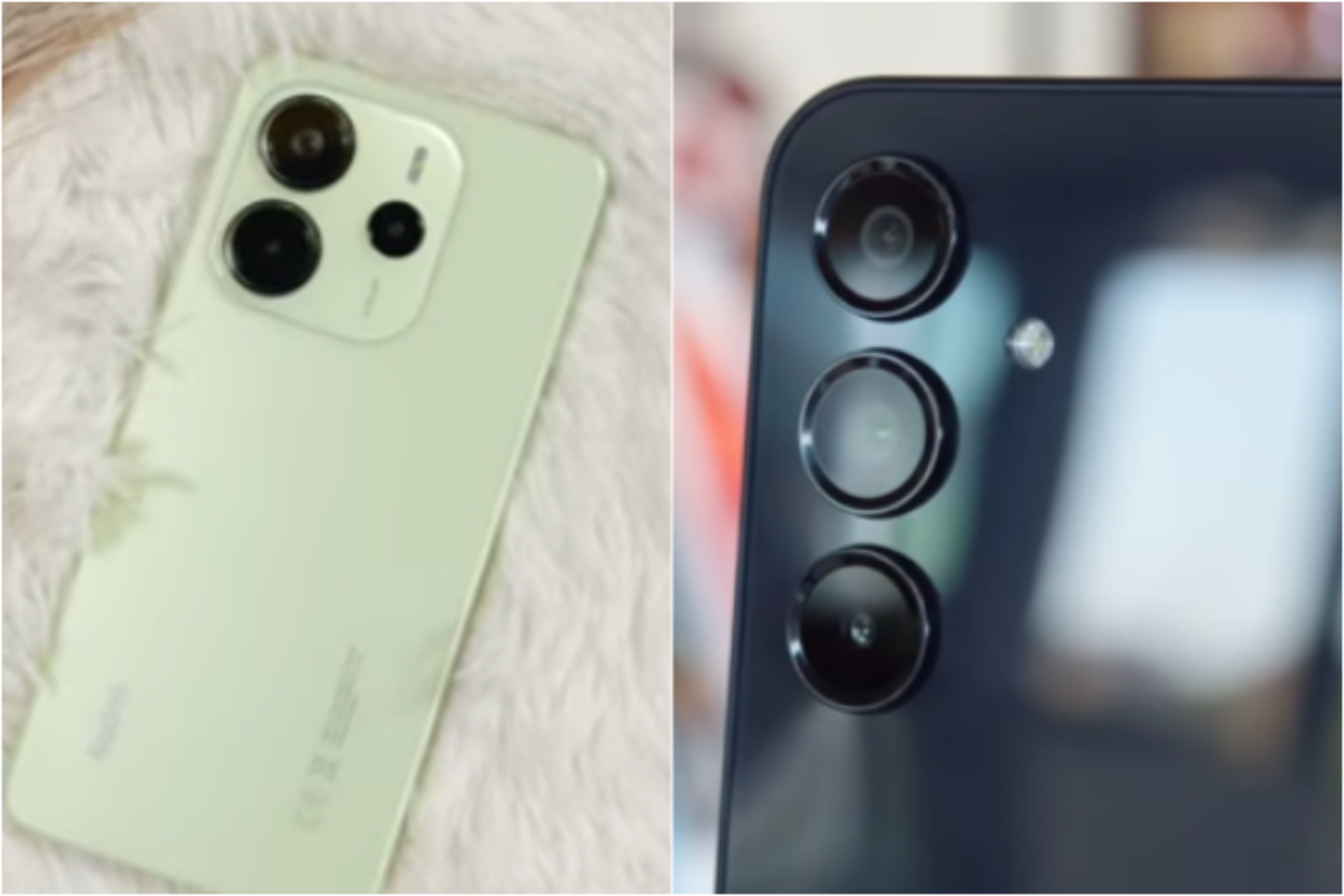
The Infinix Note 40 Pro matches it spec-for-spec on the display and processor while charging faster and offering wireless charging — a feature that doesn’t appear anywhere on the Redmi Note 14. The Camon 30 gives you a 144Hz screen and better notification handling at a competitive price.
None of this makes the Redmi Note 14 a bad phone. But it does challenge the assumption that Xiaomi’s branding automatically translates to the best value in this bracket. The mid-range space is more competitive than it’s ever been in 2026, and the Redmi Note 14 is being squeezed by competitors who’ve been paying attention.
Where the Illusion Lives
The Redmi Note 14 is engineered to win on every interaction that happens before you own it — in-store, on the spec sheet, in unboxing videos, and in the first week of clean, fresh use. The matte back, the slim bezels, the AMOLED colours on a well-lit display: it’s genuinely seductive hardware.
What it doesn’t consistently win is the one-year mark. Or the notification battle. Or the camera face-off in challenging light. Or the charging speed comparison when a competitor is plugged in next to it.
Xiaomi has spent years building brand equity in this segment, and that reputation carries assumptions onto shelves. People expect it to punch above its weight — and the Redmi Note 14 knows how to look the part. That’s not dishonesty, exactly. It’s just very effective positioning.
Where It Actually Has a Real Advantage
To be fair — and fairness is the point — there are areas where the Redmi Note 14 genuinely earns its spot.
The display is hard to argue with. At this price, a well-calibrated AMOLED with accurate colours and solid brightness is not a given. The Redmi Note 14 delivers one. Streaming video, scrolling feeds, gaming — it looks good in a way that’s measurable, not just marketing.
The build quality is legitimate. The matte glass back and slim profile aren’t plastic pretending to be premium. It’s one of the better-feeling devices in the sub-₦250k bracket, and that tactile quality affects daily satisfaction more than spec sheets acknowledge.
HyperOS customisation depth is real. For users who enjoy controlling their environment — custom lock screens, always-on display options, gesture navigation, theme engine — Xiaomi’s software gives you more to work with than most alternatives at this price. If you’re the kind of person who likes personalising deeply, XOS and HiOS don’t come close.
The Xiaomi ecosystem plays in its favour. If you already own a Xiaomi Smart TV, a Redmi Watch, or Xiaomi smart home devices, the cross-device features in HyperOS are a genuine convenience — phone mirroring, quick file transfer, and unified notifications across devices work better than similar features on competing mid-range brands.
MIUI/HyperOS improves with time on the device. Once you whitelist your key apps from battery optimisation and let the system learn your patterns over a week or two, many of the early notification issues settle. It’s frustrating that this learning curve exists at all, but for patient users, the experience does smooth out.
None of that cancels the limitations discussed above. But these wins are real — and they explain why the Redmi Note 14 has a legitimate audience rather than just a marketing-induced one.
The Storage and Long-Term Value Question
The Redmi Note 14 is available in 128GB and 256GB configurations. For most buyers, 128GB will cover their actual needs — the case for needing more than that is narrower than most people think.
But the real long-term value question isn’t storage — it’s software support. Xiaomi’s track record on update longevity for Redmi Note devices hasn’t been the strongest. You can realistically expect two Android OS upgrades, maybe three. After that, security patches become infrequent, and the phone ages functionally even if the hardware is still capable.
If you’re buying this as a two-year device, that’s manageable. If you’re hoping to run it comfortably for three or four years, you’re betting on goodwill from a company that has historically prioritised flagship support over mid-range longevity.
So Should You Buy It?
Here’s where I land. The Redmi Note 14 is worth considering if you are buying it with accurate expectations rather than the expectations the marketing invites.
Buy it if:
- You care primarily about display quality and build finish at this price
- You’re a light-to-moderate user and the MIUI quirks won’t frustrate your workflow
- You’ve looked at the competition and find the Redmi Note 14 specifically the best fit
- You understand the camera is capable in good light but won’t impress in challenging conditions
Think twice if:
- You’re highly dependent on timely notifications for work or business
- You shoot a lot of video and expect it to look clean
- You want to own the phone comfortably for more than two and a half years
- You expected the 108MP to mean something fundamentally different in daily use
There are better-value options in this bracket. But the Redmi Note 14 is not a bad phone. It’s a phone that has been packaged and marketed in a way that invites expectations it can’t always meet — and that gap, not any single hardware failure, is the actual problem.

Quick Specs Summary
| Spec | Redmi Note 14 |
|---|---|
| Display | 6.67” AMOLED, 1080p+, 120Hz |
| Chipset | MediaTek Helio G99 Ultra |
| RAM | 8GB / 12GB |
| Storage | 128GB / 256GB |
| Main Camera | 108MP (f/1.7) |
| Front Camera | 20MP |
| Battery | 5030mAh |
| Charging | 33W wired |
| Wireless Charging | No |
| OS | MIUI 14 / HyperOS |
| Build | Matte glass back, plastic frame |
| Weight | ~190g |
Frequently Asked Questions
Is the Redmi Note 14 a good phone in 2026?
It’s a decent mid-range phone with genuine strengths — the AMOLED display and build quality are real. But in 2026, “good” at this price range means competing against phones that charge faster, handle notifications more reliably, and offer similar or better camera output. The Redmi Note 14 is good. The question is whether it’s the best good available at its price, and the answer is increasingly uncertain.
Why does the 108MP camera not look as good as I expected?
Because 108MP is not the effective resolution of your photos. The camera uses pixel binning to combine adjacent pixels into a single pixel during processing — the default output is a 12MP image. The 108MP mode produces larger files but doesn’t always deliver sharper results in everyday conditions. It’s a spec designed primarily for marketing impact.
How does MIUI compare to stock Android on the Redmi Note 14?
MIUI is more feature-rich and more customisable, but it’s also heavier and more aggressive about background app management. If you’re coming from stock Android, the notification delays and memory management behaviour will likely feel like a step backwards. If you’re coming from another MIUI device, the adjustment is smaller.
Does the Redmi Note 14 have a headphone jack?
Yes — it retains the 3.5mm audio jack, which is increasingly rare among Android devices at this tier and above. For anyone who still uses wired earphones regularly, that’s a meaningful inclusion.
How long will Xiaomi support the Redmi Note 14 with software updates?
Realistically, expect two Android OS upgrades and a window of security patches running perhaps three years from release. Xiaomi has improved its update policy somewhat with HyperOS but the Redmi Note line historically doesn’t receive the same longevity commitment as Mi or flagship series devices.
Is 128GB enough storage on the Redmi Note 14?
For most users, yes. If you use Google Photos backup with “free up device storage” enabled, stream your music, and occasionally clear your WhatsApp media folder, 128GB will comfortably handle 2–3 years of normal use. Upgrade to 256GB only if you’re an offline-heavy user or you shoot a lot of video without offloading regularly.
What’s the actual competition I should compare this to?
At the same price range, look seriously at the Infinix Note 40 Pro (faster charging, wireless charging, comparable display), the Tecno Camon 30 (higher refresh rate, solid camera performance, better notification reliability), and depending on availability, the Poco X6. Each makes a compelling case depending on what you value most. The Redmi Note 14 shouldn’t be bought by default — it should earn the comparison.
If you’ve owned the Redmi Note 14 — or you’re currently deciding between it and something else — I’d genuinely like to know where you landed. Drop a comment below: did it live up to what you expected, or did the gap between spec sheet and real life catch you off guard? Your experience might help someone else make a better call.

Comments 0
Leave a comment