Table of Contents
Open Table of Contents
- Overview
- How I Picked These Phones
- Quick Comparison Table
- 1. Redmi Note 14 Pro 5G — Best Overall
- 2. Redmi Note 14 5G — Best All-Round Daily Driver
- 3. POCO X7 — Best for Gaming and Performance
- 4. Redmi Note 13 Pro+ — Best Camera-Per-Naira (Last-Gen Deal)
- 5. Redmi Turbo 4 — Best Lean Budget Pick (Import-Market Caveat)
- Who Should Skip This List Entirely?
- Bottom Line
- Frequently Asked Questions
Overview
If ₦150,000 phones feel too cramped and ₦450,000 flagships feel like overkill, the $300 bracket (roughly ₦280,000–₦420,000 depending on the day’s exchange rate) is where Xiaomi actually gets interesting. This is the zone where AMOLED displays stop being a luxury and 120Hz refresh rates become common rather than a bragging point, and where camera hardware starts producing genuinely shareable shots instead of ones you have to caption around.
I’ve narrowed this down to five phones that consistently show up in Computer Village listings and on Mi Store NG, Slot, and Pointek shelves as of mid-2026. If you’ve already read my guides on Xiaomi phones under $150 or under $250, think of this as the next rung up — same brand, noticeably fewer compromises.
A quick honesty note before the list: naira prices for imported electronics move with the exchange rate, sometimes within the same week. I’ve listed ranges pulled from multiple Nigerian retailers rather than a single fixed figure, and I’d still recommend calling around before you commit.
How I Picked These Phones
This isn’t a random top-5. Every phone on this list had to clear the following bar:
- Confirmed Nigerian availability — sold through Mi Store NG, Jumia Mall, Slot, Pointek, Konga, or reliably stocked at Computer Village, not a China-only or India-only release.
- Current street price landing inside or close to the $300 (~₦280,000–₦420,000) band as of July–August 2026.
- Performance — chipset class and real-world multitasking headroom, not just benchmark numbers.
- Display quality — panel type and refresh rate, since this is where budget phones usually cut corners first.
- Camera output — sensor specs cross-checked against the manufacturer’s own listing for the specific regional variant, not a generic “up to” figure.
- Battery and charging speed, weighed against Nigeria’s uneven power supply.
- Software support window — how many major Android/HyperOS upgrades and years of security patches Xiaomi has publicly committed to for that specific model, checked per-device rather than assumed by tier.
- Warranty and after-sales access — whether Mi Authorised Service Centres or comparable local support exist for the model.
- Value relative to newer models — whether an older phone still competes on spec sheet despite being a generation behind.
Phones that failed on the price and spec checks didn’t make the cut, regardless of how good the hardware looked on paper. One exception on the availability point: the Redmi Turbo 4 is included despite leaning on import channels rather than authorized Nigerian retail, because it’s genuinely common enough in Computer Village listings to be relevant — but I’ve flagged that trade-off explicitly in its section below rather than pretending it has the same retail footprint as the Redmi Note models.
Quick Comparison Table
| Phone | Street Price Range (₦) | Display | Chipset | Battery | Best For |
|---|---|---|---|---|---|
| Redmi Note 14 Pro 5G (Global) | 300,000 – 380,000 | 6.67” AMOLED, 120Hz | Dimensity 7300 Ultra | 5,110mAh, 45W | Camera-first buyers |
| Redmi Note 14 5G (Global) | 225,000 – 300,000 | 6.67” AMOLED, 120Hz | Dimensity 7025 Ultra | 5,110mAh, 45W | All-round daily driver |
| POCO X7 | 330,000 – 420,000 | 6.67” AMOLED, 120Hz | Dimensity 7300 Ultra | 5,110mAh, 45W | Gaming and multitasking |
| Redmi Note 13 Pro+ (Global) | 280,000 – 340,000 | 6.67” curved AMOLED, 120Hz | Dimensity 7200 Ultra | 5,000mAh, 120W | Best camera-per-naira (last-gen deal) |
| Redmi Turbo 4 | 240,000 – 310,000 | 6.67” AMOLED, 120Hz | Dimensity 8400 Ultra | 6,550mAh, 90W | Performance on a leaner budget |
Price checked: August 2026. Sources: listings cross-referenced across Mi Store NG, Slot, Pointek, Jumia Mall, and independent Nigerian phone-price trackers. These are street/retail estimates, not manufacturer-fixed prices — treat them as a starting point for negotiation. 🟡 Medium confidence on exact naira figures, since they shift with the exchange rate; 🟢 High confidence on specifications, cross-checked against Xiaomi’s official product pages and GSMArena’s device specifications for each device’s global variant.
1. Redmi Note 14 Pro 5G — Best Overall
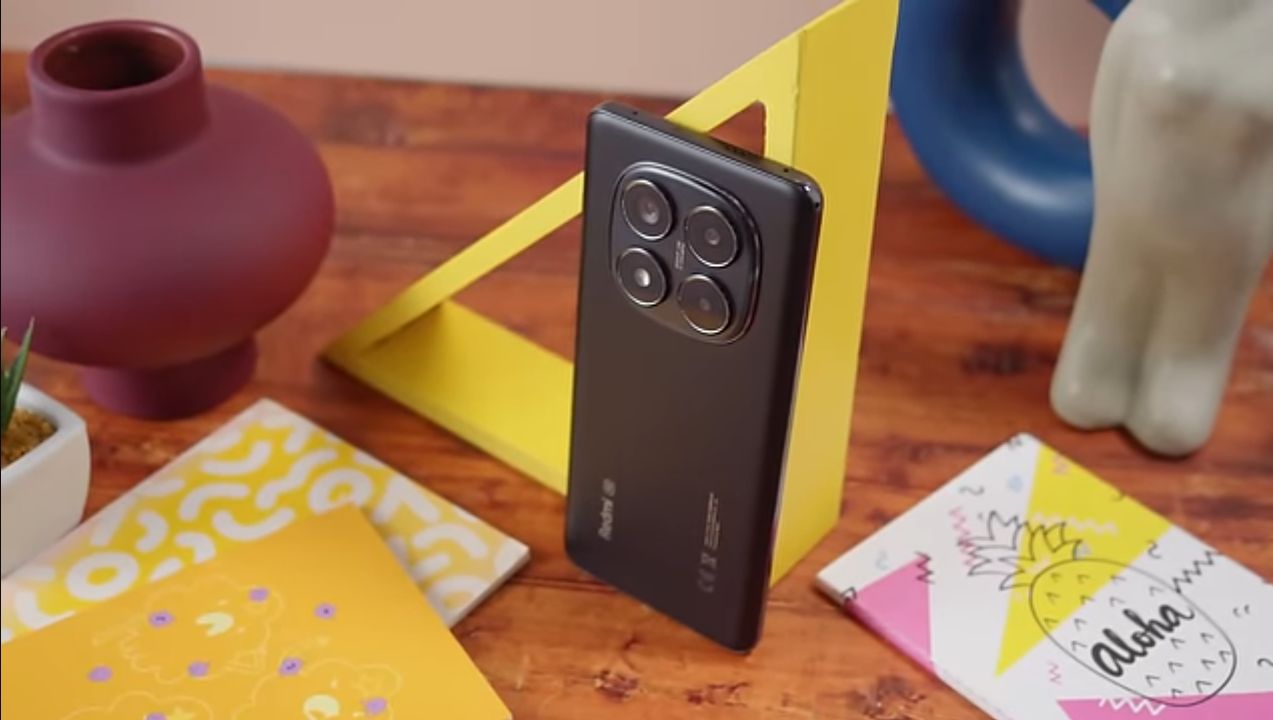
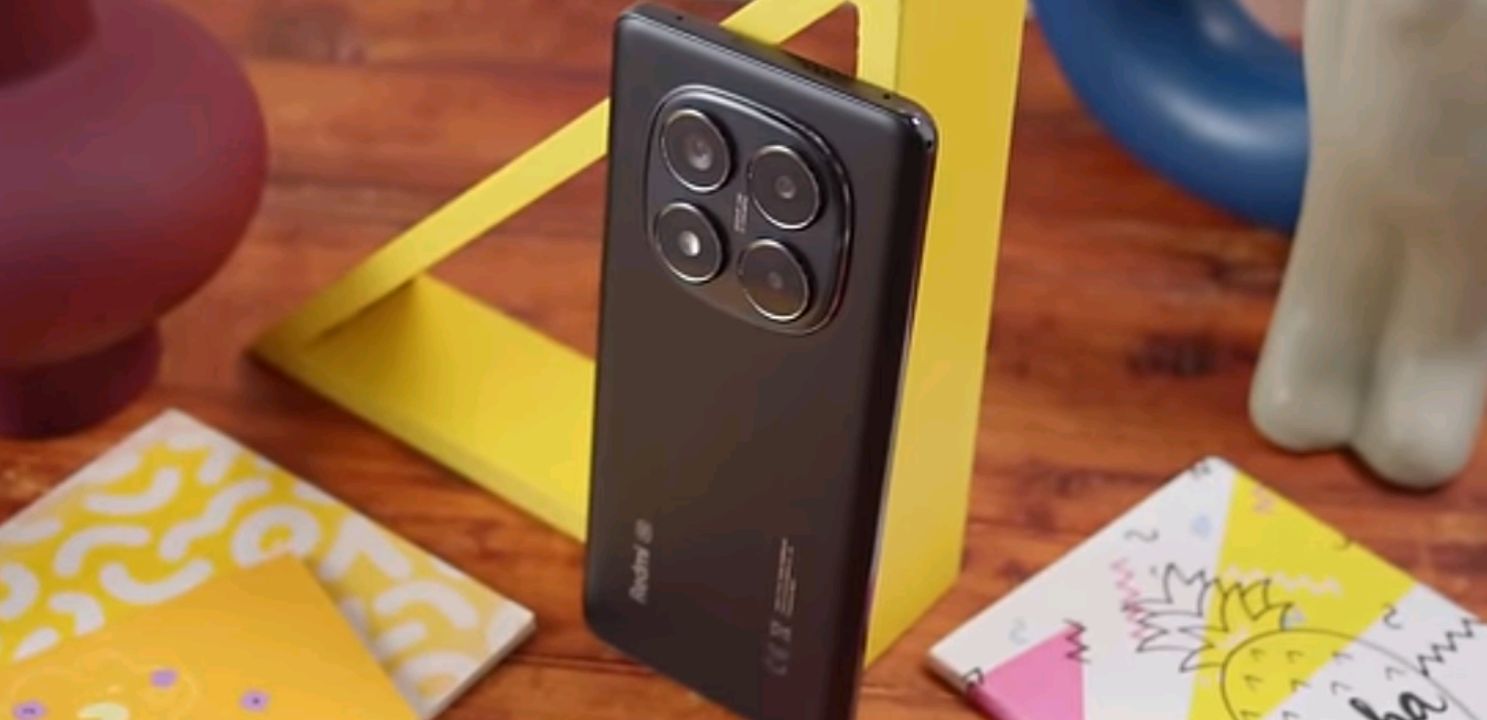
Why it’s #1: Of the five phones here, this is the one that balances camera quality, display, performance, battery life, and current software support most evenly — without leaning as hard into pure performance as the POCO X7, or carrying the older update timeline of the Note 13 Pro+.
Be careful with this one at the point of purchase: the global variant sold under this model name ships with a 200MP Samsung ISOCELL HP3 main sensor with OIS, while the India and China variants of the same phone name use a 50MP main camera instead — same name, different hardware. Ask your seller to confirm which regional variant you’re getting before you pay, since mismatched expectations here are a common source of buyer complaints.
The 120Hz AMOLED panel (3,000 nits peak, HDR10+, Dolby Vision) is genuinely pleasant for scrolling and video, and the MediaTek Dimensity 7300 Ultra platform handles day-to-day multitasking, light editing, and most mobile games at medium-to-high settings without obvious throttling in normal use.
Software support: GSMArena’s review of the global unit cites at least 3 major Android/HyperOS upgrades, though reported security-patch length varies across sources (Xiaomi’s own support pages and third-party reviews haven’t fully agreed on this one) — check Xiaomi’s Security Center page for your exact model number before buying if this matters to your decision.
Where it falls short: 45W charging is fine but not class-leading at this price point, and HyperOS still ships with some ad placements in stock apps that you’ll want to disable manually in Settings.
2. Redmi Note 14 5G — Best All-Round Daily Driver
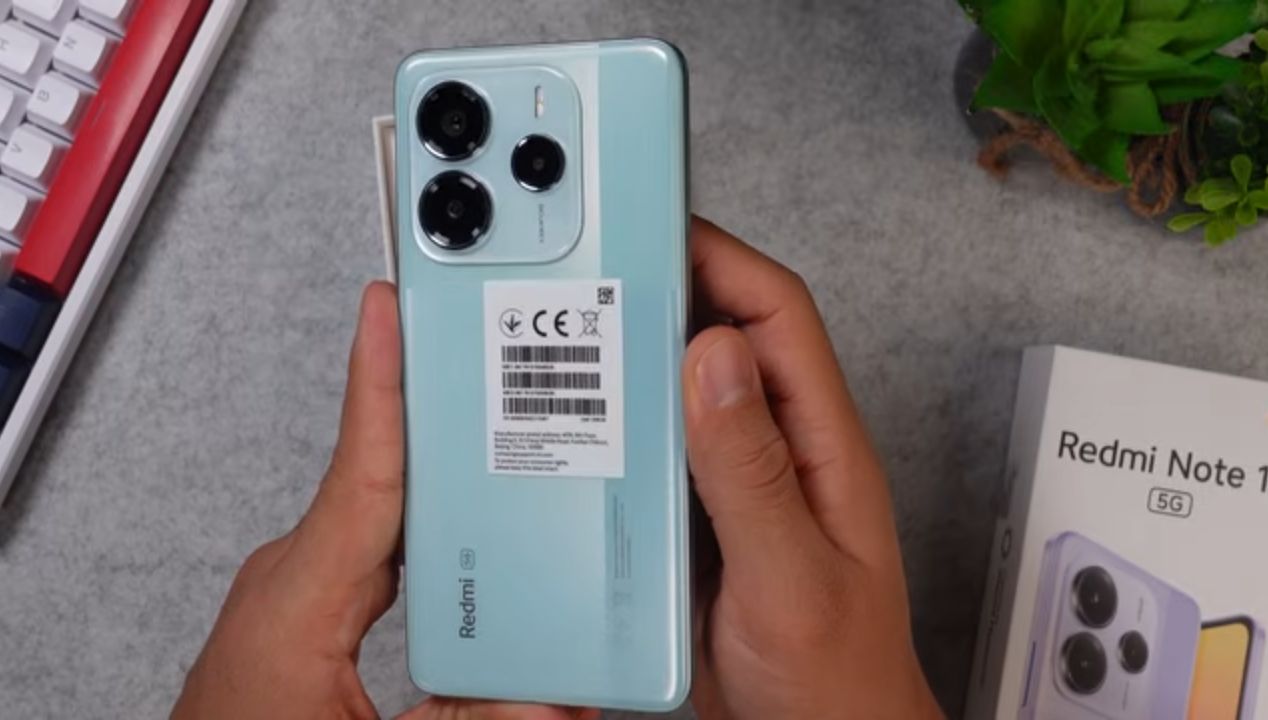
If you want the Redmi Note look and feel but don’t need the Pro model’s camera flex, the standard Note 14 5G is the more sensible buy for most Nigerian users. It runs a MediaTek Dimensity 7025 Ultra chipset — a step down from the Pro model’s silicon, which shows up mainly in slightly less headroom for heavier games and multitasking, not in everyday app performance. It pairs a 108MP main camera with a 5,110mAh battery and 45W wired charging, per Xiaomi’s official global spec sheet.
A word of caution on naming: don’t confuse this with the plain “Redmi Note 14” (no “5G” in the name), a separate 4G-only model with a smaller Helio G99-Ultra chipset and a different, larger 5,500mAh/33W battery configuration. The two are easy to mix up when scrolling listings, and sellers don’t always label them consistently — check the exact model name on the box or listing before you pay.
It comes in under most of the other phones on this list while still offering an AMOLED display and 120Hz refresh, and its battery comfortably clears a full day of moderate use — WhatsApp, social media, streaming, and light gaming included.
Storage configurations run 6GB/8GB/12GB RAM with 128GB/256GB/512GB options. One caveat worth flagging: generic third-party chargers sometimes fail to negotiate Xiaomi’s proprietary HyperCharge protocol properly, so it’s worth using an original Xiaomi charger or a reputable USB-C charger that clearly supports the phone’s charging standard, rather than the cheapest option at a roadside stall.
Software support: according to reporting sourced from Redmi at launch, the global Redmi Note 14 5G is set for 2 major Android upgrades and 4 years of security updates — notably fewer major OS upgrades than the Pro model above, which is a little counterintuitive given the name similarity. Worth checking Xiaomi’s Security Center for the current status on your specific unit before buying.
3. POCO X7 — Best for Gaming and Performance
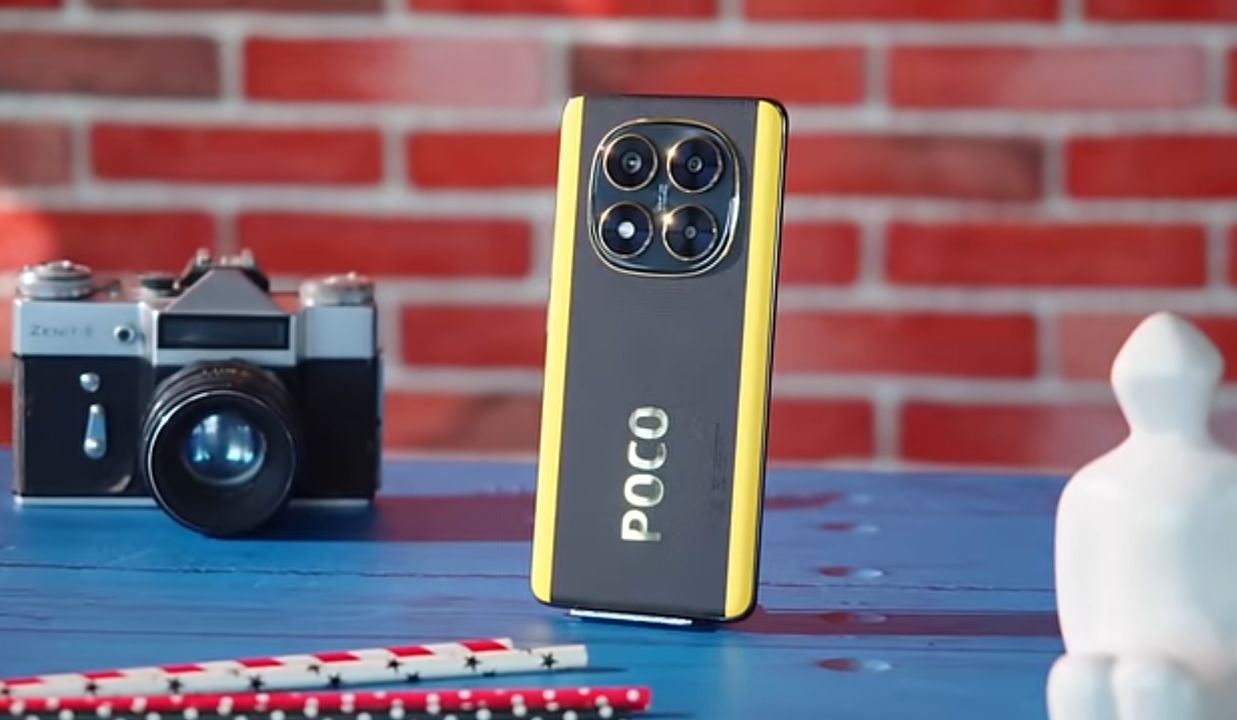
POCO sits within Xiaomi’s broader ecosystem, but its performance-first identity hasn’t changed. The X7 uses the same Dimensity 7300 Ultra platform as the Redmi Note 14 Pro. That said, sharing a chipset doesn’t guarantee identical real-world performance — thermal design, RAM configuration, and software tuning all shift how a given chip actually behaves under sustained load, so treat “same chipset” as a starting point for comparison rather than a guarantee of matching benchmarks.
If you’re the kind of reader who cares about frame stability in MLBB or COD Mobile more than portrait-mode bokeh, this is worth a look. The 5,110mAh battery with 45W charging keeps pace with a few hours of gaming plus normal daily use.
Software support: GSMArena’s review confirms Xiaomi’s commitment of at least 3 major OS updates and 4 years of security updates for the POCO X7 — one of the more clearly and consistently reported update windows on this list.
Trade-off: camera processing across the POCO line has historically leaned cooler and less forgiving in low light compared to Redmi Note-branded phones at a similar price. If photography matters more to you than frame rates, go with #1 instead.
4. Redmi Note 13 Pro+ — Best Camera-Per-Naira (Last-Gen Deal)
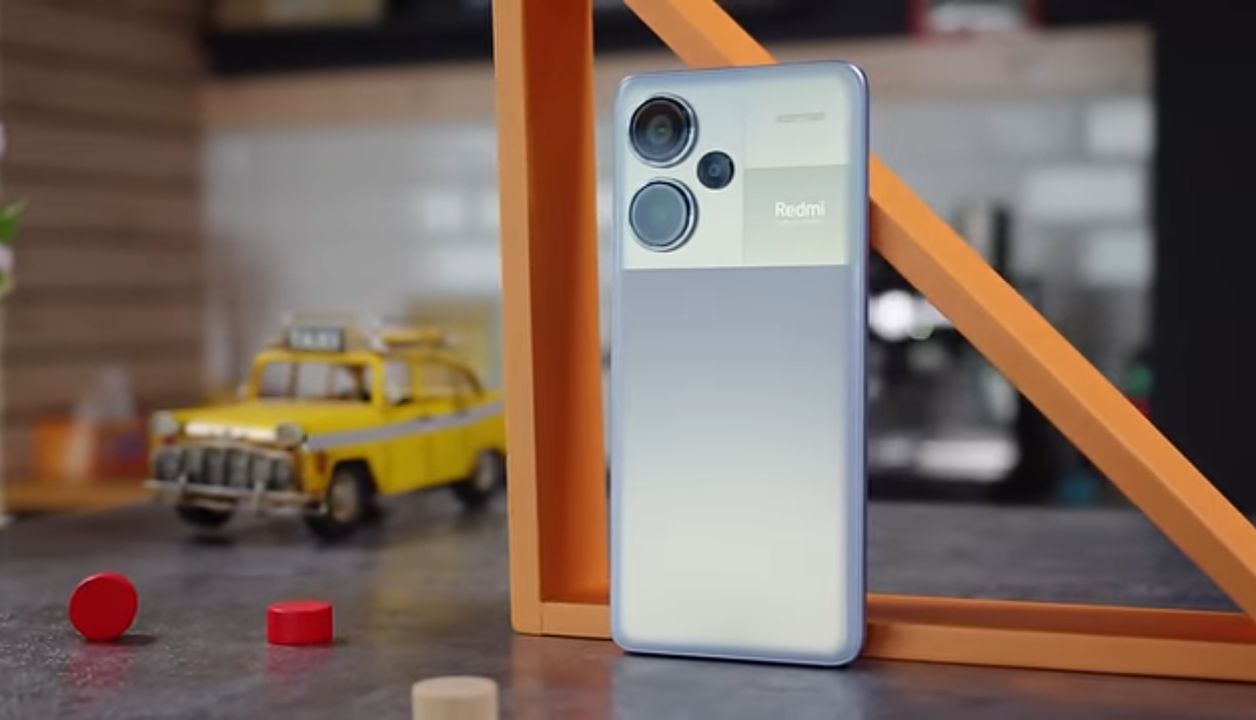
This one’s slightly older, and that’s exactly the point. As Xiaomi’s newer Note 14 series pushes retail prices up, the Note 13 Pro+ has settled into a genuinely attractive discount zone while still packing a 200MP main camera (Samsung ISOCELL HP3) with optical image stabilization — a spec that some newer phones in this same price bracket skip to hit their target cost.
The 120W wired charging is the standout here: Xiaomi’s official specs put a full charge at well under 20 minutes for the 5,000mAh battery, which matters if your power situation isn’t always predictable. The curved AMOLED display and IP68 rating (dust and water resistance, rated for up to 1.5m for 30 minutes under lab conditions) round out a spec sheet that still competes with phones released a generation later.
Who should be cautious: software update support runs on an older timeline than the Note 14 series, since it launched a full generation earlier. Some early reporting (sourced from an industry tipster ahead of launch, not an official Xiaomi statement) pointed to roughly 3 years of Android upgrades and 4 years of security updates for the Note 13 series, but this wasn’t clearly confirmed on Xiaomi’s own Security Center page at the time of writing — verify directly there before buying if update longevity is a deciding factor for you. If you plan to keep the phone for 3+ years, weigh that uncertainty against the camera upgrade before deciding.
5. Redmi Turbo 4 — Best Lean Budget Pick (Import-Market Caveat)
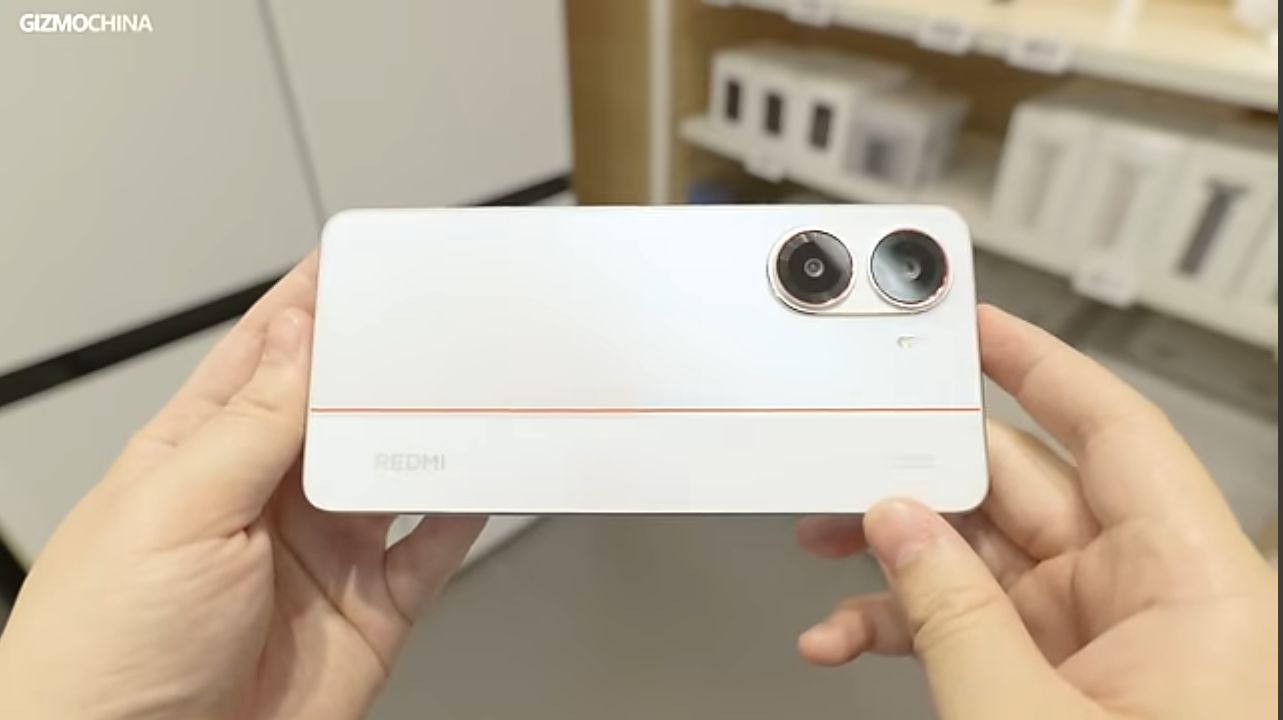
If your priority is squeezing maximum chipset performance out of the lowest price on this list, the Redmi Turbo 4 deserves a look. It runs MediaTek’s Dimensity 8400 Ultra — a genuinely higher-tier chipset than the Dimensity 7300/7200 series used elsewhere on this list, using a newer high-performance CPU architecture designed to push gaming and sustained performance further than those chips. It pairs that with a 120Hz AMOLED display and a large 6,550mAh battery with 90W wired charging.
Before you buy this one specifically: the Redmi Turbo 4 is primarily a China-market release, and its Nigerian presence leans more on Computer Village import/reseller channels than on Mi Store NG or the other authorized retailers referenced elsewhere in this guide. That means availability, pricing consistency, and warranty coverage are all less predictable than the global Redmi Note models above — confirm with your specific seller whether the unit is a genuine global-spec import with any service backing, or a straight parallel-import unit with none. If after-sales support matters to you, weigh that risk against the performance gain.
Software support: not clearly and consistently specified for this model in the sources I checked. Given its import-market status, don’t assume it carries the same update commitment as the Redmi Note-branded phones on this list — verify directly with your seller or Xiaomi’s official Security Center page before buying.
It also trims some of the camera sophistication found in the Pro-tier phones above, so treat it as the pick for buyers who game or multitask more than they photograph — and who are comfortable with import-channel buying.
Who Should Skip This List Entirely?
- If you mainly shoot video for content creation, none of these phones offer the stabilization or bitrate ceiling you’d get from a flagship-tier camera phone — a step up in budget is worth considering for that use case.
- If clean, ad-free Android matters more than specs, HyperOS’s bundled promotions (even after disabling most of them) may bother you more than the hardware compensates for. A Pixel or a stock-Android alternative may suit you better.
- If you’re buying from an unverified Computer Village stall with no return policy, foreign-used units in this bracket carry real risk of hidden battery wear or non-genuine parts — buy from Mi Store NG, Jumia Mall, Slot, Pointek, or Konga authorized channels if warranty coverage matters to you.
Bottom Line
If you’re spending around ₦300,000–₦400,000, the Redmi Note 14 Pro 5G is the safest all-round choice, with the strongest camera-to-price balance and the most current software base. The POCO X7 makes more sense if you’re performance-focused and game more than you photograph. The Redmi Note 13 Pro+ is the value play if you can find a genuine, well-priced unit and don’t mind a slightly older update timeline. And the Redmi Turbo 4 is the enthusiast pick for buyers who are comfortable with import-channel buying and want the most raw chipset performance for the least money.
Frequently Asked Questions
Is $300 (around ₦280,000–₦420,000) a good budget for a Xiaomi phone in Nigeria in 2026? Yes — this range sits right at the point where AMOLED displays, 120Hz+ refresh rates, and genuinely competent cameras become common rather than a stretch. It’s arguably the sweet spot in Xiaomi’s current Nigerian lineup.
Do these phones support 5G in Nigeria? Most do on paper, though real-world coverage still varies significantly by area and carrier. Check current 5G rollout status for your specific location before letting that spec drive your decision — it’s worth confirming rather than assuming.
How long will these phones receive software updates? It varies more than you’d expect, and not always in the direction you’d guess — the standard Redmi Note 14 5G, for instance, is reported to get fewer major Android upgrades than the Pro model despite sharing most of the name. See the software support note in each phone’s section above for the specific figures I could confirm, and where I couldn’t confirm a number confidently, I’ve said so rather than guessed. Always check Xiaomi’s official Security Center page for your exact model before buying if this is a deciding factor.
Should I buy new sealed or foreign-used (tokunbo)? Depending on the seller and product channel, new units bought from an authorized channel may include a local warranty and access to Mi Authorised Service Centres in Lagos and Abuja — confirm exact terms with the specific retailer before buying, since coverage isn’t uniform across all sellers. Foreign-used units are cheaper but typically aren’t warranty-covered, and battery health is a gamble — factor a possible early battery replacement (₦18,000–₦45,000) into your total cost if you go this route.
Is HyperOS still running ads in system apps on these models? Yes, on most units out of the box. Many placements can be disabled manually in Settings; a few persist without deeper debloating. If a completely ad-free experience is non-negotiable for you, factor that into your decision.
Prices, availability, and specifications referenced in this guide reflect Nigerian retail listings and official manufacturer specs as of July–August 2026, cross-checked against GSMArena and Xiaomi’s own product pages for each device’s global variant. Regional spec variants can differ — confirm which variant you’re buying before purchase. Prices are subject to change with exchange rate movement and stock availability.


Comments 0
Leave a comment