Table of Contents
Open Table of Contents
- Overview
- Why $200 Phones Hit Differently in 2026
- What $200 Actually Means in Nigeria
- 1. Samsung Galaxy A16 5G — The Safest Bet at $150–$170
- 2. Motorola Moto G (2026) — Best Battery Life Under $200
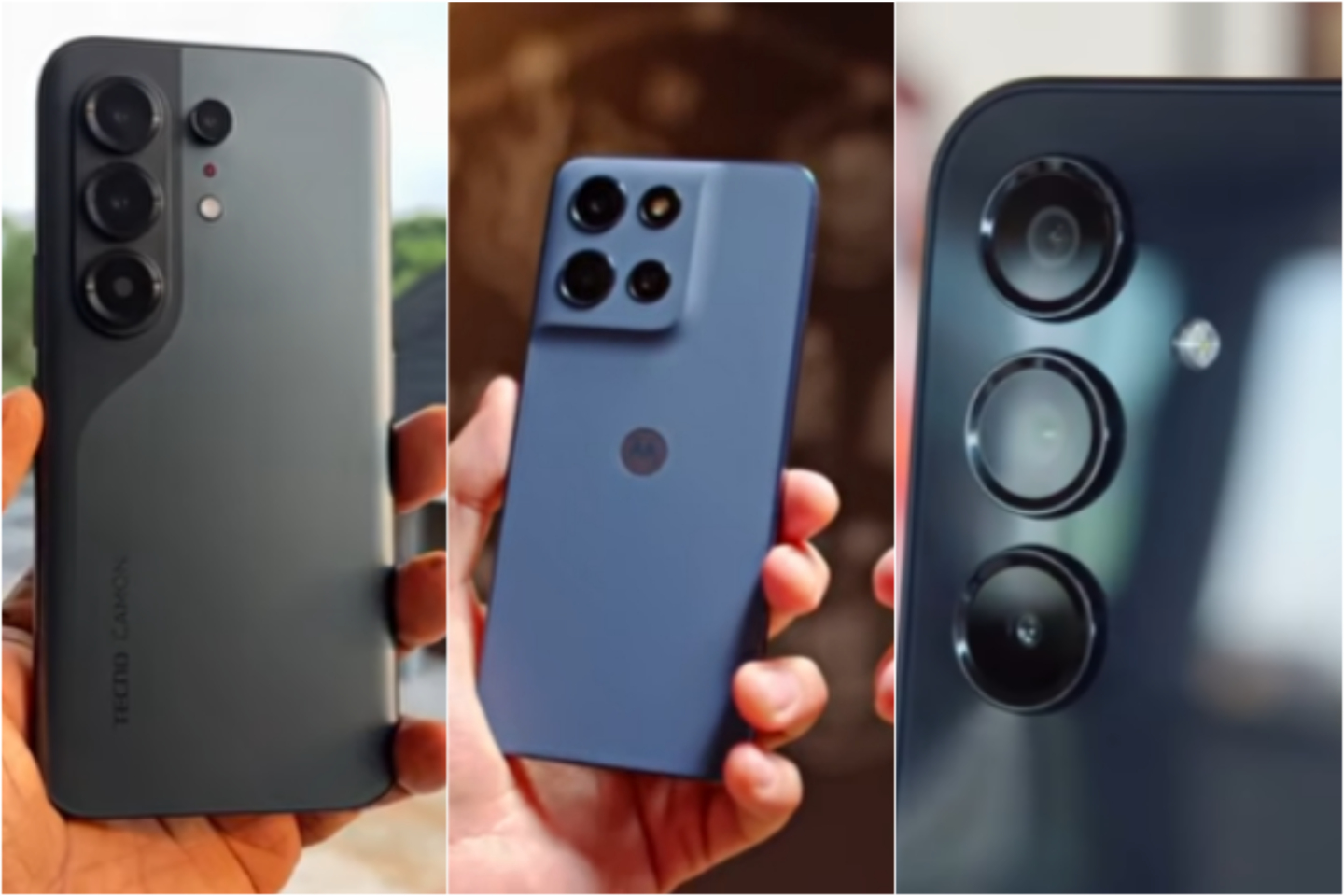
- 3. Tecno Camon 50 Pro — Best Camera and Display Hardware, With a Catch
- 4. Samsung Galaxy A15 5G — If You Want to Spend Even Less
- The Honest Comparison Table
- What I’d Actually Buy (And What I’d Tell My Friends)
- What to Look For When Buying Any Budget Phone in 2026
- FAQ
Overview
There’s something weirdly satisfying about finding a great phone at a price most people would laugh at. The $200 bracket used to mean garbage — sluggish chips, washed-out displays, cameras that turned your food into abstract art. That was a few years ago. In 2026, things are different, and the improvement has been dramatic enough that I had to write about it.
This is a shortlist, not an exhaustive database dump. I’ve dug into manufacturer specification pages, independent testing (credited where it isn’t mine), and user feedback to put together four phones that hold up. I run ReviByte, where I write about tech from a genuinely personal standpoint — no paid placements, no affiliate pressure to steer you toward the wrong option. If something isn’t worth buying, I’ll say it.
How I chose these phones: I evaluated each one on display quality, processor performance, camera hardware, battery capacity, software-support policy, network compatibility, and current value. Where I haven’t personally tested a device, I rely on manufacturer specifications and independent testing rather than presenting those results as my own — and I credit the source every time.
Why $200 Phones Hit Differently in 2026
Before the actual picks — a quick reality check. Every sub-$200 phone has a compromise somewhere. That’s not pessimism, that’s physics and manufacturing economics. What’s changed in 2026 is where those compromises show up. You used to lose on everything. Now, you typically sacrifice one or two things and keep the rest.
The major shifts this year:
- 5G is increasingly common at this price point, though it isn’t universal — some manufacturers still prioritize display, camera hardware, or battery capacity over a 5G radio, especially for markets where 4G remains the dominant network.
- AMOLED has arrived at under $200, which was rare even at $300 not long ago.
- Batteries are massive — most phones in this bracket are rocking 5,000mAh or more.
- Software longevity is the new spec war — Samsung committing to up to six years of security maintenance on a budget phone is genuinely wild.
The trade-off you’ll still encounter: processing power. Don’t expect to run Genshin Impact on max settings or switch between fifteen apps without a hiccup. The chips powering these phones are solid for daily tasks, social media, streaming, and casual gaming. Anything more demanding and you’re going to feel it.
This is a four-phone shortlist, not a top ten. I’d rather give you four defensible picks than pad the list to hit a round number.
What $200 Actually Means in Nigeria
Dollar pricing is a starting point, not the full picture, if you’re buying in Nigeria. The Galaxy A16 5G can vary significantly in Nigeria depending on the RAM/storage configuration, seller, import status, and current market conditions — and the same is true of the other phones on this list. Rather than quote a figure that will be stale by the time you read this, here’s what to actually check before buying:
- Compare naira prices at the point of purchase, not the dollar conversion — official retailers, carrier stores, and marketplace listings can differ by well over ₦100,000 for the same model.
- Official warranty vs. imported (parallel-import) units matters. An officially imported Samsung or Tecno unit usually comes with local warranty support; a parallel-import unit often doesn’t, even if the price looks better.
- Network bands matter. Confirm the specific model sold in Nigeria supports your carrier’s 4G/5G bands before buying — regional variants aren’t always identical.
- Tecno, Infinix, and itel have stronger local distribution and after-sales support than in most Western markets, which is a real advantage if you go that route.
- Charger and accessory availability for the exact model matters more here than in markets where universal fast chargers are the norm.
If you’re shopping in Nigeria specifically, the Camon 50 Pro’s strong local service network is a genuine point in its favor, separate from the hardware itself.
1. Samsung Galaxy A16 5G — The Safest Bet at $150–$170
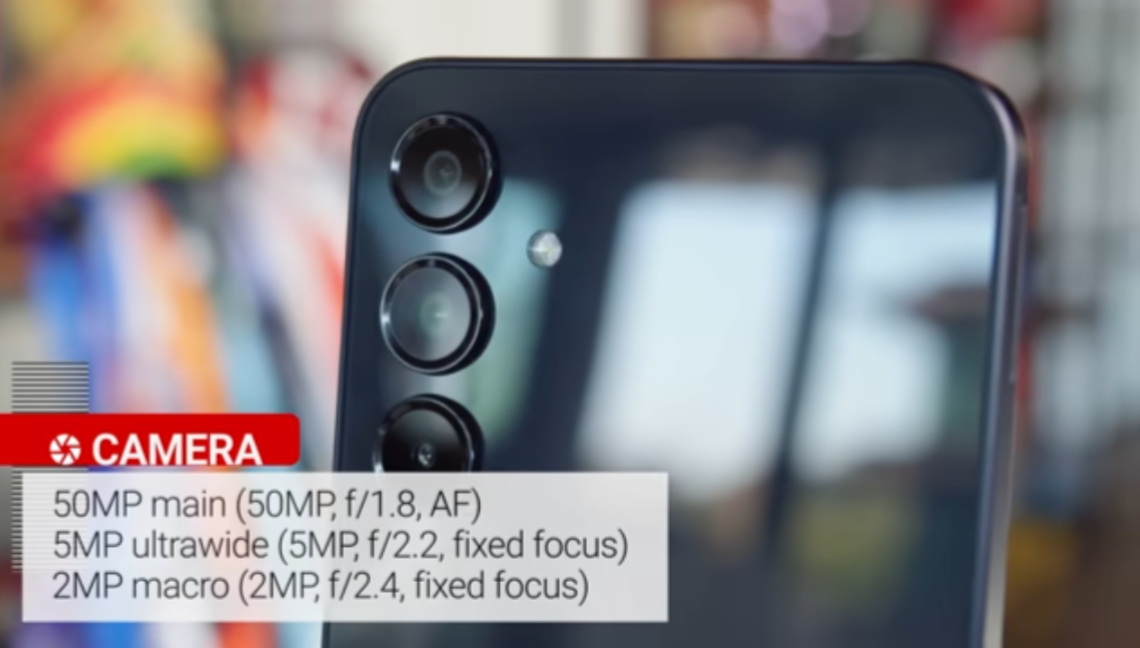
If you want one answer and zero stress, this is it. The Samsung Galaxy A16 5G runs roughly $148–$170 at US retailers, though — as covered above — Nigerian pricing varies far more widely, so check current local listings for the exact configuration. For that ballpark price you’re getting a 6.7-inch FHD+ Super AMOLED display with a 90Hz refresh rate, a 50MP triple camera, 5,000mAh battery with 25W fast charging, and IP54 water and dust resistance. Some variants also include NFC — confirm this on the specific listing for your region before assuming it’s included.
The headline is Samsung’s software commitment: up to six generations of OS upgrades and six years of security maintenance on the device. That’s not the same claim as “six years of OS updates” — the OS upgrade count and the security-patch window are two separate promises — but either way, it’s unheard of at this price.
Worth noting: Samsung’s own product pages note that memory, storage configuration, and availability vary by country, region, and carrier, so the exact A16 5G sold near you may not match every spec listed here exactly. Confirm the local variant before buying.
On sales performance, Counterpoint Research’s Q1 2025 tracking placed the Galaxy A16 5G fifth among the world’s best-selling smartphones overall — not first — which still makes it one of Samsung’s strongest budget sellers, just not the outright best-seller.
Where does it fall short? The Exynos 1330 chip (some regions instead ship a Dimensity 6300 variant — check the specific listing for your market rather than assuming) isn’t going to impress anyone in benchmark tests. The 90Hz AMOLED is better than most in this class, but you’re still looking at a plastic build, and the 4GB base RAM can cause slowdowns if you’re heavy on multitasking.
But for someone who just needs a reliable daily driver that won’t feel outdated in a few years? This is the call.
Quick specs:
| Feature | Detail |
|---|---|
| Display | 6.7” FHD+ Super AMOLED, 90Hz |
| Chipset | Exynos 1330 / Dimensity 6300 (region-dependent) |
| RAM | 4GB / 8GB |
| Storage | 128GB / 256GB |
| Battery | 5,000mAh, 25W fast charge |
| Camera | 50MP + 5MP + 2MP (rear), 13MP (front) |
| Network | 5G |
| Software support | Up to 6 generations of OS upgrades, 6 years of security updates |
| Price | ~$148–$170 |
2. Motorola Moto G (2026) — Best Battery Life Under $200
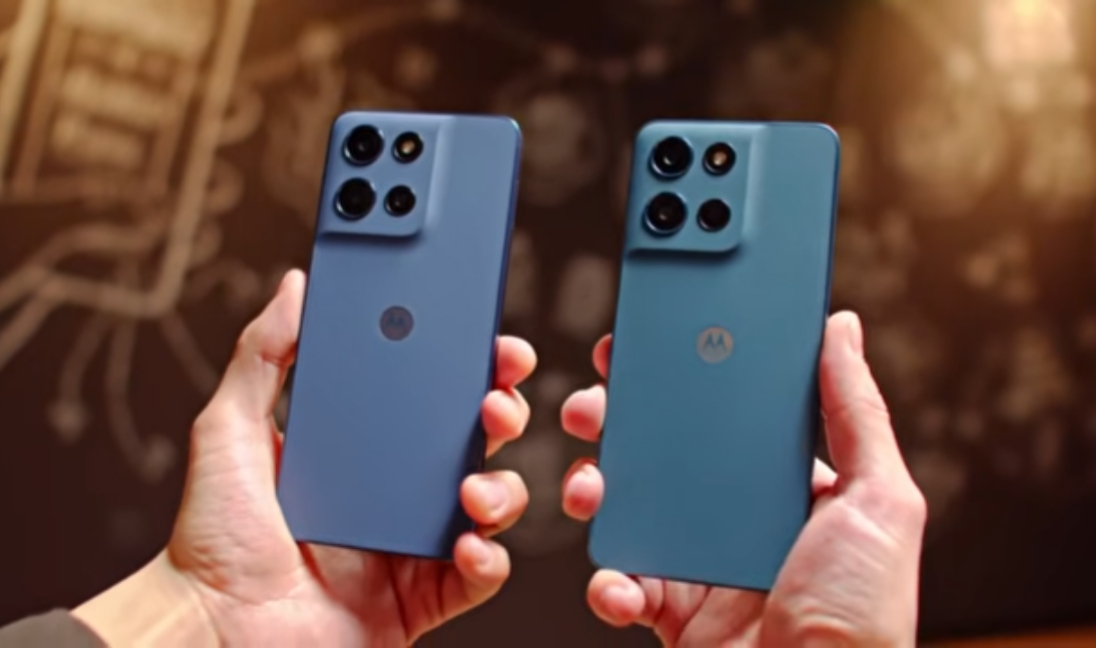
Tom’s Guide ran their standard battery drain test on Motorola’s Moto G (2026) — surfing the web over cellular until it dies — and it lasted 19 hours and 11 minutes, the longest result they’ve recorded for a budget phone. That’s Tom’s Guide’s testing methodology and result, not mine, and it’s a genuinely strong number for a $199 phone.
Motorola’s Moto G (2026) comes in at exactly $199 with a 6.7-inch 120Hz LCD, a 50MP main camera, a 32MP selfie camera (up from 16MP on last year’s model), a Dimensity 6300 chipset, 4GB RAM with virtual RAM boost, 128GB storage, and a 5,200mAh battery with Android 16 out of the box. The vegan leather back is a nice touch — it feels more expensive than it is, avoids fingerprints, and adds actual grip.
Here’s where I have to be honest with you though: the resolution is 720p on a 6.7-inch screen. In 2026, that’s genuinely noticeable if you care about display quality — YouTube and other video look slightly soft. Motorola is also only promising two years of OS updates, well short of Samsung’s six-year window on the A16.
Where the Moto G wins: if you’re buying this as a secondary phone, a phone for a family member, or you simply prioritize battery endurance above everything else, it’s hard to beat under $200.
Quick specs:
| Feature | Detail |
|---|---|
| Display | 6.7” LCD, 120Hz, 720p |
| Chipset | Dimensity 6300 |
| RAM | 4GB (virtual RAM boost up to 8GB) |
| Storage | 128GB |
| Battery | 5,200mAh |
| Camera | 50MP + 2MP (rear), 32MP (front) |
| Network | 5G |
| Software support | 2 years OS updates |
| Price | ~$199 |
3. Tecno Camon 50 Pro — Best Camera and Display Hardware, With a Catch
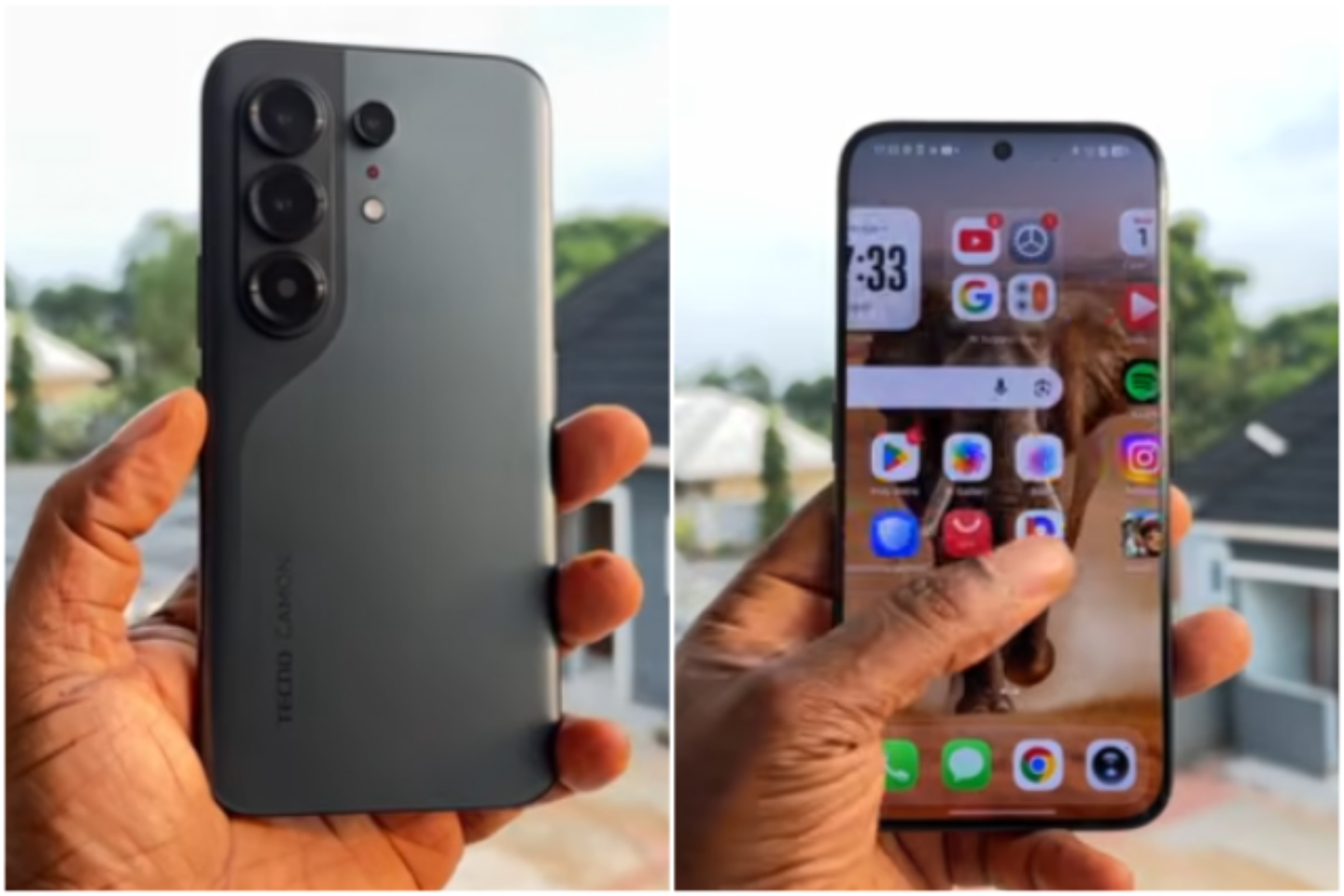
If you’re in Nigeria, elsewhere in Africa, or Southeast Asia where Tecno is properly distributed, the Camon 50 Pro deserves your full attention — but with one major caveat up front: it’s a 4G phone, not 5G. In a guide about $200 phones in 2026, that’s a real buying consideration, and I’d rather flag it clearly than bury it in a spec table.
According to Tecno’s Nigerian specification page, the Camon 50 Pro packs a 6.78-inch curved AMOLED display at 1.5K resolution and 144Hz, a MediaTek Helio G200 Ultimate chipset, a 50MP Sony sensor with OIS on the main camera plus a 50MP 3x periscope telephoto and an 8MP ultrawide, a 6,150mAh battery with 45W charging, and IP68/IP69/IP69K-class water and dust protection. That telephoto lens and the curved 144Hz AMOLED panel would both be notable on a phone twice this price.
So the trade-off is straightforward: you’re getting the most ambitious display and camera setup on this shortlist at around $200, but you’re giving up 5G to get it. For buyers who are specifically shopping for 5G, that rules the Camon 50 Pro out. For buyers in a market where 4G is still the dominant network anyway, it’s a non-issue.
The bigger uncertainty is software support and the quality of after-sales service, which varies by market. But where you can walk into a store and get it serviced, this is one of the most hardware-heavy sub-$200 devices around.
Quick specs:
| Feature | Detail |
|---|---|
| Display | 6.78” curved AMOLED, 1.5K, 144Hz |
| Chipset | MediaTek Helio G200 Ultimate |
| Camera | 50MP Sony OIS + 50MP 3x periscope telephoto + 8MP ultrawide |
| Battery | 6,150mAh, 45W charging |
| Water resistance | IP68/IP69/IP69K-class |
| Network | 4G (no 5G) |
| Price | ~$200 (market dependent) |
4. Samsung Galaxy A15 5G — If You Want to Spend Even Less
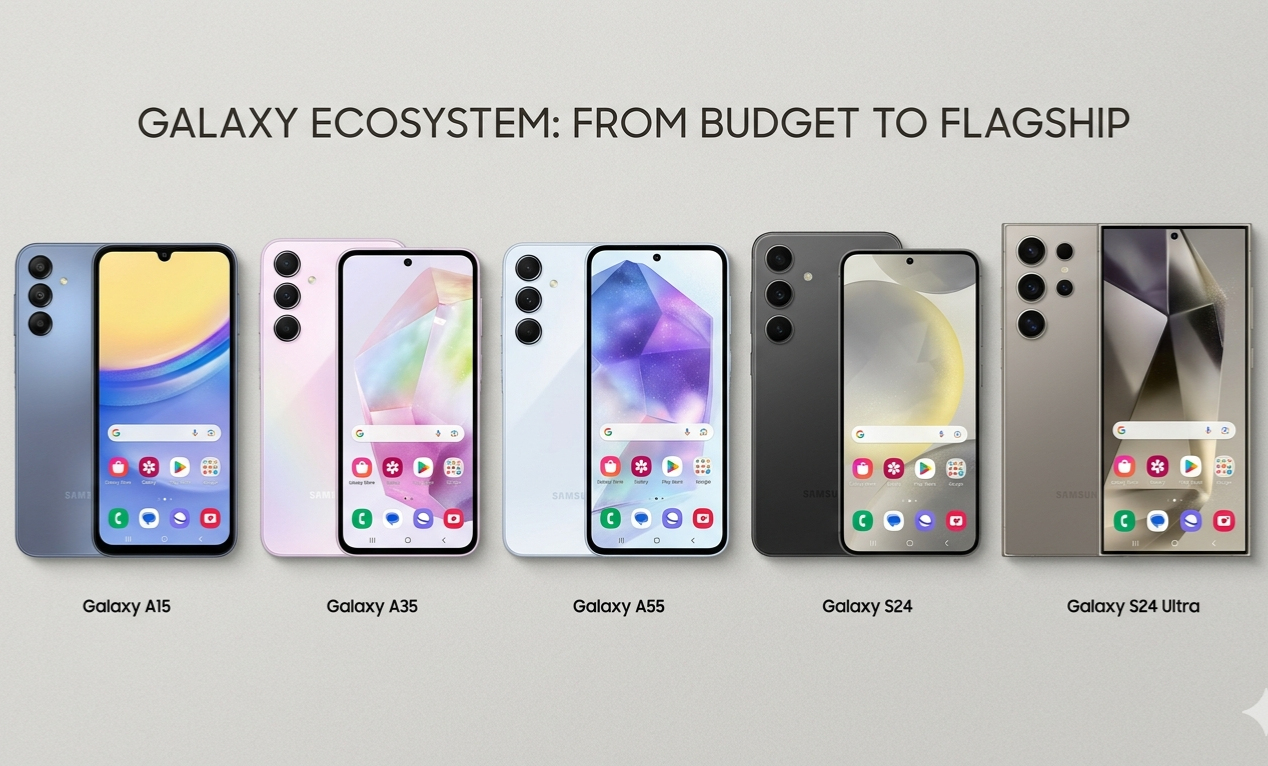
Not everybody has $170 to spare. The Galaxy A15 5G is the A16’s predecessor, and it’s still worth mentioning because you can often find it for under $130. You’re still getting a 90Hz AMOLED display, 5,000mAh battery, and 5G. Samsung officially lists it for up to four generations of OS upgrades and five years of security maintenance — a step down from the A16’s six-year window, but still solid for a phone at this price.
The A15 5G doesn’t have the IP rating of the A16, the cameras are a step down, and you’ll notice the performance gap more over time as apps get heavier. If your budget caps out below $150 and you’d rather have Samsung’s update track record than chase a newer sub-$150 alternative with an uncertain support policy, this still earns its spot.
The Honest Comparison Table
| Phone | Price (US) | Network | Display | Chipset | Battery | Software support | Best for |
|---|---|---|---|---|---|---|---|
| Samsung Galaxy A16 5G | ~$150–$170 | 5G | 6.7” AMOLED 90Hz | Exynos 1330 / Dimensity 6300 | 5,000mAh | Up to 6 gen. OS / 6 yrs security | Long-term daily driver |
| Motorola Moto G 2026 | ~$199 | 5G | 6.7” LCD 120Hz 720p | Dimensity 6300 | 5,200mAh | 2 years OS | Best battery endurance |
| Tecno Camon 50 Pro | ~$200 | 4G | 6.78” AMOLED 144Hz 1.5K | Helio G200 Ultimate | 6,150mAh | Varies by market | Camera/display hardware |
| Samsung Galaxy A15 5G | ~$120–$130 | 5G | 6.5” AMOLED 90Hz | Dimensity 6100+ | 5,000mAh | Up to 4 gen. OS / 5 yrs security | Lower budget |
US pricing shown for consistency across sources — see the Nigeria section above for why naira pricing needs to be checked separately.
What I’d Actually Buy (And What I’d Tell My Friends)
- Best overall / long-term: Samsung Galaxy A16 5G. The software update commitment changes the calculus — that’s not just new features, it’s security patches, which matter if you’re using the phone for banking or anything sensitive.
- Best battery: Motorola Moto G (2026). If you’re traveling a lot or just want to go a full day-plus without a charger, the display compromise is worth it.
- Best camera/display hardware, if you don’t need 5G: Tecno Camon 50 Pro. For camera and display hardware, it’s the standout option on this list — provided you’re comfortable with 4G-only connectivity.
- Best if your budget is under $150: Samsung Galaxy A15 5G. Not the newest chip on the market, but Samsung’s update track record still beats most alternatives at this price.
What to Look For When Buying Any Budget Phone in 2026
This is the part most buying guides skip. Specs are easy to list — knowing how to read them is the actual skill.
Display resolution matters more than refresh rate in this bracket. A 90Hz AMOLED at 1080p will look sharper and more enjoyable than a 120Hz LCD at 720p. Don’t let the refresh rate number fool you.
Software updates are the hidden value metric. A phone with great specs today and no updates in two years is a security liability and an increasingly slow experience. Samsung’s multi-year commitment is the clearest proof that this is now a real competitive differentiator.
Network support is real but region-dependent. If you’re in an area with solid 5G coverage, prioritize it. If you’re in a market where 4G is still dominant — which includes a lot of Nigeria outside major cities — a strong 4G phone with better specs elsewhere, like the Camon 50 Pro, can serve you better than paying for 5G you won’t use yet.
RAM expansion (virtual RAM) is not the same as real RAM. Motorola and Tecno both offer “RAM boost” features that borrow storage space and use it as virtual memory. It helps. It is not the same as buying a phone with 8GB of actual RAM. Keep that in mind.
FAQ
Is the Samsung Galaxy A16 5G worth buying in 2026? Yes — especially if you’re planning to keep the phone for more than two years. Samsung’s software update commitment is genuinely rare at this price, and the 90Hz AMOLED display holds up well against the competition. It’s not a powerhouse, but it’s reliable and well-supported.
Which is better: Motorola Moto G (2026) or Samsung Galaxy A16 5G? For display quality and long-term software support, the Samsung Galaxy A16 5G wins. For battery endurance and a cleaner stock Android experience, Motorola’s Moto G (2026) is the better pick.
Can I game on a smartphone under $200 in 2026? These phones can handle casual gaming and lighter competitive titles, although the experience varies by chipset and graphics settings. Don’t buy any of them expecting flagship-level performance in demanding games. If gaming is a priority, you’ll want to stretch your budget to the $250–$350 range.
Do budget phones under $200 support 5G? 5G is increasingly common under $200 in 2026, but it isn’t universal. The Samsung Galaxy A16 5G, the Galaxy A15 5G, and Motorola’s Moto G (2026) all support it — the Tecno Camon 50 Pro on this list, for example, is 4G-only. Always check network band compatibility for your specific carrier before buying.
Is Tecno a reliable brand for budget phones? In markets where Tecno has an established service network — primarily Africa and parts of Southeast Asia — they’re a strong option, and the hardware-to-price ratio is among the best in the budget segment. In markets where after-sales support is thin, the risk is higher.
What’s the biggest mistake people make when buying a budget phone? Prioritizing the wrong spec. People obsess over camera megapixels and refresh rates while ignoring RAM, update longevity, network compatibility, and real-world processor performance. A phone with a 108MP camera and a terrible processor will frustrate you daily. A phone with a 50MP camera and solid software optimization will often take better photos because it processes them better.
Should I buy a budget phone or wait for a sale on a mid-range one? If you need a phone now and your budget is genuinely under $200, buy the best option in that range and don’t second-guess it. If you can stretch to $280–$350 and wait a month or two, the jump in quality is meaningful. But a good $170 phone today beats a theoretical $300 phone six months from now.
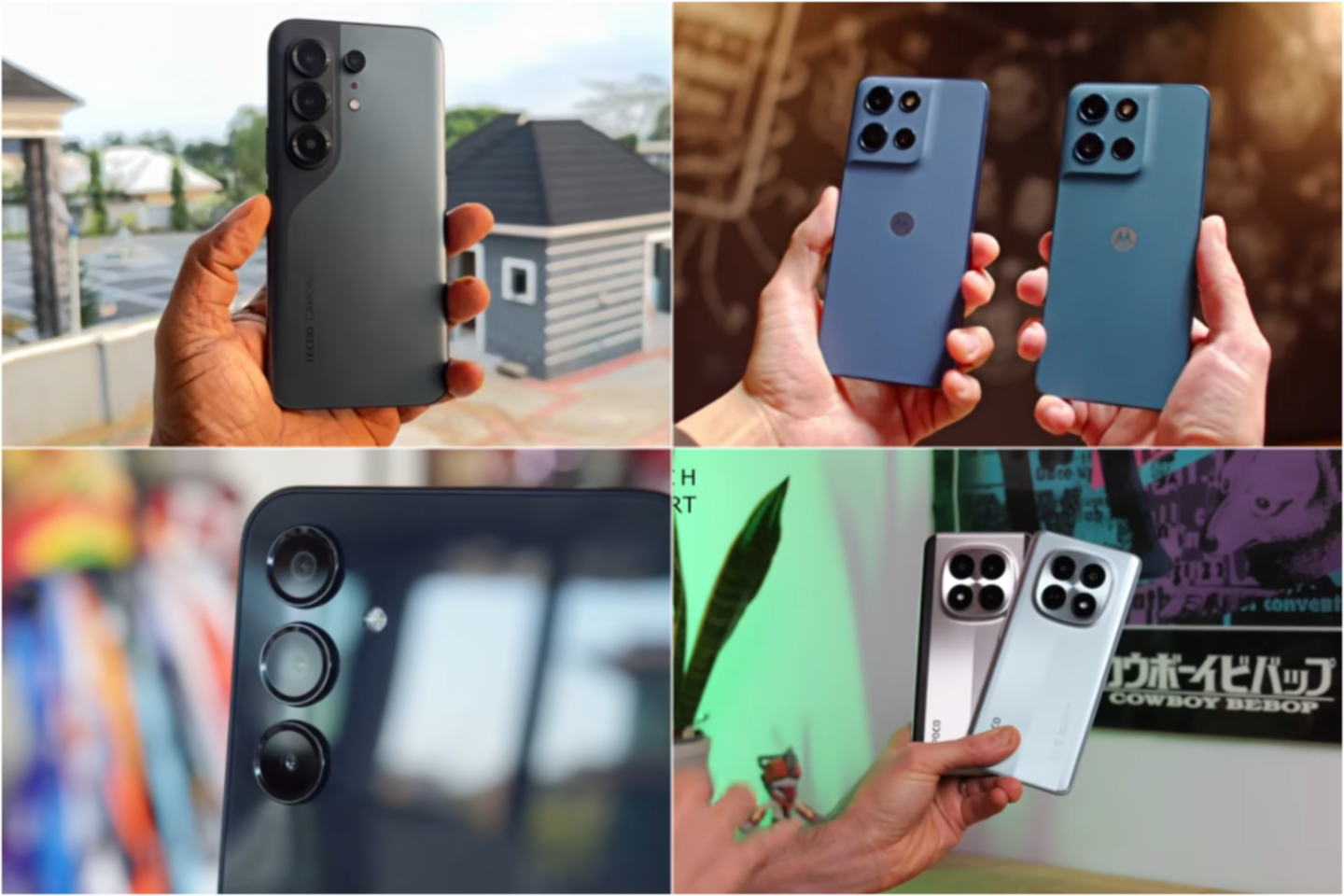
The $200 bracket in 2026 has matured to the point that buying here is a deliberate choice, not a compromise. None of these four are flagships, but each one is the strongest pick for a specific priority: long-term support, battery life, camera/display hardware, or spending as little as possible while staying with a well-supported Samsung phone.
If you found this useful, explore more of what I write on ReviByte. And if you think a phone deserves a spot on this list, drop it in the comments — I read all of them.

Comments 0
Leave a comment