Table of Contents
Open Table of Contents
- Overview
- How We Ranked These Phones
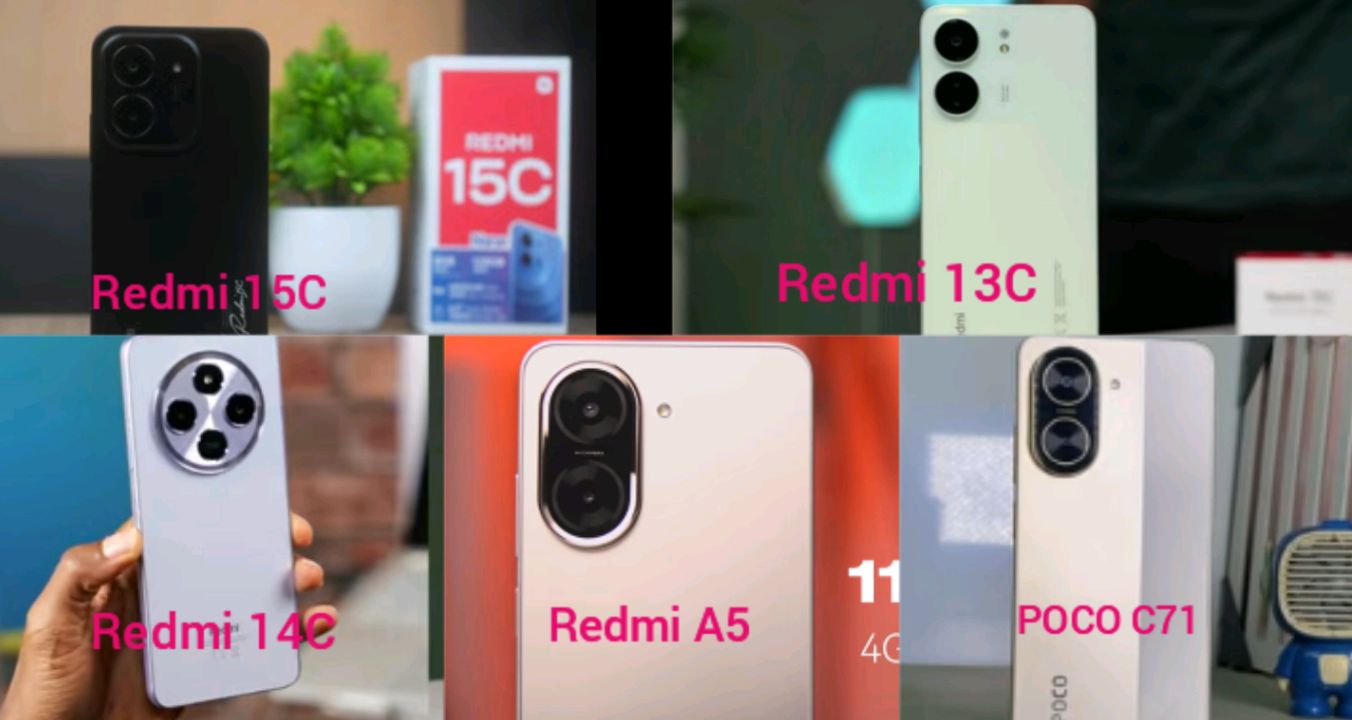
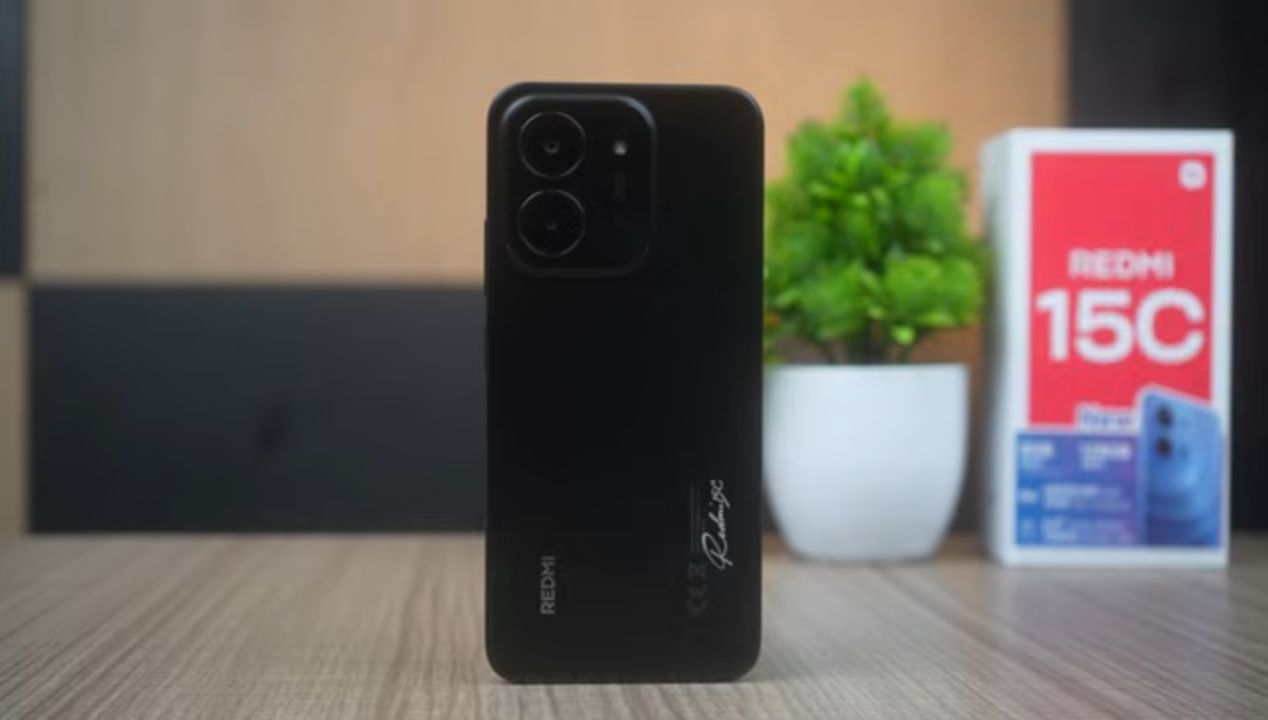
- 1. Redmi 15C — Best Overall Under $150
- 2. Redmi 13C — Best Value Pick
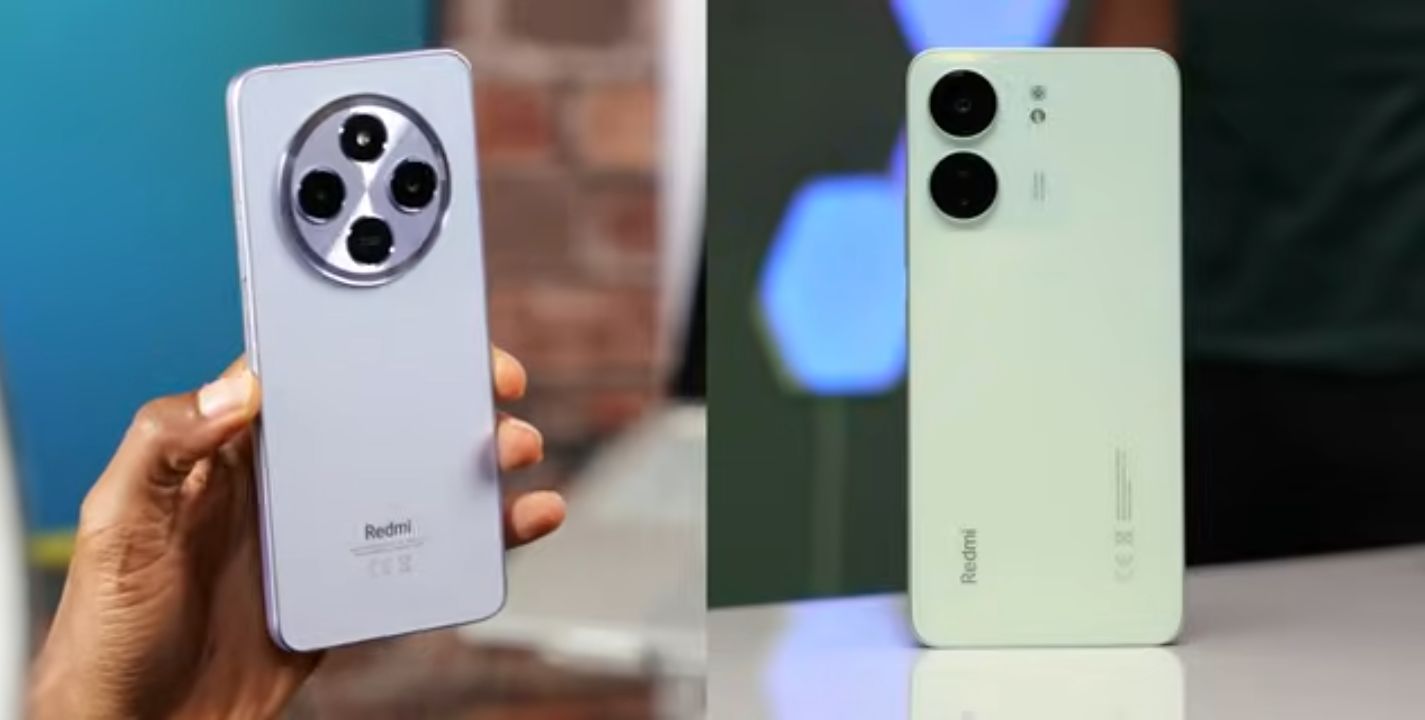
- 3. Redmi 14C — Balanced Middle Ground
- 4. Redmi A5 — Cheapest Way Into Xiaomi’s Ecosystem
- 5. POCO C71 — Best for Big-Screen, All-Day Battery Use
- Quick Comparison Table
- Verdict: Which One Should You Actually Buy?
- Who Should Skip Xiaomi at This Price?
- How This Compares to Other Budget Brands
- Frequently Asked Questions
Overview
$150 doesn’t stretch as far as it used to, but Xiaomi’s budget arm — Redmi and POCO — is still one of the few places where that money buys a phone that doesn’t feel like a compromise. The catch is that “Xiaomi under $150” covers a wider spread of experiences than most buyers expect: some of these phones have 120Hz screens and NFC, others skip NFC entirely or cap out on a slower chipset. RAM and storage configuration matters just as much as the model name, since the same phone can be sold in two or three different memory tiers that land in very different price brackets.
At current black-market rates hovering around ₦1,400–₦1,425 to the dollar, $150 works out to roughly ₦210,000, though that figure moves week to week — treat it as a ceiling, not gospel. Naira figures below are rounded to the nearest ₦5,000 on purpose: exact prices shift between vendors and weeks, and a false-precision number ages badly. Always confirm the current price with your vendor before paying.
How We Ranked These Phones
Ranking factors: value for money (40%), performance (25%), display quality (15%), battery life (10%), software support (10%). Value for money carries the heaviest weight because at this price tier, buyers are usually choosing between “good enough” options rather than chasing a single best-in-class spec — the phone that gives the most usable phone per naira wins. Specs were verified against manufacturer spec pages and GSMArena listings for the global/Nigeria-region variant of each model, since Xiaomi’s China-only SKUs sometimes differ meaningfully (older USB standards, missing NFC, different chipsets) from what’s actually sold here.
A note on the update-policy claims below: software support commitments carry three different confidence levels in this guide — Confirmed (published directly by Xiaomi/POCO or reported as an official statement by GSMArena), Typical (no official number for this exact model, so we’re citing Xiaomi’s usual pattern for this device tier), and Reported (from a single secondary source, not yet corroborated by Xiaomi directly — treat as a possibility, not a promise).
1. Redmi 15C — Best Overall Under $150
Configuration: 4GB/128GB (also sold as 8GB/256GB, which pushes past $150 in most listings) Nigeria price: roughly ₦145,000–₦215,000 depending on RAM/storage tier — the 4GB/128GB base configuration is the one that stays comfortably under the $150 line
The Redmi 15C is the newest of the bunch and it shows. It’s the first Redmi C-series phone to carry an official IP64 dust and splash resistance rating, which matters more than it sounds like during rainy season commutes. You get a 6.9-inch 120Hz display, a 50MP main camera, NFC (availability can vary by specific unit/market), and a MediaTek Helio G81 Ultra chipset that handles light gaming and everyday multitasking without much fuss. Charging is 33W over USB-C, feeding a 6,000mAh battery.
Software support (Reported): Ships on Android 15 with HyperOS 2. A single industry outlet has reported this model receiving up to 4 major Android updates and 6 years of security patches as part of a broader Xiaomi extended-support push — that has not been directly corroborated on Xiaomi’s own support pages at time of writing, so treat it as an upside possibility rather than a guarantee. Verify current policy on Xiaomi’s official device support page before factoring it into your buying decision.
Best for: Buyers who want the newest hardware in this price band and plan to keep the phone for a few years.
Skip it if: You’re strictly capped at ₦150,000 in absolute terms — some 8GB/256GB listings for this model push past $150 entirely.
2. Redmi 13C — Best Value Pick
Configuration: 4GB/128GB (also available in 6GB/128GB and 8GB/128GB in some batches) Nigeria price: roughly ₦125,000–₦160,000 depending on RAM tier
Launched in late 2023 but still sold new, the Redmi 13C has aged into one of the more sensible budget buys purely on price-to-spec ratio. It runs a Helio G85 chipset (a notch stronger for gaming than the Helio G81 Ultra found in some newer C-series units), pairs it with a 5,000mAh battery and a 90Hz IPS panel, and includes PDAF on the main camera for faster autofocus. It charges over USB Type-C at 18W — the global/Nigeria variant does not use Micro-USB, unlike some earlier Redmi C-series phones. NFC is present but availability can vary by market and unit.
Software support (Typical): Ships on Android 13 with MIUI 14, later upgradable to HyperOS. No official update-count commitment has been published for this specific model; Xiaomi’s general pattern for phones in this tier has been one to two major Android upgrades with security patches for around 3 years. Don’t expect it to match the 15C’s reported longer window.
Best for: Students and first-time smartphone buyers who want dependable specs without extras.
3. Redmi 14C — Balanced Middle Ground
Configuration: 4GB/128GB (also sold as 6GB/128GB and 8GB/128GB) Nigeria price: roughly ₦110,000–₦170,000 depending on RAM/storage tier
The Redmi 14C sits between the 13C and 15C in almost every respect — a 6.88-inch 120Hz display, a 50MP main camera, and a 5,160mAh battery with 18W charging over USB-C. NFC is present on most regional units (market-dependent, as with the others here). It’s the pick for someone who wants “better than entry-level” without chasing the newest release.
Software support (Typical): Launched on Android 14 with HyperOS. No extended-support commitment has been published for this model, so budget for Xiaomi’s more typical one-to-two-update window at this tier rather than assuming it matches the 15C.
Best for: Everyday users upgrading from an older Redmi or Infinix phone who want a noticeable but not dramatic step up.
4. Redmi A5 — Cheapest Way Into Xiaomi’s Ecosystem
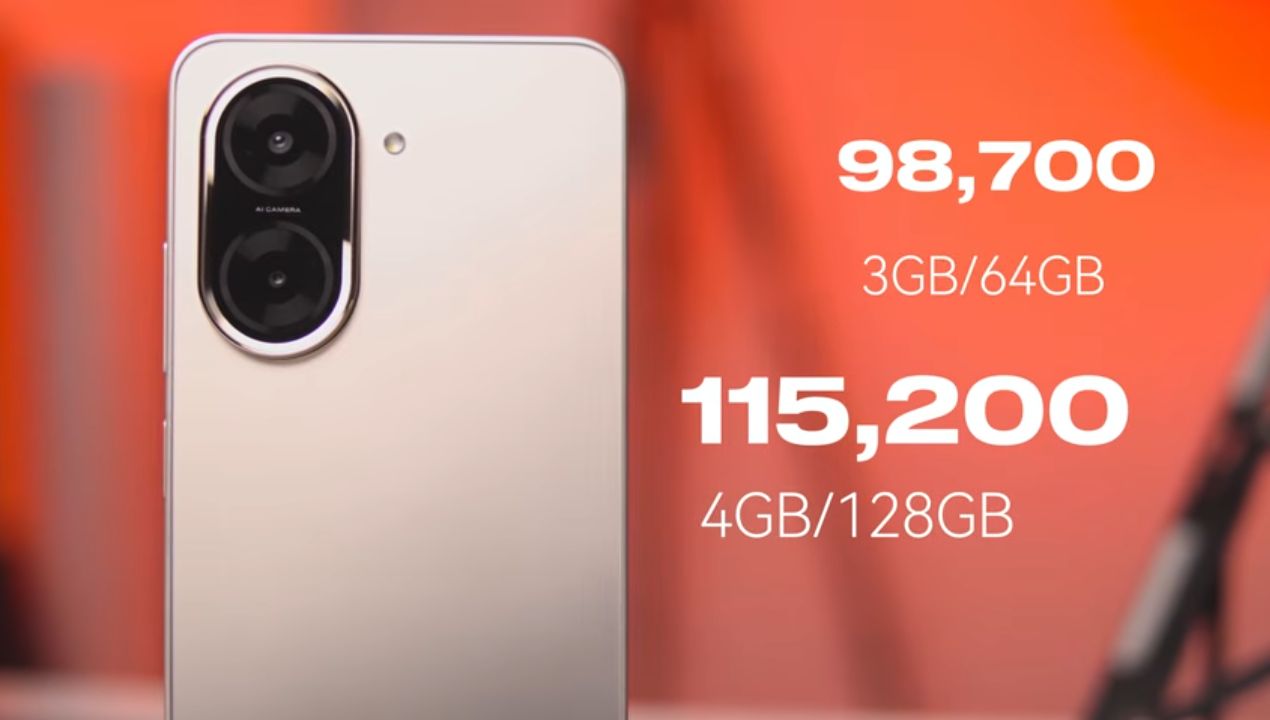
Configuration: 3GB/64GB (base) or 4GB/128GB (also available in Nigeria) Nigeria price: roughly ₦100,000–₦130,000 depending on RAM/storage tier
The Redmi A5 is Xiaomi’s true entry-level offering and the most affordable phone on this list by a wide margin. It runs a Unisoc T7250 chipset with a 5,200mAh battery on 15W charging, over USB-C. There’s no NFC and no formal IP rating on this model (Xiaomi lists it as “dust and splash resistant” rather than IP-certified), so it’s a straightforward calls-messages-social media device rather than an all-rounder.
Software support (Confirmed): Ships on Android 15 (Go edition). Xiaomi’s own published spec sheet for this model states up to 2 major Android upgrades — a real, sourced figure rather than an estimate, which is reassuring at this price point even if it’s on the shorter end.
Best for: Buyers who want a new (not fairly-used) Xiaomi phone at the lowest possible price, or a lightweight secondary device.
Skip it if: You do any amount of mobile gaming or multitasking-heavy work; the hardware isn’t built for it.
5. POCO C71 — Best for Big-Screen, All-Day Battery Use
Configuration: 4GB/64GB (base) or 4GB/128GB Nigeria price: roughly ₦95,000–₦130,000 — pricing for this specific model varies more between Nigerian retailers than any other phone on this list, so double-check the exact listing before ordering
POCO’s take on the budget segment leans into screen size and battery over camera bragging rights. It pairs a large 6.88-inch 120Hz display with a 5,200mAh battery, running on a Unisoc T7250 chipset — the same silicon family as the Redmi A5, since POCO and Redmi share hardware platforms at this tier. Charging is 15W over USB-C. There’s no NFC and no formal IP rating (again, “dust and splash resistant” rather than certified).
Software support (Confirmed): Ships on Android 15 (Go edition). POCO officially stated, at launch, that this model would receive 2 years of Android version upgrades and 4 years of security updates — a clearly published policy that’s a genuine plus at this price.
Best for: Buyers who spend a lot of time on video, reading, or streaming and want a bigger canvas without paying flagship prices.
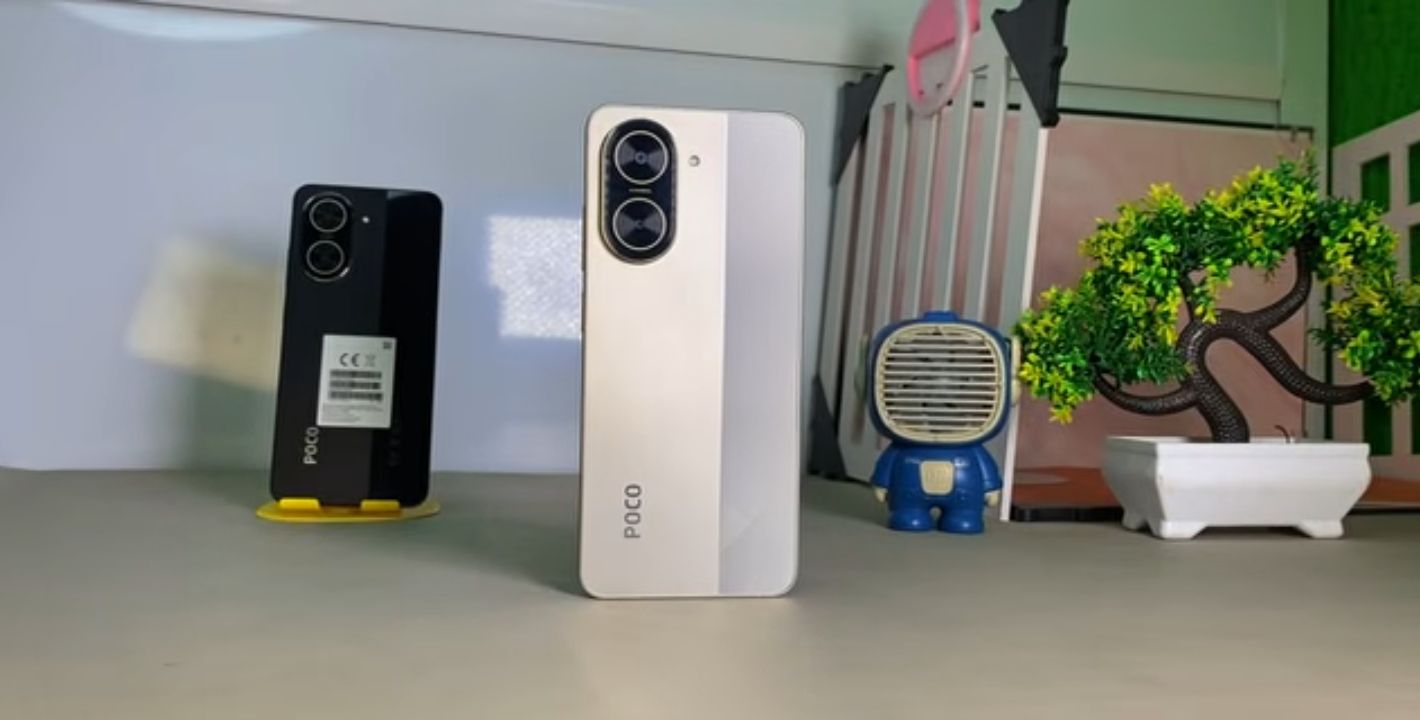
Quick Comparison Table
Update policy legend: Confirmed = officially published by Xiaomi/POCO · Typical = no official figure, based on Xiaomi’s usual pattern for this tier · Reported = single secondary source, unverified
| Phone | RAM/Storage | Display | Chipset | Battery/Charging | USB-C | NFC | IP Rating | Update Policy |
|---|---|---|---|---|---|---|---|---|
| Redmi 15C | 4/128GB | 6.9” 120Hz IPS | Helio G81 Ultra | 6,000mAh / 33W | Yes | Yes* | IP64 | Reported: 4 upgrades / 6yr security |
| Redmi 13C | 4/128GB | 6.74” 90Hz IPS | Helio G85 | 5,000mAh / 18W | Yes | Yes* | None | Typical: ~1–2 upgrades / ~3yr security |
| Redmi 14C | 4/128GB | 6.88” 120Hz IPS | Helio G81 Ultra | 5,160mAh / 18W | Yes | Yes* | None | Typical: ~1–2 upgrades |
| Redmi A5 | 3/64GB or 4/128GB | 6.88” 120Hz IPS | Unisoc T7250 | 5,200mAh / 15W | Yes | No | None | Confirmed: 2 upgrades |
| POCO C71 | 4/64GB or 4/128GB | 6.88” 120Hz IPS | Unisoc T7250 | 5,200mAh / 15W | Yes | No | None | Confirmed: 2 upgrades / 4yr security |
*NFC availability on these models is market/unit dependent — confirm the exact SKU has NFC before buying if it’s a must-have feature.
RAM/storage availability and Nigeria pricing vary by retailer batch and region. Always confirm the specific configuration and current price with your vendor before purchase.
Verdict: Which One Should You Actually Buy?
| If you want… | Get this |
|---|---|
| The most complete package under $150 | Redmi 15C |
| The best value-for-money pick | Redmi 13C |
| A balanced everyday upgrade | Redmi 14C |
| The cheapest possible new Xiaomi phone | Redmi A5 |
| A bigger screen for media consumption | POCO C71 |
Who Should Skip Xiaomi at This Price?
None of these five are bad phones, but Xiaomi’s budget lineup isn’t the right fit for everyone. Consider looking elsewhere if:
- You want the longest possible software support, guaranteed. Only the Redmi A5 and POCO C71 have officially confirmed update policies at this price, and both cap out at 2 major Android upgrades. If a longer, clearly published commitment matters more to you than saving a few thousand naira, Samsung’s budget A-series tends to publish stronger guarantees at a similar price.
- You need the strongest camera under ₦200,000. These are budget sensors — decent in daylight, unremarkable after dark. If camera quality is your main priority at this budget, it’s worth cross-shopping brands that lean harder into camera hardware at this tier, like Tecno or Vivo.
- You prioritize gaming over battery life. The Helio G85/G81 Ultra and Unisoc T7250 chipsets here handle light gaming fine but aren’t built for sustained, graphically demanding sessions. A phone with a stronger dedicated gaming chipset in this price range will usually trade away some battery capacity to get there.
If none of those trade-offs apply to you, the five phones above remain a genuinely solid shortlist.
How This Compares to Other Budget Brands
If Xiaomi isn’t a lock for you yet, it’s worth cross-shopping. Our guide to the best Tecno phones in 2026 covers a brand that leans harder into camera specs at similar prices, while the best Infinix phones in 2026 roundup is useful if battery life is your top priority. Buyers on an even tighter budget should also check the best itel phones in 2026, and if you’re open to spending a little more for camera quality, the best Vivo phones in Nigeria for 2026 and best Realme phones in 2026 guides are both worth a look before you commit.
Frequently Asked Questions
Is a Xiaomi phone under $150 worth buying in 2026? Yes, for most everyday use cases. The gap between budget and mid-range Xiaomi phones has narrowed on display quality and camera resolution, though chipset performance and software update timelines remain the areas where you’ll notice the price difference most.
Which Xiaomi phone under $150 is best for gaming? Of the models here, the Redmi 15C and Redmi 13C handle light-to-moderate gaming best, thanks to their Helio G-series chipsets. Don’t expect smooth performance on graphically demanding titles at high settings on any phone in this price range.
Redmi or POCO — which brand should I pick at this price? They’re both Xiaomi sub-brands, and at this tier they often share the same underlying chipset (as with the Redmi A5 and POCO C71, both on Unisoc T7250). The decision usually comes down to specific model trade-offs — display, camera, confirmed update policy — rather than brand loyalty.
Do these phones support 5G? No — 5G connectivity on Xiaomi’s lineup generally starts above the $150 price point in Nigeria. All the phones on this list are 4G devices.
How many software updates should I expect? It varies by model, not just by price. The Redmi A5 and POCO C71 both have officially confirmed update policies (2 major Android upgrades each, with POCO adding 4 years of security patches). The Redmi 15C has been reported — but not officially confirmed — as receiving a longer support window in some markets. The Redmi 13C and 14C fall back to Xiaomi’s more typical 1–2 upgrade pattern for this segment. Check the specific model’s official Xiaomi support page for the current commitment before buying if this matters to you.
Where can I buy these phones safely in Nigeria? Stick to established retailers — Slot, Jumia, Konga, or verified sellers in Computer Village — and confirm the phone is “inactive” (unused) at purchase so you get the full 12-month warranty window from first power-on, rather than a partially used warranty period.
How much is $150 in naira right now? At black-market rates in early August 2026 (roughly ₦1,400–₦1,425/$1), $150 comes to approximately ₦210,000. This fluctuates regularly, so use it as a rough guide and check a live rate before budgeting precisely.
Prices, RAM/storage configurations, and update policies in this guide are sourced from manufacturer spec pages, GSMArena, and Nigerian retailer listings as of early August 2026. Naira figures are rounded ranges, not exact quotes. Configuration availability and pricing vary by retailer batch and region — always confirm the specific model, RAM/storage combination, and current price with your vendor before purchase.

Comments 0
Leave a comment