Table of Contents
Open Table of Contents
- Overview
- How We Picked These Phones
- Quick Comparison: Best POCO Phones Under $200
- 1. POCO C71 — Best for the Tightest Budget
- 2. POCO C65 — Best Clearance Pick for a Bit More Gaming Headroom
- 3. POCO M7 4G — Best for Battery Life Above Everything
- 4. POCO M7 (5G) — Best for Entry-Level 5G
- 5. POCO M7 Pro 5G — Best Overall Value Near the Ceiling
- Which One Should You Actually Buy?
- Frequently Asked Questions
Overview
POCO built its Nigerian following on one pitch: get more chipset, more display, and more battery than your budget should technically allow. Under $200 — roughly ₦280,000 to ₦285,000 at current parallel market rates — that pitch actually holds up better than it does for most rival brands, because POCO still treats this price band as a real battleground rather than an afterthought.
But “under $200” covers a wide spread in practice. At the low end, you’re looking at ₦85,000 phones built for calls, WhatsApp, and banking apps. At the top, you’re bumping against ₦260,000+ models with AMOLED panels and 5G. We checked the naming overlap, cross-referenced every spec against POCO’s global product pages and GSMArena listings, and picked five models that actually deliver at their respective price points — not just the ones with the loudest marketing copy.
One thing worth flagging upfront: this list isn’t ordered strictly cheapest-to-priciest. We ranked each phone by the value it offers within its own price bracket, so a cheaper phone sometimes appears below a pricier one when it makes more sense for a different kind of buyer. The C71 wins on pure affordability; the C65, despite costing less at some retailers, is really here as an older-stock option for buyers who specifically want a bit more gaming headroom and are comfortable buying a 2023-era chipset at clearance pricing.
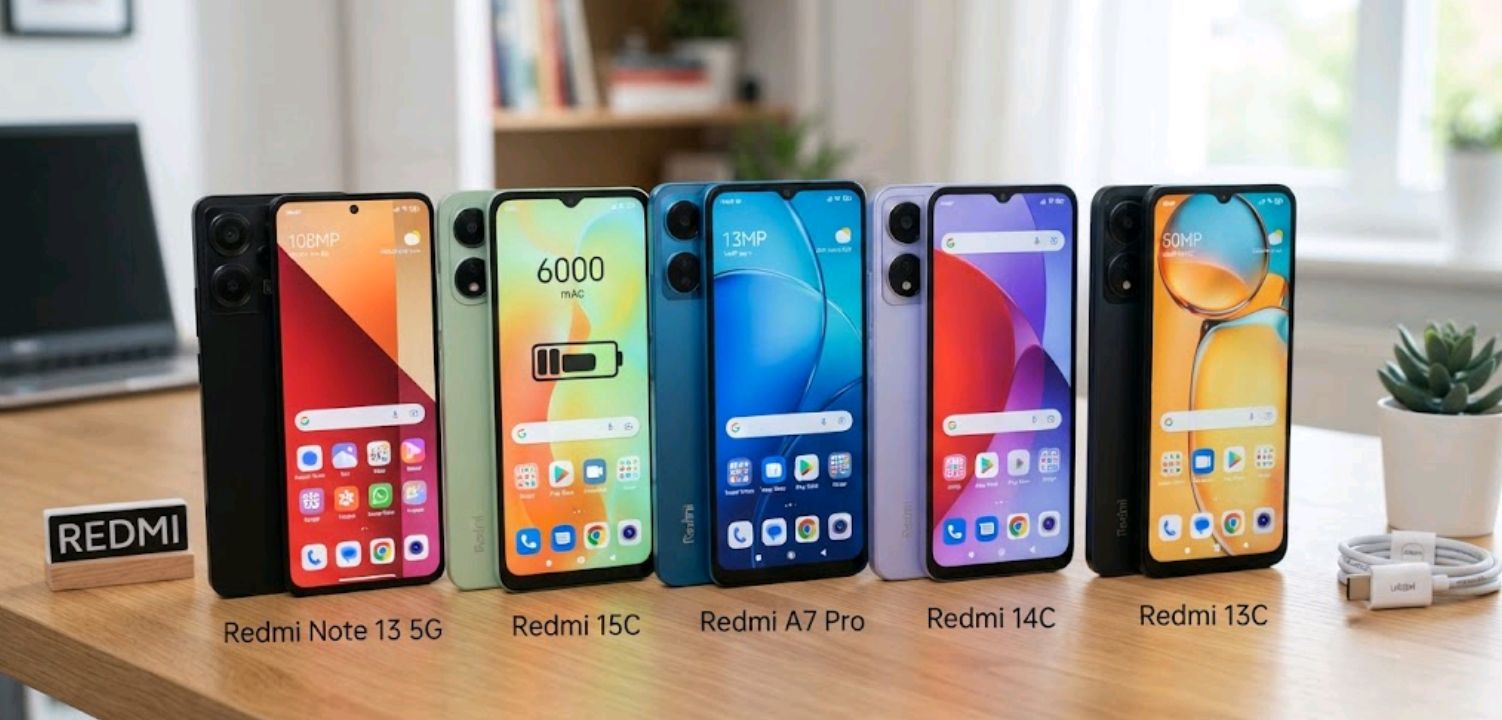
If your budget stretches past this range, our Xiaomi phones under $250 guide and Xiaomi phones under $300 roundup cover the next tier up. And if you’re comparing brands rather than committing to POCO specifically, our Redmi phones under $200 guide and best Realme phones for 2026 are worth a look before you buy.
How We Picked These Phones
Every price below is a street-price range collected from Nigerian retailer listings (Jumia, Slot, Pointek, and independent phone stores) rather than POCO’s global list price, because that’s closer to what you’ll actually be quoted at checkout. We’re presenting these as ranges rather than single figures because three things move the number for the same phone: which RAM/storage variant you’re buying (lower configs sit at the bottom of the range, higher configs at the top), which retailer you’re buying from, and whether the unit is brand-new sealed stock or fairly-used/refurbished — all of which get listed under the same model name. We haven’t itemized every individual retailer quote here to keep the guide readable, but as a rule of thumb, the low end of each range reflects the base RAM/storage configuration from a competitively-priced retailer, and the high end reflects the top configuration or a premium retailer markup. Naira figures also move with the exchange rate, so treat every number here as an August 2026 snapshot rather than gospel — always confirm the current price and exact configuration with your retailer before you commit to a purchase. Specifications are cross-referenced against POCO’s official product pages and GSMArena’s database, while Nigerian prices are based on retailer listings available during our August 2026 price check.
Quick Comparison: Best POCO Phones Under $200
| Phone | Approx. Price (Nigeria) | Chipset | Display | Battery | Best For |
|---|---|---|---|---|---|
| POCO C71 | ₦85,000 – ₦100,000 | Unisoc T7250 | 6.88” HD+ 120Hz LCD | 5,200mAh, 15W | Tightest budget, calls & WhatsApp |
| POCO C65 | ₦55,000 – ₦75,000 | MediaTek Helio G85 | 6.74” HD+ 90Hz LCD | 5,000mAh, 18W | Casual gaming on a shoestring |
| POCO M7 4G | ₦175,000 – ₦225,000 | Snapdragon 685 | 6.9” IPS LCD 144Hz | 7,000mAh, 33W | Battery life above everything |
| POCO M7 (5G) | ₦160,000 – ₦190,000 | Snapdragon 4 Gen 2 | 6.88” 120Hz LCD | 5,160mAh, 18W | Cheapest way into 5G |
| POCO M7 Pro 5G | ₦170,000 – ₦280,000* | Dimensity 7025-Ultra | 6.67” AMOLED 120Hz | 5,110mAh, 45W | Best overall value near the ceiling |
*The M7 Pro 5G’s higher RAM/storage configurations can push past the $200 mark depending on retailer and variant — confirm the exact configuration before you buy.
1. POCO C71 — Best for the Tightest Budget
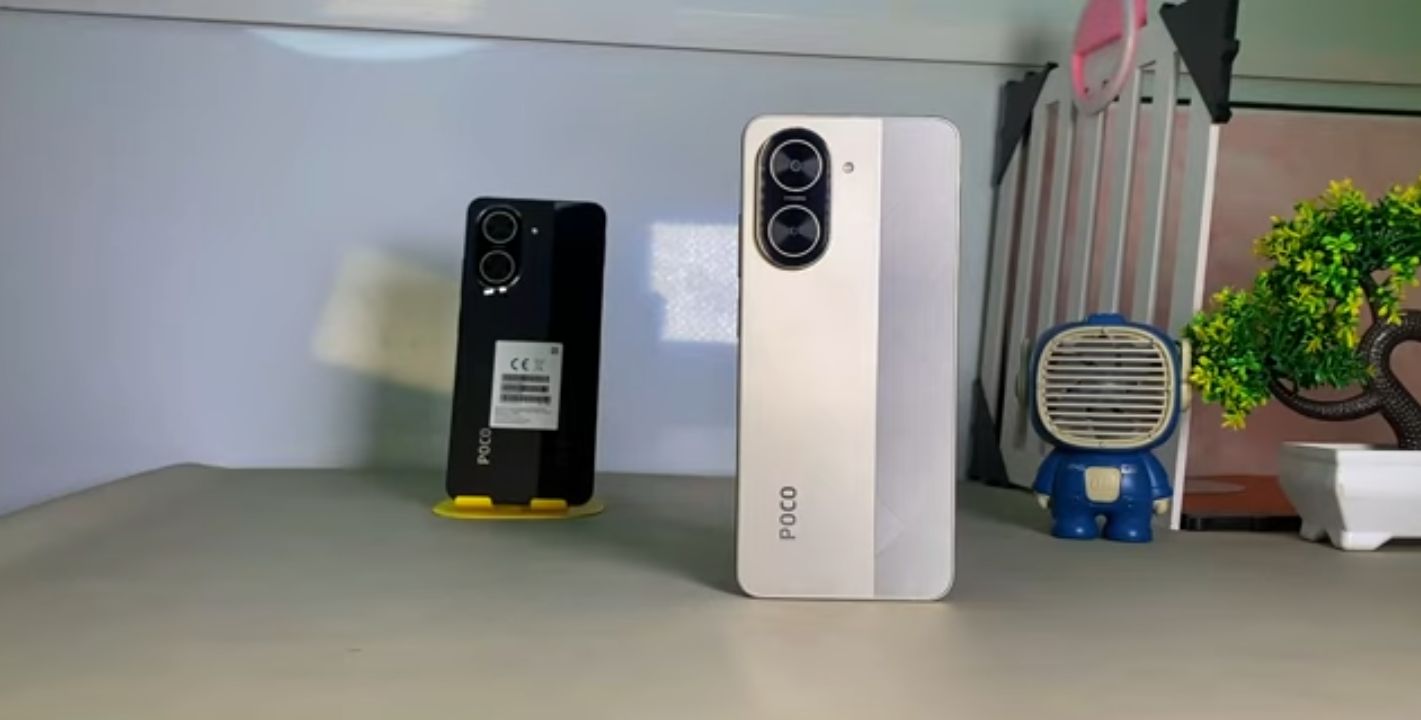
If your ceiling is closer to ₦85,000 than ₦280,000, the C71 is the realistic starting point. It’s built around the Unisoc T7250, a chipset that has no interest in gaming benchmarks but handles calls, banking apps, WhatsApp, and light social media browsing without stuttering. The 6.88-inch HD+ panel runs at 120Hz, which sounds generous for the price and genuinely does make scrolling feel smoother than the specs sheet suggests, even if the resolution keeps text a little soft on close inspection.
The standout here is battery life. Its 5,200mAh cell and relatively modest hardware should comfortably handle a full day of normal use, with lighter users potentially stretching it much further. Charging tops out at 15W, so don’t expect quick top-ups.
| Spec | Detail |
|---|---|
| Display | 6.88” HD+ IPS LCD, 120Hz |
| Chipset | Unisoc T7250 (12nm) |
| RAM / Storage | 3GB/64GB or 4GB/128GB (physical); memory extension up to 6GB or 8GB total |
| Rear Camera | 32MP AI single camera |
| Battery | 5,200mAh, 15W wired charging |
| Nigeria Price | ₦85,000 – ₦100,000 |
2. POCO C65 — Best Clearance Pick for a Bit More Gaming Headroom
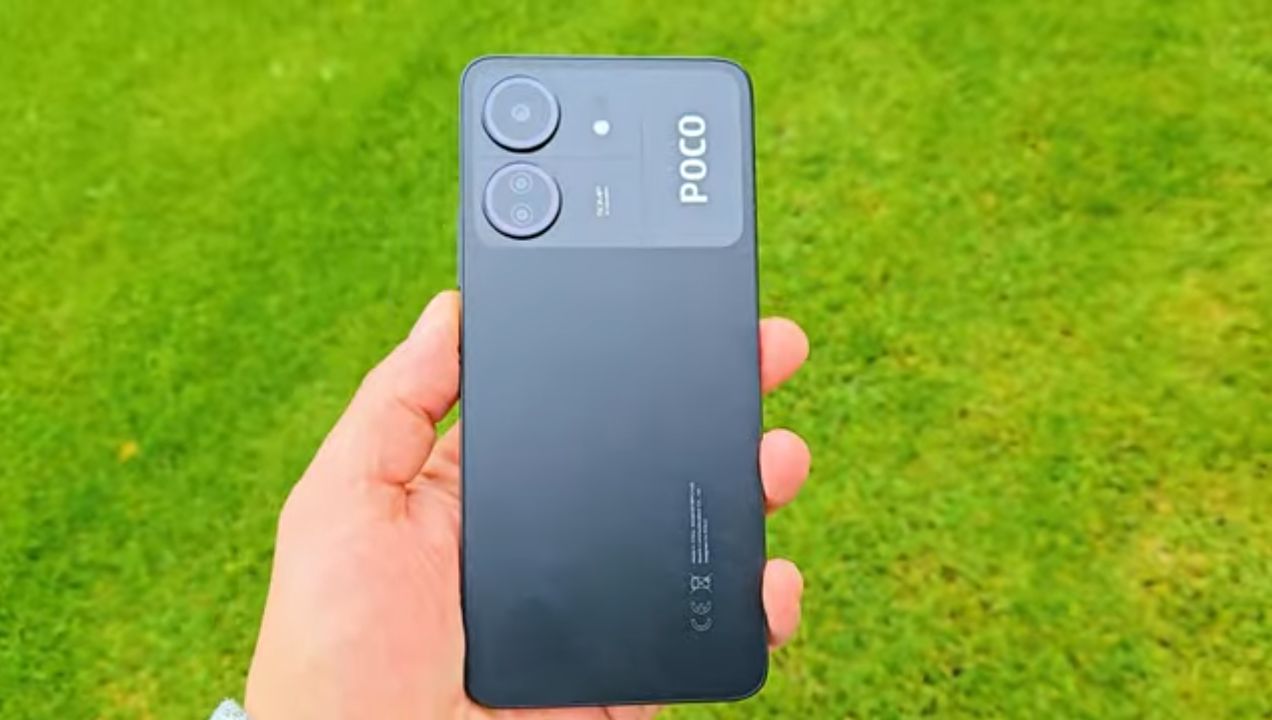
Worth noting upfront: the C65 launched back in 2023, so it’s an older-stock option rather than a current-generation phone, and that’s exactly why it can undercut the newer C71 on price at some retailers. It earns its spot on this list because the MediaTek Helio G85 gives it more gaming headroom than the ultra-entry-level hardware used in the C71, although demanding titles will still require reduced settings. If you’d rather buy the newer, currently-shipping model even at a slightly higher price, the C71 above is the safer long-term pick. The 6.74-inch display runs at 90Hz rather than 120Hz, and the resolution is capped at HD+, so text isn’t razor sharp, but the panel is bright enough to use outdoors, which is more than some budget LCDs manage.
Camera output is basic but usable in daylight, with the 50MP main sensor doing most of the heavy lifting and the 2MP macro lens being more of a checkbox feature than a real tool. The 5,000mAh battery with 18W charging is a sensible pairing — not class-leading, but dependable.
| Spec | Detail |
|---|---|
| Display | 6.74” HD+ IPS LCD, 90Hz |
| Chipset | MediaTek Helio G85 (12nm) |
| RAM / Storage | 6GB / 8GB, 128GB–256GB |
| Rear Camera | 50MP main + 2MP macro |
| Battery | 5,000mAh, 18W wired charging |
| Nigeria Price | ₦55,000 – ₦75,000 |
3. POCO M7 4G — Best for Battery Life Above Everything
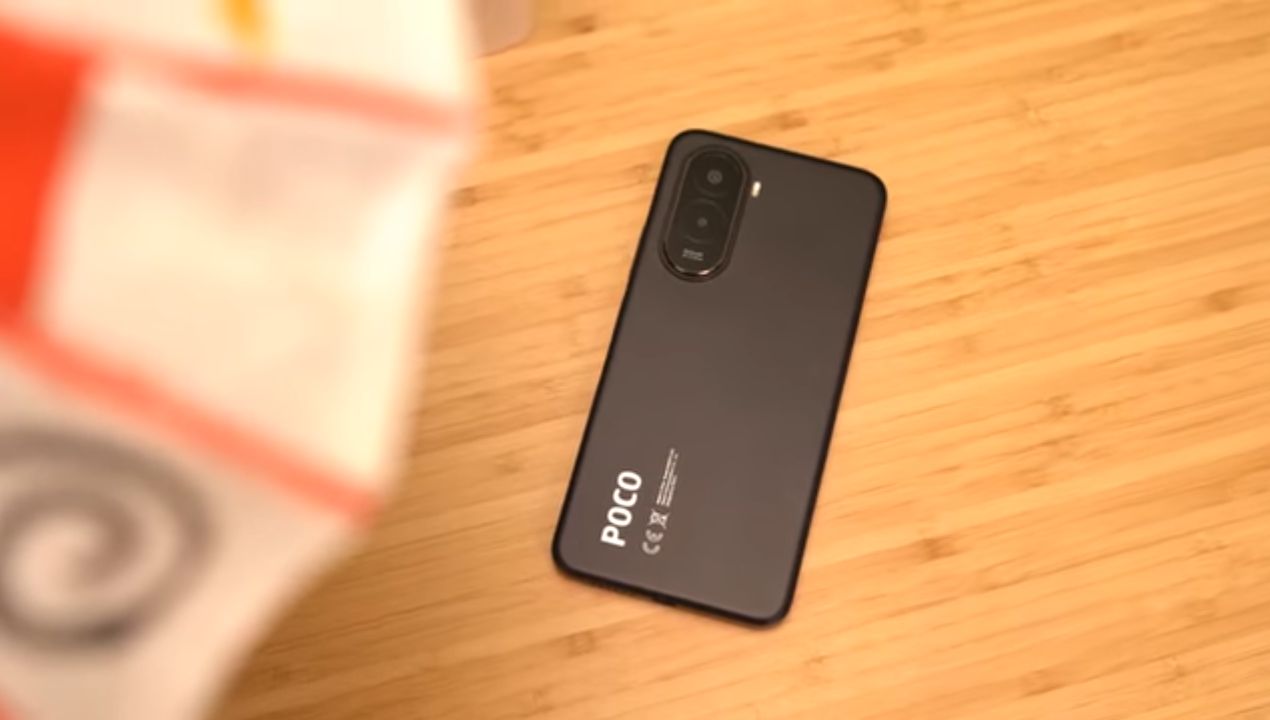
The M7 4G is the pick for anyone who treats “will it survive a full day without a charger” as the single most important spec. Its 7,000mAh battery is unusually large even for this price bracket, and paired with the efficient Snapdragon 685 chipset, it should comfortably last a full day of moderate use, with lighter users potentially stretching it much further. The 6.9-inch IPS LCD runs at a genuinely fast 144Hz, though as with the cheaper C-series phones, resolution stays at 1080 x 2340 rather than anything sharper.
This is a 4G-only phone, which matters if you’re planning to keep it for several years as Nigerian carriers continue expanding 5G coverage. If future-proofing your network is a priority, the 5G-equipped M7 below is the better long-term bet even at a slightly lower spec ceiling elsewhere.
| Spec | Detail |
|---|---|
| Display | 6.9” IPS LCD, 144Hz |
| Chipset | Qualcomm Snapdragon 685 (6nm) |
| RAM / Storage | 6GB / 8GB, 128GB–256GB |
| Rear Camera | 50MP single camera |
| Battery | 7,000mAh, 33W wired charging |
| Nigeria Price | ₦175,000 – ₦225,000 |
4. POCO M7 (5G) — Best for Entry-Level 5G
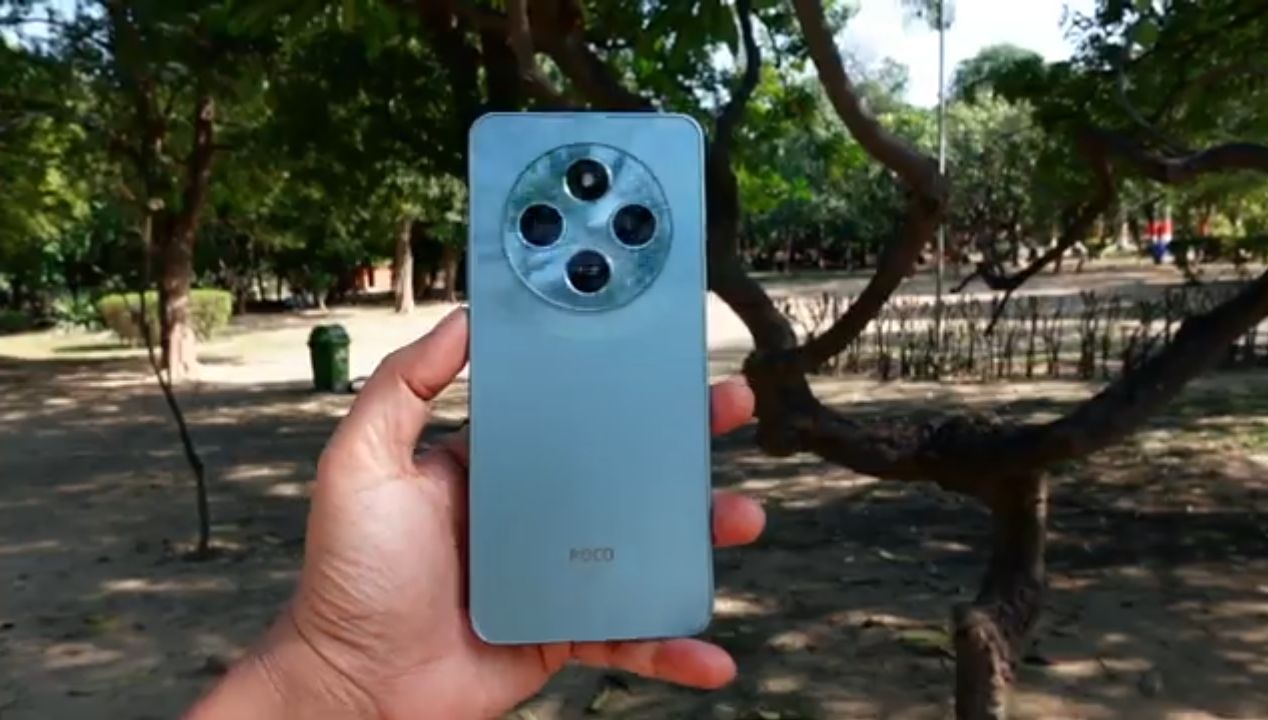
Confusingly similarly named to the 4G model above, the standard POCO M7 runs on the newer Snapdragon 4 Gen 2 chipset and includes 5G connectivity — a genuine rarity below ₦200,000 in the Nigerian market right now. Build quality gets a small bump too, with IP64 dust and splash resistance, which the cheaper C-series phones don’t offer.
The trade-off is a smaller 5,160mAh battery and slower 18W charging compared to the M7 4G’s 7,000mAh cell, so daily endurance is good rather than exceptional. If 5G access matters more to you than maximum battery capacity, this is the more sensible long-term purchase of the two M7 variants.
| Spec | Detail |
|---|---|
| Display | 6.88” LCD, 120Hz |
| Chipset | Qualcomm Snapdragon 4 Gen 2 (4nm) |
| RAM / Storage | 4GB–8GB, 128GB–256GB |
| Rear Camera | 50MP main camera |
| Battery | 5,160mAh, 18W wired charging |
| Nigeria Price | ₦160,000 – ₦190,000 |
5. POCO M7 Pro 5G — Best Overall Value Near the Ceiling
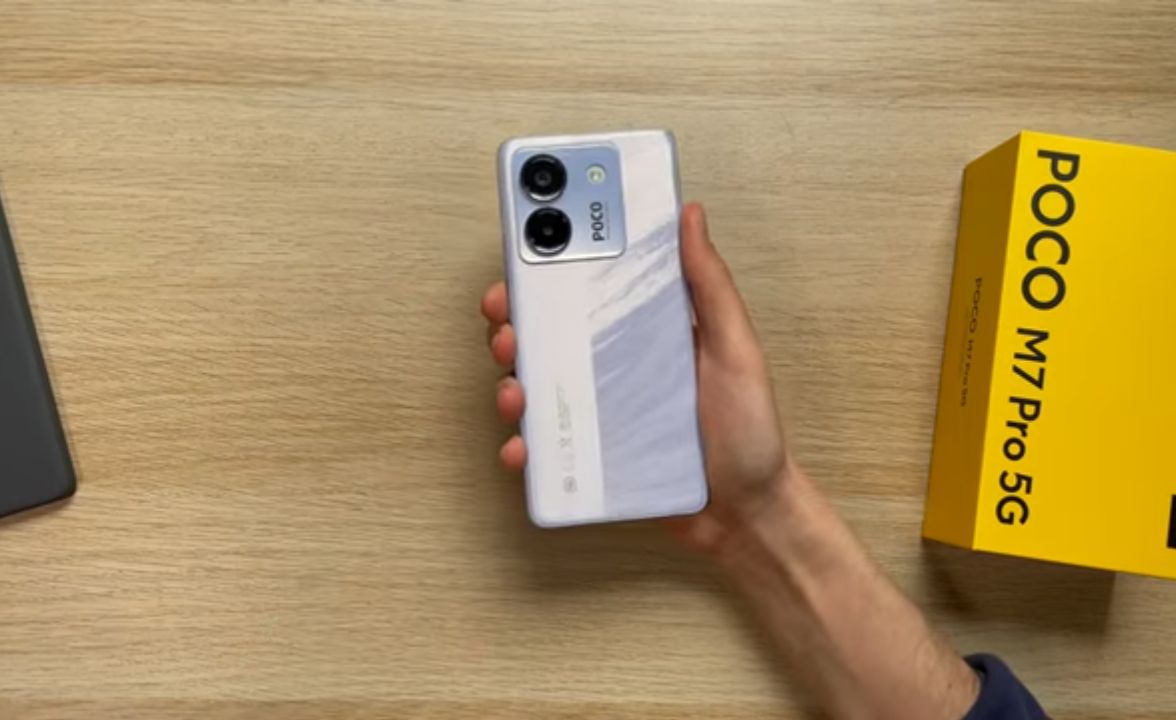
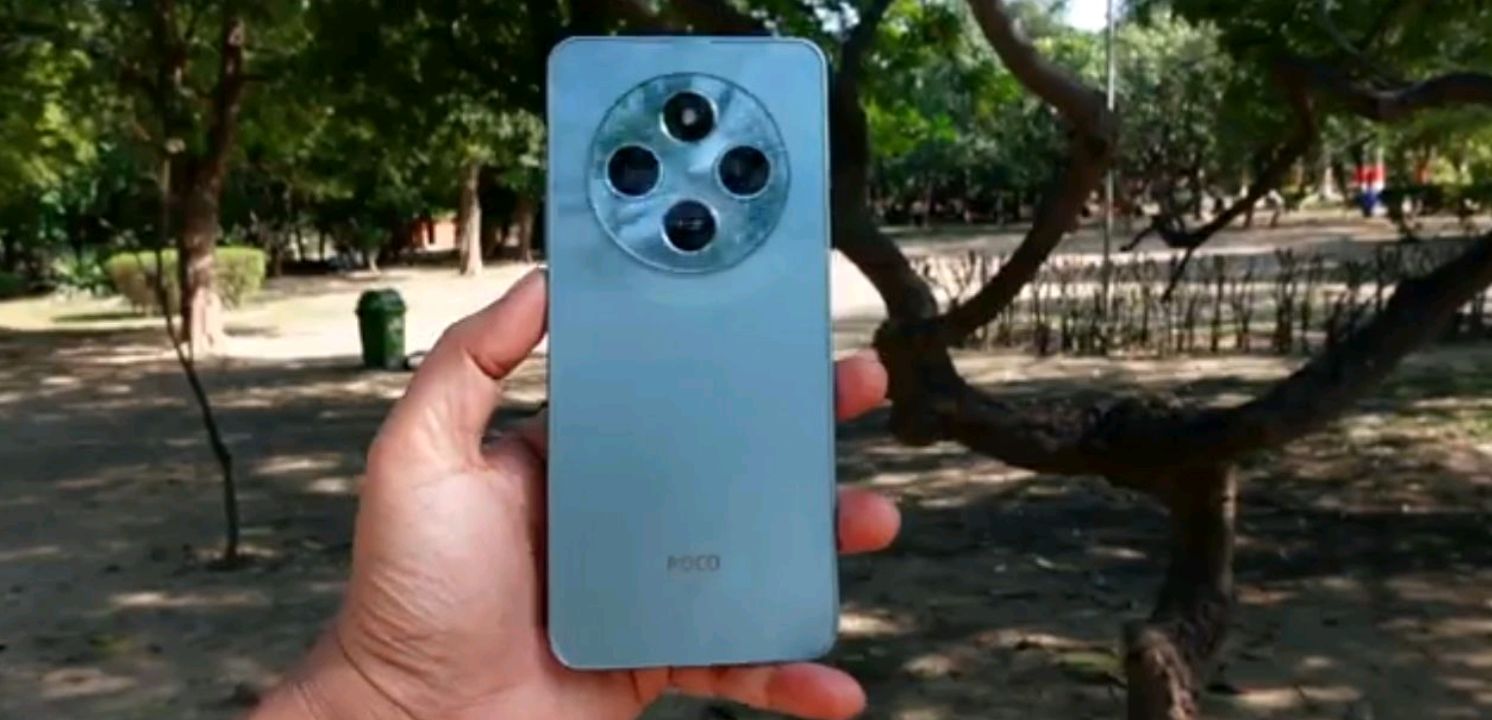
If you’re willing to spend right up against the $200 mark, the M7 Pro 5G is the strongest all-rounder on this list. It’s the only phone here with an AMOLED display, which brings genuinely deep blacks and richer colour compared to every LCD panel above it, and the MediaTek Dimensity 7025-Ultra chipset comfortably outperforms everything else on this page in day-to-day speed and light gaming.
Charging is also the fastest of the group at 45W, with POCO claiming more than 60% charge in around 30 minutes. The catch is pricing consistency — lower RAM and storage configurations land comfortably under $200, but 8GB/256GB variants from some retailers creep past ₦280,000. Confirm the exact configuration and price before ordering, since this is the one phone on this list where “under $200” depends entirely on which version you’re quoted.
| Spec | Detail |
|---|---|
| Display | 6.67” AMOLED, 120Hz |
| Chipset | MediaTek Dimensity 7025-Ultra (6nm) |
| RAM / Storage | 6GB–8GB, 128GB–256GB |
| Rear Camera | 50MP main + 2MP depth, 20MP front |
| Battery | 5,110mAh, 45W wired charging |
| Nigeria Price | ₦170,000 – ₦280,000 |
Which One Should You Actually Buy?
- Under ₦100,000 and just need a reliable everyday phone: go with the POCO C71.
- Want a bit more gaming headroom without spending much more: the POCO C65 is the better-balanced pick.
- Battery life is non-negotiable: the POCO M7 4G’s 7,000mAh cell is the largest here by a wide margin.
- Want your next phone to be 5G-ready: the standard POCO M7 is the most affordable way in.
- Have close to the full $200 to spend and want the best screen and speed: the POCO M7 Pro 5G justifies the extra naira.
Frequently Asked Questions
Is POCO the same company as Xiaomi? POCO started as a Xiaomi sub-brand in 2018 and has since been folded more directly into Xiaomi’s product lineup, sharing components, software (HyperOS), and after-sales support infrastructure with Redmi and Xiaomi-branded devices sold in Nigeria.
Are POCO phones officially sold in Nigeria, or are they grey-market imports? Most POCO stock sold through major Nigerian retailers is imported rather than sold through a local POCO storefront, since POCO doesn’t run official retail operations in Nigeria the way Samsung or Tecno do. This isn’t unusual for the brand, but it does mean warranty terms vary by retailer — always confirm what’s covered before buying.
Do any of these phones support 5G? Yes — the POCO M7 (5G) and POCO M7 Pro 5G both support 5G networks. The POCO C71, POCO C65, and POCO M7 4G are 4G-only devices.
Which of these has the best camera? None of these phones are camera-first devices, but the POCO M7 Pro 5G stands out on hardware alone: it uses a 50MP Sony IMX882 main sensor with OIS and an f/1.5 aperture, which is a meaningfully better setup than the more basic single-camera arrangements on the other four phones. The faster chipset helps with processing too, but the sensor itself is the bigger reason its photos hold up better across different lighting conditions.
Why do POCO phone prices vary so much between Nigerian retailers? Import costs, exchange rate fluctuations, and whether a retailer is clearing older stock all affect pricing. It’s normal to see the same model listed ₦15,000–₦30,000 apart between two stores — it’s worth checking two or three retailers before buying.
Should I wait for the next POCO release instead of buying now? If your current phone still works and you’re not in a hurry, waiting rarely hurts in this price segment since prices on existing models tend to drop as newer ones launch. If you need a phone now, any of the five above are solid buys at their current pricing.
Pricing and specifications in this guide were checked against POCO’s official global product pages and GSMArena as of August 2026. Nigerian retail prices are collected from multiple sources and are subject to change with exchange rate movement — confirm current pricing with your retailer before purchasing.

Comments 0
Leave a comment