
Table of Contents
Open Table of Contents
Overview
Every Naira-conscious phone shopper in Nigeria hits the same wall eventually: you’ve got a workable budget to spend, and half the “budget” listings on Jumia are either discontinued models still wearing last year’s prices or phones that’ll start stuttering the moment you open two apps at once. Infinix’s Hot and Smart lines dominate this exact price bracket, but “dominates the shelf space” and “won’t make you want to throw it against a wall” are two very different claims.
At the exchange rate used here — roughly ₦1,370 to the dollar as of this writing, check today’s rate before you commit, since it moves — $150 works out to about ₦205,500. Treat that as a rough reference point rather than a hard Nigerian retail ceiling: it’s simply where $150 lands today, not a line Infinix pricing is built around. Here are three phones that are worth the money at or near that mark, and why.
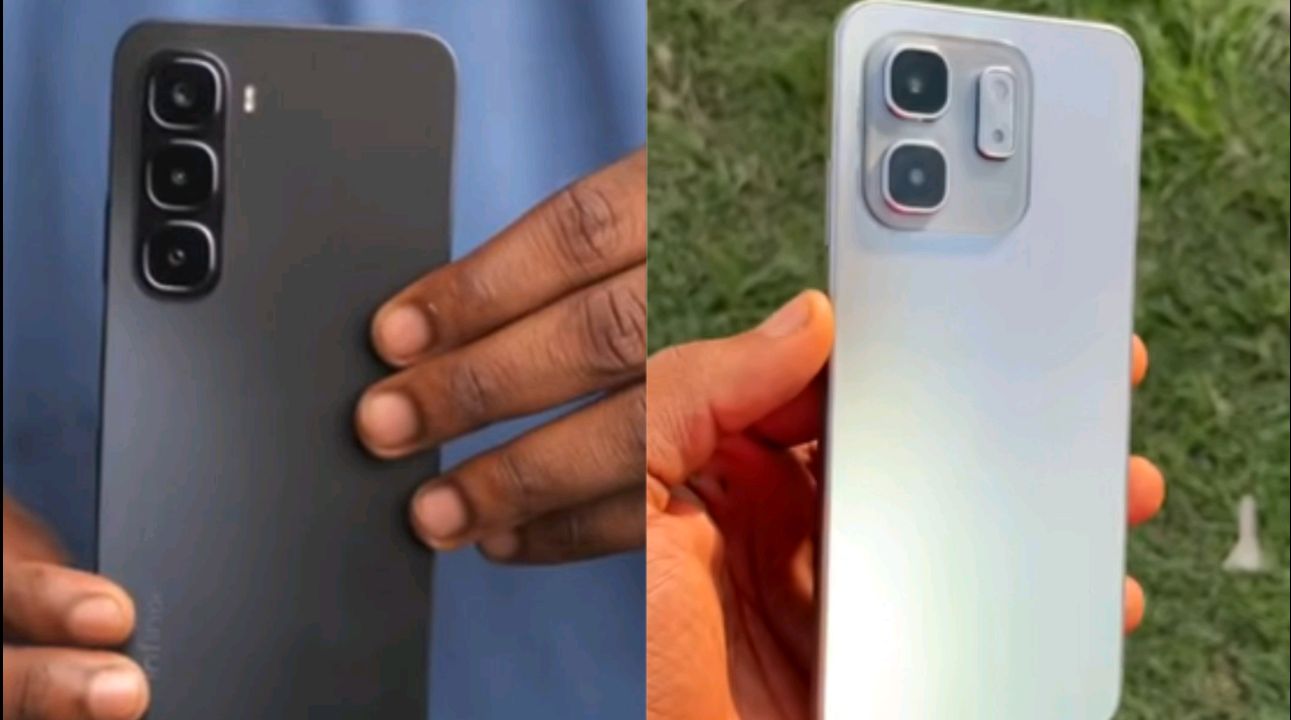
The three phones that actually earn a spot on this list
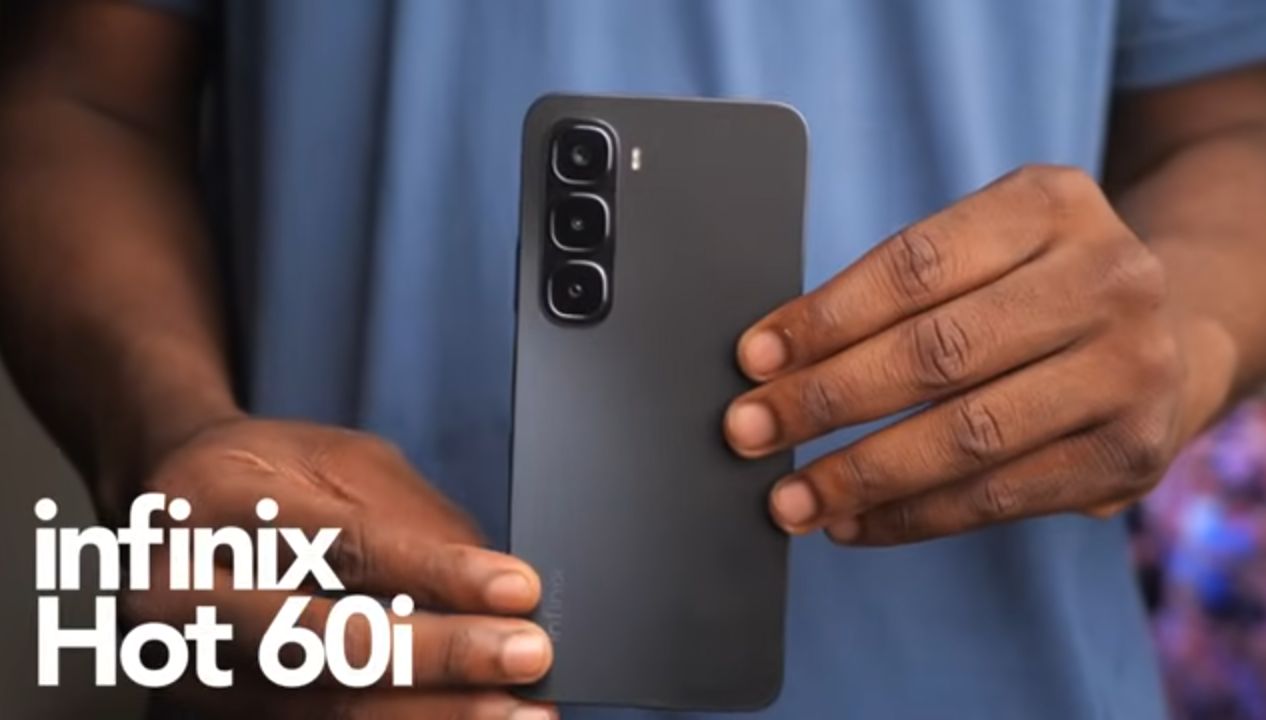
Infinix Hot 60i uses the newer Helio G81 Ultimate chipset variant, pairs it with a 6.7-inch 120Hz IPS LCD panel, and packs a 5,160mAh battery with 45W wired charging — genuinely fast for this price tier. Current Nigerian retail listings put the base 4GB/128GB configuration between roughly ₦165,000 and ₦190,000, and the 6GB and 8GB/256GB configurations run higher still, sometimes past ₦205,500. Only the base configuration reliably sits at or under the $150 mark — worth checking the exact RAM/storage before you buy if that ceiling matters to you.
Infinix Hot 50i trades the Ultimate variant for the standard Helio G81 and sits lower on price as a result, with current listings running roughly ₦165,000 to ₦195,000 depending on RAM/storage and retailer. Same 6.7-inch 120Hz display, same IP54 splash resistance, but charging drops to 18W and the single rear camera is 48MP instead of 50MP. If you’re not fussed about charging speed, this is the more consistent value pick and the one most likely to stay comfortably under $150 across configurations.
Infinix Smart 9 rounds things out at the true budget end — typically ₦105,000 to ₦130,000. GSMArena lists its physical RAM configurations as 3GB, 4GB, or 6GB depending on the storage tier, paired with Android 14 Go Edition rather than the standard build — a deliberate choice, since Go Edition apps use less memory and storage, which is exactly what this hardware needs. Worth flagging: some Nigerian retail listings market this phone as “4GB+4GB Extended” or similar, which means the higher number includes virtual RAM borrowed from storage, not additional physical RAM. Check the listing carefully — a “8GB” Smart 9 is very likely a 4GB physical unit with software-extended memory, which behaves differently under real multitasking load than true 8GB RAM. Don’t expect much from the 13MP single camera, but as a first smartphone or a backup device, it does its job without drama.
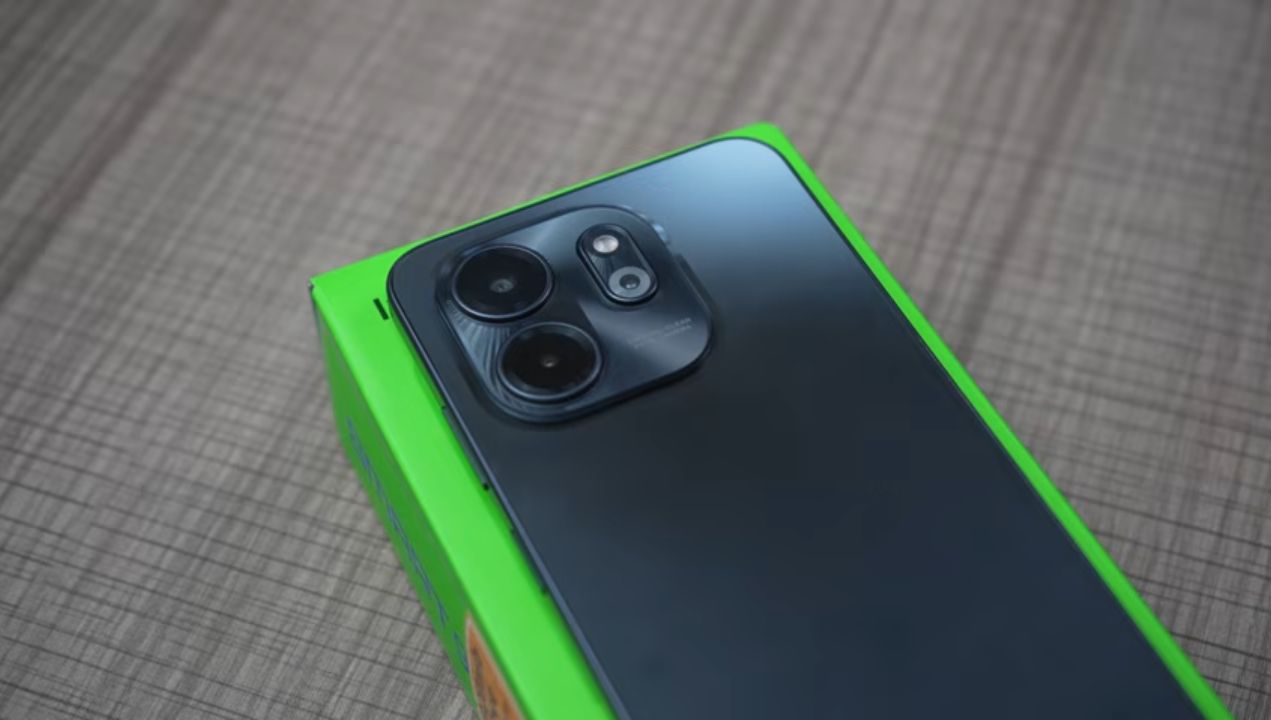
Comparison table
| Spec | Infinix Smart 9 | Infinix Hot 50i | Infinix Hot 60i |
|---|---|---|---|
| Price (Nigeria) | ₦105,000 – ₦130,000 | ₦165,000 – ₦195,000 | ₦165,000 – ₦205,500+ |
| Display | 6.7” IPS LCD, 120Hz | 6.7” IPS LCD, 120Hz | 6.7” IPS LCD, 120Hz |
| Chipset | Helio G81 | Helio G81 | Helio G81 Ultimate |
| RAM / Storage (physical) | 3–6GB / 64–128GB | 4–6GB / 128–256GB | 4–8GB / 128–256GB |
| Rear camera | 13MP single | 48MP single | 50MP single |
| Battery / Charging | 5,000mAh / 10W | 5,000mAh / 18W | 5,160mAh / 45W |
| Water resistance | IP54 | IP54 | IP64 |
| Best for | First phone, backup device | Everyday value | Gaming-adjacent multitasking |
RAM figures above reflect physical RAM per GSMArena’s spec listings. Some Nigerian retail listings advertise higher totals using “+Extended” virtual RAM notation, particularly for the Smart 9 — confirm whether a listed figure is physical or extended before comparing prices.
Skip it if…
None of these three are bad phones, but if you’re strict about the $150 ceiling, the Hot 60i is the one to skip — its higher RAM/storage configurations regularly cross ₦205,500, and even the base 4GB/128GB model sits close enough to the line that a bad exchange-rate week could push it over. The Hot 50i gets you the same display, similar battery life, and a comparable camera for a more consistent price, and it’s the safer default if budget certainty matters more than the faster chipset and charging speed.
That said, each has its own weak point. Skip the Smart 9 if you’re a heavy multitasker — even its higher physical RAM configurations top out at 6GB, and any listing marketed above that is likely using virtual RAM extension rather than true additional memory. Skip the Hot 50i if fast charging is a dealbreaker; 18W means a full charge from empty can stretch past 90 minutes. Skip the Hot 60i’s higher-RAM configurations specifically if you want the newer chipset but still need to stay under budget — the base 4GB/128GB variant is the only one worth chasing at this price point.
If competitive mobile gaming is the actual priority rather than general daily use, none of these three should be your first stop — dedicated gaming phones handle sustained sessions differently than these budget picks.
How this stacks up against the competition
Infinix isn’t the only brand fighting for this shelf — our best Xiaomi phones under $150 guide covers the closest direct competitor at this exact price point, and it’s worth a look if display quality matters more to you than battery capacity.
For a closer look at how the Hot 60i handles real-world battery drain and day-to-day performance beyond the spec sheet, our full Infinix Hot 60i review goes deeper than this roundup can.
FAQ
Is $150 (about ₦205,500) actually enough for a decent phone in Nigeria right now? Yes, but the gap between “decent” and “frustrating” within that budget is wider than it looks on paper. The Hot 50i and the base configuration of the Hot 60i both clear the bar for daily use — calls, browsing, social media, light gaming. The Smart 9 is fine as a secondary device but will show its limits under heavier multitasking.
Do these phones support 5G? No. All three run on 4G LTE only. If 5G matters to you specifically, you’ll need to look above this price bracket — Infinix’s 5G-capable Hot models start noticeably higher.
Which one is best for Mobile Legends or PUBG Mobile? Of the three, the Hot 60i is the better choice for casual MLBB or PUBG Mobile sessions — the newer Helio G81 Ultimate platform gives it the performance edge of these three on paper. None of them are built for sustained high-refresh gaming, though. Check our Infinix gaming phone guide if that’s your main use case.
How much RAM do I actually need? 4GB is workable but tight. If your budget stretches to the 6GB or 8GB configuration of the Hot 50i or Hot 60i, take it — the price difference is usually small relative to the multitasking headroom you gain.
Are these prices fixed, or do they change often? They move constantly. Naira-to-dollar swings, import costs, and retailer promotions all shift pricing week to week. Treat every figure here as a starting reference and confirm current pricing directly with the retailer before buying.
Specs were cross-checked against GSMArena’s listings for all three models (chipset, battery, charging speed, RAM/storage configurations, and IP rating). An attempt was made to verify against Infinix’s own Nigeria product pages, but those pages render their spec sheets via JavaScript and didn’t return usable data on this pass — GSMArena and multiple retailer spec sheets were the primary sources instead. RAM figures were checked carefully against retailer listings that distinguish physical from extended/virtual RAM, since Nigerian marketing for this segment sometimes blurs the two. Pricing was cross-checked against multiple current Nigerian retail listings, including Jumia’s official Infinix storefront; figures reflect ranges observed across retailers rather than a single fixed price, since Nigerian retail pricing for this segment moves noticeably with exchange rates, promotions, and RAM/storage tier — the spread between a base 4GB configuration and its 8GB sibling is often ₦30,000 or more. Older third-party price listings that hadn’t updated for 2026 pricing were excluded in favor of the most recent retailer data available. This post will be updated if pricing or specs shift meaningfully outside what’s listed here.



Comments 0
Leave a comment