Table of Contents
Open Table of Contents
Overview to Phones With the Best Battery Life in 2026–2027
A big battery number on a spec sheet is the easiest thing to market and the least reliable way to predict how your phone behaves on a Tuesday afternoon. Real endurance comes from several things working together: capacity, chipset efficiency, display type and refresh rate, modem and network conditions, software tuning, and what you actually do with the phone. Change any one of them and the result moves.
Tom’s Guide’s own results show how this plays out. The OnePlus 15R carries a slightly larger battery than the OnePlus 15 (7,400 mAh against 7,300 mAh) yet lasted 21:54 against the 15’s 25:13. Tom’s Guide points to the 15R’s less powerful chipset and a display with a 60Hz baseline refresh rate, where the 15 can drop to 1Hz. Same brand, bigger battery, shorter result.
This guide is research-based. I haven’t run my own battery tests on these phones, so every endurance figure below is attributed to the lab that published it, and where a number comes from a single source I say so.
Join ReviByte Community
Get instant alerts on new posts, phone deals, and mobile gaming updates.
Join WhatsApp Channel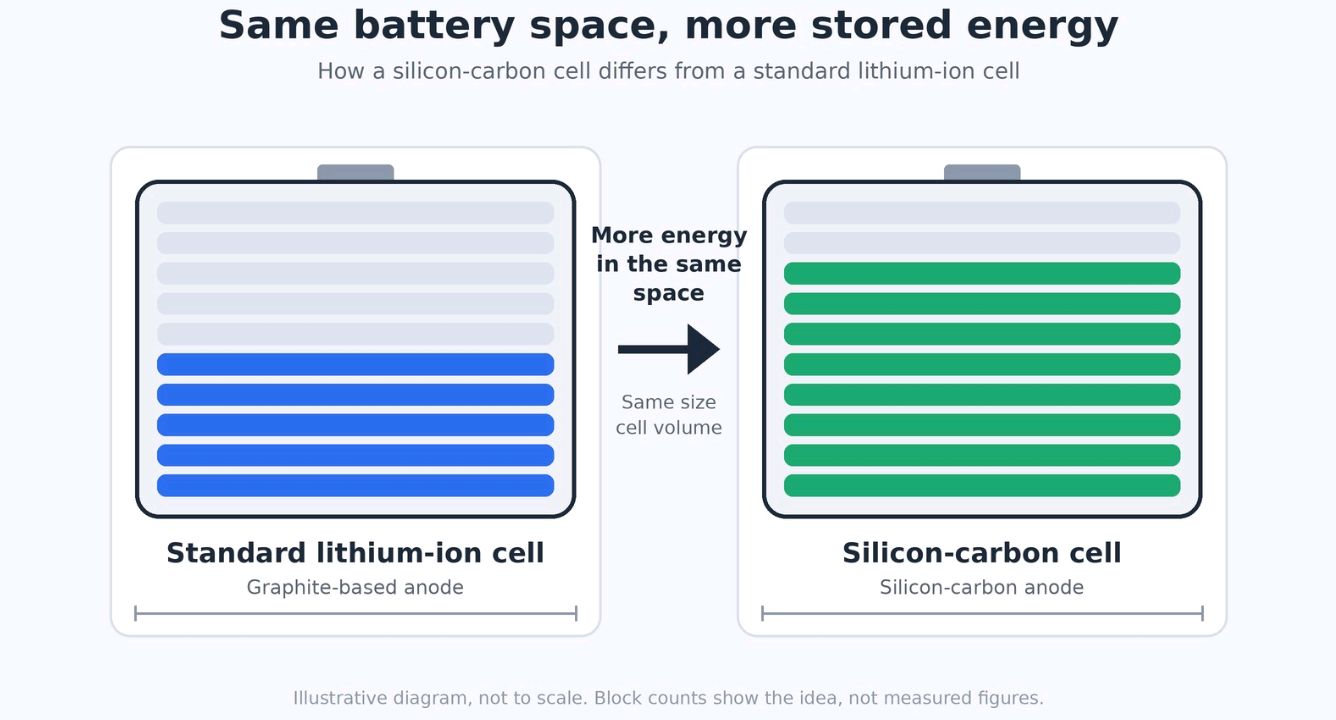
Why batteries got bigger in 2026
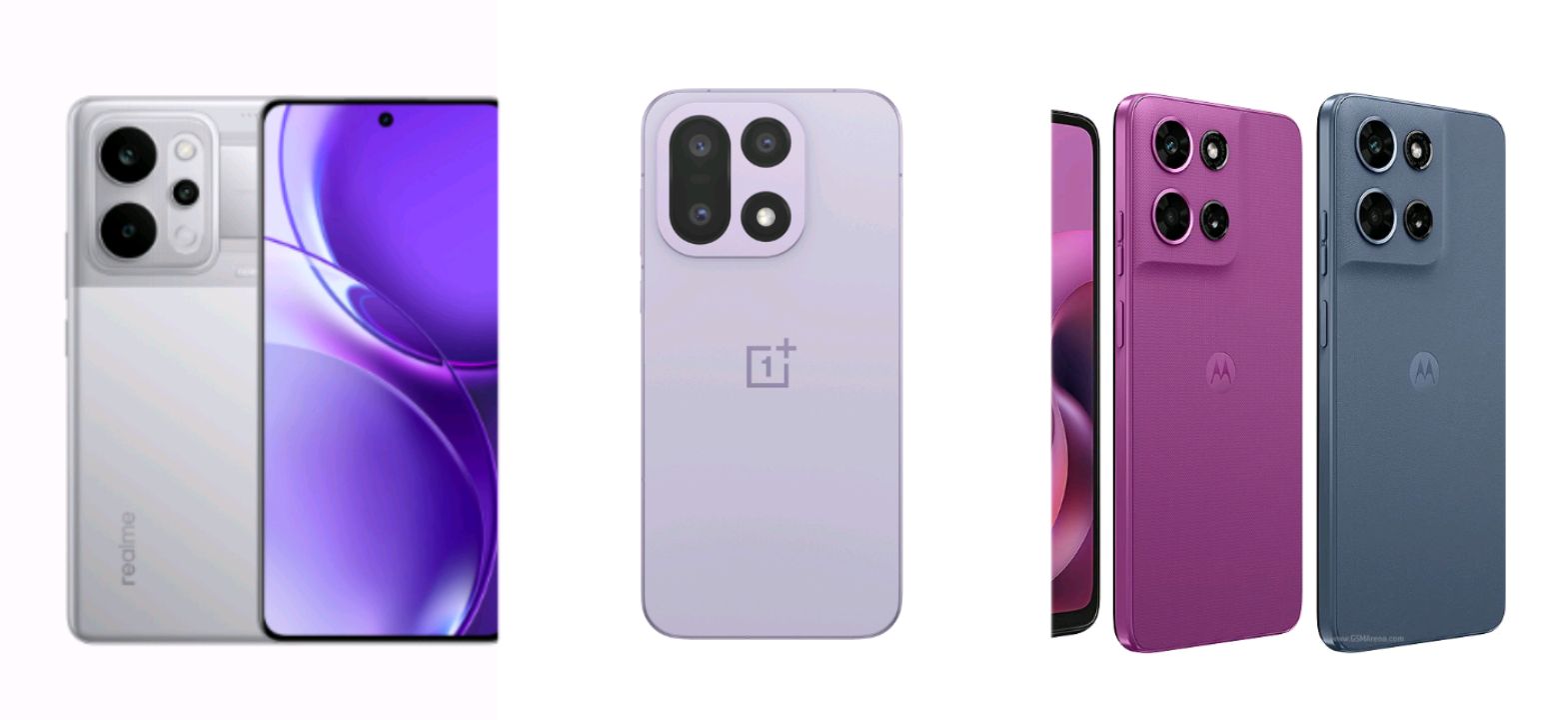
Silicon-carbon technology is becoming increasingly common in high-capacity phones, particularly among Chinese manufacturers, although manufacturers don’t always publicly specify the cell chemistry. The practical effect is that more energy fits in the same space, which is how phones now ship with 7,000 mAh and above without turning into bricks. Where a brand states it plainly, I’ll say so. Realme, for instance, describes the P4 Power’s 10,001 mAh cell as using a third-generation silicon-carbon anode.
Screen type matters just as much. A panel that can drop to very low refresh rates saves real power, which is part of why GSMArena’s buyer’s guide filters for phones above a 17-hour Active Use Score rather than sorting by mAh.
The phones with the strongest published results
Instead of crowning one winner, here is where each phone fits and what the data actually says.
How I chose these phones. I selected phones that either have unusually large batteries, strong published endurance results, or both. I prioritize manufacturer-confirmed capacity where available, then use established battery tests to show how those batteries perform in practice. Because testing methods differ, the figures below are evidence points rather than one universal ranking.
| Phone | Battery | Charging | Published result | Source |
|---|---|---|---|---|
| OnePlus 15 | 7,300 mAh (confirmed by OnePlus) | 80W in the US; higher in some other markets | 25:13, a record on Tom’s Guide’s test at the time | Tom’s Guide web-surfing test |
| Realme P4 Power | 10,001 mAh (Realme) | 80W SuperVOOC | 25:35 Active Use Score, topped GSMArena’s chart at the time of review | GSMArena |
| iPhone 18 Pro Max | Not advertised by Apple. 5,391 mAh in EU models; 5,567 mAh reported for North American models (iFixit teardown) | Check Apple’s spec page | 18:27 | Tom’s Guide web-surfing test |
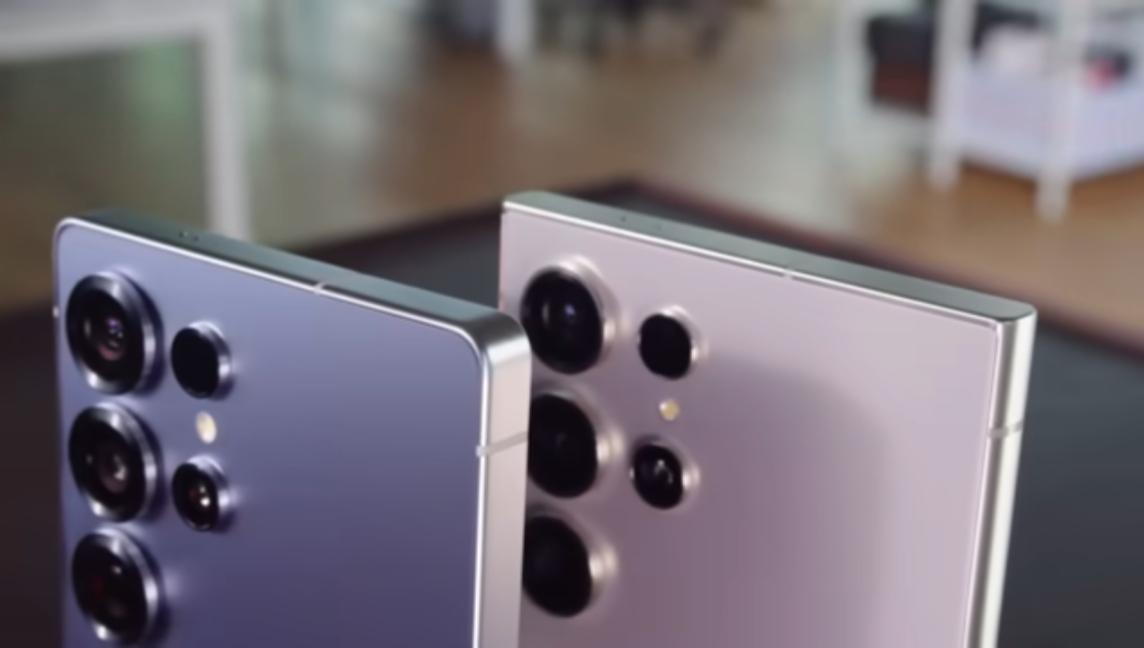
| Galaxy S26 Ultra | 5,000 mAh typical (Samsung) | Up to 60W | 16:10 at default settings; 16:40 with refresh rate set to 60Hz | Tom’s Guide web-surfing test |
| Moto G (2026) | 5,200 mAh typical, 5,100 rated (Motorola) | 30W | 19:10 | Tom’s Guide web-surfing test |
Two cautions before you compare rows. First, GSMArena’s Active Use Score and Tom’s Guide’s web-surfing test measure different things, so 25:35 and 25:13 are not a head-to-head result even though they look close. Second, charts get updated, so a newer phone may have overtaken these by the time you read this.
Brand by brand
If you already lean toward a brand, these deeper guides cover the spec detail I’m not repeating here.
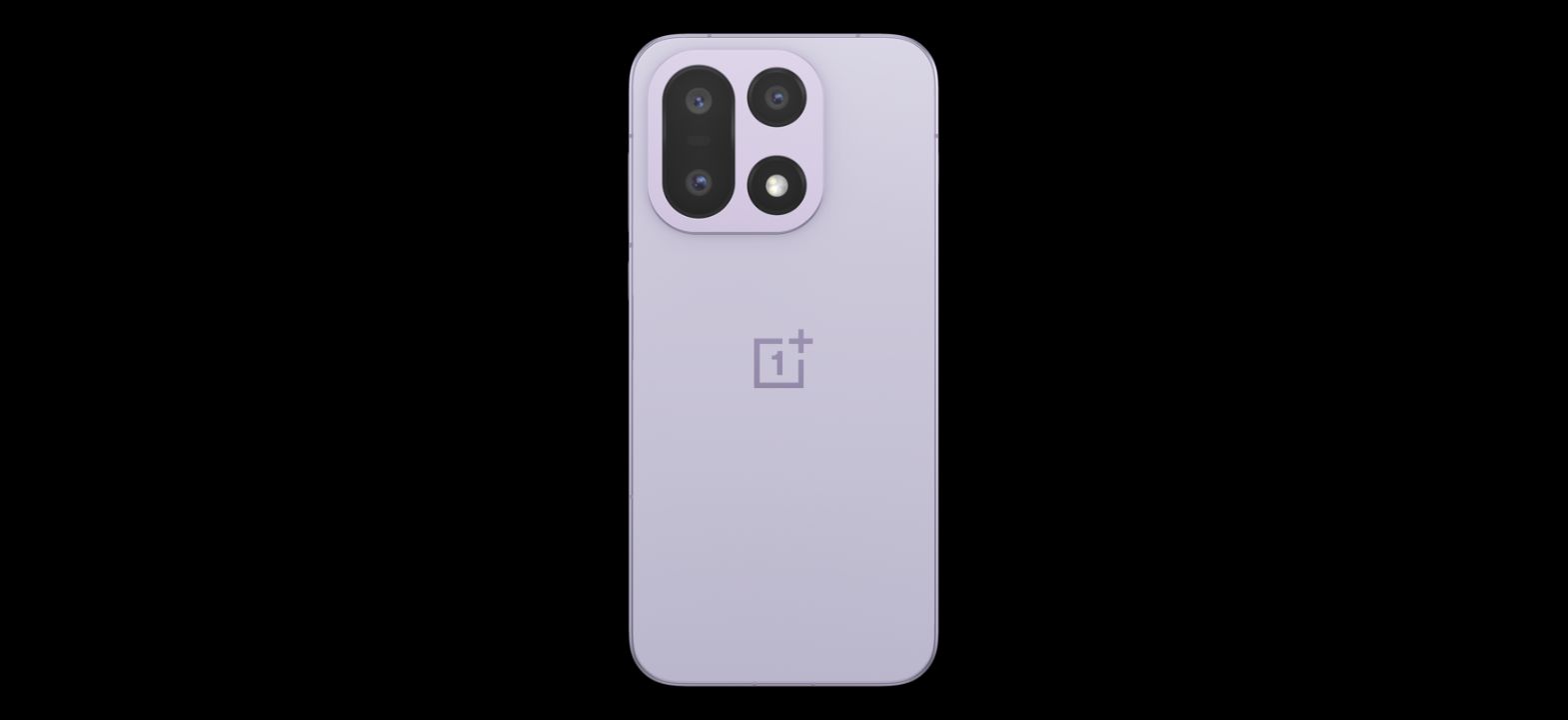
OnePlus is the case study for how far a large cell and an efficient setup can go. The 15 pairs 7,300 mAh with fast charging, and our OnePlus battery life breakdown covers which models in the lineup are worth considering.
Xiaomi sells large-battery phones across a wide price range. The Xiaomi long battery life guide sorts them by budget.
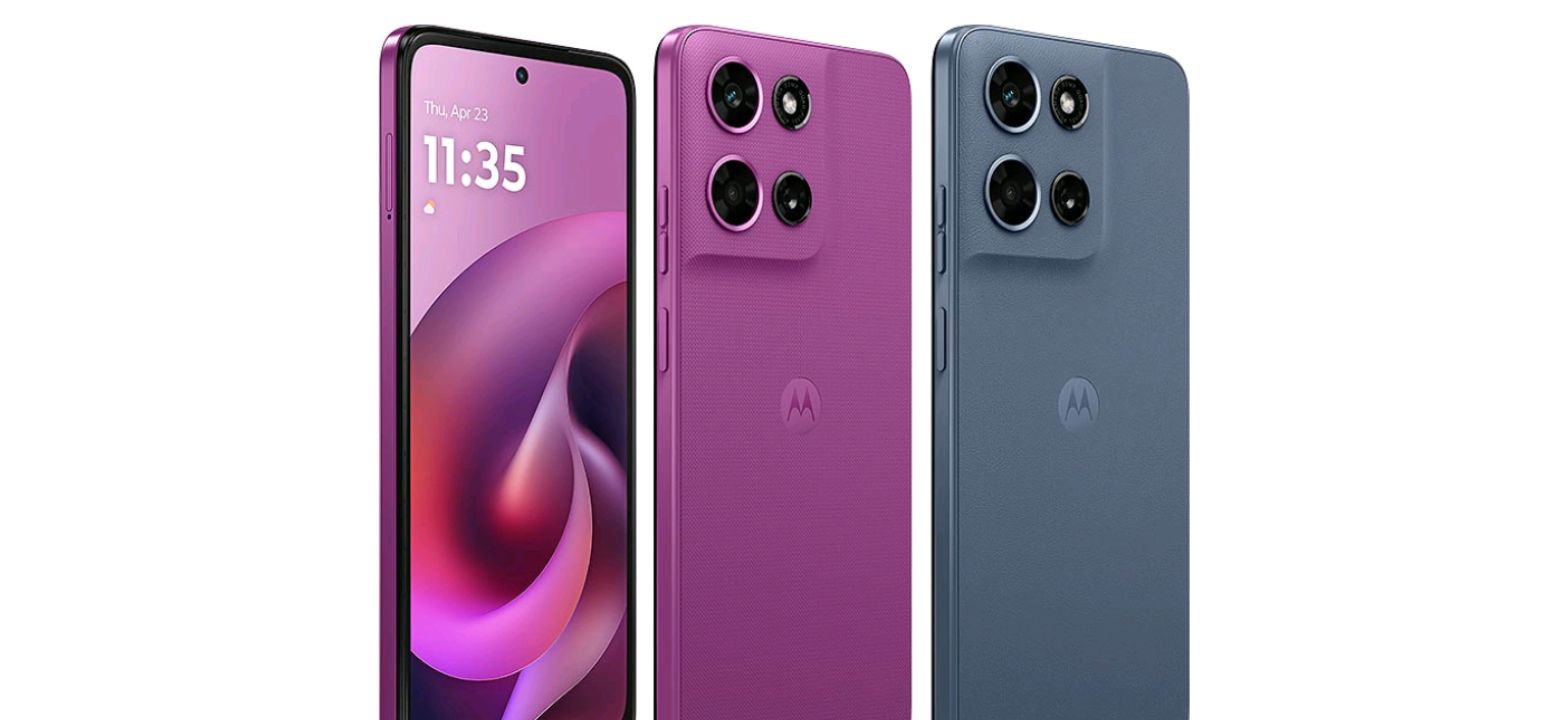
Motorola is where the Moto G (2026) comes from, a phone that lasted 19:10 in Tom’s Guide’s test with a battery barely bigger than a Galaxy S26 Ultra’s. See Motorola’s best phones for battery life for the rest of the range.
vivo and OPPO both sell phones with large batteries, which matters where reliable charging isn’t guaranteed. We went through the options in vivo phones with the best batteries and OPPO phones with the longest battery life.
Honor and Huawei are worth a look if endurance is your priority, with one practical difference: Huawei phones generally ship without Google services, which changes daily use. Our guides to Honor phones with strong battery life and Huawei phones for battery life explain the trade-offs.
What mAh doesn’t tell you
- Display and refresh rate. A bright, high-resolution panel at a high refresh rate costs more power than a modest one. The Moto G (2026) uses a 6.7-inch HD+ LCD according to spec listings, while the Galaxy S26 Ultra drives a 6.9-inch QHD+ panel. Those differences in display resolution and hardware are among the factors that can affect power consumption, although they don’t by themselves explain the entire result.
- Network conditions. Weak signal makes any phone burn power faster, so lab numbers on a stable connection will flatter real life in patchy coverage.
- Software and background activity. Some phones lose a lot overnight to aggressive background syncing, and a recent update that is still re-indexing can mimic a failing battery.
- Charging speed. A phone that lasts 18 hours but refills quickly can be less of a hassle than one that lasts longer and takes two hours to charge.
Folding phones: the trade-off
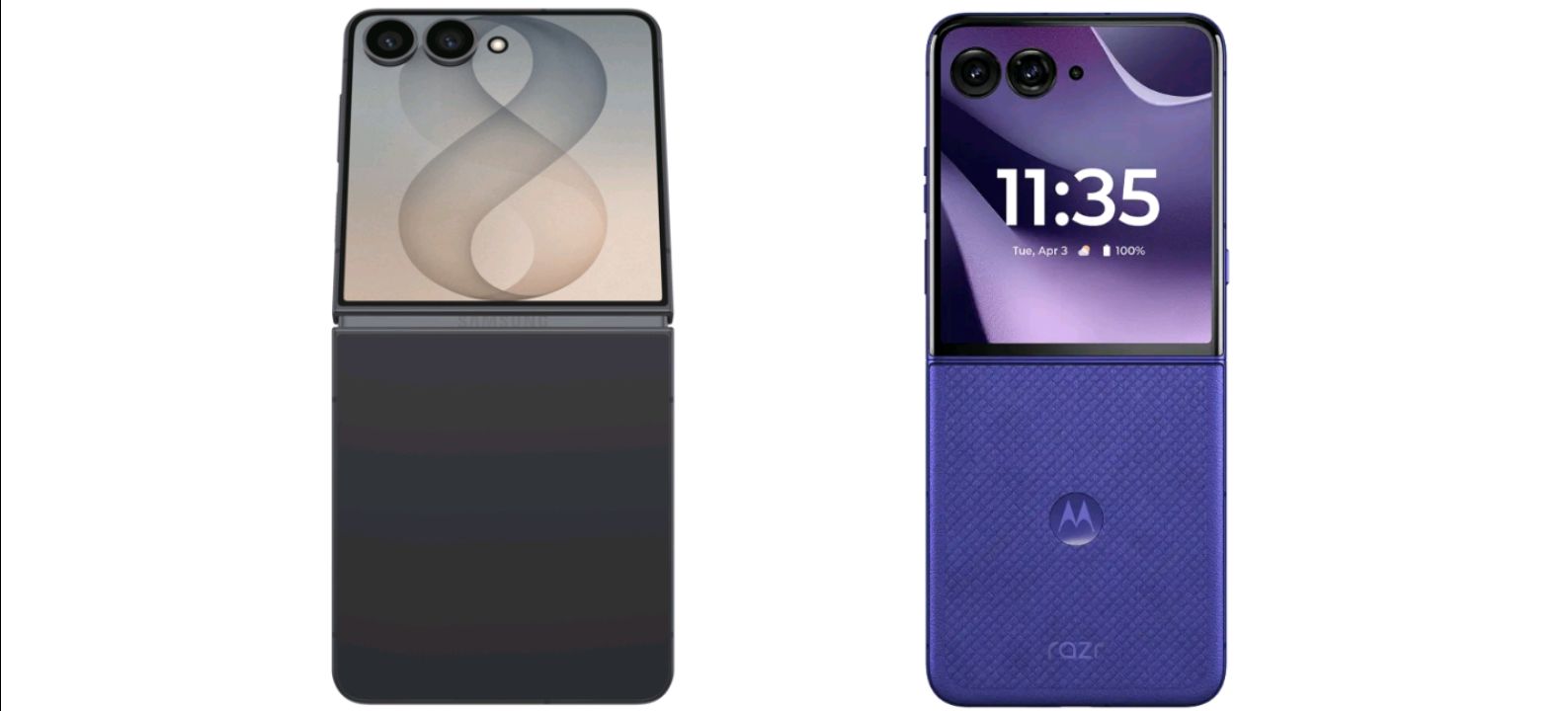
If you’re eyeing a flip, expect battery to be where you pay for the form factor, since folding bodies generally leave less room for cells. It isn’t hopeless, though: Tom’s Guide’s longest-lasting list includes a Motorola Razr Ultra at 15:42. Our best flip phones guide covers which ones are worth it.
Which one fits you?
- If you want the longest published flagship result: the OnePlus 15, at 25:13 in Tom’s Guide’s battery test.
- If you want maximum battery from a mid-range phone: the Realme P4 Power, accepting that you’re trading some speed and camera strength for endurance.
- If you prefer iPhone: the iPhone 18 Pro Max’s 18:27 is the longest iPhone result in Tom’s Guide’s tests so far, a modest gain on last year’s 17:54.
- If you want a dependable budget phone: the Moto G (2026), or a large-battery vivo or OPPO mid-ranger from the guides above.
FAQ
Is 5,000 mAh still enough in 2026?
For most people, yes, if the phone has an efficient chip and display. The Galaxy S26 Ultra’s 5,000 mAh battery reached 16:10 on Tom’s Guide’s test at default settings, and 16:40 with the refresh rate set to 60Hz. Bigger cells do give you more headroom as the battery ages, though.
Do silicon-carbon batteries last longer over the years?
They store more energy for their size, which helps daily endurance. Some manufacturers claim slower degradation (Realme claims the P4 Power keeps at least 80% of its capacity after eight years), but these are manufacturer claims and independent long-term data is still thin.
Does fast charging damage the battery?
Occasional fast charging is fine on phones built for it. Heat is the real enemy, so avoid charging under a pillow or while gaming on the same phone.
Why does my phone drain overnight?
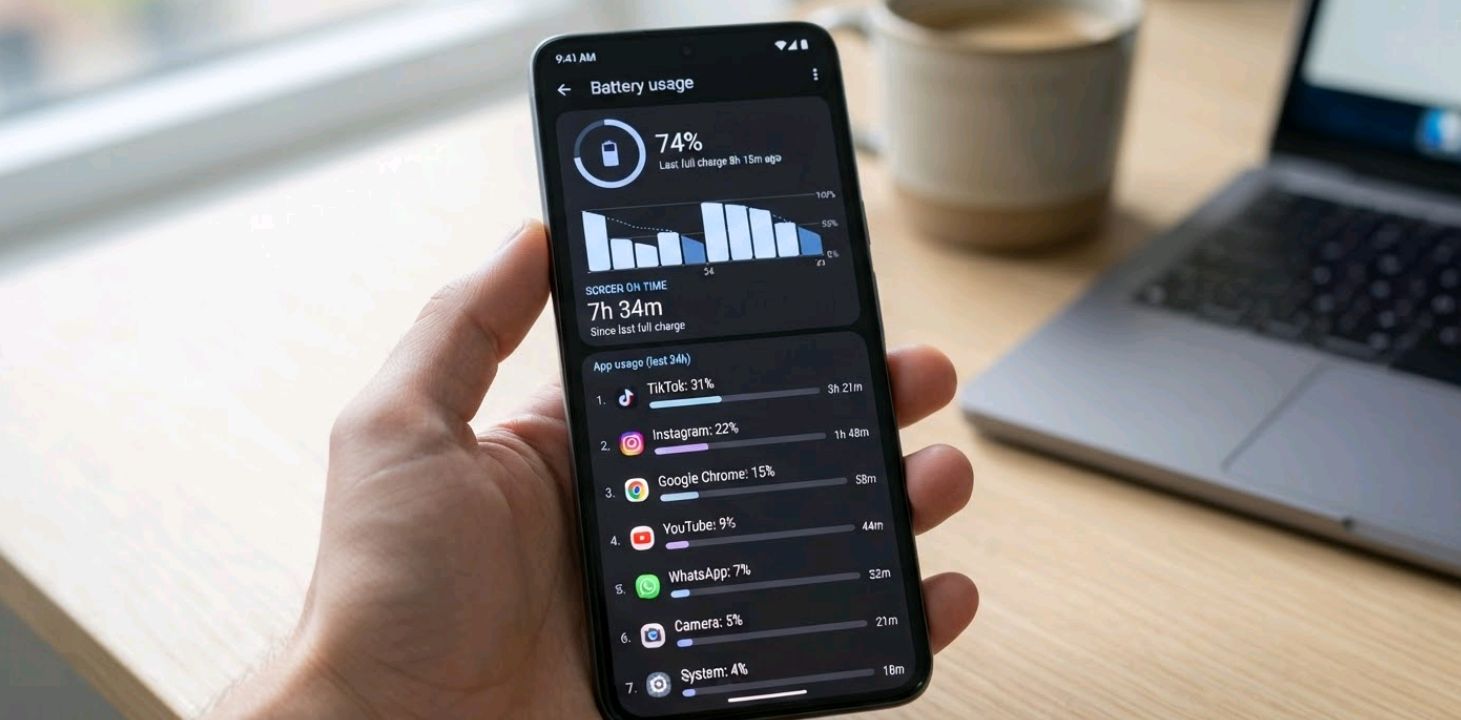
Common causes are weak signal, background sync and a recent update still settling. If it persists for several days, check which app tops the battery usage screen.
Are battery test numbers comparable across websites?
Not directly. Each lab uses its own routine of browsing, video and calls. Compare phones within one site’s results, not across sites.
Will battery life improve further in 2027?
Probably, as more brands adopt higher-density cells, but efficiency gains from chips and software will matter just as much as raw capacity.

Comments 0
Leave a comment