Table of Contents
Open Table of Contents
Overview
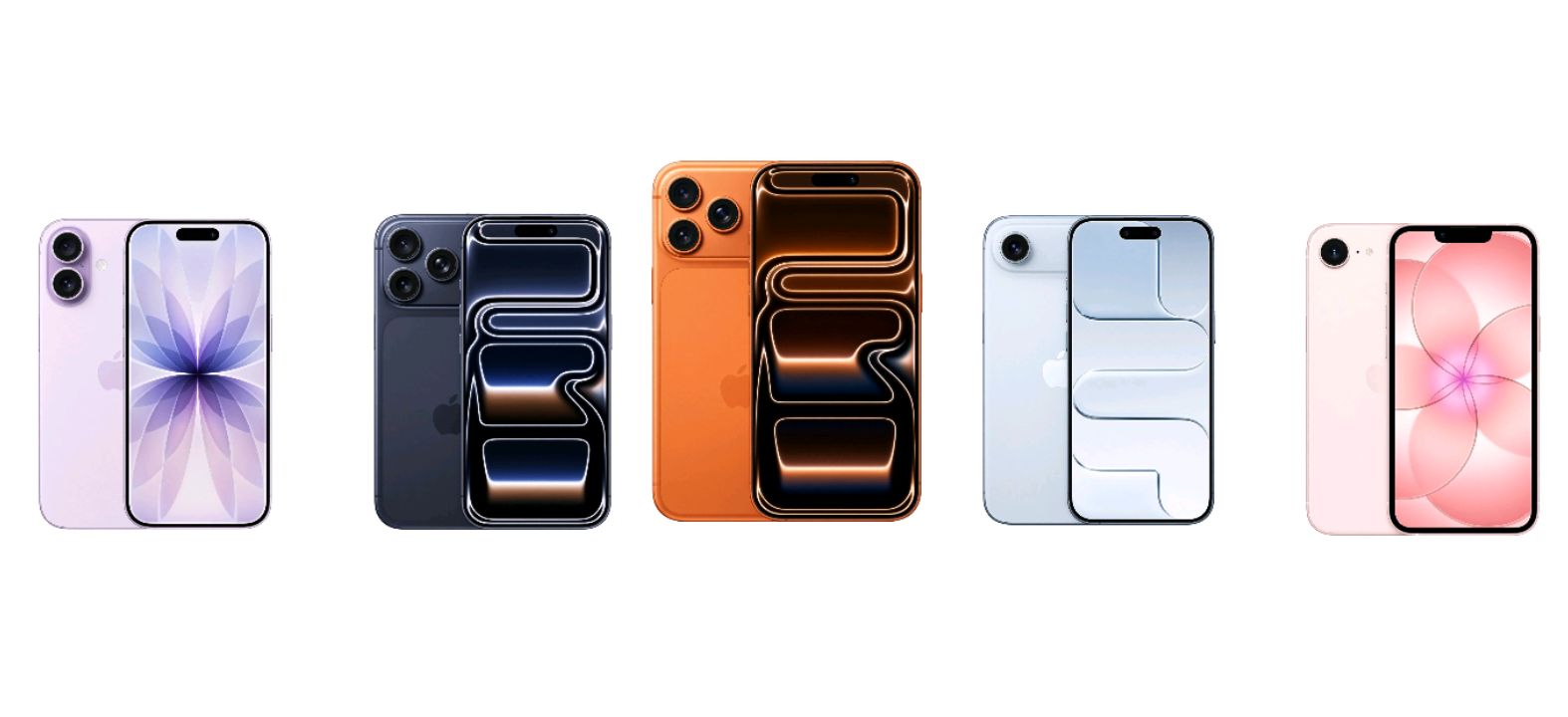
Apple’s US iPhone shelf has quietly turned into seven separate decisions dressed up as one. Walk into any carrier store or open apple.com and you’re choosing between the iPhone 17e, the standard iPhone 16 and 16 Plus, the iPhone 17, the iPhone Air, and the iPhone 17 Pro and Pro Max — each one nudging you toward a different definition of “enough phone.” Most buying advice either flattens that into “just get the Pro” or drowns you in benchmark charts that don’t map to anything you’d notice in daily use. This is the version that skips both.
Quick verdict:
| If you want… | Buy… |
|---|---|
| Cheapest current-generation iPhone | iPhone 17e |
| Best overall value | iPhone 17 |
| Big screen for less | iPhone 16 Plus |
| Thinnest design | iPhone Air |
| Best cameras | iPhone 17 Pro |
| Biggest screen and battery | iPhone 17 Pro Max |
The reasoning behind each pick is below.
What’s actually on sale right now
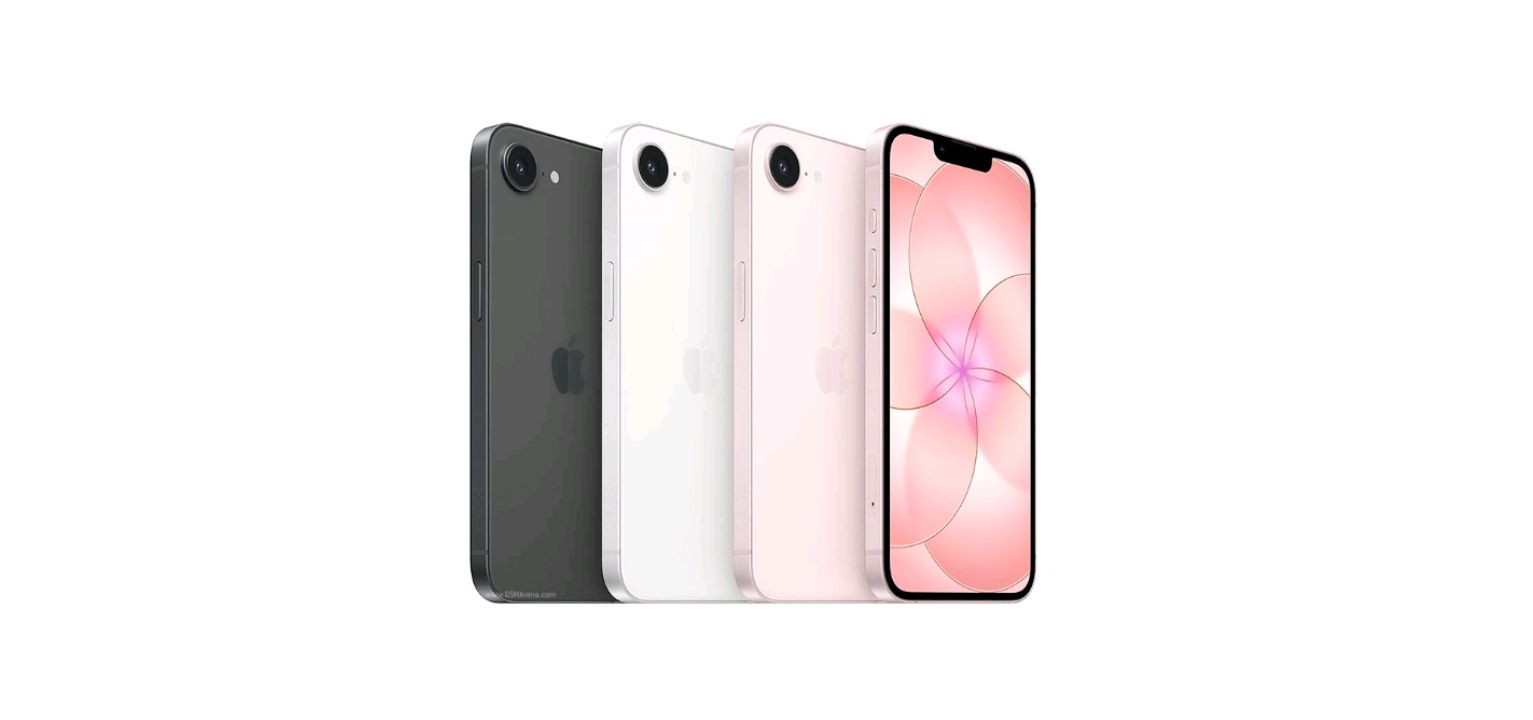
As of early September 2026, Apple sells seven iPhones new in the US. Confirmed starting prices, before tax:
| Model | Starting price | Display | Chip | Storage floor |
|---|---|---|---|---|
| iPhone 17e | $599 | 6.1” OLED | A19 | 256GB |
| iPhone 16 | $699 | 6.1” OLED | A18 | 128GB |
| iPhone 16 Plus | $799 | 6.7” OLED | A18 | 128GB |
| iPhone 17 | $799 | 6.3” OLED, 120Hz ProMotion | A19 | 256GB |
| iPhone Air | $999 | 6.5” OLED, 120Hz ProMotion | A19 Pro | 256GB |
| iPhone 17 Pro | $1,099 | 6.3” OLED, 120Hz ProMotion | A19 Pro | 256GB |
| iPhone 17 Pro Max | $1,199 | 6.9” OLED, 120Hz ProMotion | A19 Pro | 256GB |
A note on that iPhone 16 pairing: it’s the previous-generation standard iPhone, retained in Apple’s lineup at a lower starting price than the 17, and it still qualifies for Apple’s full multi-year software support window.
Where the money actually buys something
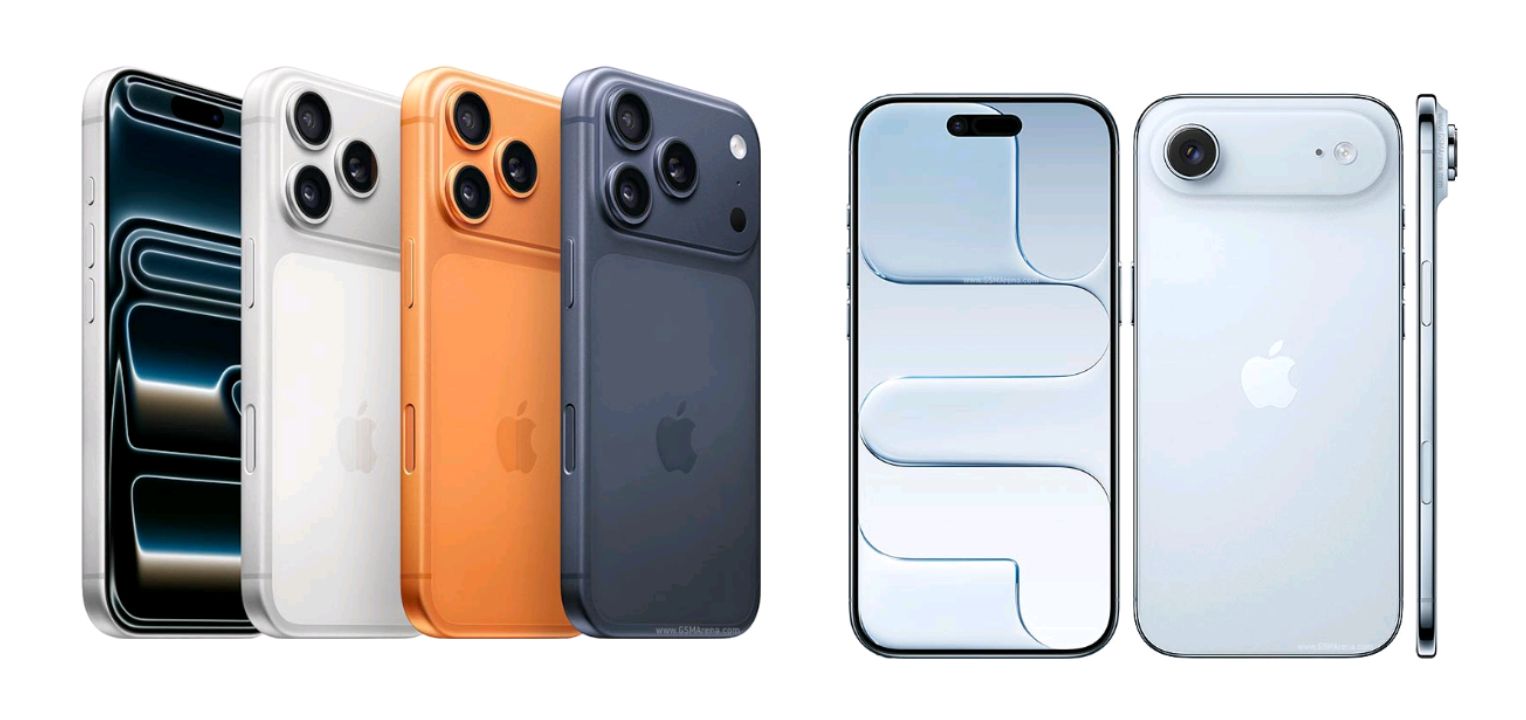
Per Apple’s own comparison pages, moving from the 17e to the 17 adds $200 and gets you ProMotion, an Always-On display, Dynamic Island instead of a notch, and a second rear camera. That’s a real difference you’ll notice within a day of using the phone. The jump from the 17 to the Pro ($300 more, based on Apple’s advertised starting prices of $799 and $1,099) buys a third camera with a dedicated telephoto lens and meaningfully better sustained performance under load. Notably, the Pro models moved away from the titanium frame Apple used on the 15 Pro and 16 Pro — the 17 Pro and Pro Max now use a forged aluminum unibody with a built-in vapor chamber, a change Apple frames around heat dissipation rather than premium materials. These upgrades matter if you shoot video regularly or run demanding apps, and mean very little if you don’t.
The iPhone Air sits in an odd spot: Pro-tier A19 Pro chip and ProMotion display, single rear camera, thinner body, no Plus-sized twin — and, somewhat counterintuitively, it’s the one current iPhone that kept a titanium frame; Apple’s own iPhone 17 Pro comparison page describes it as having a “polished titanium frame” while the Pro and Pro Max moved to a forged aluminum unibody. It’s a design-first phone, not a specs-first one — worth considering if thinness is the priority over camera range, not otherwise.
If you’re weighing an iPhone against phones from other ecosystems on battery endurance specifically, it’s worth comparing against how Honor’s current lineup handles multi-day use — this rundown works through it in detail: Best Honor Phones for Battery Life in 2026.
Storage: the upgrade that actually pays off
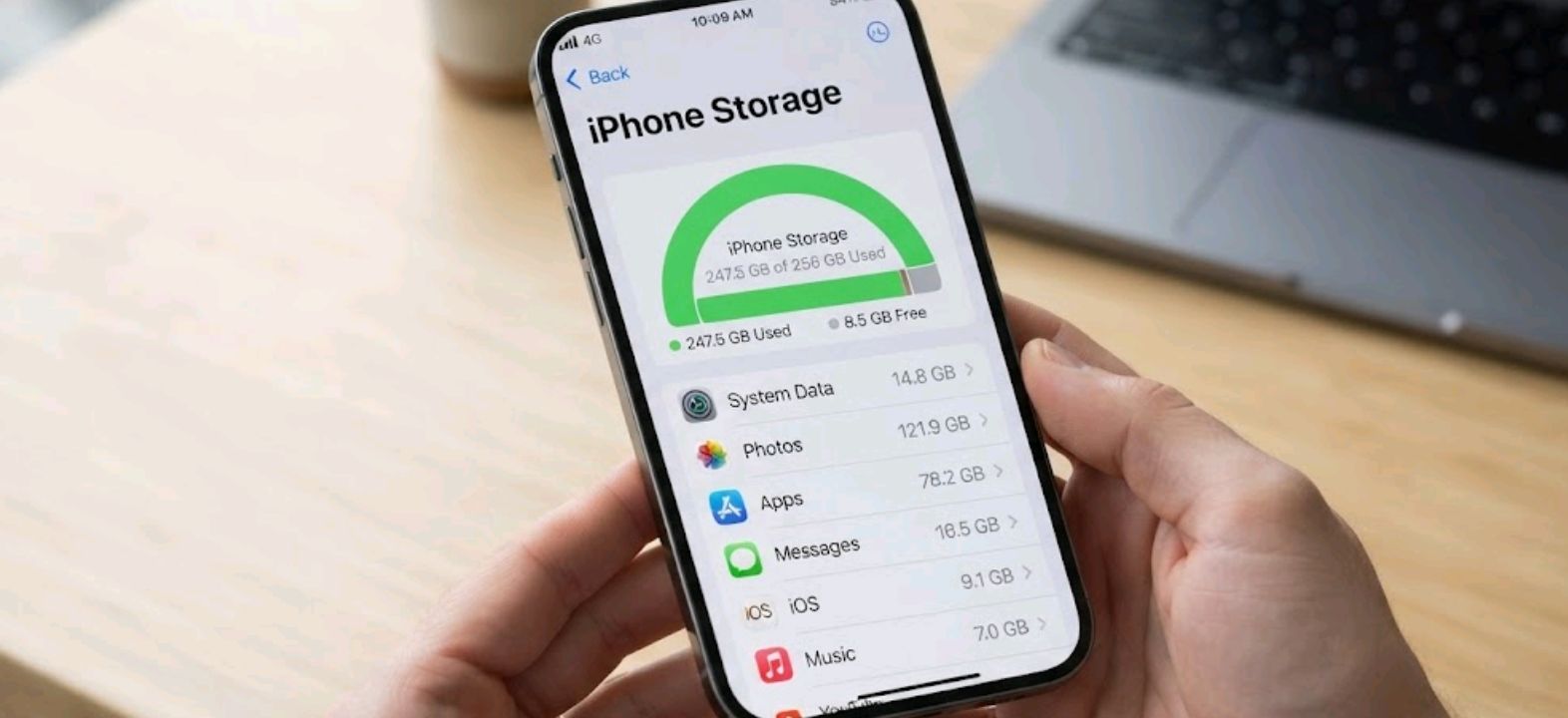
Every current model except the entry-tier 16 starts at 256GB, which quietly closes off one of the most common regret-purchases: buying 128GB and running out of space within eighteen months. If you’re choosing between the base 16 at 128GB and stretching to the 17e at 256GB for roughly $100 more, the storage jump is usually the better use of that money over the life of the phone.
Which model actually fits which buyer
| Buyer profile | Best fit | Why |
|---|---|---|
| Wants the cheapest current-generation phone | iPhone 17e ($599) | Current-generation A19 chip without Pro-tier hardware — no ProMotion or second camera |
| Wants the best balance for daily use | iPhone 17 ($799) | ProMotion, Dynamic Island, dual camera, no Pro premium |
| Prioritizes a bigger screen over camera range | iPhone 16 Plus ($799) | Large display at 17-adjacent pricing, previous-gen chip |
| Wants the thinnest, lightest option | iPhone Air ($999) | Pro-tier internals and a titanium frame in a lighter build, single camera |
| Shoots video or needs zoom range | iPhone 17 Pro ($1,099) | Telephoto lens, sustained performance under load |
| Wants the largest screen and longest battery | iPhone 17 Pro Max ($1,199) | Same Pro camera system, bigger battery and display |
Carrier deals and trade-in credit
Carrier credits work by discounting your monthly bill over the length of an installment plan, usually 24 or 36 months, in exchange for a qualifying trade-in and a new or continued line on an eligible plan. Because these credits are tied to specific promotions that change monthly — and because the discount often disappears if you switch plans, pay off the phone early, or leave the carrier before the term ends — a dollar figure quoted today won’t necessarily hold by the time you’re reading this. The practical move is to compare the current offer at AT&T, Verizon, and T-Mobile directly against Apple’s own trade-in estimate on apple.com/trade-in, since Apple’s program has no line-activation requirement attached but is typically less generous in raw dollar terms.
Frequently asked questions
Is the iPhone 17e worth buying over the older iPhone 16? They’re priced close together, so it comes down to what you’d rather have: the 17e runs the current-generation A19 chip and comes with 256GB storage as standard, while the 16 offers a larger Plus-size option at a similar price point but starts at 128GB. Neither is the wrong choice; they’re solving different priorities.
Do I need the Pro model if I don’t take a lot of photos? Not really. The telephoto camera and pro video features are the Pro line’s main justification. If your camera use is mostly quick everyday shots, the standard iPhone 17 covers that without the price premium.
Does the iPhone Air replace the Plus-size model? No — it replaces the previous ultra-thin niche Apple used to fill differently. It’s thinner and lighter than the Plus, but with a single rear camera rather than the Plus’s dual setup, and it costs more.
How much does storage actually matter day to day? For anyone who shoots video regularly, uses their phone as a primary camera, or keeps a large offline media library, storage tends to matter more over two to three years of ownership than almost any other spec on this list.
Is buying a previous-generation iPhone (like the 16) a mistake? Not inherently. Apple’s software support window is long enough that a current previous-gen phone will keep receiving updates for years, and the price gap versus the newest equivalent is usually the more relevant number than the model year.
If you’re weighing Apple against Android flagships that emphasize camera versatility across a tiered lineup, the Pixel 10 series and Huawei’s Pura/Mate/Nova split are useful reference points for how other manufacturers structure the same trade-offs: Google Pixel 10 vs 10 Pro vs 10a and Huawei Pura vs Mate vs Nova: Which Series Is Right for You?.
The short version
Most people land on the iPhone 17 and don’t think about it again for years — it’s the model that removes the entry-tier compromises without adding Pro-tier cost. The 17e makes sense if $599 is your ceiling; the $200 step up to the 17 is worthwhile if you can comfortably afford it. The Pro models only earn their premium if camera range or sustained performance is something you’d actually use, not something that sounds nice on a spec sheet.

Comments 0
Leave a comment