
Table of Contents
Open Table of Contents
Overview
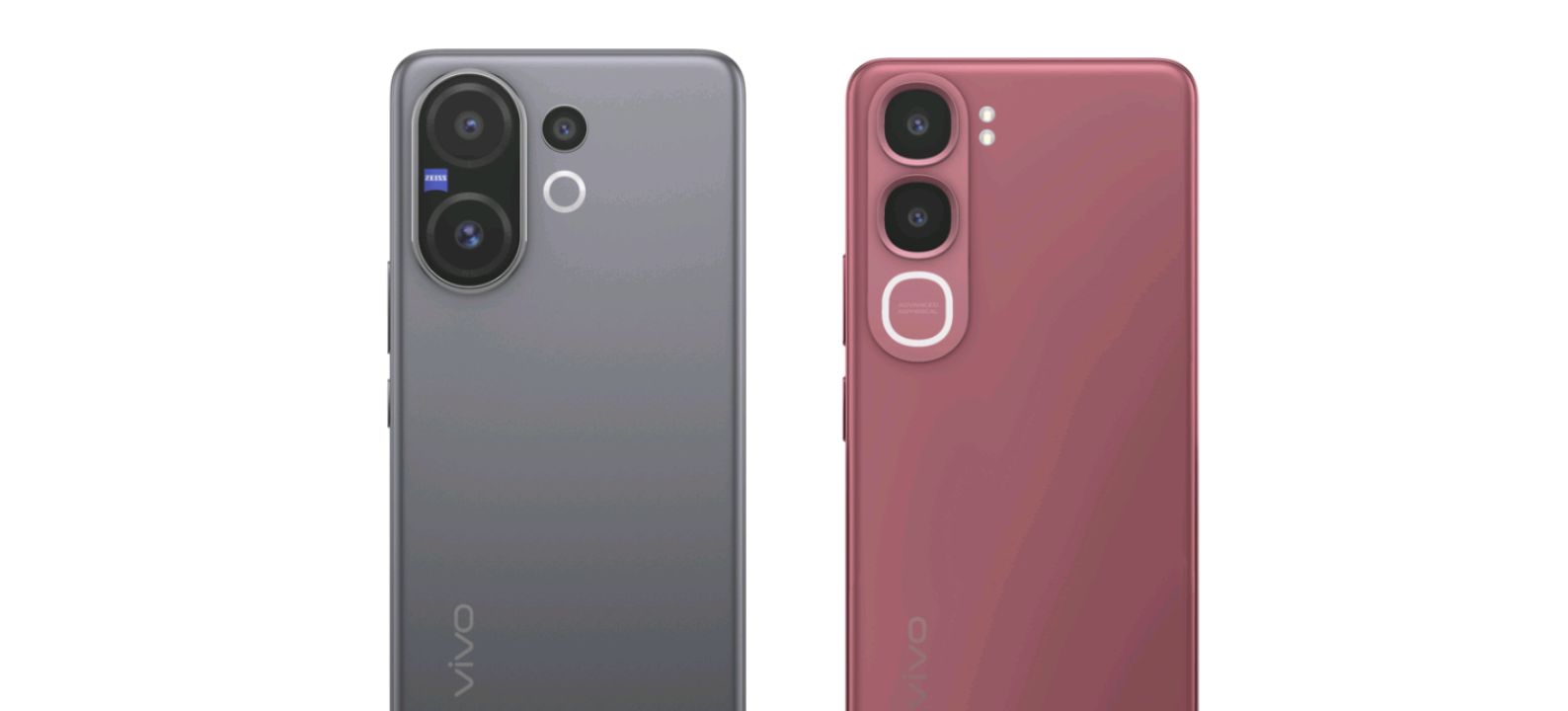
Short answer: yes, and it is one of the stronger camera phones you can buy from the vivo X line. But “good” depends on what you shoot. The X300 Pro is exceptional at people, close-ups and anything that benefits from a long lens. It is less convincing at night on the 2x crop and on long-zoom video.
This is a research-based piece. I’m drawing on published lab-style reviews, mainly GSMArena’s full camera and video review, not my own testing, so every image-quality note below is attributed to what reviewers found.
The camera system at a glance
| Camera | Sensor | Lens | Notes |
|---|---|---|---|
| Main | 50MP Sony LYT-828, 1/1.28” | 24mm, f/1.57 | OIS rated at 5.5 stops (CIPA) |
| Telephoto | 200MP Samsung ISOCELL HPB, 1/1.4” | 85mm (3.5x), f/2.67 | OIS, 14cm minimum focus |
| Ultrawide | 50MP Samsung ISOCELL JN1, 1/2.76” | 15mm, f/2.0 | Autofocus |
| Front | 50MP Samsung ISOCELL JN1 | 20mm, f/2.0 | Autofocus |
Specs per GSMArena’s review. GSMArena lists a global version with a 6510mAh battery and a European version with 5440mAh. vivo and GSMArena call the telephoto 3.5x, while a few other reviews round it to about 3.7x. It is the same 85mm-equivalent lens either way.
The telephoto is the reason to buy it
Most phones treat the telephoto as a side camera. Here it is the centrepiece. A 1/1.4-inch sensor behind an 85mm lens is unusually big for a zoom camera, and GSMArena’s testers called the results detailed, with strong contrast and vibrant colour. People shots drew particular praise for flattering perspective and natural subject separation.
Two details matter in daily use. The 14cm minimum focus distance turns the telephoto into a proper close-up camera, so food, jewellery and product shots look better than on a typical macro lens. And there is a 135mm portrait option for tighter framing from a distance, handy at events where you cannot walk up to someone.
One practical tip from the same review: skip the 200MP mode. GSMArena said it would avoid it entirely, and even the 50MP mode only helped in the right light. Zoom steps matter. In daylight, reviewers found 7x detail good, often better than the 50MP 3.5x shots. In dim light, 7x turned soft, and they recommended sticking to 3.5x and 10x.
vivo also sells two optional accessories, both separate from the phone. The Professional Imaging Grip Kit includes a case, a battery grip, a couple of camera rings and a neck strap, but no lens. The Telephoto Extender Kit is the external telephoto lens itself, with an attachment plate that mounts to the case; together the two make up the full Professional Photography Kit. Neither is included in the standard package. GSMArena’s reviewed retail package contained the phone, a protective case and a USB cable, but no charger. Some promotional bundles add a 90W FlashCharge adapter, and Indian retail listings I found list one in the box, so check what your seller includes.

Main camera and ultrawide
The main camera gets a newer sensor than last year’s X200 Pro, and GSMArena described the daytime output as great up close and from afar, with reliable white balance and natural-looking texture. The full 50MP shots improved too, now showing extra detail where the previous model looked soft. The 2x crop looks good in daylight and is useful for people photos at a roughly 50mm view.
Night is where the story splits. The 1x main camera held up well, with wide dynamic range and good detail, though amber lights came out a bit too saturated. The 2x crop in low light was often soft. The ultrawide surprised reviewers with sharper daytime results than its unchanged hardware suggested, but at night its detail is only okay.
The selfie camera finally has autofocus. Reviewers liked the skin tones and dynamic range, but found colours slightly subdued next to the rear cameras.
Video: strong on paper, uneven in practice
| Camera | Best video mode |
|---|---|
| Main | 4K at 120fps, or 8K at 30fps (1x and 2x only) |
| Telephoto | 4K at 120fps |
| Ultrawide | 4K at 60fps |
| Front | 4K at 60fps |
Dolby Vision recording works on every camera except in 8K, and Pro mode adds Log recording with a preview LUT. The default codec is H.265, with H.264 as an option.
Stabilization is the standout. GSMArena found handheld 4K30 clips looked almost tripod-like and that walking shake was handled well. “Ultra stabilization” adds more steadiness but drops resolution to 2.8K.
The weak spots are specific. At 10x, the reviewers found the footage soft and shaky in a way that made it almost unusable. Low-light video from the main camera was softer than they wanted at this price, and the ultrawide clips were noisy. If you film at night often, that matters more than any spec sheet number.
Storage and battery when you shoot a lot
High-resolution video fills storage quickly, and the X300 Pro has no microSD slot. It comes in 256GB, 512GB and 1TB variants depending on market, so the storage you pick should match how much 4K you shoot. Our Motorola 128GB vs 256GB breakdown explains how to judge your own usage, and the logic applies here too.
On battery, GSMArena lists a global version with a 6510mAh cell and a European version with 5440mAh. Both are listed with 90W wired and 40W wireless charging. Check which regional version you are buying before assuming either capacity.
Who should skip it
If your main use is casual social media posting, you probably do not need this much camera. Our look at the Honor 600 Lite camera and 4K video shows what a far cheaper phone can already record. And if gaming value matters more than camera quality, the Redmi Note 15 vs POCO X7 Pro gaming comparison is a better place to start.
The price is the other filter. India launched it at ₹1,09,999, and the European launch price was reported around €1,399. I could not confirm Nigerian availability or pricing, so do not convert those figures to naira and treat them as a quote.

Final thoughts
For photography, the X300 Pro earns its reputation, particularly for portraits, close-ups and anything shot at 3.5x. For video, it is excellent for stabilized 4K and flexible frame rates, but weaker for long-zoom and low-light clips. If those two weaknesses do not match how you shoot, it is a very good camera phone. If they do, test it against rivals before paying flagship money.
FAQ
Is the vivo X300 Pro good for photography?
Yes. Reviewers praised its main and telephoto cameras in daylight, with the 3.5x telephoto singled out for portraits and close-ups. The main camera handles low-light photography well, while the 2x crop can lose detail. The telephoto did well in dim conditions at its native 3.5x, but reviewers found 7x results softer.
Can the vivo X300 Pro record 4K at 120fps?
Yes, on both the main and telephoto cameras. The ultrawide and front cameras top out at 4K 60fps.
Does it record 8K video?
Yes, 8K at 30fps on the main camera at 1x and 2x. Dolby Vision is not available in 8K.
Is video stabilization good?
GSMArena called it superb for handheld 4K30 footage. The exception is 10x zoom video, which they found jumpy.
Does the vivo X300 Pro have a microSD slot?
No. Choose your storage size carefully if you shoot a lot of 4K.
Is the vivo X300 Pro available in Nigeria?
I could not confirm official availability or Nigerian pricing at the time of writing. Check local retailers and confirm the version before buying, since battery capacity differs between regions.

Comments 0
Leave a comment