
Why Mid-Range Android Phones Beat iPhones for Most People in 2025
A decade ago, buying a mid-range Android phone meant settling. Lag, washed-out displays, mediocre cameras, and short-lived software updates were the norm unless you paid flagship prices.
Fast forward to 2025: that compromise no longer exists.
Modern mid-range Android phones now deliver features that genuinely improve daily life—smooth 120Hz displays, all-day battery life, ultra-fast charging, reliable cameras, and long-term software updates—all for $400–$550.
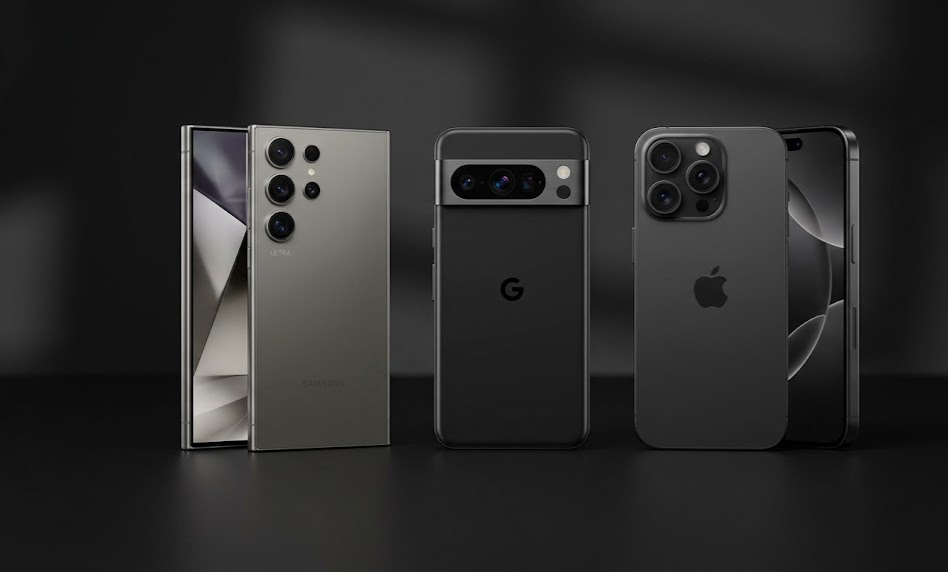
Meanwhile, the standard iPhone has become more of a status symbol than a productivity tool. I’ve tested several devices this year, and for the average user, mid-range Android phones now outperform standard iPhones in almost every measurable way.
1. 120Hz Displays: The Single Most Noticeable Upgrade
The display is the component you interact with most. It defines how modern and responsive a phone feels, often more than CPU or GPU benchmarks.
Mid-range Android reality: Devices like the Samsung Galaxy A56, Pixel 9a, and Nothing Phone (3) ship with 120Hz OLED panels.
Standard iPhone reality: Apple still locks high refresh rates to Pro models. The iPhone 16 sits at 60Hz.
From personal experience, once you scroll on a 120Hz display, going back to 60Hz feels sluggish—like driving a sports car then returning to a sedan. This isn’t marketing fluff—it’s a perceptible difference you feel every day.
For a deeper dive:
→ Why 120Hz Displays Matter in 2025
2. Battery Freedom: Mid-Range Android Wins
Battery life still depends on physical capacity. Most mid-range Android phones now house 5,000mAh batteries, while standard iPhones remain smaller.
Charging Speed Comparison
| Feature | Mid-Range Android | Standard iPhone |
|---|---|---|
| Battery Capacity | ~5,000mAh | ~3,300mAh |
| Charging Speed | 67–80W | ~20W |
| Full Charge Time | ~40–50 minutes | ~90 minutes |
Personally, the convenience of a 15-minute top-up for a full day’s use is liberating. It changes your daily routine and reduces dependency on overnight charging.
For technical context:
→ Fast Charging Explained 2025
3. Performance Has Plateaued
In 2025, mid-range processors handle almost all tasks effortlessly:
- Messaging, social media, and browsing
- Navigation and maps
- Casual gaming and multitasking
- AI-powered photo enhancements
Flagship processors are now mainly for extreme mobile gaming, 4K content creation, or benchmark bragging rights.
My personal take: for 90% of users, buying a flagship just for CPU speed is overkill. Mid-range Androids offer all the performance most people actually need.
4. Cameras: “Good Enough” is Enough
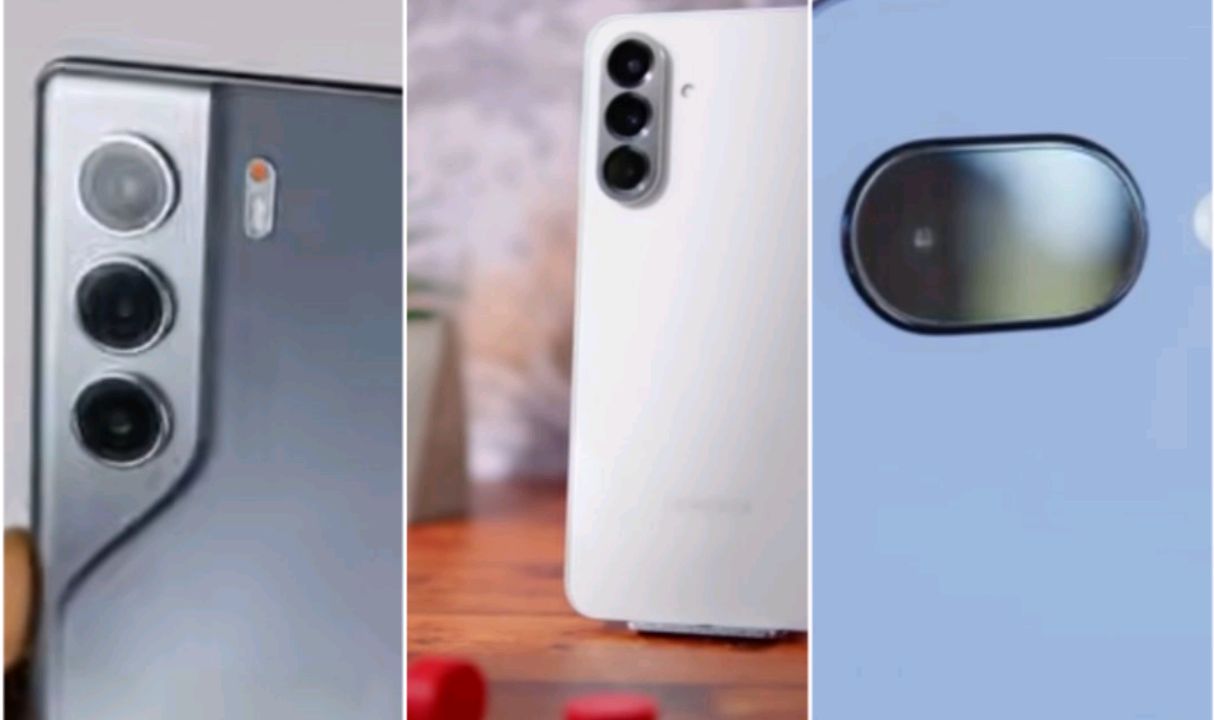
Mid-range phones have caught up. Google’s Pixel A-series uses the same computational photography as its flagship siblings. For most users:
- Daylight and indoor photos are excellent
- Low-light photos are impressive
- Video modes meet casual needs
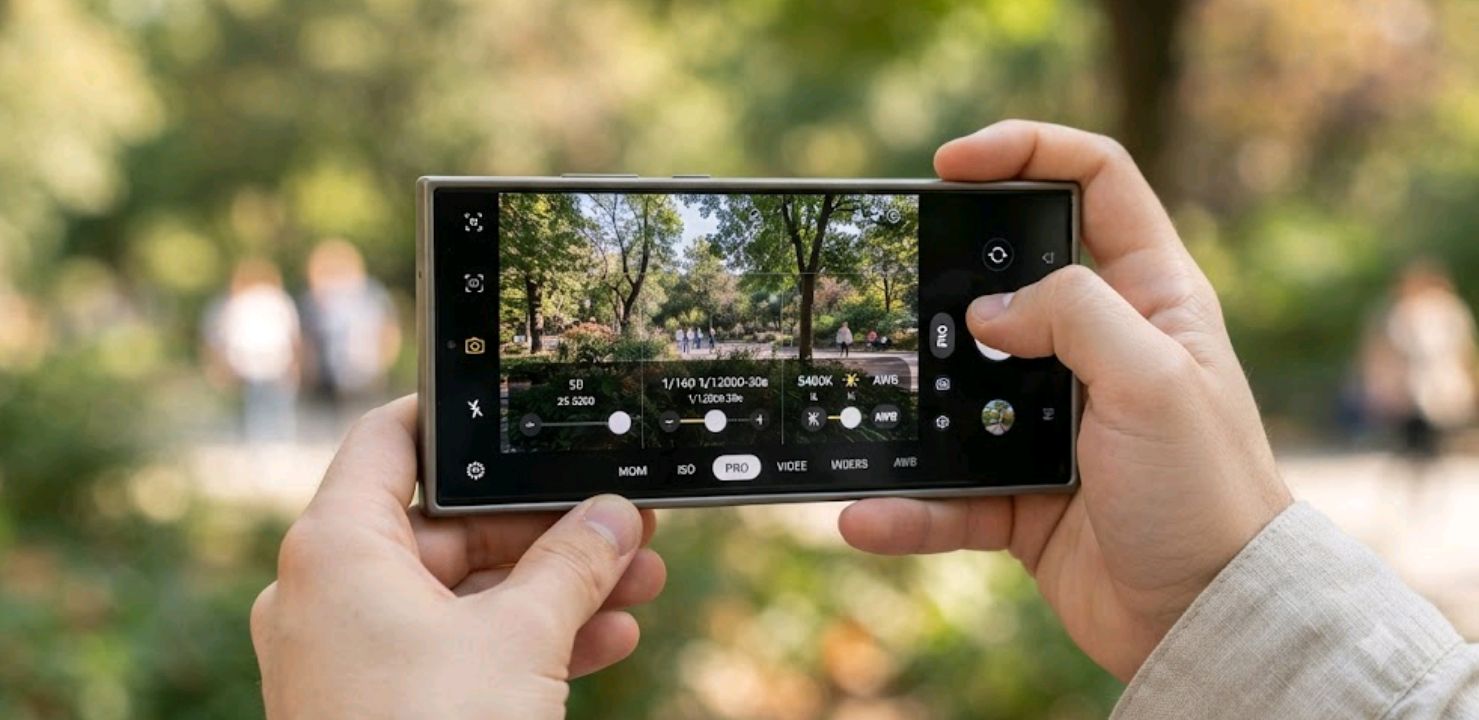
In 2025, paying more doesn’t necessarily mean better everyday photos. If you’re not producing cinematic video, the camera gap is practically invisible.
Related read:
→ Pixel A vs iPhone Camera Real-World Comparison
5. Software Freedom: The Android Advantage
Apple’s ecosystem is polished but restrictive. Android provides:
- Full file access
- Sideloading of apps for niche needs
- Dynamic Material You theming
- Choice across brands, designs, and philosophies
For students, remote workers, or anyone who likes control, this isn’t cosmetic—it’s functional freedom.
6. Long-Term Support: The Gap is Narrowing
Apple once dominated software longevity. Now:
- Samsung & Google: Up to 7 years of updates
- Apple: ~6 years for most iPhones
Mid-range Android devices are now long-term investments, not temporary purchases. For cost-conscious buyers, this is a game-changer.
7. The Cost-of-Ownership Reality
| Expense | Mid-Range Android | Standard iPhone |
|---|---|---|
| Purchase Price | ~$450 | ~$800+ |
| Screen Repair | ~$130 | ~$280 |
| Accessories | USB-C included | Often sold separately |
In practical terms, the extra cost of an iPhone often buys branding, not functionality. That savings on an Android can go toward accessories, subscriptions, or even simply stay in your wallet.
Final Verdict
The iPhone remains impressive engineering, but for most people in 2025, it is overpriced for what it offers.
If you value:
- Smooth 120Hz displays
- Long battery life
- Ultra-fast charging
- Solid cameras for daily use
- Software freedom and flexibility
- Economic sense
…then mid-range Android phones are no longer the alternative—they’re the default smart choice.
Personally, after using both extensively this year, I now recommend mid-range Android as the smarter purchase for almost everyone I know. It’s simply better value for real-world usage.
FAQ: Mid-Range Android vs iPhone
Q: Are mid-range Android phones good enough for 2025?
A: Yes. For social media, photography, gaming, navigation, and productivity, they perform excellently.
Q: Why does Apple still limit 60Hz to standard iPhones?
A: To preserve product tier separation and encourage Pro upgrades.
Q: Which mid-range Android phone has the best camera?
A: Pixel A-series phones lead in still photography, thanks to computational imaging.
Q: Do mid-range Android phones get long software updates?
A: Yes. Samsung and Google offer up to 7 years of updates.
Q: When might an iPhone still make sense?
A: For users deeply embedded in Apple’s ecosystem, professional video creators, or those prioritizing iOS-exclusive features.

Comments 0
Leave a comment