Table of Contents
Open Table of Contents
Overview
Five hundred dollars used to buy you a phone with a decent screen and not much else. That’s not true anymore. The $500 bracket in 2026 is where 120Hz OLED panels, 50MP+ main sensors, and multi-year software commitments stopped being flagship exclusives. The catch is that “best” depends entirely on what you’re optimizing for — nobody gets everything at this price, and the guides that pretend otherwise are usually just copying a spec sheet.
How I chose these phones
I compared long-term software support, display quality, sustained performance, camera consistency in daylight and low light, battery life, charging speed, repairability, and current pricing in both the US and Nigerian market. Specifications and software support policies are based on each manufacturer’s official documentation at the time of writing, not projections or leaks.
The picks that hold up
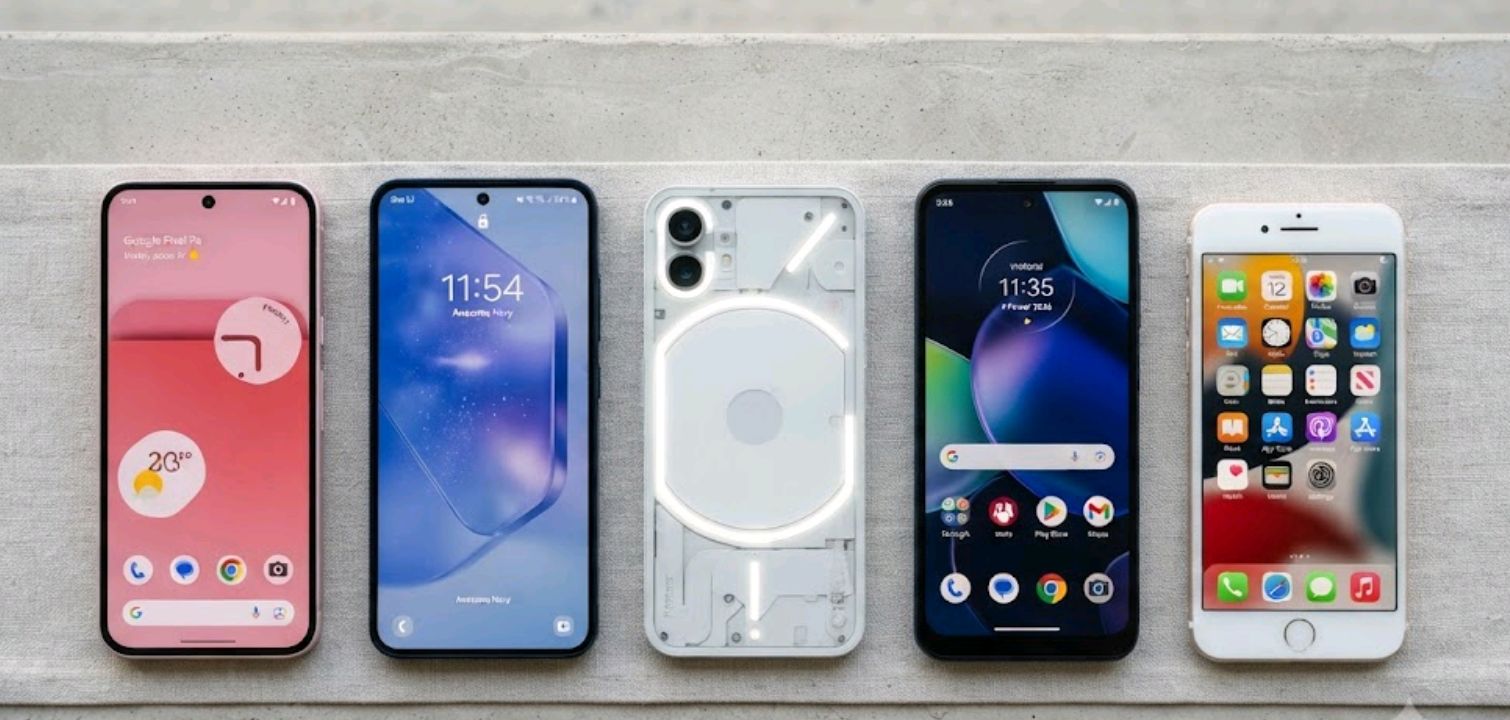
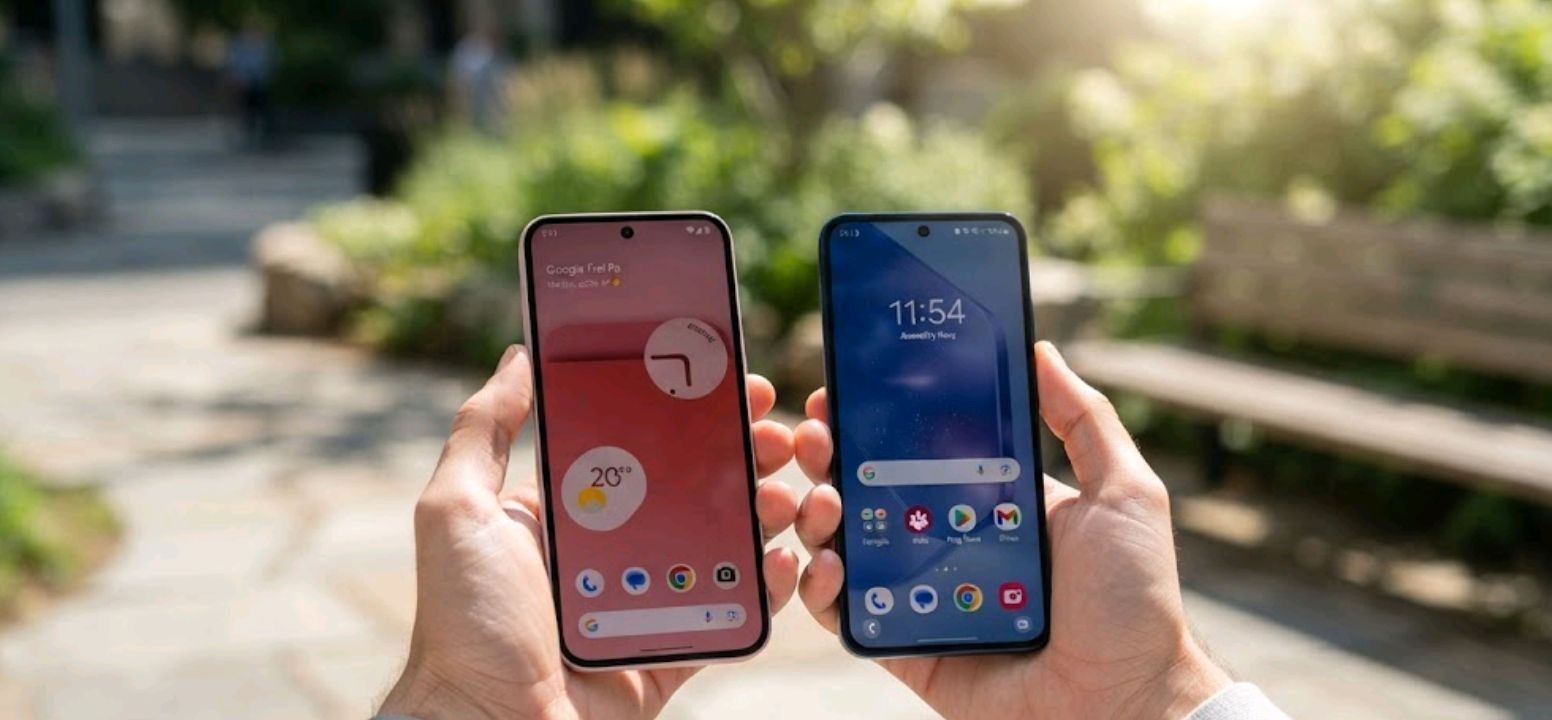
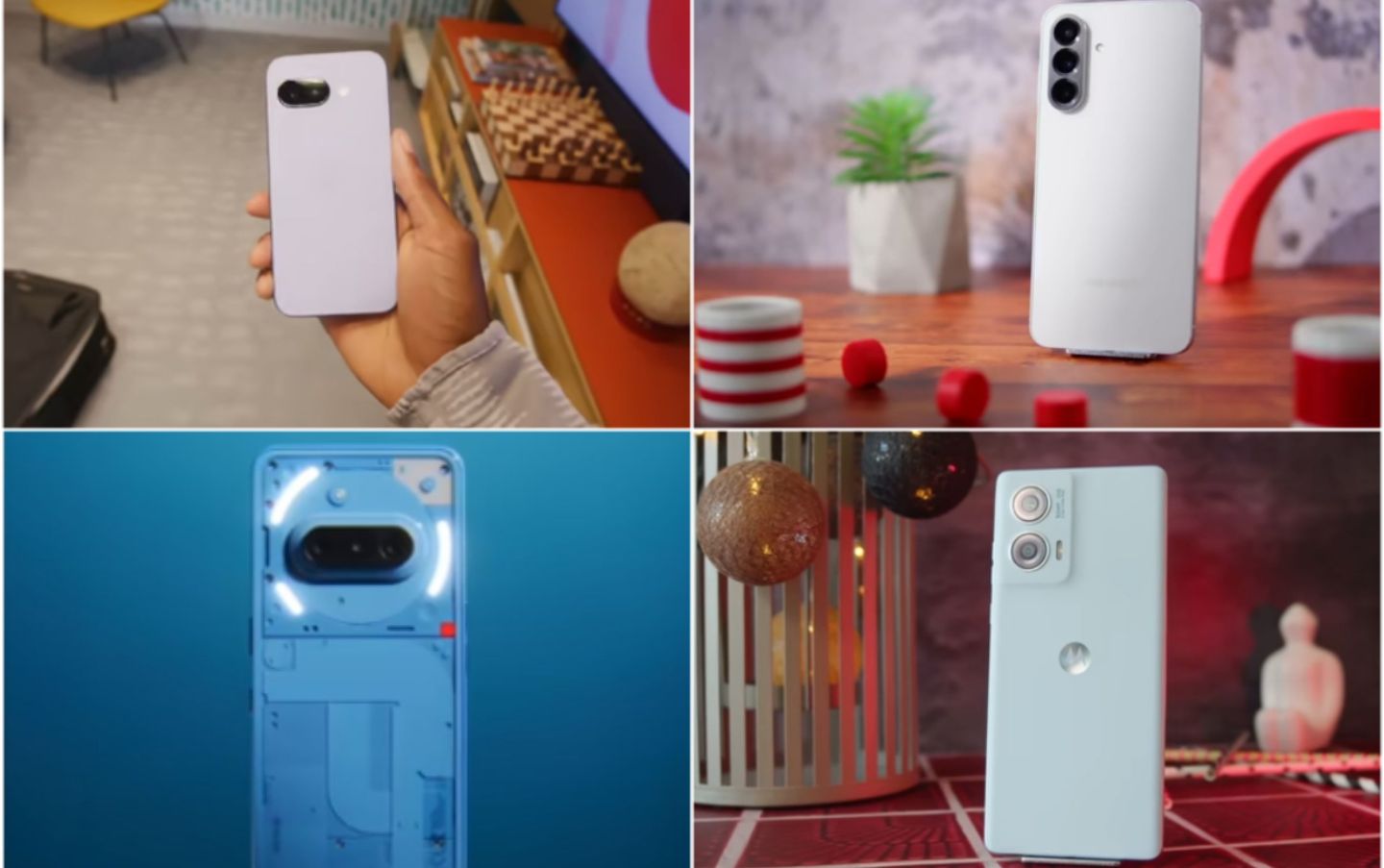
Google Pixel 9a is the one to buy if long-term software support and computational photography matter more than raw specs. Tensor G4 handles night shots, portrait separation, and Magic Eraser better than phones costing twice as much, and Google backs it with seven years of OS and security patches — a phone bought today is still getting patches in 2033. The 5,100mAh battery is the largest ever on a Pixel, though 23W wired charging is modest next to Chinese rivals charging at 45–50W.
Pros: best-in-class computational camera; seven years of updates; largest Pixel battery yet; clean software. Cons: charging speed trails the competition; camera hardware isn’t as ambitious as some competitors, but Google’s image processing consistently makes the most of it; battery is glued in, not user-replaceable.
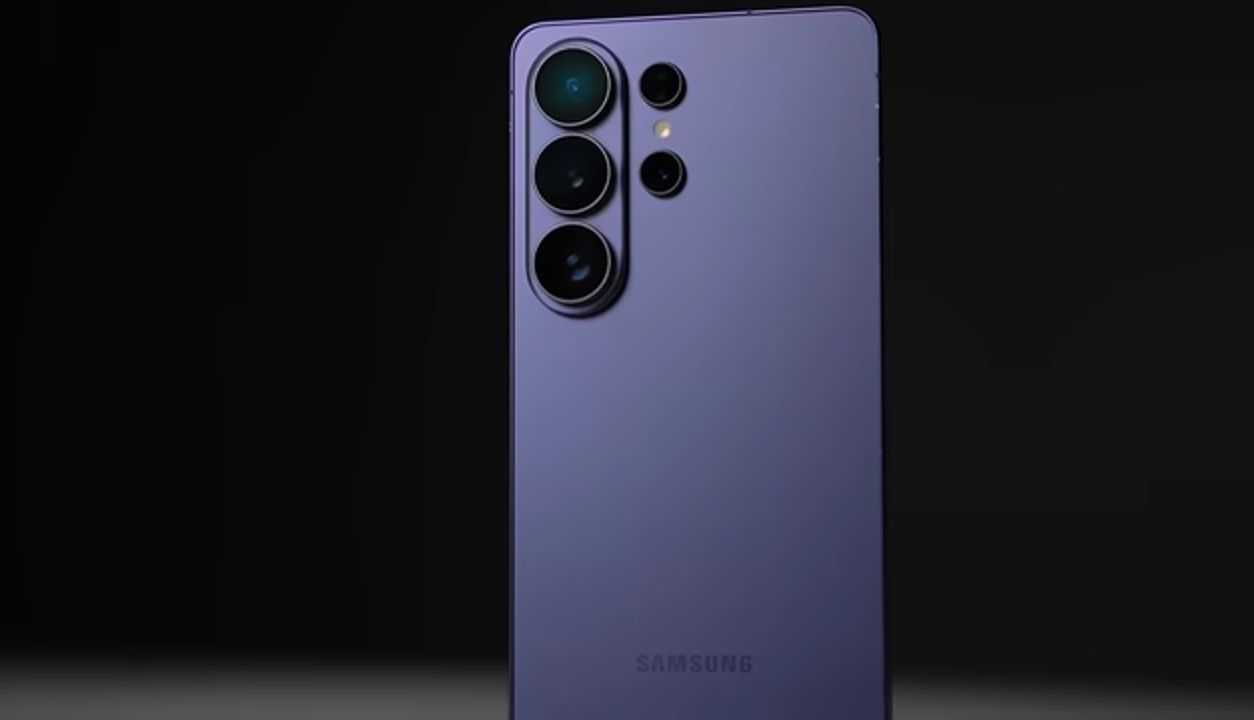
Samsung Galaxy A56 is the pick for anyone who wants a bright, reliable AMOLED display and a long ownership runway without going full flagship. It runs Samsung’s Exynos 1580 chipset, a 6.7-inch Super AMOLED panel at 120Hz, a 5,000mAh battery with 45W wired charging, and an IP67 rating. Samsung commits to six major Android upgrades and six years of security patches — one of the longest windows in this price bracket. Its predecessor, the Galaxy A55, is a different phone: older Exynos 1480 chipset, 25W charging, and a shorter four-OS/five-year security window, so don’t treat the two as interchangeable if you’re comparing listings.
Pros: six years of OS and security updates; bright, punchy AMOLED display; IP67 rating; 45W charging. Cons: Exynos trails Snapdragon in raw benchmarks; One UI is heavier than stock Android; no microSD slot on this generation.
Nothing Phone 3a earns its spot on design alone — the Glyph lighting and dot-matrix rear panel are the only things in this price range that make strangers ask what phone you’re using. It runs a Snapdragon 7s Gen 3 chipset, a 6.77-inch 120Hz AMOLED display, a 5,000mAh battery, and 50W wired charging that gets it to roughly 50% in 20 minutes. Nothing’s update commitment is three years of Android version upgrades plus six years of security patches — solid, but shorter on the OS-upgrade side than Google or Samsung.
Pros: distinctive Glyph design; fast 50W charging; clean, near-stock Nothing OS; strong daylight camera. Cons: only three years of major Android upgrades; no wireless charging; can run warm under sustained load.
Motorola Moto G Power (2026) exists for one type of buyer: someone who charges their phone every other day and resents it. The 5,200mAh cell and efficient Dimensity 6300 chipset comfortably clear a day and a half of mixed use, and 30W TurboPower charging is respectable for the price. The trade-offs are the LCD display instead of OLED and Motorola’s shorter two-to-three-year update window. Availability in Nigeria is more limited than Samsung’s — confirm current stock and pricing with an authorized dealer before assuming it’s on the shelf.
Pros: longest real-world battery life on this list; MIL-STD-810H durability testing; IP68/IP69 rating; retains a 3.5mm headphone jack. Cons: LCD display, not OLED; shortest software-update commitment here; Nigeria availability is inconsistent — verify locally before buying.
Best iPhone Under $500 (Refurbished Pick)
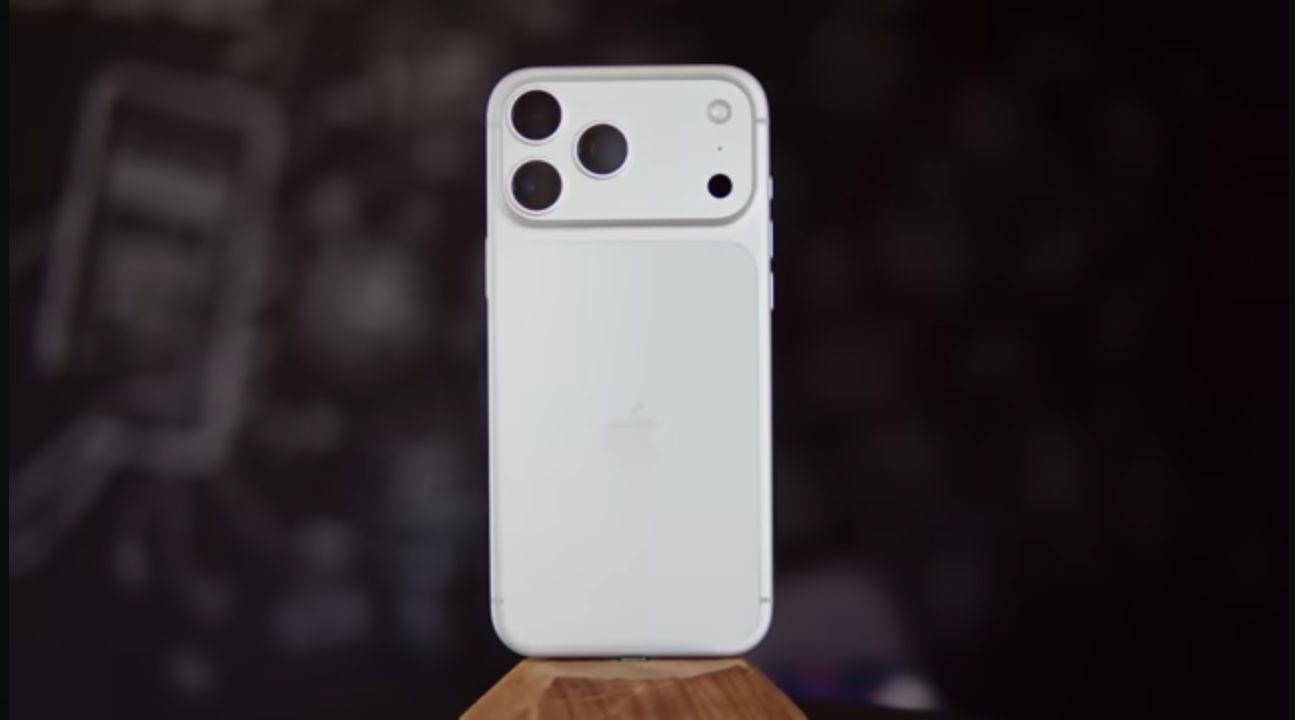
Apple no longer sells a new iPhone under $500. The iPhone SE line was discontinued when Apple replaced it with the iPhone 16e, which starts at $599 — over this budget. The only current path to iOS under $500 is a certified refurbished iPhone SE (3rd generation, 2022), running the A15 chip with Touch ID and an LCD display. Apple doesn’t publish a fixed number of guaranteed update years for any iPhone, but based on past support patterns, an SE 3 bought refurbished today should keep receiving security updates for several more years. If iOS is non-negotiable and your budget is firm, buy from Apple Certified Refurbished or a reputable refurbisher that verifies battery health, rather than an uncertified listing.
If gaming and charging speed matter more than camera nuance, it’s worth reading our separate breakdown of phones built for bypass charging and sustained gaming sessions — several models in that range sit right at this budget too, and our fastest-charging phones roundup covers the wattage numbers in more depth than we can here.
Spec comparison
| Phone | Chipset | Display | Battery | Charging | Update policy |
|---|---|---|---|---|---|
| Google Pixel 9a | Tensor G4 | 6.3” OLED, 60–120Hz | 5,100mAh | 23W wired, 7.5W wireless | 7 yrs OS + security |
| Samsung Galaxy A56 | Exynos 1580 | 6.7” Super AMOLED, 120Hz | 5,000mAh | 45W wired | 6 OS upgrades + 6 yrs security |
| Nothing Phone 3a | Snapdragon 7s Gen 3 | 6.77” AMOLED, 120Hz | 5,000mAh | 50W wired | 3 yrs OS + 6 yrs security |
| Moto G Power (2026) | Dimensity 6300 | 6.8” LCD, 120Hz | 5,200mAh | 30W wired (TurboPower) | 2–3 yrs OS |
| iPhone SE (3rd gen, refurbished) | A15 Bionic | 4.7” LCD | Smallest in this list | Wired + Qi wireless | No fixed figure published; historically several years of security updates |
Repairability: Samsung publishes its own French repairability index score for the Galaxy A56 — 8.4/10, covering ease of disassembly, spare-part availability, and documentation. The Pixel 9a’s battery is glued in rather than modular, which typically costs points on independent teardown scores. Nothing and Motorola haven’t had independently verified repairability scores published for the 3a or the 2026 G Power at the time of writing, so treat repairability as an open question for those two rather than a strength or weakness. Apple’s recent iPhones average around 4/10 on iFixit’s index — screen and battery swaps are mechanically straightforward, but software-based parts pairing limits who can do the repair.
Nigeria pricing context
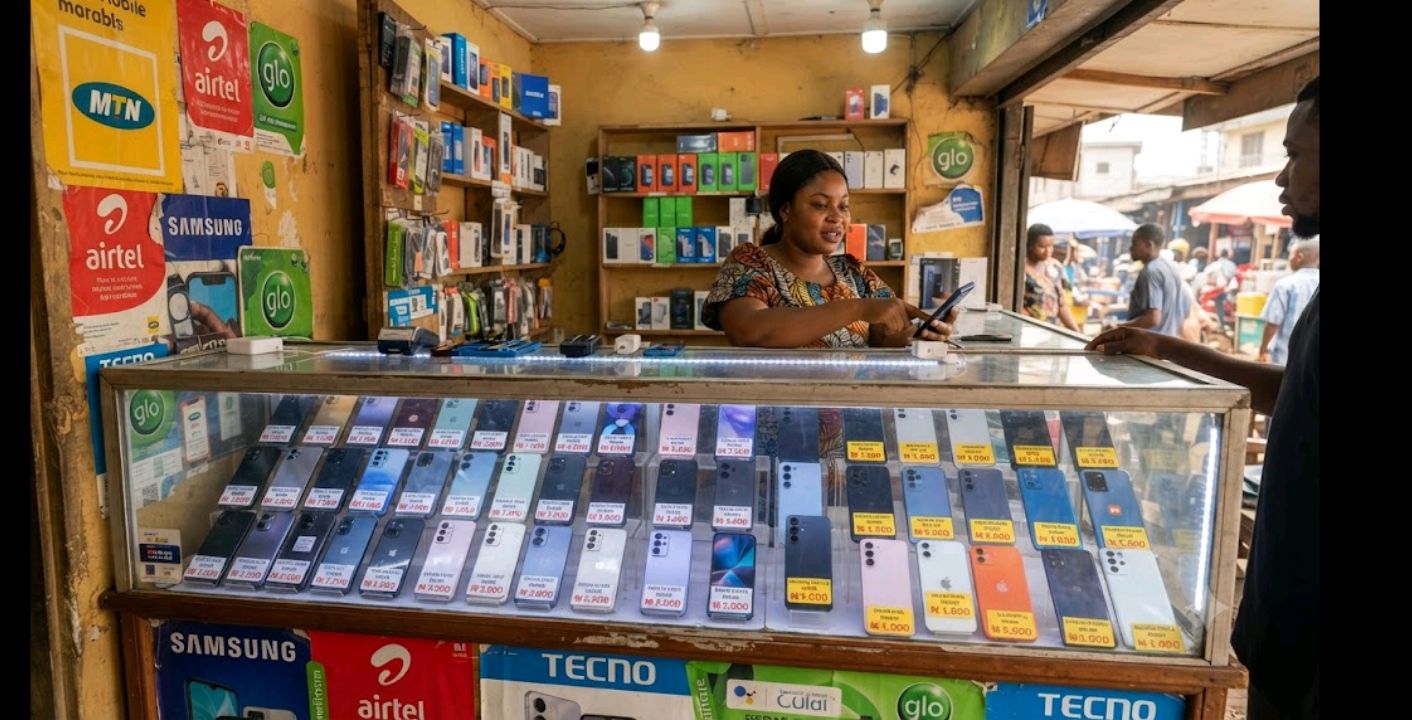
US retail prices don’t map cleanly onto what you’ll actually pay in Lagos, Abuja, Port Harcourt or Ondo. Import duty, naira volatility, and the grey market all push local prices well above a straight dollar conversion — and grey-market units frequently arrive without a full warranty or with region-locked software.
| Phone | Typical grey-market range (Nigeria) | Notes |
|---|---|---|
| Google Pixel 9a | ₦750,000–₦900,000 | Confirm eSIM/dual-SIM support before buying |
| Samsung Galaxy A56 | ₦550,000–₦700,000 | Widest official retail availability locally |
| Nothing Phone 3a | ₦600,000–₦750,000 | Check that Glyph and NFC features work on local bands |
| Moto G Power (2026) | ₦350,000–₦450,000 | Availability is inconsistent — confirm current stock with an authorized dealer |
| iPhone SE 3 (refurbished) | ₦450,000–₦600,000 | Verify battery health and that it isn’t carrier-locked before purchase |
Prices shift with the naira and with import volume, so treat these as a starting range rather than a quote — check current listings from an authorized dealer before committing.
Camera and low-light performance
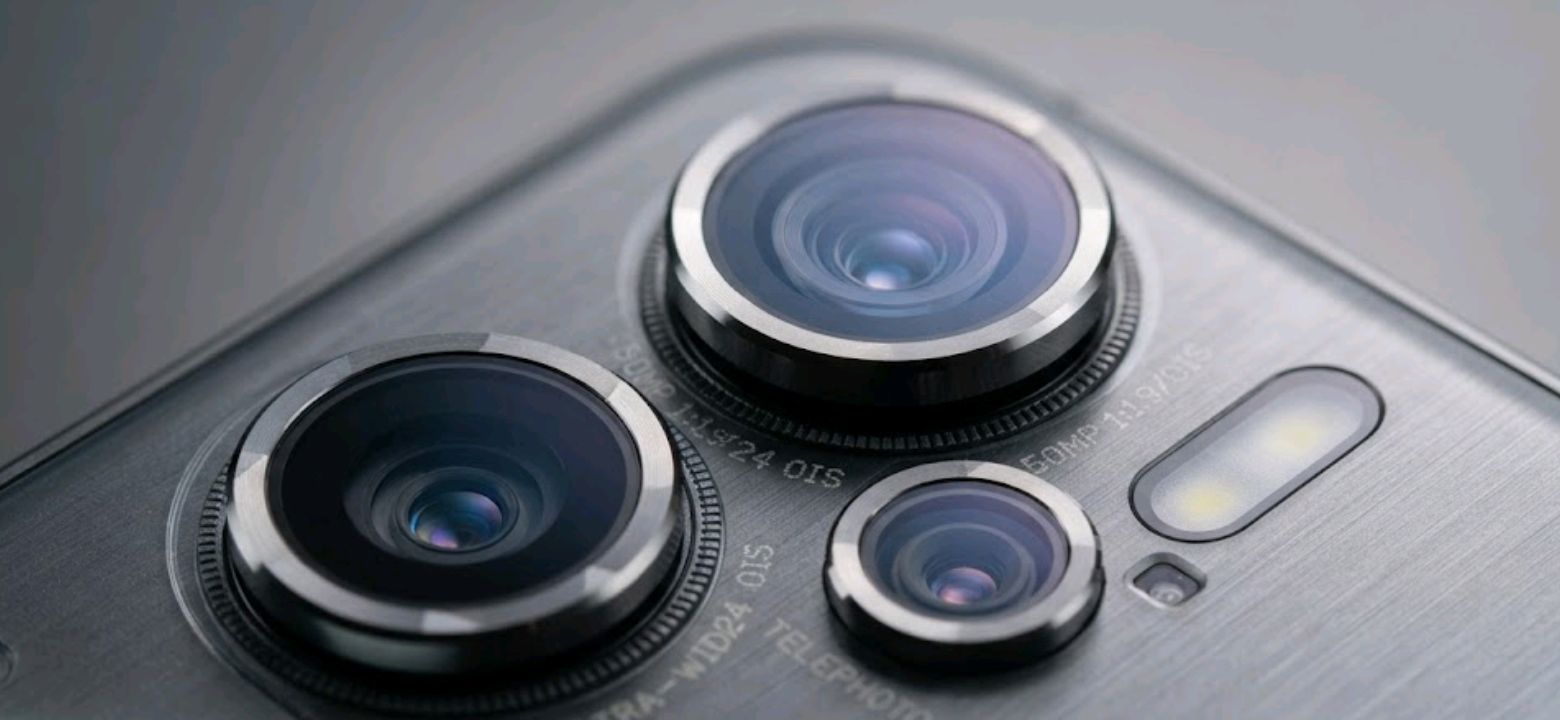
In good daylight, the gap between these phones is much smaller than many people expect — main-sensor shots from a Pixel 9a and a Galaxy A56 look close enough that most people wouldn’t sort them correctly in a blind comparison. The real gap shows up after dark, where Google’s computational pipeline pulls ahead. If night photography is a priority, our dedicated guide on phones built specifically for night photography goes deeper into sensor size and exposure stacking than a general buying guide can. Samsung owners specifically should also check our Samsung camera settings walkthrough — the default auto mode leaves real image quality on the table. If you go with the refurbished iPhone SE route, our iPhone camera settings guide applies directly, since it shares its camera app with every current iPhone.
If your budget flexes lower
Not everyone needs to spend the full $500. If $400 or $300 is closer to your ceiling, the trade-offs are smaller than they used to be — our guides on phones under $400 and Samsung phones under $300 cover exactly where the corners get cut.
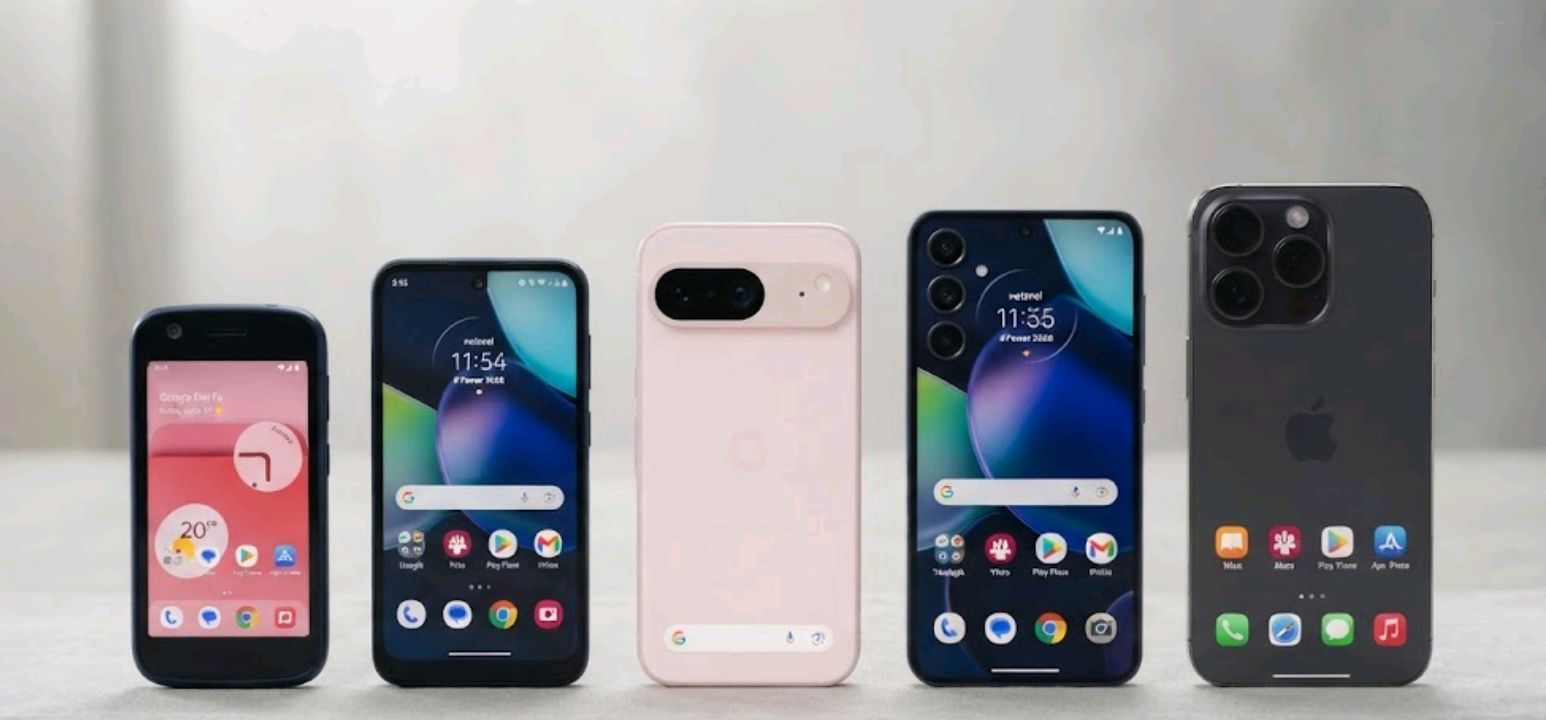
FAQ
Is a $500 phone actually worth it over a $300 one? Mostly yes, if you keep phones for three-plus years. The difference shows up in OLED vs. LCD displays, longer update windows, and noticeably better low-light photos — not in day-one performance, which is closer than people expect.
Which phone under $500 has the best camera? The Google Pixel 9a, mainly due to Tensor’s computational photography pipeline in low light rather than raw sensor size — daylight shots are much closer across the board.
Which phone under $500 lasts the longest before feeling outdated? Whichever one has the longest update commitment — Pixel’s seven years leads this bracket, with Samsung’s six years close behind. A phone with fast charging and a great screen still feels old fast if security patches stop.
Is there a new iPhone under $500? Not currently. Apple’s cheapest current iPhone is the 16e at $599. The only sub-$500 iOS option is a certified refurbished iPhone SE (3rd generation).
Are grey-market phones in Nigeria a bad idea? Not automatically, but confirm the warranty terms, check that the unit isn’t region-locked, and test dual-SIM and 5G band compatibility with your carrier before you commit to a purchase.
Should I wait for a sale instead of buying at full price? If you can wait, yes — several phones on this list have dropped below their launch price within months of release, and the specs don’t change while you wait.

Comments 0
Leave a comment