Table of Contents
Open Table of Contents
- Overview
- The current Nothing lineup at a glance
- Nothing Phone (3): the one to get if you want Nothing’s real flagship
- Nothing Phone (4a) Pro: the fastest and best-built phone in the “a” range
- Nothing Phone (4a): the sensible default
- CMF Phone 2 Pro: capable cameras on a strict budget
- Nigeria pricing and buying cautions
- Software support
- Quick picks
- FAQ
Overview
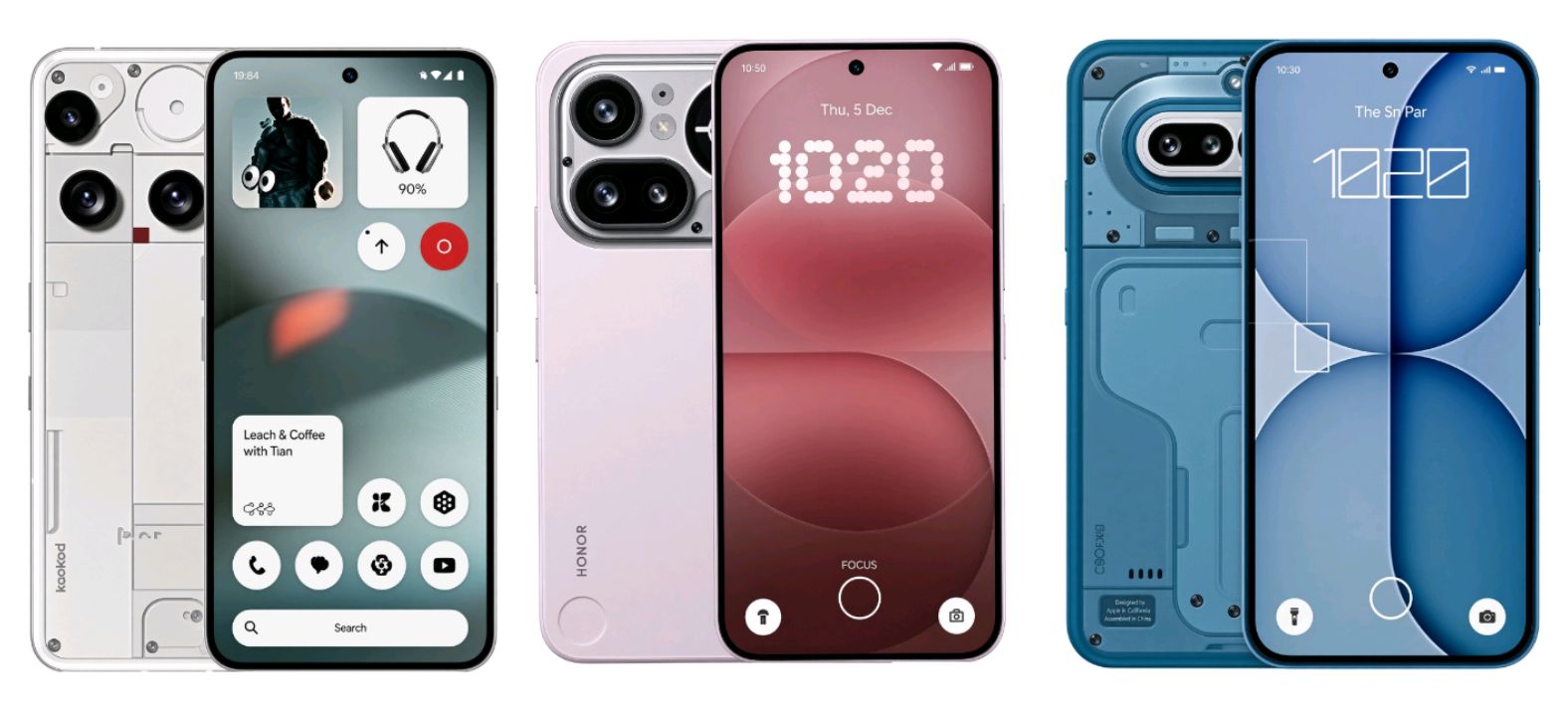
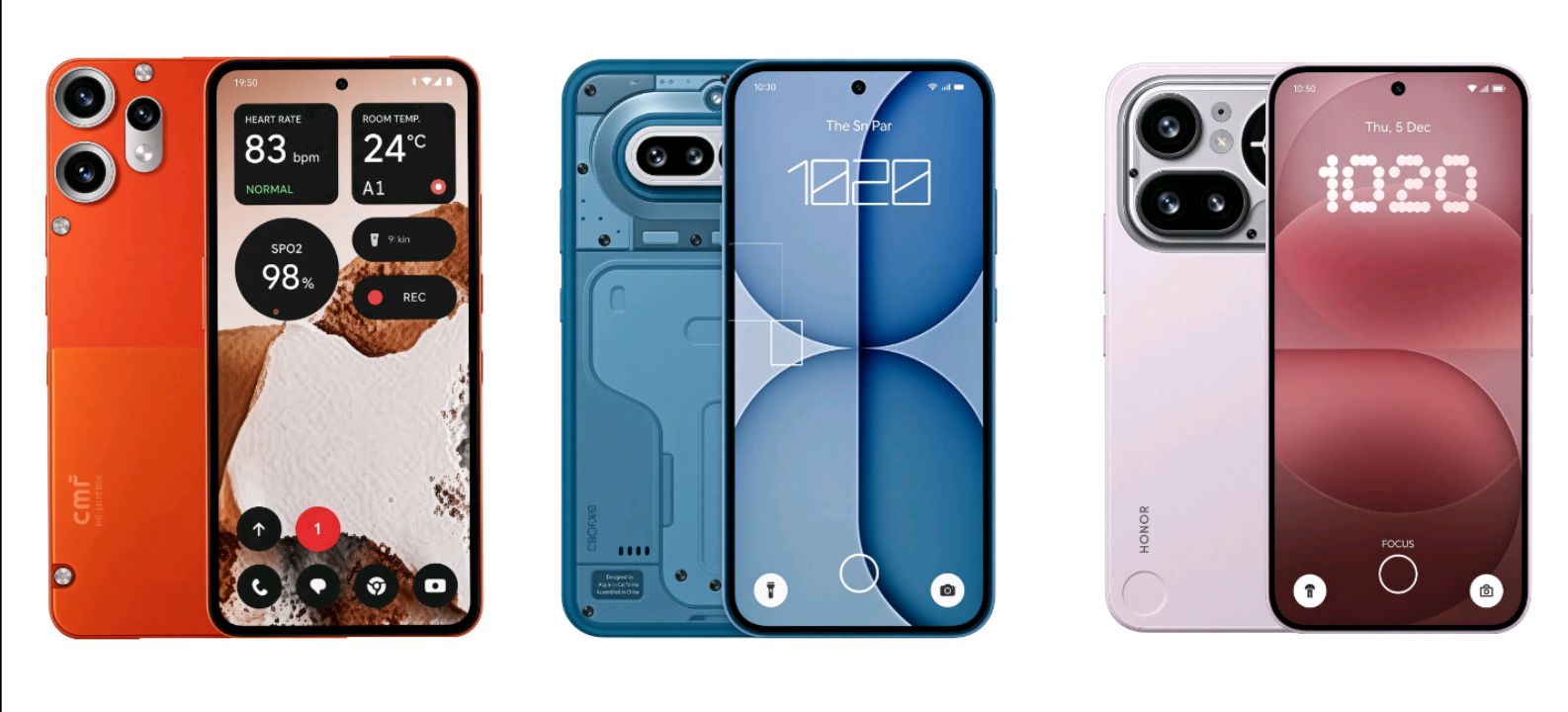
Nothing’s lineup has become more complicated. The company now has four current phones on shelves at once — two of them share the “4a” name, while the CMF Phone 2 Pro overlaps with them on price and features. If you’ve landed on Nothing’s website trying to figure out whether you want the Phone (3), the Phone (4a) Pro, the plain Phone (4a), or the budget CMF Phone 2 Pro, you’re not alone — they all share a similar design language and, in some cases, near-identical camera hardware, which makes the real differences easy to miss.
This guide breaks down what actually separates them, using Nothing’s own listed specs and reviews from GSMArena, TechRadar, and PhoneArena, so you can match a model to your budget and how you use your phone.
The current Nothing lineup at a glance
| Model | Launch price | Chipset | Display | Battery | Cameras | IP rating | Best for |
|---|---|---|---|---|---|---|---|
| Nothing Phone (3) | $799 / $899 | Snapdragon 8s Gen 4 | 6.67” 120Hz LTPO AMOLED | 5,150mAh, 65W wired | 50MP main + 50MP 3x periscope + 50MP ultrawide | IP68 | Flagship-focused buyers |
| Nothing Phone (4a) Pro | $499 | Snapdragon 7 Gen 4 | 6.83” 144Hz AMOLED | 5,080mAh, 50W wired | 50MP main + 50MP 3.5x periscope + 8MP ultrawide | IP65 | Fastest chipset and best build in the “a” range |
| Nothing Phone (4a) | $349–$499 depending on config | Snapdragon 7s Gen 4 | 6.78” 120Hz AMOLED | 5,080mAh, or 5,400mAh in India, 50W wired | 50MP main + 50MP 3.5x periscope + 8MP ultrawide | IP64 | Best balance of price and features |
| CMF Phone 2 Pro | Sub-$300 in most markets | MediaTek Dimensity 7300 Pro | 6.77” 120Hz AMOLED | 5,000mAh, 33W wired | 50MP main + 50MP 2x telephoto + 8MP ultrawide | IP54 | Strict budget buyers |
Pricing above reflects official global launch figures, sourced to Nothing’s own spec pages and confirmed by GSMArena; regional retailers and import channels often price these differently, which matters a lot if you’re buying in Nigeria — more on that further down.
Nothing Phone (3): the one to get if you want Nothing’s real flagship
The Phone (3) is Nothing’s flagship-level phone, and it’s priced accordingly. It runs a Snapdragon 8s Gen 4 rather than a top-tier Snapdragon 8 Elite, so it isn’t chasing raw benchmark numbers — TechRadar’s and PhoneArena’s reviews both landed on “flagship-adjacent” rather than class-leading performance, largely because of that chipset choice. What it does bring that nothing else in the lineup has is the Glyph Matrix, a small dot-matrix display on the back for notifications, timers, and mini-games, plus a camera system built around a dedicated 3x periscope zoom lens.
If your priority is having the most complete version of what Nothing is trying to build — best display, wireless charging, IP68 rating — this is the one. If $799 feels steep for a phone that still doesn’t use a top-tier chipset, the rest of the lineup exists for a reason.
Nothing Phone (4a) Pro: the fastest and best-built phone in the “a” range
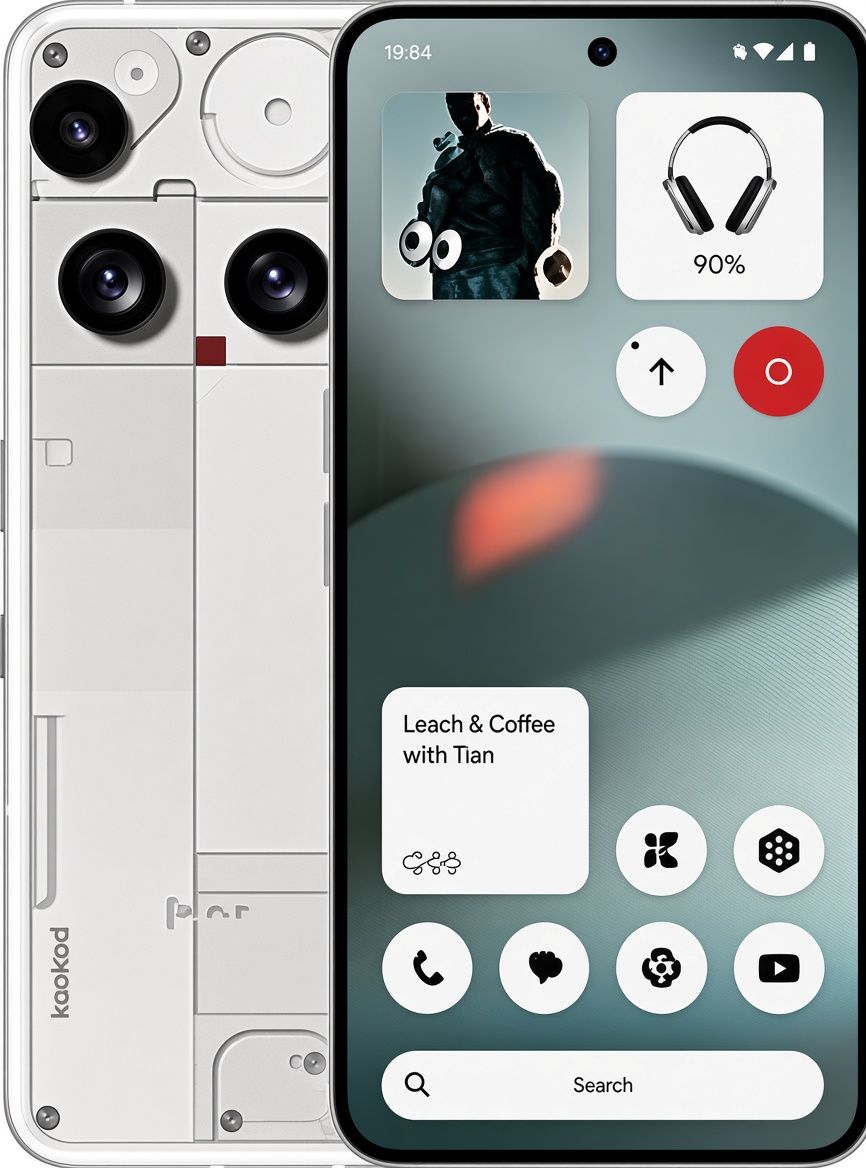
The (4a) Pro is the pick for buyers who want most of what makes the Phone (3) appealing without the flagship price. It’s worth being precise about what actually separates it from the standard Phone (4a), since both share the same core triple-camera setup — a 50MP main sensor, a 50MP telephoto with 3.5x optical zoom, and an 8MP ultrawide, confirmed on Nothing’s own product pages. The real differences are under the hood and on the outside: the Pro runs a full-fat Snapdragon 7 Gen 4 rather than the “s” variant, drives a 144Hz display versus 120Hz, and swaps the standard model’s glass back for an aircraft-grade aluminum unibody with a higher IP65 rating.
Battery life reviews have been mixed on this one. TechRadar’s review found real-world video-playback endurance came in noticeably under Nothing’s own estimate, so treat the marketing battery figures as a ceiling rather than a guarantee.
If you’re also comparing folding form factors before you commit to a slab phone, our Motorola Razr vs. Samsung Galaxy Z Flip comparison is worth a look, and if you’ve been eyeing non-Nothing alternatives entirely, our breakdown of Huawei’s Pura, Mate, and Nova series covers a very different set of trade-offs at similar price points.
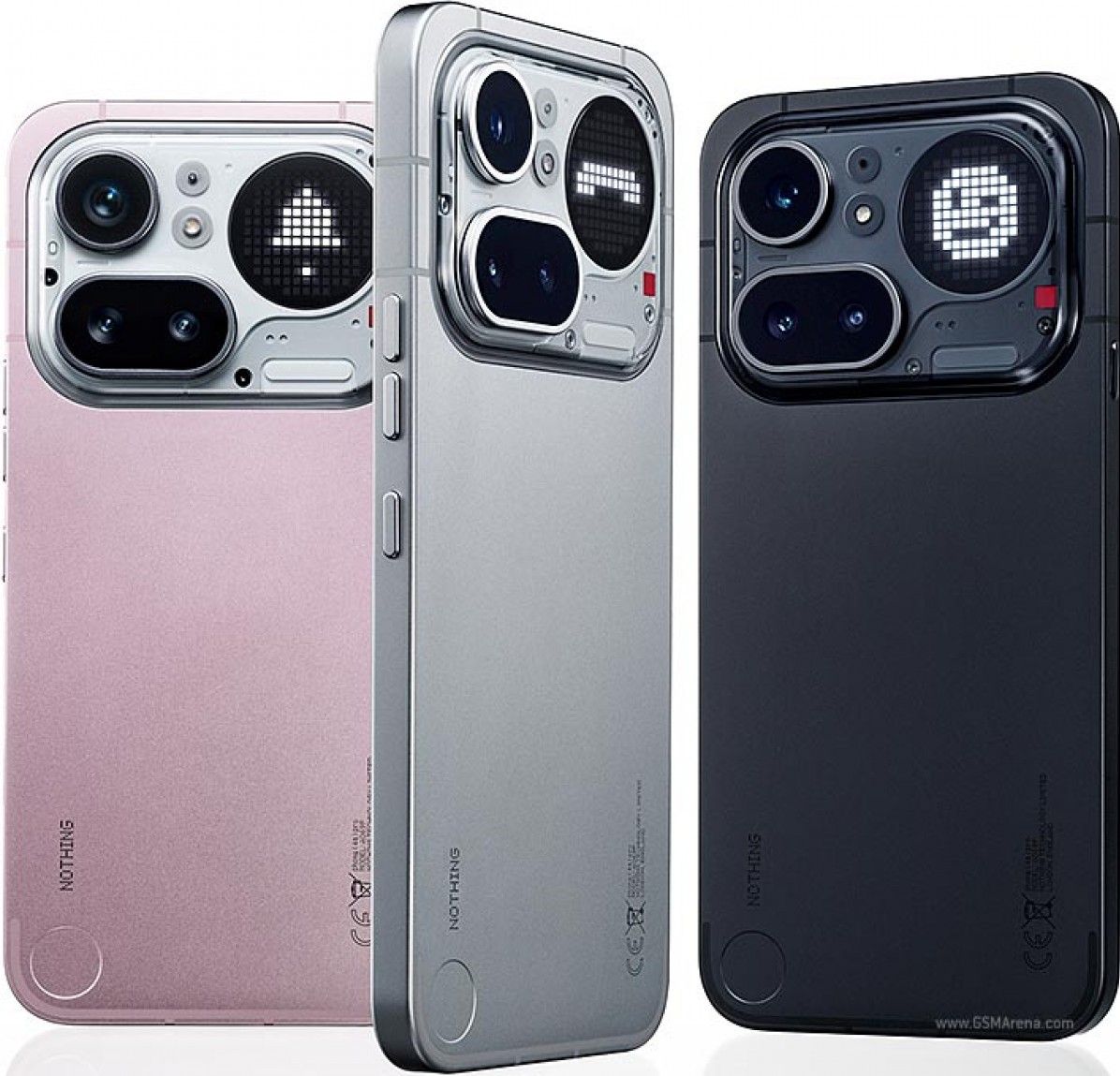 Image credit: GSMArena
Nothing Phone (4a): the sensible default
This is where the earlier claim that the (4a) “trims the metal body for polycarbonate” needs correcting — that’s not accurate. The standard Phone (4a) actually moves to a glass back (Gorilla Glass 7i on both front and back) rather than the Pro’s aluminum unibody, and it carries a lower IP64 rating instead of the Pro’s IP65. It keeps the same 120Hz AMOLED panel size class, the same basic triple-camera setup as the Pro — including the 3.5x periscope telephoto — and a nearly identical battery.
Given how close the camera and everyday performance are between the two “a” models, GSMArena’s and PhoneArena’s reviews of the standard (4a) both concluded it’s the more sensible buy for most people, since the Pro’s extra cost mainly buys a faster chipset, a higher refresh rate, and a tougher build rather than a materially better photography experience.
CMF Phone 2 Pro: capable cameras on a strict budget
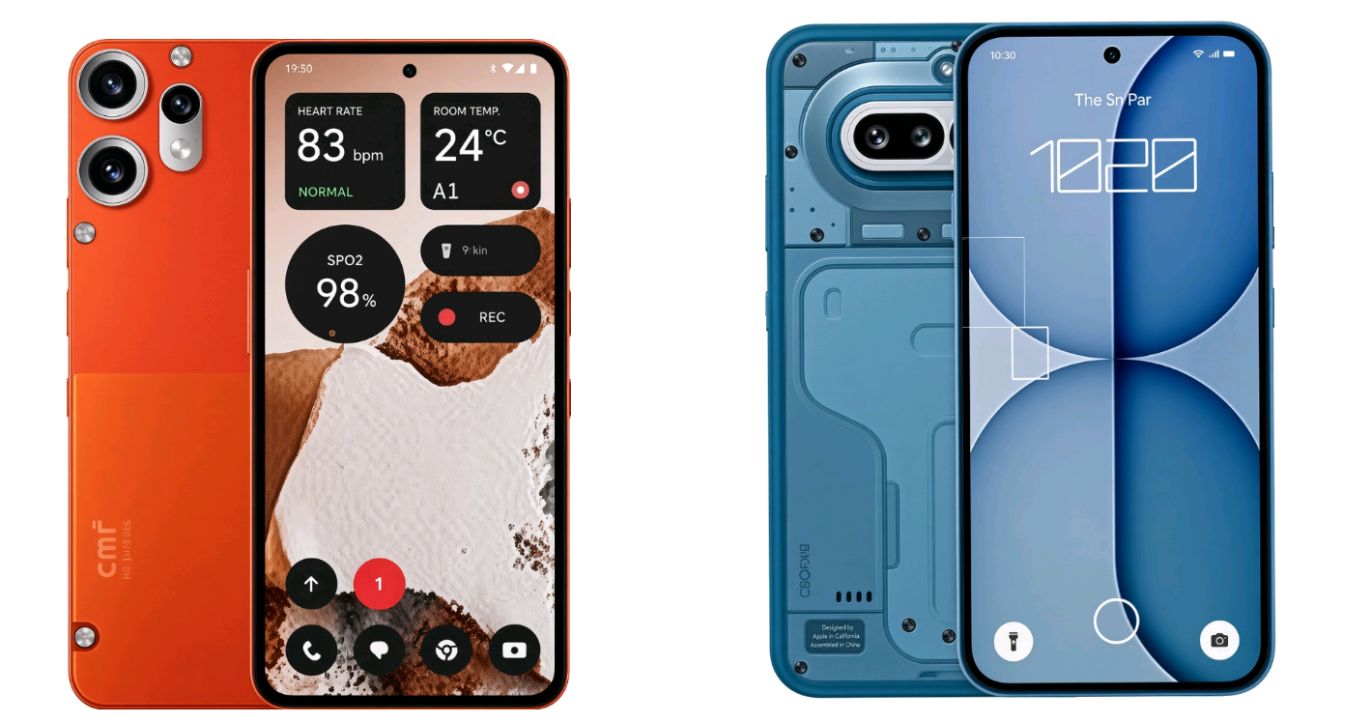
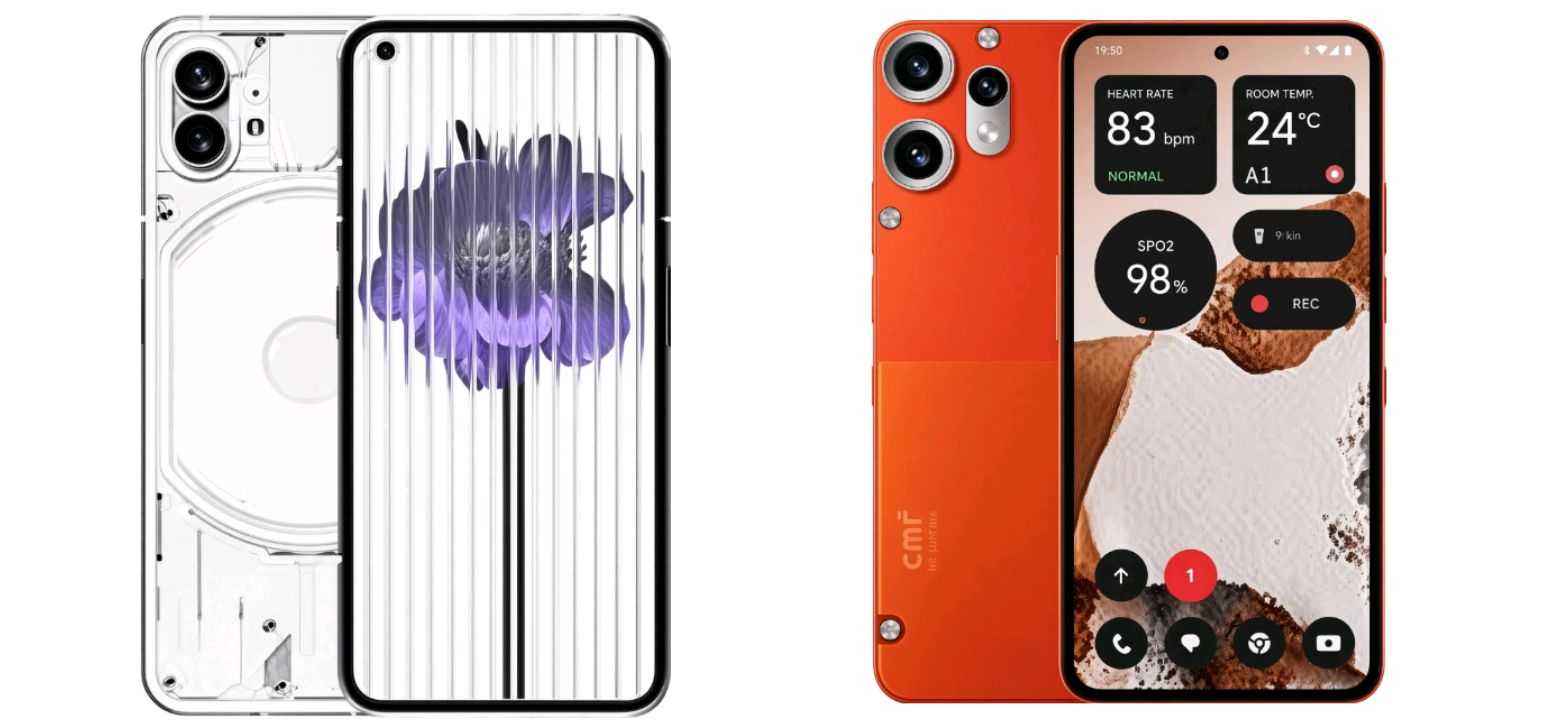
CMF is Nothing’s budget sub-brand, and the Phone 2 Pro is the cheapest way into Nothing’s wider phone ecosystem — while still being part of it, not a stripped-down imitation of it. It runs a MediaTek Dimensity 7300 Pro instead of a Qualcomm chip, charges at a slower 33W, and carries a lower IP54 rating with no Glyph interface. But its camera system punches above its price: a 50MP main sensor paired with a genuine 50MP 2x optical telephoto and an 8MP ultrawide, confirmed by Nothing’s specifications and GSMArena’s review — a setup Tom’s Guide’s review specifically called out as unusually capable telephoto performance for the price. Its 5,000mAh battery is only marginally smaller than the 5,080mAh cell in the standard Phone (4a), not a meaningful gap in practice.
Nigeria pricing and buying cautions
None of these phones has an official Nigerian retail launch, so everything sold locally comes through import or grey-market channels, and listed naira prices vary widely between platforms — sometimes by several hundred thousand naira for the same model. Because these models aren’t officially sold through Nothing’s Nigerian retail channel, imported units can cost considerably more than their converted dollar prices once shipping, seller margins, and taxes are factored in — so treat the $349/$499/$799 launch figures earlier in this guide as a starting reference point, not what you’ll actually pay locally. If you’re buying locally:
- Confirm whether the unit is Global ROM or a regional variant, since some Nothing OS features and Google app support differ by region.
- Check band compatibility with your network before paying, particularly for 5G.
- Buy from a seller offering a real return window, and verify IMEI status before handing over payment.
- Treat any single listed naira price as a starting point for negotiation rather than a fixed market rate — cross-check a few listings first.
Software support
This isn’t one universal policy across the lineup, so it’s worth checking per model rather than assuming. As listed on Nothing’s own product pages, the Phone (4a) currently carries 3 years of major Android OS updates and 6 years of security patches, and the CMF Phone 2 Pro carries the same 3-year OS / 6-year security commitment. Always confirm current terms on Nothing’s site before buying, since update policies have shifted across generations. For more on how update policies compare across brands, see our guide on how long Samsung phones get updates.
Quick picks
| If you want… | Get this |
|---|---|
| The most complete Nothing experience, budget aside | Nothing Phone (3) |
| The fastest chipset and toughest build in the “a” range | Nothing Phone (4a) Pro |
| The best balance of price and performance | Nothing Phone (4a) |
| The lowest entry cost into the ecosystem, with a surprisingly capable camera | CMF Phone 2 Pro |
| The most distinctive design gimmick (Glyph Matrix) | Phone (3) or Phone (4a) Pro |
FAQ
Is the Nothing Phone (3) worth $799 in 2026? It depends on what you’re comparing it to. Against other true flagships, it’s competitively priced but doesn’t use a top-tier chipset, so benchmark-focused buyers may prefer a Snapdragon 8 Elite phone at a similar price. Against Nothing’s own lineup, it’s the only model with the full Glyph Matrix and a 3x periscope camera.
What’s actually different between the Phone (4a) and Phone (4a) Pro? Less than you might expect on paper. Both share the same basic triple-camera setup, including the 3.5x periscope telephoto. The real gaps are the chipset (Snapdragon 7 Gen 4 vs. 7s Gen 4), the display refresh rate (144Hz vs. 120Hz), the build (aluminum unibody vs. glass back), and IP rating (IP65 vs. IP64).
Does the CMF Phone 2 Pro run the same software as the Nothing Phone line? It runs Nothing OS, but on a MediaTek chipset rather than Qualcomm, so some performance-dependent features can differ. Its update commitment currently matches the Phone (4a)‘s: 3 years of OS updates and 6 years of security patches.
Can I get 5G on all of these in Nigeria? All four support 5G on paper, but actual usability depends on whether the specific unit’s band support matches Nigerian network frequencies, which is worth confirming with the seller before purchase.
Which Nothing phone has the best camera? The Phone (3) and Phone (4a) Pro/Phone (4a) all use a periscope telephoto, so zoom performance is closer across the range than you’d expect from the price gaps. The CMF Phone 2 Pro’s 2x telephoto is a step down in reach but still unusually capable for its price tier.
Pricing and specifications reflect official launch figures from Nothing’s product pages and GSMArena, and are subject to change. Grey-market and import pricing in Nigeria varies by seller and should be independently verified before purchase.

Comments 0
Leave a comment