Table of Contents
Open Table of Contents
Overview
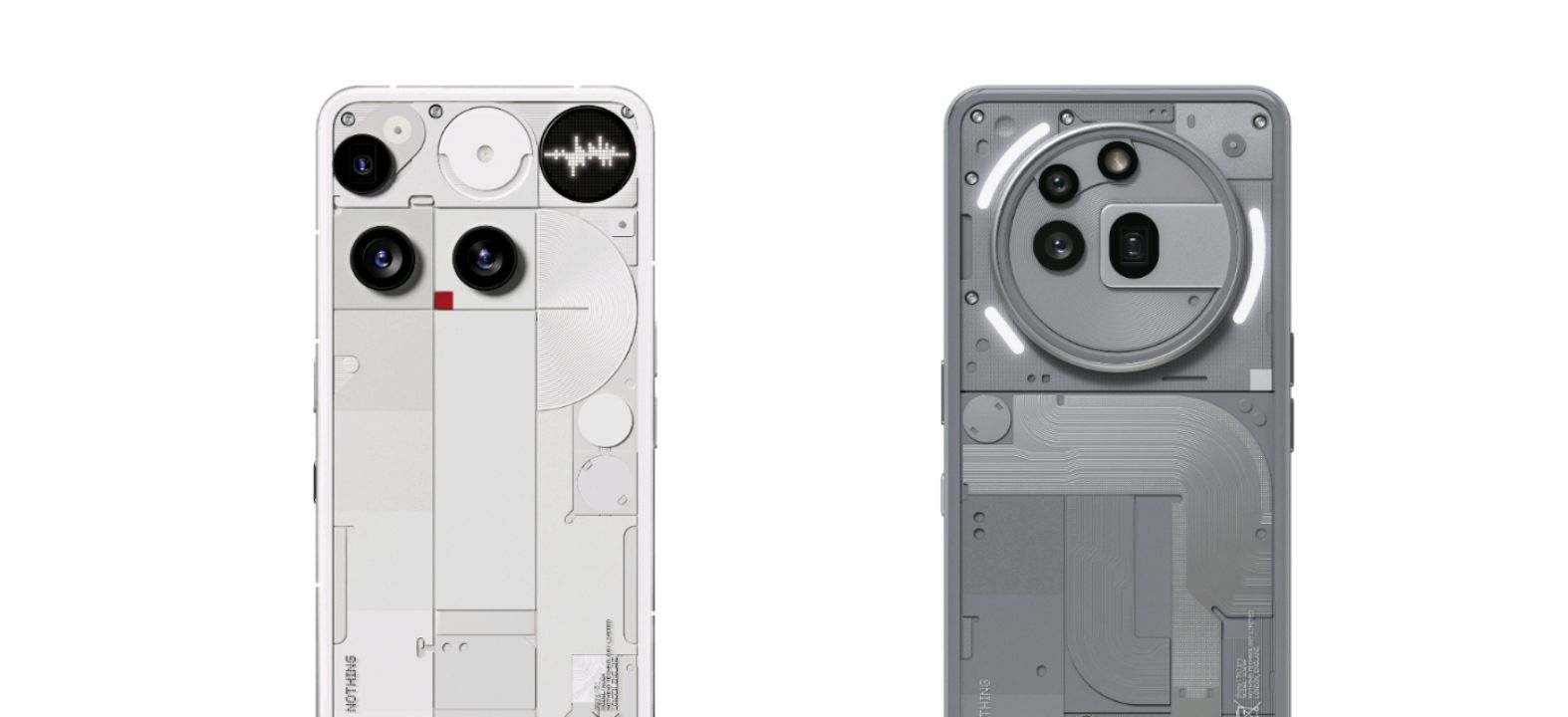
If you’ve spent any time browsing Nothing’s lineup, you’ve probably noticed the naming can be a little misleading. The “Phone (3a) Pro” sounds like it should sit right underneath the Phone (3), maybe a notch down in specs but close in spirit. In practice, the gap is much wider than the names imply. The Phone (3) was positioned as Nothing’s flagship at launch, while the Phone (3a) Pro sits in the company’s more affordable mid-range tier, sharing a design language and one standout camera without the flagship internals.
This isn’t a “which is prettier” comparison — both phones have that unmistakable transparent-glyph look. It’s about what you’re actually paying for, and whether the extra cost of the Phone (3) buys you something you’ll notice in daily use, or something that only matters on a spec sheet.
Nothing Phone (3) vs Phone (3a) Pro: Spec Comparison Table
| Spec | Nothing Phone (3) | Nothing Phone (3a) Pro |
|---|---|---|
| Release | July 2025 | March 2025 |
| Starting US MSRP | $799 (12GB/256GB); $899 for 16GB/512GB | $459 |
| Display | 6.67” AMOLED, 120Hz, 2800×1260, 4,500 nits peak | 6.77” AMOLED, 120Hz, 1080×2392, 3,000 nits peak |
| Chipset | Qualcomm Snapdragon 8s Gen 4 | Qualcomm Snapdragon 7s Gen 3 |
| RAM / Storage | 12GB/256GB, 16GB/512GB | 12GB/256GB |
| Main camera | 50MP, f/1.7, OIS (OmniVision OV50H) | 50MP, f/1.88, OIS (Samsung ISOCELL GNJ) |
| Telephoto | 50MP periscope, 3x optical, OIS | 50MP periscope, 3x optical (70mm), OIS |
| Ultrawide | 50MP, f/2.2 | 8MP, f/2.2 |
| Front camera | 50MP, fixed focus | 50MP, f/2.2 |
| Battery | 5,150mAh silicon-carbon | 5,000mAh |
| Charging | 65W wired, 15W wireless, reverse wireless | 50W wired, no wireless |
| Build | Glass back (Gorilla Glass Victus), aluminum frame | Glass back, plastic frame with aluminum accents |
| IP rating | IP68 | IP64 |
| Software support | 5 years OS updates, 7 years security patches | 3 years OS updates, 6 years security patches |
| Weight | 218g | 211g |
Specs verified against GSMArena’s Phone (3) review and GSMArena’s Phone (3a) Pro review, cross-checked against PhoneArena’s spec database. Note that the prices above reflect US launch MSRP only — regional pricing (UK, EU, India) varied at launch and differs further once currency conversion and import costs are factored in, which matters most for the Nigeria pricing section further down.
Where the Phone (3) actually pulls ahead
The chipset is the biggest gap. The Snapdragon 8s Gen 4 in the Phone (3) is a substantially higher-performance chip than the Snapdragon 7s Gen 3 in the Phone (3a) Pro, which handles everyday tasks fine but isn’t built for sustained heavy gaming or intensive multitasking. The performance gap is substantial: independent benchmark testing from outlets like PhoneArena and GSMArena consistently shows the Phone (3) considerably ahead in raw CPU and GPU throughput, particularly for demanding games and sustained workloads.
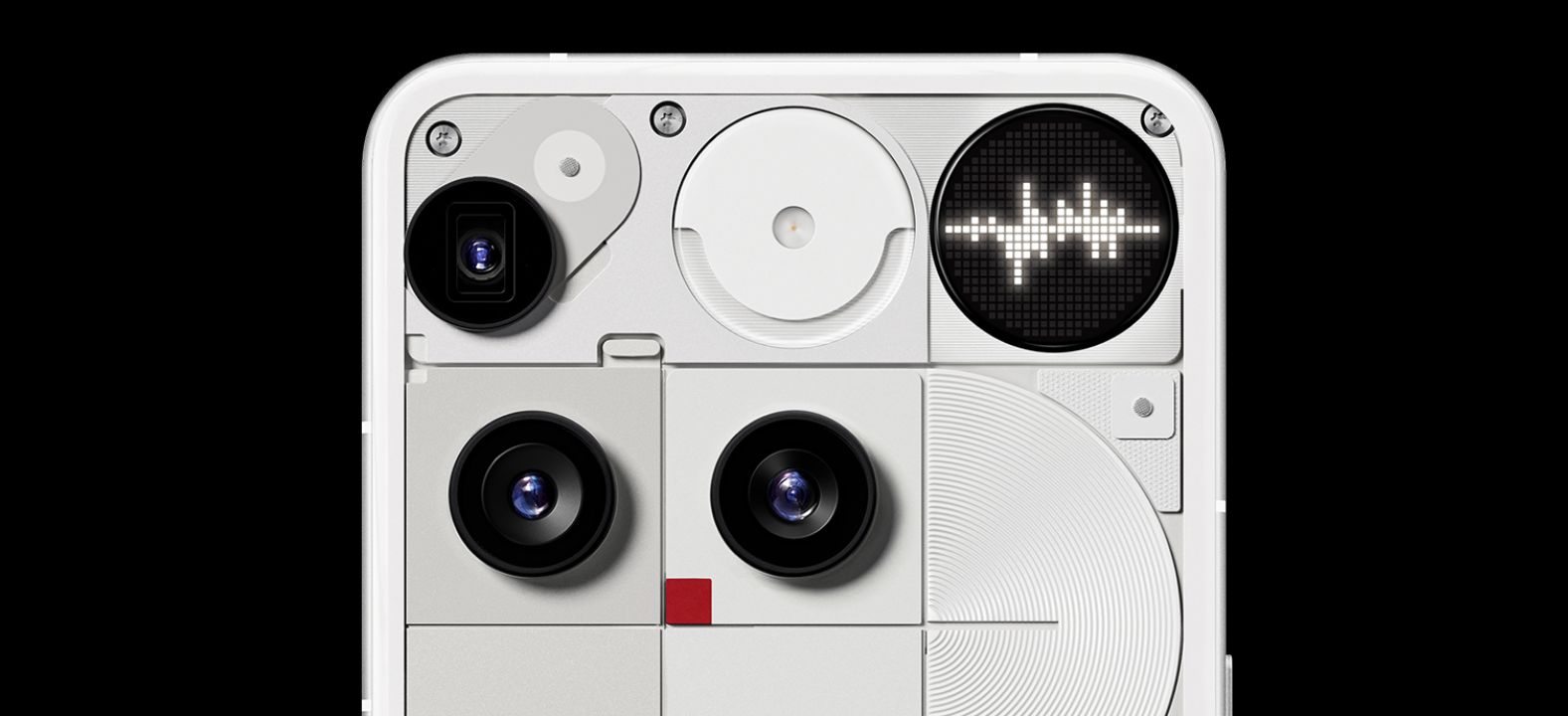
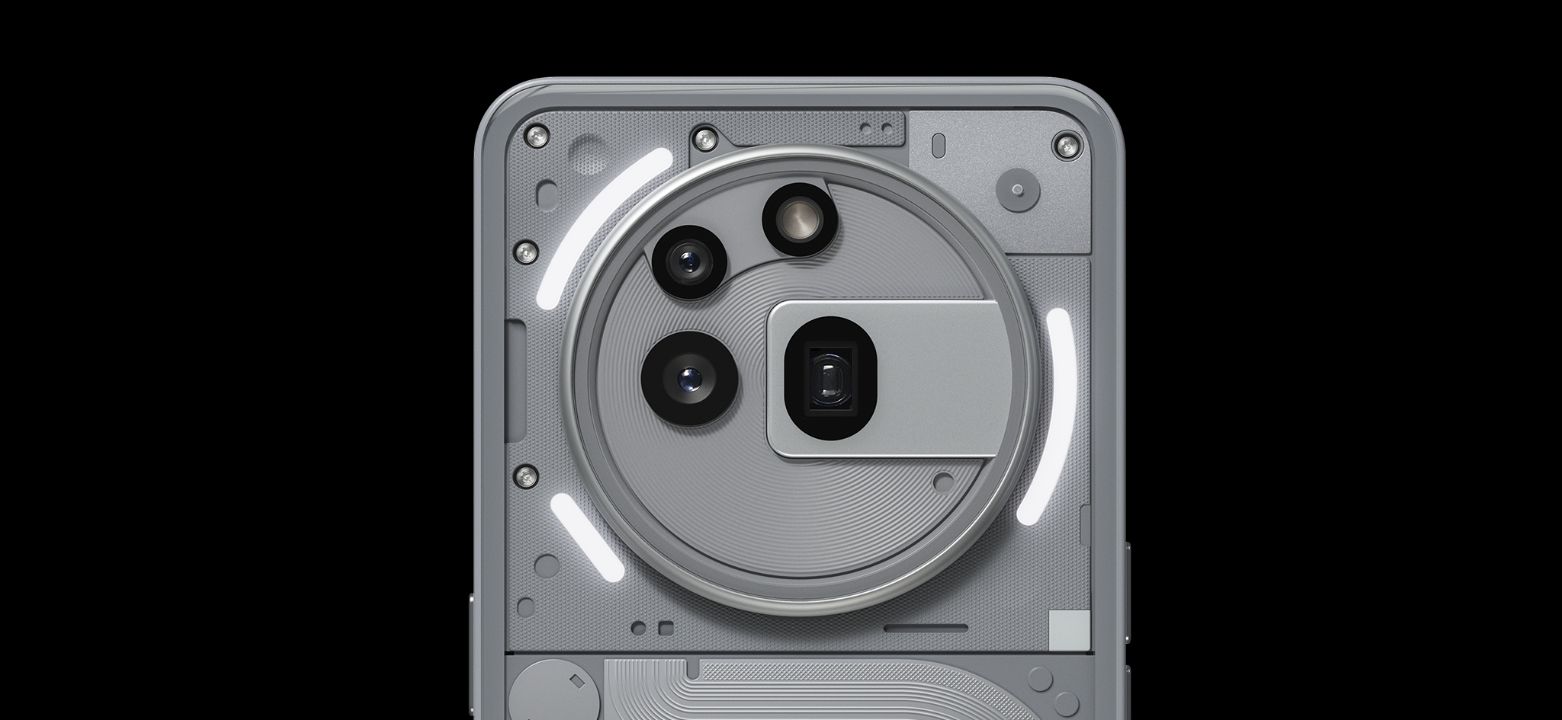
The Phone (3)‘s camera system is also a step up in a way that isn’t obvious from megapixel counts alone. Both phones use 50MP sensors across most of their arrays, and the periscope telephotos are similar on paper — both are 50MP with 3x optical zoom and OIS. Where they genuinely diverge is the ultrawide: the Phone (3) uses a full 50MP ultrawide sensor, while the Phone (3a) Pro’s is only 8MP. That matters most in low light, where the Phone (3a) Pro’s ultrawide shots get noticeably noisier. If camera versatility across all three lenses matters to you more than just the telephoto, this is the difference that shows up in real photos — something we go into more detail on in our roundup of Nothing’s best camera phones.
Build quality and durability are the other clear wins. The Phone (3)‘s aluminum frame and IP68 rating give it substantially stronger dust and water resistance than the Phone (3a) Pro’s IP64 rating. If you’re rough on phones or live somewhere humid and dusty, that difference is worth paying for on its own.
Software longevity is a quieter but genuinely important gap. Nothing confirmed the Phone (3) gets five years of Android OS updates and seven years of security patches — the longest commitment in the company’s history — while the Phone (3a) Pro is promised three years of OS updates and six years of security patches, per Android Authority’s reporting. Two extra years of major Android versions is a real difference if you plan to keep the phone for a while.
Where the Phone (3a) Pro holds its own
Here’s the twist: the Phone (3a) Pro’s periscope telephoto camera is similar on paper to the Phone (3)‘s — both are 50MP, 3x optical zoom, with OIS. Nothing didn’t downgrade the zoom camera for the more affordable model, which is unusual and worth knowing if long-range shots are your priority. It’s the main and ultrawide cameras where the gap actually opens up, not the telephoto.
The display is also arguably better suited to media consumption at a glance — the Phone (3a) Pro’s 6.77-inch panel is slightly larger, though the Phone (3)‘s sharper 2800×1260 resolution and higher 4,500-nit peak brightness give it an edge in pixel density and bright outdoor viewing.
And obviously, the price gap is enormous. At $459 versus $799 starting US MSRP, the Phone (3a) Pro costs roughly 43% less while retaining much of the same Nothing OS experience, Glyph design, and overall design philosophy. For anyone who isn’t gaming heavily or shooting a lot of low-light ultrawide shots, that’s a hard value proposition to argue against.
Quick Picks
| If you want… | Go with |
|---|---|
| The strongest overall performance and camera versatility | Nothing Phone (3) |
| Water resistance you can actually rely on | Nothing Phone (3) |
| The best value for the design and telephoto camera | Nothing Phone (3a) Pro |
| Longer-term software support | Nothing Phone (3) |
| A phone under $500 that still feels premium | Nothing Phone (3a) Pro |
If you’re still weighing this against Nothing’s wider lineup, our guide on which Nothing phone is right for you breaks down how the Phone (4a) and Phone (4a) Pro fit into the picture too. And if battery life is your main deciding factor rather than camera or performance, it’s worth checking our breakdown of Nothing’s longest-lasting battery phones before you commit.
Nigeria pricing and buying notes
Nothing does not currently have a dedicated official retail storefront in Nigeria, so Nigerian buyers will generally encounter these phones through importers and online resellers. Pricing varies widely between listing sites and shifts with the exchange rate — using a rough ₦1,450/$1 reference (per NgnRates.com, early September 2026), the Phone (3) tracks toward the ₦1.1M–₦1.3M range and the Phone (3a) Pro toward ₦650,000–₦750,000, but treat these as rough estimates rather than fixed prices, since individual seller markups vary considerably.
Before buying either one through an importer, pay close attention to the seller, the regional variant, and the warranty terms. Confirm the unit is an official international/Global variant with the expected Google services and network-band support. Imported units can also carry different warranty coverage than what Nothing offers in its official markets, so it’s worth asking the seller directly what’s covered before you buy.
If you’re comparing options outside the Nothing ecosystem entirely, it’s also worth looking at how these stack up against phones like the OnePlus lineup or Google’s Pixel phones, both of which compete in similar price brackets with different software philosophies.
FAQ
Is the Nothing Phone (3a) Pro basically a cheaper Phone (3)? Not exactly. They share a similar telephoto camera and design language, but the Phone (3) has a genuinely faster chipset, a better ultrawide camera, stronger water resistance, and longer software support. The Phone (3a) Pro is more accurately its own mid-range device that happens to borrow some flagship-tier camera hardware.
Does the Phone (3a) Pro’s camera come close to the Phone (3)‘s? For the main and telephoto cameras, the gap is smaller than the overall price difference suggests. The more obvious difference is the ultrawide, where the Phone (3)‘s 50MP sensor gives it considerably more hardware headroom than the Phone (3a) Pro’s 8MP unit, especially in low light.
Which one is better for gaming? The Phone (3), by a clear margin. The Snapdragon 8s Gen 4 handles demanding titles with more consistent frame rates than the Phone (3a) Pro’s Snapdragon 7s Gen 3, particularly during sustained sessions.
Is the price difference worth it? It depends on your priorities. If you want the best possible performance, camera versatility, and durability, the Phone (3) justifies its price. If you mainly care about design, a capable telephoto camera, and keeping costs down, the Phone (3a) Pro delivers most of that experience for significantly less.
Can I buy either phone officially in Nigeria? Not directly from Nothing’s own storefront. Nigerian buyers generally have to rely on importers or online resellers, so pricing and warranty terms vary by seller.
This comparison is based on manufacturer specifications and testing data from GSMArena, PhoneArena, and Android Authority. Pricing figures for Nigeria are estimates based on grey-market import trends and should be verified with individual sellers before purchase.

Comments 0
Leave a comment