Table of Contents
Open Table of Contents
Overview
Somewhere along the way, “battery life” turned into a marketing number instead of a real-world promise. Every Infinix launch page brags about mAh figures, standby-day claims, and “AI power-saving” buzzwords, but anyone who’s actually carried one of these phones through a full workday knows the number on the box and the number in your pocket don’t always tell the same story.
So let’s look at what’s actually documented: official capacity, charging speed, and display specs for the Infinix models most associated with long battery life, and what those numbers do and don’t tell you.
A quick note before the specs: Infinix sells regional variants of the same model name with different chipsets, batteries, and charging speeds depending on the market. The figures below are drawn from the primary global listing for each device (GSMArena, the manufacturer’s own product pages, and matching third-party retailers), but if you’re buying locally, it’s worth cross-checking the exact model number against your region’s official Infinix page before assuming a spec applies to your unit.
Join ReviByte Community
Get instant alerts on new posts, phone deals, and mobile gaming updates.
Join WhatsApp ChannelWhy mAh Alone Doesn’t Tell the Whole Story
A 6,500mAh cell sounds bigger than a 5,200mAh one, and technically it is. But real-world battery life on a phone is a function of at least four things working together: capacity, screen power draw, chipset efficiency, and software optimization. A phone with a smaller battery paired with a well-tuned chipset and a modest display can plausibly last as long, or longer, than a phone with a bigger cell driving a bright, high-refresh AMOLED panel.
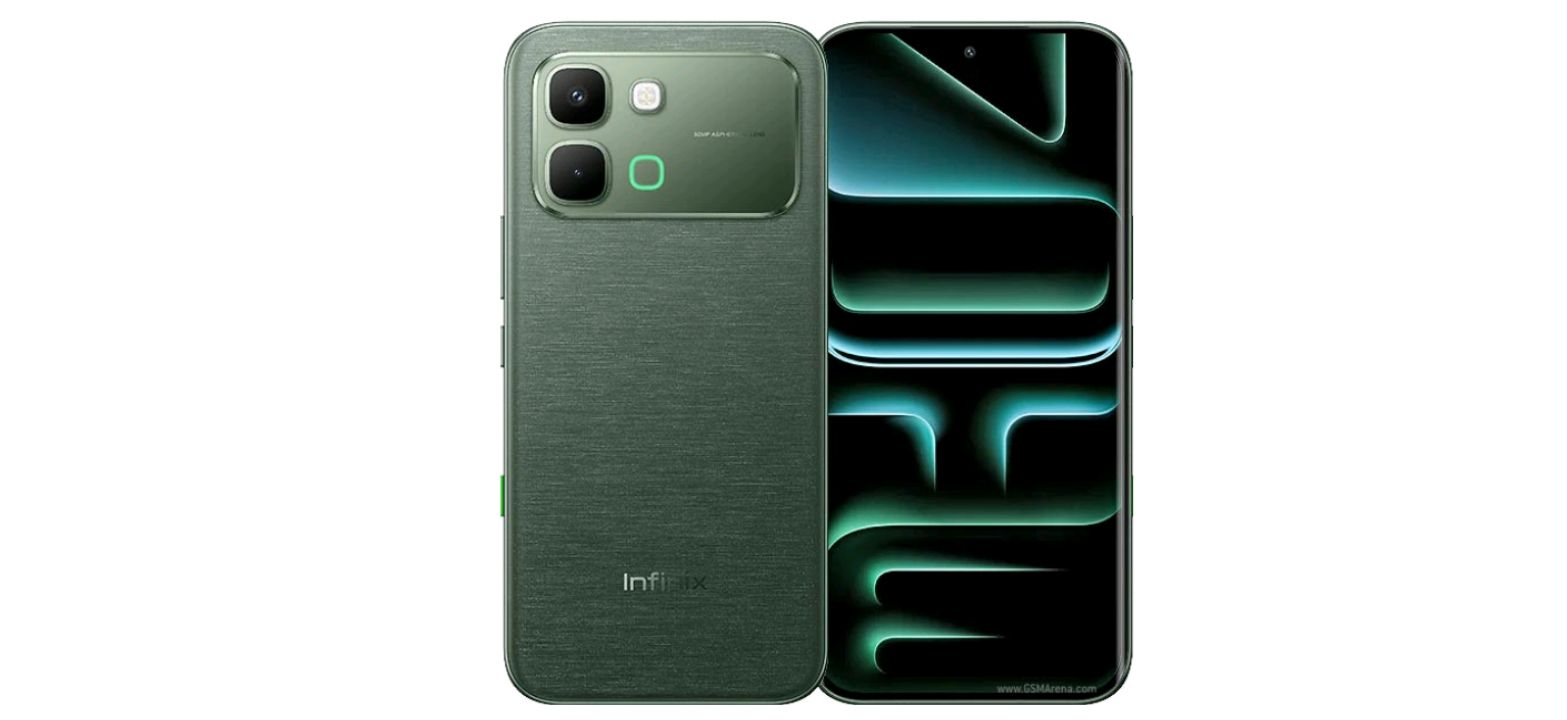
This matters across Infinix’s current lineup, because the brand pairs big batteries with very different displays depending on the model. Some lean toward efficiency, others lean toward screen quality, and the spec sheet alone won’t tell you which trade-off a given phone made.
Infinix Phones Built Around Battery Capacity
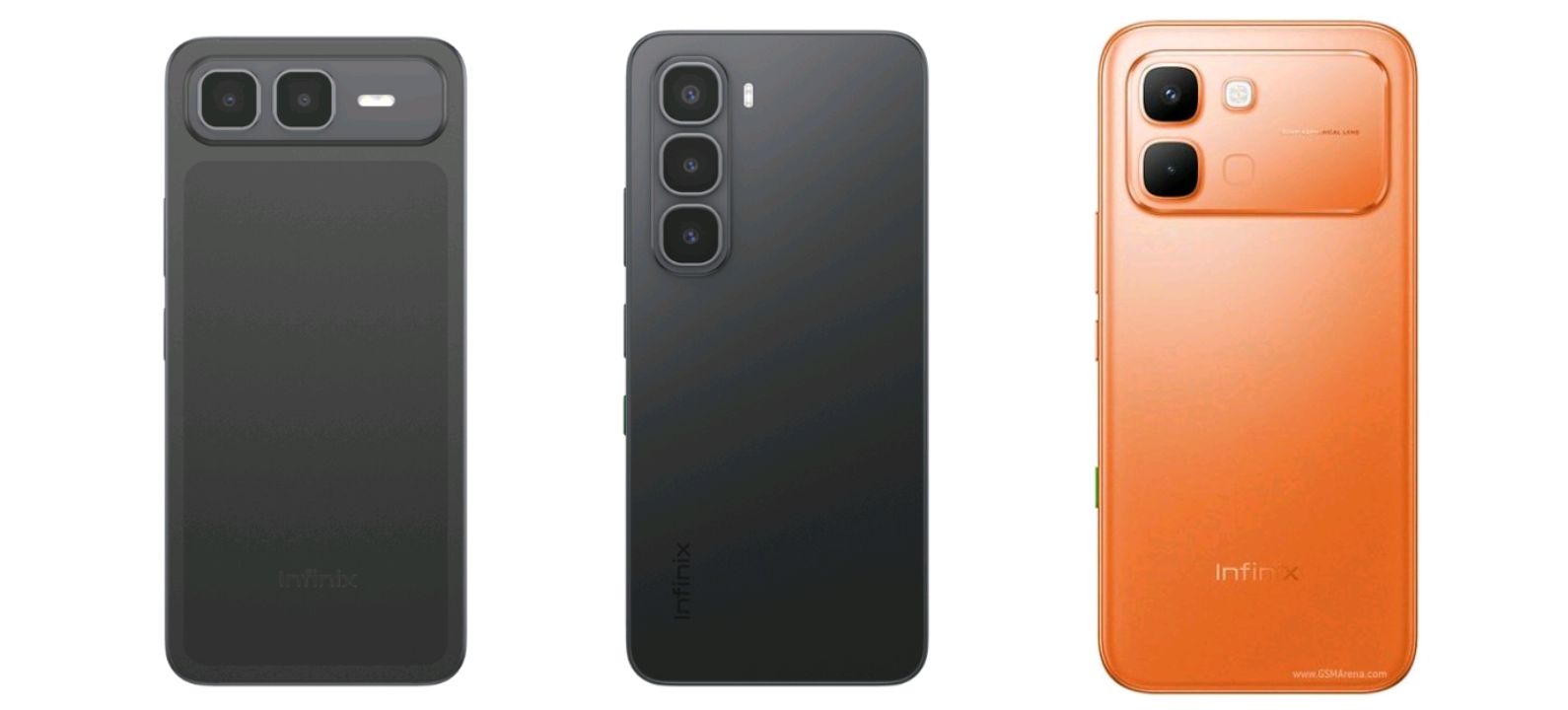
Here are five current Infinix models that illustrate the different battery approaches across the lineup, based on official and manufacturer-published specifications.
| Phone | Battery Capacity | Charging Speed | Display | What the Specs Suggest |
|---|---|---|---|---|
| Infinix Note Edge | 6,500mAh silicon-carbon cell | 45W wired | 6.78” 1.5K curved AMOLED, 120Hz, up to 4,500 nits | Largest capacity among the models compared here, but the bright curved AMOLED is a real draw on that capacity at high brightness |
| Infinix Smart 10 Plus | 6,000mAh | 18W wired | 6.67” HD+ IPS LCD, 120Hz | Large capacity paired with a lower-resolution LCD panel, a combination that can favor endurance, all else being equal |
| Infinix Hot 60i (global, Helio G81 Ultimate variant) | 5,160mAh | 45W wired | 6.7” HD+ IPS LCD, 120Hz | Mid-sized capacity with a simple LCD panel; Infinix also rates the cell for roughly 1,800 charge cycles over about five years |
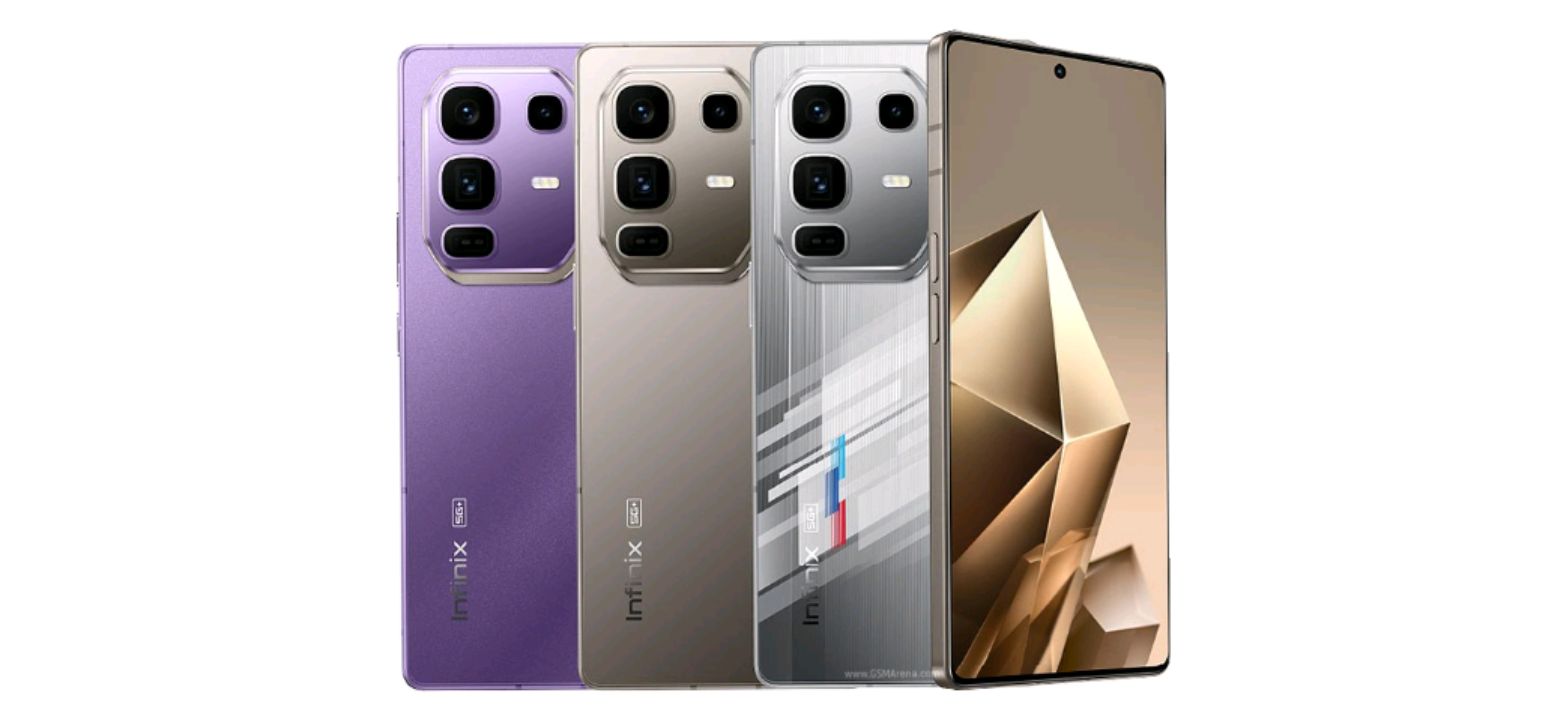
| Infinix Note 50 Pro+ | 5,200mAh | 100W wired, 50W wireless | 6.78” AMOLED, 144Hz, up to 1,300 nits | Smallest capacity here, built around fast top-ups rather than raw capacity; the 144Hz AMOLED is the more power-hungry component |
| Infinix Note 50S 5G+ | 5,500mAh | 45W wired | 6.78” AMOLED | Sits between the two approaches: AMOLED display, moderate capacity, moderate charging speed |
A pattern worth noting rather than overstating: on paper, the models pairing a large battery with a simpler LCD display are positioned more toward endurance, while the AMOLED-equipped models are positioned more toward display quality and fast charging. That’s a reasonable inference from the spec sheet, not a result from standardized battery testing, and actual runtime will depend heavily on brightness settings, refresh-rate behavior, network conditions, and how each phone’s software manages power in practice.
The Trade-Off the Spec Sheet Doesn’t Fully Capture
If you’re choosing based on battery alone, you’re generally weighing two different approaches:
- A big battery paired with a simpler display — on paper, this combination has an advantage for stretching a single charge, particularly on the Smart and Hot series.
- A big battery paired with a premium AMOLED panel — this looks and performs better, but a bright, high-refresh AMOLED can meaningfully offset the extra capacity, especially used outdoors at high brightness.
Neither is “wrong”; it depends on whether you’re optimizing for screen quality or runtime. It’s worth saying plainly that a 120Hz or 144Hz AMOLED doesn’t automatically mean worse battery life; adaptive refresh behavior, panel efficiency, chipset power draw, and software all factor in too, and Infinix doesn’t publish independent runtime test results for most of these models, so the comparison above is a specs-based read rather than a lab-verified one.
If you’re the kind of buyer who compares specs across brands rather than sticking to one ecosystem, it’s worth seeing how this same trade-off plays out elsewhere. Motorola’s phones in the $200–$300 range navigate a similar balancing act, and Vivo’s $200–$300 lineup tends to lean harder into display quality over battery size.
Battery Health Over Time Matters Too
A phone that lasts a full day out of the box but degrades quickly after a year of charge cycles isn’t really a “long battery life” phone; it just delays the problem to later in ownership. This is where cycle-durability claims matter, and it’s worth being precise about what’s actually been published rather than generalizing across battery chemistries.
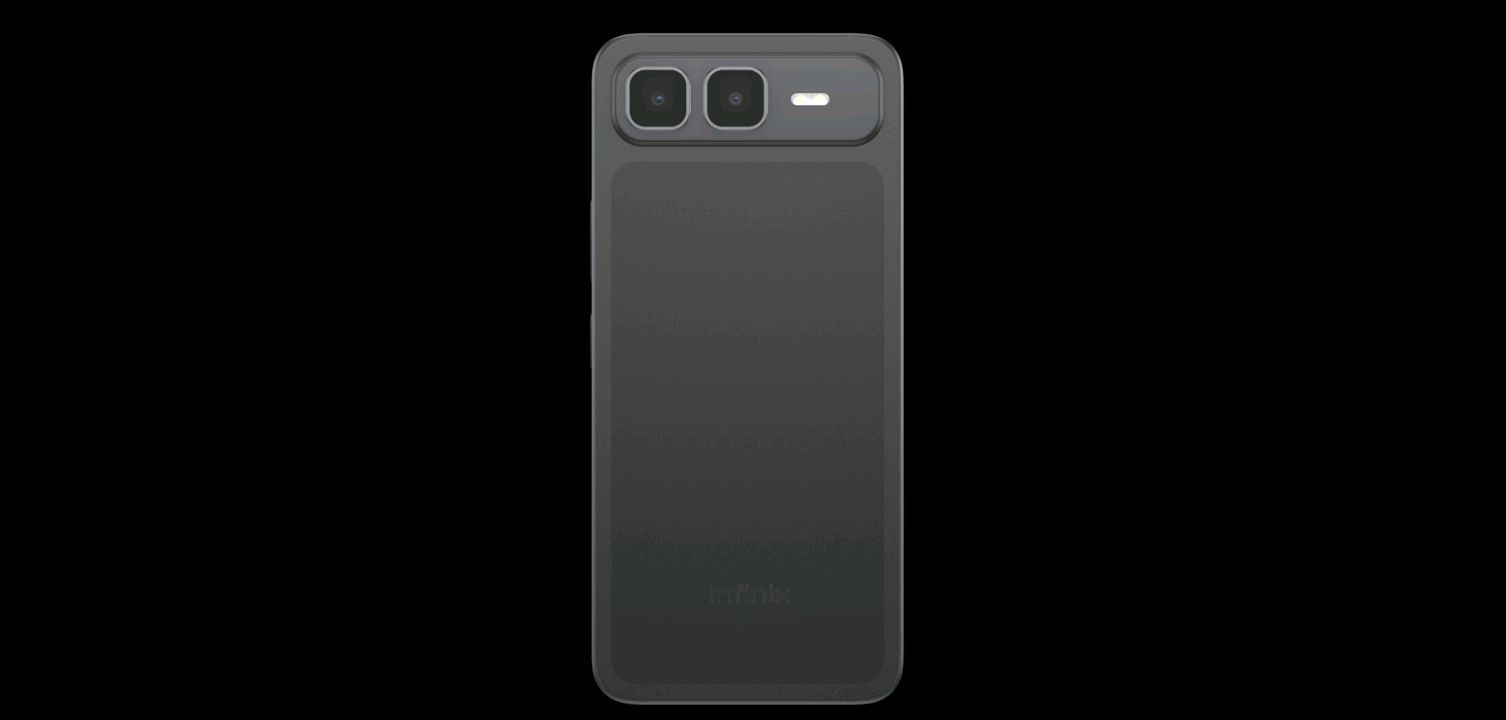
Infinix has stated that the Hot 60i’s battery is rated for roughly 1,800 charge cycles over an intended five-year lifespan, according to the phone’s official launch coverage. Separately, Infinix has described the Note Edge’s silicon-carbon cell as designed to retain over 80% health after around 2,000 charge cycles, per the manufacturer’s own product messaging. Silicon-carbon battery chemistry can, in principle, support higher energy density in a smaller footprint, but that doesn’t automatically mean every silicon-carbon cell outlasts every conventional lithium-ion cell. Actual degradation depends on the specific chemistry, charging behavior, thermal management, and how the manufacturer tuned the charging curve, so these longevity figures are best read as the manufacturer’s own claims rather than independently verified results.

If your current phone is already showing its age in other ways, such as inconsistent connectivity, don’t automatically blame the battery or hardware. It may be a network issue instead. Here’s our breakdown of why a 5G phone keeps dropping to 4G.
Quick Comparison: Which Specs Fit Each Use Case
| If you want… | Consider | Based on the Specs |
|---|---|---|
| Maximum on-paper capacity | Infinix Note Edge | Largest battery among the models compared here, though the bright curved AMOLED offsets some of that advantage |
| A simple, capacity-first setup | Infinix Smart 10 Plus | Large 6,000mAh cell paired with a modest LCD panel, a combination typically favoring endurance |
| Fast top-ups over all-day capacity | Infinix Note 50 Pro+ | 100W wired charging, smallest battery of the group, built around speed rather than raw runtime |
| A balance of AMOLED quality and capacity | Infinix Note 50S 5G+ | Moderate battery size with an AMOLED display, a middle-ground option |
| Documented cycle durability | Infinix Hot 60i or Note Edge | Both carry manufacturer-published cycle-life claims (1,800 and roughly 2,000 cycles, respectively) |
How Infinix Compares Outside Its Own Lineup
Battery-focused budget phones aren’t unique to Infinix. If you’re cross-shopping, it’s worth seeing how a mid-range Android battery pick stacks up against an older flagship, since aged flagships can lose the battery-health comparison even if their original capacity was larger, as shown in this iPhone 13 Pro Max vs Galaxy A57 comparison. And if you’re weighing Infinix against another budget-focused brand entirely, this Moto G Play vs Tecno Spark 40 Pro breakdown covers a similar price bracket with a different battery philosophy.
FAQ
Does a bigger mAh number always mean better battery life? Not necessarily. Screen type, brightness, refresh rate, and chipset efficiency all affect real-world endurance, sometimes more than raw capacity does. A phone with a smaller battery and a well-tuned, lower-power display can plausibly match or outlast a larger-battery phone running a bright, high-refresh AMOLED at full brightness.
Which Infinix phone is built most around battery capacity? Based on published specs, the Infinix Note Edge has the largest capacity among the models compared here (6,500mAh), while the Smart 10 Plus (6,000mAh) pairs a large cell with a simpler LCD display, a combination that can favor longer stretches between charges, all else being equal. Neither claim is backed by independent lab testing here, so treat it as a specs-based inference rather than a verified result.
Is fast charging a substitute for long battery life? No, they solve different problems. Fast charging, like the Note 50 Pro+‘s 100W wired support, gets you back to full quickly, which matters if you forget to charge overnight, but it doesn’t change how long the phone runs between charges.
Do silicon-carbon batteries last longer than standard lithium-ion ones? Silicon-carbon chemistry can enable higher energy density in a given size, and Infinix has published cycle-durability claims for cells using this chemistry (like the Note Edge’s roughly 2,000-cycle rating). But that’s a manufacturer claim specific to that battery’s design and tuning, not a general rule that all silicon-carbon batteries outlast all conventional lithium-ion cells.
Should I prioritize battery size over screen quality when picking an Infinix phone? It depends on how you use your phone. If you’re mostly on calls, messaging, and light browsing, a larger battery paired with a simpler display may suit you better. If you watch a lot of video or play games, a higher-quality AMOLED panel might be worth trading some runtime for.

Comments 0
Leave a comment