Why I Can’t Stop Playing Call of Duty in 2026
In 2026, Call of Duty is no longer just a game — it’s a daily ritual, a social hub, and for many players, a psychological escape. Here’s why millions of gamers, myself included, still can’t put the controller down.
The Numbers Behind the Obsession
-
Esports viewership: Competitive Call of Duty tournaments in 2025–2026 regularly pull millions of live viewers across YouTube and Twitch, proving the franchise isn’t just played — it’s watched like a global sport.
-
Hours played statistics: The average active Call of Duty player logs hundreds of hours per year, with top-ranked and Warzone-focused players often crossing the 1,000-hour mark annually.
The Ritual Has Its Hooks in Me
There’s something almost religious about the way I approach my evening COD sessions now. I finish work, grab dinner, tell myself I’ll just play for an hour to decompress, and then suddenly the sun is threatening to come up. It’s not just about the game itself—it’s the entire ritual that’s become woven into my daily existence.
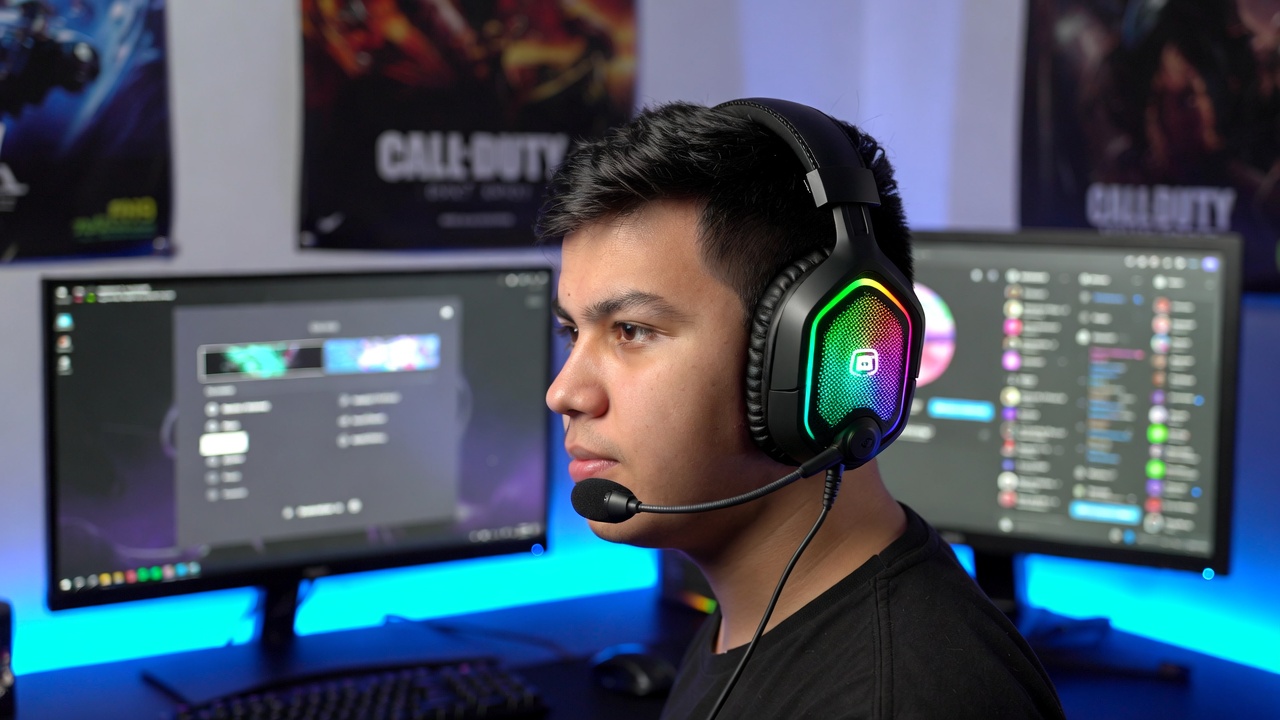
The headset goes on, and the world goes off. Discord chimes with the boys already in a lobby, trash talk already flowing before we’ve even loaded in. That menu music hits, and something in my brain chemistry shifts. All the stress from the day—the deadlines, the bills, the endless scroll of bad news—it all fades into the background. For the next few hours, the only thing that matters is the next gunfight, the next objective, the next win.
I’ve tried explaining this to people who don’t game, and they look at me like I’m describing an addiction. Maybe they’re not entirely wrong. But they don’t understand that satisfaction of a perfectly executed play, the camaraderie of clutching a round for your squad, or that dopamine hit when you see “Victory” splash across the screen after a hard-fought match.
Dive into my Offline gaming opinionated post: Balatro Vs Luck be a Landlord-l 2026 Offline Showdow
Every Match Tells a Different Story
One of the things that keeps pulling me back is that no two matches are ever truly the same. Sure, I’ve played the same maps hundreds of times by now. I know every sightline, every flank route, every power position. But the human element makes it endlessly variable.
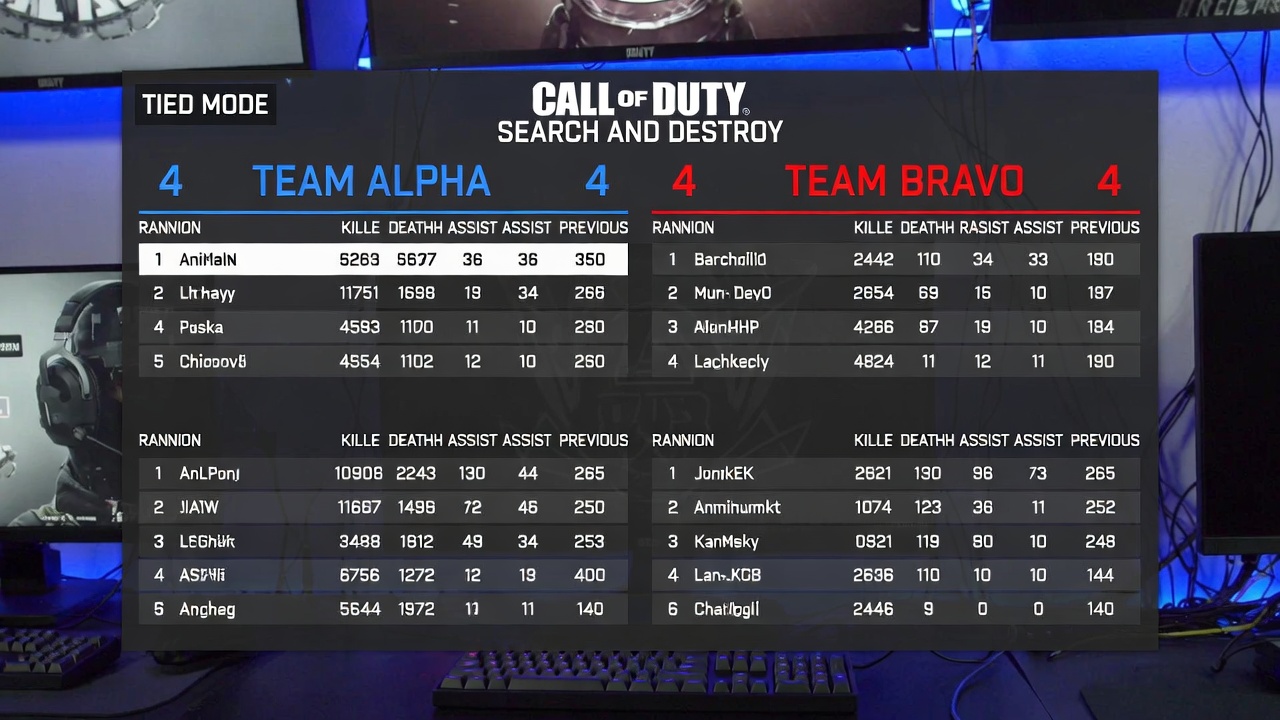
Last night, I had a match on Terminal (yes, they brought it back again, and yes, it still plays beautifully) where everything went wrong and then somehow went right. We were down 0-2 in Search and Destroy, getting absolutely rolled. One of our guys quit, another was having the worst game of his life, and I was ready to take the loss and move on.
But then something clicked. We started playing off each other’s energy, making aggressive plays we had no business making. Suddenly we’re trading kills efficiently, rotating properly, using utility like we actually have functioning brain cells. We clawed it back to 4-4, and in the final round, I ended up in a 1v3 clutch situation that I had no right winning. But I did. And the absolute chaos in the voice chat afterward was better than any scripted entertainment I could have found on Netflix.
That’s what keeps me coming back. It’s not just the gunplay or the progression systems—it’s these emergent moments of drama and tension that only multiplayer games can create. Every match is its own miniature action movie where you’re the star, and you never know if you’re heading for triumph or disaster.
The Competition Scratches an Itch Nothing Else Can
I’m not a professional gamer. I’m never going to make it to CDL, and I’ve made peace with that. But I’m competitive enough that I can’t stand playing casually. Every game, I’m trying to improve, to win, to prove something to myself and whoever I’m matched against.
There’s this beautiful purity to competition in Call of Duty that I don’t find anywhere else in my life. In the real world, success is muddy and complicated. It depends on politics, timing, who you know, factors completely outside your control. But in COD? You either outplayed them or you didn’t. You either hit your shots or you missed. The game doesn’t care about your excuses or your credentials—it’s brutally honest feedback delivered at 60 frames per second.
I’ve noticed that I play better now than I did in my early twenties, despite theoretically having slower reflexes. Game sense matters more than raw reaction time at a certain point. Reading the flow of a match, predicting where enemies will be, knowing when to challenge and when to play your life—these are skills that develop over thousands of hours. And there’s deep satisfaction in feeling yourself improve at something, even if that something is a video game that won’t matter in the grand scheme of things.
The Social Aspect Is Genuinely Irreplaceable
Here’s something I never would have predicted when I was younger: some of my closest friendships in 2026 exist primarily through Call of Duty. There are people I talk to almost every night while gaming that I see in person maybe once or twice a year. And yet, these relationships feel substantial and real.
We’ve been through multiple COD titles together, weathered terrible metas, celebrated each other’s career milestones, talked each other through breakups and family problems, all while capturing objectives and talking trash. The game is the excuse to hang out, the ambient activity that makes regular socializing feel natural for guys who might otherwise struggle to maintain friendships as adults.
My buddy Jake lives three states away now. We used to work together, would grab lunch regularly, had that easy friendship that comes from daily proximity. When he moved for a new job, I figured we’d do the thing where we text occasionally and promise to visit but never really do. Instead, we just kept our standing COD sessions going. Now we play together four or five nights a week, and I probably know more about what’s going on in his life now than I did when we lived in the same city.
The game gives us something to do while we talk, a shared objective that takes the pressure off. We don’t have to manufacture conversation or justify spending hours just hanging out—we’re playing Call of Duty, but we’re also maintaining a friendship that matters to both of us. It’s a modern evolution of the sports bar or the bowling league, and it works.
The Progression Systems Prey on My Psychology
I know I’m being manipulated. I understand how progression systems work, how they’re designed to keep you playing just a little longer. Battle passes, weapon camos, prestige systems, daily challenges—these are all carefully calibrated psychological triggers designed to keep engagement high.
And knowing all this doesn’t make me immune to it.
There’s always something to work towards. I’ll tell myself I’m done for the night, then notice I’m three kills away from gold camo on my favorite AR. Okay, just one more match to finish that. Then I’m 90% through a battle pass tier. Might as well finish it. Oh, and there’s a daily challenge that’s about to reset. And before I know it, another hour has evaporated.
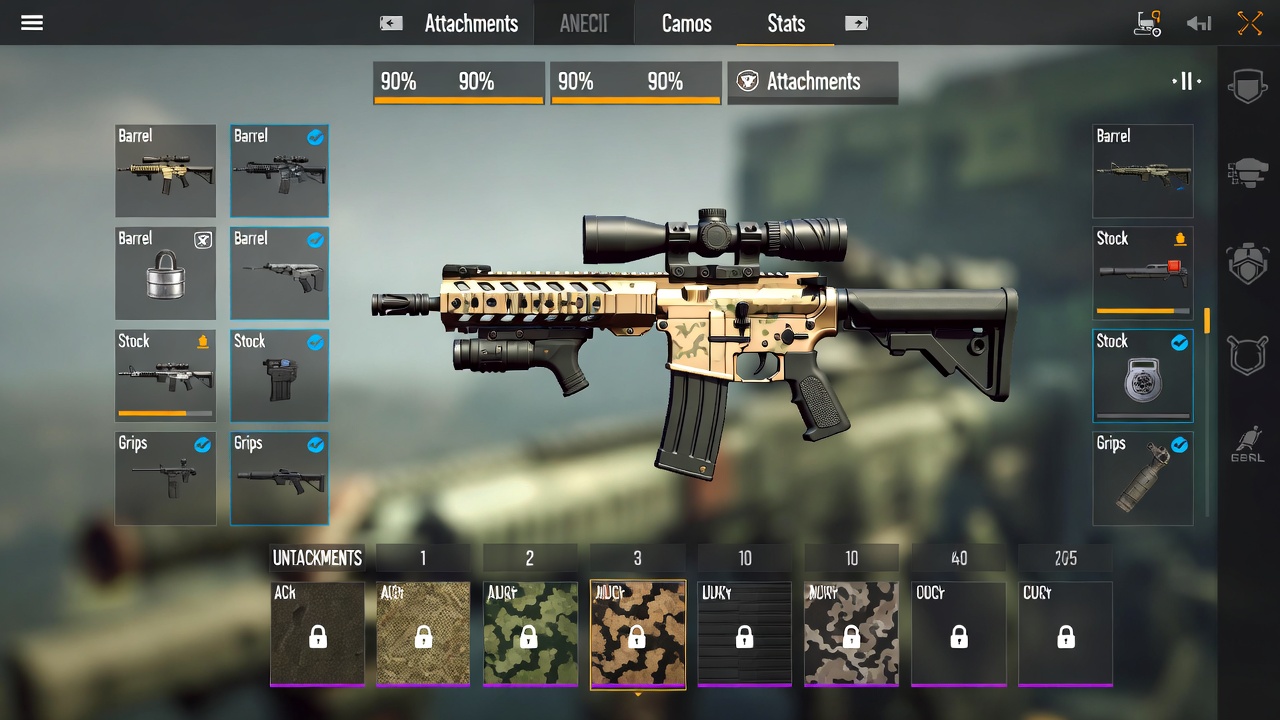
The smart play would be to resist these systems, to play only when I genuinely feel like playing rather than being strung along by artificial goals. But there’s also something genuinely satisfying about completion, about setting a goal and achieving it, even if that goal is something as meaningless as getting a particular weapon to max level. In a world where so many of my real goals feel distant or uncertain, there’s comfort in these small, achievable victories.
It’s an Escape That Actually Works
I’ve tried other forms of escapism. I’ve binged entire TV series, gotten lost in books, scrolled social media until my eyes glazed over. None of it works quite like Call of Duty does for turning off the part of my brain that worries and overthinks.
When I’m in a match, I’m present in a way I rarely am otherwise. There’s no room for my mind to wander to work stress or relationship problems or the state of the world. Every ounce of my attention is demanded by the immediate tactical situation. Where are the enemies likely pushing from? Do I have time to reload? Should I hold this angle or rotate?
It’s meditative in its own way, this forced presence. The game demands so much of your focus that everything else falls away. And in an era where my phone is constantly buzzing with notifications and my brain is always juggling multiple concerns, there’s something therapeutic about that singular focus.
After a few matches, I feel genuinely relaxed in a way that passive entertainment never accomplishes. I’ve exercised parts of my brain, tested my skills, connected with friends, and given myself permission to completely check out from reality for a while. It’s not a permanent solution to anything, but as coping mechanisms go, it’s relatively harmless.
The Franchise Keeps Evolving in Ways That Matter
Say what you will about Call of Duty being “the same game every year”—and there’s some truth to that criticism—but the franchise has also shown a willingness to iterate and improve that keeps it fresh enough to maintain my interest year after year.
The movement systems have been refined to feel incredible. The gunplay is consistently best-in-class. Maps are being designed with more thought given to flow and balance. The developers actually seem to listen to feedback, even if they don’t always implement changes as quickly as the community would like.
And in 2026 specifically, the technology has reached a point where the experience is remarkably smooth. High refresh rate support, great netcode (most of the time), cross-play that actually works—these quality-of-life improvements might seem minor, but they make a huge difference in moment-to-moment enjoyment. Deaths feel fair more often than not. When you lose a gunfight, it’s usually because you got outplayed, not because the servers were having a bad day.
There’s also something to be said for the familiarity of the franchise. I know what I’m getting with Call of Duty. It’s the comfort food of video games. After a long day, I don’t want to learn complex new systems or invest hours before the fun starts. I want to jump in and play, and COD delivers that better than almost anything else.
The Community, For All Its Flaws, Keeps Me Engaged
The Call of Duty community is simultaneously the worst and the best part of the experience. Yes, there’s toxicity. Yes, there are hackers and trolls and people who make voice chat unbearable. But there’s also genuine moments of connection, hilarious interactions, and a shared culture that’s been building for almost two decades now.
I love that everyone understands the same references, the same legendary moments from COD history. Someone mentions “the intervention quickscope” and everyone over a certain age knows exactly what that means and probably has opinions about it. These shared cultural touchstones create an instant common ground with strangers.
Even the trash talk, when it’s not crossing into genuinely toxic territory, has its own entertainment value. The lobbies between matches, the proximity chat in Warzone, the post-game banter—it’s all part of the experience. Some of the funniest moments I’ve had gaming have come from completely unexpected interactions with random players.
I’ve Accepted That This Is Just Part of Who I Am Now
For a long time, I felt like I should be embarrassed about how much Call of Duty I play. Like it was something I needed to grow out of, a waste of time I should be spending on more “productive” hobbies.
But I’m done apologizing for it. This is something I enjoy, something that brings genuine value to my life even if that value isn’t easily quantifiable. It keeps me connected to friends, gives me an outlet for competitive drive, provides reliable entertainment, and offers an escape when I need one.
Will I still be playing Call of Duty in another year, another five years? Honestly, probably. Unless something dramatically changes about the franchise or my life circumstances, I don’t see myself walking away. And I’ve made peace with that.
There are worse ways to spend your free time than doing something you enjoy with people you care about. The fact that it happens to involve shooting digital opponents in a video game doesn’t make it less valid than any other hobby or pastime.
The Bottom Line
So why can’t I stop playing Call of Duty in 2026? Because it’s woven itself into the fabric of my daily life in ways that go beyond simple entertainment. It’s how I decompress, how I socialize, how I compete, how I measure improvement in at least one area of my existence. It’s familiar and comfortable while still offering enough variation and challenge to stay engaging.
It’s the ritual of the headset going on and the world going off. It’s the friends I’ve made and maintained through years of matches. It’s the satisfaction of improvement, the thrill of competition, the drama of clutch moments and comeback victories. It’s mindless fun when I need to turn my brain off and intense focus when I need to shut everything else out.
Call of Duty in 2026 isn’t just a game I play—it’s part of my routine, my social life, my identity as a gamer who’s been at this for years and isn’t ready to hang it up yet. And honestly? I’m okay with that.
Now if you’ll excuse me, the squad’s getting online, and I promised I’d run some ranked with them. Just a few matches, I swear. Probably.
Frequently Asked Questions
Q: Is playing Call of Duty this much actually an addiction?
A: That’s a fair question, and honestly, it’s something I’ve thought about a lot. The line between passionate hobby and addiction can be blurry. For me, the key difference is that gaming doesn’t interfere with my responsibilities or relationships—it’s what I do after everything else is handled. That said, if you’re missing work, neglecting important relationships, or feeling like you can’t stop even when you want to, it might be worth talking to someone about it. Gaming should enhance your life, not replace it.
Q: How do you balance gaming with work and other responsibilities?
A: It’s not always easy, and I’ll admit there are nights when I stay up too late and regret it the next morning. But generally, I treat my gaming time as my designated relaxation time, the same way someone else might watch TV or read. I make sure my work is done, I maintain my relationships, I exercise, and then I game. The key is being honest with yourself about whether you’re actually balancing things or just telling yourself you are.
Q: Don’t you feel like you’re wasting time that could be spent on more productive hobbies?
A: I used to feel that way, but I’ve come to reject the idea that hobbies need to be “productive” to be worthwhile. What exactly is the productive output of watching sports, reading fiction novels, or going to the movies? We don’t interrogate those hobbies the same way we do gaming. If something brings you joy, helps you relax, and allows you to connect with others, that’s valuable in itself. Not every moment of life needs to be optimized for productivity.
Q: How much money do you spend on Call of Duty each year?
A: Less than you might think, actually. I buy the game once a year, usually around $70, and I might spend another $20-30 on a battle pass if I’m really into that particular season. So we’re talking maybe $100 a year, give or take. Compare that to other hobbies—golf, skiing, even going to movies regularly—and it’s actually pretty economical entertainment when you consider the hours of enjoyment per dollar spent.
Q: What do you say to people who claim COD is the same game every year?
A: There’s some truth to that criticism, but it’s also oversimplified. Yes, the core formula stays the same—that’s the point. People come back because they know what they’re getting. But the movement mechanics, weapon balancing, map design, and game modes do evolve. It’s more like a sports franchise that iterates and improves rather than reinventing itself completely each year. And honestly? When you find a formula that works, why completely abandon it?
Q: How do you deal with toxic players and the negative aspects of the community?
A: The mute button is your best friend. I have zero patience for genuine toxicity—racism, sexism, harassment—and I’ll report and mute immediately. For regular trash talk, you develop a thicker skin over time and learn to dish it back or ignore it. Playing with a regular squad helps a lot too, because you can keep party chat on and avoid randoms entirely if you want. The community has its problems, but you can curate your experience to minimize exposure to the worst of it.
Q: Do you think Call of Duty is bad for your mental health?
A: For me personally, it’s actually been good for my mental health. It gives me a way to decompress, provides social connection, and offers a sense of achievement and progression. That said, everyone’s different. If gaming is making you more anxious, angry, or depressed, that’s a sign you need to step back and reassess. Pay attention to how you feel after gaming sessions—if you consistently feel worse rather than better, that’s important feedback.
Q: How do your non-gaming friends and family react to how much you play?
A: It’s mixed. Some people get it, especially if they have their own hobbies they’re passionate about. Others think it’s weird or a waste of time, and I’ve learned to just accept that we see things differently. My partner understands that it’s my way of unwinding and staying connected with friends, which helps. I try to be respectful of shared time and not let gaming interfere with relationships that matter to me. As long as I’m holding up my end of things in the rest of my life, how I spend my free time is my business.
Q: Have you ever tried to quit? What happened?
A: Yeah, I’ve taken breaks, sometimes for a few weeks or even a couple months. Usually it happens naturally when a new game releases that I’m really into, or when I’m traveling a lot for work. What I’ve found is that I always come back to COD. It’s like comfort food—other games might be interesting or novel, but COD is home. The breaks do help me appreciate it more when I come back, though, and they confirm that I’m playing because I want to, not because I’m compulsively stuck in a loop.
Q: Do you think you’ll still be playing COD in five or ten years?
A: Honestly? Probably. Unless the franchise completely falls apart or my life circumstances change dramatically, I don’t see myself walking away from something that brings me this much consistent enjoyment. I’ve been playing Call of Duty for over a decade already, and the core appeal hasn’t worn off. Will I play as much when I have kids or other major life changes? Maybe not. But I suspect some version of “gaming with the boys” will always be part of my routine.
Q: What advice would you give to someone who feels guilty about how much they game?
A: First, honestly assess whether your gaming is actually causing problems in your life. If you’re neglecting real responsibilities or relationships, that guilt might be trying to tell you something. But if you’re just feeling guilty because you think you “should” be doing something more productive with your free time, I’d challenge that assumption. Life is short, and joy is valuable. If gaming makes you happy and isn’t hurting anyone, there’s no reason to feel guilty about it. Just make sure you’re being honest with yourself about the impact it’s having on your life overall.
Q: How do you stay motivated to improve after playing for so many years?
A: The competition itself is motivating—there’s always someone better to measure yourself against. But I also try to set specific goals, whether that’s mastering a new weapon, improving my K/D ratio, or ranking up in competitive modes. Watching pro players and content creators also helps because you see what’s possible and learn new strategies. And honestly, some days I’m not trying to improve at all. Some days I just want to run around and have fun with friends, and that’s fine too.
Q: What’s the best thing about the Call of Duty community?
A: The shared history and culture. When you meet another COD player, you instantly have this common ground of experiences, memes, and references that go back years. There’s something special about being part of a community that’s been around for almost two decades. And despite all the toxicity and complaints, there are genuinely good people in this community who just love the game and want to have a good time. Those moments when you connect with cool random players or have a hilarious interaction make all the other nonsense worth putting up with.