
Table of Contents
Open Table of Contents
- Overview
- Quick comparison
- Vivo Y19s — the absolute-floor budget pick
- Vivo Y29 — the cheapest way into 5G
- Vivo V60 Lite — battery-first mid-ranger
- Vivo V60 — the camera-and-charging balance
- Vivo X300 — flagship silicon, sub-flagship price anxiety
- Buying tips for Nigeria specifically
- Which one should you actually buy?
- Frequently asked questions
Overview
Vivo doesn’t get talked about as much as Infinix or Tecno in Nigerian phone conversations, but it’s quietly built one of the more consistent lineups for people who care about screens and cameras first, spec sheets second. What’s changed going into the second half of 2026 is that Vivo now has a genuinely usable phone at almost every price point — not just the mid-range V-series it’s known for.
I put this list together the way I’d actually shop: starting from what you’d spend and working up, not the other way round. Prices below are street-level averages pulled from Nigerian retailers and marketplaces as of early August 2026; grey-market and Jiji.ng listings can run lower, official Vivo stores usually sit higher.
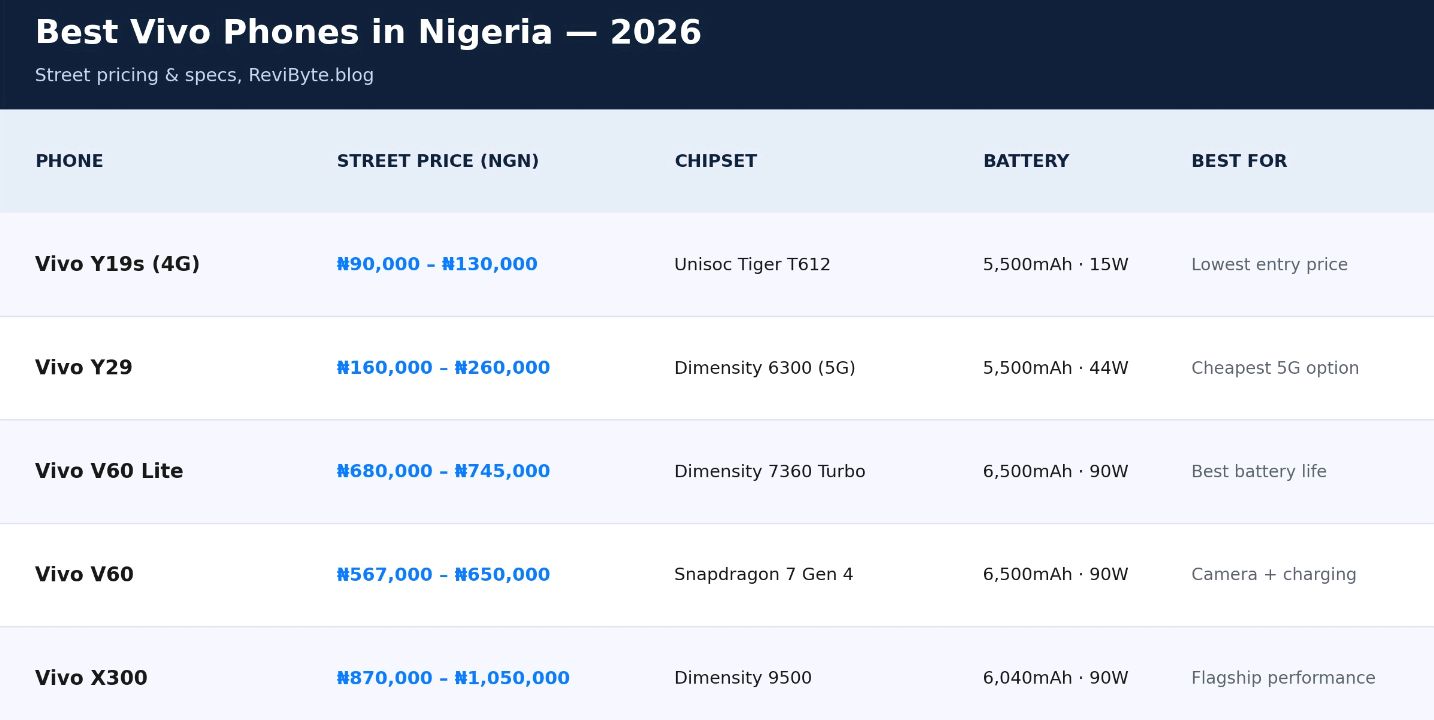
Quick comparison
| Phone | Street price (NGN) | RAM / Storage | Chipset | Battery | Software support | Best for |
|---|---|---|---|---|---|---|
| Vivo Y19s (4G) | ₦90,000 – ₦130,000 | 4–8GB / 64–256GB | Unisoc Tiger T612 | 5,500mAh, 15W | No fixed multi-year commitment published | Absolute lowest entry price |
| Vivo Y29 | ₦160,000 – ₦260,000 | 4–8GB / 128–256GB | Dimensity 6300 (5G) | 5,500mAh, 44W | No fixed multi-year commitment published | Cheapest way into 5G |
| Vivo V60 Lite | ₦680,000 – ₦745,000 | 8–12GB / 256GB | Dimensity 7360 Turbo | 6,500mAh, 90W | Not separately confirmed by Vivo | Battery life without flagship price |
| Vivo V60 | ₦567,000 – ₦650,000 | 8–16GB / 128–512GB | Snapdragon 7 Gen 4 | 6,500mAh, 90W | 4 years Android OS, 6 years security (Vivo-confirmed) | Camera + charging balance |
| Vivo X300 | ₦870,000 – ₦1,050,000 | 12–16GB / 256GB–1TB | Dimensity 9500 | 6,040mAh, 90W | 5 years Android OS, 7 years security (Vivo-confirmed) | Flagship chip, longest support window |
Note that the V60 Lite’s street price currently sits close to — and occasionally above — the standard V60’s floor price. That’s not a typo: the Lite carries a bigger padded battery pack and IP65 durability at a similar cost, while the standard V60 trades some of that for a faster chipset and the periscope camera, so Nigerian retailers price the two close together rather than the Lite undercutting the V60 by a wide margin.
Vivo Y19s — the absolute-floor budget pick
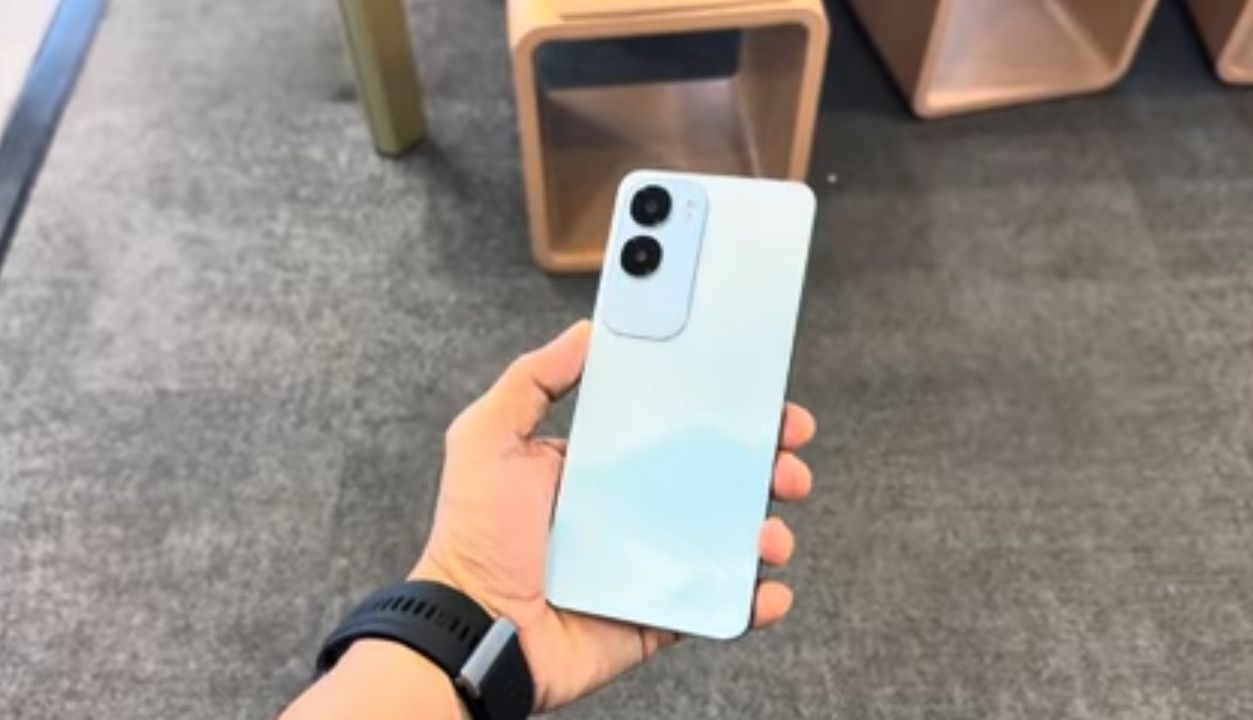
The Y19s is the phone I’d point a first-time smartphone buyer to if the budget is genuinely tight. It runs on a Unisoc Tiger T612 chip, which won’t win any benchmark arguments but is enough for WhatsApp, Instagram, and light gaming on lower settings. The 5,500mAh battery is the real selling point — this is a phone you charge every other day, not every night, based on the capacity Vivo publishes and the pattern that tends to hold across similarly sized cells in this segment.
Where it cuts corners: no 5G at all (the T612 is a 4G-only chip), a 720p-resolution display, and 15W charging that feels slow next to newer phones. If you mainly use Wi-Fi and aren’t chasing 5G speeds, that trade-off is easy to accept at this price.
Vivo Y29 — the cheapest way into 5G
If 5G matters to you — and with more Nigerian cities lighting up MTN and Airtel 5G coverage, it increasingly does — the Y29 is currently one of the least expensive ways in from Vivo. It’s built on the same 5,500mAh battery and general design as the Y19s, but swaps in a MediaTek Dimensity 6300 chip, which brings 5G support and noticeably snappier day-to-day performance despite the similar price bracket.
The trade-off versus the plain Y19s is mostly about retailer inconsistency: because there’s also an unrelated “Y29 4G” variant floating around with a different (Snapdragon 685) chipset, a larger 6,500mAh battery, and no 5G, it’s worth double-checking the exact model number on the box before you buy — some Nigerian listings mislabel one as the other, and pricing between the two variants can differ by ₦100,000 or more.
Vivo V60 Lite — battery-first mid-ranger
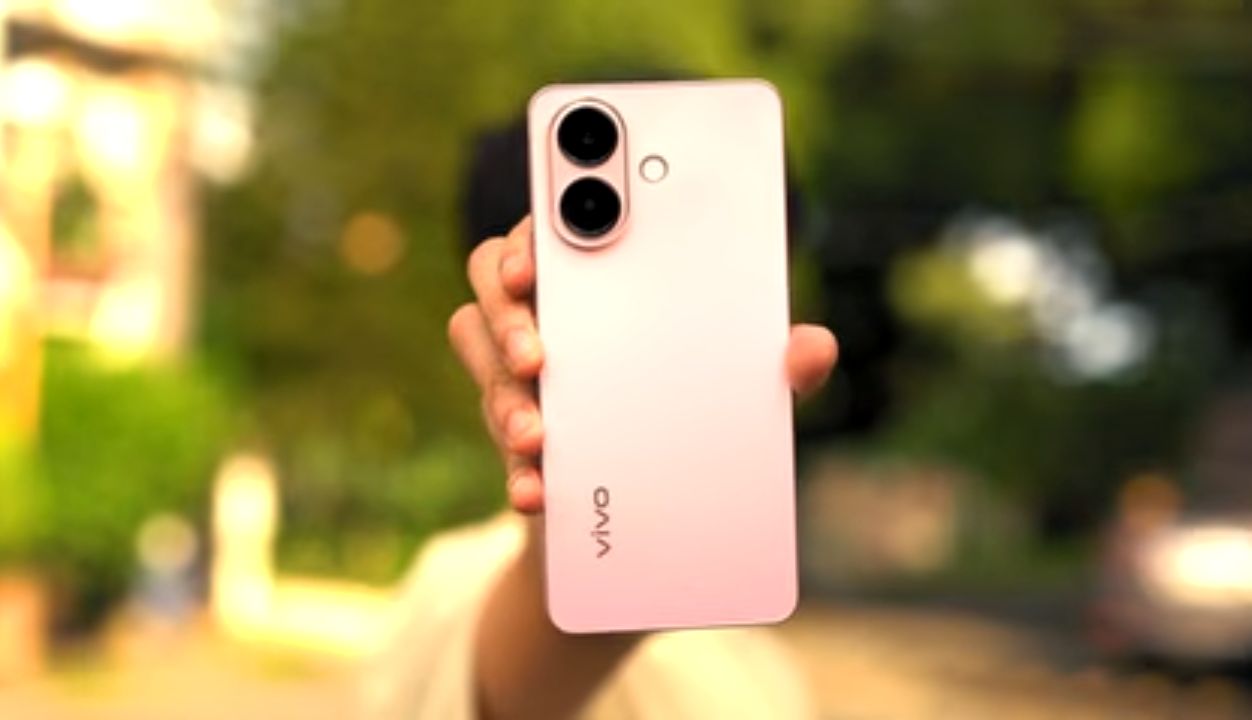
This is where Vivo’s V-series starts to feel like it’s earning its price. The V60 Lite runs a Dimensity 7360 Turbo chip and carries a 6,500mAh silicon-carbon battery with 90W charging — a combination that’s still rare enough in Nigeria’s mid-range bracket to be worth calling out. IP65 dust and splash resistance is a nice bonus for anyone who’s had a phone die from a light rain shower (most of us, at some point).
It’s not the phone to buy for heavy gaming — the chipset is tuned for efficiency over raw power — but for calls, social apps, and content consumption, the extra battery headroom is the kind of thing you notice within the first week.
Vivo V60 — the camera-and-charging balance
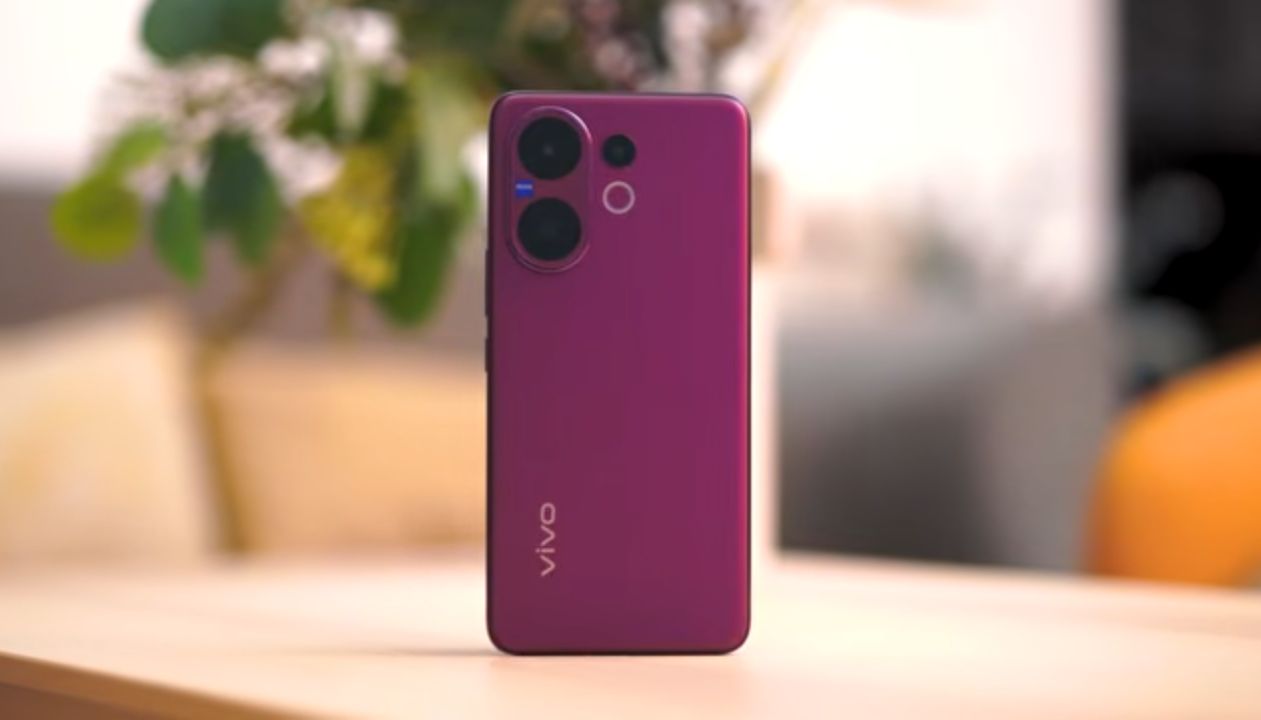
The V60 steps up to a Snapdragon 7 Gen 4 chipset, a ZEISS-tuned triple rear camera with a 50MP periscope-style telephoto lens (borrowed from Vivo’s own X200 series) offering 3x optical zoom, and IP68/IP69 water resistance — the kind of rating usually reserved for pricier phones. Vivo also confirms four years of Android OS updates and six years of security patches on the V60, which is a genuinely long runway for a phone in this price bracket.
Compared with the Redmi Note 15 Pro+ — a similarly priced rival with a single 200MP main sensor and faster 120W charging — the V60 takes a different approach: it prioritizes optical zoom flexibility and portrait tuning over raw megapixel count and charging speed. Neither approach is objectively better; it depends whether you value zoom versatility or headline resolution and charging speed more.
Vivo X300 — flagship silicon, sub-flagship price anxiety

The X300 runs MediaTek’s Dimensity 9500 — genuinely flagship-tier silicon — paired with a 200MP main sensor (plus a 50MP telephoto and 50MP ultrawide) and a compact 6.31-inch AMOLED display, which is unusual in a market that’s mostly moved to larger screens. It’s the pick for anyone who wants top-tier performance without the tablet-sized footprint of most 2026 flagships. Vivo’s X300 series also carries the brand’s longest current software commitment: five years of Android OS updates and seven years of security patches.
Some low-confidence retailer aggregators quote the X300 as low as ₦490,000, but those figures trace back to pre-launch “expected price” estimates rather than actual Nigerian stock — real listings from established Nigerian retailers currently sit closer to ₦870,000–₦1,050,000 depending on RAM/storage. It’s still worth getting quotes from at least two sellers — Jumia, Jiji.ng, and a physical Computer Village or Alaba vendor — before paying, since even that narrower range moves with exchange rates.
If you’d rather stay in this price range but explore other brands, our guides to the best Redmi phones, best Poco phones, and best Xiaomi phones for 2026 cover similar ground from a different angle. And if 5G coverage is your main filter regardless of brand, the best 5G phones in Nigeria roundup is worth a look too.
Buying tips for Nigeria specifically
A few things I’d flag before you order any of these:
- Confirm the exact model number. Vivo reuses names across variants with different chipsets and 5G support (the Y29 and Y29 4G being one example) — check the model number printed on the box or in Settings before paying, not just the marketing name.
- Naira pricing moves fast. Every price above can shift within weeks given exchange rate volatility — treat these as a starting reference, not gospel.
- Battery chemistry matters more than the number suggests. The V60 and V60 Lite’s silicon-carbon batteries pack more capacity into a similar physical size than older lithium-ion cells, so a “6,500mAh” V60 battery isn’t a straight multiple of a “5,500mAh” Y19s battery in real-world terms.
- Check charger inclusion. Some 2026-era Vivo retail boxes ship without a charging brick. If 90W fast charging matters to you, confirm the box contents before buying.
- Software support varies a lot by tier. Vivo has published long, specific update commitments for the V60 and X300 series, but hasn’t done the same for its Y-series budget phones — worth factoring in if you plan to keep the phone for several years.
Which one should you actually buy?
- Budget under ₦150,000, no 5G needed: the Y19s covers the basics reliably.
- Similar budget but want 5G: the Y29 gets you there for a modest premium.
- Best all-day battery without flagship pricing: the V60 Lite.
- Cameras and long-term software support matter most in the mid-range: the V60.
- Want flagship performance without the biggest flagship price tag: the X300.
Frequently asked questions
Is Vivo a good brand to buy in Nigeria? Yes, with the usual caveats that apply to any brand here — buy from a retailer that offers some form of warranty or return window, since after-sales support varies a lot between official Vivo stores and independent resellers.
Which Vivo phone has the best battery life in this list? The Vivo V60 Lite and V60 both use 6,500mAh silicon-carbon batteries, which currently give them the longest realistic screen-on time of the five phones here, based on their published capacity and charging specs.
Is the Vivo X300 worth it over the V60? If raw chip performance, camera resolution, and long-term software support are your priority, yes — the Dimensity 9500 and the five-year OS update commitment are a clear step up. If you mainly want a smooth, reliable daily driver without spending close to ₦1,000,000, the V60 is the more sensible buy for most people.
Do any of these phones support 5G? The Y29, V60 Lite, V60, and X300 all support 5G. The plain Y19s (4G) does not, so skip it if 5G is a hard requirement — and double-check the model number, since Vivo also sells a separate “Y29 4G” variant without 5G under a similar name.
Where’s the safest place to buy a Vivo phone in Nigeria? Official Vivo retail partners and larger marketplaces like Jumia carry more consistent warranty coverage. Jiji.ng and physical markets like Computer Village can offer better prices, but you’ll want to verify the device in person before paying.
Prices and specifications referenced in this post reflect Nigerian retailer listings and Vivo’s published specs as of early August 2026 and are subject to change. Always confirm current pricing and specs with the seller before purchase.


Comments 0
Leave a comment