Table of Contents
Open Table of Contents
Overview
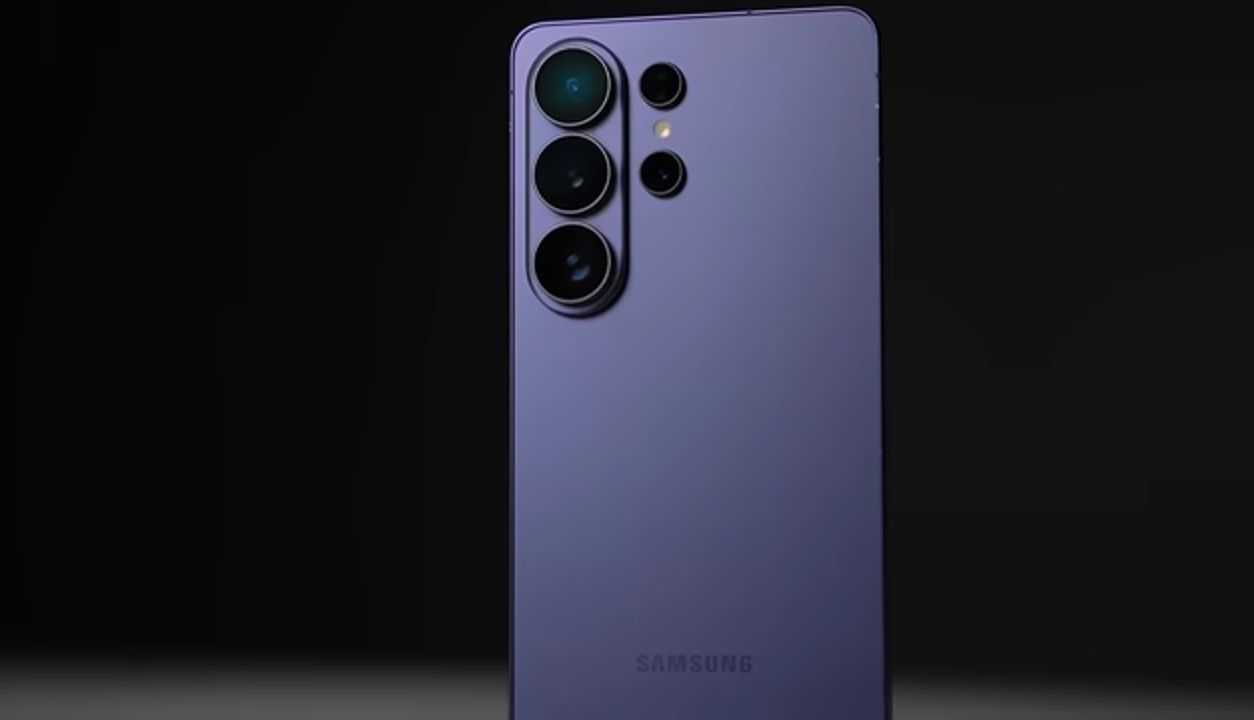
Picking “the best Android phone” in 2026 depends on what you’re actually optimizing for. Are you chasing the best camera, the longest software support, or the most phone your Naira can buy before the next exchange-rate swing eats into your budget? This guide splits the market into flagship, mid-range, and budget tiers, because that’s how most Nigerian buyers actually shop — not by benchmark scores alone. Specifications have been cross-checked against official manufacturer pages and trusted sources including GSMArena and PhoneArena. Where reputable sources disagree, the differences are noted in the article.
Who should buy what?
Before the deep dive, here’s the fast version if you already know your priority:
| Priority | Best pick | Runner-up |
|---|---|---|
| Best photography | Google Pixel 10 Pro / Pro XL | Xiaomi 17 Ultra |
| Best gaming performance | OnePlus 15 | Samsung Galaxy A57 (mid-range) |
| Longest battery life | OPPO Find X9 Pro | OnePlus 15 |
| Best software support | Google Pixel 10 Pro XL (7 years) | Samsung Galaxy S26 Ultra (7 years) |
| Best overall value | OnePlus 15 | Samsung Galaxy A57 |
| Best budget pick | Tecno Camon 50 | Infinix Hot 70 Pro |
Flagship tier: when budget isn’t the constraint
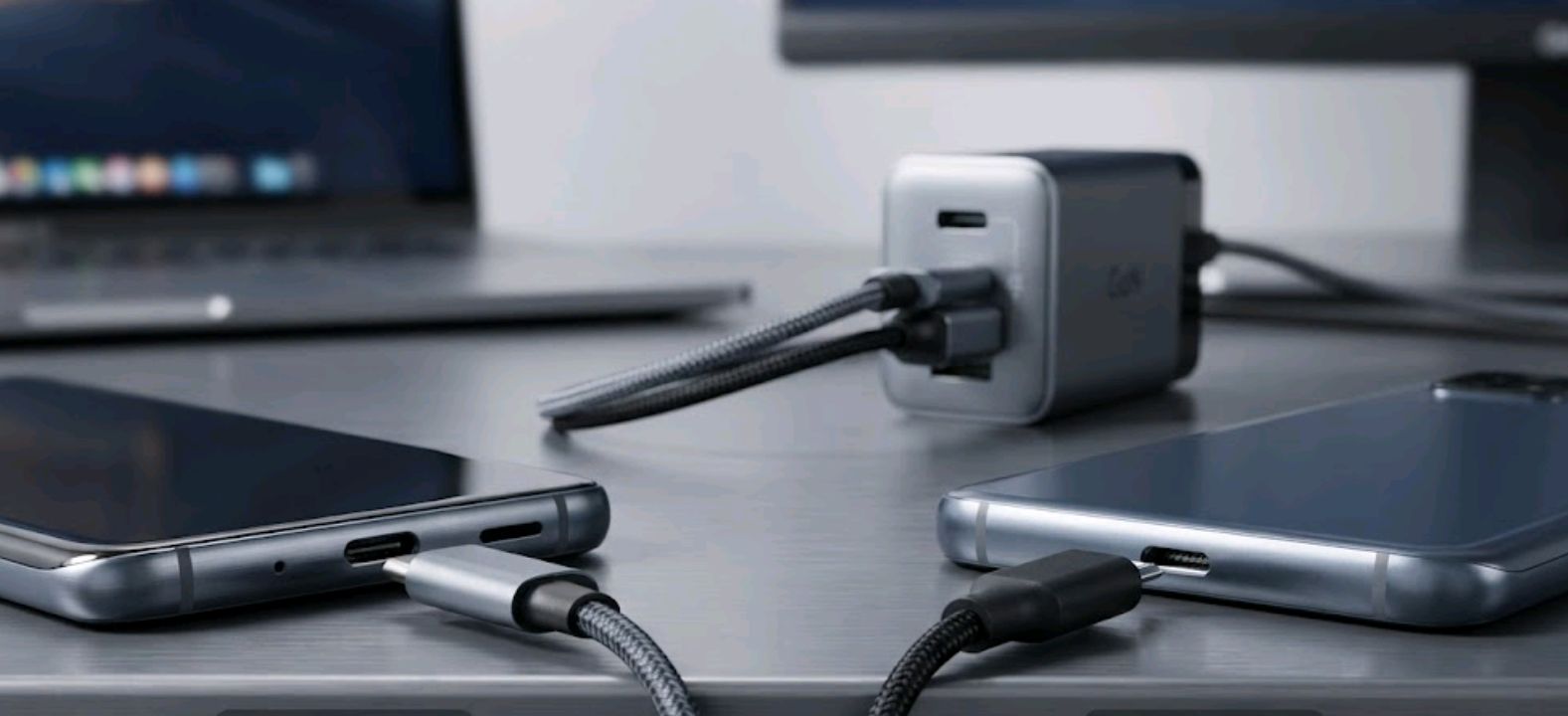
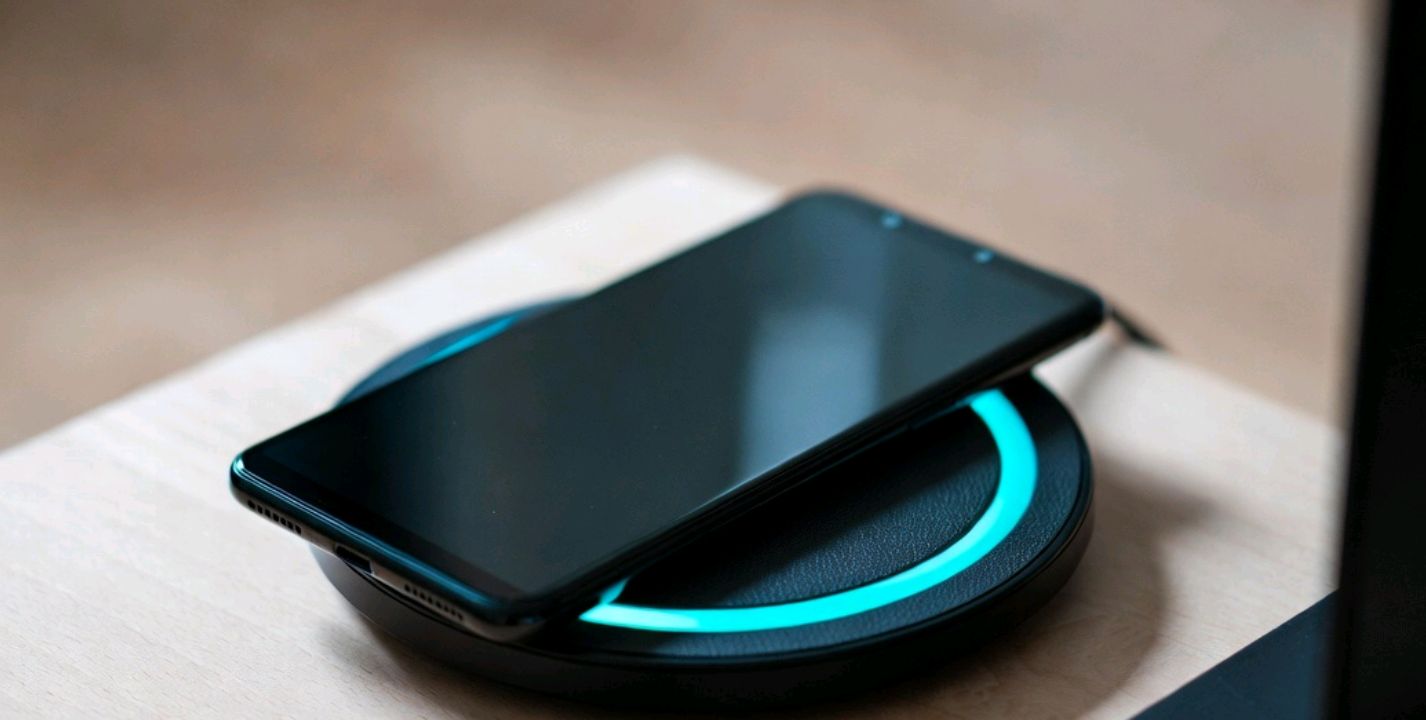
The Samsung Galaxy S26 Ultra runs a Snapdragon 8 Elite Gen 5 chipset (Exynos variants exist in some markets for the standard S26/S26+, but the Ultra ships with Snapdragon globally), paired with a 6.9-inch Dynamic AMOLED display. Its battery sits at 5,000mAh — Samsung didn’t chase a bigger cell this year — but wired charging jumps from 45W to 60W, with 25W wireless charging on top, both confirmed on Samsung’s own spec pages. The genuinely new feature is Privacy Display, which dynamically narrows the viewing angle in public spaces without materially dimming the screen for the person holding it. Samsung backs the Ultra with 7 major Android OS upgrades and 7 years of security patches, matching Google for the longest commitment on this list. If fast top-ups matter most to you, our wireless charging phones guide breaks down how the S26 Ultra’s 25W wireless speed compares to dedicated charging-first devices.
The Google Pixel 10 Pro and larger Pixel 10 Pro XL take a different approach, leaning on Gemini-powered computational photography rather than raw specs. Worth flagging upfront: these launched in August 2025, not 2026 — they’re still Google’s current flagships simply because Google hasn’t released a Pixel 11 yet, expected around August 2026. The Pro XL carries a 6.8-inch LTPO OLED panel, a Tensor G5 chipset (Google’s first chip fabricated by TSMC rather than Samsung), and a 5,200mAh battery with 45W wired and 25W wireless charging. Google’s real advantage here is software longevity: both models get 7 years of OS updates, security patches, and quarterly Feature Drops — a policy Google extended starting with the Pixel 8 generation. If on-device photo editing is your main draw, our AI photo editing phones roundup compares the Pixel’s tools against Samsung’s Galaxy AI and Xiaomi’s editing suite in more depth.
A quick note on timing before going further: this list mixes phones from different launch windows on purpose, because that’s genuinely how the flagship market looks in July 2026. The Samsung Galaxy S26 Ultra (March 2026) and Xiaomi 17 Ultra (global, February 2026) are true 2026-generation launches. The Google Pixel 10 Pro/Pro XL (August 2025), OnePlus 15 (China October 2025, global early 2026), and OPPO Find X9 Pro (October 2025) are technically 2025-generation phones that remain each brand’s current flagship because no successor has shipped yet. All five are phones you can buy new, at full retail, in July 2026 — which is what “best phones in 2026” means for a buying guide, as opposed to “phones announced in 2026.”
For buyers who want maximum hardware per dollar without dropping out of flagship territory, the OnePlus 15 is the strongest pick, and it’s worth explaining exactly why over its closest rivals:
- vs. OPPO Find X9 Pro: The Find X9 Pro actually has the bigger battery (7,500mAh vs. OnePlus’s 7,300mAh) and matches OnePlus on 80W wired / 50W wireless charging, but it’s capped at up to 5 OS updates versus OnePlus’s 4 years of OS upgrades plus roughly 5 years of security patches — close enough that battery capacity and camera preference should decide it, not “value” alone.
- vs. Honor Magic8 Pro: Reported battery figures for the Magic8 Pro vary by region and source (some list around 6,270mAh, others closer to 7,100mAh with 100W wired charging), which makes a clean comparison difficult without confirming your exact regional unit. Where the OnePlus 15 pulls ahead consistently is RAM and storage ceiling — up to 16GB/1TB versus configurations that top out lower on the Magic8 Pro.
- vs. vivo X300 Pro: The X300 Pro (6,510mAh, 90W wired/40W wireless) is the strongest camera performer of the three thanks to its Zeiss-tuned optics, but the OnePlus 15 offers a smoother, more widely supported global software experience outside vivo’s core Asian markets.
In short: OnePlus 15 wins on RAM/storage headroom and global software consistency, not on outright battery capacity — that title currently belongs to the Find X9 Pro.
Xiaomi’s 17 Ultra, including the Leica Edition, is frequently cited among the best camera phones of the year for its Leica-tuned sensors, running a Snapdragon 8 Elite Gen 5 chipset with 90W wired/50W wireless charging. One detail worth knowing before you import one: the global version ships with a 6,000mAh battery, while the China-market unit gets a larger 6,800mAh cell — the same phone, different battery depending on where it was sold. Xiaomi has publicly committed to four major Android upgrades for the 17 Ultra (through Android 20), though the brand is still commonly the slowest to actually ship each update once it’s promised. If Xiaomi is your preferred ecosystem, our Xiaomi phones for 2026 guide covers the full lineup with Nigeria-specific pricing.
| Phone | Chipset | Battery | Charging (wired/wireless) | Launched | OS updates |
|---|---|---|---|---|---|
| Samsung Galaxy S26 Ultra | Snapdragon 8 Elite Gen 5 | 5,000mAh | 60W / 25W | March 2026 | 7 years OS + security |
| Google Pixel 10 Pro XL | Google Tensor G5 | 5,200mAh | 45W / 25W | August 2025 | 7 years OS + security |
| OnePlus 15 | Snapdragon 8 Elite Gen 5 | 7,300mAh | 80W (up to 100W with OnePlus’s optional adapter) / 50W | Oct 2025 (global early 2026) | ~4 years OS, ~5 years security |
| OPPO Find X9 Pro | MediaTek Dimensity 9500 | 7,500mAh | 80W / 50W | October 2025 | up to 5 OS updates |
| Xiaomi 17 Ultra | Snapdragon 8 Elite Gen 5 | 6,000mAh (global) / 6,800mAh (China) | 90W / 50W | Feb 2026 (global) | ~4 years OS (through Android 20) |
Mid-range: the sweet spot for most Nigerian buyers
This is where most people shopping in Lagos, Abuja, or Port Harcourt actually spend their money, and it’s arguably the most competitive segment right now.
The Samsung Galaxy A57, launched March 2026, replaces the A56 as Samsung’s upper-mid-range pick. It moves to the Exynos 1680 chipset, keeps a 5,000mAh battery with 45W wired charging (still no wireless charging), and adds a 6.7-inch Super AMOLED+ display at 120Hz plus IP68 water resistance — a step up from the A56’s IP67. Samsung backs it with 6 years of OS and security updates. It retails from roughly ₦600,000–₦700,000 in Nigeria depending on RAM/storage and retailer.
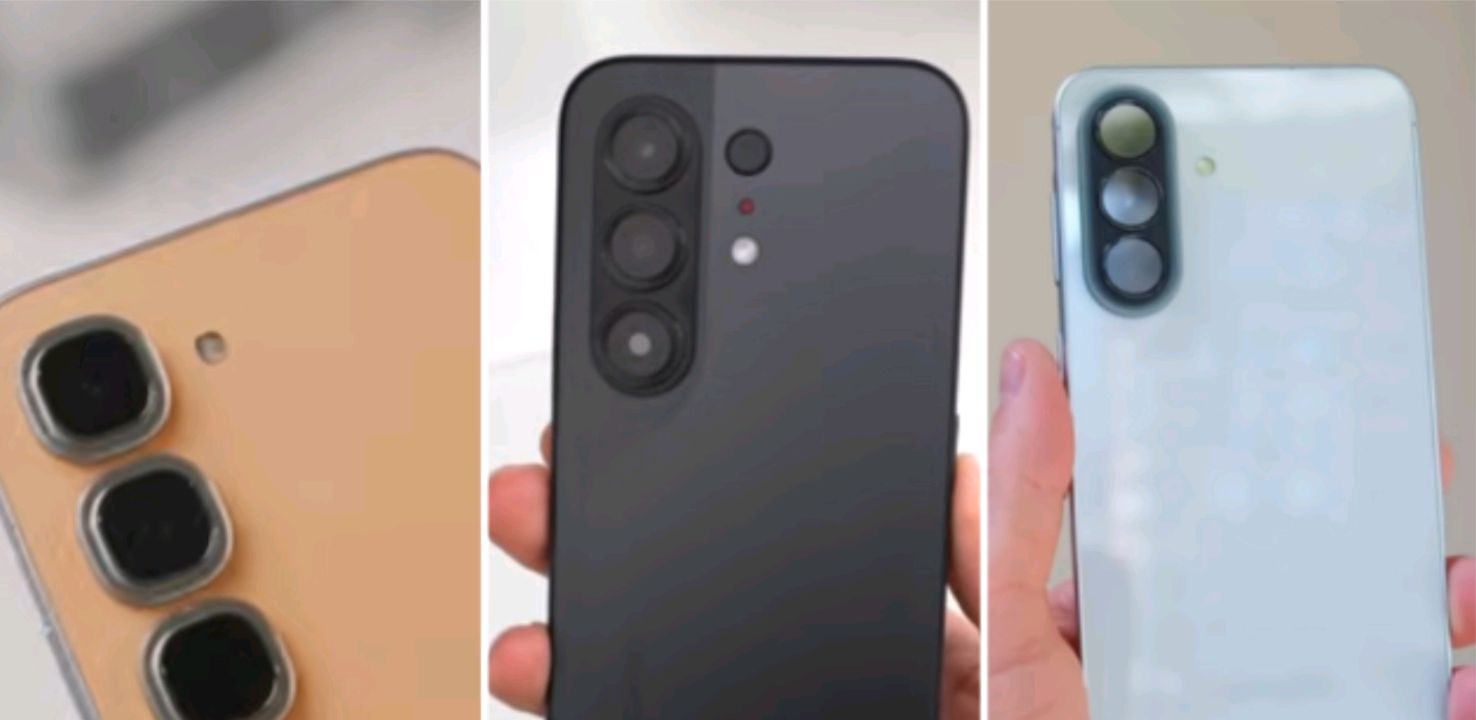
Tecno’s Camon 50 replaced the Camon 40 in February/March 2026 and is the one to shop for now, not the older model. It runs a MediaTek Helio G200 Ultimate chipset, a 6.78-inch AMOLED display at 144Hz, and a notably large 6,150mAh battery with 45W wired charging — a meaningful jump from the Camon 40’s 5,200mAh cell. It retails from around ₦300,000–₦341,000 in Nigeria. As before, the separate Camon 50 Pro and Ultra variants use different chipsets and pricing, so confirm the exact model before buying.
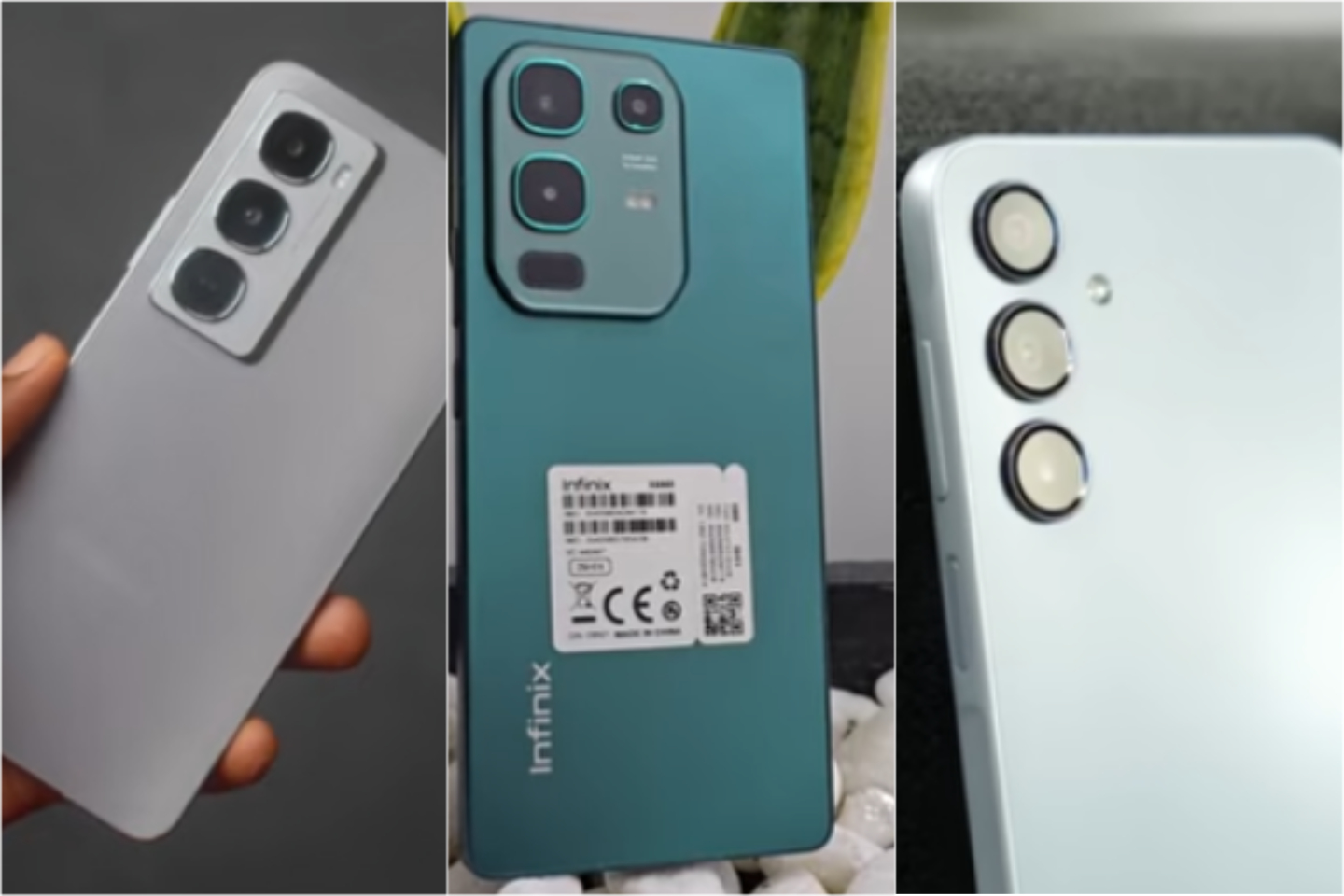
Infinix’s Hot 70 Pro launched in Nigeria just this July 2026, replacing the Hot 60 Pro+. It’s worth knowing upfront that Infinix switched this generation from an AMOLED panel to a 6.76-inch IPS LCD display — a step back on screen tech even as other specs improved — paired with a MediaTek Dimensity 7100 chipset (now with 5G, unlike the 4G-only Hot 60 Pro+), a 6,000mAh battery, and 45W wired charging. It’s listed in Nigeria from around ₦270,000 to ₦400,000 depending on configuration and retailer, so shop around before committing.
| Phone | Display | Chipset | Battery / Charging | Approx. Nigeria price |
|---|---|---|---|---|
| Samsung Galaxy A57 | 6.7” Super AMOLED+, 120Hz | Exynos 1680 (4nm) | 5,000mAh, 45W wired only | ~₦600,000–₦700,000 |
| Tecno Camon 50 | 6.78” AMOLED, 144Hz | MediaTek Helio G200 Ultimate | 6,150mAh, 45W wired | ~₦300,000–₦341,000 |
| Infinix Hot 70 Pro | 6.76” IPS LCD, 144Hz | MediaTek Dimensity 7100 | 6,000mAh, 45W wired | ~₦270,000–₦400,000 |
| itel Super 26 Ultra | 6.8” AMOLED, 144Hz | Unisoc T7300 (6nm) | 6,000mAh, 18W wired | ~₦227,000–₦260,000 |
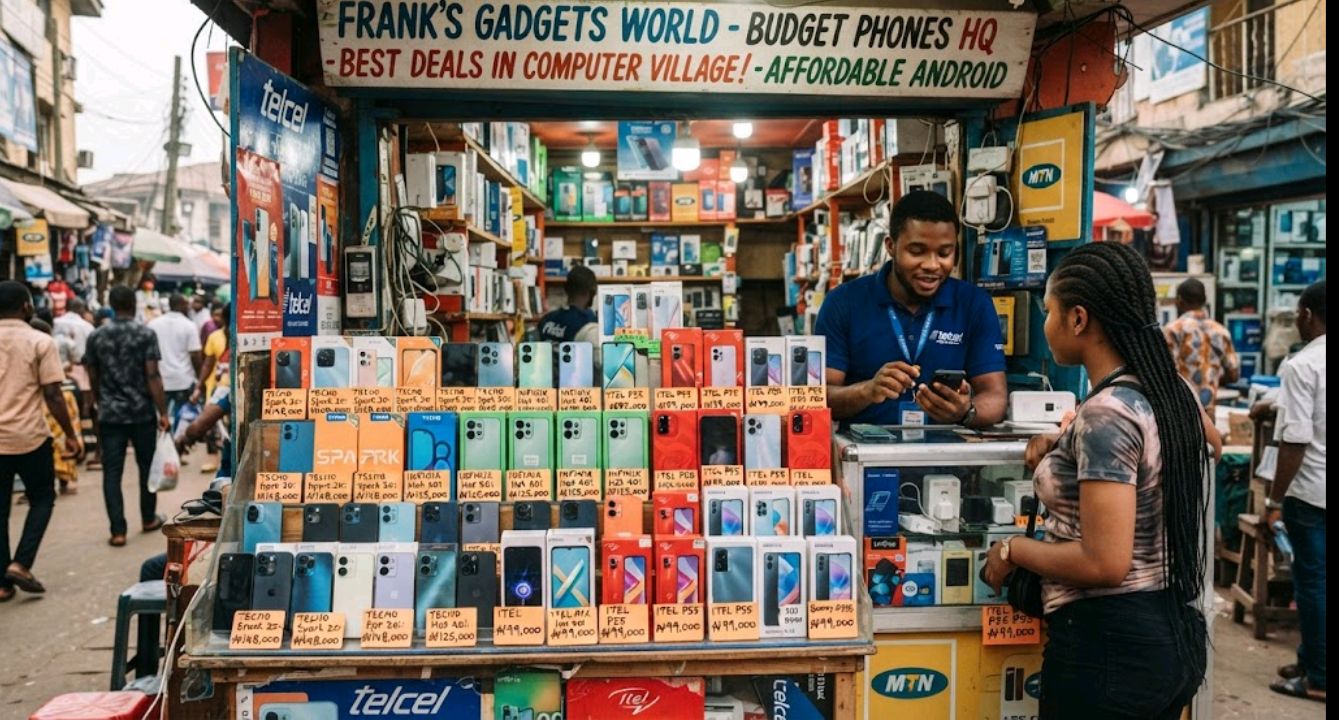
Prices fluctuate with the Naira-to-Dollar exchange rate and vary between Computer Village, Jumia, Slot, and official brand stores — always confirm current pricing before buying.
Budget picks that don’t feel like a compromise
If your ceiling is closer to ₦150,000–₦200,000, you’re not stuck with a bad screen and a weak camera anymore. The Tecno Spark 40 starts around ₦142,000 and still manages a capable big-battery experience, while the Infinix Hot 60i and Samsung Galaxy A07 round out the sub-₦200,000 bracket with respectable 50MP main cameras and all-day battery life. Budget-tier phones from Tecno, Infinix, and itel typically ship with only 2–3 years of OS updates, so factor that into how long you plan to keep the device. For a wider breakdown of what phones in this range can realistically do, our phones under $500 comparison is a useful companion read, since several of these budget devices sit comfortably within that range once converted.
Gaming considerations
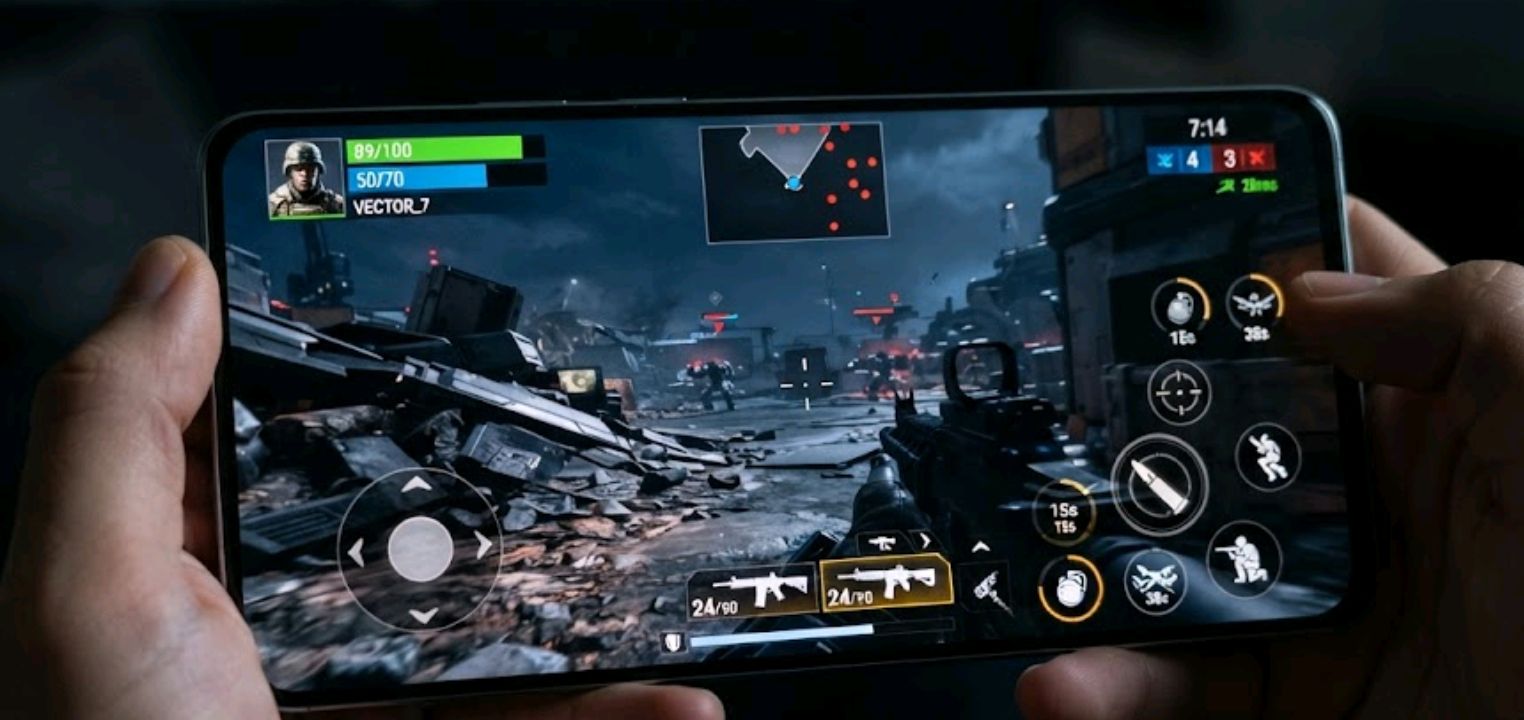
Mobile gamers chasing smooth frame rates in PUBG Mobile, COD Mobile, or MLBB should prioritize refresh rate and sustained thermal performance over raw camera specs. The itel Super 26 Ultra’s 144Hz panel is a genuine standout at its price point, though its 18W charging is noticeably slower than rivals in the same bracket, and it’s worth weighing that tradeoff if you top up mid-day between matches. Mid-rangers like the Galaxy A57 hold up well in fast-paced titles thanks to their 120Hz displays and Samsung’s longer update commitment. If gaming performance on a tight budget is your main concern, we’ve covered this in more detail in our best phones for gaming under $250 guide.
What actually changed in 2026
A few trends are worth flagging if you’re comparing against a phone from two or three years ago:
- Wired charging finally moved past 45W on Samsung. The S26 Ultra’s jump to 60W is Samsung’s first meaningful charging speed bump in years, though it still trails Chinese flagships comfortably sitting at 80–100W.
- Software support windows are genuinely getting longer at the top. Google and Samsung now both promise 7 years of OS and security updates on their flagship-tier phones — a real shift from the 3–4 year norm not long ago. Mid-range and budget phones haven’t caught up to the same degree.
- Silicon-carbon battery tech is spreading beyond Chinese flagships. It’s how OnePlus and OPPO fit 7,300–7,500mAh cells into phones roughly the same thickness as a Galaxy S26 Ultra with a third of the capacity.
FAQ
Is the Samsung Galaxy S26 Ultra worth it over the S25 Ultra? If you already own an S25 Ultra, the main upgrades — faster 60W charging and the new Privacy Display — probably aren’t dramatic enough to justify switching. Coming from an older phone, it’s a solid buy, especially given the 7-year update commitment.
Which Android phone has the best camera for content creation? The Google Pixel 10 Pro and Pro XL consistently lead computational photography comparisons thanks to Gemini-assisted processing, though Xiaomi’s Leica-tuned 17 Ultra and vivo’s Zeiss-tuned X300 Pro are both strong rivals for stills.
What’s the best Android phone under ₦300,000 in Nigeria right now? The Tecno Camon 50 and itel Super 26 Ultra are the strongest options in this range, balancing display quality, battery life, and camera performance for the price.
Do mid-range phones support 5G in Nigeria? Some do, but check the specific model and variant before assuming — chipset naming between regional versions can differ, and 5G coverage in Nigeria is still limited to select cities, so confirm your network’s coverage map too.
Should I buy a foldable phone in 2026? Only if you’ll genuinely use the larger inner display for reading, multitasking, or productivity. For gaming and everyday use, a standard flagship or mid-ranger usually offers better battery efficiency and fewer software quirks.
Which phone has the longest software support on this list? The Google Pixel 10 Pro XL and Samsung Galaxy S26 Ultra are tied at 7 years of OS and security updates — the longest commitments currently available on any Android phone.
Methodology and sources
Specifications in this guide were cross-checked against GSMArena’s phone database and reviews, PhoneArena’s specs comparison tool, Samsung’s official Galaxy S26 Ultra product pages, Android Central’s flagship comparisons, and update-policy trackers including endoflife.date and Android Authority’s OEM update policy roundup. Mid-range and budget picks were verified against each brand’s most recent 2026 releases rather than their 2025 predecessors — for example, the Galaxy A57, Camon 50, and Hot 70 Pro replace the A56, Camon 40, and Hot 60 Pro+ referenced in earlier drafts of this guide. Specifically, the Tecno Camon 50’s Helio G200 Ultimate chipset and 6,150mAh battery, and the Infinix Hot 70 Pro’s Dimensity 7100 chipset and 6,000mAh battery, are both listed on GSMArena’s own device pages for these exact models (not estimates or rumors) — GSMArena also directly confirms the Hot 70 Pro’s shift from AMOLED to IPS LCD this generation. Naira prices are approximate as of publication, sourced from NaijaTechGuide and current retailer listings, and will shift with exchange rate movements and promotions — always confirm current pricing at Jumia, Slot, or your nearest Computer Village dealer before purchasing. Where sources reported conflicting figures (notably Honor Magic8 Pro battery capacity and OnePlus’s exact wired charging speed by region), this is noted directly in the text rather than presented as a single confirmed number.

Comments 0
Leave a comment