
Table of Contents
Open Table of Contents
Overview
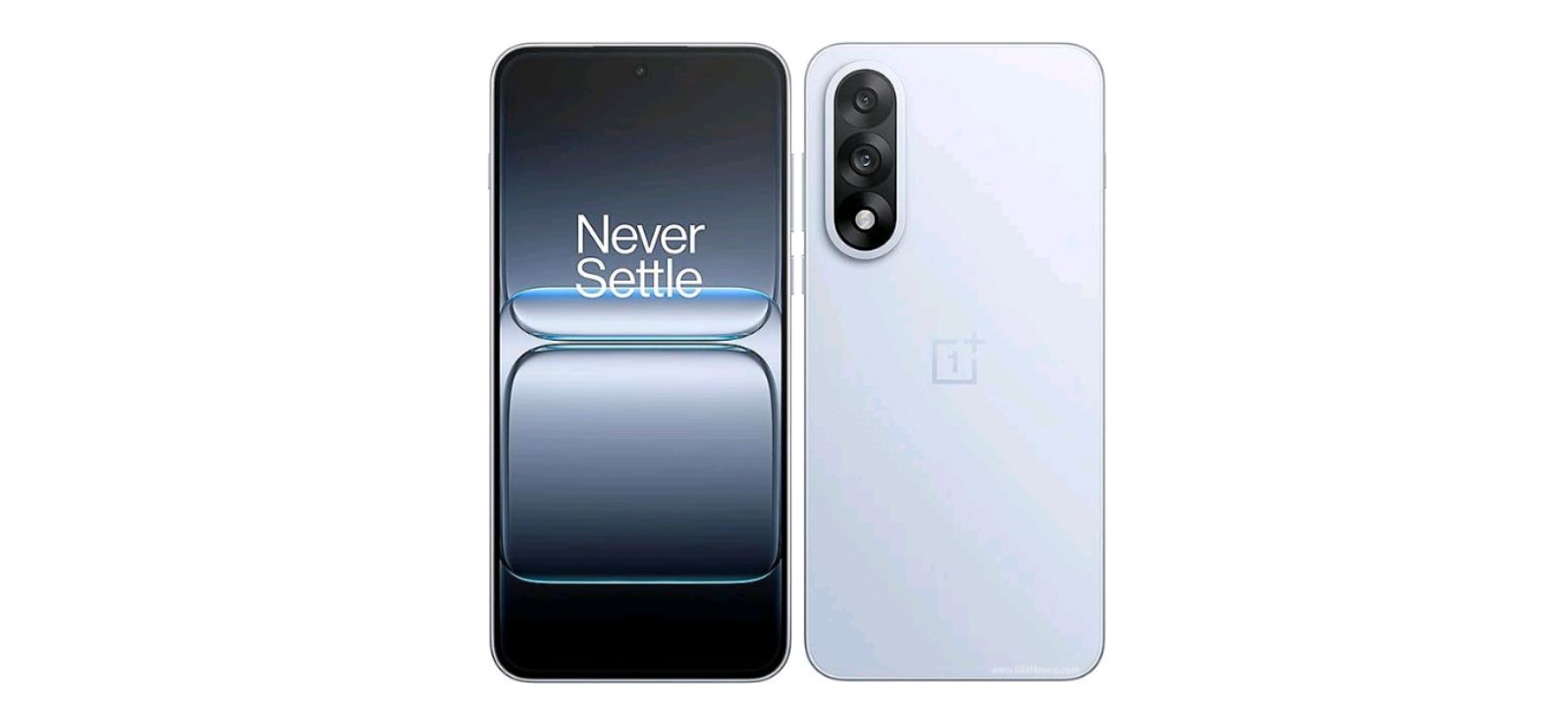
Reviewers do not agree about the OnePlus 15R camera, and that is the most useful thing to know before you buy. Some call the main lens very good. Others call the whole system a step backwards. Both groups are describing the same phone, because the 15R has one strong rear camera, a weak ultrawide, a capable selfie camera, and a gap where last year’s telephoto used to be.
This article pulls together what GSMArena, TechRadar, HotHardware, Tom’s Guide and others published, and explains why their verdicts differ. It is based on published reviews, not our own testing.

The camera hardware at a glance
| Camera | Sensor and lens | Notes |
|---|---|---|
| Main | 50MP Sony IMX906, 24mm, f/1.8 | 12MP by default, optional 26MP mode |
| Ultrawide | 8MP, 16mm, f/2.2, 112° field of view | Fixed focus; GSMArena lists a Sony IMX355 or an OmniVision sensor |
| Selfie | 32MP, 25mm equivalent, f/2.0, autofocus | First autofocus front camera on an R-series phone |
| Telephoto | None | 2x is a digital crop from the main sensor |
Specs from OnePlus’s spec page and GSMArena’s hands-on and full reviews. GSMArena’s sample data shows the selfie lens at 21mm, so figures differ by source.
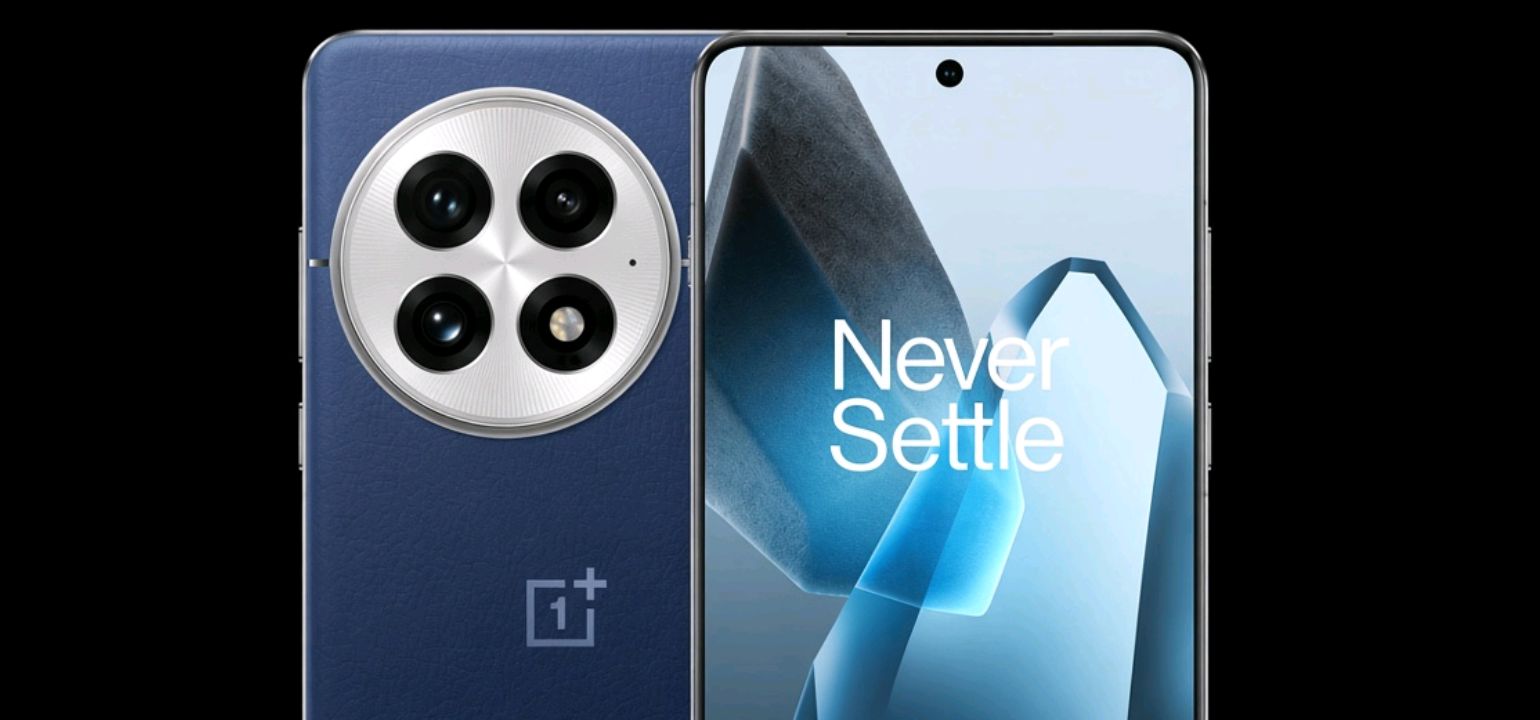
The main camera uses Sony’s 50MP IMX906 sensor. One naming detail is worth flagging: spec listings name the 13R’s main sensor as the LYT-700, while GSMArena says the two names refer to the same sensor. Both are listed at 1/1.56 inches with optical stabilisation, but sources do not fully agree on how closely they match, so treat that point as unsettled. The clearer change is the removal of the 13R’s dedicated 50MP 2x telephoto camera. HotHardware notes that the older telephoto lacked stabilisation, but it still made the 13R more versatile for zoom photography. GSMArena adds that the ultrawide sensor dates back to the 12R.
Main camera: the part that works
GSMArena’s hands-on review described the 12MP photos as decent but unremarkable. Foliage looks natural rather than over-sharpened, but some frames are soft toward the edges, and there is fringing around high-contrast edges. Colours lean a little warm, especially late in the day.
The 26MP mode changes the picture. It is not a different sensor or a native resolution. HotHardware explains that, given enough light, the phone combines several pixel-binned 12MP shots (for dynamic range) with a 50MP capture (for detail) to produce a 26MP image. GSMArena found the result much more detailed, with a natural, almost film-like look. The trade-offs are that it only works in good light, highlights blow out more easily, and files are about twice the size.
Reviewers disagree, and here is why
The same outlet can sound different depending on when it wrote. GSMArena’s December hands-on was harsh. Its January full review was warmer.
| Reviewer | Camera takeaway |
|---|---|
| GSMArena (hands-on, Dec 2025) | Main camera good, ultrawide weak, selfie beaten by the cheaper Nord 5 |
| GSMArena (full review, Jan 2026) | Very good main photos and video, solid autofocus selfies, no telephoto |
| TechRadar | Camera score of 4/5; main sensor strong in all settings, telephoto missed |
| HotHardware | Main shooter quite nice, ultrawide underwhelming, selfies generally decent |
| Android Central | No complaint about the main camera, but annoyed by the missing telephoto |
| Engadget | Subtitle says the camera is even worse than the OnePlus 15’s |
Different scenes, software versions and expectations explain a lot of this. A reviewer who mostly shoots the main lens in daylight will like the phone. One who tests zoom and ultrawide will not.
Against the Pixel 9a and iPhone 16e
Tom’s Guide ran an 11-round comparison before launch, so the 15R was on pre-release software. The Pixel 9a and iPhone 16e are also older phones and not direct price rivals for every 15R buyer, so read this as one reviewer’s subjective comparison, not a camera ranking or a buying recommendation.
| Scenario | What Tom’s Guide saw |
|---|---|
| Daylight buildings | All three handled dynamic range well; the Pixel 9a showed finer brick detail |
| Colour | The 15R looked more muted than the iPhone, with duller yellows |
| Selfies | The 15R captured the best facial detail but with a cooler colour cast |
| 8x zoom | The 15R and iPhone were sharp, though the 15R smoothed textures more |
| Low light, scene one | The 15R’s night mode brightened the scene; the iPhone drew the best detail |
| Low light, scene two | The 15R was the weakest, with a noticeably darker result |
The reviewer’s overall read was that the iPhone 16e won most rounds, while the 15R did well wherever strong contrast helped.

Where it falls short
No telephoto. Past 2x, you are cropping. GSMArena said the phone is outclassed by its own predecessor for zoom, and TechRadar called the missing lens the one clear step backwards.
The ultrawide. This is the weakest link by most accounts. GSMArena’s hands-on compared its quality to a budget phone, and its video tops out at 1080p at 30fps with poor colour and stabilisation. Even the warmer full review only called its daylight photos above average for a basic 8MP shooter, and GSMArena reports it has no macro mode.
Low light. Results look inconsistent. Tom’s Guide saw the night mode do well in one scene and poorly in another, and a OnePlus community review also mentions noise and blur in dim conditions.
Video
The main camera records 4K up to 120fps. GSMArena’s hands-on says stabilisation is convincing at 30 and 60fps, but 120fps footage looks slightly jerky, and its full review praises the stabilisation overall. The selfie camera shoots 4K at 30fps, an upgrade over the 13R’s 1080p limit.
Who this camera suits
It suits you if you shoot mostly with the main lens in good light, post to WhatsApp status and Instagram, and care more about battery and speed than camera range. The 15R’s 7,400mAh cell is a big part of its appeal, and our Motorola 7,000mAh phones guide shows what else sits in that battery class. One thing to know: 91mobiles’ review notes the 15R has no wireless charging, so if that matters, see which Motorola phones support wireless charging.
It is a poor fit if you zoom often, shoot tight group photos with the ultrawide, or depend on night photography. On a tighter budget, Tecno Pova 8 vs Pova 7 is worth a look before you pay for a camera system you may not fully use.
Final verdict
The OnePlus 15R’s main camera is good, and the 26MP mode can be very good in daylight. The selfie camera is a genuine step up from the 13R. The trouble is what surrounds them: a weak ultrawide, a missing telephoto, and uneven low-light results. GSMArena’s reviews, read together, give the fairest summary. Buy it for performance and battery, accept the main camera as a strong point, and look elsewhere if you want a versatile camera system.
FAQ
What cameras does the OnePlus 15R have?
A 50MP main camera and an 8MP ultrawide on the back, plus a 32MP autofocus selfie camera. There is no telephoto lens.
Is the OnePlus 15R camera good in low light?
Mixed. Tom’s Guide found the night mode worked well in one dark scene and poorly in another, so do not expect consistent results.
What is the 26MP mode?
It is an optional setting that combines several 12MP shots with a 50MP capture to build a more detailed 26MP image. It works in good light and produces larger files.
Does the OnePlus 15R have a macro camera?
There is no dedicated macro camera, and the ultrawide has no autofocus. GSMArena reports the phone has no macro mode, though some outlets mention close-up shooting through the main camera, so check the camera app on a retail unit.
Can the OnePlus 15R shoot 4K video?
Yes. The main camera records 4K up to 120fps and the selfie camera 4K at 30fps. The ultrawide is limited to 1080p at 30fps.
Is the OnePlus 15R camera better than the OnePlus 13R?
For selfies, yes. For zoom, no, because the 13R had a telephoto lens that the 15R drops.


Comments 0
Leave a comment