Table of Contents
Open Table of Contents
- Overview
- The short version
- Pova 8 vs Pova 7 5G: specs side by side
- The battery jump is real
- Chipset: a step sideways, maybe backwards
- Display and design
- Durability: read the label carefully
- Cameras: same hardware headline, one notable gap
- Gaming: what the specs suggest
- What each change means for you
- Price and availability
- Which one should you pick?
- FAQ
- Sources
Overview
TECNO’s Pova line has always been sold on one idea: more battery and a faster screen than the price suggests. The Pova 8 pushes the battery number hard. What it does with the rest of the spec sheet is more mixed, and one change goes against the trend: the older phone has a feature the newer one does not list.
A note on naming first. “Pova 7” has been used for more than one variant, and some listings blend the 4G and 5G versions, which is why battery figures conflict online. This post compares the Pova 8 (5G) with the Pova 7 5G, the like-for-like pair.
The short version
The Pova 8 wins on battery and launches with newer software. It gives ground in four places: a lower-tier chipset on paper, a 1440p video ceiling, no listed wireless charging, and a single speaker where the Pova 7 5G has two. If the Pova 7 5G already suits you, this is not a must-upgrade. If you are buying fresh and battery comes first, the Pova 8 makes sense.
Pova 8 vs Pova 7 5G: specs side by side
| Spec | Pova 7 5G | Pova 8 |
|---|---|---|
| Battery | 6,000mAh | 8,000mAh |
| Wired charging | 45W | 45W (50% in about 35 min) |
| Wireless charging | 30W | Not listed |
| Chipset | MediaTek Dimensity 7300 Ultimate | MediaTek Dimensity 7100 (6nm) |
| Display | 6.78-inch, 144Hz, 1080 × 2460 | 6.76-inch IPS LCD, 144Hz, 1080 × 2344 |
| Peak brightness | Not listed by TECNO | 950 nits (HBM), 760 nits typical |
| Rear camera | 50MP | 50MP |
| Front camera | 13MP | 13MP |
| Max video | 2160p (4K), per GSMArena | 2K (1440p) at 30fps |
| Speakers | Dual speakers, Dolby Atmos | Single Dolby speaker |
| Weight | 207g | 225g (global specification) |
| Durability | IP64 | IP64; MIL-STD-810H per GSMArena |
| Software at launch | Android 15, HiOS 15 | Android 16, HiOS 16 |
| Announced | July 2025 | June 2026 |
Sources: TECNO’s official spec pages for both phones; POVA’s official Pova 8 product page for speaker, reverse charging, IP64 and RAM options; GSMArena for Pova 7 5G weight and video, and Pova 8 MIL-STD-810H. Dates reflect global announcement timing, not Nigerian availability. POVA’s India-market product page lists 229.5g for the Pova 8, so regional specifications differ; check your local listing. Both phones are listed with IP64: the Pova 8 on POVA’s product page, the Pova 7 5G in TECNO’s India launch specifications.
The battery jump is real
Going from 6,000mAh to 8,000mAh is a 33% increase in capacity, and it is the one change nobody can argue with. TECNO’s own claims for the Pova 8 include 14+ hours of Mobile Legends and 29+ hours of YouTube. Those are manufacturer figures, not measured results. Real endurance also shifts once 5G stays on all day, which we looked at in our piece on Samsung Galaxy S26 battery life with 5G on.
Charging is where the story turns. Wired charging stays at 45W, so a bigger cell likely means a longer wait for a full top-up. That is our reading of the numbers, not a tested result. POVA’s official product page lists 10W reverse wired charging for the Pova 8, so it can top up earbuds or another phone in a pinch. The bigger difference is wireless charging: TECNO lists 30W only for the Pova 7 5G. If a charging pad is part of your routine, that single line may decide it, and these Motorola phones support wireless charging if you end up looking elsewhere.
Chipset: a step sideways, maybe backwards
The Pova 8 uses the Dimensity 7100 on a 6nm process, with TECNO listing speeds up to 2.4GHz. The Pova 7 5G runs a Dimensity 7300 Ultimate. On paper, the older phone has the stronger performance hardware. Without comparable benchmark results or our own testing, we cannot say how large that gap is in everyday use or in games.
Display and design
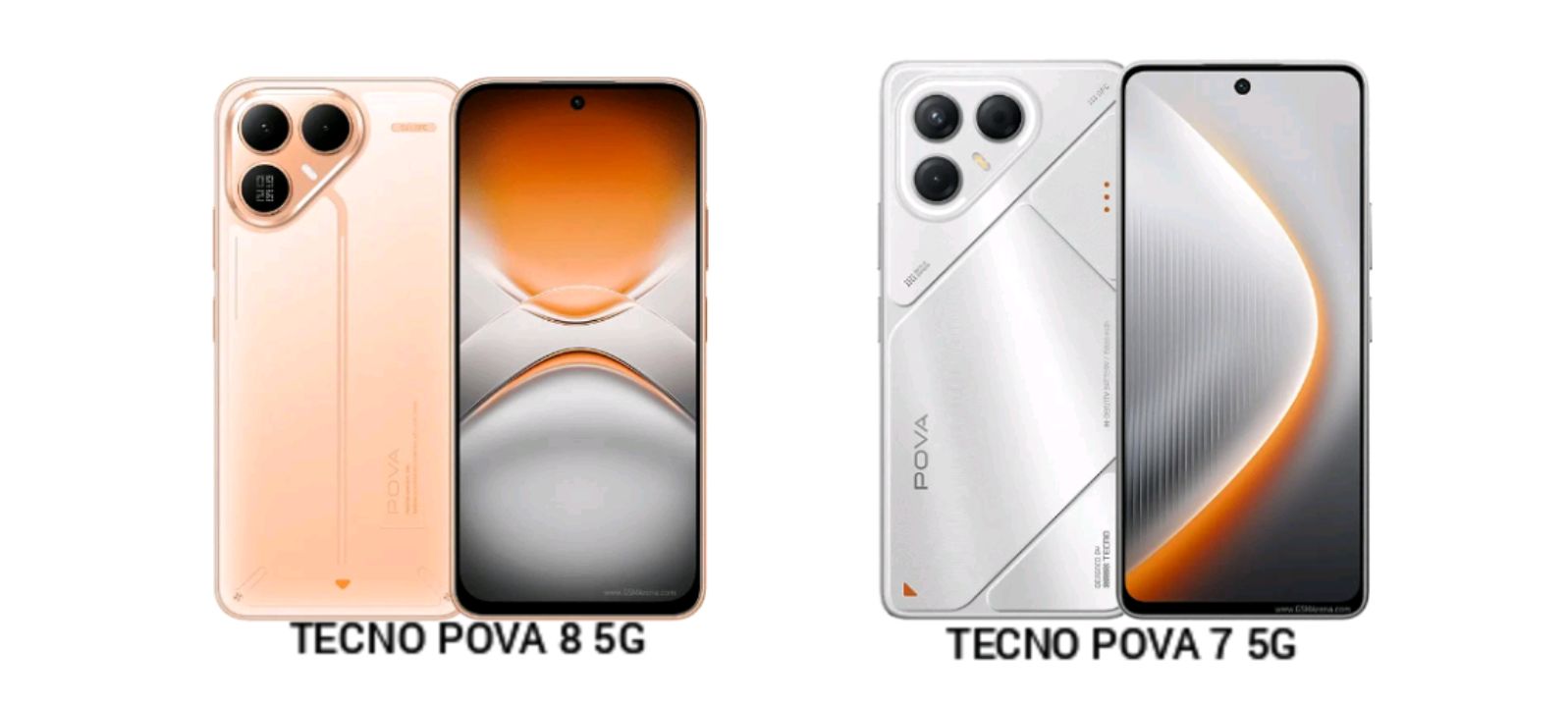
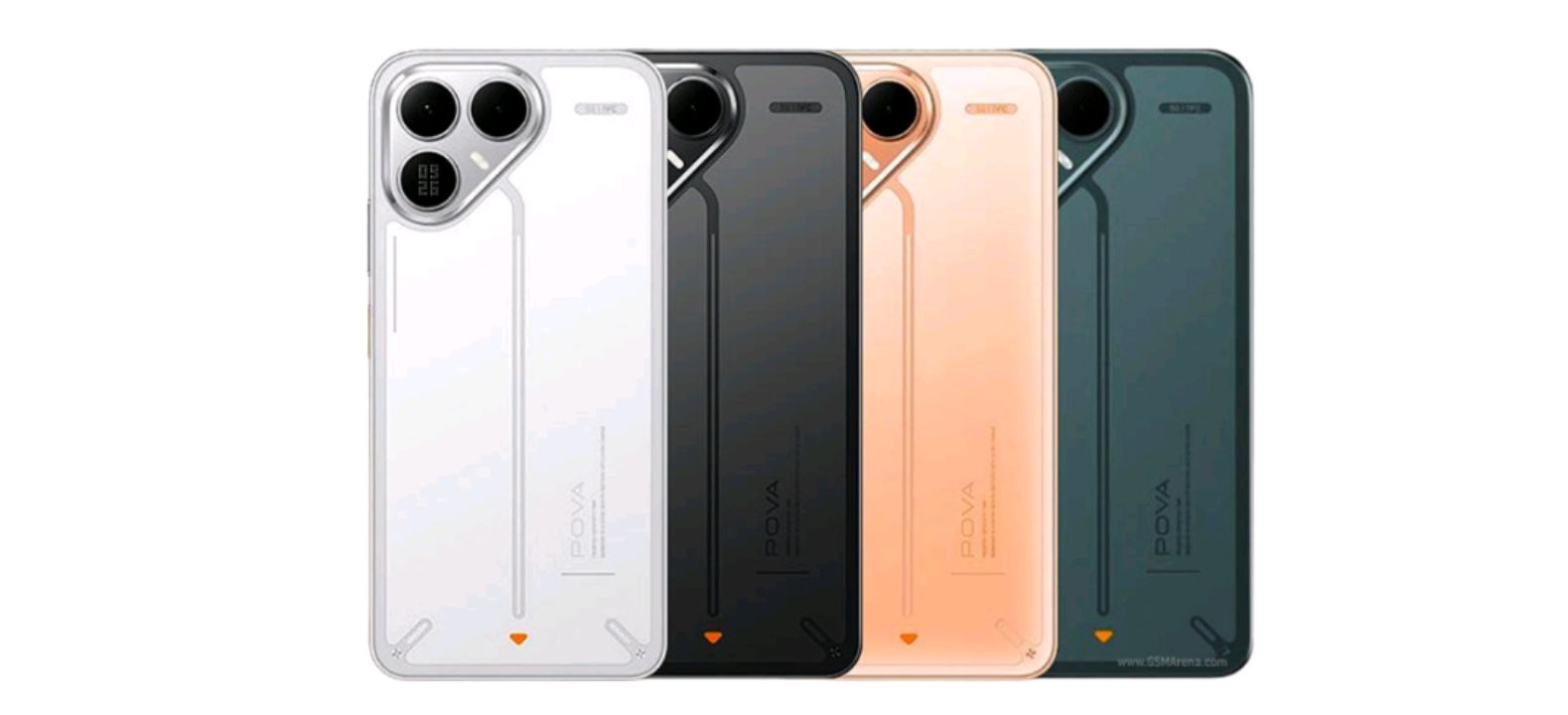
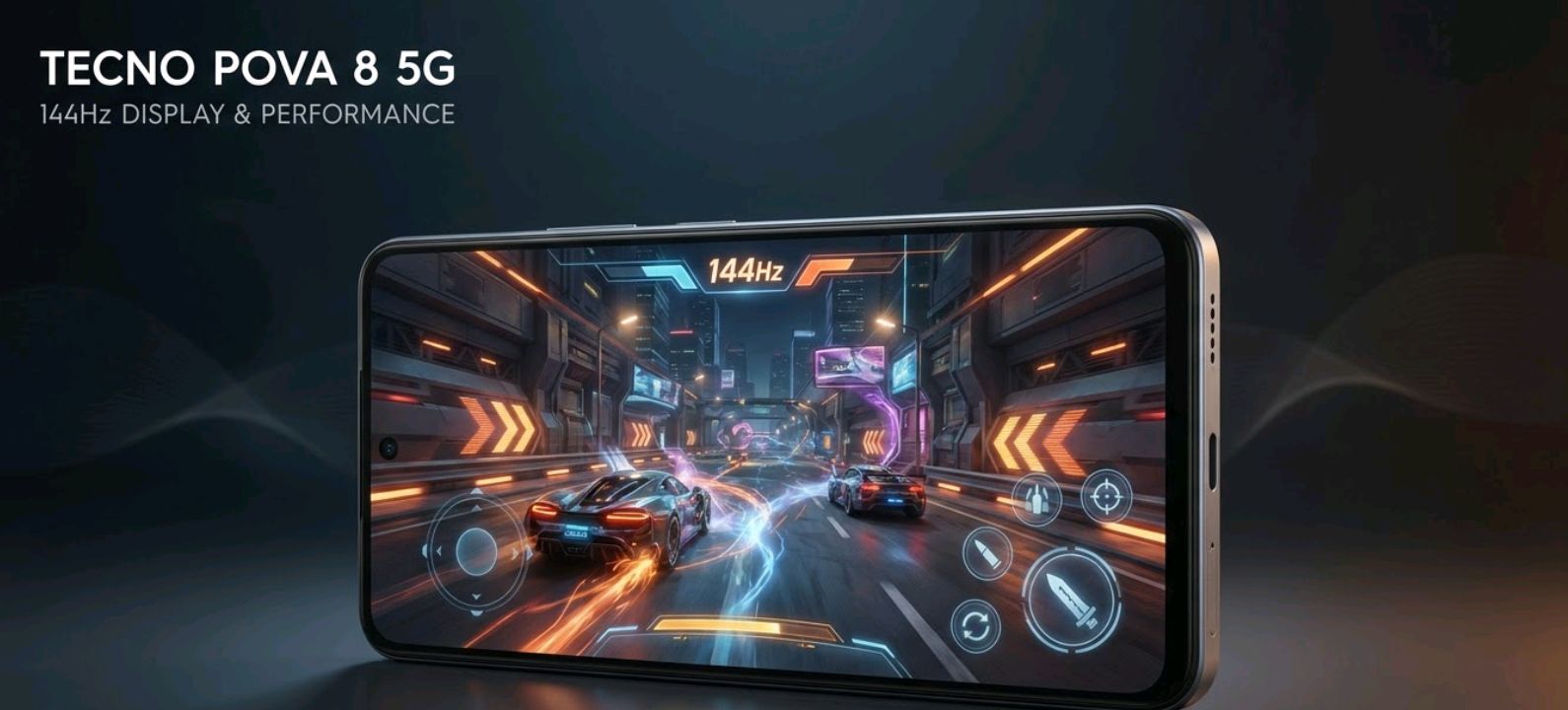
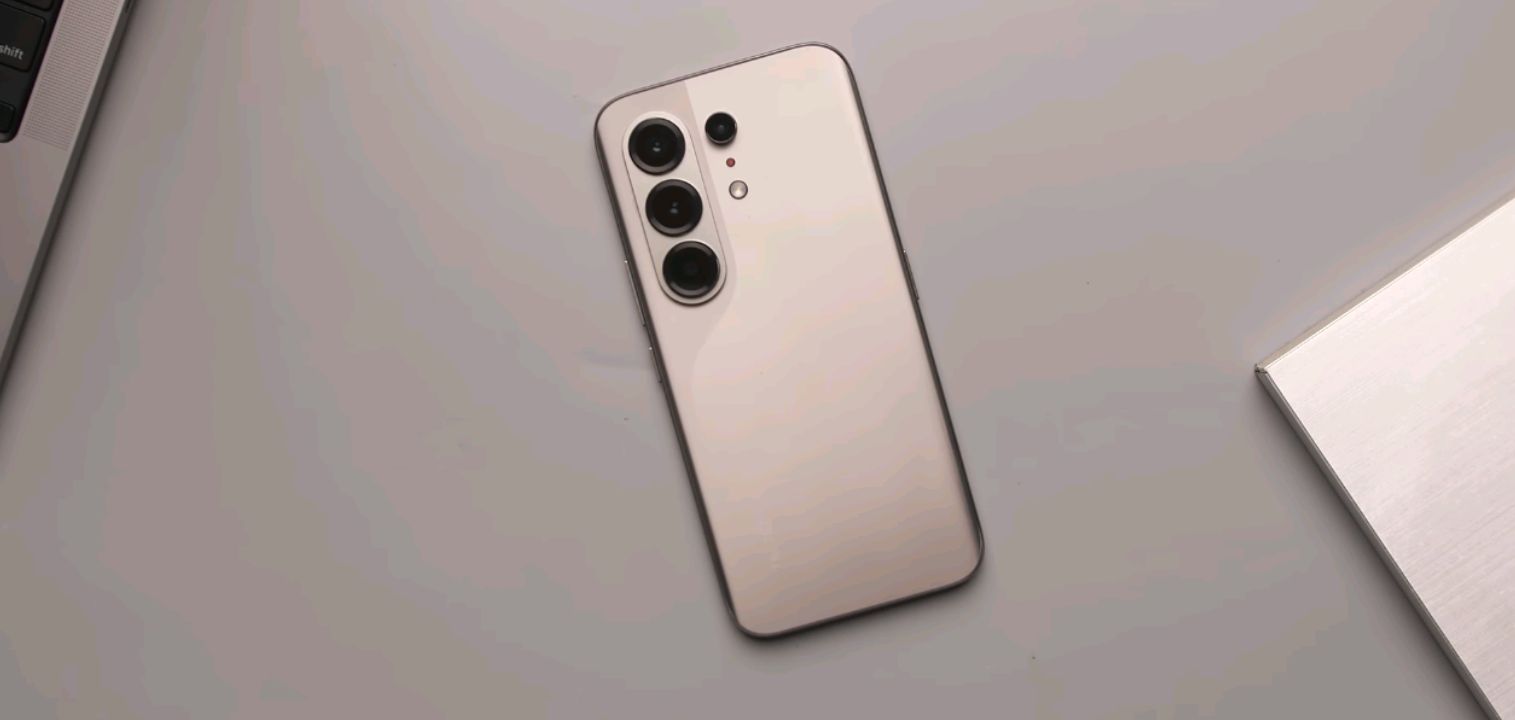
Both screens are around 6.8 inches, Full HD+ and 144Hz, so the high refresh rate is not new to the Pova 8. What TECNO does publish for the Pova 8 is brightness: 950 nits in high brightness mode and 760 typical. The visual change is the rear. The Pova 8 introduces the Alive Matrix display, a lit panel on the back TECNO uses for notifications and effects, replacing the Pova 7’s Delta Light Interface styling. It is also about 18g heavier on TECNO’s global specification, 225g against the Pova 7 5G’s 207g, which you will feel in one hand.
Audio is another area where the older model has an advantage. TECNO lists dual speakers for the Pova 7 5G, while the Pova 8 uses a single Dolby speaker. If you regularly play games or watch videos without headphones, that is worth considering.
Durability: read the label carefully
Both phones are listed at IP64: POVA’s official product page gives it for the Pova 8, and spec listings give the Pova 7 5G the same rating. GSMArena adds MIL-STD-810H compliance for the Pova 8. IP64 means dust-tight and protected against splashes, not submersion. MIL-STD-810H is a set of US military test methods the manufacturer reports against, and it does not make a phone indestructible. The MIL-STD-810H claim comes from GSMArena alone, not from TECNO’s or POVA’s spec pages, and no independent durability test is behind either rating. On dust and splash resistance the two phones look level, and the extra MIL-STD-810H listing is a separate claim, not proof of better water resistance.
Cameras: same hardware headline, one notable gap
Both phones pair a 50MP main sensor with a 13MP front camera, so do not expect a photography leap. The difference is video. The Pova 7 5G is listed with 4K recording, while the Pova 8 tops out at 1440p at 30fps. Video limits vary a lot at this price, which is why we checked the same thing on the HONOR 600 Lite. For camera-first buyers, TECNO’s Camon range is the better direction, as covered in our best TECNO camera phones for Nigeria in 2026.
Gaming: what the specs suggest
Both phones pair a 144Hz display with 45W charging, so the screen is a wash. The Pova 8 pulls ahead on endurance, which matters for long sessions, but its single speaker is a consideration if you play without headphones. The Pova 7 5G leads on chipset on paper. TECNO’s 14+ hours of Mobile Legends is a claim, not a measurement. Both phones have specifications suited to casual gaming, but actual frame rates and sustained performance depend on the game and on thermal behaviour, which we have not tested. For demanding 3D titles, the chipset gap is the open question.
What each change means for you
| Change | Verdict | Who cares |
|---|---|---|
| 6,000mAh to 8,000mAh | Upgrade | Heavy gamers, commuters, anyone who dislikes carrying a power bank |
| 30W wireless charging to none listed | Downgrade | Anyone with a wireless charging pad |
| Dimensity 7300 Ultimate to 7100 | Likely step back on paper | Players of demanding 3D games |
| 4K video to 1440p video | Downgrade on paper | Casual video shooters |
| IP64 on both; extra MIL-STD-810H claim for the Pova 8 (GSMArena) | Roughly level | Anyone using the phone outdoors |
| Android 15 to Android 16 | Upgrade | Buyers who want the newer Android version at purchase |
| 207g to 225g | Heavier | One-handed users |
| Dual speakers to single speaker | Downgrade | Gamers and video watchers who skip headphones |
Price and availability
We could not verify an official Nigerian price for the Pova 8, and third-party naira listings vary widely. Exchange rates move too, so check a TECNO Nigeria retailer for the current figure and confirm the storage and RAM variant before you compare. We would rather leave the number out than publish an estimate we cannot trace to a retailer.
Which one should you pick?
Choose the Pova 8 if battery life drives your decision and you want the newer software. Choose the Pova 7 5G if you want wireless charging, dual speakers, 4K video or the stronger chipset on paper, assuming you can still find one at a sensible price. Choosing inside a single brand family follows its own logic; our guide to Huawei Pura vs Mate vs Nova shows how that thinking works on another lineup. And if endurance is the whole point, the TECNO Camon Slim 5G battery review is a useful contrast, as is the Camon 50 Ultra vs Camon 50 Pro breakdown.
FAQ
Is the TECNO Pova 8 better than the Pova 7?
For battery and software, the Pova 8 has the advantage. It has an 8,000mAh battery against 6,000mAh and launches with Android 16 instead of Android 15. However, the Pova 7 5G has advantages in wireless charging, speakers, video recording and chipset specifications.
How big is the Pova 8 battery?
8,000mAh with 45W wired charging, according to TECNO. POVA’s official product page also lists 10W reverse wired charging.
Does the Pova 8 support wireless charging?
TECNO does not list it. The Pova 7 5G is listed with 30W wireless charging.
Does the Pova 8 record 4K video?
Not according to GSMArena, which lists a maximum of 1440p at 30fps. The Pova 7 5G is listed with 2160p.
Is the Pova 8 good for gaming?
It has a 144Hz display and a large battery, which suit long sessions. Depending on configuration, it offers 6GB or 8GB of physical RAM, with additional extended RAM advertised by TECNO. Its Dimensity 7100 is a mid-range chip, and we have not tested frame rates, so demanding 3D titles are a question mark.
How much does the Pova 8 cost in Nigeria?
We could not verify an official Nigerian price. Check a TECNO Nigeria retailer for the current naira figure.
Should I upgrade from the Pova 7 5G?
Only if battery life is your main complaint and you do not use wireless charging. Otherwise the changes are modest, and some are trade-offs.
Sources
- TECNO POVA 8 5G official specifications
- TECNO POVA 7 5G official specifications
- POVA 8 5G official product page (India-market page)
- GSMArena: Tecno Pova 8 review
- GSMArena: Tecno Pova 7 5G specifications
- Battery-life figures are TECNO’s launch claims as reported by GadgetMatch, not independent test results.


Comments 0
Leave a comment