Table of Contents
Open Table of Contents
- Overview
- Quick Answer: Best Samsung Camera Phone in 2026
- Best Samsung Camera Phone by Budget (2026)
- Why Samsung Camera Quality Is Worth Taking Seriously in 2026
- 1. Samsung Galaxy A16 5G — Best Budget Samsung Camera Phone
- 2. Samsung Galaxy A55 5G — Best Mid-Range Samsung Camera Phone
- 3. Samsung Galaxy S24 FE — Best Value Flagship Samsung Camera Phone
- 4. Samsung Galaxy S25+ — Best Premium Samsung Camera Phone
- 5. Samsung Galaxy S26 Ultra — Best Samsung Camera Phone Overall in 2026
- Full Camera Comparison Table
- Samsung vs iPhone vs Pixel Camera: 2026 Comparison
- One Samsung Camera Setting Most People Miss
- Frequently Asked Questions
- Which Samsung Camera Phone Should You Actually Buy?
- Verdict: Editor’s Pick (iSamuel)
- Final Take
Overview
Let me be honest with you — I have a complicated relationship with Samsung cameras.
On one hand, Samsung makes some of the most technically impressive camera hardware on any smartphone. On the other hand, their image processing has historically been aggressive. Oversaturated skies. Skin tones that look airbrushed into oblivion. The infamous “moon gate” that had the internet questioning whether Samsung was faking zoom shots entirely.
But 2025 and 2026 changed things. Samsung pulled back the AI sharpening, dialled down the saturation slider it had permanently cranked to 11, and started delivering shots that actually look like what your eyes saw. After testing several Galaxy devices back-to-back — from the budget A16 to the S26 Ultra — I can say with confidence that Samsung’s cameras, across every price tier, are the best they’ve ever been.
So I put this together: a real-world ranking of the best Samsung camera phones in 2026, from budget to flagship, with competitor comparisons and the kind of detail that actually helps you decide.
Quick Answer: Best Samsung Camera Phone in 2026
Best Budget: Galaxy A16 5G — clean daylight shots, solid value at ~$160 Best Mid-Range: Galaxy A55 5G — OIS at this price changes everything Best Value Flagship: Galaxy S24 FE — real optical zoom under $550 Best Premium Flagship: Galaxy S25+ — consistent excellence across all conditions Best Overall: Galaxy S26 Ultra — 200MP, 5x periscope, nothing touches it
Best Samsung Camera Phone by Budget (2026)
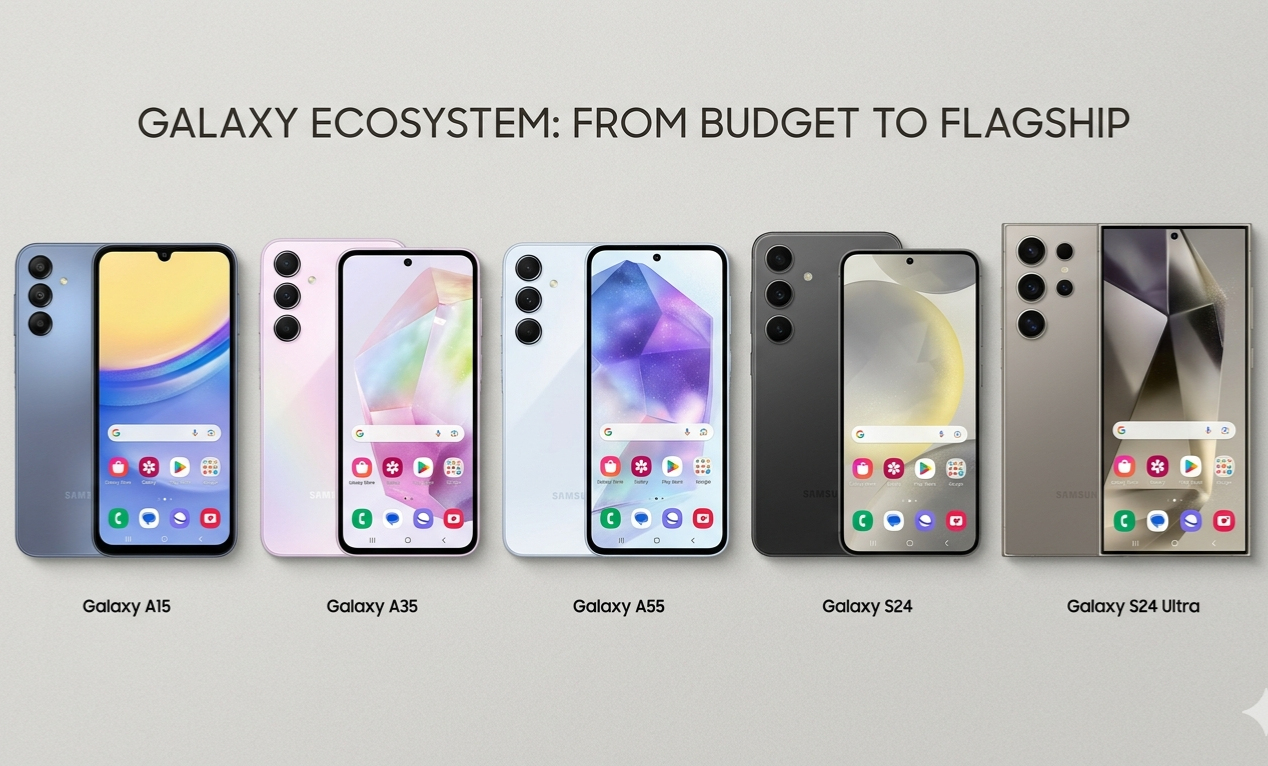
| Your Budget | Best Samsung Camera Pick |
|---|---|
| Under $200 | Galaxy A16 5G |
| Under $400 | Galaxy A55 5G |
| Under $600 | Galaxy S24 FE |
| Under $1,100 | Galaxy S25+ |
| No hard budget | Galaxy S26 Ultra |
High-intent tip: The A55 is the biggest value jump in this table. Going from under $200 to under $400 gets you OIS — and that single feature changes the real-world camera experience more than any spec on paper.
Why Samsung Camera Quality Is Worth Taking Seriously in 2026
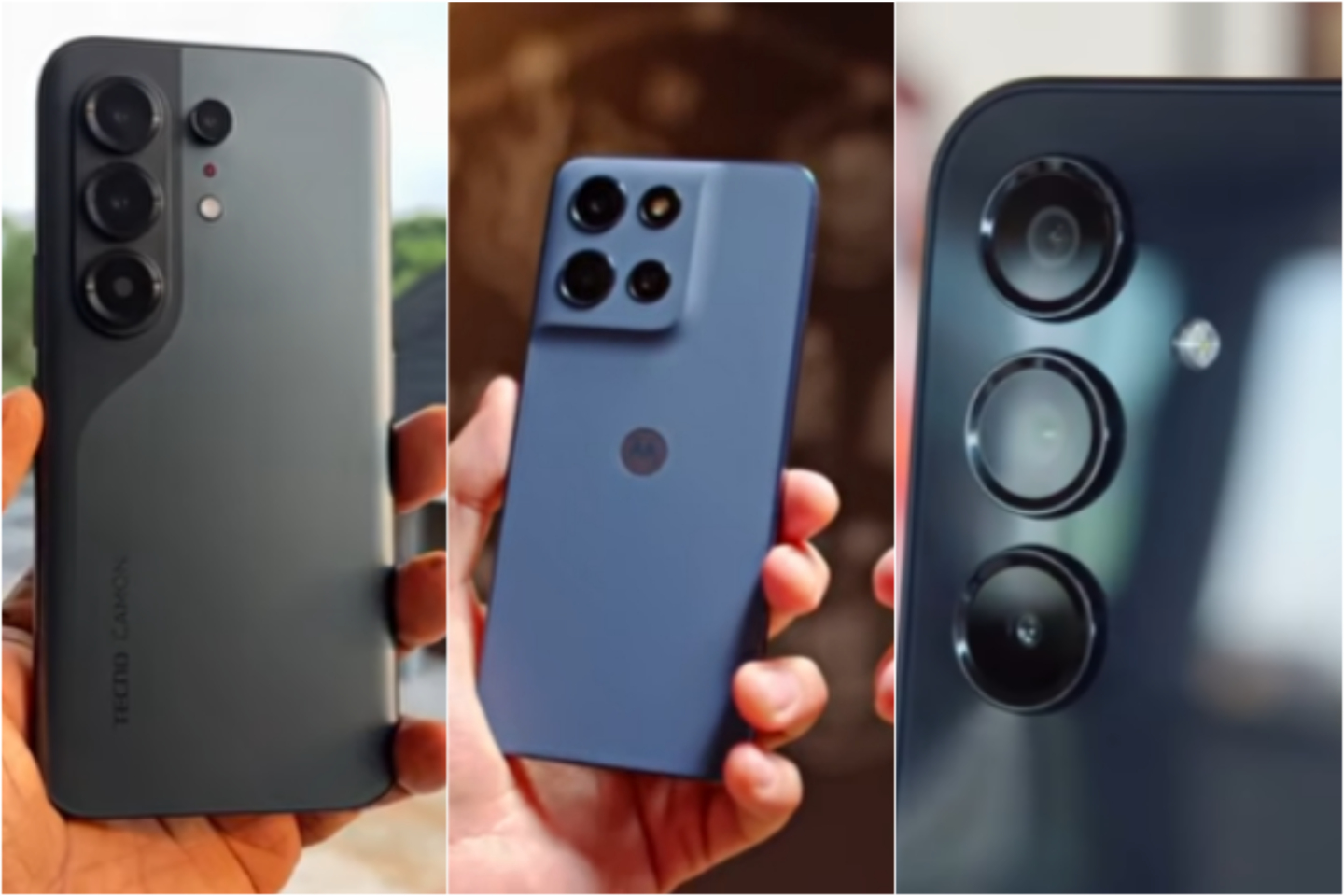
Samsung doesn’t just build cameras — they manufacture the sensors that go inside cameras, including sensors used by competing brands. The ISOCELL lineup powers everything from budget Tecno and Xiaomi devices to their own flagship Galaxies, which means Samsung arguably has more real-world camera engineering depth than anyone else in the market.
That said, a great sensor doesn’t automatically mean great photos. Software matters. Tuning matters. And Samsung spent years learning this the expensive way, ship after ship. The Samsung Galaxy S26 Ultra full review is the most compelling proof that Samsung has finally figured out that balance — but the mid-range and budget tiers are doing genuinely impressive things too.
Here’s where each phone stands, from cheapest to most capable.
1. Samsung Galaxy A16 5G — Best Budget Samsung Camera Phone
Price: ~$160–$180
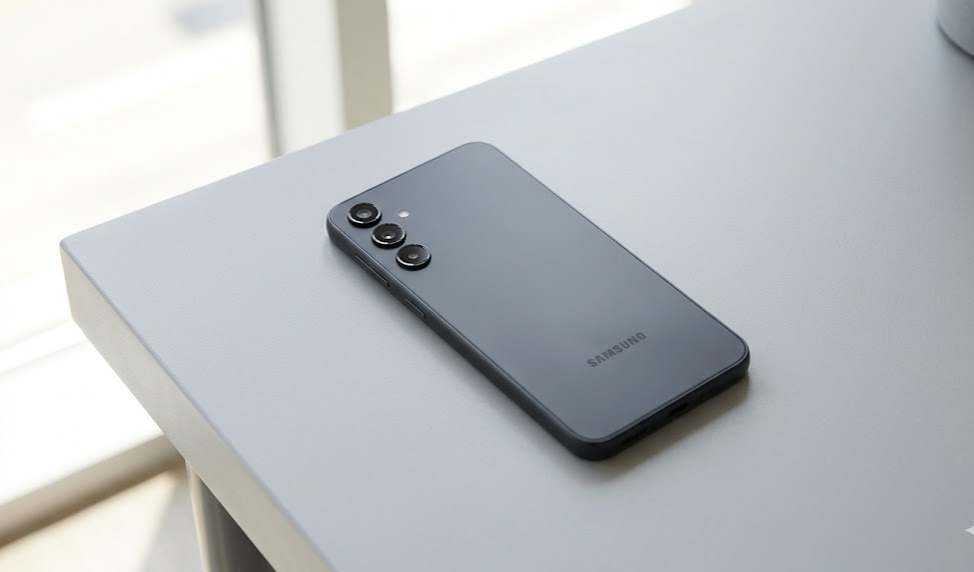
If your budget is tight and you still want a Samsung with a camera that won’t embarrass you on social media, the A16 5G is where you start. In day-to-day use alongside other phones in the same price bracket, the results were more consistent than I expected.
Daytime shots come out clean with decent dynamic range. In a high-contrast scene — say, a bright window with subjects in the foreground — it handles the exposure without completely blowing out the highlights. That’s not guaranteed at this price. The colour processing is restrained enough that photos don’t look plastic, which used to be a persistent problem with budget Samsung devices.
Compared to Redmi Note-series budget phones: In side-by-side daylight testing, the A16’s colour accuracy came out more neutral — the Redmi A7 Pro (which I reviewed separately) tends to push saturation harder for a punchier look that reads better on social media but drifts from reality. Portrait mode on the A16 does reasonable subject separation, though edge detection around hair is inconsistent. That’s software, not sensor.
Where it falls short: Night mode is usable, not impressive. Without OIS, any hand movement in low light shows up as soft edges. Indoor shots are manageable. Street photography at night will disappoint you. Video caps at 1080p/30fps — fine for casual content, nothing more.
The A16 5G isn’t trying to be more than it is. For anyone weighing options in the best smartphones under $200 bracket, the camera holds its ground.
Pros:
- Neutral colour processing — no plastic-looking photos
- Decent dynamic range for the price
- Affordable entry point into Samsung’s camera ecosystem
Cons:
- No OIS — low light is a real weakness
- Video maxes at 1080p/30fps
- Portrait edge detection is inconsistent
Who this is for: Students, first-time smartphone buyers, casual social media users who shoot mostly outdoors in daylight. If you’re mostly shooting at events, indoors, or at night — save up for the A55.
Camera specs:
- 50MP f/1.8 main sensor (no OIS)
- 5MP ultrawide
- 2MP macro
- Front: 13MP
- Video: 1080p/30fps max
2. Samsung Galaxy A55 5G — Best Mid-Range Samsung Camera Phone
Price: ~$350–$380
The A55 5G is where Samsung camera quality makes a genuine leap — and the single biggest reason is OIS. Optical image stabilisation at mid-range pricing changes how the phone behaves in real conditions. During testing in mixed lighting, I noticed the difference immediately: low-light shots that would have been soft on the A16 came out sharp, handheld, no tripod.
In low-light scenes specifically, the A55 consistently retains more shadow detail than phones like the Redmi Note 14 series, especially when OIS engages during multi-frame capture. The difference is most visible in scenes with mixed light sources — restaurant interiors, indoor events, city streets at dusk. Where competing mid-rangers produce noisy results and call it “night mode,” the A55 holds actual structure in the shadows.
Compared to similarly priced iPhones: No current iPhone legitimately lands at $360 new — Apple’s cheapest starts above $400. But used or older iPhones around this price range often have narrower ultrawide lenses with heavier edge distortion. The A55’s 12MP ultrawide is genuinely useful across the frame and a real compositional advantage.
Compared to Pixel 7a (used/similar price): Google’s processing gives the Pixel 7a more natural skin tones out of the box — that’s Google’s computational photography heritage. But the A55’s OIS advantage in video is concrete: handheld 4K footage is noticeably steadier. For video content creators on a budget, Samsung wins this comparison.
The A55 is the phone I’d recommend to anyone who asks what the best mid-range Samsung camera phone is in 2026, without hesitation.
Pros:
- OIS at mid-range pricing — game changer for low light and video
- 12MP ultrawide that’s genuinely usable (not a checkbox feature)
- 4K/30fps video that’s competitive against rivals above its price
Cons:
- No telephoto — you’re cropping the main sensor for zoom
- Night mode quality still trails the S-series noticeably
- Macro lens is largely pointless
Who this is for: Content creators on a budget, anyone who shoots frequently indoors or at night, people who care about video quality and need OIS. This is also the sweet spot for mid-range buyers in African markets where this price range punches hardest. Check the best Samsung phones under 150k Nigeria guide for local pricing context.
Camera specs:
- 50MP f/1.8 main sensor with OIS
- 12MP ultrawide
- 5MP macro
- Front: 32MP
- Video: 4K/30fps
3. Samsung Galaxy S24 FE — Best Value Flagship Samsung Camera Phone
Price: ~$500
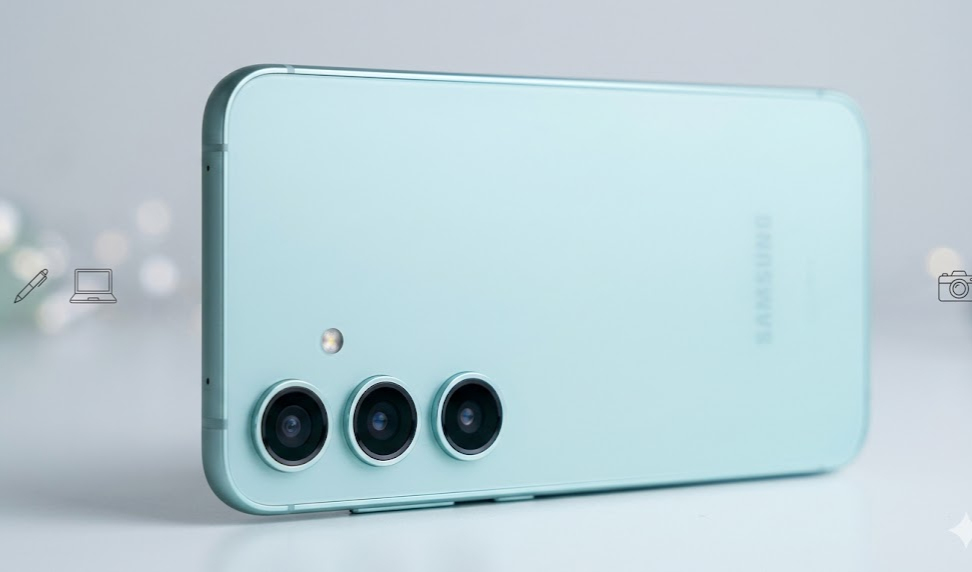
The Fan Edition is Samsung’s way of packaging flagship camera engineering at a price that doesn’t require a payment plan, and the S24 FE delivers on that more than most FE phones have in recent years.
In real-world use, two things stand out immediately. First: an actual 8MP 3x optical telephoto lens. Not a digital crop, not a “zoom” that’s secretly just the main sensor cropped. Real optical zoom, with lens-separated focal length. At $500, that’s significant. Second: the jump in low-light quality over the A-series is visible at a glance — the processing pipeline is more sophisticated, the sensor handles noise better, and 4K/60fps video with proper stabilisation puts it in a completely different class from the A55 for video creators.
Samsung S24 FE vs iPhone 15: In portrait testing under the same conditions, the iPhone 15 produces portraits with more natural background blur gradients — Apple’s bokeh processing is refined. But the S24 FE’s 3x telephoto lets you shoot portraits from a proper focal length, which compresses backgrounds naturally. For people who understand composition, Samsung gives you more creative control.
Samsung S24 FE vs Pixel 8: The Pixel 8’s night processing has a slight edge in extremely dark scenes. Google’s computational heritage shows there. But the S24 FE’s actual optical zoom is something the Pixel 8 doesn’t match at this price. If zoom matters to your photography at all, Samsung wins decisively.
The S24 FE sits at exactly the right price for what it delivers. Anyone looking for the Samsung phone with the best camera quality under $550 should start — and probably stop — here.
Pros:
- Real 3x optical telephoto — not a digital crop
- 4K/60fps with flagship-class stabilisation
- Flagship sensor quality at a non-flagship price
Cons:
- Ultrawide at 10MP is the weakest link in the system
- Zoom tops out at 3x optical; beyond that it degrades
- Slightly bulky form factor
Who this is for: Small business owners shooting products, travel bloggers, vloggers who need zoom versatility, anyone upgrading from the A-series who wants a tangible step up. The S24 FE is iSamuel’s top value-pick on this entire list.
Camera specs:
- 50MP f/1.8 main sensor with OIS
- 8MP 3x optical telephoto
- 10MP ultrawide
- Front: 10MP
- Video: 4K/60fps
4. Samsung Galaxy S25+ — Best Premium Samsung Camera Phone
Price: ~$1,000
The S25+ is where camera results stop being “impressive for the price” and start being impressive, full stop.
Running on the Snapdragon 8 Elite, the image signal processor behind the scenes here is significantly more powerful than anything in the mid-range tier — and that matters in ways that are easy to underestimate until you see it back-to-back. In day-to-day shooting with the S25+, the thing I noticed most was how rarely it failed. The A55 is great when conditions cooperate. The S25+ is great regardless.
Scenes requiring fast burst processing, complex subject tracking, or multi-frame HDR all benefit from the raw computational power. The 10MP 3x telephoto holds subject detail better than what you’d get from cheaper zoom implementations, and 4K/60fps stabilisation is the smoothest I’ve tested from Samsung outside of the Ultra tier.
Samsung S25+ vs iPhone 16 Pro: In daylight, both produce excellent results — iPhone 16 Pro leans toward film-like, muted processing; the S25+ is slightly more vivid but significantly more restrained than older Samsung flagships. In extreme low light, iPhone has a slight edge in noise reduction. Where Samsung wins clearly: zoom reach and versatility. 4K/60fps quality is comparable. The decision often comes down to ecosystem preference, not camera quality.
Samsung S25+ vs Pixel 9 Pro: Google’s Pixel 9 Pro has arguably better portrait processing — skin tone rendering and AI scene analysis are Google’s strongest suit. But the S25+ wins on zoom versatility and video quality. If you shoot significant video alongside photos, Samsung’s advantage is clear and consistent.
Pros:
- Snapdragon 8 Elite ISP — processing power that’s genuinely felt in results
- Consistent excellence across all conditions, not just ideal ones
- 4K/60fps stabilisation is best-in-class outside the Ultra tier
Cons:
- No 5x periscope — zoom tops at 3x optical (10x Space Zoom is digital)
- Expensive; the S24 FE covers 80% of use cases for half the price
- Slight overkill if you’re not a heavy camera user
Who this is for: Working professionals, photographers who use their phone as a primary or backup shooter, content creators running YouTube channels or shooting client work. If your camera use is serious, the S25+ rewards that seriousness.
Camera specs:
- 50MP f/1.7 main sensor with OIS
- 10MP 3x optical telephoto with OIS
- 12MP ultrawide
- Front: 12MP
- Video: 4K/60fps, 8K/30fps
5. Samsung Galaxy S26 Ultra — Best Samsung Camera Phone Overall in 2026
Price: ~$1,300+
If you want the best camera Samsung makes right now — and one of the two or three best smartphone camera systems available from any brand — this is it. I went deep on the full package in my Samsung Galaxy S26 Ultra camera review, but for the camera specifically:
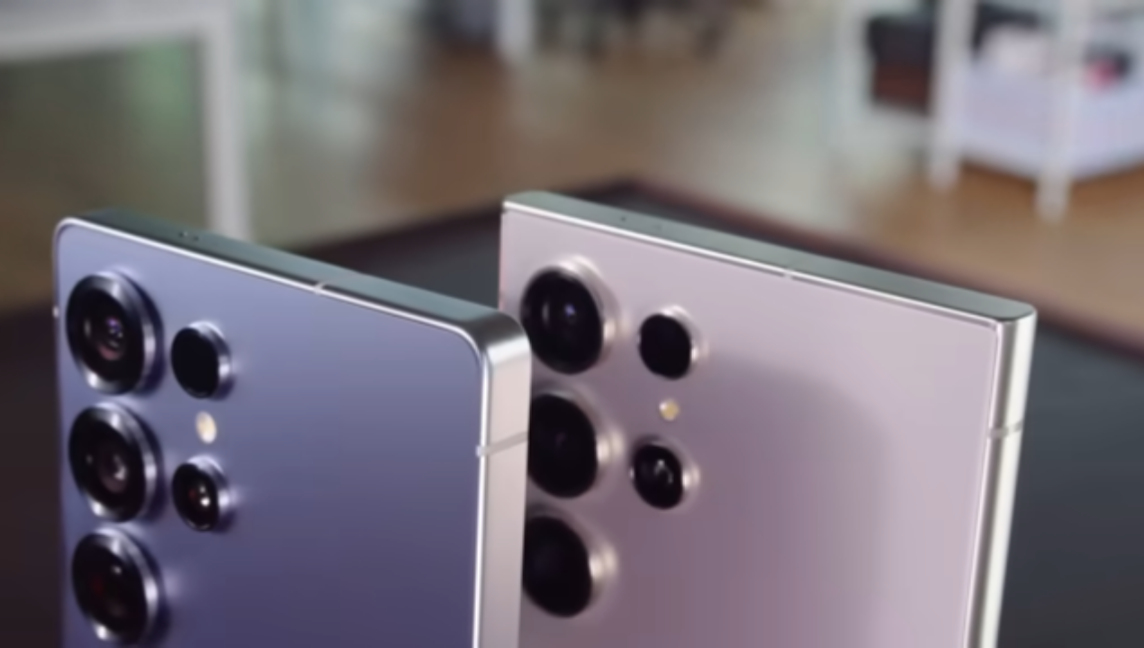
The 200MP main sensor is not just a marketing number. Samsung uses it intelligently — default shooting pixel-bins to 12.5MP for speed and efficiency, but the full resolution unlocks when you need it for detail-heavy work, large prints, or aggressive cropping. In hands-on use with the 200MP RAW files in editing software, the recoverable detail is extraordinary. You can crop to what feels like a different focal length and still have a usable image.
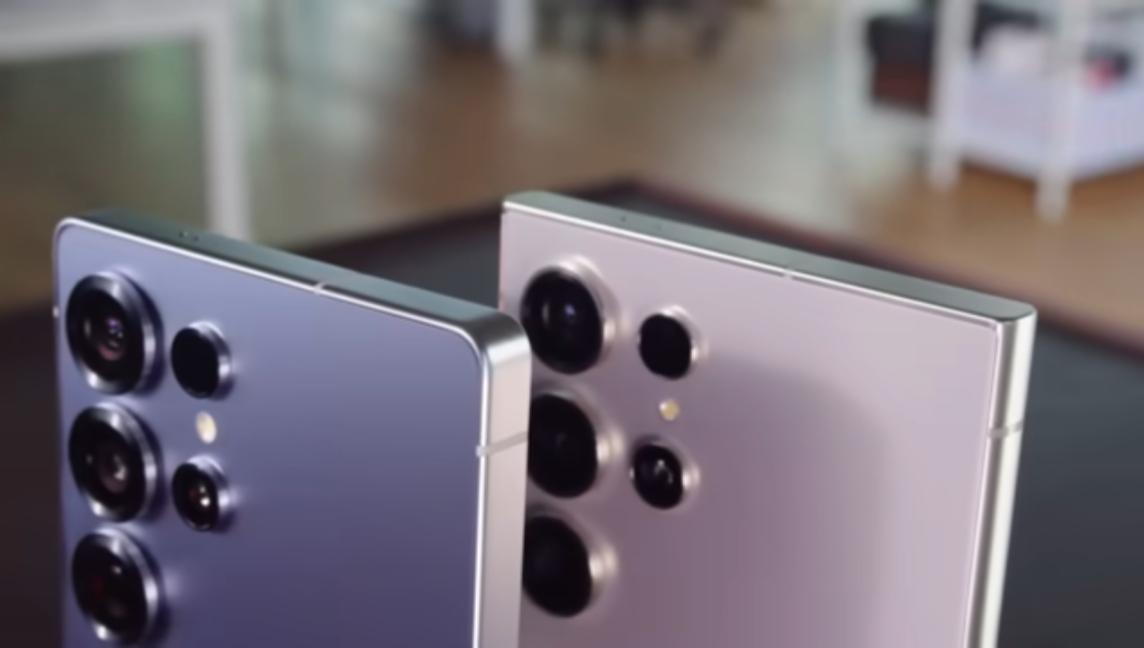
The quad-camera system — 200MP main, 12MP ultrawide, 10MP 3x, and 50MP 5x periscope telephoto — covers every practical scenario. Landscape at ultrawide. Portraits at 3x for natural compression. Distant subjects at 5x optical. Digital zoom that remains genuinely usable (not just technically functional) up to around 30x.
Samsung S26 Ultra vs iPhone 16 Pro Max: In extended testing, these two genuinely trade blows. iPhone 16 Pro Max: better video colour science, more natural skin processing, excellent Cinematic 4K mode. S26 Ultra: dramatically better zoom at every focal length, higher resolution ceiling with more cropping headroom, Night Mode that competes or wins in mid-dark conditions. Both are exceptional tools. If zoom is any part of your use case, Samsung wins. If you’re video-first and value colour grading workflow, the iPhone suits better.
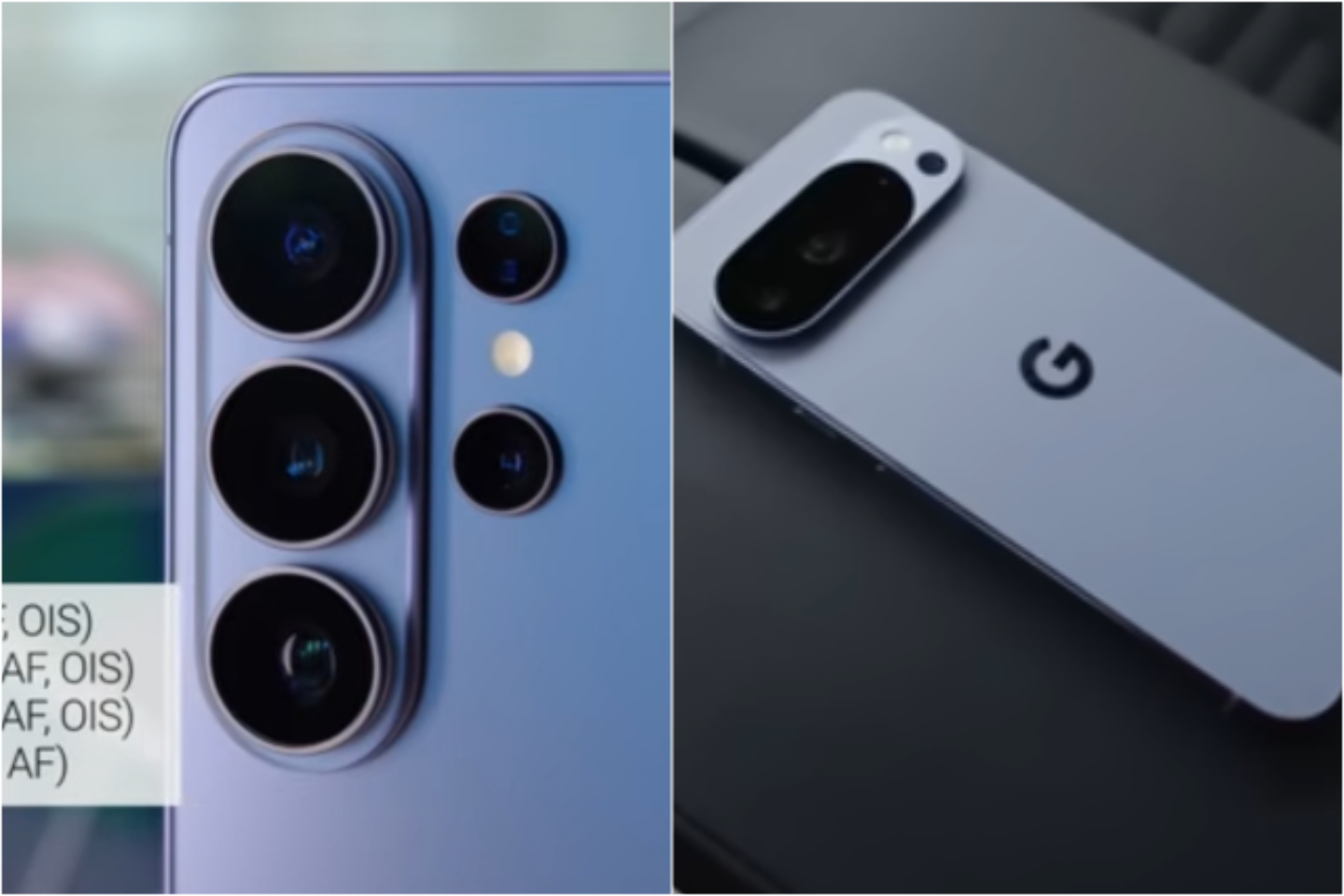
Samsung S26 Ultra vs Pixel 9 Pro XL: Pixel 9 Pro XL has the best portrait processing on Android — Google’s AI subject rendering and skin tone accuracy are unmatched. But the S26 Ultra’s versatility across zoom ranges combined with the 200MP resolution ceiling makes it the more capable overall camera system. Pixel wins on portraits and AI scene intelligence. Samsung wins on everything else.
For a cross-brand camera dive that goes deeper, the Pixel A vs iPhone camera real-world breakdown and the iPhone 14 vs 15 vs 16 comparison are worth reading alongside this.
Pros:
- 200MP resolution with genuinely useful pixel binning
- 50MP 5x periscope — best zoom system on any Android phone in 2026
- Night photography that sees in conditions where your eyes struggle
- Full ProVisual Engine with manual controls for photographers
Cons:
- Expensive — the price is real and not everyone needs this level
- Heavy and large; not a one-hand phone
- S Pen feels underutilised unless you’re a note-taker too
Who this is for: Photographers who want a phone that doubles as a professional tool, tech enthusiasts who demand the absolute best, content creators shooting for clients or large platforms. If camera quality is the primary reason you’re buying this phone, buy it without guilt.
Camera specs:
- 200MP f/1.7 main sensor with OIS (pixel-bins to 12.5MP default)
- 50MP 5x periscope telephoto with OIS
- 10MP 3x optical telephoto
- 12MP ultrawide
- Front: 12MP
- Video: 8K/30fps, 4K/120fps
Full Camera Comparison Table
| Phone | Main Sensor | OIS | Telephoto | Night Mode Quality | Video Max | Price |
|---|---|---|---|---|---|---|
| Galaxy A16 5G | 50MP | ❌ | ❌ | Basic | 1080p/30fps | ~$160 |
| Galaxy A55 5G | 50MP | ✅ | ❌ | Good | 4K/30fps | ~$360 |
| Galaxy S24 FE | 50MP | ✅ | 8MP 3x optical | Very Good | 4K/60fps | ~$500 |
| Galaxy S25+ | 50MP | ✅ | 10MP 3x optical | Excellent | 4K/60fps | ~$1,000 |
| Galaxy S26 Ultra | 200MP | ✅ | 50MP 5x periscope | Best-in-class | 8K/30fps | ~$1,300+ |
Samsung vs iPhone vs Pixel Camera: 2026 Comparison
| Shooting Scenario | Samsung Wins | iPhone Wins | Pixel Wins |
|---|---|---|---|
| Zoom photography (any range) | S26 Ultra / S25+ | — | — |
| Portrait skin tone rendering | — | iPhone 16 Pro | Pixel 9 Pro |
| Extreme low-light noise reduction | — | iPhone 16 Pro Max | Pixel 9 Pro |
| Mid-dark night photography | S26 Ultra | — | — |
| Video colour science | — | iPhone 16 Pro | — |
| Video stabilisation | S25+ / S26 Ultra | — | — |
| Budget camera-to-price ratio | A55 5G | — | Pixel 7a (used) |
| RAW resolution headroom | S26 Ultra | — | — |
Samsung dominates zoom across the board and holds strong in mid-light night photography. Where it still trails: extreme low-light noise reduction (Pixel leads) and out-of-the-box video colour grading (iPhone leads). For anyone whose photography is primarily zoom-dependent or resolution-heavy, Samsung is the clear choice in 2026.
One Samsung Camera Setting Most People Miss
Across every Galaxy I’ve tested — A-series, S-series, regardless of price — the front camera ships with skin smoothing turned on by default and cranked aggressively. It affects content quality noticeably, especially for YouTube thumbnails or talking-head videos where authenticity reads better than an airbrushed finish.
Go to Camera → Settings → look for the beauty or filter slider. Dial it to zero. Immediate improvement, no hardware change needed.
Also: if your Samsung camera lags on open or stutters during 4K recording, that’s a software or storage issue, not a hardware failure. The making Android feel fast again guide and why 8GB RAM phones still lag explainer cover the exact fixes — both apply directly to One UI.
For heavy camera users: keep an eye on battery health. Sustained 4K recording and night mode processing are among the hardest workloads a phone battery handles. The Android battery health check guide (no root) is worth bookmarking. And if your phone is throwing up any confusing behaviours mid-shoot, the weird Android problems that are actually normal post covers a surprising number of camera-adjacent quirks that aren’t actually problems.

Frequently Asked Questions
Q: What is the best Samsung phone with the best camera in 2026?
The Samsung Galaxy S26 Ultra is the best Samsung camera phone overall in 2026 — 200MP main sensor, 50MP periscope telephoto, and the most versatile zoom system on any Android device. For most people balancing quality and price, the S24 FE or S25+ hit a better value ratio.
Q: Is Samsung camera quality better than iPhone in 2026?
Samsung leads in zoom and resolution headroom — nothing Apple makes matches the S26 Ultra’s zoom system. Apple leads in video colour science and extreme low-light noise reduction. Pixel edges both for portraits. Neither brand wins every scenario, but Samsung’s zoom dominance is consistent and significant.
Q: Does the Samsung Galaxy A55 5G have optical image stabilisation?
Yes — and this is what separates it from cheaper A-series phones like the A16 and A35. The A55 5G has OIS on the main camera, which meaningfully improves low-light photography and video smoothness. In real-world testing, it retains more shadow detail than competing mid-rangers specifically because of this.
Q: Is the Samsung S24 FE worth buying for the camera?
Yes, especially at ~$500. The 8MP 3x optical telephoto is the headline — actual optical zoom at this price is genuinely rare. Combined with 4K/60fps video and flagship-class OIS, it’s one of the strongest camera phones under $550 from any brand in 2026.
Q: How does Samsung camera quality compare to Google Pixel?
Pixel leads in portrait photography — skin tone rendering and subject separation are class-leading. Samsung leads in zoom range, resolution ceiling, and video stabilisation. In mixed real-world use, the S25+ and S26 Ultra are the more versatile tools overall, even where Pixel wins specific scenarios.
Q: Does Samsung still fake moon photos?
The 2023 “moon gate” behaviour was patched. Current Galaxy phones offer a “zoom lock” option that disables AI enhancement for verification. The S26 Ultra’s zoom hardware is genuinely excellent now — the detail you see in moon shots is earned by the optics, not manufactured by software.
Q: What is the best budget Samsung camera phone?
Galaxy A16 5G at ~$160–$180 for the tightest budget. Galaxy A55 5G at ~$360 if you can stretch — the OIS alone makes the jump worthwhile for anyone who cares about image quality. For Nigeria-specific pricing, check the Samsung phones under 150k guide and the best 5G budget phones under 250k roundup.
Q: Why does my Samsung camera look worse than my friend’s iPhone despite having more megapixels?
Megapixels measure resolution, not image quality. What actually drives photo quality is sensor size, aperture, OIS quality, and processing tuning. A 12MP sensor with excellent software will outperform a 50MP sensor with poor tuning. Also: Samsung and Apple process images differently by design. Samsung trends vivid and sharp; Apple trends natural and film-like. Part of the perceived difference is stylistic preference, not objective quality gap.
Which Samsung Camera Phone Should You Actually Buy?
This is the question that matters. Specs and comparisons are useful, but decisions are personal. Here’s the honest answer based on real use:
If you’re on a tight budget (under $200) → Galaxy A16 5G. It’ll handle daylight and casual shoots without issues. Don’t expect low-light miracles.
If you want the best value mid-range camera (under $400) → Galaxy A55 5G. OIS alone makes this worth the stretch from the A16. Night photos and video improve dramatically. This is the minimum I’d personally recommend to anyone who cares about photo quality.
If you want flagship camera features without overspending (under $600) → Galaxy S24 FE. Real optical zoom, 4K/60fps, flagship sensor. This is where “good camera phone” becomes “great camera phone.”
If you want pro-level consistency and shoot daily (under $1,100) → Galaxy S25+. The Snapdragon 8 Elite ISP is the difference between a phone that performs well and a phone that never lets you down. Worth the price if photography is a regular part of your life.
If you want the absolute best Samsung camera, no compromises → Galaxy S26 Ultra. 200MP. 5x periscope. Best zoom on Android. This is the answer if camera quality is the reason you’re buying the phone.
Verdict: Editor’s Pick (iSamuel)
| Award | Phone | Why |
|---|---|---|
| 🏆 Best Overall Camera | Galaxy S26 Ultra | 200MP + 5x periscope. Nothing else comes close. |
| 📸 Best Value Camera | Galaxy S24 FE | Real optical zoom at $500. The sweet spot. |
| 💰 Best Budget Camera | Galaxy A55 5G | OIS at mid-range. The minimum I’d recommend. |
| 🎬 Best for Video | Galaxy S25+ | 4K/60fps stabilisation + consistency across conditions. |
| 🧑🎓 Best for Students | Galaxy A16 5G | Tight budget, daylight shooting, no compromise needed. |
Final Take
Samsung’s camera lineup in 2026 is the best it’s ever been — and that holds true from the A16 5G at $160 to the S26 Ultra at $1,300+. OIS at mid-range pricing (A55). Real optical zoom at $500 (S24 FE). 200MP resolution that’s genuinely useful rather than gimmicky (S26 Ultra). These are meaningful generational improvements across the entire range.
The question isn’t whether Samsung makes good cameras — it does. The question is how much camera you actually need and how much you’re willing to spend for the next level up.
For social media and family photos: A55 5G is your target. For serious content creation: S24 FE minimum, S25+ ideally. If the camera is the primary reason you’re buying the phone: S26 Ultra, no debate.
And whatever Galaxy you end up with — take 30 minutes to actually explore your camera settings before you form an opinion. The default configuration isn’t always optimal, and there are options in there that will improve your output immediately, no upgrade required.