
The marketing machine behind consumer electronics is a masterclass in psychological persuasion. Every year, we’re treated to glossy presentations where executives—often in carefully curated casual attire—tell us that the phone in our pocket, bought just twelve months ago, is suddenly obsolete.
Words like “Revolutionary,” “Titanium,” and “Neural Engine” are carefully chosen to manufacture urgency and cultivate perceived obsolescence.
But if you strip away the cinematic keynotes and slow-motion B-roll, the reality of smartphones in late 2025 is clear:
We have reached functional maturity.
Unless you are a professional filmmaker, a competitive mobile gamer, or someone with very specific workflow needs, the latest flagship is mostly a luxury tax on impatience.
The Silicon Ceiling: Why “Faster” Feels the Same
For the first decade of smartphones, upgrading felt transformative. Moving from an iPhone 3G to an iPhone 4—or a Galaxy S2 to S3—was like stepping into the future. Apps opened instantly, scrolling was fluid, and the web finally felt usable.
Those days are over.
We’ve hit what engineers quietly call the Silicon Ceiling.
The 3nm Plateau
Flagship processors like Apple’s A19 Pro or Qualcomm’s Snapdragon 8 Elite are built on advanced 3-nanometer nodes. We’re now approaching physical limits: smaller transistors introduce heat leakage and quantum tunneling, limiting real-world gains.
Benchmarks may still show 10–15% annual improvements, but for most people, that extra power is dark silicon—performance that exists on paper but rarely impacts daily use.
If your routine is messaging, social media, navigation, video streaming, and web browsing, your CPU is probably working at 5–10% capacity most of the time.
Buying a 2025 flagship for these tasks is like buying a Ferrari for a school-zone commute.
RAM, AI, and the Feature Bloat Trap

Modern phones ship with 12GB or even 16GB of RAM. But the truth is, most of that memory exists for AI-driven features, not everyday tasks.
Current memory-hungry AI tools include:
- Real-time text summarization
- Photo re-lighting and reconstruction
- Contextual assistants and voice transcription
If you don’t actively use these tools, the extra RAM is essentially padding. My own 6GB Pixel 6 still handles multiple apps, tabs, and social media streams flawlessly.
Marketing calls this “future-proofing.” I call it feature inflation.
The Camera Illusion: Software Over Hardware
The smartphone camera is the battlefield of perceived innovation. It’s the feature everyone notices—and the one most upgrades are marketed around.
Tiny Sensors, Big Promises
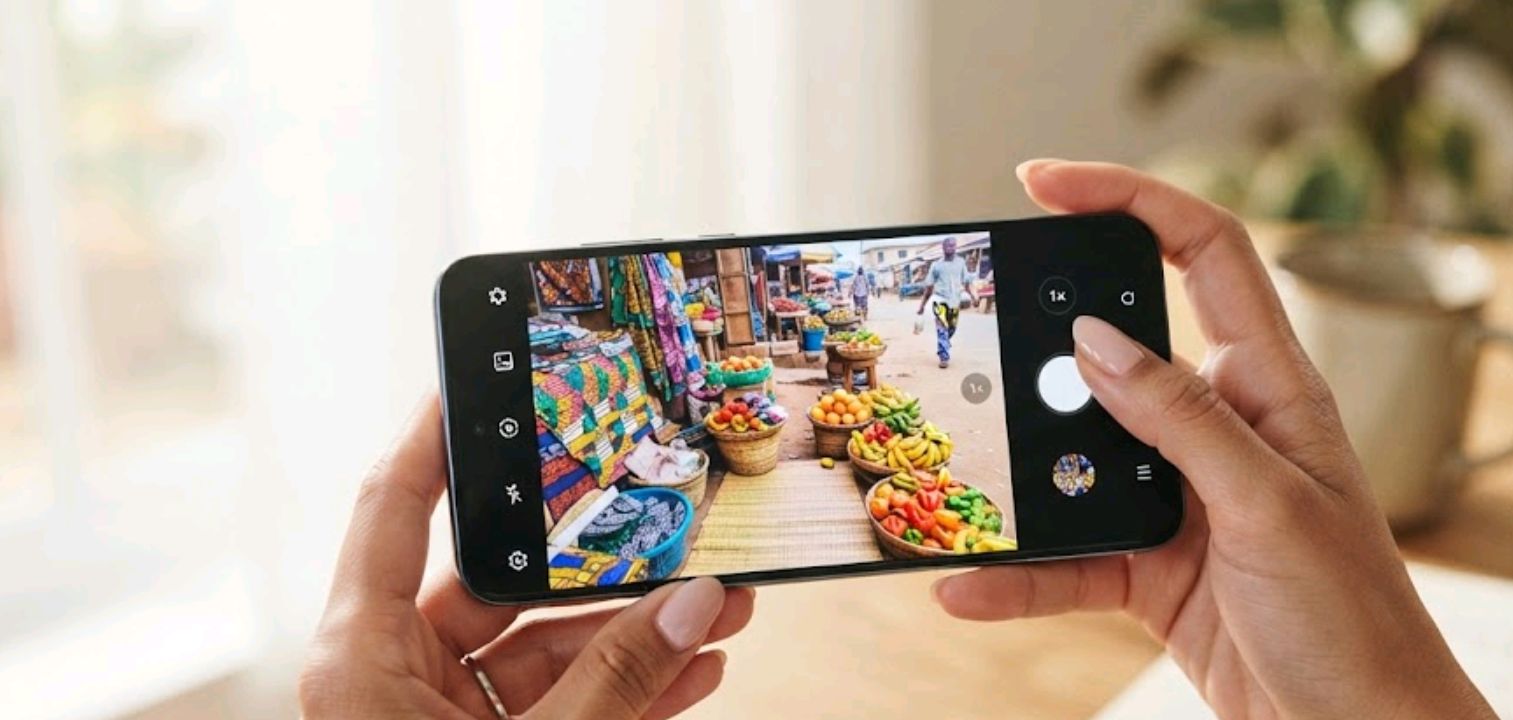
Physics imposes limits. Sensors are tiny. Lenses are tiny. To compensate, manufacturers rely on computational photography.
Take a flagship from 2025: your phone may snap a dozen frames, merge them, denoise, and then guess at textures. The resulting image is technically “better” but sometimes less natural. I’ve found older devices like the iPhone 12 or Pixel 6 produce images I personally prefer: more believable skin tones and organic textures.
The Megapixel Myth
200MP sensors dominate spec sheets. Reality? Tiny optics cannot resolve enough detail to justify the number. Pixel binning collapses most of those pixels into 12–24MP images anyway.
Once you upload to Instagram, TikTok, or even WhatsApp, those extra pixels vanish entirely. Specs impress, but real-world images rarely benefit.
Software Longevity Solves the Upgrade Problem
Historically, security updates were a major reason to upgrade. In the 2010s, Android devices often got two years of updates. That made replacement a necessity.
Today, that is no longer true.
The Seven-Year Shift
Google and Samsung now offer seven years of OS and security updates for flagship devices. Apple continues support for six to eight years. My 2024 Pixel still gets patches through 2031.
That means your phone is safe from:
- Security vulnerabilities
- OS incompatibilities
- App updates
You no longer need a new device just to stay secure.
The Battery: The Real Bottleneck
If your phone feels slow, it’s almost never the processor. It’s usually battery degradation.
Lithium-ion cells lose capacity over time. When the battery can’t provide enough voltage, the OS throttles the CPU to prevent unexpected shutdowns.
The $80 Fix
A battery replacement:
- Removes CPU throttling
- Restores all-day battery life
- Extends device lifespan by 2–3 years
This single fix often feels more transformative than upgrading to a brand-new phone.
The Subscription Trap
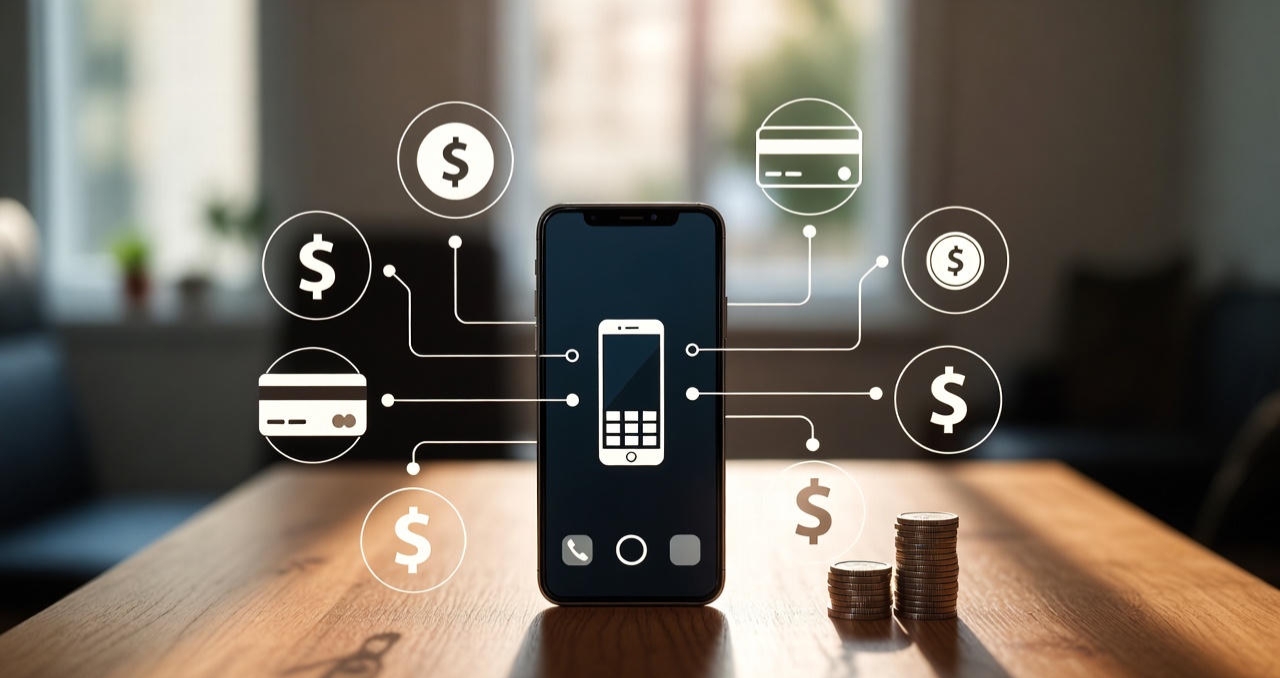
Modern pricing hides the real cost behind monthly installments. Phones are leased, not owned.
- Upgrade every two years → ~$6,000–$7,000 over a decade
- Upgrade every five years → ~$2,400
Saving the difference is more impactful than marginal camera or processor gains.
Sustainability: The Environmental Cost
Phones are dense with rare earths, energy-intensive manufacturing, and global logistics.
-
50 million tons of e-waste annually
- 80% of a phone’s carbon footprint comes from production
Keeping your phone even one extra year reduces environmental impact meaningfully. The most sustainable phone is the one you already own.
When Upgrading Actually Makes Sense
Upgrading is justified when:
- Repair costs exceed 50% of device value
- The device lacks modern 5G support
- Security updates have ended
- Your profession demands cutting-edge hardware
Outside these cases, upgrades are optional. Often, they’re driven by marketing, not necessity.
How to Make Your Current Phone Feel New
Before buying a replacement, try:
- Changing your wallpaper
- Deleting unused apps
- Buying a quality case
- Cleaning ports and speakers
Small changes can satisfy the urge for a new phone more effectively than a new model.
Final Thoughts
Smartphones have entered their “refrigerator phase”. We don’t upgrade refrigerators yearly because they already do their job well and last years.
Modern phones:
- Browse instantly
- Take excellent photos
- Connect reliably
The “upgrades” of 2025 exist for shareholders, not human needs.
Keep your phone. Keep your money. Break the cycle.
Frequently Asked Questions (FAQ)
Do I really need to upgrade my smartphone in 2025?
For most users, no. Devices from 2022–2024 remain capable for messaging, social media, browsing, streaming, and photography. Only upgrade if your phone is unsupported, damaged, or lacks essential features.
Why do new phones feel only slightly faster?
Hardware has matured. Daily apps rarely push processors past 10% utilization, so minor yearly improvements rarely translate into perceptible speed differences.
Are smartphone cameras still improving?
Yes, but mostly via software. AI-driven computational photography improves night shots and dynamic range, but can also over-process images compared to older phones.
Will my older phone remain secure?
Yes, if it’s still receiving updates. Many modern devices get six to seven years of security patches, keeping them safe for years.
What causes phones to slow down over time?
Battery degradation, not aging processors, is usually the culprit. Replacing a battery restores performance more than a new device.
Is replacing the battery worth it?
Absolutely. It’s cheaper and often more effective than buying a new phone.
Are foldables or AI features reasons to upgrade?
They are niche benefits. Average users don’t need foldables or AI tools for daily tasks.
Does keeping my phone longer help the environment?
Yes. Production is the largest environmental cost. Extending phone life reduces e-waste and carbon footprint.
When is the best time to upgrade?
Only when your phone is unsupported, broken, or lacks essential features. Otherwise, upgrades are optional and mostly marketing-driven.

Comments 0
Leave a comment