Table of Contents
Open Table of Contents
Overview
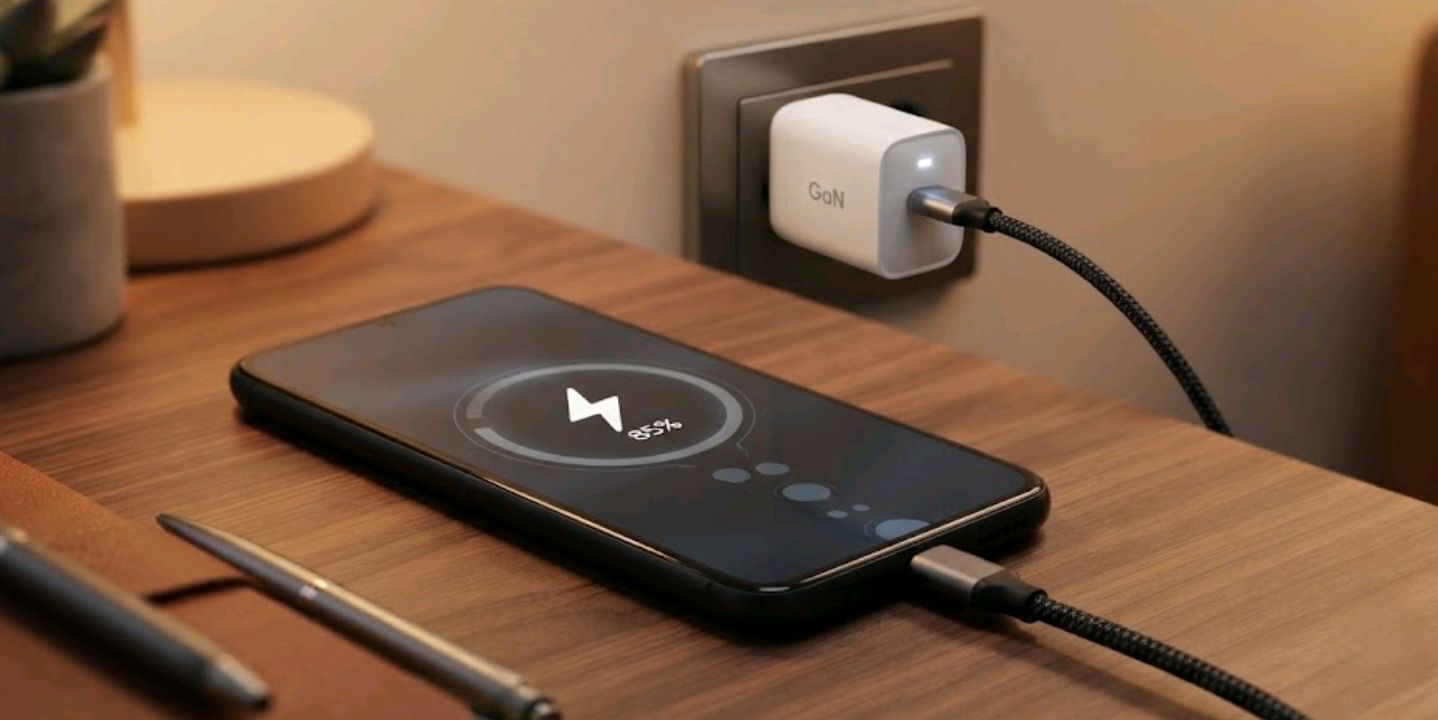
Two years ago, “fast charging” meant getting to 50% during your morning coffee. In 2026, some phones can go from flat to full before you’ve finished tying your shoelaces. Chinese brands have pushed shipping wired charging into the 100–125W range as standard on their top models (with concept demos claiming far higher figures that haven’t reached retail), silicon-carbon battery chemistry has made bigger cells charge faster instead of slower, and dual-cell architectures have quietly become the default on anything marketed as a “flagship killer.”
Then there’s the other side of the market — Samsung and Apple, both still capping their flagships well under 100W, betting that most buyers care more about long-term battery health than shaving fifteen minutes off a charge cycle.
This isn’t a spec-sheet copy-paste. It’s a breakdown of which phones charge fastest right now, what the wattage numbers actually translate to in real time, and — because a lot of these ultra-fast chargers aren’t officially sold in Nigeria — what that means if you’re buying locally.
A note on methodology
Every figure below is cross-checked against at least one of: the manufacturer’s own spec page, a recognized outlet’s lab test (GSMArena, Notebookcheck, PhoneArena, Android Authority), or official press materials — not aggregator sites recycling old numbers under new headlines. Where a phone has region-locked variants (a China-market unit often charges faster than the global release), both figures are noted. Charging times assume a 1%–100% cycle with the phone’s official charger and cable, in a temperature-controlled environment; real-world results will run slower with third-party chargers, hot ambient temperatures, or heavy use while plugged in.
Worth flagging directly: several “fastest charging phones 2026” lists currently circulating online cite a Realme model at 240W. That figure belongs to the 2023 Realme GT3 and appears to be getting recycled under newer model names by content farms. The current Realme GT7 Pro — which is what most of those lists are actually describing — tops out at 120W. If you see a “240W flagship” claim without a link to an official spec page or lab test, treat it with skepticism.
The Fastest-Charging Phones Right Now
| Phone | Peak Wired Speed | Battery | ~10 min | ~20 min | Full Charge | Charger in Box? |
|---|---|---|---|---|---|---|
| Redmi Turbo 5 Max (China) | 100W | 9,000mAh | ~20% | ~40% | ~50–55 min | Yes |
| iQOO Z11 Turbo (China) | 100W | 7,600mAh | ~25% | ~50% | ~40 min | Yes |
| Realme GT7 Pro | 120W | 5,800–6,500mAh (region-dependent) | ~30% | ~55% | ~30–36 min | Yes |
| Honor Magic8 Pro | 100W global / 120W China | 6,270–7,200mAh (region-dependent) | ~25% | ~50% | ~36–40 min | Yes |
| OnePlus 15 | 80W standard / up to 120W (region-dependent) | ~7,000–7,300mAh | ~20% | ~45% | ~45 min | Yes |
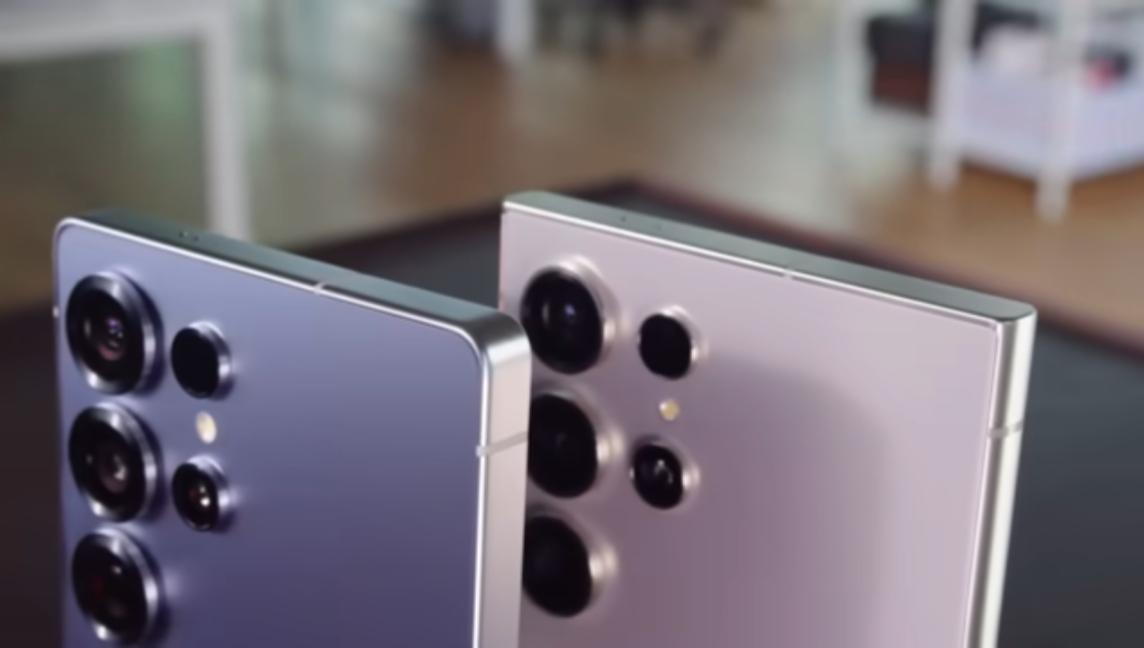
| Samsung Galaxy S26 Ultra | 60W | 5,000mAh | ~37% | ~65% | ~42–50 min | No |
| Google Pixel 10 Pro XL | 45W | 5,200mAh | — | ~35% | ~65–70 min | No |
| iPhone 17 Pro Max | ~40W | 4,823mAh | — | ~30% | ~80–90 min | No |
Sources: Realme’s own product specifications; GSMArena and Notebookcheck lab tests for the Honor Magic8 Pro and OnePlus 15; GSMArena’s launch coverage of the Redmi Turbo 5 Max and iQOO Z11 Turbo; Android Authority’s and PhoneArena’s independent charging tests for the Galaxy S26 Ultra and OnePlus 15; Apple’s official specifications and ChargerLAB’s lab test for the iPhone 17 Pro Max; Google’s official Pixel 10 Pro XL specifications. All figures are approximate and will vary by unit, charger, and region.
Quick picks, by priority
- Best overall speed-to-availability balance: Realme GT7 Pro — sits at the top of what’s actually verified and shipping with a charger in the box, without the China-only restriction some rivals carry.
- Best battery-plus-charging combo: Redmi Turbo 5 Max — a 9,000mAh cell that still charges in under an hour is the standout spec on this list, though it’s currently China-market only.
- Best mainstream/global pick: Samsung Galaxy S26 Ultra — slower on paper, but works at rated speed with almost any decent third-party USB-PD charger, which matters more for most buyers than the fastest possible top-up.
- Best iPhone: iPhone 17 Pro Max — Apple’s fastest-charging phone to date, though still the slowest device on this list in absolute terms.
A few things jump out from that table. The gap between the fastest and slowest phones here is roughly two-to-one on full-charge time — an iQOO Z11 Turbo or Realme GT7 Pro owner can be back to 100% in well under an hour, while a Samsung or Apple flagship user is closer to the 45–80 minute mark. That’s a meaningful daily-use difference, but it’s a much smaller gap than the wildest wattage claims floating around would suggest. Raw wattage doesn’t tell the whole story either, and treating the number on the spec sheet as gospel is where a lot of buyers get misled.
Why Charging Wattage Can Be Misleading
A 120W charger doesn’t mean the phone pulls 120W the entire time. Charging speed follows a curve — fast from 0% to roughly 80%, then it tapers hard to protect the battery. Android Authority’s lab testing of the Galaxy S26 Ultra illustrates this well: the phone only holds its full 60W rating for about two minutes before settling into a more modest ~48W for most of the cycle. That taper pattern shows up on every phone in this list, fast or slow — the difference is how aggressive the taper is and how long each phone can hold peak wattage before backing off.
Dual-cell and even quad-cell battery designs are the real trick behind 2026’s fast-charging phones. Instead of pushing all the wattage into one big cell, the phone splits the load across two or more smaller cells charging in parallel — similar in concept to how Samsung’s approach to battery efficiency favors steadier, cooler charging over raw peak numbers. Splitting the load reduces heat, and heat is the single biggest long-term threat to battery health, regardless of brand.
Silicon-carbon anodes are the other piece. They let manufacturers cram more capacity into a smaller footprint without the charging speed penalty that used to come with bigger cells — which is part of why a phone like the Redmi Turbo 5 Max can carry a 9,000mAh battery and still charge in under an hour, something that would have been difficult on a battery that size just a few years back.
Proprietary fast charging vs. standard USB Power Delivery
This is the part most spec sheets gloss over. The headline wattage numbers on Chinese-brand phones — Realme’s SuperVOOC, Xiaomi’s HyperCharge, iQOO’s FlashCharge, and similar systems — are proprietary. They only hit their rated speed with the manufacturer’s own charger (or a small list of certified third-party ones) using a private handshake protocol between charger and phone. Plug a Realme GT7 Pro into a generic 120W USB-PD brick instead of its bundled SuperVOOC charger, and it will typically negotiate down to a fraction of that speed, because the phone isn’t recognizing the proprietary signal it’s designed to look for.
Samsung, Google, and Apple take a different approach: they rely on the open USB Power Delivery (PD) standard, generally with the PPS extension for finer voltage control. The upside is compatibility — almost any decent third-party PD charger with the right specs will get a Galaxy or Pixel close to its rated speed. The downside is that USB-PD’s negotiated wattage ceilings are lower than what proprietary systems can push, which is a real part of why Samsung and Apple’s numbers look modest next to Realme or Redmi on paper. In short: a 240W-rated proprietary charger will not deliver 240W to a phone that doesn’t speak that exact protocol, and pairing a fast-charging phone with the wrong brick is one of the most common reasons people don’t get the speeds they paid for
Why Samsung and Apple Are Deliberately Slow
Samsung capping the Galaxy S26 Ultra at 60W isn’t an oversight — it appears to be a deliberate choice. Samsung has stuck to conservative charging wattages across recent Galaxy generations, and the pattern points toward the company prioritizing battery longevity and thermal safety over headline speed rather than lacking the engineering capability to go faster. Apple’s approach with the iPhone 17 Pro Max at roughly 40W follows similar reasoning, prioritizing long-term capacity retention over a bigger number on the box.
It’s worth being precise about what backs this up and what doesn’t: manufacturers rarely publish direct battery-degradation studies comparing their own charging speeds, so claims that slower charging meaningfully extends battery lifespan lean on general battery-chemistry research (heat and high sustained voltage are well-documented stressors on lithium-ion cells) plus the fact that Samsung’s own thermal data — Android Authority measured the S26 Ultra peaking at 39.6°C during a 60W charge, up from 35.3°C on the previous generation — shows the company is already watching that heat trade-off closely even at 60W.
Whether the trade-off is worth it depends on your habits. If you’re the type of person who plugs in for 15 minutes between meetings, a 40–60W phone is going to leave you frustrated. If you charge overnight and rarely think about your battery percentage during the day, the difference barely registers. For a deeper look at how battery wear actually plays out over time — and whether fast charging is really the villain people assume — our guide on checking Android battery health without root walks through the real numbers.
What This Looks Like in Nigeria
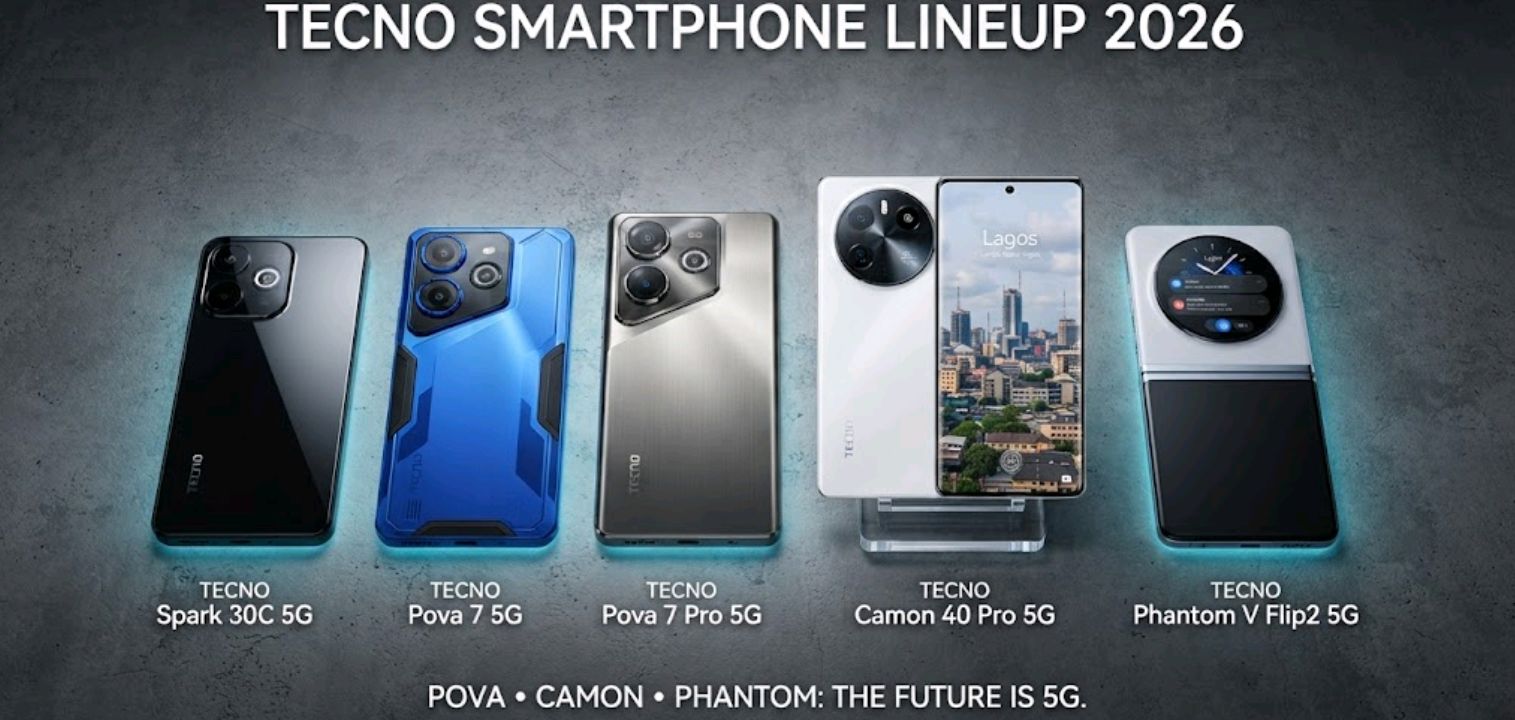
Here’s the part most global charging roundups skip entirely: availability. The Redmi Turbo 5 Max and iQOO Z11 Turbo are China-market releases with no confirmed global launch as of this writing, and the Realme GT7 Pro and Honor Magic8 Pro are not officially sold through Nigerian retail channels either. What you’ll find on Jiji or in Computer Village is almost always a UK-used, China-import, or Middle East-spec unit — and the charging wattage sometimes varies by region even on the same model name, since some brands cap the wattage differently depending on local regulatory certification.
Practical implications if you’re buying one of these imports:
- Confirm the charger in the box matches the phone’s rated wattage, and that it’s the correct proprietary brick. Some resellers pair a fast-charging phone with a generic 18W or mismatched charger because the original got lost or sold separately — and as covered above, these phones often won’t hit their rated speed on a non-matching charger regardless of its own wattage rating.
- A fast-charging phone plugged into Nigeria’s variable mains power still benefits from a surge-protected socket or stabilizer — inconsistent voltage from generator or inverter power doesn’t damage the phone directly, but it can force the charging circuit to throttle for safety, which erases the speed advantage you paid for.
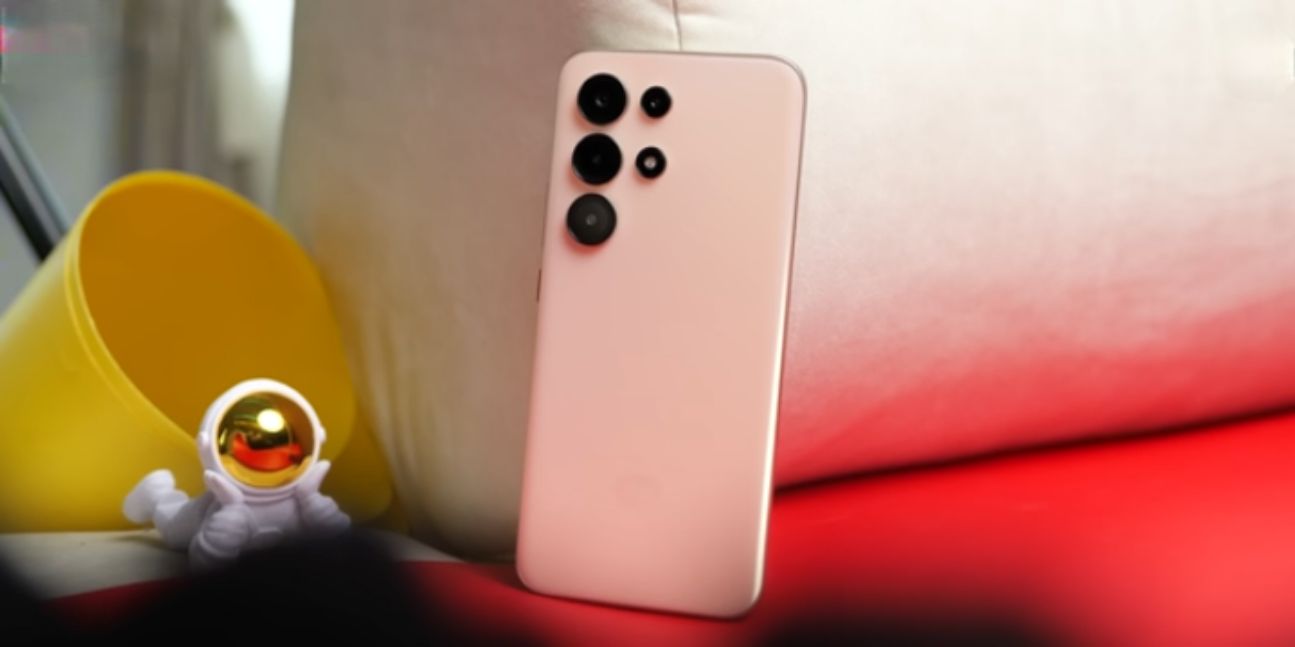
- If 5G budget phones are more your range, the Redmi A7 Pro 5G is a useful reference point for the other end of the spectrum — its 15W charging shows exactly what you’re trading away for a $125 price tag and a massive battery.
- iPhone buyers in the ₦300,000 range should know that even the newest Pro Max models don’t compete on raw charging speed — our best iPhones under ₦300,000 in Nigeria breakdown covers what you’re actually getting at that budget instead.
- Pixel owners chasing charging speed should temper expectations — even the fastest current Pixel, covered in our best Google Pixel phones 2026 roundup, tops out well below the Chinese flagships on this list.
Comparison Table: Charging Philosophy by Brand
| Brand | Charging Philosophy | Typical Peak (2026 flagship) | Trade-off |
|---|---|---|---|
| Realme / Redmi / iQOO | Speed-first | 100W–120W | Fastest top-ups, but chargers rarely sold officially in Nigeria and speed is proprietary-charger-dependent |
| Honor / OnePlus | Balanced speed | 80W–120W | Fast enough for daily use, wider global availability than the above |
| Samsung | Longevity-first | 45W–60W | Slower top-ups, in exchange for compatibility with standard USB-PD chargers |
| Apple | Longevity-first | ~30–40W | Slowest of the group, strongest track record on multi-year battery retention |
| Middle ground | 30–45W | Reasonable speed, but no charger included in the box |
Frequently Asked Questions
What is the fastest charging phone in 2026?
Among phones with verified, officially confirmed specs, the Redmi Turbo 5 Max and iQOO Z11 Turbo lead at 100W wired charging (both currently China-only releases), with the Realme GT7 Pro close behind at 120W. Beware of lists citing a “240W” flagship for 2026 — that figure traces back to an older 2023 Realme model and has been getting recycled under different phone names by lower-quality content sites.
Does fast charging damage your battery faster than normal charging?
Not necessarily, as long as the phone’s thermal management is doing its job — which is why nearly every fast-charging phone in 2026 uses dual-cell designs and aggressive cooling. That said, general battery-chemistry research does show that sustained heat and high charging voltage are stressors on lithium-ion cells, and manufacturers like Samsung appear to design around that by tapering wattage and monitoring charging temperature closely, as independent lab tests have measured. Heat, more than wattage alone, is the factor to watch.
Why does Samsung use 60W when some rivals ship phones at double that speed?
Samsung has stayed conservative on charging wattage across recent Galaxy generations. The available evidence — including Samsung’s own thermal monitoring and the industry’s general caution around proprietary high-wattage charging — points toward a deliberate choice to prioritize compatibility and thermal safety over the highest possible headline number, rather than a technical inability to go faster.
Can I use a higher-wattage charger on a phone that only supports 65W?
Yes, safely. Modern USB-C charging follows a negotiation protocol between the charger and the phone — the phone will only draw the wattage it’s built to accept, regardless of what the charger is rated for. You won’t get faster charging, but you also won’t damage the phone. The exception to watch for is the reverse situation: some proprietary fast-charging phones won’t reach their rated speed at all on a generic charger, even a high-wattage one, because the charger doesn’t support the phone’s specific proprietary protocol.
Are these fast-charging phones available in Nigeria?
Most aren’t sold through official Nigerian retail channels yet. What’s typically available is grey-market or import stock through Computer Village, Jiji, or similar platforms, which means pricing, warranty coverage, and even the exact regional charging wattage can vary from unit to unit. Always confirm the included charger matches the phone’s rated speed before buying.
Does fast wired charging affect wireless charging speed too?
Not directly — they’re separate systems on most phones. A phone with 120W wired charging might still cap wireless charging at 50W or lower (the Honor Magic8 Pro, for instance, ships with 100W wired but 80W wireless), since wireless charging generates more heat for the same power delivered and manufacturers tend to be more conservative with it regardless of how fast the wired option is.
Charging speed makes for an easy spec-sheet flex, but it’s worth asking what you’re actually optimizing for. If your day genuinely revolves around short charging windows — between meetings, on a commute, during a match — the 100W-and-above phones on this list will change how you use your phone day to day. If you charge overnight and rarely run your battery below 20%, the difference between 120W and 45W is mostly theoretical.
Either way, the number on the box is a starting point, not the whole story. Battery chemistry, thermal design, and how consistently a phone can hold peak wattage matter just as much as the headline figure.
Which phone are you charging fastest right now — and does it actually match the box claim in daily use? Drop it in the comments.

Comments 0
Leave a comment