Table of Contents
Open Table of Contents
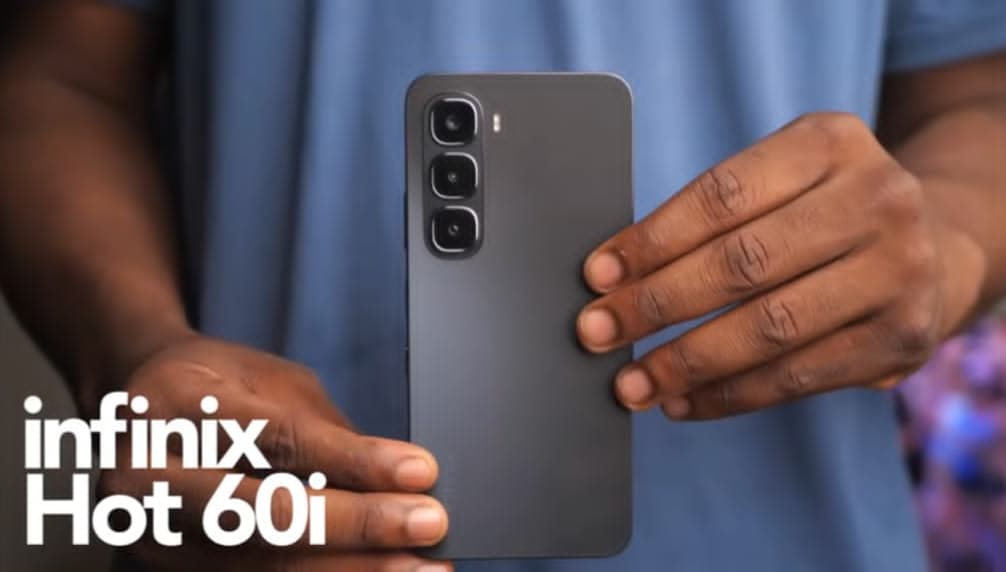
Infinix Hot 60i Review: Great Battery, But Is the HD+ Display Worth It?
Infinix dropped the Hot 60i in July 2025 as the base model of the Hot 60 series — a step below the Pro and Pro+ but still carrying a few things that justify its price. On paper: Helio G81 Ultimate, 120Hz display, 5160mAh battery, 45W charging, and IP64 certification. For a phone at this tier, that’s a reasonable list. But specs don’t always translate to experience, and the Hot 60i has some things worth knowing before you hand over your money.
Quick Specs
| Feature | Specification |
|---|---|
| Display | 6.7” IPS LCD, 720x1600, 120Hz, 700 nits |
| Chipset | MediaTek Helio G81 Ultimate (12nm) |
| RAM / Storage | 4GB / 6GB / 8GB — 128GB or 256GB (eMMC 5.1) |
| Main Camera | 50MP wide, AF |
| Front Camera | 8MP |
| Battery | 5160mAh, 45W wired |
| Charging Speed | 50% in ~24 minutes |
| OS | Android 15, XOS 15.1 |
| NFC | Yes (data transfer only, region-dependent) |
| IR Blaster | Yes |
| 3.5mm Jack | Yes |
| Speakers | Stereo |
| IP Rating | IP64 |
| Dimensions | 166 x 76.6 x 7.7mm, 188g |
Design and Build
At 7.7mm, the Hot 60i is noticeably slim in hand — slimmer than most phones at this price. Plastic back and frame is expected, but the build doesn’t feel flimsy. The IP64 rating covers dust and water splashes, which you genuinely don’t see on many phones in this segment. Dropping it in a downpour won’t kill it.
The side-mounted fingerprint sensor is fast and well-positioned. No under-display nonsense that would slow things down at this chipset level.
Weight at 188g isn’t light, but it’s balanced for a 6.7-inch phone. Single-handed use over long sessions might get tiring.
Display
6.7 inches, IPS LCD, 120Hz — that’s the headline. The 720x1600 HD+ resolution is where you need to manage expectations. At 262 PPI, text is readable and media looks fine, but it doesn’t have the crispness of FHD+ panels. Fine detail in photos, small subtitles, and high-contrast text are where you’ll notice the difference.
The 120Hz refresh rate does make a real difference in scrolling feel — the UI responds smoothly in a way that 60Hz budget phones can’t match. For everyday use, this makes the phone feel faster than it technically is.
Outdoor visibility at 700 nits peak is acceptable. It’s not the most readable screen under direct sun, but it holds up better than phones with 400–500 nit panels.
Bottom line on the display: the refresh rate is genuinely good. The resolution is a known compromise you’ll either accept or won’t.
Performance
The Helio G81 Ultimate is a 12nm chip — capable for daily tasks, not built for demanding workloads. Based on its benchmarks and the class of phone it sits in, expect smooth performance for messaging, social media, video streaming, and light multitasking without issue.
For gaming, the G81 Ultimate can handle lighter titles well. More demanding games like PUBG Mobile will likely require low graphics settings to maintain playable frame rates — that’s consistent with what this chipset class delivers. If mobile gaming is a regular activity for you, check out best low-end Android games for 2–3GB RAM devices — those titles are where this phone is genuinely comfortable.
The eMMC 5.1 storage is a real limitation. Compared to phones using UFS 2.1 or 2.2 storage, eMMC is slower for app installs, file reads, and initial load times. It’s functional, not frustrating per se — but if you’ve come from a phone with UFS storage, you’ll notice the difference.
Some reports indicate that split-screen and XArena are missing compared with the Hot 50i. If either of those features were part of your workflow, that’s a meaningful downgrade.
Camera
The 50MP main shooter is the only real camera on this phone — the second “sensor” at 0.08MP is a depth aid, not an additional lens in any meaningful sense. Worth being clear about that upfront.
In daylight with decent light, the 50MP wide camera produces solid results for its price class. Colors are punchy, autofocus is quick, and portraits look decent. It’s a camera that gets the job done for social media, casual documentation, and video calls.
Low-light performance drops off, as expected from this sensor class. Results in dim environments need steady hands and good ambient light to come out usable. Night mode helps somewhat but doesn’t work miracles.
Video recording tops out at 1440p@30fps — that’s better than many phones at this price, though the actual quality of processed footage is what matters more than the resolution ceiling.
The 8MP selfie camera is fine for calls and casual photos. Nothing remarkable.
Battery Life
The 5160mAh cell is one of the Hot 60i’s clearest advantages. Rated tests and user reports consistently put this at comfortably more than a day under moderate use — the kind of day that includes calls, streaming, social media, and some navigation. Heavy users with extended screen-on time should still get through the day without reaching for a charger.
45W wired charging is fast relative to this price tier. Infinix’s own figure is 50% in about 24 minutes, which holds up. From dead flat, a full charge takes roughly an hour, maybe a bit over.
If you’re buying in the 256GB variant, check out why 256GB is becoming the new minimum — at eMMC speeds, having enough storage headroom matters more, not less.
Software
Android 15 with XOS 15.1 is a good starting point. Infinix’s skin has tightened up — less aggressive with bloatware than older versions, and the AI features built in are actually useful for a budget phone. The One-Tap AI shortcut is there, and basic features like Smart Panel and the document scanner work fine.
The removed split-screen and XArena features compared to Hot 50i are a noted regression. If Infinix updates these back in via XOS, great — but there’s no confirmation of that.
Long-term software support is the usual budget concern. Don’t expect more than one major OS update beyond Android 15.
How It Compares
| Phone | Chipset | Display | Battery | Notable Edge |
|---|---|---|---|---|
| Infinix Hot 60i | Helio G81 Ultimate | 6.7” HD+ 120Hz | 5160mAh 45W | IP64, IR blaster, NFC, stereo speakers |
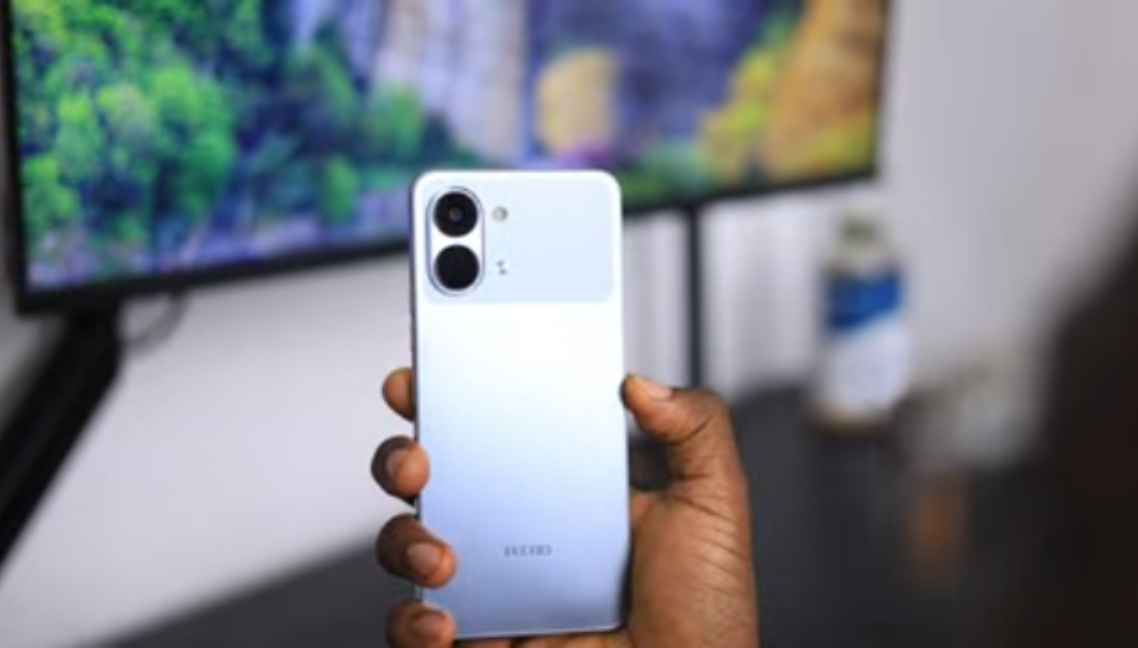
| Tecno Pop 20 | Helio G36 | 6.6” HD+ 90Hz | 5000mAh 18W | Cheaper price point |
| Redmi A4 | Snapdragon 4s Gen 2 | 6.88” HD+ 90Hz | 5160mAh 10W | Stronger CPU, slower charging |
| Samsung Galaxy A06 | Helio G85 | 6.7” PLS LCD 90Hz | 5000mAh 25W | Brand reliability |
The Hot 60i beats most rivals in this tier on connectivity features — IP64, NFC, IR blaster, and stereo speakers together are rare at this price. Where rivals like Redmi A4 have an edge is on raw CPU strength and UFS storage.
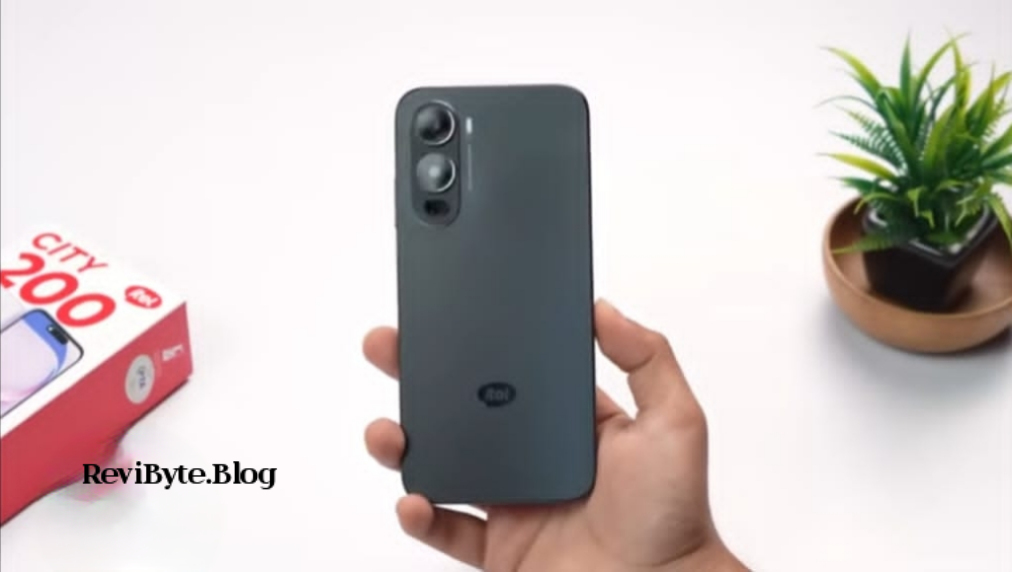
For a full comparison at the lower end of this price bracket, the Tecno Pop 20 review and itel City 200 review are worth reading alongside this one.
What’s Good, What’s Not
The good:
- Battery life that comfortably covers the day
- 45W fast charging is genuinely quick for this segment
- IP64 dust and water resistance — rare here
- IR blaster, NFC (data), stereo speakers, 3.5mm jack — strong feature set
- Slim 7.7mm profile
- Side-mounted fingerprint sensor, fast unlock
- Android 15 out of the box
The bad:
- HD+ resolution is a visible compromise
- eMMC 5.1 storage lags behind UFS alternatives
- Split-screen and XArena removed vs Hot 50i
- Camera drops off in low light
- Limited OS update support expected
- NFC is data-transfer only, not payments, in most regions
Verdict
The Infinix Hot 60i is a well-rounded budget phone with a clear strength: its battery and charging setup genuinely hold up. The IP64 rating, NFC, IR blaster, and stereo speakers give it more practical utility than most phones at this price. These aren’t flashy features — they’re the ones you actually miss when they’re absent.
Where it struggles is also clear: HD+ resolution and eMMC storage are daily limitations, not just benchmark footnotes. If screen sharpness matters to you, or if fast app loading is a priority, this phone will frustrate. And the regression from Hot 50i on split-screen and XArena is hard to ignore for returning Infinix users.
For first-time buyers, students, or anyone who wants a reliable phone that doesn’t need babysitting at a charger all day — it’s solid value. For mobile gaming beyond casual titles, or for users who’ve used faster storage before, look harder at what else is available. And if gaming optimization is your goal, improving Android gaming performance can help — but this chipset only goes so far.
FAQ
Is the Infinix Hot 60i better than the Hot 50i?
In some areas, yes — the Hot 60i upgrades to Android 15, brings IP64 certification, and has a slightly newer Helio G81 Ultimate chip. But Infinix removed split-screen and XArena, which were available on the Hot 50i. If those features mattered to you, it’s a step backward there. Overall it’s a lateral move, not a clear upgrade.
Is the Hot 60i worth buying over the itel City 200?
They serve slightly different needs. The Hot 60i brings IP64, NFC, stereo speakers, and 45W charging — features the City 200 doesn’t match. If you’re buying for durability and connectivity, the Hot 60i wins. If price is the primary constraint, the City 200 undercuts it. Read the itel City 200 review for the full breakdown.
Can the Hot 60i run PUBG Mobile smoothly?
Based on the Helio G81 Ultimate’s performance class, PUBG Mobile should run at low settings, but sustained smooth gameplay isn’t guaranteed. Frame drops are likely in heavy combat scenes. Lighter titles run better — see the best low-end Android games list for what this phone is actually built for.
Does the Infinix Hot 60i support 5G?
The 4G version covered here does not. Infinix launched a separate Hot 60i 5G (Dimensity 6400, 6000mAh) in August 2025. They’re different phones — confirm which variant is available in your region.
Does the Hot 60i have stereo speakers?
Yes, confirmed across multiple spec sheets including GSMArena. The base Hot 60i 4G ships with stereo speakers and a 3.5mm headphone jack.
Is the 256GB storage variant worth the premium over 128GB?
If you shoot video, download games, or keep large media libraries, yes. The eMMC 5.1 storage means you’ll feel the impact of running near-full capacity more than you would on a faster storage type. Starting with more headroom is worth it.
Comments 0
Leave a comment