Table of Contents
Open Table of Contents
- Galaxy S26 Ultra vs iPhone 17 Pro Max vs Pixel 10 Pro: Camera Comparison & Analysis
- What You’re Actually Holding
- Daylight: Where They All Win Differently
- Night Mode: Where the Real Gaps Appear
- Zoom: Three Different Bets
- Video: One Clear Leader
- Full Specs Comparison
- Use-Case Scorecard
- The Verdict
- Which Camera Phone Should You Actually Buy?
- Frequently Asked Questions
Galaxy S26 Ultra vs iPhone 17 Pro Max vs Pixel 10 Pro: Camera Comparison & Analysis
I got tired of camera comparisons that are basically marketing dressed as journalism. The same artificial setups. The same tripod shots in perfect morning light. The same conclusion where every phone somehow wins a category so nobody walks away with an actual answer.
So this isn’t that.
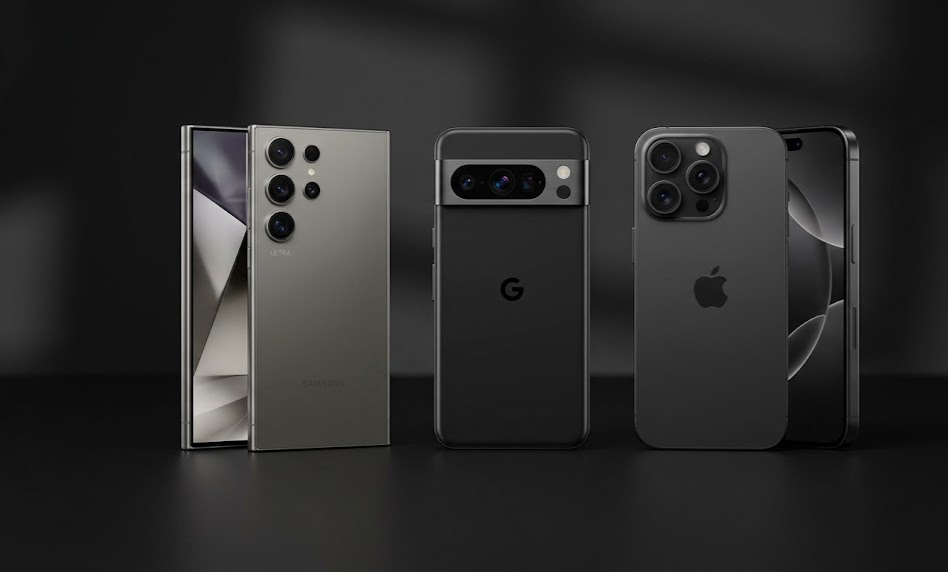
What follows is built from hands-on coverage, manufacturer specs, independent camera performance reports, real-world sample breakdowns, and extended industry analysis across the Samsung Galaxy S26 Ultra, the iPhone 17 Pro Max, and the Google Pixel 10 Pro. Three different phones, three different philosophies, three genuinely different answers depending on what you actually shoot.
Here’s where each one stands — and which one deserves to be in your pocket.
| Best For | Winner |
|---|---|
| Best overall camera | Google Pixel 10 Pro |
| Best video | iPhone 17 Pro Max |
| Best zoom range | Galaxy S26 Ultra |
| Best social media photos | Galaxy S26 Ultra |
| Best low-light photography | Google Pixel 10 Pro |
| Best value | Google Pixel 10 Pro |
| Best for creators & filmmakers | iPhone 17 Pro Max |
What You’re Actually Holding
Before you ever take a photo, you’re already making trade-offs just by picking the phone up.
The S26 Ultra is 214 grams and proud of it — the S Pen tucked into the bottom, Gorilla Armor 2 glass across the front, and a new quad-camera array anchored by a 200MP main sensor with f/1.4 aperture. Samsung widened that aperture from f/1.7 on the S25 Ultra — the company claims this significantly improves light capture before processing even begins. It signals serious intent before you’ve opened the camera app.
The iPhone 17 Pro Max is a notable redesign. The aluminum unibody — one continuous piece, no seams between back and sides — changes how it sits in the hand. Apple includes a vapor chamber in the frame, marketed as a practical thermal management feature: reviews generally note that sustained video recording sessions run cooler than previous Pro Max models. Three 48MP Fusion cameras (main, ultrawide, and a new telephoto) in that horizontal rear bar represent Apple’s full commitment to the sensor upgrade they started two generations ago.
The Pixel 10 Pro at 207 grams is the lightest of the three. The oval camera bar is the same shape it’s been since the Pixel 6 series, which either reads as consistency or lack of imagination depending on who you ask. What’s different this time is invisible: the Tensor G5 chip, built on TSMC’s N3E 3nm process — the same node as the A18 Pro and Snapdragon 8 Elite — is a real generational jump from the Tensor G4. Google’s previous chips were frequently criticized for underperformance; this one largely silences that conversation.
That chip difference matters more than the design does. Keep that in mind as you read the rest of this.
Daylight: Where They All Win Differently
In good light, the separation isn’t about capability. It’s about philosophy. And philosophy, it turns out, is hard to compromise on. These three phones have very different opinions about what a “correct” photo looks like.
The S26 Ultra’s ProVisual Engine processes scenes with a punchy confidence that’s almost theatrical. Blues are bluer. Greens have depth. Contrast is pushed up. For social media, for travel photos, for anything where you want impact that requires zero editing — Samsung delivers it immediately. The recurring criticism from early reviewers is color accuracy: Samsung’s processing makes choices that not everyone agrees with, particularly in scenes with nuanced natural tones. For some photographers, that vibrancy is exactly what they want. For others, it requires a trip to Lightroom to dial back.
The iPhone 17 Pro Max updated its Photonic Engine to integrate machine learning deeper into the pipeline, with a specific focus on preserving natural detail, reducing noise, and improving color accuracy in complex lighting. Independent reviewers consistently note that skin tones come out looking like actual skin — not a color grading decision. Dynamic range is exceptional; the updated pipeline balances shadow detail and highlight texture simultaneously without the halo artifacts that plagued earlier HDR processing. Apple’s camera system starts from truth and works outward — which makes the files edit well if you want to add your own interpretation later.
The Pixel 10 Pro’s camera hardware is largely unchanged from the Pixel 9 Pro — same 50MP main, same 48MP ultrawide, same 48MP 5x telephoto. Google is transparent about this. What changed is what processes those sensors. The Tensor G5 handles scene interpretation with contextual intelligence that reviewers note is visible in portraits where subjects move between shade and direct sun, in group shots where face exposures conflict, in any scene where the “correct” exposure is genuinely ambiguous. One consistent observation across coverage: Google pushed colors slightly more saturated in this generation — a noticeable shift from the neutral tuning Pixel has always been known for. Whether that’s a feature or a problem depends entirely on your taste.
Night Mode: Where the Real Gaps Appear
This is where the separation happens. Daytime is solved. Night is where character shows — and where the money you spent either justifies itself or doesn’t.
The S26 Ultra made its most meaningful camera improvement here. That f/1.4 aperture is genuinely wider than any other flagship main camera available right now, and Samsung claims it meaningfully improves light capture before any computational work begins. Enhanced Nightography Video applies AI-powered noise reduction and motion-aware processing to low-light footage. The new APV (Advanced Professional Video) format — Samsung’s proprietary high-efficiency codec — is rated for up to 8K at 30fps. The consistent critique in hands-on coverage is that Samsung’s AI scene detection occasionally makes choices that smooth out textured surfaces — treating fine grain as noise rather than detail. Not bad night photography. But several early reviewers place it behind the Pixel and iPhone in low-light consistency.
The iPhone 17 Pro Max at night is what Apple does best: restraint and quality. Independent tests note that colors stay accurate, the 4x telephoto’s 56% larger sensor produces better low-light output at distance than the previous 5x lens did, and ProRes Log is available even in night conditions — footage holds detail in shadows without looking artificially lifted. The removal of night portrait mode from this generation was a genuine subtraction that some reviewers flagged after launch. For video in low light, though, nothing in this comparison touches it: Apple positions the iPhone 17 Pro Max as its most capable mobile video system yet, with support for ProRes Log workflows and high-frame-rate 4K capture — tools more associated with professional production than smartphones.
The Pixel 10 Pro in low light has been a consistent standout across reviewer coverage, with Google’s computational processing producing results that punch above the hardware specs. Night Sight Video now supports 8K recording, and Video Boost stabilization — described by Android Headlines as feeling like shooting with a gimbal, without the gimbal — makes handheld night video look deliberate rather than accidental. Sample footage across multiple reviews has a coherent, natural quality that stands out from the overlit plasticky look of earlier computational night modes. Portrait samples under mixed artificial lighting consistently show balanced exposures with natural shadow falloff. Not every reviewer agrees on the Pixel being the outright low-light winner — but it’s the device that gets mentioned most often when night photography becomes the focus of a comparison.
Zoom: Three Different Bets
The telephoto story in 2026 is the most interesting it’s been in years. And honestly — this is the first time in a while the trade-offs actually matter.
Each of these phones made a genuinely different strategic call.
The S26 Ultra runs four cameras: 200MP main (f/1.4), 50MP ultrawide, 10MP 3x telephoto, and a 50MP 5x periscope telephoto using the new ALoP (All Lens On Prism) mechanism. The ALoP design replaces the traditional periscope prism with a more compact arrangement, and the 5x optical result is sharp and detailed at distance. Combined with Space Zoom processing, the effective reach extends well beyond 5x for subjects you genuinely cannot get closer to. No other phone in this comparison offers this range optically.
The iPhone 17 Pro Max made the most surprising telephoto move of 2026 — dropping from 5x to a 4x primary lens, but pairing it with a 56% larger sensor and what Apple markets as 8x optical-quality zoom via sensor crop. Apple calls this “the longest optical-quality zoom ever on an iPhone” — sample results from early reviewers generally support that the output at 8x is sharper than what the previous 5x produced at that distance. The trade-off is in the 1x–4x midrange, which the previous 5x lens handled more smoothly. If you shoot events, wildlife, or sports at extreme distance, the 8x optical quality is a real improvement. If you shoot at moderate distances where 2x–4x is your typical range, the transition feels slightly less natural than before.
The Pixel 10 Pro’s 48MP 5x telephoto adds tele-macro capability in this generation — you can now use the telephoto lens for macro photography, not just distance shooting. Pro Res Zoom extends to 100x using AI processing, and while 100x is more ceiling than daily tool, the practical zoom range up to 15x is where the Pixel competes seriously. Reviewer sample analysis generally shows it holding detail well at ranges where digital zoom on other phones starts to visibly degrade.
Video: One Clear Leader
Not every category has a clean answer. This one does.
The iPhone 17 Pro Max is the answer, and not by a small margin.
Apple positions the iPhone 17 Pro Max as its most advanced mobile video system yet — ProRes Log workflows, Dolby Vision HDR, ACES color science support, high-frame-rate 4K capture, and Dual Capture front-and-rear simultaneous recording. Reviews generally note that the vapor chamber in the aluminum unibody keeps sustained recording sessions running cooler than previous Pro Max models. The Center Stage front camera at 18MP enables portrait-to-landscape rotation without rotating the phone, which matters more for creators than it sounds on paper.
The S26 Ultra’s 8K APV video is a legitimate achievement — if your workflow supports 8K delivery, it’s worth having. Super Steady with Horizon Lock handles action content well. The gap between Samsung and Apple in video quality is smaller in 2026 than it’s ever been, but it still exists.
The Pixel 10 Pro’s video improved meaningfully with Video Boost and Night Sight Video in 8K. It’s excellent for everyday content and a serious upgrade from the Pixel 9 Pro’s video capabilities. For professional content workflows, it doesn’t reach the ceiling the iPhone touches — but most people don’t need that ceiling.
Full Specs Comparison
Here’s everything side by side. Release dates, prices, and camera hardware are drawn from official manufacturer pages and major spec databases. A few values — notably Samsung’s charging speed and aperture improvement claims — reflect Samsung’s own published figures.
| Feature | Samsung S26 Ultra | iPhone 17 Pro Max | Google Pixel 10 Pro |
|---|---|---|---|
| Released | March 11, 2026 | September 19, 2025 | August 28, 2025 |
| Main Camera | 200MP f/1.4 | 48MP Fusion f/1.78 | 50MP f/1.68 |
| Ultrawide | 50MP | 48MP Fusion | 48MP |
| Telephoto | 50MP 5x + 10MP 3x | 48MP 4x + 8x optical-quality | 48MP 5x optical |
| Chipset | Snapdragon 8 Elite Gen 5 | A19 Pro | Tensor G5 (TSMC 3nm) |
| Video | 8K @ 30fps APV | 4K @ 120fps ProRes Log | 8K Night Sight Video |
| Display | 6.9” QHD+ 120Hz, 2600 nits | 6.9” Super Retina XDR 120Hz | 6.3” Super Actua 120Hz, 3300 nits |
| Battery | 5000mAh, 60W wired (Samsung spec) | 5088mAh, 25W MagSafe | 4870mAh |
| Weight | 214g | 227g | 207g |
| Starting Price | $1,299 | $1,199 | $999 |
| OS | Android 16 / One UI 8.5 | iOS 26 | Android 16 |
Use-Case Scorecard
| Use Case | Winner | Runner-Up | Third |
|---|---|---|---|
| Daylight impact | S26 Ultra | iPhone 17 Pro Max | Pixel 10 Pro |
| Color accuracy | iPhone 17 Pro Max | Pixel 10 Pro | S26 Ultra |
| Night stills | Pixel 10 Pro | S26 Ultra | iPhone 17 Pro Max |
| Night video | iPhone 17 Pro Max | Pixel 10 Pro | S26 Ultra |
| Telephoto range | S26 Ultra | iPhone 17 Pro Max (8x) | Pixel 10 Pro |
| Portrait / skin tones | iPhone 17 Pro Max | Pixel 10 Pro | S26 Ultra |
| Pro video | iPhone 17 Pro Max | S26 Ultra | Pixel 10 Pro |
| AI photography | Pixel 10 Pro | S26 Ultra | iPhone 17 Pro Max |
| Best value | Pixel 10 Pro | — | — |
The Verdict
Three phones. Nine months of flagship camera evolution. One question: which one actually fits your life?
If I had to choose one phone for most people: the Google Pixel 10 Pro. It handles the widest range of real-world shooting conditions with the most consistent results — and at $999, it makes the value case almost effortlessly. The Tensor G5 chip is a genuine leap, Video Boost stabilization is real, and Night Sight continues to be the benchmark that other manufacturers are still chasing.
For anyone where video is a real priority: the iPhone 17 Pro Max is not a close call. Apple’s ProRes Log support, Dual Capture, high-frame-rate 4K, and a vapor-chambered chip that reviews note runs cooler under sustained load — no other phone in 2026 is positioned this way for video production. The camera system is also outstanding, and Apple markets the 8x zoom mode as optical-quality, with sample results generally backing that claim.
For the photographer who wants maximum hardware and optical reach: the Samsung Galaxy S26 Ultra’s quad-camera system, f/1.4 main aperture, and Space Zoom reach give you the most versatile camera setup available in a single phone. If Samsung’s processing style aligns with yours — or you’re willing to tune it in Lightroom — this is the phone for you.
For more context on where these fit in the full 2026 lineup, the complete Samsung camera phone breakdown and top iPhones for photography this year go deeper on each ecosystem. And if the Pixel lineup has your interest, the full Pixel 2026 guide covers what I couldn’t fit here.
Which Camera Phone Should You Actually Buy?
Choose the Pixel 10 Pro if you want the most reliable point-and-shoot experience across difficult, unpredictable lighting. Parties, restaurants, street photography, portraits of people who won’t sit still — this is the phone that handles those moments with the least friction. At $999 it’s also the easiest price to justify.
Choose the iPhone 17 Pro Max if video matters more than anything else, or if you’re already deep in the Apple ecosystem and want a camera system that produces files that behave professionally from the gallery to the edit suite. The 8x zoom is the best Apple has ever shipped. The video floor is higher than either competitor.
Choose the Galaxy S26 Ultra if you shoot at distance, want the widest optical aperture available on any flagship, or simply prefer photos that look great immediately without any editing. The 200MP sensor, quad-camera system, and S Pen make it the most feature-dense phone here. It also has the Privacy Display if you work in public spaces with sensitive content on screen.
None of these phones are a bad choice. The real question is which photography philosophy matches how you actually shoot.
Frequently Asked Questions
Which phone has the best camera in 2026 overall? For most people in most situations, the Google Pixel 10 Pro. The Tensor G5 chip makes difficult shots — mixed lighting, fast subjects, low light — look better than the hardware specs alone would suggest, and it costs $300 less than the competition. The iPhone 17 Pro Max is the answer if video quality is your priority. The S26 Ultra wins on optical zoom range and raw hardware.
Why is the S26 Ultra $100 more expensive than the iPhone 17 Pro Max at launch? Samsung kept the base S26 Ultra price the same as the S25 Ultra at $1,299, while the larger 512GB and 1TB storage tiers actually got price increases. The iPhone 17 Pro Max starts at $1,199 for 256GB. Both are in the same tier; the S26 Ultra’s premium reflects the quad-camera system and S Pen integration.
Did Apple really drop from 5x to 4x telephoto on the 17 Pro Max? Yes — but the 4x lens uses a 56% larger sensor, and Apple added 8x optical-quality zoom using that sensor’s superior resolution. The result at 8x is better than what the previous 5x produced at that distance. Apple frames this as gaining 8x optical-quality zoom by redesigning from the sensor up rather than adjusting magnification. In practice the 8x output is excellent; the trade-off is that the 1x–4x midrange transitions feel slightly less smooth than the 5x system did.
Is the Pixel 10 Pro worth buying if the camera hardware is the same as the Pixel 9 Pro? Yes. The Tensor G5 chip changes what the same sensors can do — Video Boost stabilization, Night Sight Video in 8K, Pro Res Zoom to 100x, and Camera Coach are all chip-enabled improvements that produce meaningfully better results than the Pixel 9 Pro’s hardware could manage. The camera system didn’t stand still; the processing brain powering it took a significant step forward. Our Pixel 2026 deep dive covers this in full.
What is the S26 Ultra’s Privacy Display and is it actually useful? Samsung also introduced a privacy-focused display feature designed to narrow the screen’s viewing angle on demand — so people sitting beside you can’t see what’s on it. Samsung describes it as a first on smartphones, built into the display rather than relying on a software filter or external screen protector. For anyone who regularly handles sensitive information in public spaces, it’s a genuinely practical differentiator.
Which phone is best for both gaming and photography in 2026? The S26 Ultra and iPhone 17 Pro Max are both exceptional gaming phones — the Snapdragon 8 Elite Gen 5 and A19 Pro are the two fastest mobile chips available right now. The S26 Ultra adds hardware ray tracing support. All three phones are covered in depth for gaming scenarios in our best phones for gaming in 2026 breakdown if that factors into your decision.
Are selfies noticeably different between these phones? Yes. The iPhone 17 Pro Max’s new 18MP Center Stage front camera is a real upgrade — the square sensor design lets it rotate between portrait and landscape without rotating the phone, and 18MP captures significantly more detail for larger crops. Pixel’s 42MP front camera produces the best skin tone handling across different complexions. Samsung’s 12MP front camera is the weakest spec here but benefits from the same AI processing improvements as the rear cameras, and it’s better in practice than the number suggests.
Should I wait for the Pixel 11 instead? If you need a phone now, the Pixel 10 Pro is a fully mature device that’s been through several Pixel Drop update cycles and is running stable. Early Pixel 11 leaks point to a hardware camera refresh and potential chipset changes, but those are 2026 Q3 targets at best. Don’t wait on leaks unless you have no current urgency.
Want the complete picture on every phone worth buying right now? Our 2026 smartphone release guide breaks down the full landscape before you commit.
This comparison is based on manufacturer specifications, early reviewer testing, and aggregated camera sample analysis from major tech publications including GSMArena, PhoneArena, Android Headlines, The Verge, and 91mobiles. Where specs are drawn directly from manufacturer claims, this is noted in the text.